
Nutrition comparison
Barberry vs Acai Berry: Which Superfruit Is Better for Your Health Goals?
Compare Barberry and Acai Berry side by side. Discover which berry wins for blood sugar control, weight loss, antioxidants, and daily use. Expert breakdown with practical recommendations.
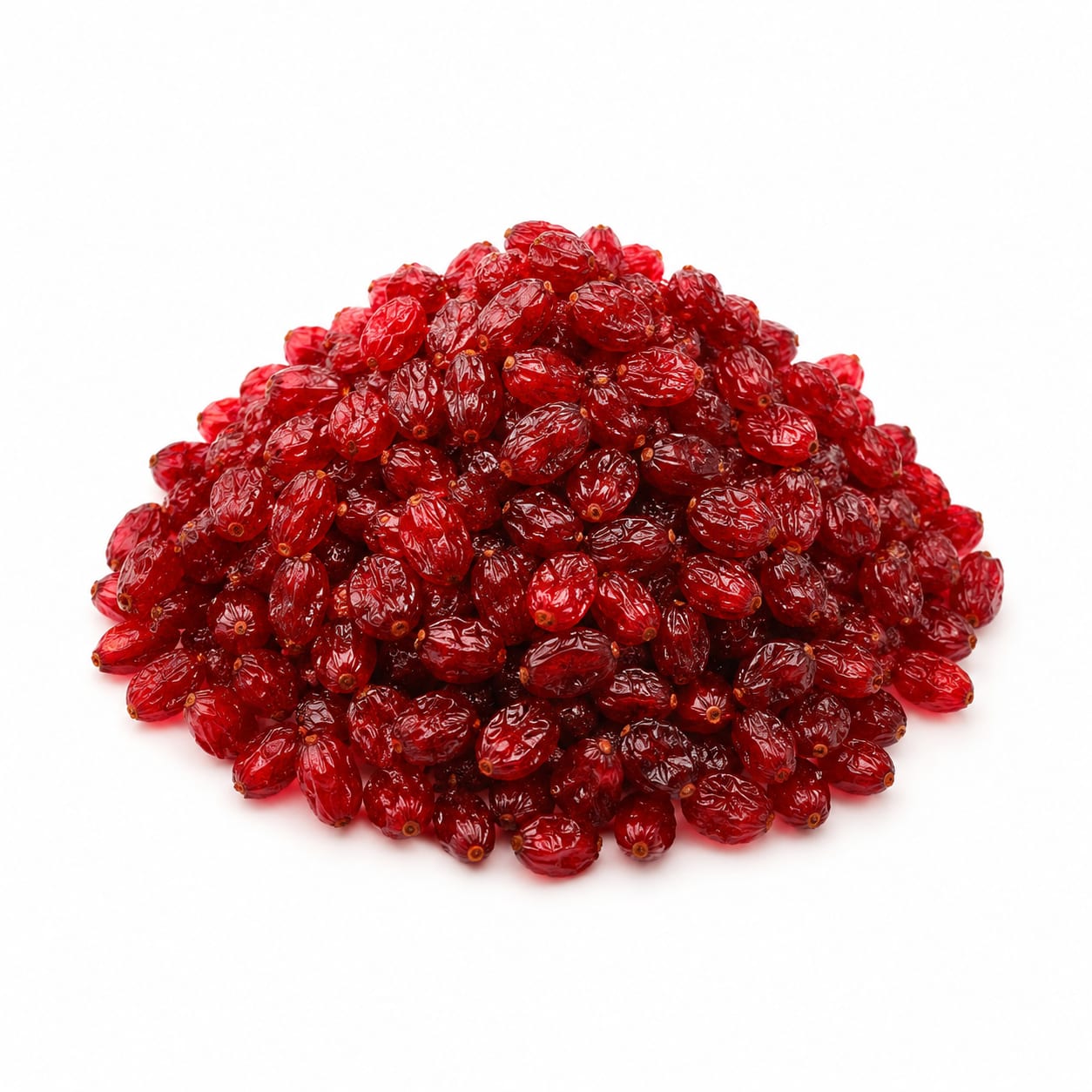
Barberry
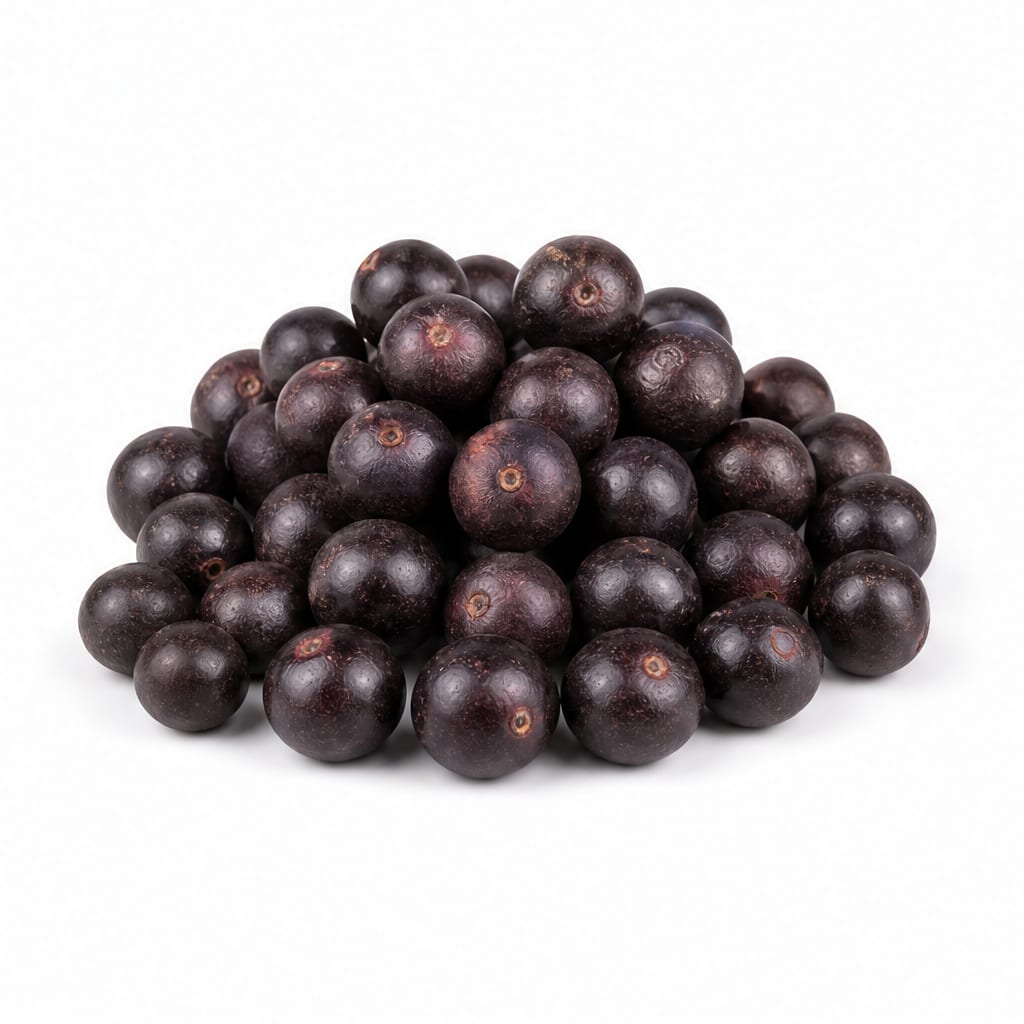
Acai Berry
Barberry excels for metabolic health and blood sugar control, while Acai Berry wins for antioxidant diversity and everyday palatability.
Barberry scores slightly higher due to its potent medicinal compound berberine and lower calorie density. Acai Berry remains excellent for antioxidants and healthy fats but carries more calories and less targeted metabolic benefit. The close scores reflect that both are strong choices for different reasons.
Barberry offers stronger therapeutic effects for blood sugar and cholesterol but is harder to find and very tart. Acai is tastier and more accessible but higher in calories and less targeted for metabolic conditions.
At a glance
Executive summary
Overall
It depends
Healthier
Barberry
More practical
Acai Berry
Daily use
Acai Berry
Key comparison lenses
antioxidant potential
Both are prized for exceptional antioxidant content, making this the primary reason users compare them
blood sugar management
Barberry's berberine content makes it uniquely relevant for metabolic health, a key differentiator
weight management
Calorie density and metabolic effects differ significantly between these two berries
practical availability
Acai is widely available in Western markets while barberry requires specialty sourcing
anti inflammatory use
Both are used for inflammation but through different mechanisms
Best choice for
Barberry
- People managing type 2 diabetes or prediabetes
- Those seeking cholesterol-lowering support
- Anyone targeting metabolic syndrome
- People who want low-calorie antioxidant sources
Acai Berry
- Smoothie and bowl enthusiasts wanting antioxidant boosts
- People seeking anti-aging and skin health support
- Those wanting a palatable daily superfruit
- Anyone needing convenient frozen or powdered fruit options
Least suitable for
Barberry
- People on blood sugar medications without doctor supervision
- Children who dislike very sour flavors
- Those wanting an easy-to-eat snack berry
- Pregnant women due to berberine content
Acai Berry
- People strictly monitoring calorie intake
- Those avoiding higher-fat fruits
- Budget-conscious shoppers seeking affordable berries
- Anyone sensitive to overhyped superfood marketing
Deep comparison
Dimension by dimension
Each lens scores both foods and breaks down who each option suits.
- Dimension 1 · Priority 92Acai Berry
antioxidant_power
Barberry · 78Acai Berry · 88Acai Berry delivers a broader spectrum of antioxidants, especially anthocyanins, which support cellular defense and skin health more comprehensively.
Tradeoff
Barberry's antioxidants are more targeted toward metabolic and liver health, while Acai provides wider-ranging cellular protection including skin and anti-aging benefits.
Why it matters
If your goal is general longevity and visible skin benefits, Acai is more rewarding. For internal metabolic protection, Barberry still holds strong.
Real-world impact
Regular Acai consumers often notice skin glow and recovery benefits. Barberry users see more impact on blood work than appearance.
Barberry
- Metabolic oxidative stress
- Liver-specific antioxidant support
Better for
- Less diverse antioxidant profile
- Fewer visible cosmetic benefits
Worse for
Acai Berry
- Skin health and anti-aging
- General cellular protection
- Post-exercise recovery
Better for
- Less targeted metabolic antioxidant action
Worse for
- Dimension 2 · Priority 88Barberry
blood_sugar_and_metabolic_health
Barberry · 93Acai Berry · 55Barberry is a standout for blood sugar regulation thanks to berberine, which acts similarly to some diabetes medications. Acai has minimal direct metabolic impact.
Tradeoff
Barberry's berberine is powerful enough that it can interact with medications, requiring caution. Acai is safer but offers almost no blood sugar benefit beyond its fiber content.
Why it matters
For anyone with insulin resistance, prediabetes, or metabolic syndrome, this difference is substantial and potentially life-changing.
Real-world impact
Barberry supplementation has shown measurable fasting glucose reductions in clinical studies. Acai simply does not move the needle on blood sugar.
Barberry
- Fasting glucose reduction
- Insulin sensitivity improvement
- Cholesterol management
- Metabolic syndrome support
Better for
- Requires medical guidance if on diabetes medication
- Risk of blood sugar dropping too low when combined with drugs
Worse for
Acai Berry
- Safer without medical supervision
- No risk of hypoglycemia
Better for
- No meaningful blood sugar benefit
- Higher calorie load works against metabolic goals
Worse for
- Dimension 3 · Priority 80Barberry
calorie_and_weight_management
Barberry · 85Acai Berry · 62Barberry is significantly lower in calories and contains berberine which may support fat metabolism. Acai is calorie-dense due to its fat content.
Tradeoff
Acai's healthy fats provide satiety and nutrient absorption benefits, but they add up quickly in smoothie bowls. Barberry is virtually calorie-free but less filling.
Why it matters
For weight loss, every calorie matters. Acai bowls can easily exceed 400 calories with toppings, while barberry tea adds almost nothing.
Real-world impact
Someone snacking on Acai bowls daily may unknowingly gain weight. Barberry as a tea or garnish supports calorie control effortlessly.
Barberry
- Low-calorie flavor enhancement
- Berberine-supported fat metabolism
- Easy portion control
Better for
- Not filling on its own
- Unlikely to replace a meal or snack
Worse for
Acai Berry
- Healthy fats keep you fuller longer
- More satisfying as a meal component
Better for
- Calorie density can sabotage weight loss
- Easy to overconsume in bowl form
Worse for
- Dimension 4 · Priority 75Acai Berry
taste_and_palatability
Barberry · 45Acai Berry · 82Acai has a rich, mildly sweet, earthy-berry flavor that blends beautifully into smoothies and bowls. Barberry is intensely sour and astringent.
Tradeoff
Barberry's tartness makes it an acquired taste best used as a garnish or in cooking. Acai is genuinely enjoyable and easy to eat regularly.
Why it matters
The best superfood is the one you actually eat consistently. Acai wins on enjoyment, which drives long-term adherence.
Real-world impact
Most people look forward to Acai bowls. Barberry requires effort to incorporate palatably, often needing honey or savory pairings.
Barberry
- Adds bright acidity to savory dishes
- Traditional Persian rice pairings are delicious
Better for
- Too sour for most people raw
- Limited recipe versatility in Western cooking
Worse for
Acai Berry
- Enjoyable on its own
- Blends well with other fruits
- Appeals to kids and picky eaters
Better for
- Can become boring if always prepared the same way
Worse for
- Dimension 5 · Priority 72Acai Berry
availability_and_convenience
Barberry · 38Acai Berry · 78Acai is widely available frozen, powdered, and in ready-made products across Western grocery stores. Barberry requires specialty or Middle Eastern markets.
Tradeoff
Acai's mainstream availability means more options but also more overpriced and sugar-laden products. Barberry is harder to find but typically sold in purer forms.
Why it matters
If you cannot easily buy a food, you will not eat it regularly regardless of its health benefits.
Real-world impact
You can grab Acai at most grocery stores. Finding quality Barberry often means online ordering or visiting an Iranian grocery.
Barberry
- Typically sold without added sugars
- Available as dried whole berries which store well
Better for
- Hard to find in mainstream stores
- Limited product variety
- May require online ordering with shipping costs
Worse for
Acai Berry
- Available in most supermarkets
- Multiple convenient formats including frozen packets
- Widely offered at juice bars and cafes
Better for
- Many commercial products contain added sugar
- Quality varies dramatically between brands
Worse for
- Dimension 6 · Priority 72It depends
anti_inflammatory_effect
Barberry · 80Acai Berry · 79Both berries fight inflammation through different pathways. Barberry targets metabolic inflammation via berberine, while Acai reduces oxidative inflammation through anthocyanins.
Tradeoff
Barberry is better for inflammation driven by metabolic dysfunction. Acai is better for inflammation from oxidative stress and physical exertion.
Why it matters
Choosing the right anti-inflammatory food depends on what is driving your inflammation in the first place.
Real-world impact
Barberry helps more with systemic low-grade inflammation tied to belly fat. Acai helps more with joint soreness after exercise or skin inflammation.
Barberry
- Metabolic inflammation
- Liver inflammation
- Inflammation linked to insulin resistance
Better for
- Less effective for acute exercise recovery
Worse for
Acai Berry
- Exercise-induced inflammation
- Skin inflammation
- General oxidative stress
Better for
- Less effective for metabolically-driven inflammation
Worse for
Timeline
Health impact over time
Short-term
Hours to days
Barberry
- Noticeable blood sugar stabilization within hours of consumption
- Tart flavor may reduce appetite temporarily
- Possible mild digestive adjustment if consumed in large amounts
Acai Berry
- Quick antioxidant boost noticeable in energy and recovery
- Satiety from healthy fats reduces hunger for 2-3 hours
- Blood sugar may rise slightly if consumed with sweetened Acai products
Long-term
Months to years
Barberry
- Improved insulin sensitivity with regular consumption
- Potential reduction in LDL cholesterol over months
- Possible medication interaction requiring doctor monitoring
- Consistent low-grade inflammation reduction
Acai Berry
- Enhanced skin elasticity and appearance over months
- Better cardiovascular markers from regular anthocyanin intake
- Risk of calorie creep if Acai bowls become a daily habit
- Sustained antioxidant protection against cellular aging
Risk profile
Safety & processing
Barberry is typically sold as dried whole berries with minimal processing. Acai requires rapid freezing or freeze-drying after harvest, and many commercial Acai products contain added sugars, emulsifiers, or fillers. Whole dried Barberry is closer to its natural state than most Acai products you will find in stores.
Barberry
Berberine-drug interaction
highBerberine can amplify the effects of diabetes medications, blood pressure drugs, and certain antibiotics. Always consult a doctor if taking prescription medications.
Contamination in imported dried berries
mediumBarberry is often imported from Iran or Turkey. Quality control varies, so sourcing from reputable suppliers matters.
Pregnancy concern
highBerberine can stimulate uterine contractions. Pregnant women should avoid Barberry entirely.
Acai Berry
Added sugars in commercial products
mediumMany frozen Acai packets and bowls contain significant added sugar, undermining health benefits. Always read labels.
Heavy metal exposure in some powders
lowSome Acai powder supplements have tested positive for trace heavy metals. Choose third-party tested brands.
Calorie underestimation
mediumAcai bowls with granola and toppings can exceed 600 calories, contributing to unintended weight gain.
Who wins for whom
Audience fit
Same foods, different winners depending on your goal.
children
Acai BerryAcai's sweeter taste and smooth texture make it kid-friendly. Barberry's extreme tartness and berberine content make it unsuitable for children.
daily consumption
Acai BerryAcai is easier to enjoy daily without medical supervision. Barberry's berberine potency makes daily use more complex and potentially risky for some people.
diabetes
BarberryBerberine in Barberry is one of the most potent natural compounds for blood sugar regulation, comparable to some pharmaceutical options.
elderly
BarberryBarberry's cardiovascular and metabolic benefits address the most common elderly health concerns, though medication interactions must be monitored.
muscle gain
Acai BerryAcai provides healthy fats and more calories that support muscle-building diets, plus antioxidants aid workout recovery.
weight loss
BarberryBarberry's near-zero calories and berberine-driven metabolic support make it more weight-loss friendly than calorie-dense Acai.
Your move
Decision guide
Choose Barberry
- You are managing prediabetes, type 2 diabetes, or metabolic syndrome
- You want a low-calorie way to add bold flavor to savory dishes
- Your doctor has cleared berberine supplementation for cholesterol
- You enjoy tart, sour flavors or cook Persian cuisine regularly
Choose Acai Berry
- You want an antioxidant-rich addition to smoothies and breakfast bowls
- Skin health and anti-aging are primary goals
- You need a convenient frozen fruit option for busy mornings
- You prefer foods that taste good without needing recipe workarounds
Either works if
- You want to reduce inflammation through diet
- You are looking to diversify your berry intake beyond common options
- You enjoy experimenting with functional foods and superfruits
Avoid both if
- You are on blood thinners without medical supervision
- You have berry allergies or sensitivities
- You expect either berry alone to solve health problems without broader diet changes
Final recommendation
For most people, Acai Berry is the more practical daily choice because it is enjoyable, accessible, and easy to incorporate. However, if you have specific metabolic concerns like elevated blood sugar or cholesterol, Barberry is the more therapeutically powerful option worth the extra effort to source. The smartest approach may be using both: Acai for daily antioxidant support and Barberry as a targeted metabolic tool.
Practical
Consumer tips
- 1
Buy Barberry from Iranian or Middle Eastern grocery stores for the best quality and price
- 2
Choose unsweetened frozen Acai packets over pre-made bowls to control sugar and calories
- 3
Soak dried Barberry before using to reduce extreme tartness
- 4
If on diabetes medication, talk to your doctor before adding Barberry regularly
- 5
Make Acai bowls at home with controlled portions rather than ordering at cafes where calories multiply quickly
- 6
Store dried Barberry in an airtight container away from light to preserve berberine content
- 7
Look for Acai products with third-party testing to avoid heavy metal contamination