
Nutrition comparison
Barberry vs Sultana: Which Is Healthier for Blood Sugar, Snacking, and Daily Use?
Compare barberry and sultana nutrition, health benefits, and drawbacks. Discover which is better for diabetes, weight loss, and everyday eating based on sugar, berberine, and calorie content.
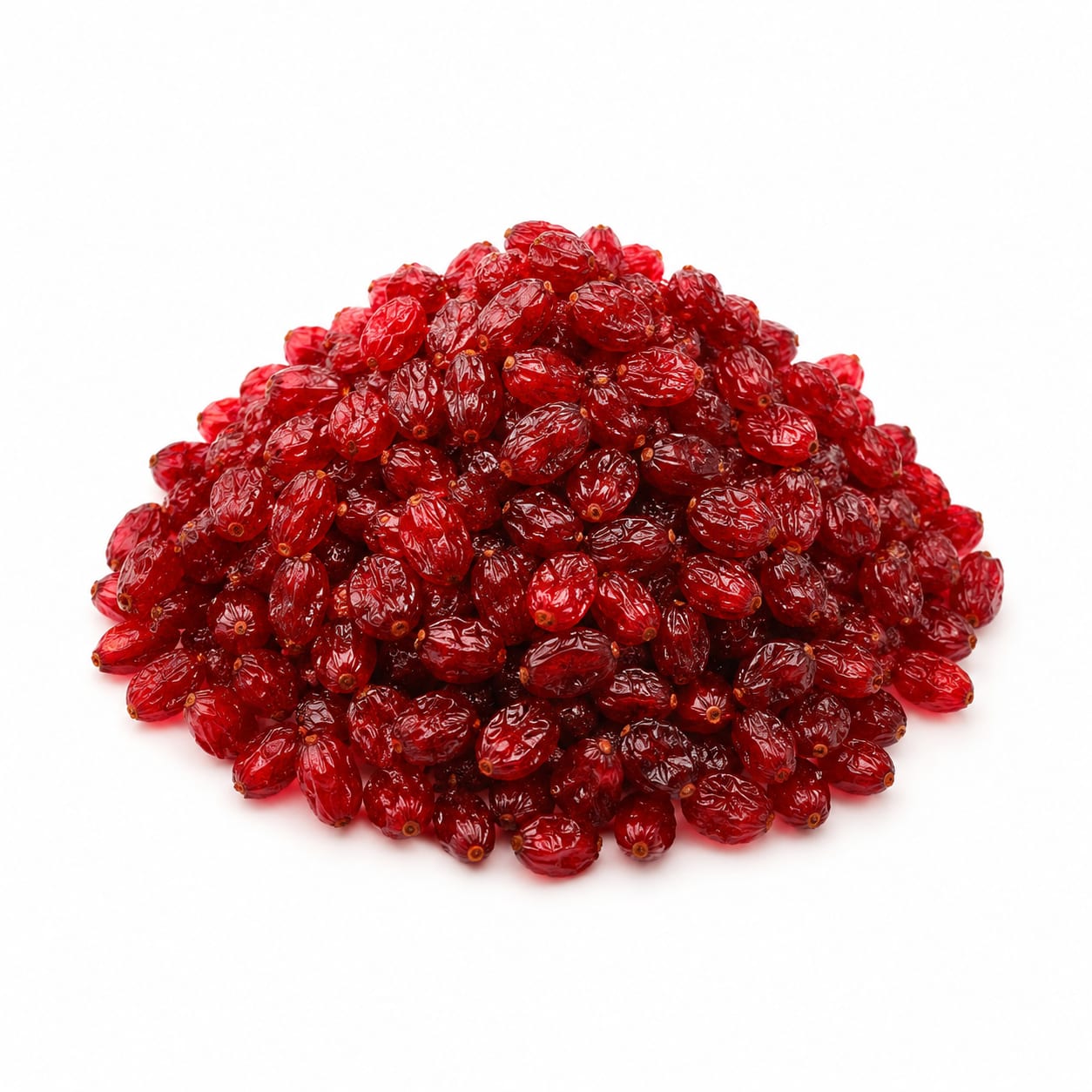
Barberry
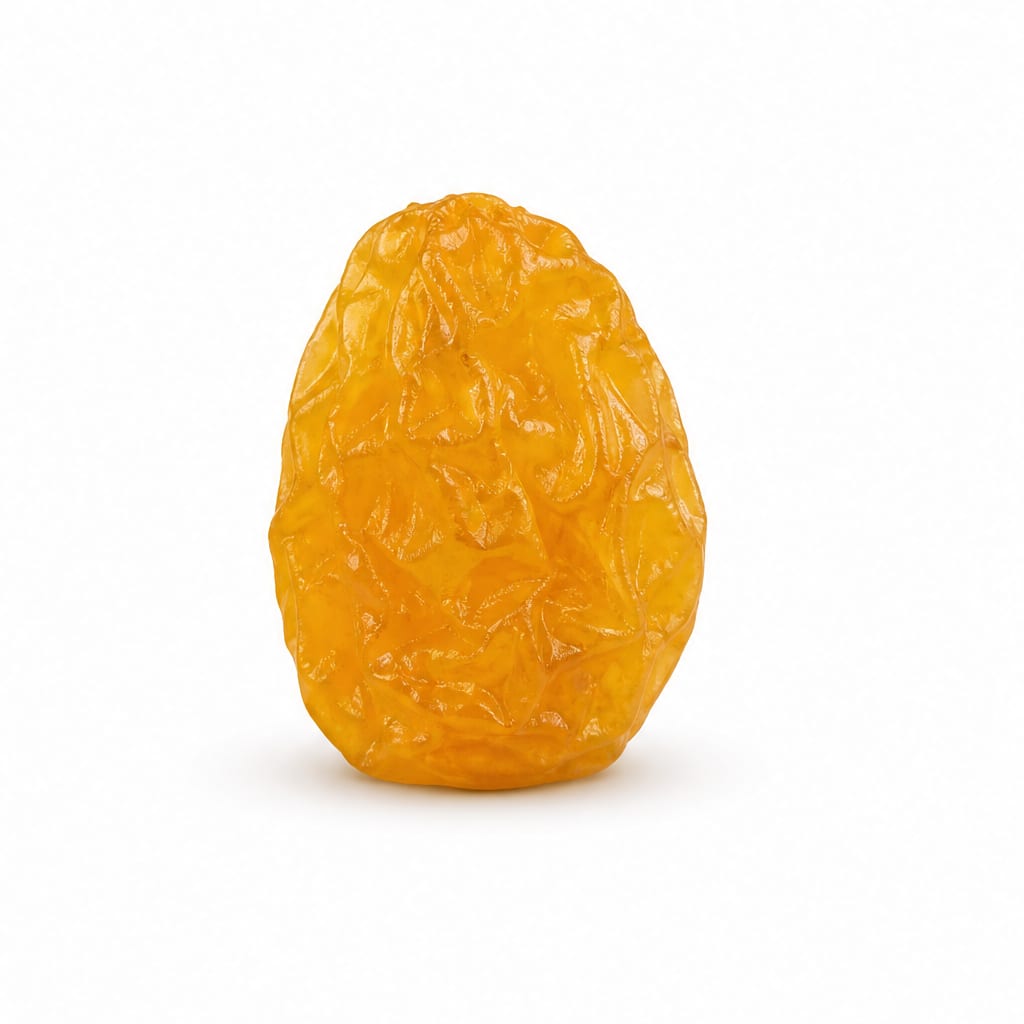
Sultana
Barberry is the metabolic powerhouse with blood sugar benefits and minimal calories, while sultanas are the convenient energy source that tastes far better but hits your glucose hard.
Barberry scores higher due to its metabolic benefits, low sugar, and berberine content, but loses points for limited culinary appeal and availability. Sultanas score lower mainly because of high sugar density and blood sugar impact, though they win on taste and convenience.
Metabolic health versus palatability and convenience — barberry protects your blood sugar but tastes sharply sour, sultanas taste delicious but deliver a concentrated sugar hit.
At a glance
Executive summary
Overall
It depends
Healthier
Barberry
More practical
Sultana
Daily use
It depends
Key comparison lenses
blood sugar management
Barberry contains berberine which actively lowers blood sugar, while sultanas are sugar-dense dried fruit that spike glucose
snack choice for weight management
Calorie and sugar density differ dramatically between these two options
natural vs processed food preference
Sultanas undergo drying and sometimes sulfur treatment, while barberries are typically less processed
culinary and taste preference
Tart and sour versus sweet creates very different eating experiences and use cases
Best choice for
Barberry
- People managing diabetes or insulin resistance
- Those seeking low-calorie flavor enhancers
- Anyone wanting berberine's metabolic benefits naturally
- Weight-loss-focused eaters who need flavor without calories
Sultana
- Endurance athletes needing quick energy
- Children who refuse tart flavors
- Home bakers needing natural sweetness
- Anyone needing portable, shelf-stable calories
Least suitable for
Barberry
- People on blood sugar medications without doctor supervision
- Children sensitive to sour tastes
- Those seeking quick pre-workout energy
- Anyone unfamiliar with cooking with tart ingredients
Sultana
- People with diabetes or prediabetes
- Those strictly limiting sugar intake
- Anyone prone to overeating sweet foods
- Weight-loss dieters tracking calorie density
Deep comparison
Dimension by dimension
Each lens scores both foods and breaks down who each option suits.
- Dimension 1 · Priority 95Barberry
blood sugar impact
Barberry · 92Sultana · 25Barberry actively helps regulate blood sugar through berberine, while sultanas deliver a concentrated sugar rush that spikes glucose rapidly.
Tradeoff
You gain metabolic protection with barberry but lose the immediate energy and sweetness that sultanas provide.
Why it matters
Blood sugar crashes after sultanas can trigger hunger, fatigue, and cravings within an hour of eating them.
Real-world impact
A handful of sultanas can spike your blood sugar like a candy bar, leaving you hungry again soon. Barberry with a meal helps keep energy steadier for hours.
Barberry
- Diabetics seeking natural glucose control
- Intermittent fasters breaking a fast gently
- Anyone avoiding afternoon energy crashes
Better for
- People on metformin or other glucose drugs without medical supervision
Worse for
Sultana
- Athletes mid-endurance event needing fast carbs
- Someone experiencing hypoglycemia
Better for
- Insulin-resistant individuals
- Anyone monitoring glycemic load
Worse for
- Dimension 2 · Priority 90Barberry
calorie and sugar density
Barberry · 88Sultana · 30Barberries are extremely low in calories and sugar, while sultanas are calorie-dense and over 60% sugar by weight.
Tradeoff
Barberry lets you add big flavor without the caloric cost, but sultanas provide actual usable energy when you need it.
Why it matters
It is very easy to overeat sultanas — a small handful packs over 100 calories almost entirely from sugar.
Real-world impact
Mindless snacking on sultanas can quietly add 200-300 calories before you notice. Barberry makes overeating nearly impossible because the sour taste is self-limiting.
Barberry
- Calorie counters
- Low-carb and keto dieters
- Mindful snackers
Better for
- Anyone needing caloric surplus for muscle gain
Worse for
Sultana
- Hikers and climbers needing lightweight calories
- Underweight individuals needing energy density
Better for
- Emotional eaters who cannot stop at one handful
- Weight loss dieters
Worse for
- Dimension 3 · Priority 85Sultana
taste and palatability
Barberry · 35Sultana · 85Sultanas are naturally sweet and broadly appealing, while barberries are intensely tart and an acquired taste.
Tradeoff
Sultanas are easy to enjoy but easy to overeat; barberries are hard to overeat but hard to enjoy plain.
Why it matters
The best healthy food is one you actually eat — palatability determines long-term adherence.
Real-world impact
Most people can happily snack on sultanas straight from the bag. Barberries usually need to be cooked into rice dishes, stews, or blended with other flavors to become enjoyable.
Barberry
- Fans of sour and tart flavors
- Culinary adventurers exploring Persian cuisine
Better for
- Sweet-tooth snackers
- People unfamiliar with tart foods
Worse for
Sultana
- Kids and picky eaters
- Anyone wanting a no-prep snack
- Bakers adding natural sweetness
Better for
- Those trying to reduce sweet cravings
Worse for
- Dimension 4 · Priority 80Barberry
antioxidant and bioactive compound profile
Barberry · 90Sultana · 55Barberry delivers berberine, a clinically-studied compound with metabolic and anti-inflammatory effects. Sultanas offer modest antioxidants but nothing as pharmacologically active.
Tradeoff
Barberry functions almost like a mild natural supplement, while sultanas provide general antioxidant support without targeted effects.
Why it matters
Berberine has been compared to metformin in some studies for blood sugar management — that is a serious bioactive advantage.
Real-world impact
Regular barberry consumption may meaningfully improve metabolic markers over months. Sultanas contribute antioxidants but will not move the needle on blood work the same way.
Barberry
- People seeking functional food benefits
- Those with metabolic syndrome
- Anyone interested in food-as-medicine approaches
Better for
- People on medications that interact with berberine
Worse for
Sultana
- Healthy individuals wanting general antioxidant support
Better for
- Those needing targeted metabolic improvement
Worse for
- Dimension 5 · Priority 70Sultana
convenience and availability
Barberry · 40Sultana · 88Sultanas are available in every grocery store and need zero preparation. Barberries are specialty items requiring sourcing effort and usually cooking.
Tradeoff
Sultanas win on grab-and-go practicality, but barberry requires more effort to find and use effectively.
Why it matters
If a food is hard to find and hard to use, even superior nutrition gets ignored in real life.
Real-world impact
You can buy sultanas at any corner store. Barberries often require a Middle Eastern grocer or online order, and most people need recipes to use them well.
Barberry
- Home cooks who enjoy specialty ingredients
- People near Middle Eastern markets
Better for
- Anyone without specialty grocery access
- People who do not cook
Worse for
Sultana
- Busy professionals needing instant snacks
- Rural shoppers with limited store access
- Travelers and commuters
Better for
- Those avoiding conventional dried fruit sections
Worse for
- Dimension 6 · Priority 60Sultana
mineral content
Barberry · 45Sultana · 72Sultanas provide meaningful iron, potassium, and some boron. Barberries offer vitamin C and some minerals but in smaller practical amounts.
Tradeoff
Sultanas contribute more toward daily mineral needs, but you have to accept the sugar payload to get those minerals.
Why it matters
Iron and potassium are common dietary gaps, and sultanas can help fill them — but not without a sugar cost.
Real-world impact
A serving of sultanas covers about 5-8% of daily iron needs, which matters for vegetarians and women. Barberry's mineral contribution is smaller per typical serving.
Barberry
- Those already meeting mineral needs through other foods
Better for
- Those relying on this food for mineral intake
Worse for
Sultana
- Vegetarians needing iron sources
- Active people needing potassium replenishment
Better for
- People who cannot afford the sugar that comes with the minerals
Worse for
Timeline
Health impact over time
Short-term
Hours to days
Barberry
- Tart taste may cause mild mouth puckering or salivation
- Berberine can cause mild digestive upset in sensitive individuals at higher doses
- Unlikely to cause energy crashes due to minimal sugar content
Sultana
- Rapid blood sugar spike within 15-30 minutes of eating
- Brief energy boost followed by potential crash
- Easy to overconsume due to sweet taste and small size
Long-term
Months to years
Barberry
- Berberine may improve insulin sensitivity and lipid profiles over months
- Anti-inflammatory properties may support cardiovascular health
- Potential interaction with certain medications requires monitoring
- Vitamin C content supports immune function with regular use
Sultana
- Regular high sugar intake from dried fruit may worsen insulin resistance
- Iron content supports healthy blood when consumed consistently
- Potassium contributes to blood pressure regulation
- Dental health risk from sticky, sugary texture adhering to teeth
Risk profile
Safety & processing
Barberries are typically dried with minimal intervention, retaining their natural state. Sultanas often undergo sulfur dioxide treatment for color preservation and may include added oils to prevent clumping, making them more processed.
Barberry
Berberine-drug interactions
highBerberine can interact with blood sugar medications, blood pressure drugs, and cytochrome P450 substrates. Consult a doctor if taking prescription medications.
Contamination in unregulated imports
mediumBarberries from unverified sources may have pesticide residue or heavy metal contamination. Choose reputable suppliers.
Sultana
Sulfur dioxide sensitivity
mediumMany sultanas are treated with sulfites to preserve color, which can trigger reactions in sensitive individuals including asthma symptoms.
Dental caries from sticky sugar
mediumSultanas adhere to tooth surfaces and concentrate sugar against enamel, increasing cavity risk with frequent consumption.
Mold and mycotoxin risk in poor storage
lowImproperly stored dried fruit can develop mold. Keep sealed and dry.
Who wins for whom
Audience fit
Same foods, different winners depending on your goal.
children
SultanaKids overwhelmingly prefer sweet sultanas over tart barberries, and the iron content supports growing bodies.
daily consumption
It dependsBarberry is better daily for metabolic benefits if you enjoy the taste and can source it. Sultanas are more practical daily but should be portion-controlled due to sugar content.
diabetes
BarberryBerberine actively improves glucose metabolism. Sultanas are concentrated sugar bombs that challenge diabetic blood sugar management.
elderly
It dependsBarberry supports metabolic health and blood sugar regulation important for older adults, but sultanas provide easier-to-eat calories and iron for those with poor appetite.
muscle gain
SultanaSultanas provide quick-digesting carbs useful post-workout, while barberry offers negligible calories for recovery needs.
weight loss
BarberryBarberry adds flavor with almost no calories and helps regulate blood sugar, reducing cravings. Sultanas are calorie-dense and easy to overeat.
Your move
Decision guide
Choose Barberry
- You are managing blood sugar, insulin resistance, or metabolic syndrome
- You want big flavor without calories in your cooking
- You are interested in the functional benefits of berberine
- You find sweet snacks trigger cravings and overeating
Choose Sultana
- You need quick portable energy for sports or hiking
- You are baking and want natural sweetness
- You have children who need iron-rich snacks they will actually eat
- You struggle to get enough calories and need energy-dense foods
Either works if
- You want to add variety to your diet with different fruit flavors
- You are generally healthy and eat both in moderation
- You use small amounts as garnishes or recipe additions rather than standalone snacks
Avoid both if
- You have known allergies to either food family
- You are on medications that interact with berberine without medical guidance
- You cannot control portion sizes with sweet dried fruit
Final recommendation
Use barberry as a metabolic ally in savory dishes like rice, stews, and salads where its tartness shines. Keep sultanas as a targeted energy tool for active days or baking, not as a default snack. If blood sugar management is your priority, barberry is clearly superior. If you need palatable, convenient calories, sultanas fill that role — just measure your portions.
Practical
Consumer tips
- 1
Soak barberries in warm water for 10 minutes before cooking to soften them and reduce extreme tartness
- 2
Limit sultana portions to a small handful (about 30g) to avoid blood sugar spikes and calorie overload
- 3
Look for unsulfured sultanas if you are sensitive to sulfites or want to avoid preservatives
- 4
Try barberries in Persian zereshk polo (rice dish) as an entry point — the combination with saffron and butter balances the sourness beautifully
- 5
If you take blood sugar or blood pressure medication, talk to your doctor before regularly consuming barberry due to berberine interactions
- 6
Store both foods in airtight containers away from light and moisture to preserve quality and prevent mold