
Nutrition comparison
Barberry vs Blueberry: Which Berry Is Better for Your Health?
Compare barberry and blueberry nutrition, health benefits, and safety. Barberry offers powerful blood sugar support via berberine, but blueberries win for safe daily eating.
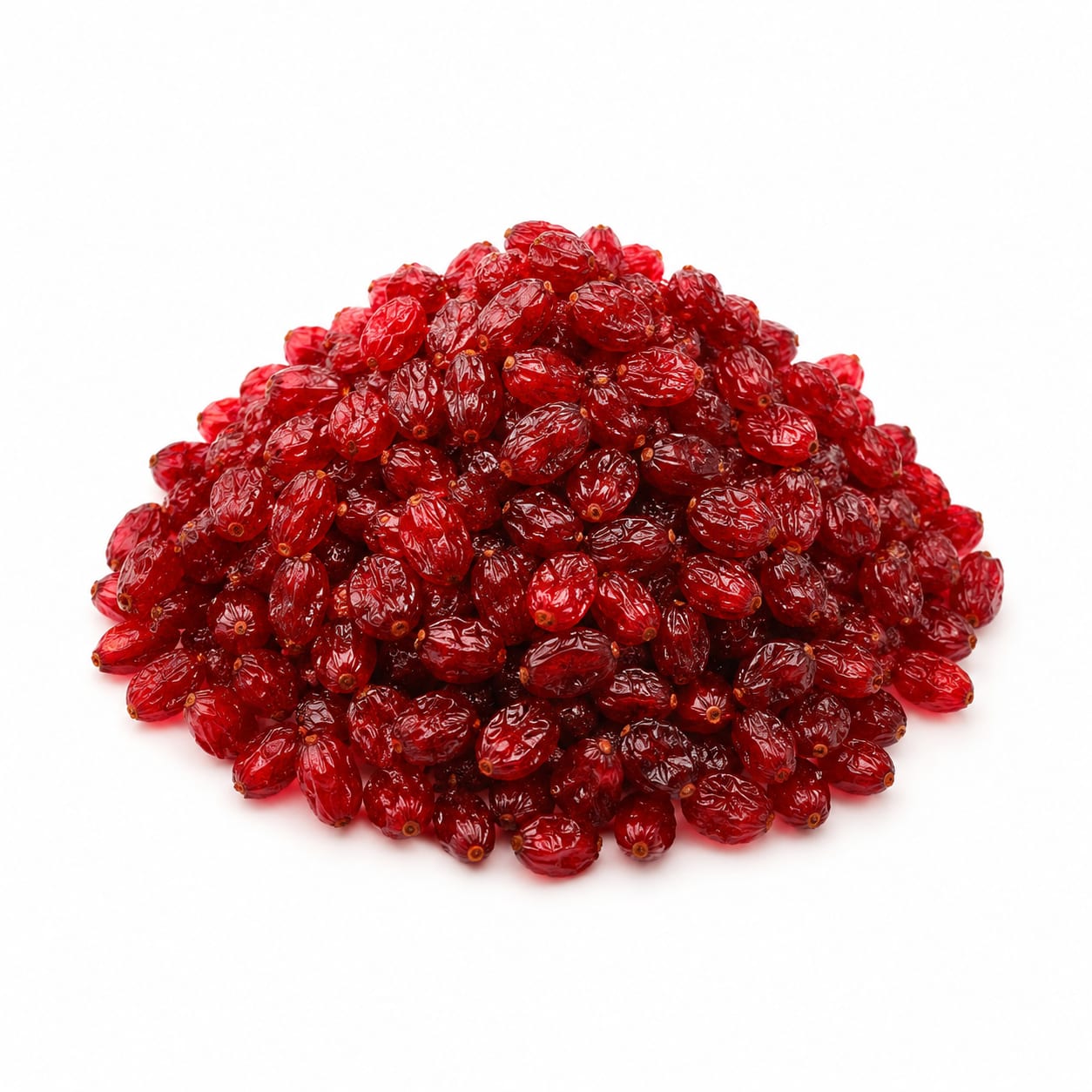
Barberry
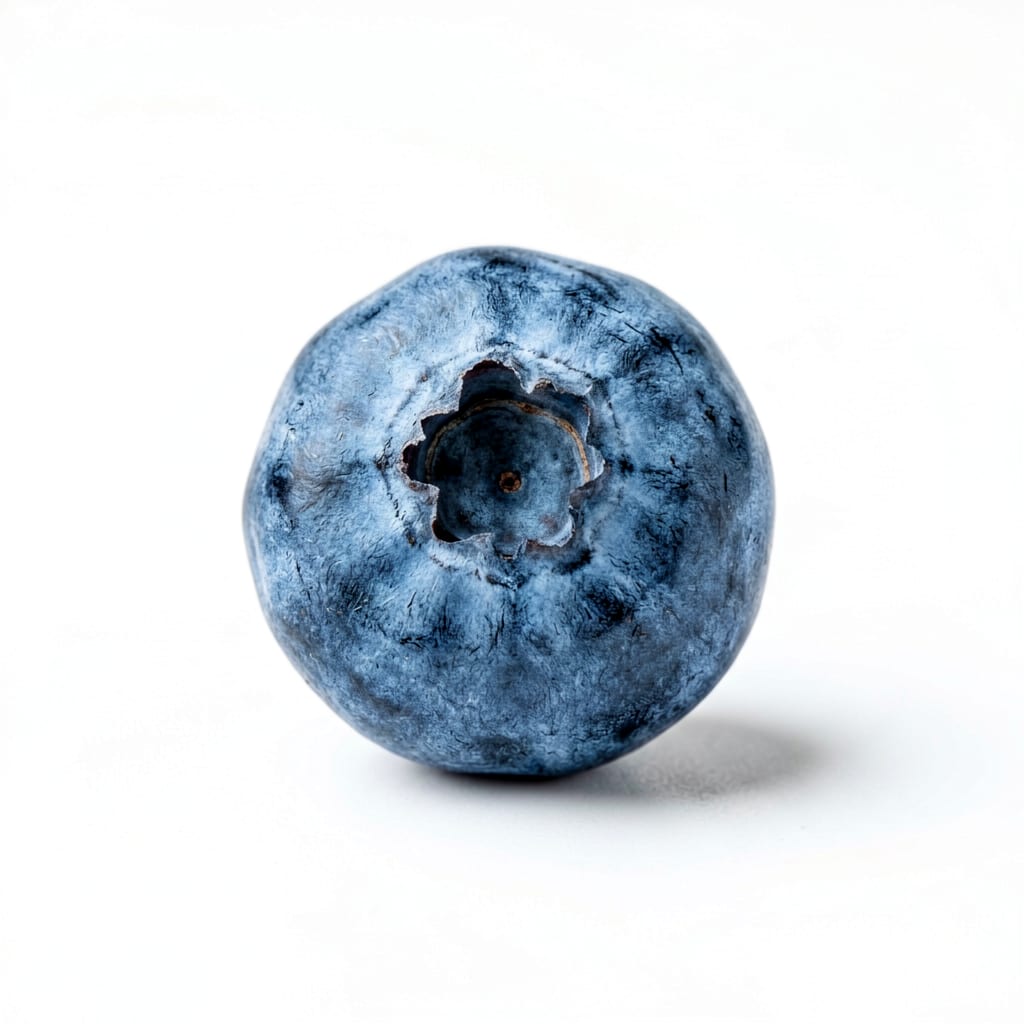
Blueberry
Blueberries win for safe, enjoyable daily eating. Barberry wins for targeted blood sugar support and medicinal benefits — but requires caution.
Blueberries score higher due to safety, palatability, and ease of regular consumption. Barberry's medicinal potency is impressive but comes with interaction risks and limited culinary flexibility, pulling its everyday usability score down.
Barberry offers stronger therapeutic effects (especially for blood sugar) but carries drug interaction risks and is too tart to eat freely. Blueberries are milder, safer, and easier to eat in meaningful quantities.
At a glance
Executive summary
Overall
It depends
Healthier
It depends
More practical
Blueberry
Daily use
Blueberry
Key comparison lenses
Medicinal vs everyday fruit choice
Barberry is primarily a medicinal and culinary spice berry, while blueberry is a mainstream everyday fruit — users are likely weighing therapeutic benefits against practicality
Blood sugar management potential
Barberry contains berberine, a compound with significant glucose-lowering effects, making this a key differentiator for diabetic or metabolic health users
Safety for regular consumption
Berberine in barberry interacts with multiple medications and may not be safe for daily unsupervised use, while blueberries are universally safe
Antioxidant strategy comparison
Both berries are antioxidant powerhouses but through different compounds — berberine vs anthocyanins — with distinct health implications
Taste and culinary versatility
Barberry is intensely tart and used sparingly as a flavoring, while blueberries are sweet and eaten in large quantities, affecting real-world intake
Best choice for
Barberry
- People managing blood sugar issues who want natural support
- Those seeking berberine's metabolic benefits without supplements
- Cooks wanting a tangy, probiotic-rich addition to rice dishes and stews
- Individuals looking for traditional digestive remedies
Blueberry
- Families wanting a safe, kid-friendly antioxidant fruit
- Anyone eating berries daily without medical supervision
- People on medications that could interact with berberine
- Those prioritizing brain health and cognitive longevity
Least suitable for
Barberry
- Pregnant women (berberine can stimulate uterine contractions)
- Anyone on blood sugar medications without doctor supervision
- People taking CYP450-metabolized drugs (statins, blood thinners, etc.)
- Children who need safe, palatable fruit options
Blueberry
- Those specifically seeking berberine's medicinal effects
- People wanting a tart, low-sugar flavoring for savory dishes
- Anyone looking for concentrated therapeutic doses of bioactive compounds
Deep comparison
Dimension by dimension
Each lens scores both foods and breaks down who each option suits.
- Dimension 1 · Priority 92Barberry
Blood Sugar Management
Barberry · 88Blueberry · 62Barberry's berberine actively lowers blood glucose, similar in mechanism to the drug metformin. Blueberries help stabilize blood sugar through fiber and anthocyanins but far more gently.
Tradeoff
Barberry's glucose-lowering power is a double-edged sword — combining it with diabetes medication risks hypoglycemia. Blueberries offer safer, milder support.
Why it matters
For someone with insulin resistance or prediabetes, barberry could be genuinely therapeutic. For everyone else, blueberries provide gentle support without risk.
Real-world impact
Eating barberry regularly might reduce your need for glucose-lowering medication — but only under medical supervision. Blueberries simply make a smart, low-glycemic snack.
Barberry
- Prediabetics seeking natural glucose control
- People with metabolic syndrome under medical guidance
Better for
- Those already on metformin or insulin — risk of dangerous lows
Worse for
Blueberry
- Anyone on diabetes medication without doctor clearance
- People wanting mild blood sugar support without risk
Better for
- People needing significant glucose-lowering support
Worse for
- Dimension 2 · Priority 90Blueberry
Safety and Drug Interactions
Barberry · 38Blueberry · 95Blueberries are among the safest foods you can eat. Barberry's berberine interferes with liver enzymes that process hundreds of common medications.
Tradeoff
Barberry's medicinal strength is exactly what makes it risky. The same compound that helps blood sugar also amplifies or blocks drugs including statins, blood thinners, and antidepressants.
Why it matters
If you take any prescription medication, barberry could silently change how your body processes it. Blueberries have zero known drug interactions.
Real-world impact
A person on Lipitor who adds daily barberry might unknowingly build up toxic statin levels. Blueberries can be eaten freely alongside any medication.
Barberry
- People on zero medications who want therapeutic effects
Better for
- Anyone on statins, blood thinners, blood pressure meds, or antidepressants
Worse for
Blueberry
- Anyone on prescription drugs
- Pregnant or breastfeeding women
- Children and elderly on multiple medications
Better for
- Dimension 3 · Priority 78It depends
Antioxidant Power
Barberry · 80Blueberry · 83Blueberries deliver broad-spectrum antioxidants, especially anthocyanins for brain and heart health. Barberry offers berberine and vitamin C — more targeted but potent in different ways.
Tradeoff
Blueberries provide a wider antioxidant profile you benefit from simply by eating them. Barberry's antioxidants are more pharmacologically active but harder to consume in large amounts due to tartness.
Why it matters
Antioxidant diversity matters more than single-compound potency. Blueberries let you eat a full cup easily; barberry is typically used by the teaspoon.
Real-world impact
A bowl of blueberries gives you a broad, safe antioxidant dose. A tablespoon of dried barberry in your rice delivers a concentrated therapeutic hit — but a much smaller total antioxidant volume.
Barberry
- Those wanting concentrated berberine-specific antioxidant action
Better for
- Those who can't consume enough volume due to tartness
Worse for
Blueberry
- People seeking broad, cumulative antioxidant protection from regular intake
- Anyone focused on cognitive longevity and neuroprotection
Better for
- People wanting the specific metabolic effects of berberine
Worse for
- Dimension 4 · Priority 75Blueberry
Taste and Eating Enjoyment
Barberry · 35Blueberry · 90Blueberries are sweet, mild, and easy to eat by the handful. Barberry is intensely sour and astringent — almost nobody eats it raw as a snack.
Tradeoff
Barberry's tartness makes it a brilliant flavor enhancer in cooked dishes, but you'll never sit down and enjoy a bowl of it. Blueberries are a genuine pleasure food.
Why it matters
The best healthy food is one you actually want to eat. Blueberries make healthy eating feel easy. Barberry requires effort and recipe integration.
Real-world impact
Blueberries disappear fast in most households because people snack on them freely. Barberry sits in the spice cabinet and gets used occasionally.
Barberry
- Adventurous cooks wanting a unique sour note in Persian or Middle Eastern dishes
Better for
- Anyone who finds very sour flavors unpleasant
Worse for
Blueberry
- Families, kids, snackers, smoothie drinkers, anyone who eats with enjoyment
Better for
- Dimension 5 · Priority 70Blueberry
Practical Availability and Cost
Barberry · 30Blueberry · 88Blueberries are available year-round in most grocery stores, fresh or frozen. Barberry is a specialty item found in Middle Eastern shops or online.
Tradeoff
You can impulse-buy blueberries anywhere. Finding quality barberry requires planning, specialty shopping, and often paying premium prices for small quantities.
Why it matters
Convenience determines consistency. The superfood you can easily buy weekly beats the one you order once and forget to reorder.
Real-world impact
Blueberries make it into your cart and your diet regularly. Barberry becomes a pantry experiment you use three times.
Barberry
- People near Middle Eastern or Iranian grocery stores
- Those comfortable ordering specialty ingredients online
Better for
- Rural shoppers with limited specialty store access
Worse for
Blueberry
- Anyone who shops at regular grocery stores
- People who want healthy food to be effortless
Better for
- Dimension 6 · Priority 68Barberry
Digestive and Gut Health
Barberry · 78Blueberry · 65Barberry has a long tradition as a digestive remedy — berberine fights harmful gut bacteria and may help with diarrhea and SIBO. Blueberries support gut health through fiber and polyphenols but more gently.
Tradeoff
Barberry acts more like a targeted gut antimicrobial, which is powerful for specific issues but not something you want overusing long-term. Blueberries are a gentler prebiotic.
Why it matters
If you have ongoing gut issues, barberry might genuinely help. If your digestion is fine, blueberries maintain what's working without disruption.
Real-world impact
Someone with bloating or SIBO might notice real improvement from barberry tea. Blueberries simply keep things moving comfortably.
Barberry
- People with SIBO, diarrhea-predominant IBS, or gut bacterial overgrowth
Better for
- Long-term unsupervised use may disrupt beneficial gut flora
Worse for
Blueberry
- Those wanting gentle prebiotic fiber support
- People with normal digestion who don't need antimicrobial action
Better for
Timeline
Health impact over time
Short-term
Hours to days
Barberry
- Noticeable blood sugar reduction within hours of consumption
- Strong tart flavor may reduce appetite temporarily
- Possible mild stomach upset if eaten in large amounts
- Potential interaction effects if taken with medications within the same day
Blueberry
- Gentle blood sugar stabilization after meals
- Comfortable, satisfying fullness from fiber and water content
- Quick, clean energy without crashes
- Immediate enjoyment — easy to eat without preparation
Long-term
Months to years
Barberry
- Sustained blood sugar improvement with regular use under supervision
- Possible risk of nutrient malabsorption with chronic berberine use
- Potential disruption to beneficial gut microbiome with overuse
- Cumulative drug interaction risk if medications change over time
Blueberry
- Consistent antioxidant protection linked to slower cognitive decline
- Improved cardiovascular markers from regular anthocyanin intake
- Better long-term diet adherence because they're enjoyable to eat
- Stable, safe nutritional support with no known cumulative risks
Risk profile
Safety & processing
Both are whole, natural berries. Barberry is typically sold dried without additives. Blueberries are eaten fresh or frozen, both forms retaining natural integrity. Neither raises processing concerns.
Barberry
Berberine-drug interactions
highBerberine inhibits CYP3A4, CYP2D6, and other liver enzymes, potentially raising blood levels of statins, blood thinners, antifungals, and many other drugs to dangerous levels.
Pregnancy risk
highBerberine can stimulate uterine contractions and is traditionally avoided during pregnancy. It may also cross the placenta.
Hypoglycemia risk in diabetics
mediumWhen combined with glucose-lowering medications, barberry's blood sugar effects can push glucose dangerously low.
Contamination in imported dried products
lowAs a specialty imported product, barberry may have less consistent quality control. Source from reputable suppliers.
Blueberry
Pesticide residue
mediumBlueberries consistently appear on the EWG's Dirty Dozen list. Organic options significantly reduce exposure.
Mold and spoilage
lowFresh blueberries spoil quickly. Inspect for mold before eating, especially berries at the bottom of the container.
Who wins for whom
Audience fit
Same foods, different winners depending on your goal.
children
BlueberryBlueberries are a top recommended first food for babies and a universally loved kid snack. Barberry's extreme tartness and berberine content make it inappropriate for children.
daily consumption
BlueberryBlueberries are safe, enjoyable, and easy to eat every day for years. Barberry is better used as a periodic therapeutic addition, not a daily staple.
diabetes
It dependsBarberry is more effective at actively lowering blood sugar but is risky alongside diabetes medication. Blueberries are safer and still beneficial. Choose barberry only with doctor oversight; otherwise blueberries are the smarter daily choice.
elderly
BlueberryOlder adults are more likely to be on multiple medications that interact with berberine. Blueberries support cognitive health and are safe alongside any drug regimen.
muscle gain
BlueberryNeither berry is a protein source, but blueberries pair easily with protein-rich meals and smoothies. Barberry's flavor profile clashes with most post-workout foods.
weight loss
BlueberryBlueberries are low-calorie, sweet enough to satisfy cravings, and easy to portion as a snack. Barberry's tartness limits overconsumption, but you'd rarely eat enough to matter calorically either way.
Your move
Decision guide
Choose Barberry
- You want natural blood sugar support and have cleared it with your doctor
- You cook Persian or Middle Eastern cuisine and want authentic sour flavor
- You're off medications and seeking berberine's metabolic benefits without supplements
- You have specific gut issues like SIBO that may respond to berberine
Choose Blueberry
- You want a safe, delicious daily antioxidant source
- You take any prescription medications
- You're feeding a family and need versatile, kid-friendly fruit
- You care about long-term brain and heart health without complexity
- You want healthy eating to feel easy and sustainable
Either works if
- You enjoy both and want variety in your antioxidant sources
- You use barberry occasionally in cooking and blueberries daily as fruit
Avoid both if
- You have a berry allergy or salicylate sensitivity
Final recommendation
Eat blueberries daily as your go-to antioxidant fruit. Add barberry occasionally in cooking if you enjoy its tart flavor and have no medication concerns. Think of blueberries as your reliable daily driver and barberry as a specialty tool — powerful but not for everyday unsupervised use.
Practical
Consumer tips
- 1
Buy organic blueberries when possible — they rank high for pesticide residue on conventional farms
- 2
Store blueberries unwashed in the fridge and wash just before eating to prevent mold
- 3
Dried barberry should be plump and bright red — avoid dull, brownish berries which may be old
- 4
Soak dried barberry for 10 minutes before cooking to rehydrate and reduce extreme tartness
- 5
If you're interested in barberry's health benefits but take medications, ask your doctor about berberine supplements with monitored dosing instead of DIY dietary use
- 6
Freeze blueberries in bulk when they're in season — they retain nutrients well and work perfectly in smoothies