
Nutrition comparison
Barberry vs Goji Berry: Which Superfood Is Better for Blood Sugar, Immunity, and Daily Use?
Compare Barberry and Goji Berry head-to-head on blood sugar impact, antioxidant power, drug interactions, taste, and daily sustainability. Find out which berry fits your health goals.
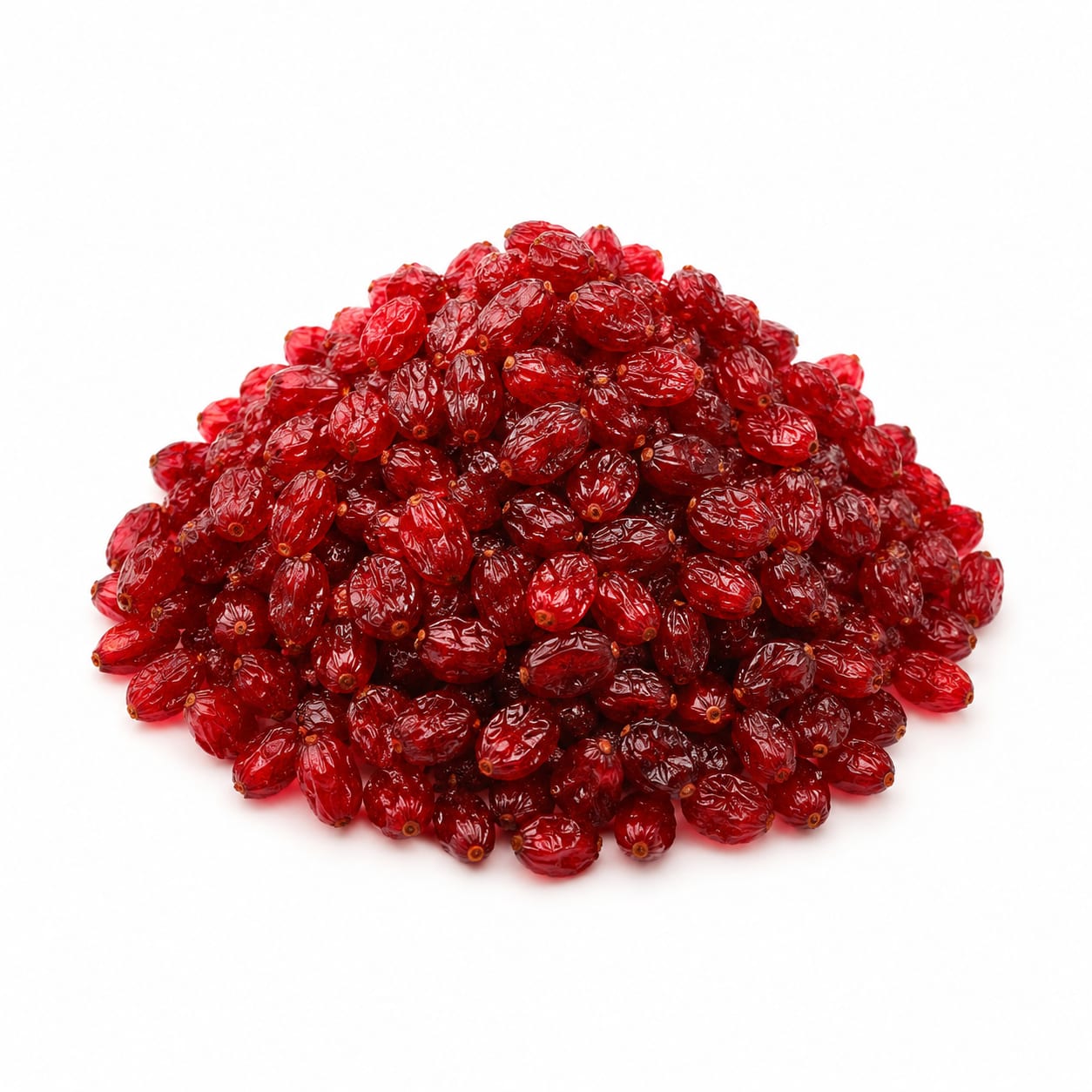
Barberry
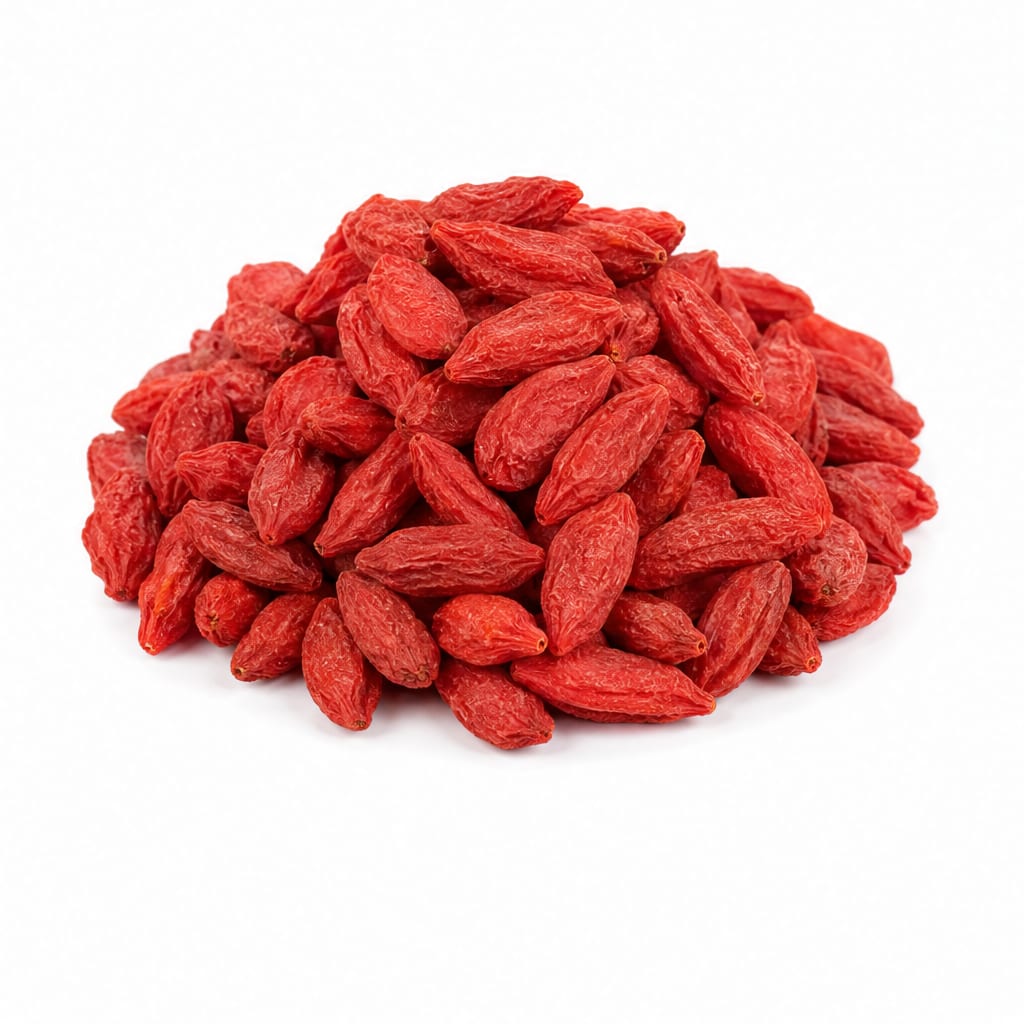
Goji Berry
Barberry is the stronger medicinal tool, especially for blood sugar, but Goji Berry is the more sustainable daily superfood with broader nutrient coverage.
Goji Berry scores slightly higher for daily usability and broader nutrient density, but Barberry earns its place as a targeted therapeutic food. The close scores reflect that neither is universally better—context determines the winner.
Clinical potency versus daily livability—Barberry works harder but demands caution; Goji Berry nourishes gently but carries more sugar and less dramatic effects.
At a glance
Executive summary
Overall
It depends
Healthier
It depends
More practical
Goji Berry
Daily use
Goji Berry
Key comparison lenses
Medicinal potency and drug interaction risk
Both berries contain powerful bioactive compounds—berberine in Barberry and unique polysaccharides in Goji Berry—that can interact with medications and produce measurable clinical effects.
Blood sugar management
Barberry's berberine is a well-studied glucose-lowering agent, while Goji Berry has a sweeter profile that raises legitimate concerns for people monitoring blood sugar.
Antioxidant strategy and immune support
Users comparing these two are often seeking functional berry benefits, making antioxidant density and immune relevance a core decision factor.
Practical daily use and taste sustainability
Goji Berry is sweeter and easier to eat regularly, while Barberry's intense sourness limits casual consumption but makes it a potent culinary accent.
Safety and contamination awareness
Both carry real risks—Barberry through berberine drug interactions and Goji Berry through pesticide concerns in some supply chains and potential atropine contamination in low-quality products.
Best choice for
Barberry
- People managing prediabetes or insulin resistance
- Those seeking a berberine source without supplements
- Cooks wanting a tart, probiotic-friendly ingredient for rice dishes and stews
- Anyone needing potent antimicrobial and liver-supportive compounds
Goji Berry
- People wanting a gentle daily antioxidant boost
- Those seeking eye-health support from high vitamin A and zeaxanthin
- Anyone looking for a palatable, snackable superfood
- People wanting immune support without intense sourness
Least suitable for
Barberry
- Pregnant women (berberine can stimulate uterine contractions)
- Anyone on blood sugar medications without doctor supervision
- People on cytochrome P450-metabolized drugs
- Children who would find the extreme sourness off-putting
Goji Berry
- People on blood thinners like warfarin
- Those strictly limiting sugar intake
- Anyone sensitive to pesticide exposure from uncertified sources
- People expecting dramatic medicinal effects from a food
Deep comparison
Dimension by dimension
Each lens scores both foods and breaks down who each option suits.
- Dimension 1 · Priority 95Barberry
Blood Sugar Impact
Barberry · 88Goji Berry · 52Barberry actively lowers blood sugar through berberine, while Goji Berry contains enough natural sugar to raise legitimate concerns for diabetics.
Tradeoff
Barberry's glucose-lowering power is a double-edged sword—it can cause hypoglycemia if combined with diabetes medications, whereas Goji Berry's moderate sugar is more predictable but less helpful.
Why it matters
For the millions managing insulin resistance or prediabetes, this difference is the most important factor between these two berries.
Real-world impact
Eating Barberry with a carb-heavy meal could meaningfully blunt the blood sugar spike. Eating Goji Berry as a standalone snack could cause a small glucose uptick that leaves you hungry again sooner.
Barberry
- Prediabetics seeking food-based glucose support
- People with metabolic syndrome
- Anyone wanting to reduce post-meal sugar spikes naturally
Better for
- Anyone already on metformin or insulin without medical guidance
- People prone to hypoglycemia
Worse for
Goji Berry
- Athletes needing quick carbohydrate energy
- People with normal blood sugar who want a gentle snack
Better for
- Diabetics counting every gram of sugar
- People on strict ketogenic diets
Worse for
- Dimension 2 · Priority 85It depends
Antioxidant and Immune Potency
Barberry · 78Goji Berry · 82Goji Berry offers broader antioxidant coverage with high vitamin A and unique polysaccharides, while Barberry delivers more targeted antimicrobial and anti-inflammatory action through berberine.
Tradeoff
Goji Berry nourishes the immune system gently over time; Barberry fights acute threats more aggressively but is harder to consume in meaningful quantities due to its sourness.
Why it matters
Your immune strategy matters—daily nourishment and acute defense are different goals that favor different berries.
Real-world impact
A handful of Goji Berry daily might reduce how often you catch colds over months. Barberry tea during an active infection could help fight it more directly but is not something most people would consume preventively.
Barberry
- People fighting active bacterial or parasitic infections
- Those wanting liver-protective antioxidant action
- Anyone dealing with chronic inflammation flare-ups
Better for
- People who cannot tolerate sour flavors in daily routines
Worse for
Goji Berry
- People building long-term immune resilience
- Those wanting eye-health antioxidants like zeaxanthin
- Anyone seeking gentle daily immune support
Better for
- Those needing potent antimicrobial action rather than general nourishment
Worse for
- Dimension 3 · Priority 80Goji Berry
Taste and Daily Sustainability
Barberry · 45Goji Berry · 82Goji Berry is mildly sweet and easy to snack on or add to oatmeal, while Barberry is intensely sour and requires culinary preparation to be enjoyable.
Tradeoff
The berry you actually eat daily will always outperform the one sitting in your pantry. Goji Berry wins on adherence; Barberry demands more effort but delivers more per gram.
Why it matters
Consistency drives results. The most potent superfood is worthless if you cannot sustain regular consumption.
Real-world impact
You will likely eat Goji Berry three times a week without thinking about it. Barberry might become a once-a-week ingredient in specific dishes, limiting your cumulative intake.
Barberry
- Experienced cooks who enjoy Persian or Middle Eastern cuisine
- People who prefer tart flavors and can incorporate them creatively
Better for
- People who dislike sour flavors
- Anyone seeking convenient snacking
Worse for
Goji Berry
- Busy people who need grab-and-go nutrition
- Anyone adding superfoods to smoothies, yogurt, or oatmeal
- Families wanting a kid-friendly option
Better for
- People who find dried fruit textures unappealing
Worse for
- Dimension 4 · Priority 78Goji Berry
Nutrient Density and Vitamin Coverage
Barberry · 68Goji Berry · 84Goji Berry provides significantly more vitamin A, iron, and a wider mineral profile, while Barberry offers strong vitamin C and berberine but a narrower overall nutrient spectrum.
Tradeoff
Goji Berry is the more complete multivitamin in berry form; Barberry is the more concentrated medicine.
Why it matters
If you are relying on superfoods to fill nutritional gaps, breadth of nutrients matters more than potency of a single compound.
Real-world impact
Regular Goji Berry consumption can meaningfully contribute to your daily iron and vitamin A needs. Barberry contributes vitamin C and berberine but leaves many nutritional gaps unfilled.
Barberry
- People specifically seeking berberine from food sources
- Those wanting concentrated vitamin C
Better for
- People who need broad-spectrum nutritional support from one food
Worse for
Goji Berry
- Vegans and vegetarians needing plant-based iron
- People wanting comprehensive micronutrient support
- Anyone concerned about vitamin A deficiency
Better for
- Those specifically seeking berberine's clinical effects
Worse for
- Dimension 5 · Priority 90Goji Berry
Safety and Drug Interaction Risk
Barberry · 42Goji Berry · 65Both berries carry meaningful interaction risks, but Barberry's berberine is a far more potent pharmacological agent that interferes with a wider range of medications.
Tradeoff
Barberry's clinical potency is exactly what makes it more dangerous alongside medications. Goji Berry's interactions are real but narrower and more predictable.
Why it matters
Casual consumers often underestimate that foods can act like drugs. Both berries demand respect, but Barberry demands more caution.
Real-world impact
If you take blood pressure medication, diabetes drugs, or anything metabolized by the liver, adding Barberry without medical guidance could alter your drug levels. Goji Berry primarily concerns blood thinner users.
Barberry
- People not on any medications who want strong medicinal effects
Better for
- Anyone on prescription medications without doctor approval
- Pregnant or breastfeeding women
- People with liver conditions
Worse for
Goji Berry
- People on medications who want a safer superfood option
- Those who prefer lower-risk daily supplementation
Better for
- People on warfarin or other anticoagulants
- Those on diabetes medications without monitoring
Worse for
- Dimension 6 · Priority 70Goji Berry
Availability and Value
Barberry · 48Goji Berry · 75Goji Berry is widely available in health food stores and online with established quality standards, while Barberry is harder to find and often sourced from regions with less quality control.
Tradeoff
Goji Berry costs more per ounce but is easier to source reliably. Barberry can be cheaper where available but quality verification is harder.
Why it matters
A superfood you cannot source consistently or verify for purity is a superfood you cannot trust.
Real-world impact
You can walk into most health food stores and buy organic Goji Berry today. Finding quality Barberry often requires specialty shops or online orders with less transparency about sourcing and testing.
Barberry
- People with access to Middle Eastern or Iranian markets
- Those who grow their own Barberry
Better for
- People without access to specialty stores
- Those concerned about supply chain transparency
Worse for
Goji Berry
- Most consumers in Western markets
- People who value certified organic labeling
- Anyone wanting consistent product availability
Better for
- Budget-conscious consumers avoiding premium superfood pricing
Worse for
Timeline
Health impact over time
Short-term
Hours to days
Barberry
- Noticeable blood sugar reduction within hours of consumption, especially with carb-containing meals
- Strong sour taste that can stimulate digestion and saliva production
- Potential stomach upset if consumed in large quantities on an empty stomach
- Possible dizziness or lightheadedness if combined with blood sugar medications
Goji Berry
- Mild energy boost from natural sugars and B vitamins
- Gentle digestive support from soluble fiber content
- Quick but modest blood sugar elevation from natural fruit sugars
- Hydrating effect when soaked or reconstituted in water
Long-term
Months to years
Barberry
- Sustained blood sugar improvement with regular consumption, comparable in some studies to low-dose metformin
- Liver enzyme modulation that may support detoxification pathways
- Potential nutrient absorption interference with prolonged high berberine intake
- Cholesterol and triglyceride reduction documented in multiple clinical trials
Goji Berry
- Gradual immune system strengthening with consistent daily intake over months
- Eye health preservation through sustained zeaxanthin and vitamin A delivery
- Skin quality improvements from high antioxidant intake
- Possible blood sugar drift upward if consumed excessively without dietary context
Risk profile
Safety & processing
Both berries are typically sold dried without additives, making them equally clean choices. The main concern is not processing but agricultural practices—pesticide residues in Goji Berry and potential heavy metal exposure in Barberry from certain regions. Always choose certified organic when available for either berry.
Barberry
Berberine drug interactions
highBerberine inhibits multiple cytochrome P450 enzymes, potentially altering blood levels of numerous medications including blood pressure drugs, diabetes medications, and antidepressants. Always consult a doctor before combining with prescription drugs.
Pregnancy risk
highBerberine can cross the placenta and stimulate uterine contractions. Pregnant women should avoid Barberry entirely unless specifically directed by a healthcare provider.
Heavy metal contamination
mediumBarberry sourced from some regions may carry elevated heavy metal levels due to soil conditions. Quality sourcing and third-party testing matter significantly.
Goji Berry
Blood thinner interaction
highGoji Berry can enhance the effect of warfarin and other anticoagulants, increasing bleeding risk. This interaction has been documented in case reports and demands medical supervision.
Pesticide residue
mediumConventionally grown Goji Berry, especially from certain regions, has shown elevated pesticide residues. Organic certification significantly reduces this concern.
Atropine contamination in low-quality products
mediumSome cheap Goji Berry products have been found contaminated with atropine from related nightshade species during harvesting. Reputable brands with testing protocols avoid this issue.
Who wins for whom
Audience fit
Same foods, different winners depending on your goal.
children
Goji BerryGoji Berry's mild sweetness and chewy texture make it an accessible, kid-friendly superfood. Barberry's extreme sourness and berberine content make it inappropriate for children without medical guidance.
daily consumption
Goji BerryGoji Berry is palatable, versatile, and carries lower interaction risk for most people, making it sustainable as a daily habit. Barberry is better used as a targeted therapeutic food a few times per week.
diabetes
BarberryBarberry's berberine is one of the most well-studied natural glucose-lowering compounds available, with clinical evidence rivaling pharmaceutical options. However, this requires careful medical supervision when combined with diabetes medications.
elderly
Goji BerryGoji Berry supports eye health, provides gentle immune support, and is easy to consume—benefits especially relevant for older adults. Barberry's drug interaction risks are particularly concerning for elderly people who often take multiple medications.
muscle gain
Goji BerryNeither berry is a muscle-building food, but Goji Berry provides more iron for oxygen transport and amino acid precursors that marginally support recovery. The sugar content also offers useful post-workout carbohydrate.
weight loss
BarberryBarberry's berberine improves insulin sensitivity and may support fat metabolism, while its intense sourness naturally limits overconsumption. Goji Berry's sugar content and pleasant taste make portion control harder.
Your move
Decision guide
Choose Barberry
- You are specifically seeking berberine's blood sugar or cholesterol benefits and have discussed it with your doctor
- You enjoy tart, sour flavors and cook Persian or Middle Eastern dishes regularly
- You want a potent antimicrobial and liver-supportive food rather than a general superfood
- You are not on any medications that could interact with berberine
Choose Goji Berry
- You want a sustainable daily superfood that is easy to enjoy consistently
- You are seeking eye health support, immune nourishment, or broad micronutrient coverage
- You need something palatable enough to share with family members including children
- You are on medications and need a lower-interaction-risk option
Either works if
- You simply want to add more antioxidant-rich berries to your diet and enjoy variety
- You are not on blood thinners, diabetes medications, or other high-interaction-risk drugs
- You rotate superfoods seasonally rather than committing to one daily
Avoid both if
- You are on warfarin or other anticoagulants without medical supervision
- You take blood sugar medications and have not consulted your doctor about these berries
- You are pregnant or breastfeeding without specific medical guidance
- You have known allergies to berries or plants in either family
Final recommendation
For most people seeking a daily superfood, Goji Berry is the more practical and sustainable choice. But if you have blood sugar concerns and want a food-based therapeutic tool, Barberry is remarkably effective—provided you respect its drug interaction risks and use it with medical awareness. The smartest approach for many people is keeping both on hand: Goji Berry for daily nourishment and Barberry for targeted medicinal use.
Practical
Consumer tips
- 1
Always choose organic Goji Berry to minimize pesticide exposure, especially since drying can concentrate residues
- 2
Start with small amounts of Barberry—half a teaspoon of dried berries—to assess your tolerance before increasing
- 3
If you take any prescription medications, research berberine interactions before adding Barberry to your routine
- 4
Soak Goji Berry in warm water for 10 minutes before eating to improve digestibility and reduce sugar density per bite
- 5
Store both berries in airtight containers away from light and heat to preserve antioxidant content over months
- 6
Barberry tea is an excellent way to get berberine benefits without the intense sourness of eating the berries directly
- 7
Avoid cheap, unlabeled Goji Berry products—stick with brands that provide third-party testing and country-of-origin transparency
- 8
If you experience dizziness, unusual fatigue, or stomach discomfort after consuming either berry, discontinue use and consult a healthcare provider