
Nutrition comparison
Barberry vs Blackberry: Medicinal Power vs Daily Nutrition
Compare Barberry and Blackberry. Discover why Blackberry is the safer daily fruit, while Barberry's berberine offers powerful blood sugar benefits with important safety caveats.
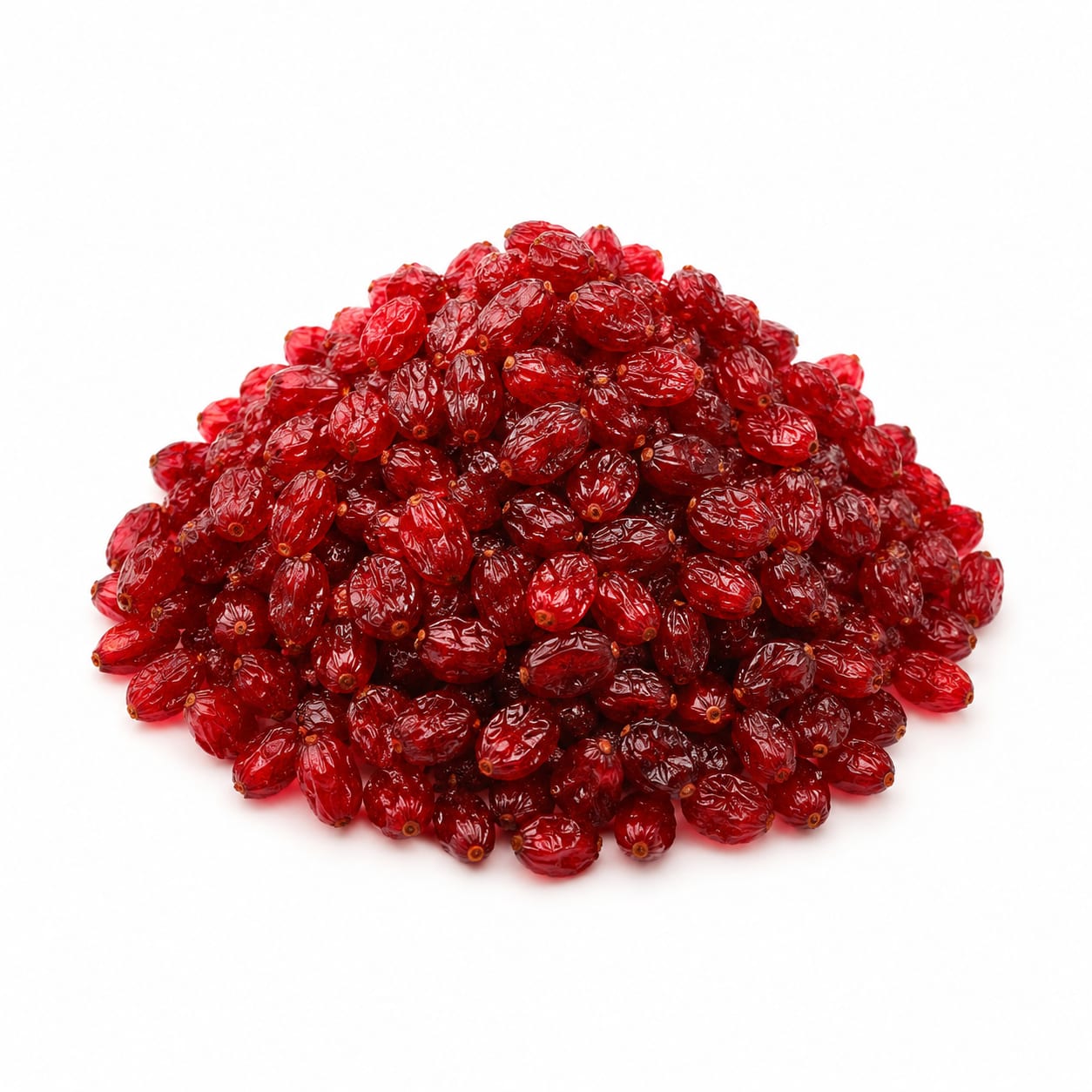
Barberry
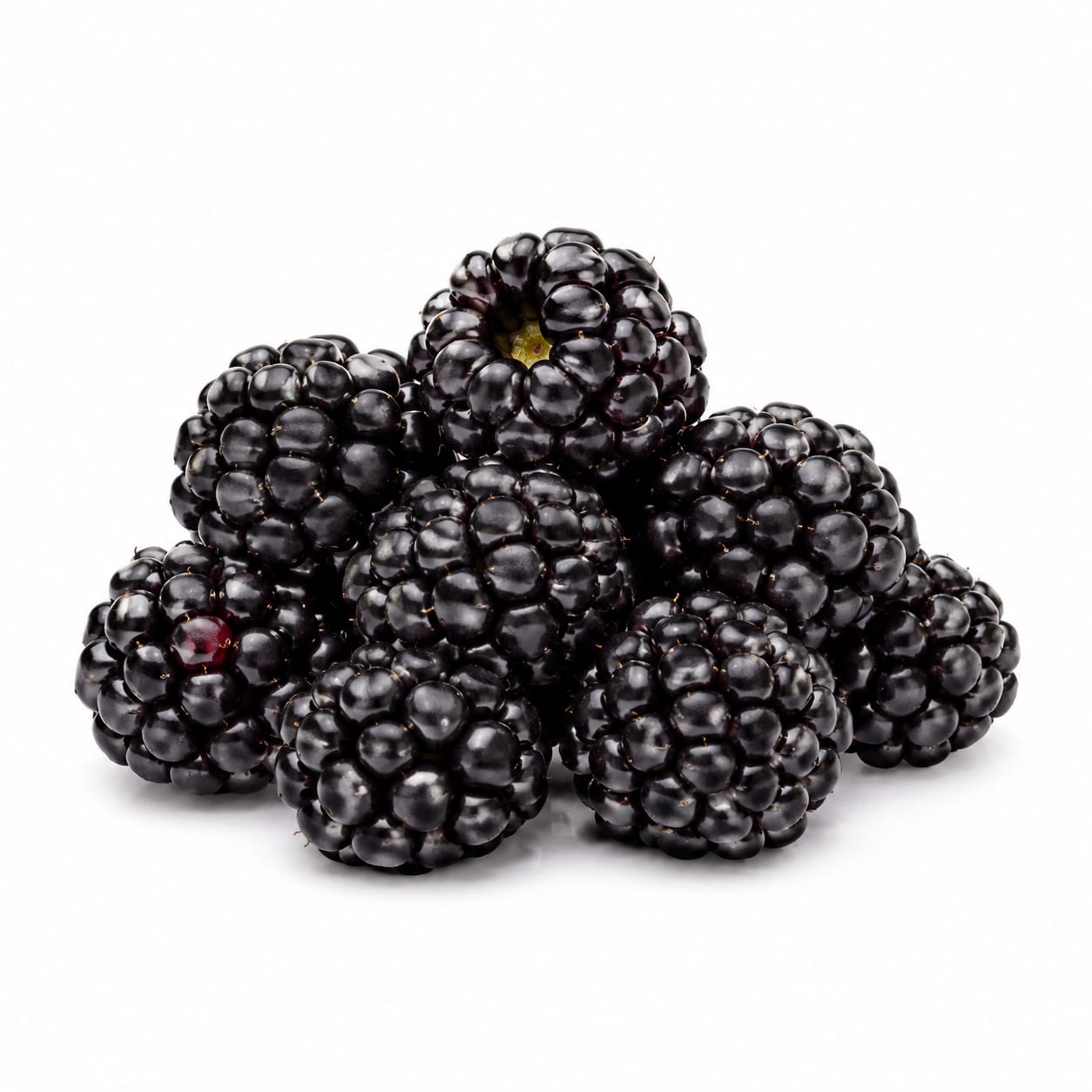
Blackberry
Blackberry is the safer, tastier everyday superfruit, while Barberry is a powerful medicinal berry best used for targeted blood sugar support.
Blackberry scores higher as a safe, versatile daily food. Barberry scores lower overall due to safety constraints and extreme tartness, despite its powerful medicinal properties.
Everyday nutritional safety and flavor versus potent, drug-like metabolic benefits with higher safety risks.
At a glance
Executive summary
Overall
It depends
Healthier
It depends
More practical
Blackberry
Daily use
Blackberry
Key comparison lenses
Medicinal vs. Nutritional Use
Barberry is primarily valued for its potent medicinal compound berberine, while Blackberry is a staple nutritional fruit.
Blood Sugar Management
Barberry has drug-like effects on blood sugar, making this a critical differentiator for diabetic or metabolic health users.
Safety and Drug Interactions
Barberry's active compounds can interact with prescription medications, a risk absent in Blackberries.
Everyday Snacking Suitability
Taste, tartness, and edibility in raw form heavily influence which berry fits a daily diet.
Best choice for
Barberry
- People managing insulin resistance or type 2 diabetes
- Those seeking natural antimicrobial or anti-inflammatory support
- Individuals looking for a metabolic boost under medical supervision
Blackberry
- Families looking for a safe, antioxidant-rich snack
- People wanting to increase daily fiber intake comfortably
- Anyone prioritizing long-term heart and gut health without drug interactions
Least suitable for
Barberry
- Pregnant women or nursing mothers
- Children due to potent alkaloid content
- People on blood pressure or blood sugar medications without doctor approval
Blackberry
- People strictly limiting fructose or oxalates
- Those seeking a strong pharmacological effect on metabolism
Deep comparison
Dimension by dimension
Each lens scores both foods and breaks down who each option suits.
- Dimension 1 · Priority 95Barberry
Blood Sugar Control
Barberry · 92Blackberry · 68Barberry contains berberine, which lowers blood sugar as effectively as some prescription drugs. Blackberry offers gentle, fiber-driven blood sugar stability.
Tradeoff
You get a much stronger glucose-lowering effect with Barberry, but it carries the risk of pushing blood sugar too low, especially if combined with medications.
Why it matters
For diabetics, Barberry can be a game-changer. For the average person, Blackberry provides safe, steady energy without the crash risk.
Real-world impact
Eating Barberry before a carb-heavy meal can blunt the blood sugar spike significantly, while Blackberries simply provide a steadier, crash-free afternoon snack.
Barberry
- Diabetics needing significant glucose control
- Insulin-resistant individuals
Better for
- People on metformin or similar drugs
- Those who skip meals often
Worse for
Blackberry
- Healthy individuals maintaining steady energy
- People prone to hypoglycemia
Better for
- Anyone needing a strong pharmacological drop in blood sugar
Worse for
- Dimension 2 · Priority 85Blackberry
Everyday Nutrition and Fiber
Barberry · 55Blackberry · 94Blackberries are a fiber powerhouse with excellent vitamin content. Barberry is rarely eaten in large quantities due to extreme sourness, limiting its nutritional contribution.
Tradeoff
Blackberry is easy to eat by the handful, delivering massive fiber. Barberry is usually consumed in tiny amounts, so its vitamin and fiber impact is minimal.
Why it matters
Fiber is the cornerstone of gut health and satiety. You can easily hit a third of your daily fiber needs with a cup of Blackberries, but you would struggle to eat that much Barberry.
Real-world impact
A bowl of Blackberries keeps you full and regular. Barberry is typically used as a garnish or dried spice, offering negligible fullness.
Barberry
- Adding a tart, nutrient-dense accent to meals
Better for
- Appetite control
- Daily gut health maintenance
Worse for
Blackberry
- Improving digestion and regularity
- Staying full between meals
Better for
- Adding complex tart flavor to savory dishes
Worse for
- Dimension 3 · Priority 90Blackberry
Safety and Interactions
Barberry · 40Blackberry · 98Blackberries are incredibly safe for almost everyone. Barberry contains berberine, which interacts with numerous medications and is unsafe during pregnancy.
Tradeoff
Barberry's medicinal strength is exactly what makes it risky. Blackberry offers peace of mind with zero drug interactions.
Why it matters
Mixing Barberry with the wrong medication can cause dangerous drops in blood pressure or blood sugar. Blackberries have no such concerns.
Real-world impact
You can confidently pack Blackberries in a child's lunchbox. Barberry requires careful research and possibly a doctor's clearance before consuming.
Barberry
- Short-term therapeutic use under guidance
Better for
- Anyone taking prescription drugs without doctor approval
- Expectant mothers
Worse for
Blackberry
- Pregnant and nursing women
- Children
- Older adults on multiple medications
Better for
Timeline
Health impact over time
Short-term
Hours to days
Barberry
- Can rapidly lower blood sugar after meals
- May cause mild stomach upset in high doses
Blackberry
- Provides immediate satiety and digestive comfort
- Delivers quick, clean energy without a crash
Long-term
Months to years
Barberry
- May improve insulin sensitivity and lipid profiles
- Risk of drug interactions if used carelessly over time
Blackberry
- Supports cardiovascular health and lowers inflammation
- Promotes a diverse, healthy gut microbiome
Risk profile
Safety & processing
Both are whole, natural berries. However, Barberry is most commonly found dried, which concentrates its active compounds and sugars, whereas Blackberries are widely available fresh.
Barberry
Drug Interactions
highBerberine interferes with cytochrome P450 enzymes, altering how the body processes many prescription drugs, including blood pressure and diabetes medications.
Pregnancy Complications
highBerberine can cross the placenta and may cause kernicterus in infants; it must be avoided during pregnancy.
Blackberry
Pesticide Residue
mediumConventional Blackberries are thin-skinned and prone to pesticide retention; buying organic mitigates this.
Oxalate Content
lowContains moderate oxalates, which could be an issue for people with a history of calcium oxalate kidney stones.
Who wins for whom
Audience fit
Same foods, different winners depending on your goal.
children
BlackberryBlackberries are a safe, sweet, and nutritious snack. Barberry is too pharmacologically active and unsafe for children.
daily consumption
BlackberryBlackberries are delicious, safe, and easy to eat every day. Barberry is too tart and medicinally potent for casual daily snacking.
diabetes
BarberryBarberry's berberine content actively lowers blood sugar and improves insulin sensitivity, acting almost like a natural medication for type 2 diabetics.
elderly
BlackberryOlder adults are often on multiple medications, making Barberry's interaction risks dangerous. Blackberries support heart and gut health safely.
muscle gain
BlackberryNeither berry is a protein source, but Blackberries provide antioxidants that aid workout recovery without the gastrointestinal distress high doses of Barberry can cause.
weight loss
BlackberryBlackberries offer high volume and fiber for very few calories, making dieting feel easier. Barberry's strong effect on metabolism is useful but less sustainable and harder to dose correctly.
Your move
Decision guide
Choose Barberry
- You are specifically targeting blood sugar management or insulin resistance
- You have consulted a doctor about potential drug interactions
- You want a potent, natural anti-inflammatory boost
Choose Blackberry
- You want a delicious, high-fiber everyday snack
- You are pregnant, nursing, or feeding children
- You take prescription medications and need to avoid interactions
Either works if
- You want to boost your antioxidant intake from whole food sources
- You are looking for low-sugar fruit options to add to yogurt or oatmeal
Avoid both if
- You have a severe allergy to berries
Final recommendation
Keep Blackberries as your daily go-to fruit for safe, satisfying nutrition and fiber. Think of Barberry as a targeted supplement rather than a snack; if you struggle with blood sugar, it can be a powerful ally, but only after clearing it with your healthcare provider.
Practical
Consumer tips
- 1
If you buy fresh Blackberries, choose organic when possible to avoid high pesticide residues.
- 2
Store Blackberries in the fridge and do not wash them until right before eating to prevent mold.
- 3
If using Barberry, dried berries are easiest to find; soak them in warm water to soften before adding to rice dishes or stews.
- 4
Never use Barberry as a replacement for prescribed diabetes or blood pressure medication without medical supervision.