
Nutrition comparison
Barberry vs Cranberry: Which Medicinal Berry Is Better for You?
Compare barberry and cranberry for blood sugar control, UTI prevention, antioxidant power, and safety. Learn which tart berry fits your health goals best.
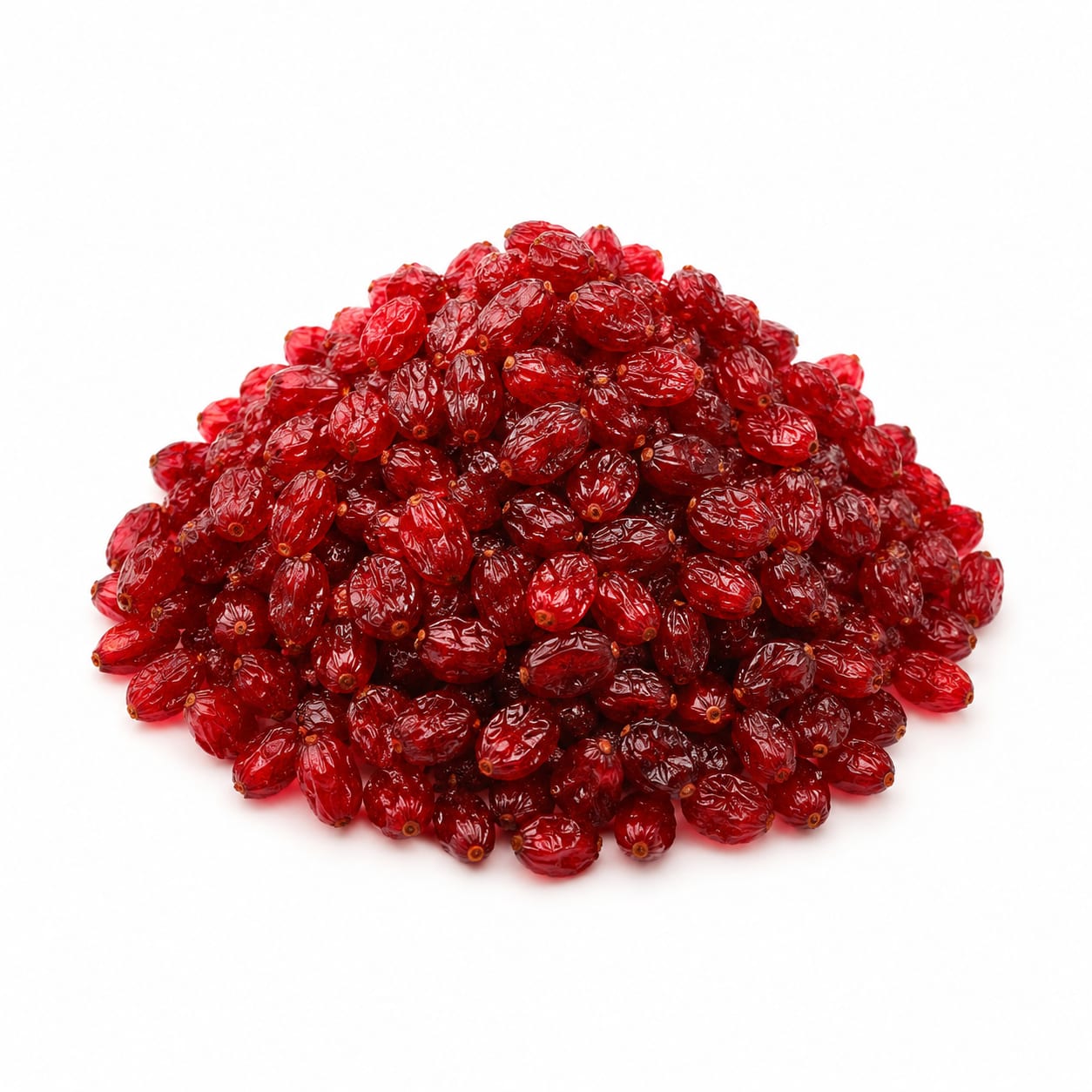
Barberry
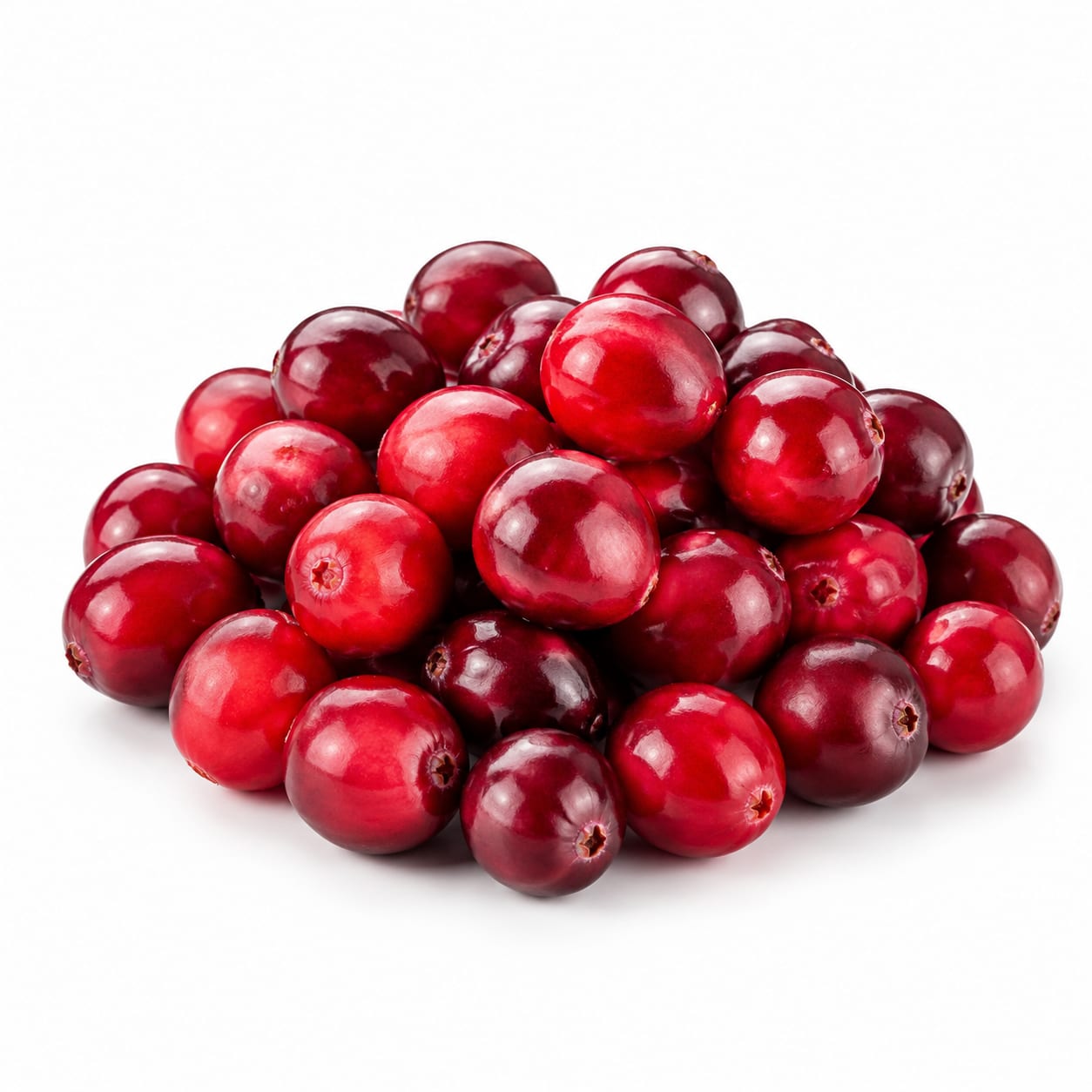
Cranberry
Barberry is the stronger medicinal berry for blood sugar and metabolic health, while cranberry is the safer, more practical choice for everyday wellness and urinary tract support.
Cranberry scores slightly higher due to better safety profile, wider availability, and easier daily integration. Barberry's potent medicinal properties are impressive but come with more cautions and practical barriers.
Barberry delivers more potent therapeutic effects, especially for blood sugar, but carries higher interaction risks and is harder to find. Cranberry offers gentler, broader benefits with easier access and fewer safety concerns.
At a glance
Executive summary
Overall
It depends
Healthier
It depends
More practical
Cranberry
Daily use
Cranberry
Key comparison lenses
medicinal berry comparison
Both are tart, antioxidant-rich berries with documented medicinal properties, making therapeutic potential the primary comparison driver
blood sugar management
Barberry contains berberine, a potent blood sugar regulator, while cranberry has more modest glycemic effects
urinary and gut health
Cranberry is renowned for urinary tract benefits; barberry has strong antimicrobial and digestive properties
everyday accessibility
Cranberry is widely available in stores; barberry is harder to find and less familiar to most consumers
medication interaction safety
Both carry interaction risks, but barberry's berberine content creates more serious drug interaction concerns
Best choice for
Barberry
- People managing prediabetes or insulin resistance
- Those seeking a natural blood sugar support supplement
- Individuals with metabolic syndrome looking for adjunct support
- Traditional Persian cuisine enthusiasts
Cranberry
- People prone to urinary tract infections
- Those wanting an everyday antioxidant boost
- Families looking for a familiar, accessible healthy berry
- Anyone seeking heart-healthy daily fruit options
Least suitable for
Barberry
- People on prescription medications without doctor supervision
- Pregnant women due to berberine content
- Children needing gentle nutrition
- Those wanting an easy-to-find grocery store berry
Cranberry
- People on blood thinners like warfarin
- Those strictly avoiding even natural sugars
- Individuals seeking potent blood sugar regulation from food alone
- People who dislike tart flavors and rely on sweetened cranberry products
Deep comparison
Dimension by dimension
Each lens scores both foods and breaks down who each option suits.
- Dimension 1 · Priority 95Barberry
blood_sugar_regulation
Barberry · 92Cranberry · 58Barberry is significantly more effective for blood sugar control thanks to berberine, which acts similarly to some diabetes medications.
Tradeoff
That potency means barberry should not be combined with blood sugar medications without medical supervision, while cranberry is safe to enjoy freely.
Why it matters
For anyone watching their glucose, barberry offers a real pharmacological effect rather than just gentle dietary support.
Real-world impact
Adding barberry to meals could meaningfully reduce post-meal blood sugar spikes, whereas cranberry offers only mild glycemic benefits.
Barberry
- Prediabetics seeking natural glucose support
- People with insulin resistance
- Those who want measurable blood sugar improvements
Better for
- People already on metformin or similar drugs
- Anyone at risk of hypoglycemia
Worse for
Cranberry
- Anyone on diabetes medication without doctor guidance
- People wanting blood-sugar-neutral fruit enjoyment
- Those who prefer food over supplement-like effects
Better for
- Those needing strong glucose management from diet alone
Worse for
- Dimension 2 · Priority 88Cranberry
urinary_tract_health
Barberry · 55Cranberry · 94Cranberry is the gold standard for urinary tract infection prevention, with decades of research supporting its proanthocyanidin content.
Tradeoff
Barberry has antimicrobial properties but lacks the specific anti-adhesion compounds that make cranberry uniquely effective against UTI-causing bacteria.
Why it matters
For recurrent UTI sufferers, cranberry is one of the most evidence-backed natural options available.
Real-world impact
Regular cranberry consumption can reduce UTI recurrence by roughly 30-40% in susceptible women, a benefit barberry cannot match.
Barberry
- Those with gut-related infections rather than urinary
- People needing broader antimicrobial support
Better for
- Anyone specifically targeting UTI prevention
Worse for
Cranberry
- Women with recurrent UTIs
- Anyone prone to urinary infections
- Post-menopausal women with UTI vulnerability
Better for
- People who only find sweetened cranberry juice, which adds unnecessary sugar
Worse for
- Dimension 3 · Priority 82It depends
antioxidant_and_anti_inflammatory_power
Barberry · 83Cranberry · 80Both berries are antioxidant powerhouses, but they shine in different areas. Barberry excels at reducing inflammatory markers, while cranberry offers diverse polyphenols for cardiovascular protection.
Tradeoff
Barberry's berberine fights inflammation more aggressively, but cranberry's anthocyanins and proanthocyanidins provide broader, gentler protection.
Why it matters
Chronic inflammation drives most modern diseases, so both berries offer meaningful protection through different pathways.
Real-world impact
Barberry may lower CRP and inflammatory markers more measurably; cranberry may improve vascular health and oxidative stress more consistently over time.
Barberry
- People with elevated inflammatory markers
- Those managing metabolic inflammation
- Individuals with fatty liver concerns
Better for
- Those who want gentle, everyday antioxidant support without drug-like effects
Worse for
Cranberry
- People focused on cardiovascular antioxidant protection
- Those wanting daily anti-inflammatory maintenance
- Individuals with mild, chronic low-grade inflammation
Better for
- People needing aggressive inflammation reduction
Worse for
- Dimension 4 · Priority 85Cranberry
safety_and_medication_interactions
Barberry · 52Cranberry · 78Cranberry has one notable interaction with blood thinners, but barberry's berberine affects multiple drug pathways and is contraindicated with many common medications.
Tradeoff
Barberry's medicinal strength is exactly what makes it riskier alongside medications. Cranberry's milder nature means fewer safety concerns for most people.
Why it matters
Many adults take prescription medications, and unintended interactions can reduce drug effectiveness or increase side effects.
Real-world impact
Barberry can interfere with how your liver processes medications, potentially making drugs less effective or more toxic. Cranberry mainly affects warfarin metabolism.
Barberry
- Those not on any interacting medications
- People under medical supervision for berberine use
Better for
- Anyone on blood pressure, diabetes, or liver-processed medications
- Pregnant or breastfeeding women
Worse for
Cranberry
- Anyone on multiple prescription medications
- Older adults typically on more medications
- People who want worry-free daily consumption
Better for
- People taking warfarin or similar anticoagulants
Worse for
- Dimension 5 · Priority 78Cranberry
availability_and_everyday_practicality
Barberry · 38Cranberry · 88Cranberry is available in every grocery store in multiple forms. Barberry is a specialty item requiring specialty shops or online ordering.
Tradeoff
You can grab cranberry products anywhere, but finding quality barberry takes effort and often costs more.
Why it matters
The healthiest food is the one you can actually consistently obtain and use.
Real-world impact
Cranberry fits seamlessly into regular shopping. Barberry requires planning, sourcing, and often learning new recipes.
Barberry
- Home cooks comfortable with specialty ingredients
- People near Middle Eastern or Iranian markets
Better for
- Anyone without access to specialty or online stores
- People who want grab-and-go healthy options
Worse for
Cranberry
- Busy households wanting convenient health foods
- People who shop at regular grocery stores
- Anyone new to medicinal berries
Better for
- Those who only find highly sweetened cranberry products
Worse for
- Dimension 6 · Priority 75Barberry
digestive_and_gut_health
Barberry · 82Cranberry · 68Barberry has stronger antimicrobial and gut-regulating properties, traditionally used for diarrhea, bloating, and parasitic infections.
Tradeoff
Barberry acts more like a gut remedy while cranberry offers gentler prebiotic fiber support for healthy gut bacteria.
Why it matters
Gut health affects everything from immunity to mood, and the right berry depends on whether you need treatment or maintenance.
Real-world impact
Barberry can help resolve acute digestive complaints more effectively. Cranberry supports a healthier gut environment over time.
Barberry
- People with occasional digestive infections
- Those dealing with bacterial overgrowth
- Individuals with diarrhea-predominant gut issues
Better for
- People with already-sensitive digestion who may find berberine irritating
Worse for
Cranberry
- People wanting gentle daily gut maintenance
- Those focused on prebiotic fiber intake
- Individuals with mild constipation
Better for
- Those needing therapeutic-level gut intervention
Worse for
Timeline
Health impact over time
Short-term
Hours to days
Barberry
- May noticeably reduce post-meal blood sugar within hours
- Can cause mild stomach upset in sensitive individuals at higher doses
- May create a noticeable tart, astringent mouth feel that reduces appetite
Cranberry
- Provides quick hydration and vitamin C when consumed as juice or fresh
- Can temporarily make urine more acidic
- Sweetened cranberry products may cause blood sugar spikes
Long-term
Months to years
Barberry
- Consistent berberine intake may improve insulin sensitivity and lipid profiles
- Could help reduce fatty liver markers over months
- Long-term use without medical supervision may affect nutrient absorption or liver enzyme function
Cranberry
- Regular consumption significantly reduces UTI recurrence in susceptible individuals
- Supports cardiovascular health through improved arterial function and oxidative stress reduction
- May help maintain healthy blood pressure over time
Risk profile
Safety & processing
Both berries are naturally whole foods when purchased fresh or dried without additives. However, cranberry products frequently contain added sugars and preservatives, especially dried cranberries and juice cocktails, which significantly reduces their health value. Barberry is typically sold as a simple dried berry with minimal processing.
Barberry
Drug interaction via berberine
highBerberine inhibits CYP3A4 and other liver enzymes, affecting how many common medications are metabolized, including blood pressure drugs, antidepressants, and immunosuppressants.
Pregnancy concerns
highBerberine can cross the placenta and may cause uterine contractions or harm fetal development. Avoid during pregnancy.
Hypoglycemia risk when combined with diabetes medication
mediumBarberry's blood sugar lowering effect combined with metformin or insulin could push glucose too low.
Cranberry
Warfarin interaction
mediumCranberry can affect how warfarin is metabolized, potentially increasing bleeding risk. People on anticoagulants should consult their doctor.
Added sugar in processed forms
mediumMost dried cranberries and juice cocktails contain large amounts of added sugar, undermining health benefits and contributing to metabolic issues.
Kidney stone risk in susceptible individuals
lowCranberry contains oxalates, which may contribute to kidney stone formation in prone individuals when consumed in large amounts.
Who wins for whom
Audience fit
Same foods, different winners depending on your goal.
children
CranberryCranberry is gentler, safer, and more familiar. Barberry's berberine content and drug interaction potential make it inappropriate for children without professional guidance.
daily consumption
CranberryCranberry is easier to find, safer for long-term use, and simpler to incorporate into daily meals and snacks without worrying about drug interactions.
diabetes
BarberryBarberry's berberine has clinically meaningful blood sugar lowering effects, but only under medical supervision for those already on medication.
elderly
CranberryOlder adults are more likely to be on medications that interact with berberine. Cranberry is safer and provides UTI prevention, which is especially valuable for elderly women.
muscle gain
It dependsNeither berry is relevant for muscle gain. Both provide negligible protein and are not performance foods.
weight loss
BarberryBarberry's berberine may improve metabolic function and insulin sensitivity, supporting fat loss more directly. However, both are low-calorie and only helpful as part of a broader dietary approach.
Your move
Decision guide
Choose Barberry
- You are managing blood sugar issues and want natural support
- You have access to quality barberry and enjoy its unique tart flavor
- You are not on medications that interact with berberine
- You are working with a healthcare provider on metabolic health
- You enjoy cooking Persian or Middle Eastern cuisine
Choose Cranberry
- You want everyday urinary tract protection
- You need a berry that is easy to find and use regularly
- You take medications that could interact with berberine
- You want a family-friendly antioxidant fruit
- You prefer gentle, consistent health benefits over potent medicinal effects
Either works if
- You want antioxidant support and can access both
- You are not on interacting medications and enjoy tart berries
- You like rotating different medicinal foods for broad coverage
Avoid both if
- You are on warfarin and have not consulted your doctor
- You are pregnant and have not discussed these berries with your provider
- You have kidney oxalate sensitivity and consume large quantities
- You primarily encounter these as sweetened processed products loaded with sugar
Final recommendation
For most people, cranberry is the better daily choice due to its safety, accessibility, and proven UTI benefits. Barberry is a powerful medicinal berry worth exploring if you specifically need blood sugar support, can source it, and have cleared it with your doctor. Think of cranberry as your daily wellness berry and barberry as your targeted therapeutic berry.
Practical
Consumer tips
- 1
Choose unsweetened dried cranberries or fresh cranberries over juice cocktails and sweetened dried versions, which can contain more sugar than soda
- 2
If buying barberry, look for whole dried berries from reputable sources, and avoid powdered supplements unless third-party tested
- 3
Cranberry extract capsules can deliver UTI benefits without the sugar load of juice, making them a smart alternative
- 4
Start with small amounts of barberry to test your digestive tolerance before using it regularly
- 5
Always tell your doctor if you are using barberry regularly, especially if you take any prescription medications
- 6
Frozen cranberries are available year-round and retain their nutrients well, making them a practical and affordable option
- 7
Barberry pairs well with rice dishes and stews in Persian cooking, which can make it easier to incorporate if you enjoy that cuisine