
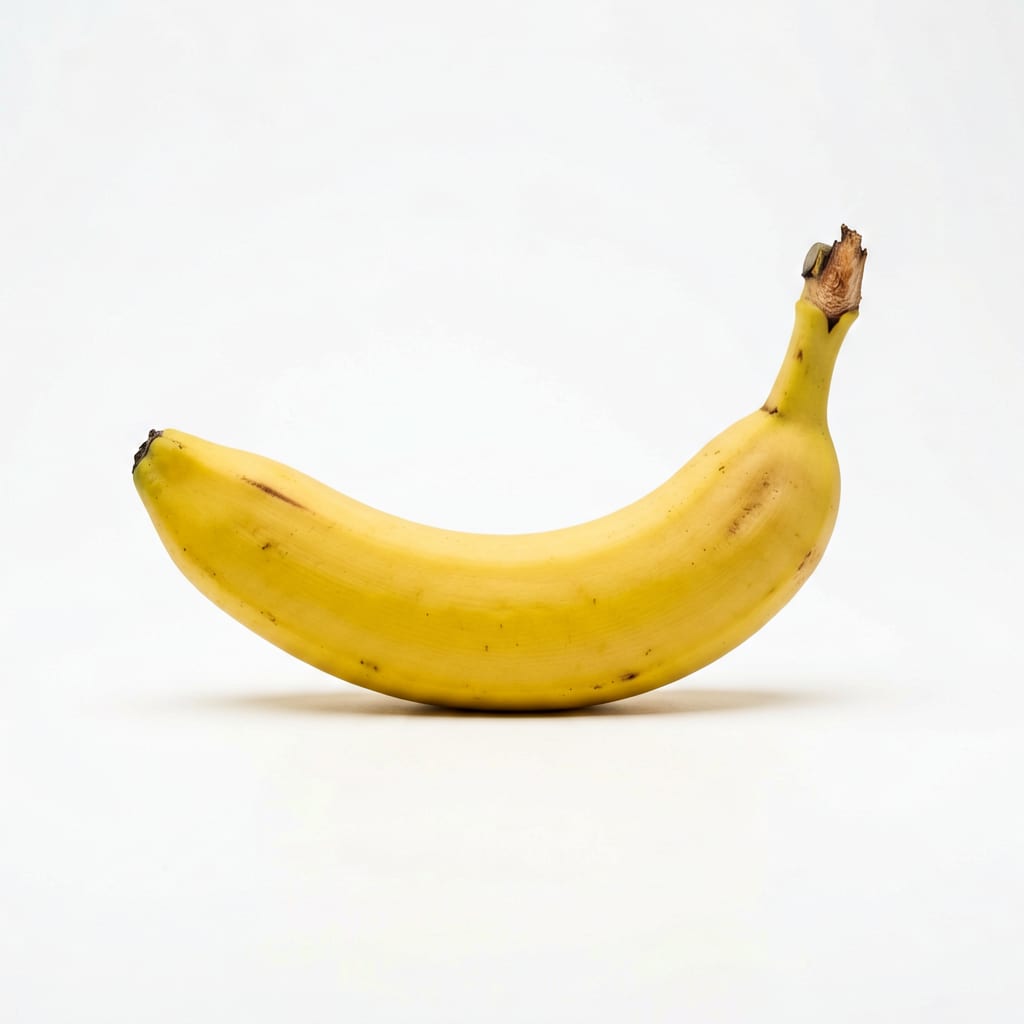
Fruit
Banana
A potassium-rich tropical fruit that provides fast-digesting carbohydrates and quick energy.
A sweet, elongated tropical fruit with a thick yellow peel when ripe, widely consumed globally as a convenient snack or recipe ingredient.
fast-digesting carbohydrate source
Typical serving · 118g
Common varieties · Cavendish, Plantain, Red, Burro, Baby (Nino) +1 more
Overall context score across nutrition, safety, and diet fit
At a glance
Quick facts
Simple indicators based on nutrition, processing, and diet fit.
The story
What makes it unique
Bananas are fast-digesting carbohydrate sources rich in potassium and magnesium. Their glycemic index ranges from low to moderate depending on ripeness due to resistant starch converting to sugars as they mature. They offer moderate satiety and contain prebiotic fibers that support gut microbiota.
Varieties: Cavendish · Plantain · Red · Burro · Baby (Nino) · Blue Java
Per 100g
Nutrition breakdown
Macro balance and key metrics at a glance.
Energy
Density 0.89 kcal/g
Protein
Carbs
Fat
Fiber
Sugar
12.2 g
Sodium
1 mg
Potassium
358 mg
Glycemic index
51
Glycemic load
11
Water content
74.9%
Standout compounds
Nutrient highlights
Potassium
highSupports healthy blood pressure and muscle contraction
Vitamin B6
highAids brain development and immune function
Resistant Starch
moderateFeeds gut bacteria and improves insulin sensitivity
Vitamin C
moderateActs as an antioxidant and supports collagen synthesis
Manganese
moderateSupports metabolism and bone health
Wellness map
Health scores & processing
NOVA processing scale
unprocessed · Whole food
Fresh bananas are whole, unprocessed foods harvested directly from the plant with no added ingredients.
Diet compatibility
- Weight loss
- Muscle gain
- Diabetes
- Gut health
- Low carb
- High protein
- Heart health
Relative standing
Food rankings
Qualitative ranks compared to similar whole foods.
- Satietygood
- Blood sugarmoderate
- Nutrient densitygood
- Fitness fuelexcellent
- Processing qualityexcellent
Eat with confidence
Food safety profile
Bananas are very safe to consume due to their thick protective peel which minimizes pesticide absorption into the flesh and prevents microbial contamination.
Evidence confidence 90%
- Pesticideslow
- Antibioticslow
- Heavy metalslow
- Contaminationlow
Watch for
- pesticide residue on peel
- fungicides used in shipping
Safer choices
Organic bananas reduce exposure to shipping fungicides and agricultural chemicals, though conventional flesh remains low-risk.
Prep tips
Wash hands after peeling to avoid transferring peel residues to the edible fruit.
Conventional bananas are often grown with synthetic pesticides and fungicides, but the thick peel significantly reduces ingestion risk.
Deep dive
Health analysis
How this food may fit different goals and preparation choices.
Weight loss
Moderate calorie density and fiber content support fullness, but high sugar content when ripe requires portion awareness for weight loss.
Blood sugar
Ripe bananas can spike blood sugar quickly due to high sugar and low resistant starch. Green or slightly green bananas have a lower glycemic impact.
Fitness & energy
Excellent source of rapid carbohydrates and potassium, making them ideal for pre-workout energy or post-workout glycogen replenishment and cramp prevention.
Gut health
Contains prebiotic fibers like pectin and resistant starch that feed beneficial gut bacteria and support healthy digestion.
Processing quality
A whole, unprocessed food with no added ingredients, retaining all natural vitamins, minerals, and fibers.
Food safety
Thick peel provides a natural barrier to pesticides and microbes, making the flesh one of the safest fruits to eat conventionally.
Common mistakes
Avoiding bananas entirely due to sugar fear, ignoring that their fiber and resistant starch content slows absorption compared to refined sweets.
Best preparation
Eaten raw for maximum vitamin retention, blended into smoothies, or sliced over oatmeal. Green bananas can be boiled or used in savory dishes.
Practical guide
Best use cases
When and how this food fits real eating patterns.
pre-workout energy
Eat 30-60 minutes before exercise for a quick, easily digestible carbohydrate boost.
post-workout recovery
Replenishes glycogen stores and provides potassium to aid muscle recovery and prevent cramping.
smoothie base
Adds natural sweetness and a creamy texture to protein shakes and fruit smoothies without added syrups.
portable healthy snack
Comes in its own natural protective packaging, making it a convenient on-the-go option.
Balance sheet
Pros & cons
Upsides
- Excellent source of quick natural energy
- High in potassium for heart and muscle function
- Contains prebiotic fiber for gut health
- Highly portable and naturally packaged
- Affordable and widely available year-round
Trade-offs
- Relatively high in sugar and carbs compared to berries
- Low in protein and fat for a balanced snack
- Ripe bananas can spike blood sugar rapidly
- Not suitable for strict low-carb or ketogenic diets
- Short shelf life before becoming overripe
Fit check
Who is it for?
Great match
- endurance athletes
- pre-workout fuel
- convenient on-the-go snacking
- smoothie sweetening
Consider alternatives
- strict ketogenic diets
- severe potassium-restricted diets
- blood sugar management without portion control
- high-protein diets
Side by side
How it compares
Open the full head-to-head analysis for nutrition, safety, and practical tradeoffs.
This food
Banana
VS85% alike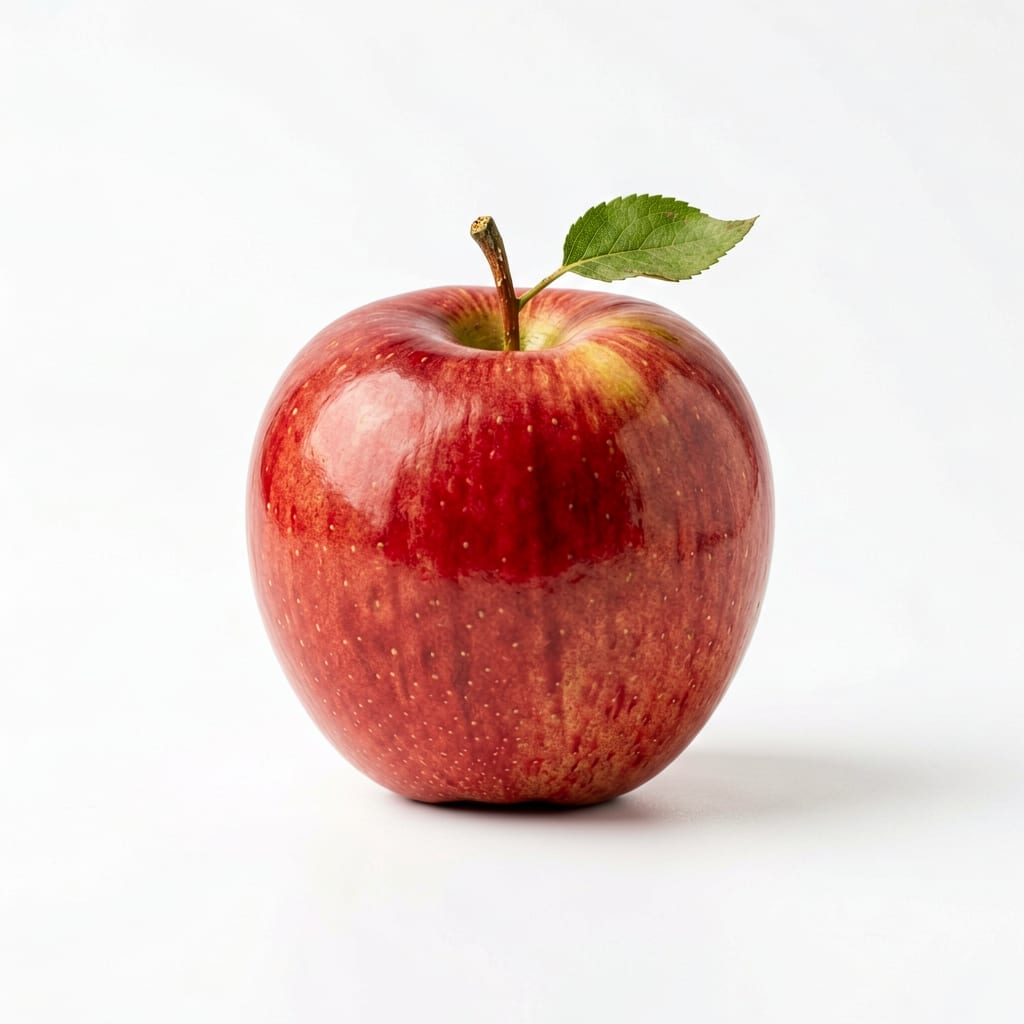
Compare with
Apple
Bananas provide more potassium and workout fuel, while apples are lower in calories and better for satiety.
Bananas provide more potassium and workout fuel, while apples are lower in calories and better for satiety.
This food
Banana
VS80% alike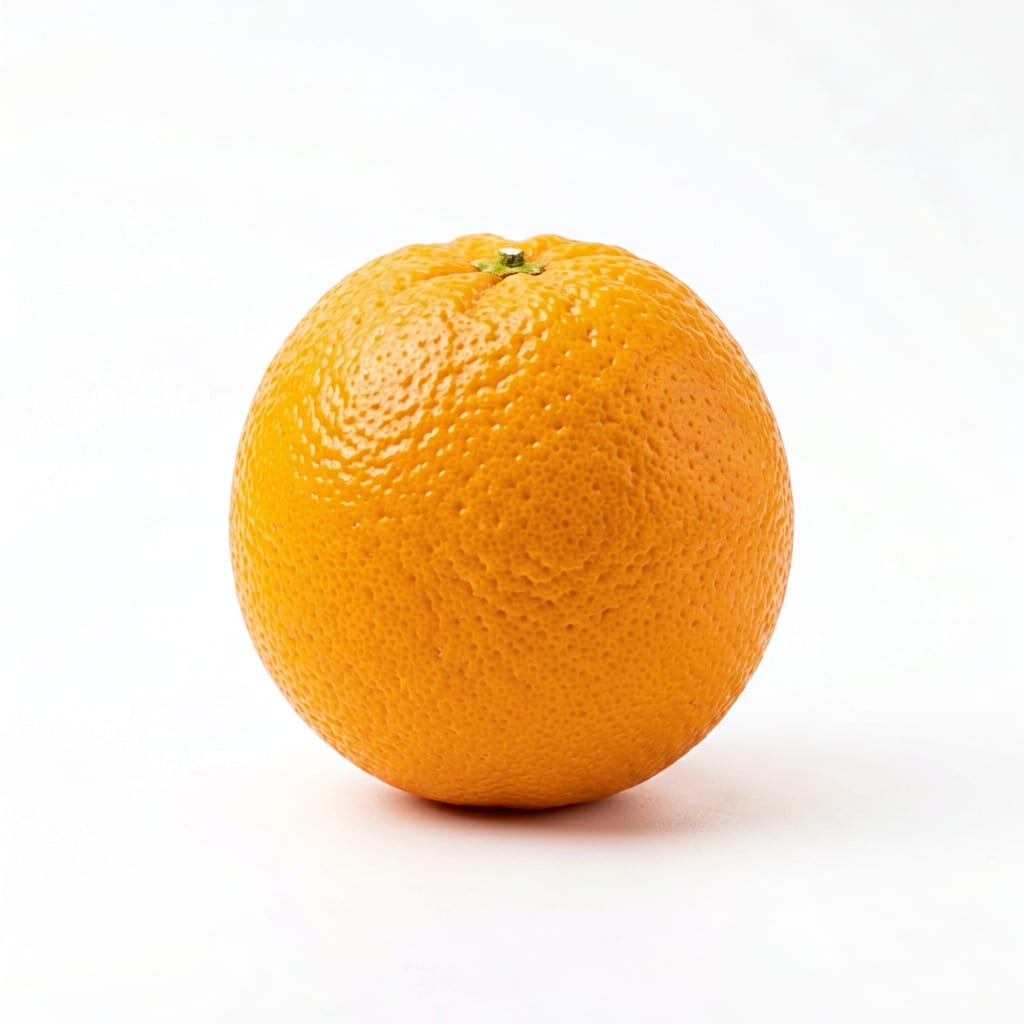
Compare with
Orange
Oranges are much higher in Vitamin C and lower in calories, while bananas offer more carbohydrates and potassium for energy.
Oranges provide more vitamin C and fewer calories, while bananas offer superior potassium and quick carbs for fitness.
This food
Banana
VS70% alike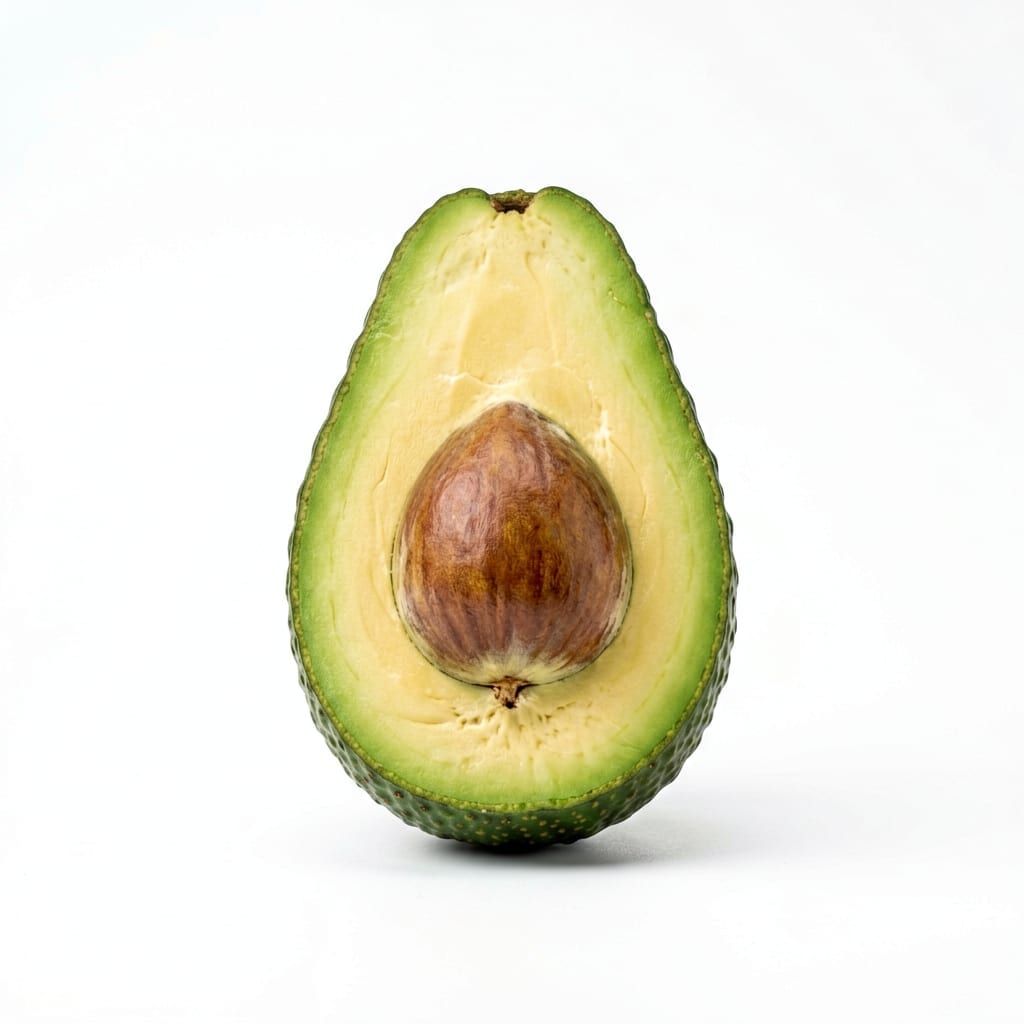
Compare with
Avocado
Avocados are high in healthy fats and low in sugar, ideal for keto. Bananas are high in carbs and sugar, ideal for quick energy.
Avocados offer healthy fats and zero sugar for low-carb diets, while bananas provide fast carbohydrates for immediate energy.
This food
Banana
VS75% alike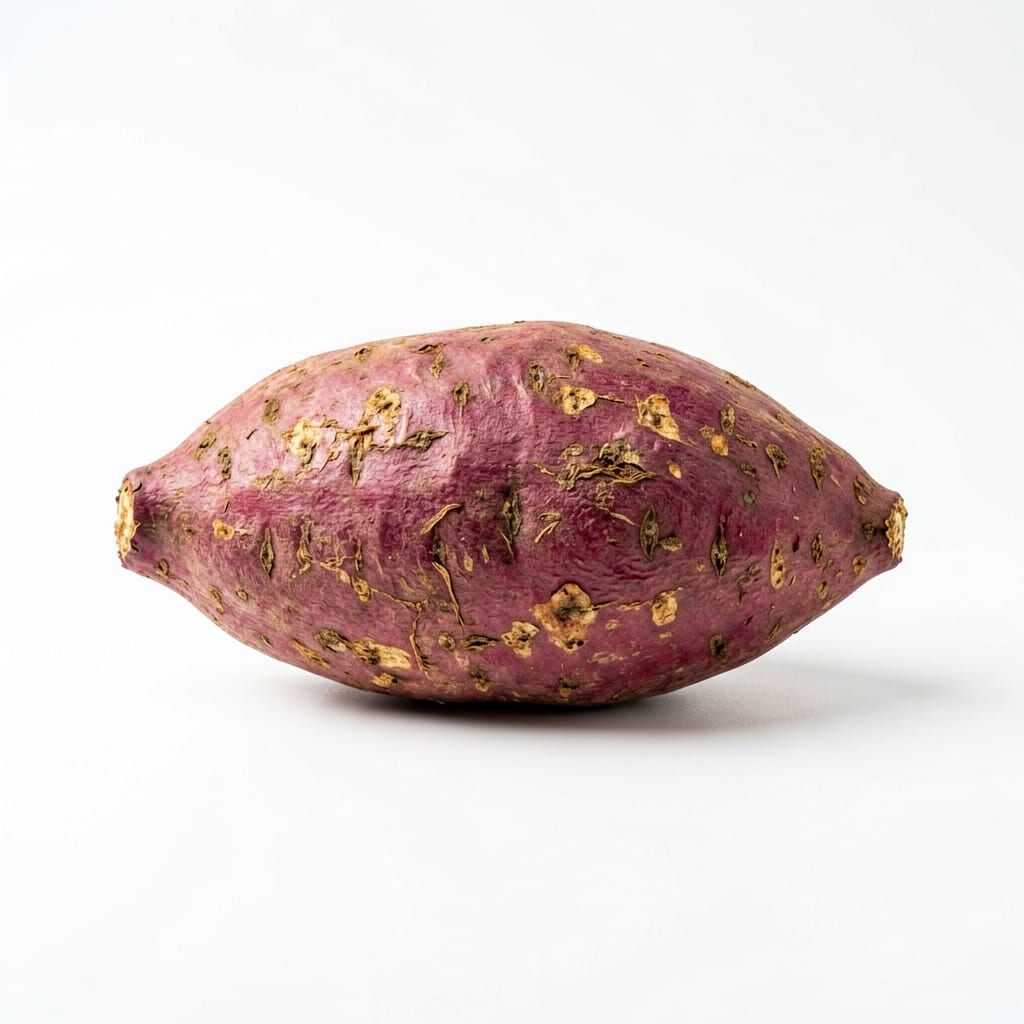
Compare with
Sweet Potato
Sweet potatoes have a lower glycemic index and more Vitamin A, while bananas are a convenient raw snack with faster digestion.
Sweet potatoes offer slower-digesting carbs and vitamin A, while bananas provide portable, fast-digesting energy and potassium.
This food
Banana
VS95% alike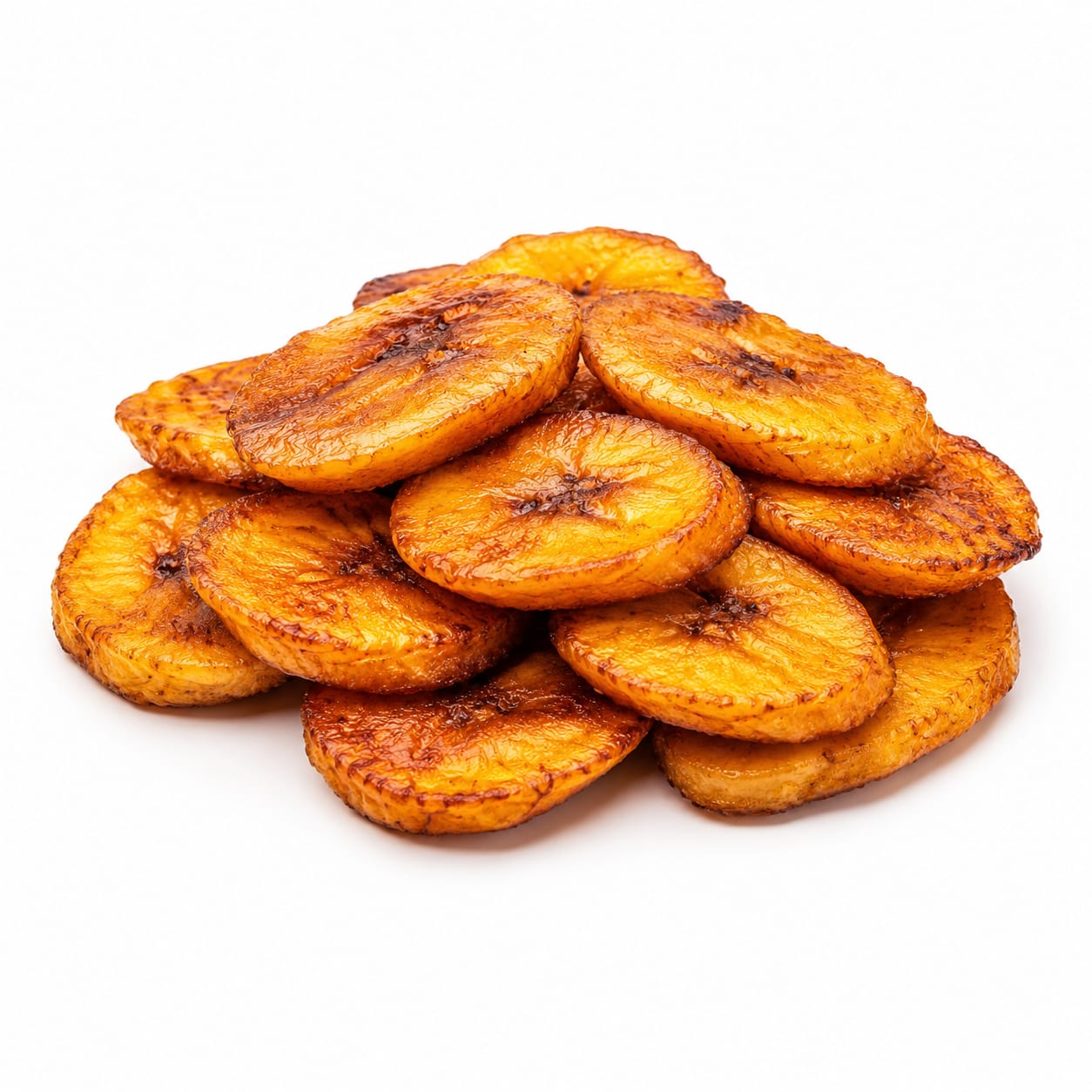
Compare with
Plantain
Plantains are starchier, less sweet, and typically cooked, making them better for savory dishes. Bananas are sweeter and eaten raw.
Plantains are starchier and best cooked for savory meals, while bananas are sweeter, raw snacks for quick energy.
This food
Banana
VS80% alike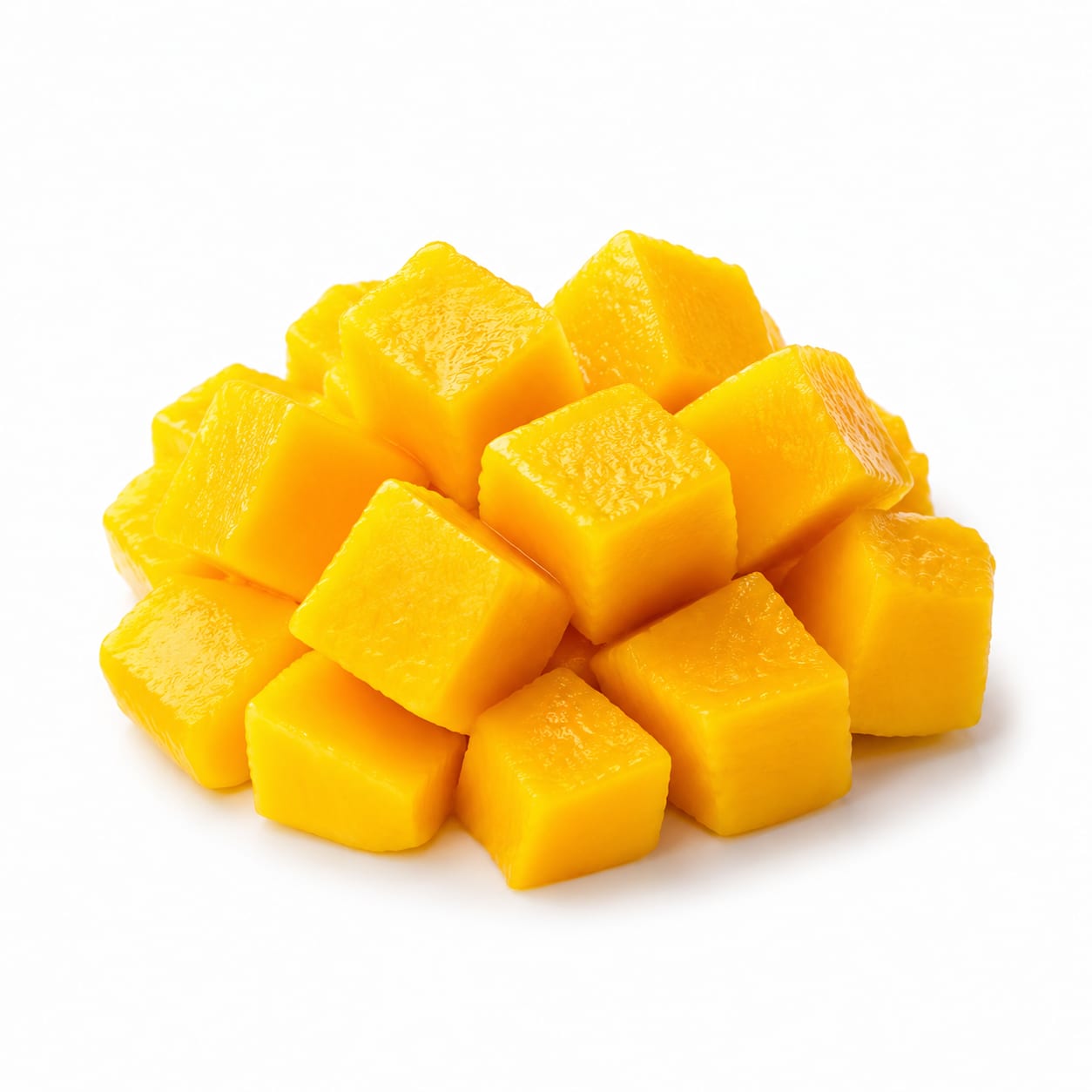
Compare with
Mango
Mangoes are richer in Vitamin C and A, while bananas provide more potassium and are easier to eat on the go.
Mangoes excel in vitamin C and A, while bananas offer more potassium and convenient pre-workout fuel.
This food
Banana
VS60% alike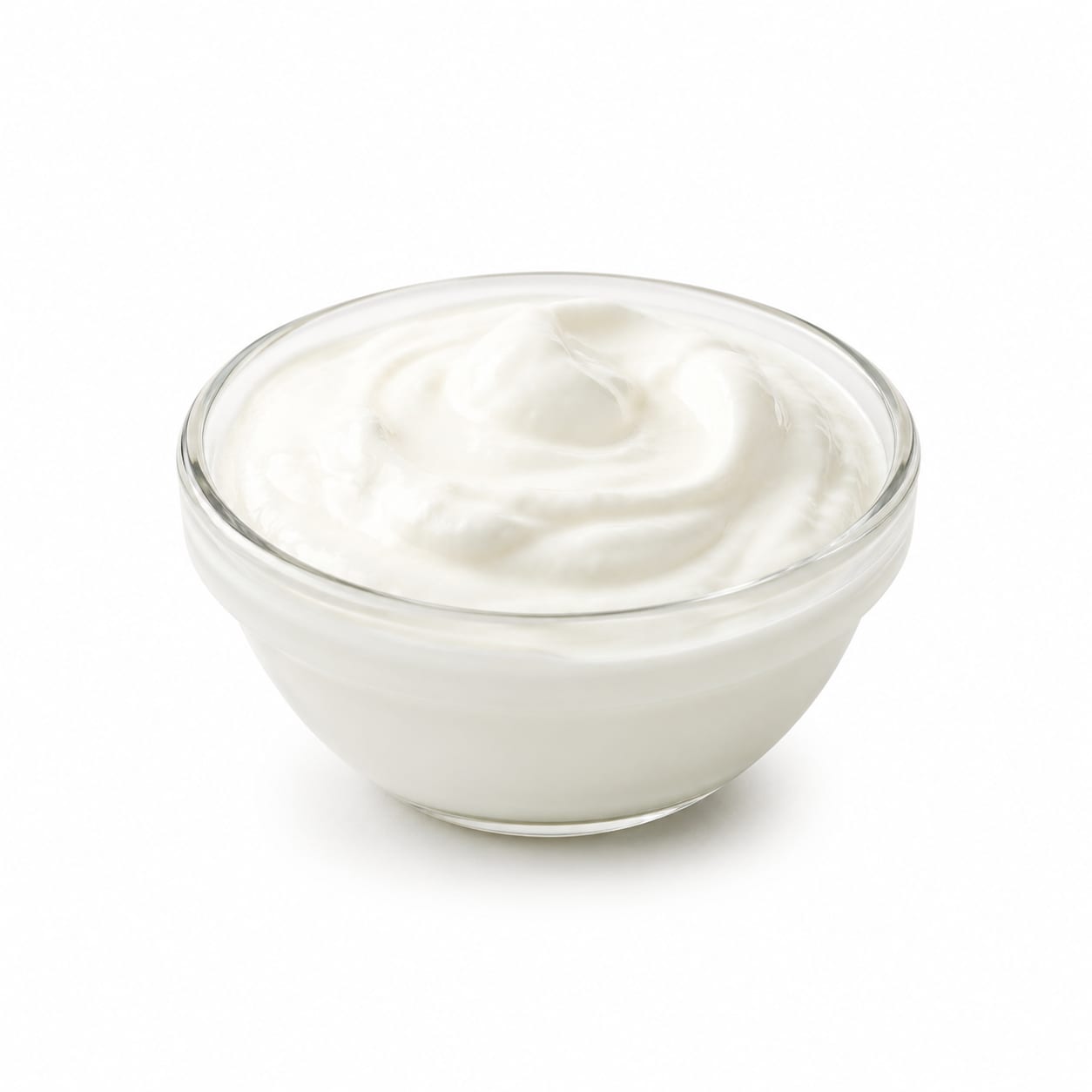
Compare with
Greek Yogurt
Greek yogurt is high in protein and low in carbs, promoting satiety. Bananas are carb-heavy, providing quick energy but little protein.
Greek yogurt provides high protein and low carbs for muscle and satiety, while bananas offer fast carbs for immediate energy.
This food
Banana
VS70% alike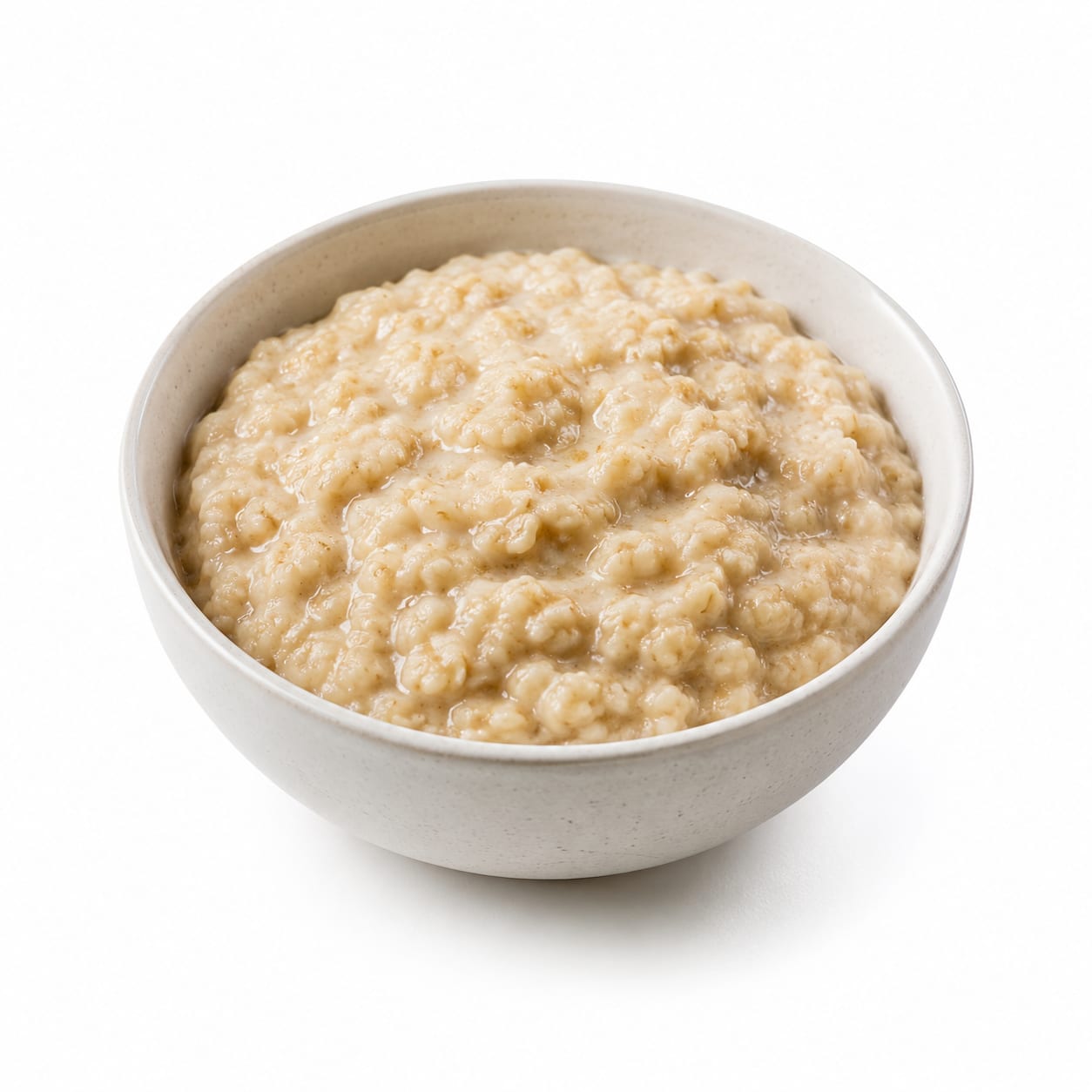
Compare with
Oatmeal
Oatmeal provides slower-digesting complex carbs and more fiber for fullness, while bananas offer faster energy and potassium.
Oatmeal provides sustained energy and high fiber for fullness, while bananas offer faster-digesting carbs and potassium.
This food
Banana
VS75% alike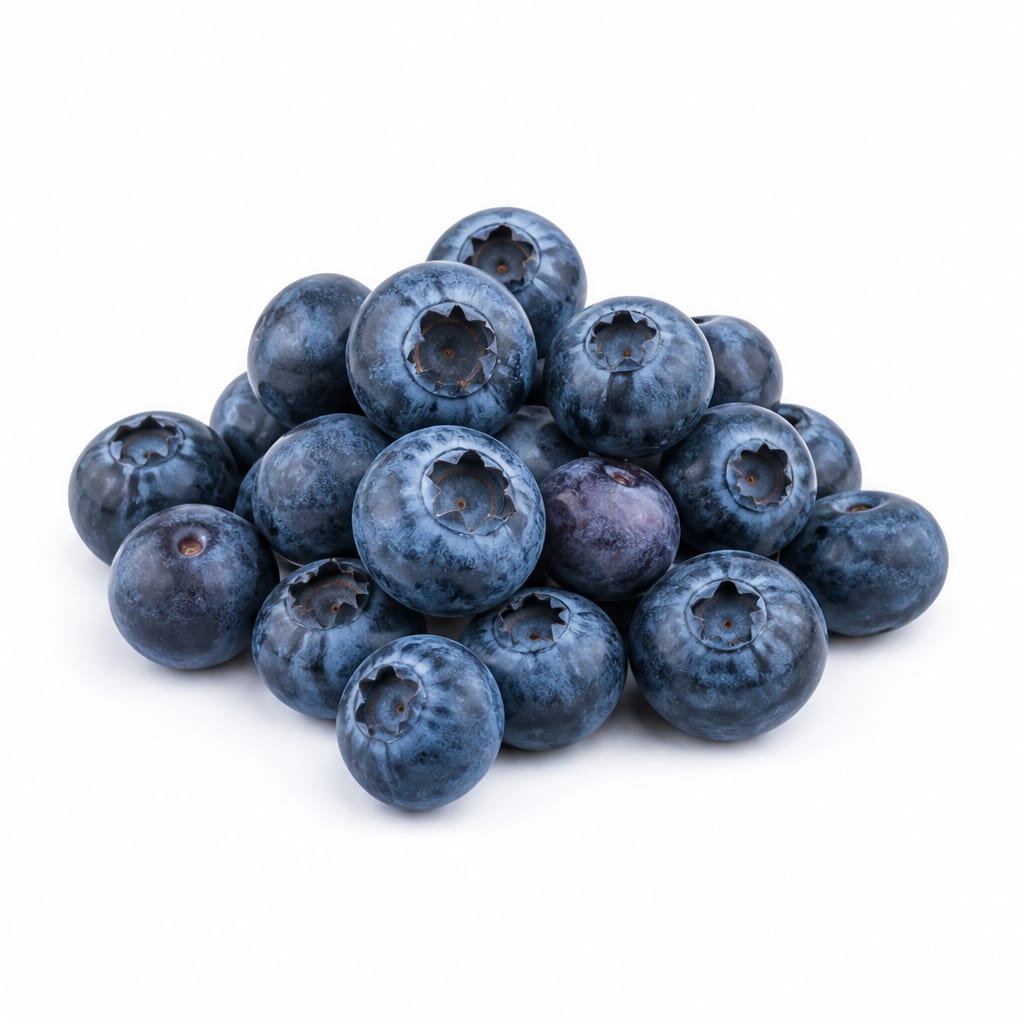
Compare with
Blueberries
Blueberries are lower in sugar and higher in antioxidants, while bananas are higher in carbohydrates and potassium.
Blueberries are lower in sugar and rich in antioxidants, while bananas provide more substantial carbs and potassium for exercise.
This food
Banana
VS75% alike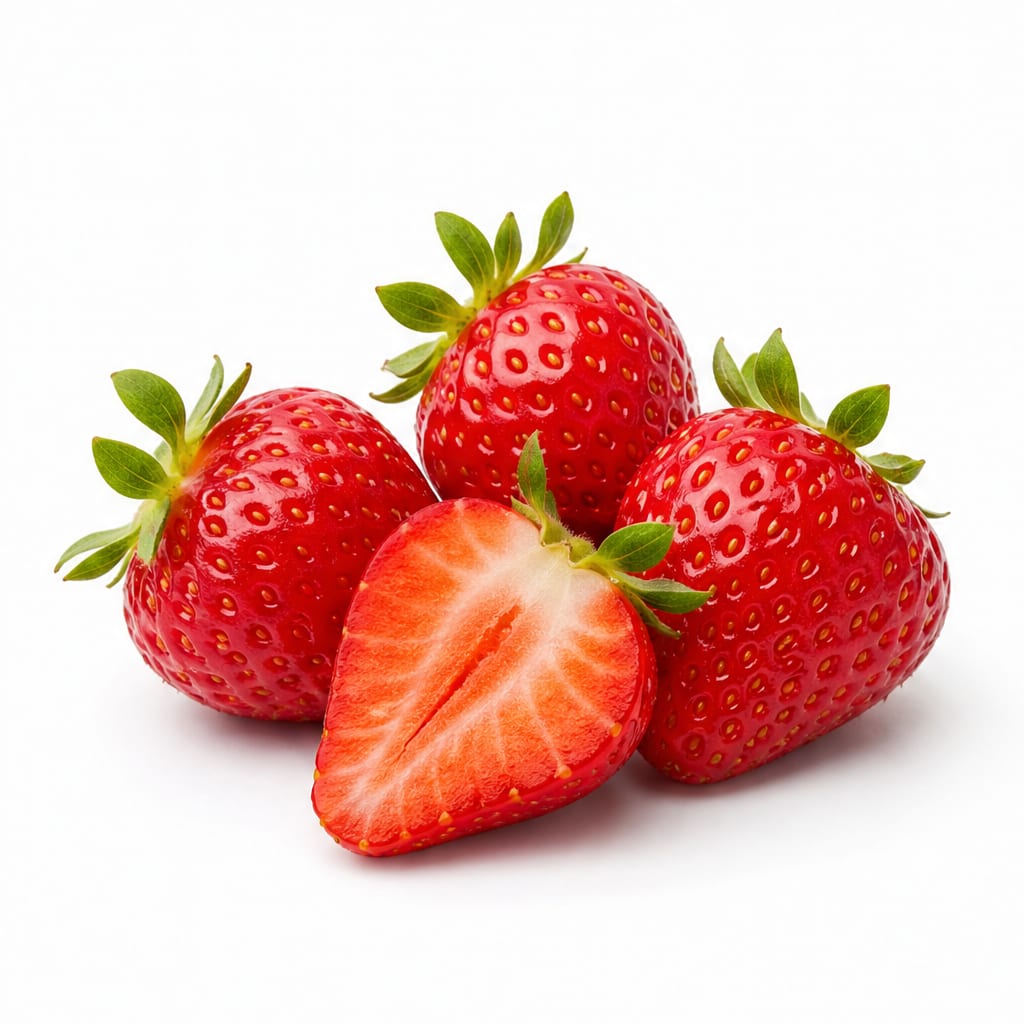
Compare with
Strawberries
Strawberries are much lower in calories and sugar, making them better for weight loss. Bananas offer more substance and energy for athletes.
Strawberries are much lower in sugar and calories for snacking, while bananas provide dense carbs and potassium for workout fuel.
Common questions
FAQ
Answers aligned with how people search for this food.
Are bananas good for weight loss?
Bananas can be good for weight loss in moderation. They provide fiber which increases satiety, but their carbohydrate and sugar content means portion control is important.
Can diabetics eat bananas?
Diabetics can eat bananas but should monitor portion size and ripeness. Green or slightly green bananas have a lower glycemic index due to resistant starch, causing a slower blood sugar rise compared to fully ripe ones.
Is a banana a good pre-workout snack?
Yes, bananas are an excellent pre-workout snack. They provide easily digestible carbohydrates for quick energy and potassium to help prevent muscle cramps.
Are green bananas healthier than yellow bananas?
Green bananas have more resistant starch and less sugar, making them better for blood sugar control and gut health. Yellow bananas are sweeter, easier to digest, and offer quicker energy.
Do bananas cause constipation or diarrhea?
It depends on ripeness. Green bananas with resistant starch can help firm stools and relieve diarrhea. Ripe bananas with soluble fiber can promote regular bowel movements and ease constipation.
How many carbs are in a medium banana?
A medium banana contains approximately 27 grams of carbohydrates, primarily from natural sugars and dietary fiber.
Is it safe to eat bananas every day?
For most healthy people, eating one to two bananas a day is safe and beneficial. Those with advanced kidney disease should consult a doctor due to the high potassium content.
Are bananas high in sugar?
Bananas are relatively high in natural sugar compared to other fruits. A medium banana has about 14 grams of sugar, but its fiber content slows absorption, preventing extreme blood sugar spikes.
Transparency
Data confidence
Estimated confidence for nutrition data, interpretation, safety notes, and comparisons.
Nutrition data
Health analysis
Food safety
Comparisons