
Nutrition comparison
Banana vs Blueberries: Which Fruit Is Healthier for You?
Compare banana vs blueberries on sugar, antioxidants, blood sugar impact, cost, and more. Find out which fruit fits your health goals and when to choose each.
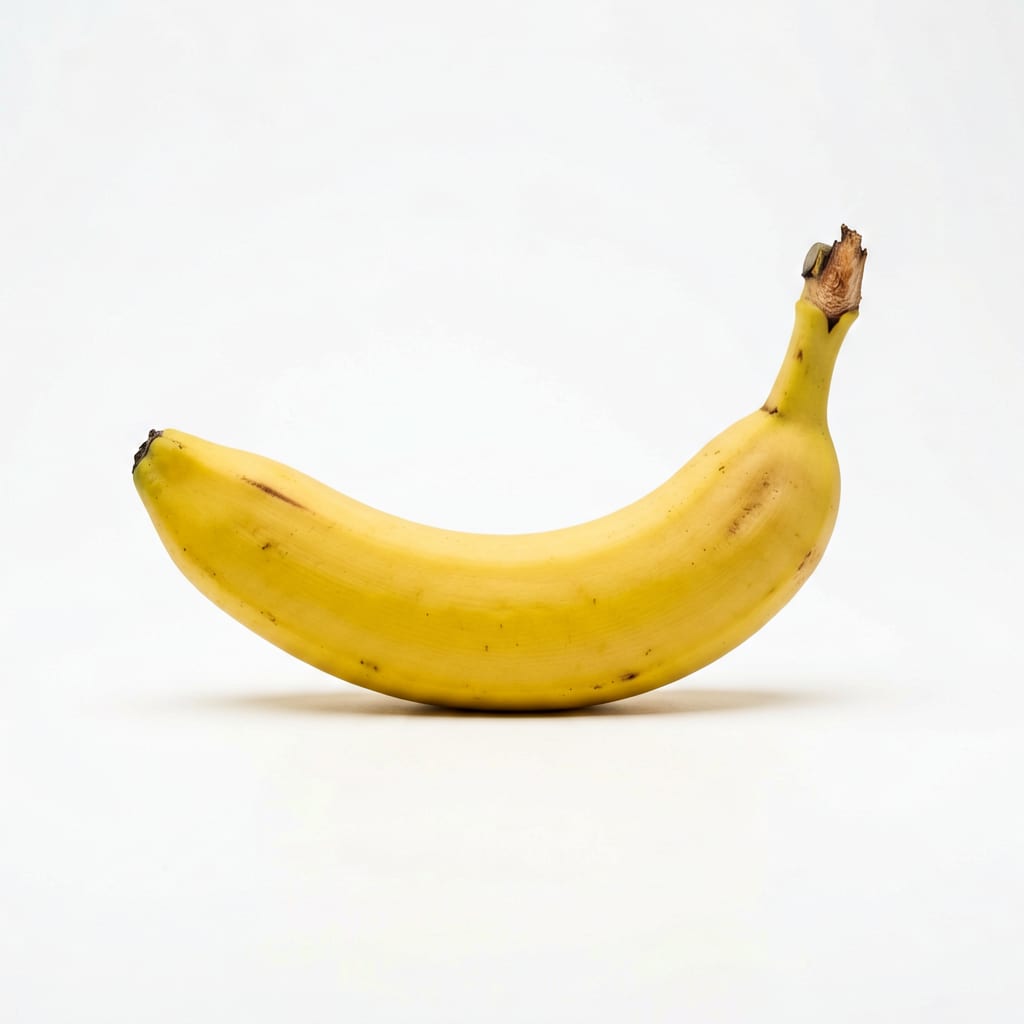
Banana
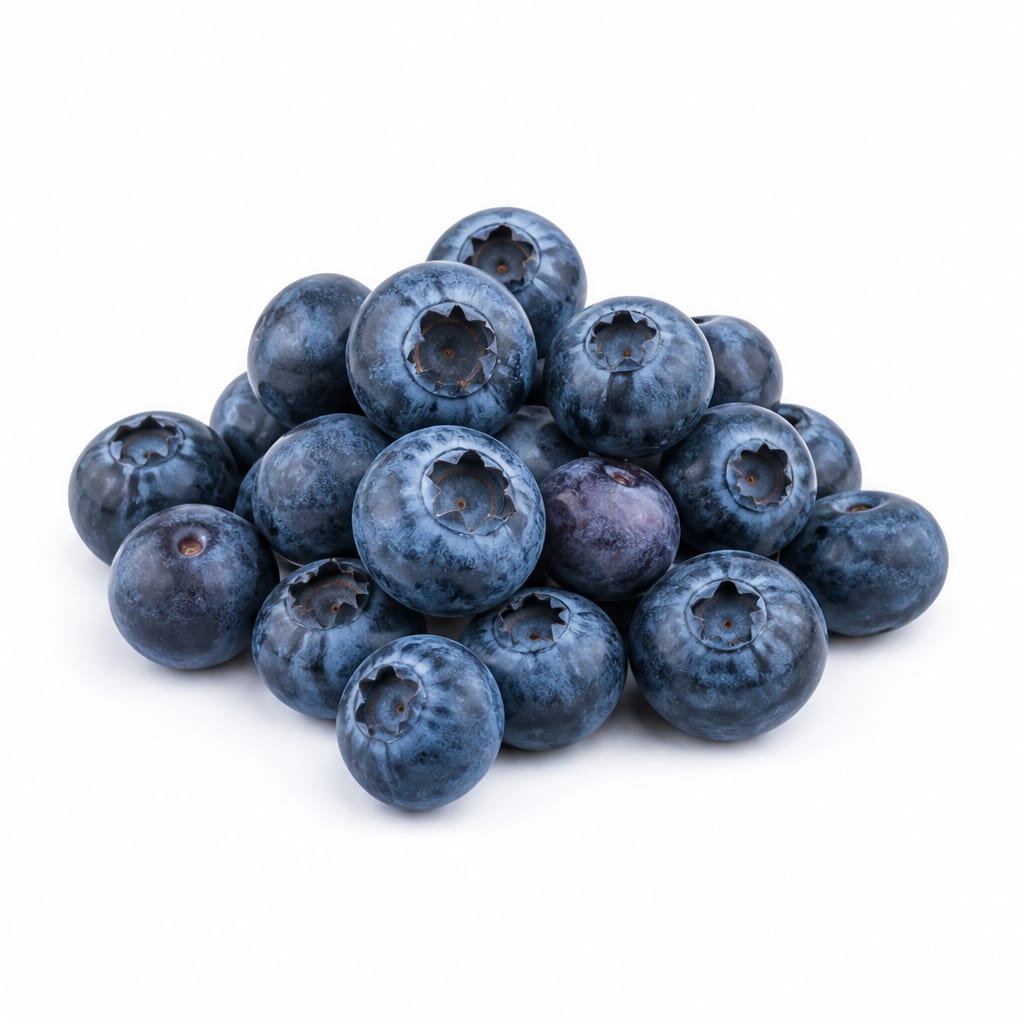
Blueberries
Blueberries win on antioxidants and blood sugar stability; bananas win on convenience, potassium, and sustained energy. Your pick depends on what your body needs most.
Blueberries score higher overall due to superior antioxidant density, lower sugar load, and broader long-term health benefits. Bananas remain strong for practicality, potassium, and energy, keeping the gap moderate rather than large.
Bananas give you more calories, carbs, and potassium for steady fuel. Blueberries give you far more antioxidants per bite with less sugar impact.
At a glance
Executive summary
Overall
It depends
Healthier
Blueberries
More practical
Banana
Daily use
It depends
Key comparison lenses
blood sugar impact and glycemic load
Bananas are significantly higher in sugar and carbs than blueberries, making glycemic response the most consequential difference for daily health decisions
antioxidant and phytonutrient density
Blueberries are renowned for anthocyanin content, while bananas offer different micronutrients like potassium and B6, creating a clear nutrient tradeoff
weight management and satiety
Calorie density and fullness differ notably between these two fruits, affecting how they fit into weight-conscious eating
convenience and practicality
Bananas are cheaper, more portable, and more filling per dollar, while blueberries are pricier and more perishable
pesticide and contamination exposure
Blueberries frequently appear on the Dirty Dozen list for pesticide residues, while bananas have thick protective peels that reduce exposure
Best choice for
Banana
- Athletes needing quick pre-workout carbs
- People with low potassium or muscle cramps
- Budget-conscious shoppers wanting filling fruit
- Anyone needing portable, no-mess energy on the go
- Children who prefer mild, sweet flavors
Blueberries
- People managing blood sugar or insulin resistance
- Anyone prioritizing antioxidant and anti-inflammatory intake
- Weight-conscious eaters wanting lower calorie fruit
- Older adults focused on cognitive and vascular health
- People who graze on fruit throughout the day
Least suitable for
Banana
- People on strict low-carb or keto diets
- Those monitoring blood sugar closely
- Anyone trying to reduce overall sugar intake
Blueberries
- Tight grocery budgets
- Situations needing long shelf life without refrigeration
- People who find small fruits unsatisfying as a standalone snack
Deep comparison
Dimension by dimension
Each lens scores both foods and breaks down who each option suits.
- Dimension 1 · Priority 92Blueberries
blood sugar stability
Banana · 45Blueberries · 82Blueberries have roughly half the sugar and a significantly lower glycemic load than bananas, making them far gentler on blood sugar.
Tradeoff
Bananas provide faster energy but can cause sharper blood sugar spikes, especially when fully ripe. Blueberries deliver steadier, more controlled energy.
Why it matters
If you are prediabetic, insulin resistant, or prone to afternoon energy crashes, this difference is meaningful in daily life.
Real-world impact
A banana at 10am might leave you hungry again by 11:30. A cup of blueberries with some nuts keeps energy more stable through midday.
Banana
- Pre-workout fuel when you want carbs available quickly
- Recovery after intense exercise when glycogen replenishment matters
Better for
- Late-night snacking when blood sugar should stay low
- Mid-morning energy crashes after the initial spike fades
Worse for
Blueberries
- Sustained energy without the crash
- Managing cravings triggered by blood sugar swings
- Diabetic-friendly snacking
Better for
- Situations where you actually need rapid carbohydrate availability
Worse for
- Dimension 2 · Priority 88Blueberries
antioxidant and phytonutrient density
Banana · 38Blueberries · 95Blueberries are one of the most antioxidant-rich fruits on earth. Bananas, while nutritious, cannot compete on this front.
Tradeoff
You eat bananas mainly for potassium, B6, and energy. You eat blueberries mainly for anthocyanins, anti-inflammatory compounds, and cellular protection.
Why it matters
Long-term antioxidant intake correlates with reduced risk of chronic diseases, cognitive decline, and vascular damage.
Real-world impact
Regular blueberry consumption is like a low-cost insurance policy for your brain and blood vessels over decades.
Banana
- Potassium for muscle function and blood pressure regulation
- Vitamin B6 for energy metabolism and mood
Better for
- Long-term disease prevention strategies
- Cognitive health support
Worse for
Blueberries
- Anthocyanins for brain health and memory
- Anti-inflammatory compounds for joint and vascular protection
- Cellular defense against oxidative stress
Better for
- Acute electrolyte replenishment after sweating
Worse for
- Dimension 3 · Priority 80Banana
satiety and energy density
Banana · 78Blueberries · 55Bananas are more filling per fruit because they pack more calories, carbs, and fiber into a convenient package. Blueberries are lighter and less satiating on their own.
Tradeoff
A banana can hold you over between meals. A handful of blueberries probably cannot, unless paired with protein or fat.
Why it matters
Choosing fruit that actually satisfies hunger prevents overeating later, which matters for weight management.
Real-world impact
Grab a banana at 3pm and you might skip the chips. Grab a few blueberries and you may still be hunting for snacks 20 minutes later.
Banana
- A standalone snack that actually tides you over
- Busy mornings when you need something substantial fast
Better for
- Small frequent meals where lighter portions are preferred
Worse for
Blueberries
- Adding to meals without significantly increasing calories
- Grazing lightly without feeling heavy
Better for
- Appetite control when eaten alone as a snack
Worse for
- Dimension 4 · Priority 75Banana
cost and convenience
Banana · 90Blueberries · 48Bananas are one of the cheapest fruits available, come in their own packaging, and last days on the counter. Blueberries are pricier, fragile, and spoil quickly.
Tradeoff
You pay more for blueberries and deal with shorter shelf life, but you get superior nutrient density per calorie.
Why it matters
If cost or practicality drives your food choices, bananas are hard to beat. Blueberries require more planning and budget.
Real-world impact
A week of bananas costs roughly $1-2. A week of blueberries can cost $6-12 depending on season and organic status.
Banana
- Tight grocery budgets
- Backpacking, commuting, or travel snacks
- Low-maintenance meal prep
Better for
- Culinary versatility in recipes where berries shine
Worse for
Blueberries
- Special occasions or targeted health optimization
- Mixing into smoothies, oatmeal, or yogurt where small amounts go far
Better for
- Daily affordability for large families
- Situations without reliable refrigeration
Worse for
- Dimension 5 · Priority 65Banana
pesticide and contamination exposure
Banana · 82Blueberries · 45Bananas have thick peels that block most pesticide residues from reaching the edible flesh. Blueberries are thin-skinned and frequently test high for pesticide residues.
Tradeoff
Choosing organic blueberries significantly reduces risk but adds cost. Bananas are low-risk even when conventionally grown.
Why it matters
Chronic low-dose pesticide exposure adds up over years, especially for children and pregnant women.
Real-world impact
If you cannot afford organic berries, bananas are the safer conventional pick. If you buy organic blueberries, this concern largely disappears.
Banana
- Low pesticide risk even when conventionally grown
- Safe affordable choice for families
Better for
- Minimal concern here
Worse for
Blueberries
- Organic options widely available if budget allows
Better for
- Conventional blueberries rank on the Dirty Dozen list
- Thin skin allows pesticide penetration into the fruit itself
Worse for
Timeline
Health impact over time
Short-term
Hours to days
Banana
- Quick energy boost from easily digestible carbohydrates
- Noticeable fullness that can bridge you to the next meal
- Potential blood sugar spike followed by a mild dip within 1-2 hours
- Potassium helps with muscle cramps and hydration after exercise
Blueberries
- Light, refreshing energy without the sugar rush
- Minimal blood sugar disruption even on an empty stomach
- Unlikely to satisfy hunger alone unless combined with protein or fat
- Anti-inflammatory effects begin accumulating with regular intake
Long-term
Months to years
Banana
- Consistent potassium intake supports healthy blood pressure
- Higher cumulative sugar intake if eaten daily in excess
- Modest fiber contribution to digestive regularity
- B6 supports mood regulation and energy metabolism over time
Blueberries
- Anthocyanins may protect against cognitive decline with aging
- Lower lifetime sugar burden compared to sweeter fruits
- Anti-inflammatory compounds support vascular and joint health
- Regular consumption associated with improved memory in older adults
Risk profile
Safety & processing
Both bananas and blueberries are whole, unprocessed fruits as typically consumed. Neither contains added ingredients. The only processing concern is frozen blueberries, which are still minimally processed and often retain nutrients well.
Banana
pesticide residue on peel
lowThick peel blocks most residues from reaching edible flesh. Peeling eliminates nearly all surface contamination.
allergic reaction in latex-sensitive individuals
lowBananas contain proteins similar to latex, which can trigger cross-reactive allergies in a small percentage of people.
Blueberries
pesticide residue on fruit
mediumBlueberries frequently appear on the EWG Dirty Dozen list. Thin skin means pesticides can penetrate the fruit itself, not just sit on the surface.
mold and spoilage
lowBlueberries spoil quickly and mold can develop within days. Inspect berries before eating and discard any with visible mold.
Who wins for whom
Audience fit
Same foods, different winners depending on your goal.
children
BananaBananas are cheaper, more filling, easier to hold, and kids generally love the mild sweet taste. Blueberries are a choking hazard for very young children and cost more per serving.
daily consumption
It dependsBananas are more practical and affordable for daily use. Blueberries offer superior long-term health benefits but at higher cost. Rotating both is ideal.
diabetes
BlueberriesSignificantly lower glycemic load and sugar content make blueberries far more compatible with blood sugar management.
elderly
BlueberriesAnthocyanins support cognitive health and vascular function, both critical concerns in aging. Lower sugar load also matters more as insulin sensitivity declines.
muscle gain
BananaMore carbohydrates and potassium support glycogen replenishment and muscle recovery after training.
weight loss
BlueberriesLower calories and sugar per serving make blueberries easier to fit into a calorie deficit without triggering blood sugar-driven cravings.
Your move
Decision guide
Choose Banana
- You need affordable, filling fuel for busy days
- You are active and want pre- or post-workout carbs
- You get muscle cramps and need more potassium
- You want a no-prep snack that actually satisfies hunger
- You are feeding kids who need easy, appealing fruit options
Choose Blueberries
- You want maximum antioxidant protection per calorie
- You are managing blood sugar, insulin resistance, or diabetes
- Brain health and cognitive longevity are priorities
- You prefer lighter snacking without heavy carb loads
- You can budget for organic berries to avoid pesticide concerns
Either works if
- You simply want more fruit variety in your diet
- You are healthy and active with no specific blood sugar concerns
- You rotate fruits throughout the week for broad nutrient coverage
Avoid both if
- You have a strict very-low-carb dietary requirement
- You have specific fructose intolerance or malabsorption issues
Final recommendation
Eat both, but let your goals decide the ratio. If you are watching blood sugar or prioritizing long-term health, lean toward blueberries. If you need affordable, satisfying energy, lean toward bananas. The best approach is rotating both across the week so you get potassium and steady fuel from bananas plus antioxidants and low sugar benefits from blueberries.
Practical
Consumer tips
- 1
If buying conventional blueberries, wash them thoroughly in a baking soda soak to reduce surface pesticide residues
- 2
Freeze blueberries before they spoil to preserve nutrients and reduce waste — frozen berries retain most of their antioxidant content
- 3
Choose bananas with some green on the peel for slower sugar release; fully ripe bananas have a higher glycemic impact
- 4
Pair blueberries with nuts, yogurt, or cheese to make them more satiating as a standalone snack
- 5
Buy organic blueberries when possible, especially for children, due to pesticide penetration through thin skins
- 6
Bananas are one of the safest conventional fruits to buy — save your organic budget for berries instead
- 7
Add blueberries to oatmeal or smoothies to stretch a small amount across multiple servings affordably