
Nutrition comparison
Banana vs Mango: Which Is Healthier for Daily Eating?
Compare banana and mango on blood sugar impact, vitamins, convenience, and weight management. Find out which fruit fits your health goals and lifestyle better.
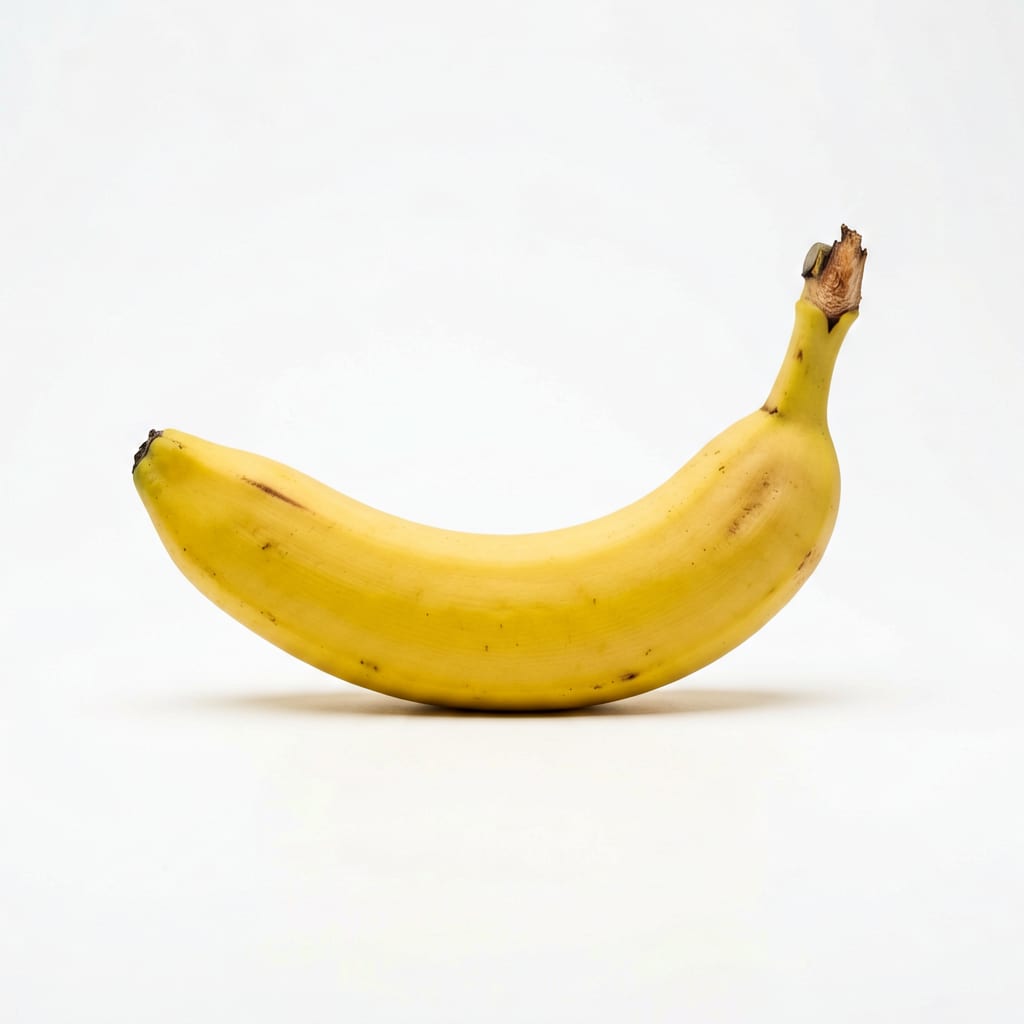
Banana
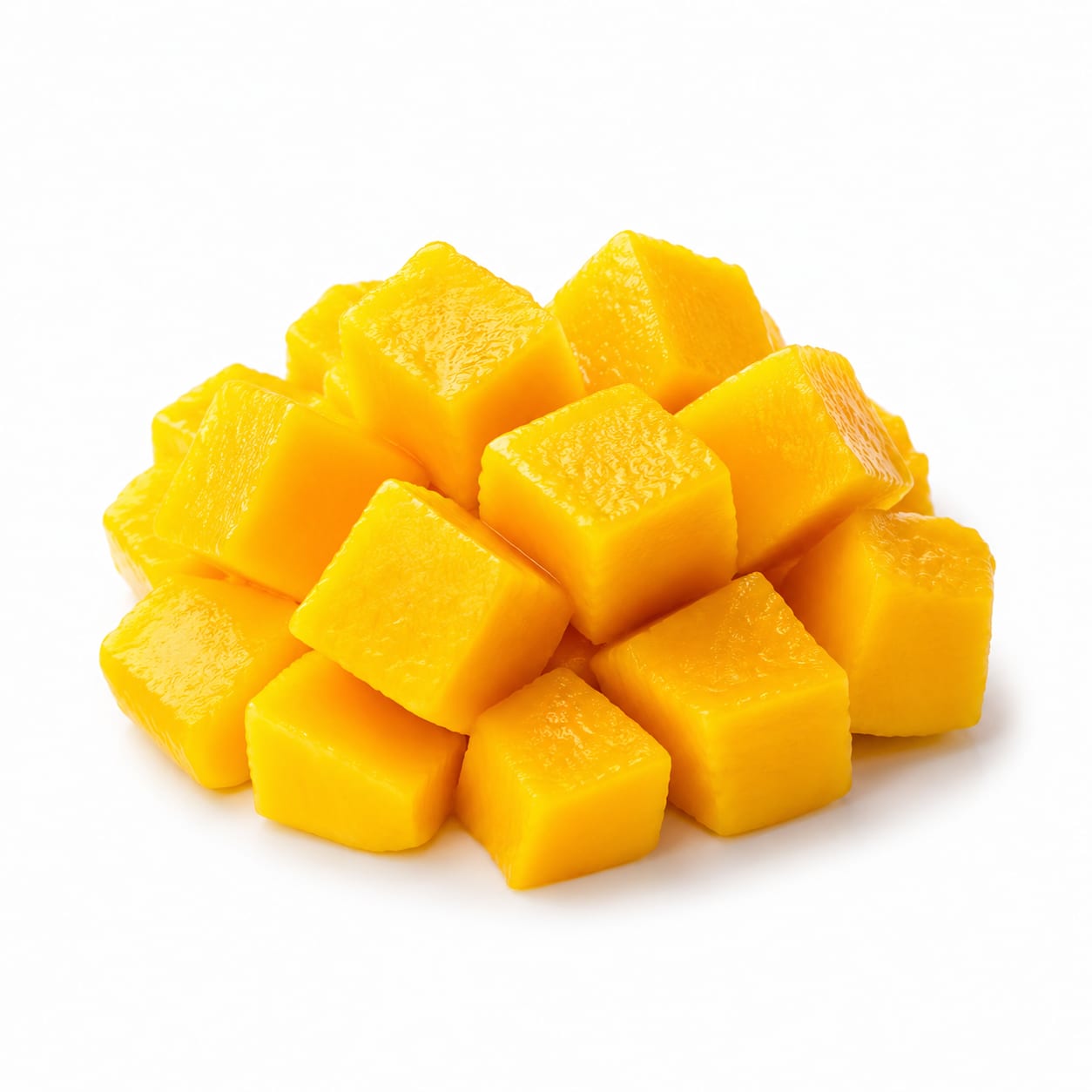
Mango
Banana wins on convenience, satiety, and steady energy. Mango wins on vitamins, antioxidants, and immune support. Pick based on what your day demands.
Banana edges ahead slightly due to superior practicality, better satiety, and steadier blood sugar response. Mango is nutritionally richer in key vitamins but its higher sugar load and inconvenience for daily use narrow the gap.
Banana gives you portable, filling fuel with steadier blood sugar. Mango gives you a micronutrient powerhouse with more sugar and less convenience.
At a glance
Executive summary
Overall
It depends
Healthier
It depends
More practical
Banana
Daily use
Banana
Key comparison lenses
blood sugar and energy stability
Both are sweet, carb-dense fruits that raise blood sugar, but they differ significantly in glycemic impact and how steady the energy feels
convenience and everyday practicality
Banana is grab-and-go with natural packaging; mango requires cutting, peeling, and is messy to eat on the run
micronutrient and antioxidant density
Mango delivers far more vitamin C, vitamin A, and unique antioxidants like mangiferin that banana simply cannot match
weight management and satiety
Both are relatively calorie-dense for fruit, but banana's resistant starch and thicker texture make it more filling per bite
digestive tolerance and gut friendliness
Banana is a bland stomach-soother widely recommended for digestive issues; mango's fiber and enzymes can irritate sensitive guts
Best choice for
Banana
- Pre-workout quick energy
- Busy mornings when you need grab-and-go
- Sensitive stomachs and digestive recovery
- Steady energy without sugar spikes
- Budget-conscious weekly meal prep
Mango
- Immune system support during cold season
- Skin health and antioxidant boost
- Tropical flavor cravings and dessert alternatives
- Vitamin A and C deficiency correction
- Post-meal digestive enzyme support
Least suitable for
Banana
- Strict low-carb or keto diets
- People managing severe blood sugar issues who need low-glycemic options
- Those seeking high vitamin C intake from fruit alone
Mango
- Portability-focused snacking on the go
- Tight grocery budgets in off-season
- People with latex-fruit allergy syndrome
- Blood sugar sensitive individuals needing steady glucose
Deep comparison
Dimension by dimension
Each lens scores both foods and breaks down who each option suits.
- Dimension 1 · Priority 92Banana
Blood Sugar Stability
Banana · 68Mango · 52Banana causes a more gradual blood sugar rise, especially when slightly green. Mango hits harder and faster due to higher sugar density.
Tradeoff
Banana's resistant starch (when less ripe) slows glucose absorption meaningfully. Mango's sugar hits quicker, which feels energizing short-term but risks crashes.
Why it matters
If you are watching blood sugar, managing prediabetes, or trying to avoid afternoon energy dips, this difference is daily-life significant.
Real-world impact
A banana at 10am keeps you steady until lunch. A mango at 10am may leave you hungry again by 11:30.
Banana
- Prediabetics seeking gentler carb sources
- People prone to energy crashes
- Anyone eating fruit alone without protein or fat
Better for
- Those who find even moderate carbs spike their glucose
Worse for
Mango
- Athletes needing rapid carb replenishment post-exercise
- People wanting quick energy before intense activity
Better for
- Anyone monitoring blood sugar closely
- People who experience sugar crashes easily
Worse for
- Dimension 2 · Priority 88Banana
Convenience and Portability
Banana · 95Mango · 40Banana is nature's perfect portable snack with built-in packaging. Mango requires cutting, peeling, and gets messy fast.
Tradeoff
You can eat a banana one-handed while walking or driving. Mango demands a knife, a plate, and probably a napkin.
Why it matters
The food you can actually eat consistently beats the food that's theoretically better but impractical for your lifestyle.
Real-world impact
Banana goes in your bag at 7am and is perfect at noon. Mango needs prep and refrigeration or it becomes a sticky disaster.
Banana
- Commuters and travelers
- Office workers who snack at their desk
- Parents packing school lunches
- Hikers and outdoor athletes
Better for
- No real downside here — banana is peak convenience
Worse for
Mango
- Home cooks preparing smoothies or desserts
- Weekend brunch settings with time to prep
Better for
- Anyone eating on the go
- People who prep food in advance for busy days
Worse for
- Dimension 3 · Priority 85Mango
Micronutrient and Antioxidant Density
Banana · 55Mango · 88Mango dominates on vitamin C, vitamin A, and unique antioxidants like mangiferin. Banana offers solid potassium and B6 but cannot compete on breadth.
Tradeoff
Mango delivers immune-boosting and skin-supporting nutrients at levels banana simply cannot match. Banana's potassium edge matters more for cramps and blood pressure.
Why it matters
If you are not eating many vitamin C or A sources, mango fills that gap far more effectively than banana.
Real-world impact
One cup of mango covers most of your daily vitamin C needs. You would need several bananas to approach that, and they still would not provide meaningful vitamin A.
Banana
- People needing potassium for muscle cramps or blood pressure
- Those seeking B6 for energy metabolism support
Better for
- People relying on fruit as their primary vitamin C source
Worse for
Mango
- Anyone with low vitamin C intake
- People wanting skin and eye health support
- Those seeking anti-inflammatory antioxidants
- Immune-compromised individuals needing extra vitamin C
Better for
- Those already meeting vitamin needs through other foods
Worse for
- Dimension 4 · Priority 80Banana
Satiety and Fullness
Banana · 75Mango · 55Banana's thicker texture and resistant starch make it noticeably more filling than mango per calorie.
Tradeoff
Banana feels like a mini-meal. Mango feels more like a sweet treat that leaves you wanting more.
Why it matters
If you are trying to manage portions or avoid overeating, choosing the more satiating fruit matters for real-world adherence.
Real-world impact
Eat a banana and you may skip the granola bar. Eat a mango and you might still reach for one.
Banana
- People using fruit as a between-meal bridge
- Anyone trying to reduce overall snacking
- Weight-conscious eaters needing fullness per calorie
Better for
- People who find dense fruit too heavy in hot weather
Worse for
Mango
- Those wanting a light, refreshing treat after meals
Better for
- Emotional eaters who may overconsume sweet fruit
- Anyone trying to stay full on fewer calories
Worse for
- Dimension 5 · Priority 75Banana
Digestive Tolerance
Banana · 85Mango · 62Banana is one of the most gut-friendly foods available, widely recommended for upset stomachs. Mango can irritate sensitive digestive systems.
Tradeoff
Banana is bland, binding, and soothing. Mango's fiber and enzymes are helpful for some but trigger bloating or irritation in others.
Why it matters
If you have IBS, a sensitive stomach, or are recovering from illness, banana is a safe bet. Mango is riskier.
Real-world impact
Doctors recommend banana for diarrhea, nausea, and recovery. Nobody recommends mango for an upset stomach.
Banana
- People with IBS or sensitive digestion
- Anyone recovering from stomach illness
- Those experiencing diarrhea or loose stools
- Pregnant women with morning sickness
Better for
- People with constipation who need less binding foods
Worse for
Mango
- People with sluggish digestion needing enzyme support
- Those who tolerate fiber well and want regularity
Better for
- Anyone with fructose malabsorption
- People prone to bloating from high-fiber fruit
- Those with latex-fruit allergy syndrome
Worse for
- Dimension 6 · Priority 70Banana
Cost and Accessibility
Banana · 90Mango · 55Bananas are one of the cheapest fruits available year-round. Mangoes are seasonal, imported, and often significantly more expensive.
Tradeoff
Banana costs pennies per serving and is always in stock. Mango can cost three to five times more and varies wildly in quality.
Why it matters
The healthiest food is the one you can afford and access consistently. Banana wins on sustainability for most budgets.
Real-world impact
A week of daily bananas costs roughly two dollars. A week of daily mangoes can cost ten or more depending on location and season.
Banana
- Budget-conscious households
- People living in areas with limited tropical fruit access
- Anyone buying fruit for a family regularly
Better for
- No real cost downside — banana is consistently affordable
Worse for
Mango
- Those with access to affordable local mangoes in season
- People prioritizing nutritional variety over cost
Better for
- Fixed-income households
- People in regions where mangoes are always imported and expensive
Worse for
Timeline
Health impact over time
Short-term
Hours to days
Banana
- Provides quick but relatively steady energy due to mix of natural sugars and resistant starch
- Mildly binding effect on digestion, helpful for loose stools
- Potassium helps with muscle function and may reduce cramping during activity
- Can feel heavy if eaten in large quantities on an empty stomach
Mango
- Rapid energy boost from higher sugar content, more likely to cause a short spike and dip
- Vitamin C supports immediate immune cell function
- Digestive enzymes may help break down a meal eaten alongside it
- Can cause bloating or discomfort in fructose-sensitive individuals
Long-term
Months to years
Banana
- Consistent potassium intake supports healthy blood pressure over time
- Resistant starch feeds beneficial gut bacteria when consumed regularly
- B6 supports nervous system health and mood regulation with daily intake
- Moderate sugar content is manageable but adds up with multiple daily servings
Mango
- High vitamin C and A intake supports skin aging defense and immune resilience long-term
- Mangiferin and other antioxidants may reduce chronic inflammation markers
- Beta-carotene supports long-term eye health
- Higher sugar load from frequent consumption may contribute to insulin resistance if not balanced
Risk profile
Safety & processing
Both banana and mango are whole, unprocessed fruits eaten in their natural state. Neither contains additives, preservatives, or artificial ingredients when purchased fresh. This is a tie — both are as natural as food gets.
Banana
Pesticide residue on conventionally grown bananas
lowThe thick peel absorbs most pesticide exposure and is discarded. Banana consistently ranks low on the Dirty Dozen list. Washing hands after peeling is sufficient precaution.
Allergic reaction in latex-fruit syndrome sufferers
mediumPeople with latex allergy may cross-react with banana proteins, causing mouth itching or swelling. This affects roughly 30-50% of latex-allergic individuals.
Mango
Pesticide residue on conventionally grown mangoes
mediumMango peel can retain pesticide residues, and while most people discard the peel, cross-contamination during cutting is common. Washing thoroughly before cutting is important.
Allergic reaction in latex-fruit syndrome sufferers
mediumMango is also a latex-fruit cross-reactor. Additionally, mango peel contains urushiol, the same compound in poison ivy, which can cause contact dermatitis in sensitive people.
Foodborne illness from improper handling
lowCut mango left at room temperature can grow bacteria rapidly. The flesh is moist and sugar-rich, creating ideal conditions for microbial growth if not refrigerated promptly.
Who wins for whom
Audience fit
Same foods, different winners depending on your goal.
children
BananaBanana is easier for kids to hold, eat, and digest. Its mild sweet taste and soft texture make it a universal first food. Mango is fine but messier and more allergenic.
daily consumption
BananaBanana's affordability, convenience, and consistent availability make it far easier to eat daily year-round without fatigue or budget strain.
diabetes
BananaNeither is ideal for tight blood sugar control, but banana's lower glycemic load and resistant starch content make it the gentler choice. Portion control matters for both.
elderly
BananaBanana's soft texture, potassium for blood pressure, and digestive gentleness make it ideal for older adults. Mango's higher sugar and potential digestive irritation are less suitable.
muscle gain
BananaBanana's potassium prevents cramps, its carbs fuel workouts, and its portability makes it the standard pre-workout fruit for athletes worldwide.
weight loss
BananaBanana is more filling per calorie and less likely to trigger overeating. Its resistant starch supports satiety hormones better than mango's simpler sugar profile.
Your move
Decision guide
Choose Banana
- You need portable fuel for busy mornings or workouts
- You want something filling that prevents overeating later
- You have a sensitive stomach or are recovering from illness
- You are feeding children who need easy-to-eat snacks
- You are on a budget and want maximum nutrition per dollar
- You want steadier energy without sugar spikes and crashes
Choose Mango
- You want an antioxidant and vitamin C boost, especially in winter
- You are eating at home with time to prep and enjoy
- Skin health and immune support are top priorities
- You are craving something sweet and tropical as a dessert alternative
- You already eat banana daily and need variety in your fruit rotation
- You are making smoothies where mango's flavor and creaminess shine
Either works if
- You simply want a whole-food carb source after exercise
- You are building a fruit salad and want both flavors
- You have no blood sugar concerns and enjoy both equally
Avoid both if
- You are on a strict ketogenic or very low-carb diet
- You have severe fructose intolerance or malabsorption
- You are managing diabetes and need to limit all high-sugar fruits
- You have latex-fruit allergy syndrome and react to both
Final recommendation
Keep bananas as your daily staple for their convenience, satiety, and steady energy. Add mango a few times a week as a micronutrient boost and flavor treat. You do not have to choose just one — but if you did, banana is the more sustainable everyday choice for most people.
Practical
Consumer tips
- 1
Choose bananas with some green on the peel for more resistant starch and slower sugar release. Fully yellow or spotted bananas are sweeter but spike blood sugar faster.
- 2
Cut mango along the flat seed, score the flesh in a grid pattern, and scoop it out with a spoon for the least messy eating experience.
- 3
Freeze overripe banana and mango chunks for smoothies — this reduces waste and creates a naturally creamy, sweet base without added sugar.
- 4
Wash mango thoroughly before cutting even though you discard the peel, because knife blades transfer residue from skin to flesh.
- 5
If you have latex allergy, test both fruits carefully with a small bite first and monitor for mouth itching or swelling.
- 6
Pair either fruit with a protein or fat source like nut butter or yogurt to slow sugar absorption and extend satiety significantly.
- 7
Buy mangoes in season (summer) when they are cheapest and most flavorful. Off-season mangoes are often underripe, overpriced, and disappointing.