
Nutrition comparison
Banana vs Sweet Potato: Which Carb is Better for You?
Compare banana vs sweet potato for weight loss, blood sugar, and energy. Learn the nutritional tradeoffs between quick fuel and sustained fullness.
Overall winner · Sweet Potato
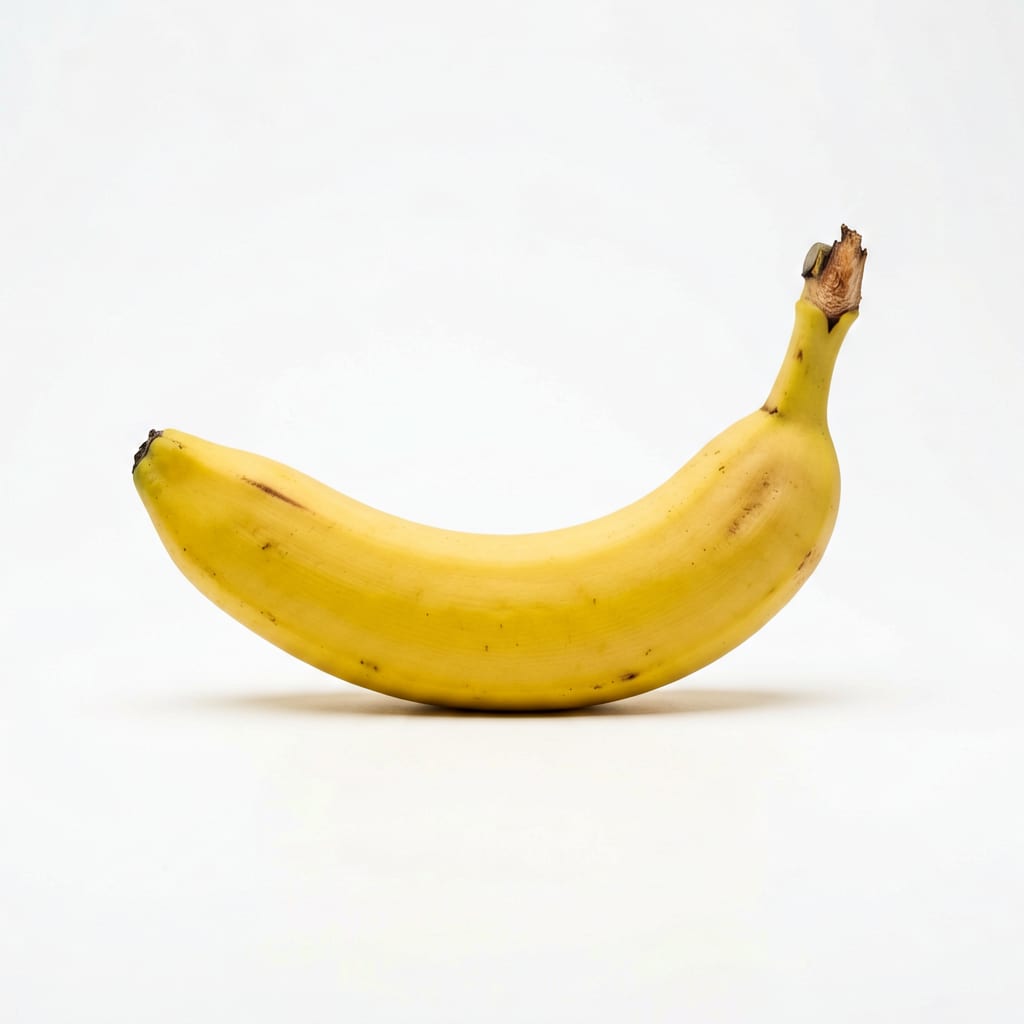
Banana
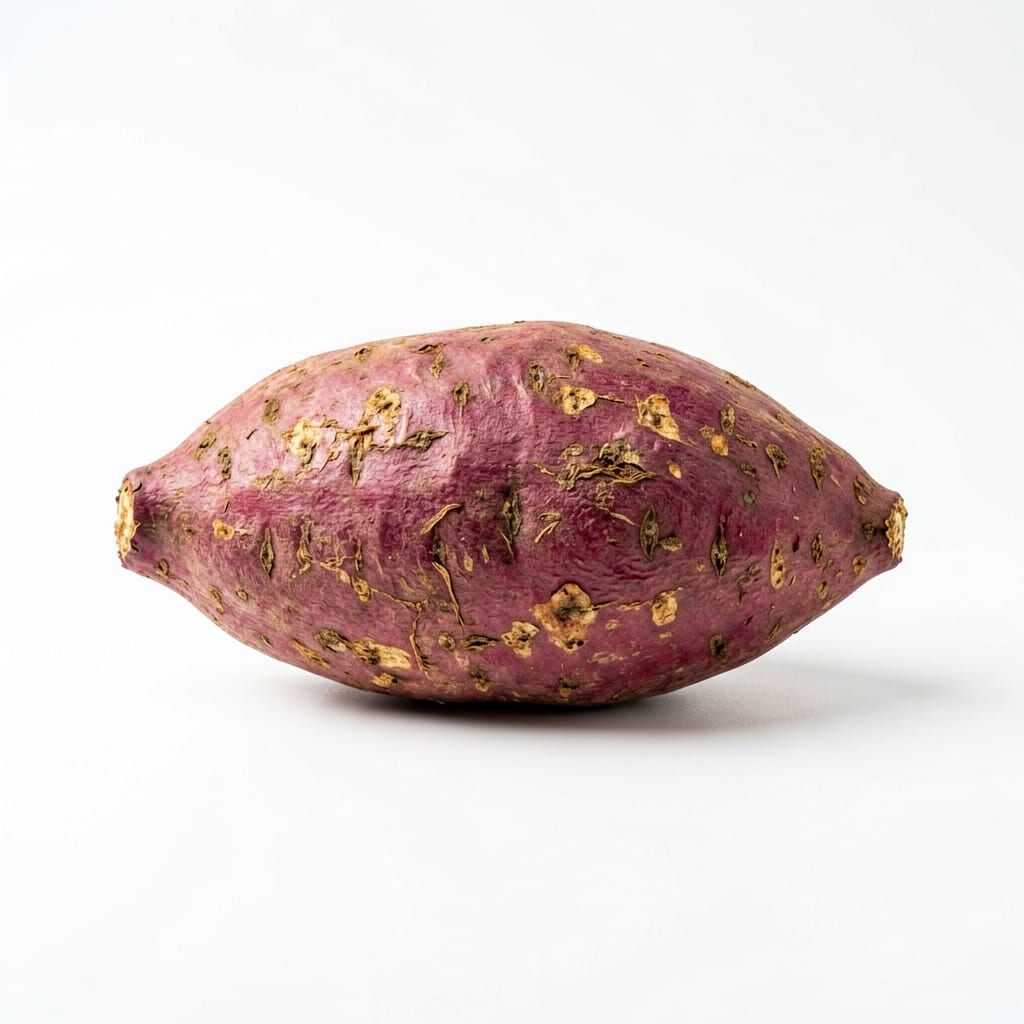
Sweet Potato
Bananas are the ultimate portable energy boost, but sweet potatoes win for sustained fullness, blood sugar control, and overall nutrient density.
Sweet potato scores higher due to superior satiety, lower glycemic impact, and higher micronutrient density per calorie. Banana remains highly scored for its unmatched convenience and specific athletic use cases.
Instant convenience and quick sugar versus cooking time and long-lasting, steady energy.
At a glance
Executive summary
Overall
Sweet Potato
Healthier
Sweet Potato
More practical
Banana
Daily use
Sweet Potato
Key comparison lenses
Blood sugar impact and energy sustainability
Bananas provide quick energy while sweet potatoes offer slow-burning fuel, making this the core tradeoff.
Convenience versus meal satiety
Bananas are grab-and-go snacks, whereas sweet potatoes require cooking but deliver much more fullness.
Micronutrient priorities
Choosing between potassium and vitamin A is a key differentiator for long-term health goals.
Best choice for
Banana
- Pre-workout quick fuel
- Busy mornings needing grab-and-go food
- Athletes needing fast-digesting carbs
Sweet Potato
- Sustained energy without crashes
- Weight management and appetite control
- Vitamin A deficiency or eye health support
Least suitable for
Banana
- Strict low-carb or keto diets
- People with severe blood sugar instability
Sweet Potato
- Immediate post-workout glycogen replenishment
- Situations with no cooking access
Deep comparison
Dimension by dimension
Each lens scores both foods and breaks down who each option suits.
- Dimension 1 · Priority 95Sweet Potato
Blood Sugar Stability
Banana · 55Sweet Potato · 85Sweet potatoes digest slowly, keeping blood sugar steady. Bananas cause a faster rise, especially as they ripen.
Tradeoff
You trade the immediate energy spike of a banana for the crash-free endurance of a sweet potato.
Why it matters
Stable blood sugar means fewer afternoon energy crashes and less cravings later in the day.
Real-world impact
Eating a sweet potato at lunch keeps you full until dinner. A banana at 3 PM might leave you hungry again by 4 PM.
Banana
- Quick fuel right before a run
Better for
- Fasting blood sugar management
Worse for
Sweet Potato
- Avoiding the mid-afternoon slump
- Managing insulin resistance
Better for
- Rapid recovery after intense exercise
Worse for
- Dimension 2 · Priority 90Sweet Potato
Satiety and Fullness
Banana · 50Sweet Potato · 90Sweet potatoes are far more filling per calorie due to their water and fiber content. Bananas are light and easy to overeat.
Tradeoff
A banana is a light snack; a sweet potato is a meal component that actually holds you over.
Why it matters
Feeling full prevents overeating and makes it easier to stick to your dietary goals.
Real-world impact
A medium sweet potato feels like real food in your stomach. A banana feels like an appetizer.
Banana
- Light snacking without feeling heavy
Better for
- Using as a standalone meal
Worse for
Sweet Potato
- Replacing heavy grains at dinner
- Staying full on a calorie deficit
Better for
- Eating right before a workout without feeling sluggish
Worse for
- Dimension 3 · Priority 85Banana
Convenience and Portability
Banana · 98Sweet Potato · 30Bananas come in their own biodegradable wrapper and need zero prep. Sweet potatoes require cooking and utensils.
Tradeoff
You sacrifice zero-prep convenience for a more substantial nutritional payoff.
Why it matters
The best food for you is the one you actually eat when life gets busy.
Real-world impact
Tossing a banana in your bag takes two seconds. A sweet potato requires a microwave or oven and 5 to 45 minutes.
Banana
- Commuting or traveling
- Desk snacks at work
Better for
- Situations where you need a hot, comforting meal
Worse for
Sweet Potato
- Meal prep on Sundays
Better for
- Hiking or outdoor activities
Worse for
- Dimension 4 · Priority 80Sweet Potato
Micronutrient Density
Banana · 70Sweet Potato · 95Sweet potatoes are a vitamin A powerhouse, while bananas excel at potassium and vitamin B6.
Tradeoff
Bananas support muscle function and hydration; sweet potatoes support vision and immunity.
Why it matters
Different micronutrient profiles serve different long-term health priorities.
Real-world impact
Eating a sweet potato gives you over 400% of your daily Vitamin A. A banana helps prevent cramps after a sweaty workout.
Banana
- Electrolyte replenishment
- Muscle cramp prevention
Better for
- Correcting Vitamin A deficiency
Worse for
Sweet Potato
- Immune system support
- Skin and eye health
Better for
- Quick rehydration after illness
Worse for
Timeline
Health impact over time
Short-term
Hours to days
Banana
- Quick burst of energy within 15-30 minutes
- May trigger hunger soon after if eaten alone
- Easy on the stomach before exercise
Sweet Potato
- Sustained energy lasting several hours
- High satiety reduces urge to snack
- Comforting, warming effect when eaten hot
Long-term
Months to years
Banana
- Consistent potassium intake supports heart health
- Frequent consumption without protein or fat may disrupt blood sugar over time
Sweet Potato
- High beta-carotene intake supports long-term eye health
- Low glycemic load supports metabolic health and steady energy
Risk profile
Safety & processing
Both are whole, single-ingredient foods straight from nature with no additives.
Banana
Pesticide residue
mediumConventional bananas are grown with synthetic pesticides, though the thick peel reduces ingestion. Go organic if you eat them daily.
Latex-fruit syndrome
lowPeople with latex allergies may experience itching or swelling from bananas due to cross-reactive proteins.
Sweet Potato
Oxalate content
lowSweet potatoes contain oxalates, which can be an issue for people prone to calcium oxalate kidney stones.
Mold from improper storage
mediumIf cooked and left at room temperature too long, sweet potatoes can grow harmful mold. Store cooked leftovers promptly.
Who wins for whom
Audience fit
Same foods, different winners depending on your goal.
children
BananaBananas are naturally sweet, easy to hold, require no cooking, and are gentle on picky toddler stomachs.
daily consumption
Sweet PotatoThe steadier energy and deeper micronutrient profile make sweet potatoes a more robust daily staple.
diabetes
Sweet PotatoSweet potatoes have a lower glycemic index and higher fiber, resulting in a much gentler blood sugar response.
elderly
Sweet PotatoSweet potatoes are soft, nutrient-dense, and their high Vitamin A and fiber support aging immune systems and digestion.
muscle gain
BananaBananas provide fast-digesting carbs ideal for pre or post-workout, and their potassium helps prevent cramps during heavy lifts.
weight loss
Sweet PotatoSweet potatoes are far more filling per calorie, making it easier to stay in a deficit without feeling deprived.
Your move
Decision guide
Choose Banana
- You need quick energy before or after a workout
- You want a zero-prep, portable snack for your commute
- You are struggling with muscle cramps
Choose Sweet Potato
- You want a filling carb that will not spike your blood sugar
- You are meal-prepping lunches or dinners for the week
- You need more Vitamin A in your diet
Either works if
- You just need a healthy, whole-food carb source
- You are trying to avoid processed snacks
Avoid both if
- You are on a strict ketogenic or very low-carb diet
Final recommendation
Keep both in your rotation. Grab a banana when you need fast, convenient fuel, and bake sweet potatoes when you want a comforting, filling meal that keeps you satisfied for hours.
Practical
Consumer tips
- 1
Choose green-tipped bananas for slower sugar absorption and more resistant starch.
- 2
Boiling sweet potatoes retains more vitamin A than frying or baking them dry.
- 3
Pair a banana with a handful of nuts or spoonful of peanut butter to blunt the blood sugar spike.
- 4
Microwave a sweet potato for 5-7 minutes if you are short on time but still want the meal-prep benefits.