
Nutrition comparison
Banana vs Oatmeal: Which Is Better for Breakfast Energy and Weight Loss?
Compare banana and oatmeal for satiety, blood sugar, weight loss, and daily nutrition. Learn which breakfast choice keeps you full longer and when each food is the smarter pick.
Overall winner · Oatmeal
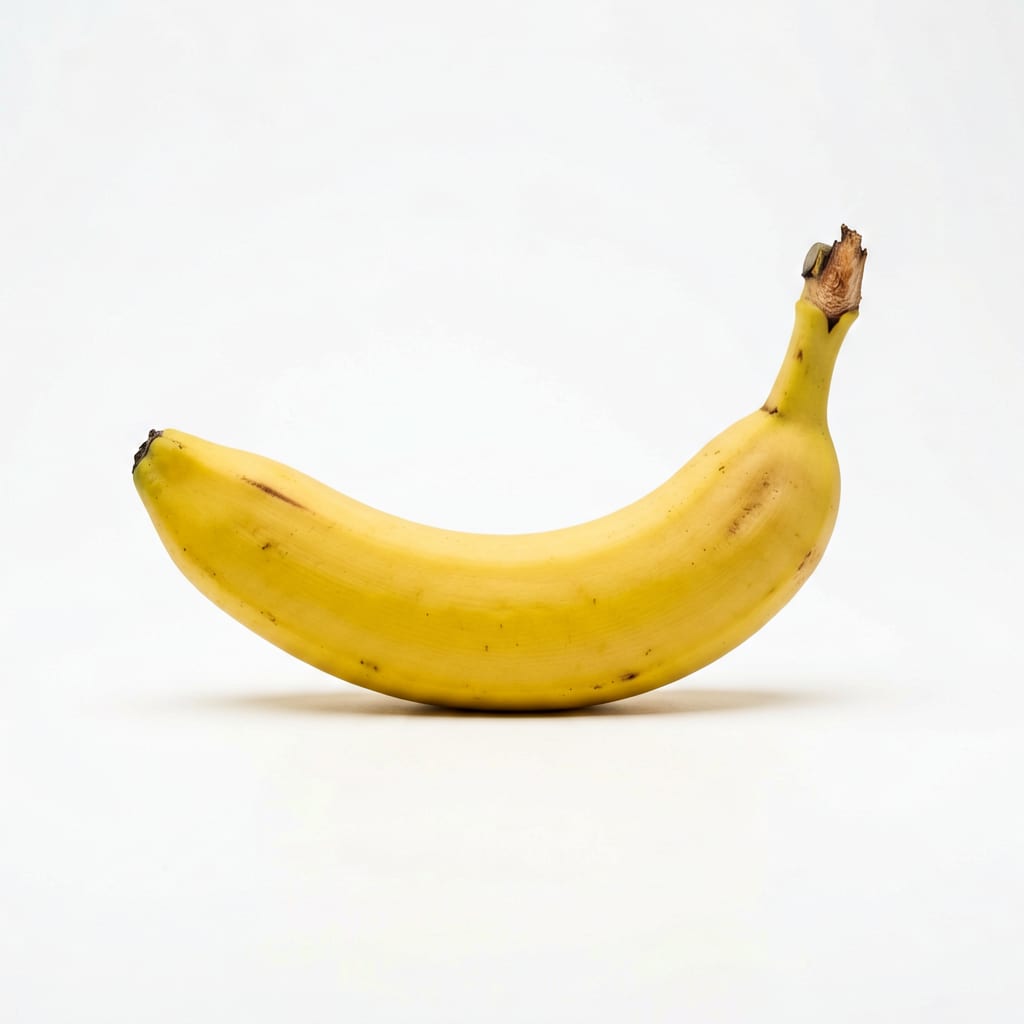
Banana
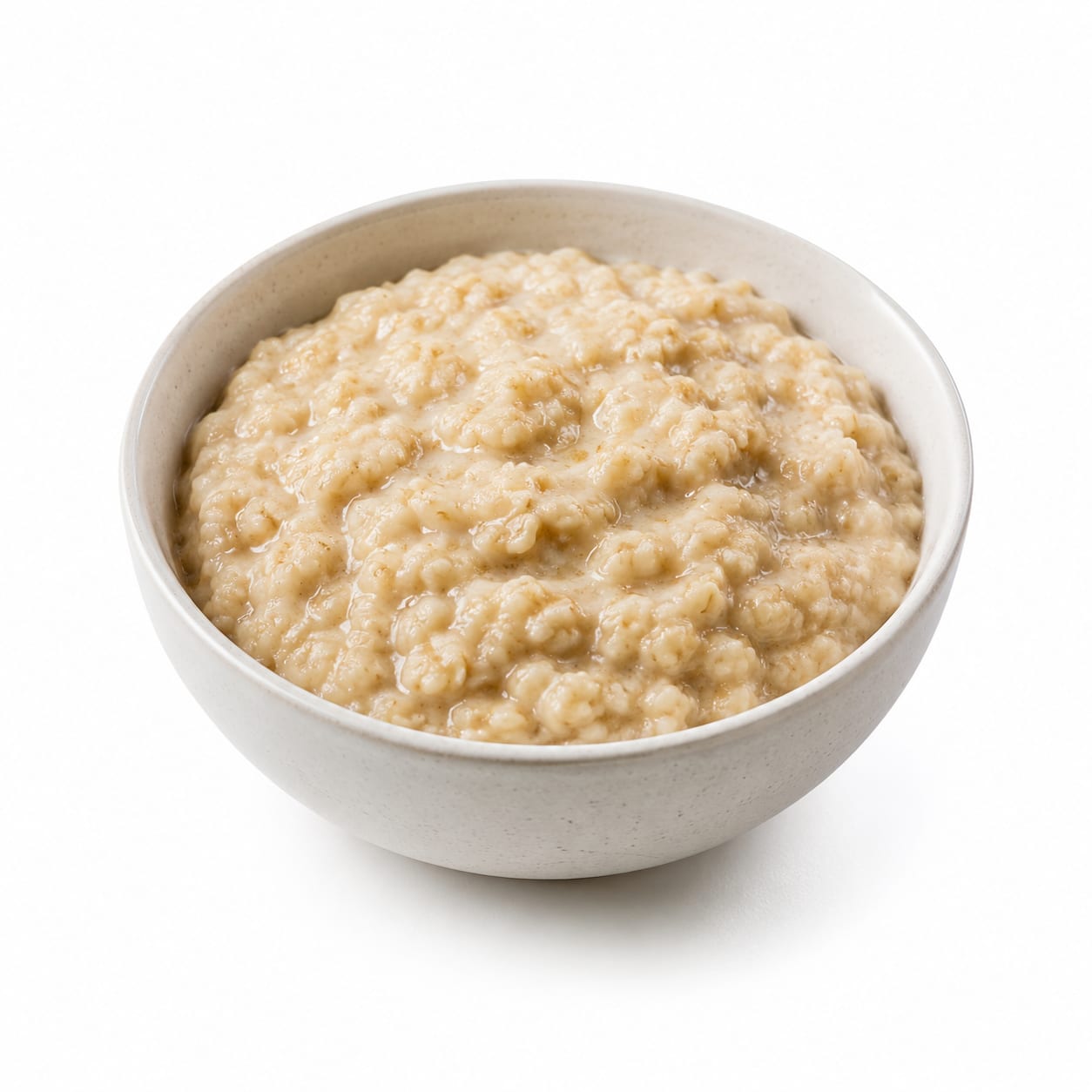
Oatmeal
Oatmeal wins for most daily situations thanks to superior satiety and steadier energy, but banana remains the better on-the-go and pre-workout choice.
Oatmeal scores notably higher due to superior satiety, blood sugar control, and fiber content. Banana remains valuable for specific situations but its faster sugar release and lower fullness make it less ideal as a standalone daily staple.
Convenience and quick energy from banana versus lasting fullness and blood sugar stability from oatmeal.
At a glance
Executive summary
Overall
Oatmeal
Healthier
Oatmeal
More practical
Banana
Daily use
Oatmeal
Key comparison lenses
breakfast energy and satiety comparison
Both are classic breakfast choices, but they deliver very different energy curves and fullness levels
blood sugar management
Banana spikes blood sugar faster while oatmeal provides a slower, steadier glucose release
convenience vs substance tradeoff
Banana is grab-and-go while oatmeal requires preparation but keeps you full much longer
weight loss and cravings control
Satiety difference makes oatmeal better for managing hunger, while banana's sugar can trigger cravings
pre-workout fuel timing
Banana excels as quick pre-workout energy while oatmeal is better for sustained endurance activities
Best choice for
Banana
- Pre-workout quick fuel
- Portable on-the-go snacking
- Immediate energy replenishment
- Children who resist heavier breakfasts
- Endurance athletes mid-activity
Oatmeal
- Sustained morning energy without crashes
- Weight management and appetite control
- Blood sugar stability
- Hearty breakfast that prevents snacking
- Active people needing lasting fuel
Least suitable for
Banana
- People managing diabetes or insulin resistance
- Those prone to afternoon energy crashes
- Anyone trying to reduce sugar cravings
- Situations requiring lasting fullness
Oatmeal
- Moments when you need instant energy
- On-the-go eating with no preparation time
- Hot weather when a warm meal feels heavy
- People with gluten sensitivity if using non-certified oats
Deep comparison
Dimension by dimension
Each lens scores both foods and breaks down who each option suits.
- Dimension 1 · Priority 95Oatmeal
Satiety and Fullness
Banana · 40Oatmeal · 88Oatmeal keeps you full for hours while a banana alone often leaves you hungry again within an hour.
Tradeoff
Banana is lighter on the stomach, which can be nice before exercise, but that lightness means it disappears fast as a meal.
Why it matters
People who eat banana alone for breakfast often find themselves snacking by 10am, while oatmeal eaters comfortably make it to lunch.
Real-world impact
A bowl of oatmeal can delay your next meal by 2-3 hours compared to a banana. That difference compounds over weeks for weight management.
Banana
- Pre-workout when you want energy without feeling heavy
- Light snacking between meals
- Hot days when heavy food feels unappealing
Better for
- Situations where you need to go 4-5 hours without eating
- Anyone trying to reduce between-meal snacking
Worse for
Oatmeal
- Preventing mid-morning hunger pangs
- Reducing overall daily calorie intake through fullness
- Staying focused at work without distraction from hunger
Better for
- Eating right before intense exercise
- Moments when a heavy stomach feels uncomfortable
Worse for
- Dimension 2 · Priority 92Oatmeal
Blood Sugar Stability
Banana · 42Oatmeal · 82Oatmeal delivers slow-burning energy while banana causes a quicker rise and fall in blood sugar.
Tradeoff
Banana gives you faster energy when you need it, but that speed comes with a crash risk if eaten alone on an empty stomach.
Why it matters
The blood sugar spike from a solo banana can trigger a crash that leaves you tired and craving more sugar an hour later.
Real-world impact
If you eat a banana at 8am, you might feel sluggish by 9:30. Oatmeal at 8am typically carries you to noon with steady energy.
Banana
- Recovering from a hypoglycemic episode
- Quick fuel right before a short intense workout
- Endurance sports where you need fast carbohydrate replenishment
Better for
- Diabetics monitoring post-meal glucose spikes
- People trying to break the sugar-craving cycle
Worse for
Oatmeal
- Managing prediabetes or insulin resistance
- Avoiding the afternoon energy crash
- Anyone who gets irritable or foggy when blood sugar dips
Better for
- Situations requiring immediate energy delivery
- Athletes who need rapid glycogen replenishment during competition
Worse for
- Dimension 3 · Priority 85Banana
Convenience and Portability
Banana · 97Oatmeal · 35Banana is nature's perfect portable food. Oatmeal requires cooking, bowls, and sitting down.
Tradeoff
You gain zero-prep convenience with banana but sacrifice the substance and lasting energy that preparation provides.
Why it matters
On chaotic mornings, the food you can actually grab and eat beats the food that takes 5-10 minutes to prepare.
Real-world impact
A banana can be eaten while walking to the car. Oatmeal demands at least a few minutes of cooking and sitting down, which not every morning allows.
Banana
- Commuting and eating on the move
- Travel and hiking where gear is limited
- Office snacking without preparation
- Emergency hunger when options are scarce
Better for
- Situations where you want a meal that feels substantial and satisfying
Worse for
Oatmeal
- Leisurely mornings with time to prepare
- Meal prep routines where you batch-cook ahead
- Weekend breakfasts that feel like a real meal
Better for
- Any scenario where you have under 2 minutes to eat
- Eating while driving or walking
Worse for
- Dimension 4 · Priority 82Oatmeal
Fiber Quality and Digestive Health
Banana · 48Oatmeal · 90Oatmeal's beta-glucan fiber is a digestive superstar that banana's simpler fiber cannot match.
Tradeoff
Banana offers gentler fiber that is easier on sensitive stomachs, while oatmeal provides more therapeutic fiber benefits.
Why it matters
Beta-glucan in oats actively lowers cholesterol and feeds beneficial gut bacteria in ways banana fiber does not.
Real-world impact
Regular oatmeal eaters often notice improved digestion and cholesterol numbers over months. Banana helps too, but the effect is milder.
Banana
- Sensitive stomachs that react to heavier fiber loads
- Recovery from stomach illness when you need gentle food
- Children who need easy-to-digest options
Better for
- Anyone specifically targeting cholesterol reduction
- People needing high fiber intake for gut health
Worse for
Oatmeal
- Lowering LDL cholesterol over time
- Improving gut microbiome diversity
- Managing irritable bowel syndrome with soluble fiber
- Supporting heart health through fiber intake
Better for
- Acute digestive upset when roughage is unwelcome
- People gradually increasing fiber to avoid bloating
Worse for
- Dimension 5 · Priority 75It depends
Nutrient Density
Banana · 62Oatmeal · 72Oatmeal offers more minerals and sustained nutrition while banana provides unique vitamins and electrolytes.
Tradeoff
Banana excels in potassium and vitamin B6 while oatmeal delivers more iron, magnesium, and zinc.
Why it matters
Your nutrient needs should drive this choice: cramps and electrolyte balance favor banana, while energy metabolism and bone health favor oatmeal.
Real-world impact
After heavy sweating, banana replaces potassium. After a poor night's sleep, oatmeal's magnesium supports recovery and calm energy.
Banana
- Post-workout electrolyte replenishment
- Cramp prevention for athletes
- Potassium needs without supplements
Better for
- Addressing iron deficiency
- Meeting daily magnesium needs
Worse for
Oatmeal
- Iron-deficient individuals needing daily support
- Magnesium for sleep and muscle recovery
- Sustained B-vitamin delivery for energy metabolism
Better for
- Rapid electrolyte replacement after sweating
- Vitamin C intake which oats lack entirely
Worse for
- Dimension 6 · Priority 65Oatmeal
Versatility and Customization
Banana · 38Oatmeal · 88Oatmeal is a blank canvas for nutrition upgrades while banana is mostly eaten as-is.
Tradeoff
Banana's simplicity means fewer decisions and zero recipe skills needed, but oatmeal lets you build a more complete meal.
Why it matters
Adding protein, healthy fats, and fruit to oatmeal transforms it from a carb source into a balanced meal. Banana stays a carb source.
Real-world impact
Oatmeal with nuts and protein powder becomes a muscle-building breakfast. Banana with peanut butter helps, but you are still limited by format.
Banana
- No-thinking-needed eating
- Consistent predictable nutrition
- Smoothies where banana adds creaminess and sweetness
Better for
- Anyone wanting to add protein or fat easily
- Situations where you want meal variety without changing foods
Worse for
Oatmeal
- Building a complete balanced meal in one bowl
- Adapting to different nutritional goals
- Meal prep variety with different toppings and flavors
Better for
- People who get overwhelmed by choices and toppings
- Minimalist eaters who want simple food
Worse for
Timeline
Health impact over time
Short-term
Hours to days
Banana
- Quick energy boost within 15-20 minutes of eating
- Possible blood sugar spike followed by a dip within 60-90 minutes
- Immediate hunger relief that fades faster than expected
- Mild serotonin boost from natural sugars
Oatmeal
- Gradual energy rise that sustains for 3-4 hours
- Comforting warmth that feels emotionally grounding
- Stable blood sugar without the spike-crash pattern
- Initial fullness that deepens as beta-glucan absorbs water
Long-term
Months to years
Banana
- Daily banana consumption supports healthy potassium levels and blood pressure
- Without pairing protein or fat, may reinforce sugar-craving patterns
- Consistent antioxidant intake from vitamin C and dopamine compounds
- Minimal risk of any chronic disease from moderate consumption
Oatmeal
- Regular oatmeal intake is linked to lower LDL cholesterol and heart disease risk
- Beta-glucan supports a healthier gut microbiome over months and years
- Sustained satiety patterns help with weight maintenance
- May reduce long-term diabetes risk through improved insulin sensitivity
Risk profile
Safety & processing
Both foods are whole and minimally processed. Plain rolled or steel-cut oats are as natural as banana. However, flavored instant oatmeal packets can contain added sugars and artificial flavors, so choose plain oats whenever possible.
Banana
Pesticide residue
mediumConventional bananas are grown with significant pesticide use, though the thick peel reduces direct exposure. Washing hands after peeling helps minimize transfer.
Mold on peel
lowOverripe bananas can develop surface mold. While the fruit inside is usually fine, immunocompromised individuals should discard heavily molded bananas.
Oatmeal
Gluten cross-contamination
mediumOats are naturally gluten-free but frequently processed in facilities that handle wheat. Certified gluten-free oats are necessary for those with celiac disease.
Glyphosate residue
mediumConventional oats are often sprayed with glyphosate as a desiccant before harvest. Choosing organic oats significantly reduces this exposure.
Phytic acid interference
lowOats contain phytic acid which can reduce mineral absorption slightly. Soaking oats overnight mitigates this for those concerned about iron or zinc status.
Who wins for whom
Audience fit
Same foods, different winners depending on your goal.
children
BananaMost children love the sweet taste and soft texture of bananas. Oatmeal can be a harder sell, though it becomes more appealing with fruit and honey toppings.
daily consumption
OatmealDaily oatmeal provides cumulative cholesterol-lowering and gut health benefits. Daily banana is fine but offers fewer compounding long-term health advantages.
diabetes
OatmealOatmeal's beta-glucan slows glucose absorption and improves insulin sensitivity. Banana's faster sugar release makes blood sugar management harder for diabetics.
elderly
OatmealOatmeal's soluble fiber supports heart health and regular digestion, both critical concerns for older adults. Its warmth and softness also suit aging digestive systems.
muscle gain
OatmealOatmeal pairs better with protein powder and nut butters to create a muscle-building meal. Banana works as a pre-workout but lacks the protein-pairing versatility.
weight loss
OatmealOatmeal's superior satiety reduces overall calorie intake throughout the day, while banana's quick digestion can leave you reaching for more food sooner.
Your move
Decision guide
Choose Banana
- You need energy in the next 20 minutes before a workout
- You are eating on the move with no time to sit down
- You want something gentle after stomach illness
- You are packing food for hiking, travel, or commuting
- A child refuses heavier breakfast options
Choose Oatmeal
- You want to stay full until lunch without snacking
- You are managing blood sugar, cholesterol, or weight
- You have time for a proper morning meal
- You want a base to add protein, nuts, and fruit for a complete meal
- You need sustained energy for a long workday or endurance activity
Either works if
- You are eating a balanced meal with other foods anyway
- You rotate breakfast options for variety throughout the week
- Neither is your main protein source and you just need a carb complement
Avoid both if
- You need a high-protein breakfast and have no protein source to add
- You are on a strict very-low-carb or ketogenic diet
- You have a specific allergy to either food
Final recommendation
Make oatmeal your default breakfast for substance and health benefits, but keep bananas around for pre-workout fuel and busy mornings. The best approach for most people is oatmeal on weekdays when you can prepare it, and banana as a backup or snack. If you eat banana for breakfast, pair it with a protein or fat source like peanut butter or Greek yogurt to smooth out the blood sugar curve.
Practical
Consumer tips
- 1
Choose steel-cut or rolled oats over instant oatmeal packets to avoid added sugars and get better texture
- 2
Add a tablespoon of chia seeds or walnuts to oatmeal for healthy fats and extra satiety
- 3
If eating banana for breakfast, pair it with a protein source to prevent the 10am crash
- 4
Buy organic oats to avoid glyphosate residue from pre-harvest spraying
- 5
Freeze overripe bananas for smoothies rather than throwing them away
- 6
Soak oats overnight in milk or water for a no-cook morning option that rivals banana's convenience
- 7
Choose slightly green bananas for a lower glycemic impact than fully ripe ones