
Grains
Arborio Rice
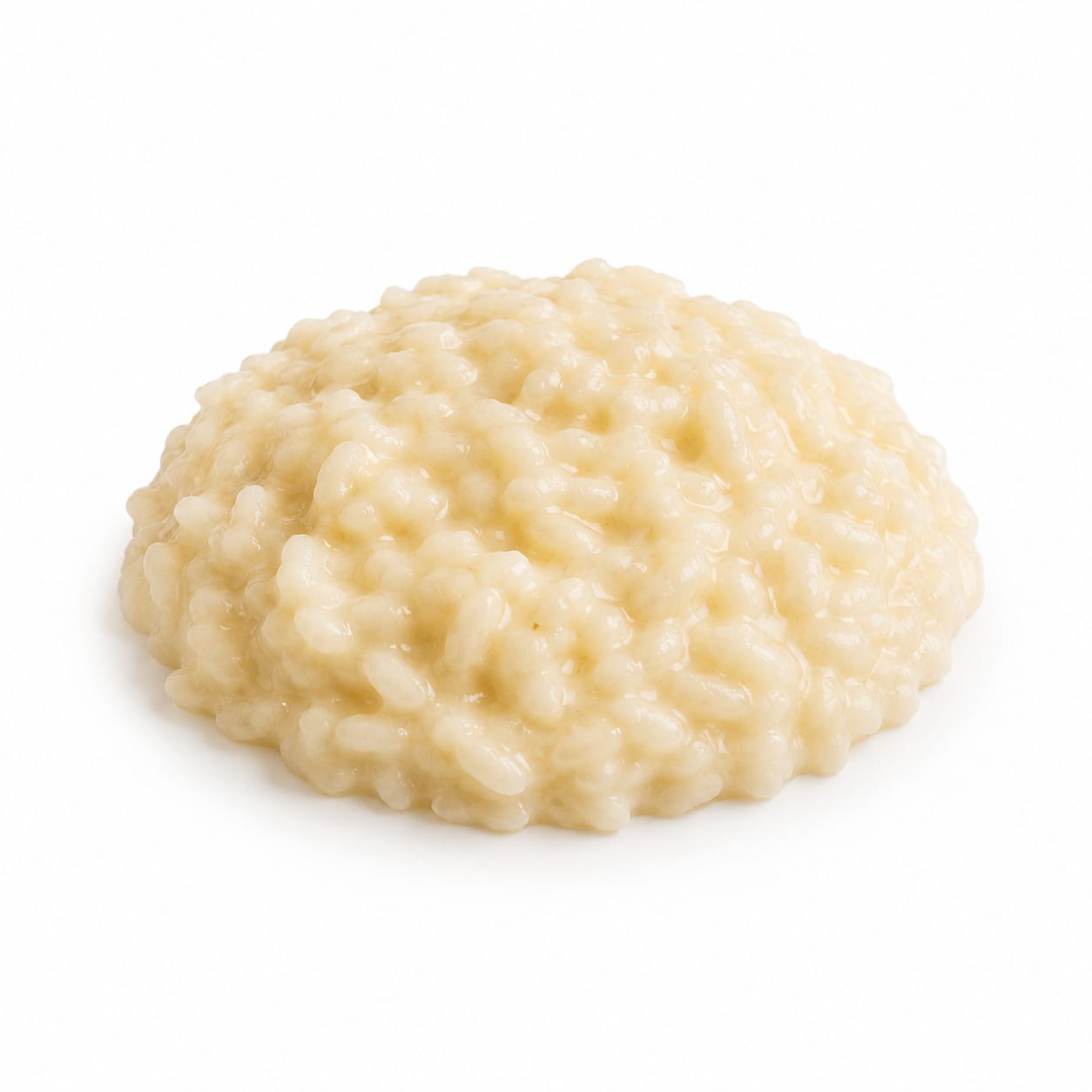
A short-grain white rice prized for its creamy, chewy texture in risotto and high starch content.
A short-grain, high-starch white rice primarily used to make risotto due to its ability to absorb liquids and release starch, creating a creamy texture.
fast-digesting refined carbohydrate source
Typical serving · 80g
Common varieties · white arborio, brown arborio, superfino arborio
Overall context score across nutrition, safety, and diet fit
The story
What makes it unique
Arborio rice is a refined carbohydrate with a high amylopectin content, which contributes to its sticky, creamy texture when cooked. It digests rapidly, leading to a quick rise in blood sugar and low satiety. Stripped of its bran and germ, it provides minimal fiber and micronutrients compared to whole grains.
Varieties: white arborio · brown arborio · superfino arborio
Per 100g
Nutrition breakdown
Macro balance and key metrics at a glance.
Energy
Density 3.50 kcal/g
Protein
Carbs
Fat
Fiber
Sugar
0.1 g
Sodium
5 mg
Potassium
90 mg
Glycemic index
75
Glycemic load
58
Water content
12%
Standout compounds
Nutrient highlights
Carbohydrates
highProvides rapid energy for high-intensity activities
Iron
lowSupports oxygen transport in the blood
Manganese
moderatePlays a role in metabolism and bone formation
Amylopectin
highCreates creamy texture and speeds digestion
Wellness map
Health scores & processing
NOVA processing scale
refined · Whole food
Arborio rice is milled to remove the bran and germ, leaving the starchy endosperm. This is a standard refining process, not ultra-processing.
Diet compatibility
- Weight loss
- Muscle gain
- Diabetes
- Gut health
- Low carb
- High protein
- Heart health
Relative standing
Food rankings
Qualitative ranks compared to similar whole foods.
- Satietypoor
- Blood sugarpoor
- Nutrient densitypoor
- Fitness fuelgood
- Processing qualitypoor
Eat with confidence
Food safety profile
Rice can accumulate inorganic arsenic from soil and water. Rinsing thoroughly and cooking in excess water can reduce arsenic levels. Leftover rice can harbor Bacillus cereus if not cooled and stored properly.
Evidence confidence 85%
- Pesticideslow
- Antibioticslow
- Heavy metalsmoderate
- Contaminationlow
Watch for
- inorganic arsenic
- bacillus cereus
Safer choices
Brown arborio rice or rice grown in regions with lower arsenic soil levels like California or India.
Prep tips
Rinse rice thoroughly before cooking. Cooking in excess water and draining can reduce arsenic, though this alters the traditional creamy risotto texture.
FDA monitors inorganic arsenic levels in rice; rice tends to accumulate more arsenic than other grains due to growing conditions.
Deep dive
Health analysis
How this food may fit different goals and preparation choices.
Weight loss
Low fiber and high energy density make it easy to overconsume calories without feeling full, hindering weight loss efforts.
Blood sugar
High glycemic index causes rapid blood sugar spikes, making it a poor choice for insulin resistance or diabetes management.
Fitness & energy
Provides fast-digesting carbohydrates that are useful for quick pre-workout energy or post-workout glycogen replenishment.
Gut health
Lacks prebiotic fiber needed to support beneficial gut bacteria, as the bran and germ are removed during milling.
Processing quality
A refined grain stripped of its nutrient-dense outer layers, leaving primarily starchy carbohydrates.
Food safety
Arsenic accumulation is a moderate concern; rinsing and cooking in ample water can mitigate some risk, though it alters risotto texture.
Common mistakes
Adding oil to the cooking water prevents starch release, ruining the creamy texture. Also, assuming it is a whole grain.
Best preparation
Dry toasted briefly, then slowly cooked by gradually adding hot broth while stirring constantly to release starches.
Practical guide
Best use cases
When and how this food fits real eating patterns.
Risotto Base
Its high starch content creates the signature creamy sauce when slowly cooked with broth.
Post-Workout Carbs
Fast-digesting carbohydrates help replenish muscle glycogen quickly after intense exercise.
Rice Pudding
The short, plump grains hold their shape while providing a thick, creamy texture in desserts.
Balance sheet
Pros & cons
Upsides
- Creates a uniquely creamy texture when cooked
- Provides fast-digesting energy for athletes
- Naturally gluten-free
- Very low in fat and sodium
Trade-offs
- High glycemic index causes blood sugar spikes
- Very low in dietary fiber
- Refined grain with reduced vitamins and minerals
- Contains moderate levels of arsenic compared to other foods
Fit check
Who is it for?
Great match
- post-workout glycogen replenishment
- making traditional risotto
- gluten-free diets needing quick carbs
Consider alternatives
- strict low-carb diets
- blood sugar management
- high-volume low-calorie eating
Side by side
How it compares
Open the full head-to-head analysis for nutrition, safety, and practical tradeoffs.
This food
Arborio Rice
VS85% alike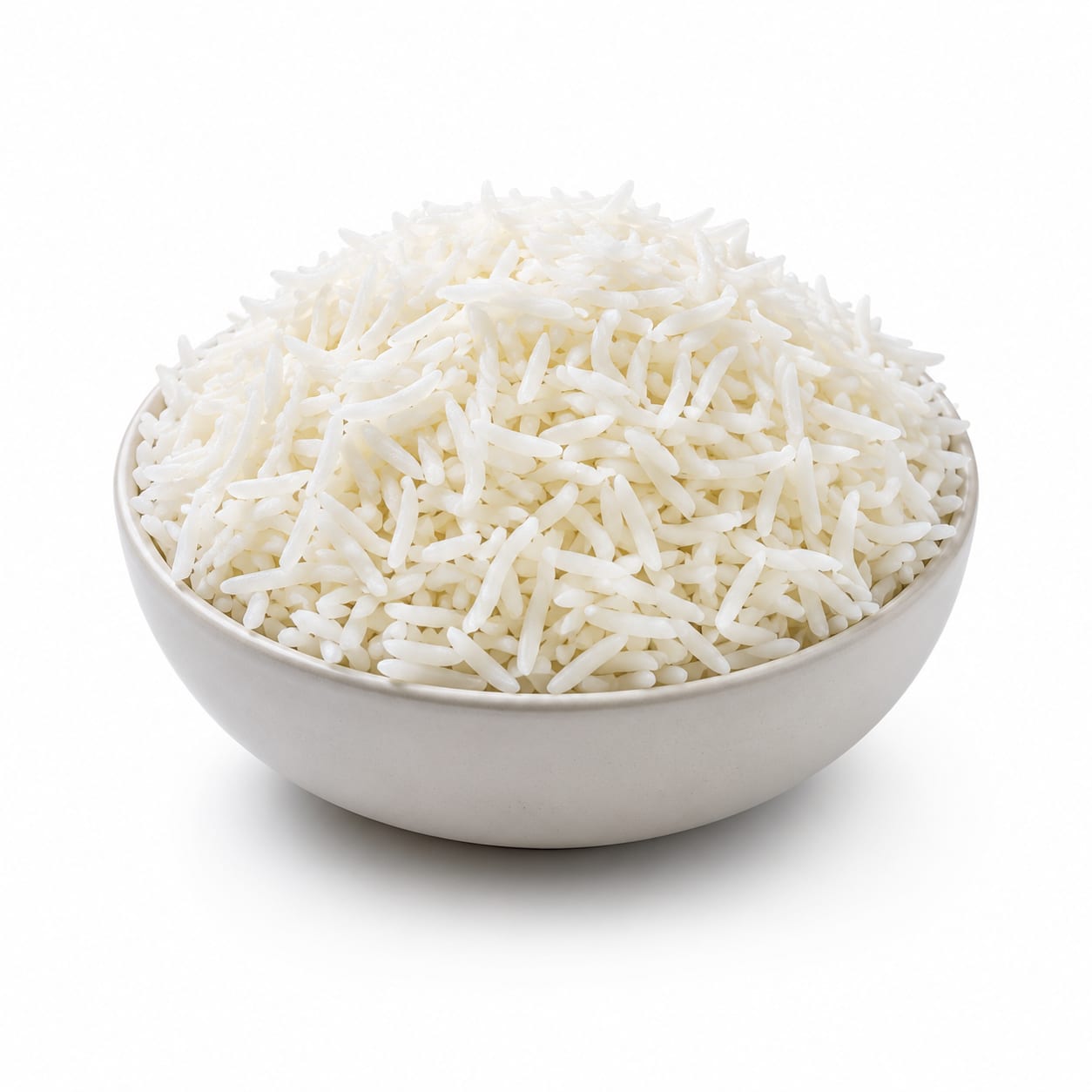
Compare with
Basmati Rice
Basmati has a lower glycemic index and fluffier texture, while arborio is stickier and causes faster blood sugar spikes.
Basmati rice offers a lower glycemic index and fluffier texture, while arborio rice is starchier and better for creamy dishes like risotto.
This food
Arborio Rice
VS85% alike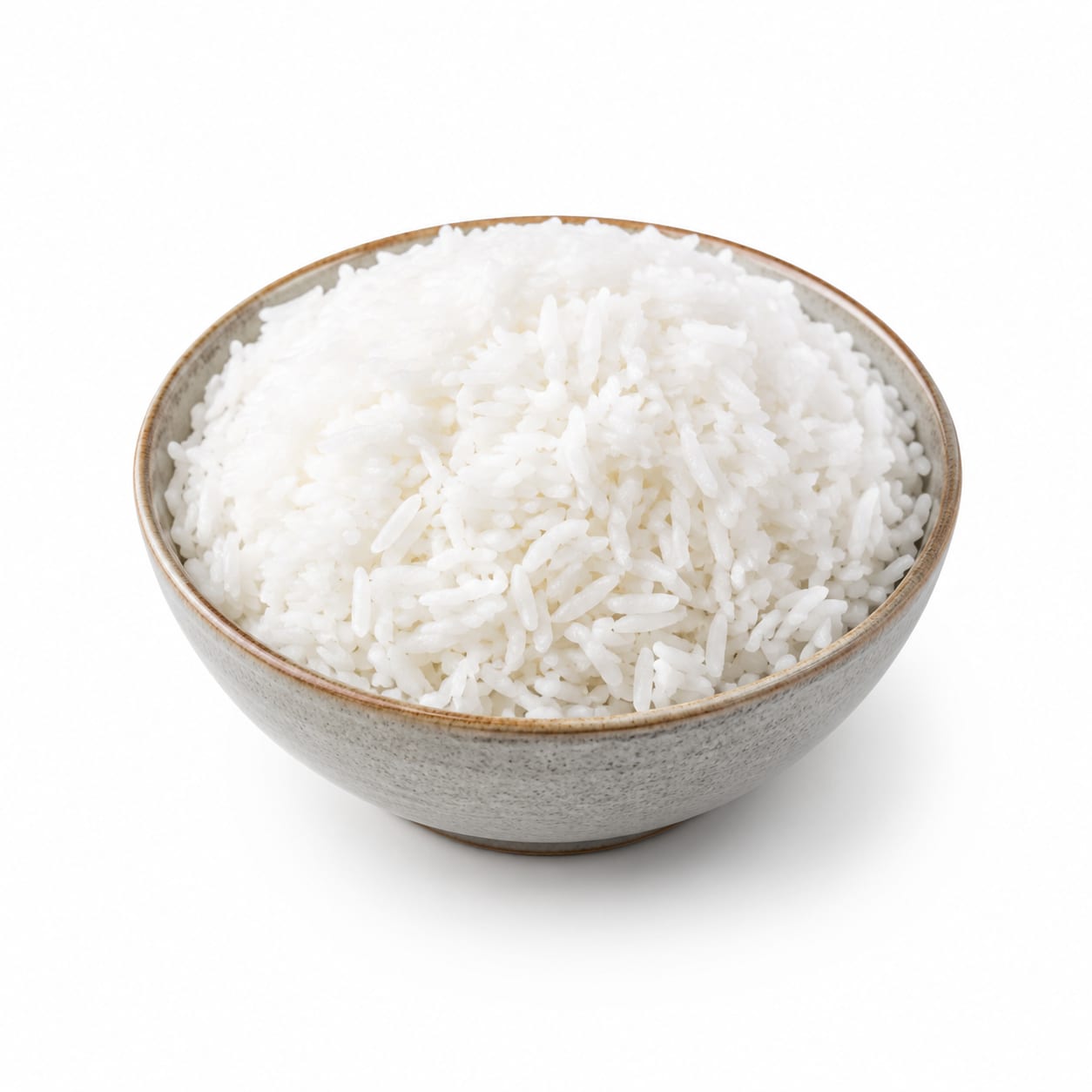
Compare with
Jasmine Rice
Jasmine is fragrant and slightly sticky, while arborio is extremely creamy and higher in amylopectin.
Jasmine rice is fragrant and slightly sticky, whereas arborio rice is highly starchy and best suited for creamy risotto.
This food
Arborio Rice
VS80% alike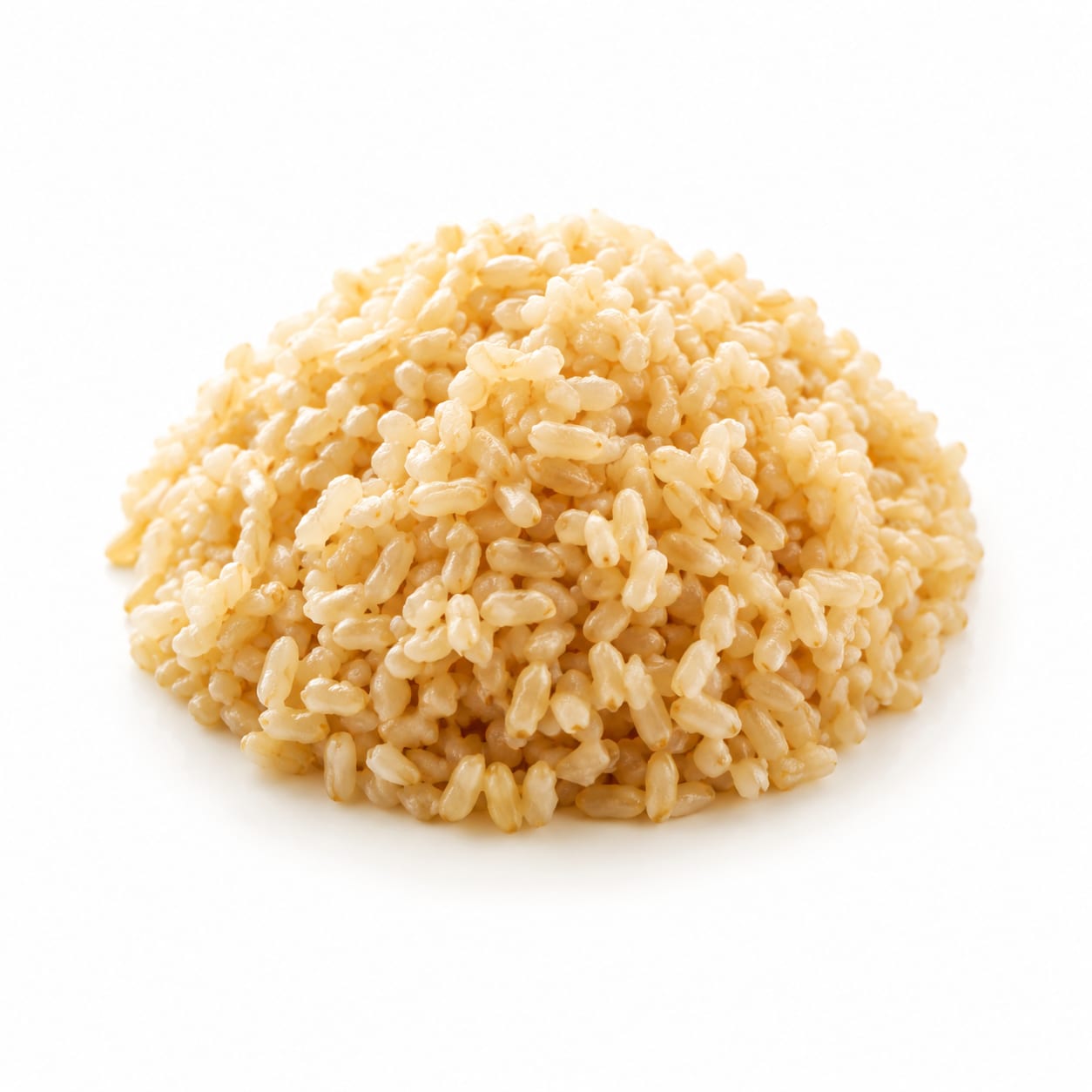
Compare with
Brown Rice
Brown rice retains its bran, offering far more fiber and a lower glycemic impact than refined arborio.
Brown rice provides significantly more fiber and blood sugar stability, while arborio rice offers faster digestion and a creamier texture.
This food
Arborio Rice
VS60% alike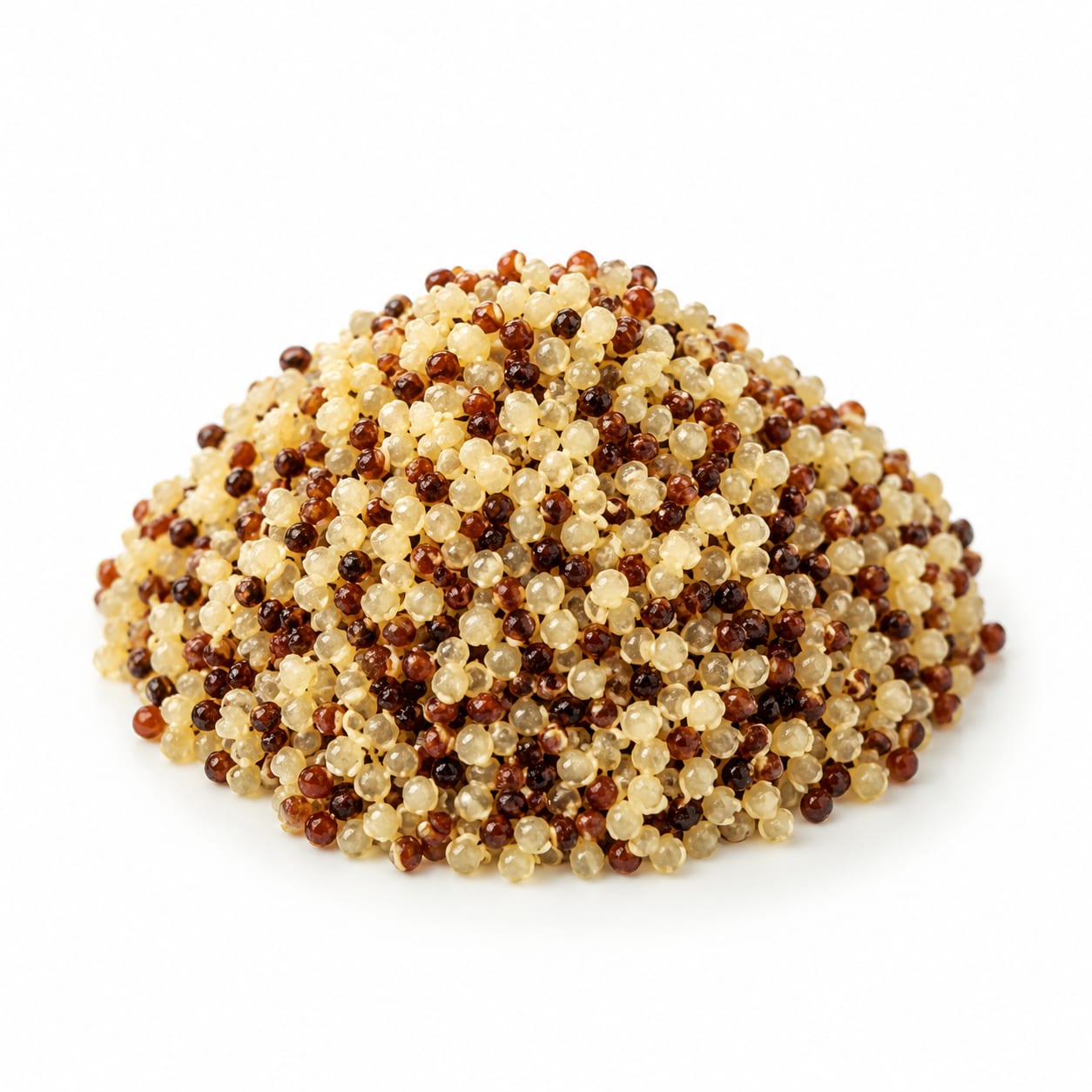
Compare with
Quinoa
Quinoa is a complete protein with high fiber, vastly outperforming arborio in satiety and blood sugar control.
Quinoa delivers complete protein and high fiber for better satiety, whereas arborio rice is a refined carb best for quick energy.
This food
Arborio Rice
VS90% alike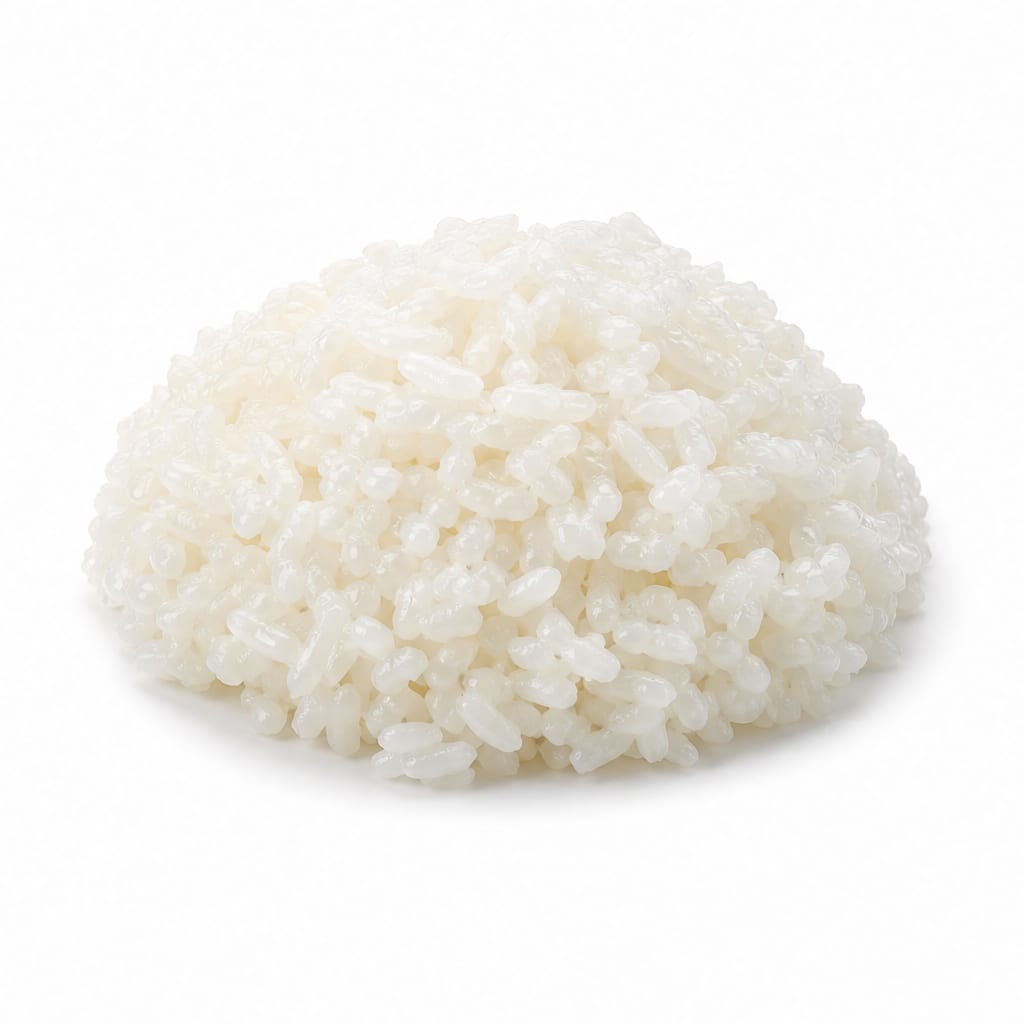
Compare with
Sushi Rice
Both are short-grain and sticky, but sushi rice is seasoned with vinegar and sugar, while arborio is starchier for creaminess.
Sushi rice is sticky and often seasoned with sugar, while arborio rice is starchier and unseasoned, making it better for savory creams.
This food
Arborio Rice
VS95% alike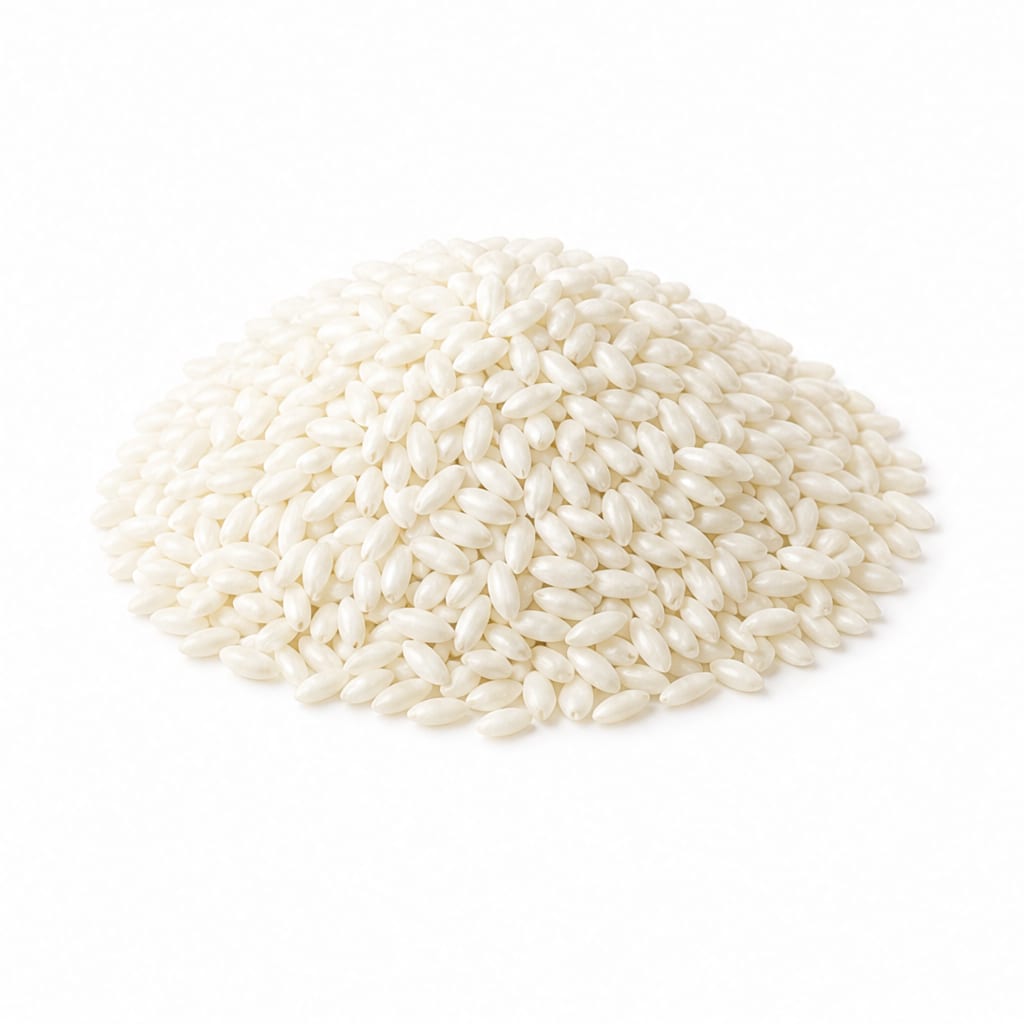
Compare with
Carnaroli Rice
Carnaroli has a firmer bite and holds shape better than arborio, making it more forgiving for risotto, but both are high-GI refined carbs.
Carnaroli rice holds its shape better for risotto, while arborio rice breaks down faster for a thicker, creamier consistency.
This food
Arborio Rice
VS30% alike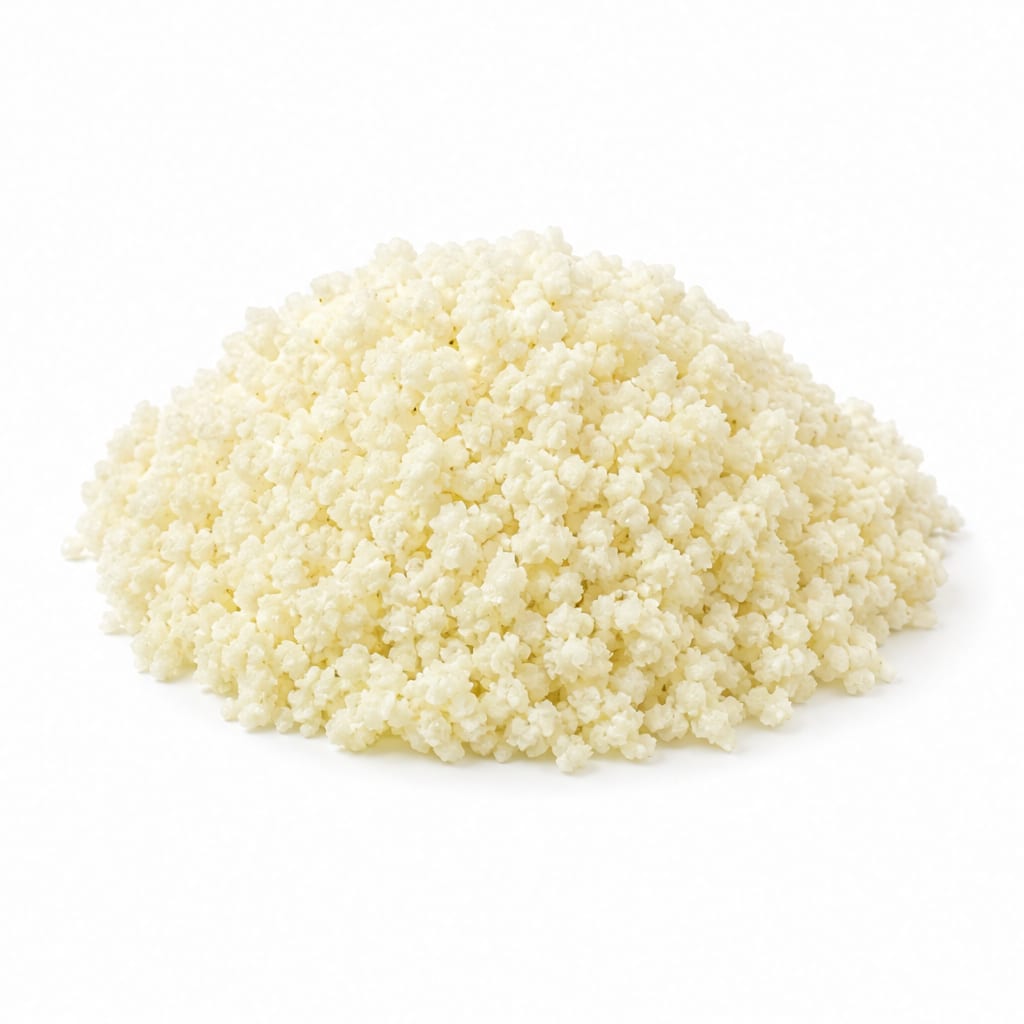
Compare with
Cauliflower Rice
Cauliflower rice is extremely low in carbs and calories, making arborio a poor choice for weight loss by comparison.
Cauliflower rice is a low-carb, low-calorie alternative, while arborio rice provides dense carbs and creamy texture for risotto.
This food
Arborio Rice
VS55% alike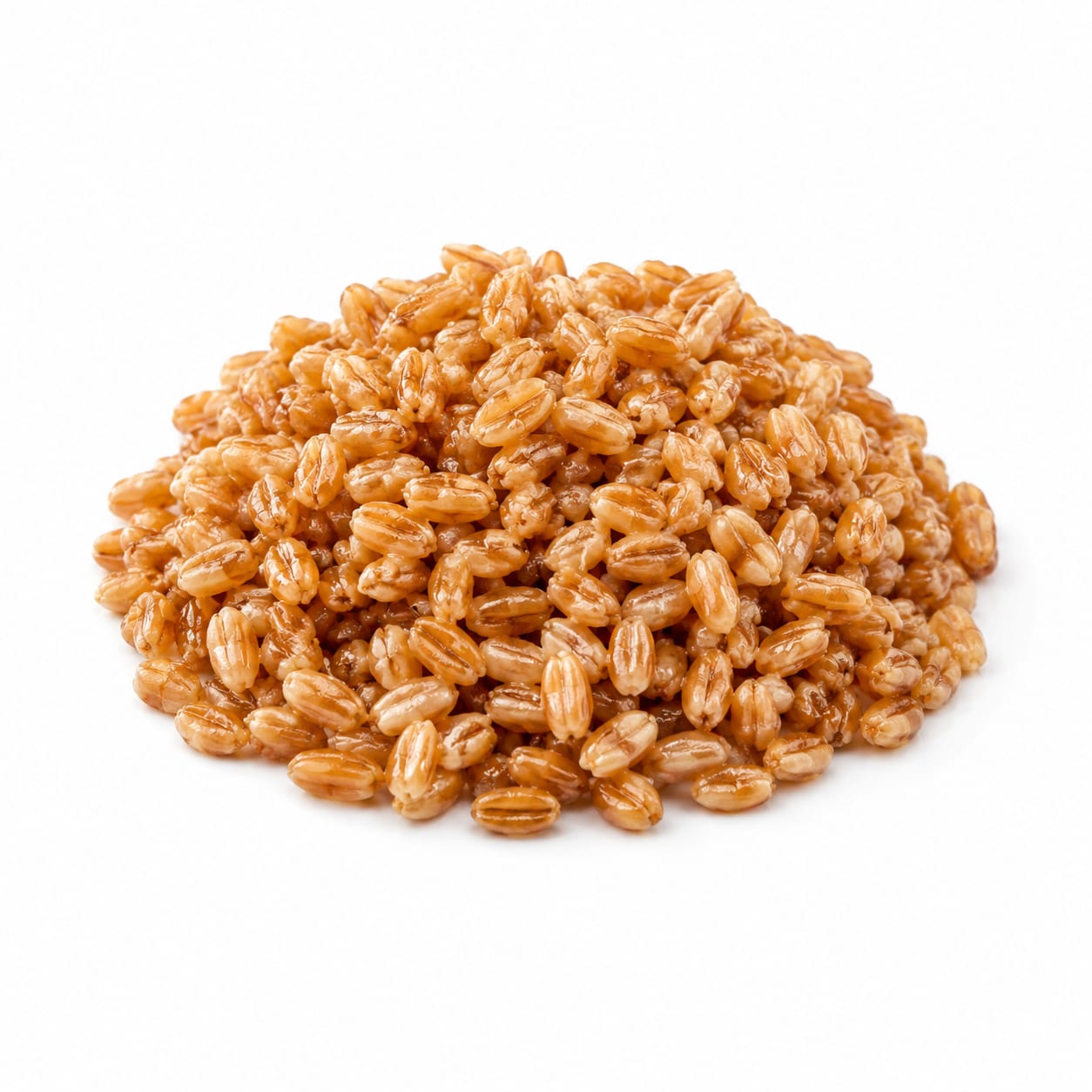
Compare with
Farro
Farro is a chewy whole grain packed with fiber and protein, offering much better blood sugar stability than arborio.
Farro is a high-fiber whole grain that stabilizes blood sugar, whereas arborio is a refined grain that digests rapidly.
This food
Arborio Rice
VS50% alike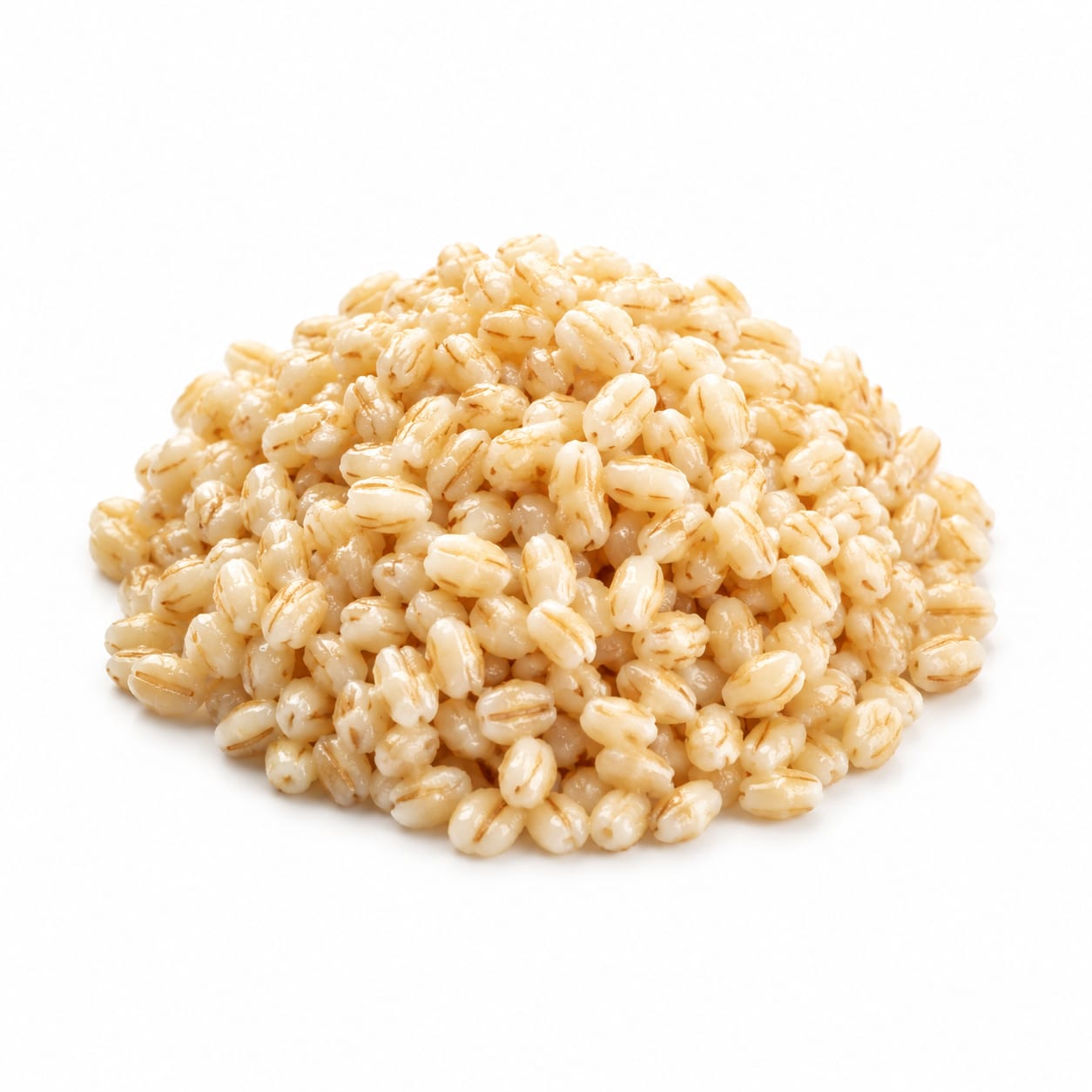
Compare with
Barley
Barley is rich in beta-glucan fiber, which actively lowers cholesterol and slows digestion, unlike low-fiber arborio.
Barley provides abundant fiber for fullness and cholesterol control, while arborio rice offers quick-digesting carbs for energy.
This food
Arborio Rice
VS70% alike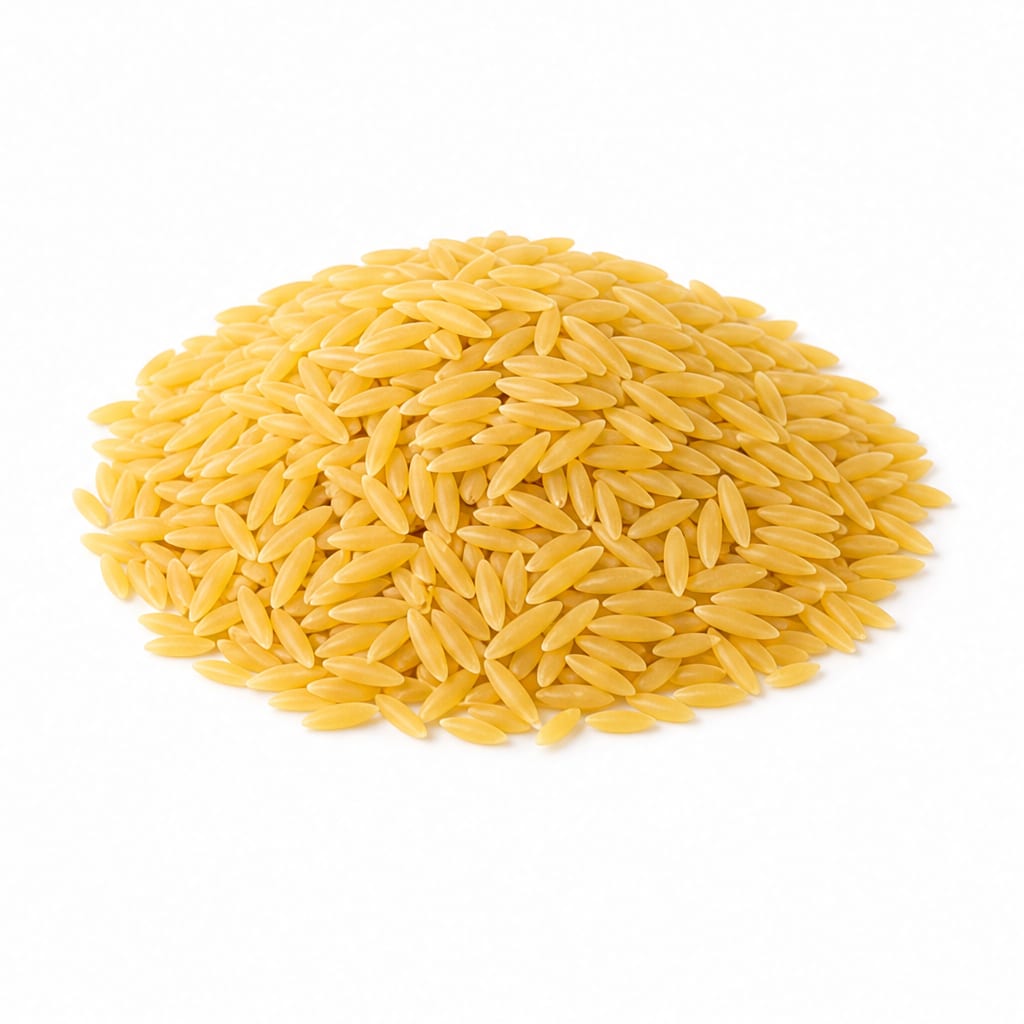
Compare with
Orzo Pasta
Orzo is a refined wheat pasta, similar in calorie and carb profile to arborio, but arborio releases more starch for creaminess.
Orzo is a refined wheat pasta with a moderate glycemic impact, while arborio rice is a refined grain that creates a creamier texture.
Common questions
FAQ
Answers aligned with how people search for this food.
Is arborio rice healthy?
It provides quick energy but is a refined carbohydrate low in fiber and nutrients, making whole grains a healthier everyday choice.
Can diabetics eat arborio rice?
It has a high glycemic index and can cause rapid blood sugar spikes, so it should be limited or avoided by people with diabetes.
Is arborio rice good for weight loss?
No, its low fiber content and high calorie density do not promote satiety, making it easy to overeat.
How many carbs are in arborio rice?
There are about 77 grams of carbohydrates in 100 grams of raw arborio rice.
Does arborio rice have arsenic?
Like all rice, arborio can contain inorganic arsenic. Rinsing it before cooking can help reduce the levels.
Is arborio rice the same as regular white rice?
No, it is a short-grain rice with higher starch content, which creates a creamier texture than standard long-grain white rice.
Can I use arborio rice for meal prep?
It is best eaten fresh as it becomes overly sticky and firm when cooled and reheated due to starch retrogradation.
Is brown arborio rice healthier than white?
Yes, brown arborio retains the bran and germ, offering more fiber, vitamins, and a lower glycemic impact.
Transparency
Data confidence
Estimated confidence for nutrition data, interpretation, safety notes, and comparisons.
Nutrition data
Health analysis
Food safety
Comparisons