
Nutrition comparison
Arborio Rice vs Quinoa: Nutrition, Glycemic Index & Healthier Choice
Comparing Arborio Rice and Quinoa? Discover which grain is better for blood sugar, weight loss, and daily meals, plus the truth about arsenic and protein.
Overall winner · Quinoa
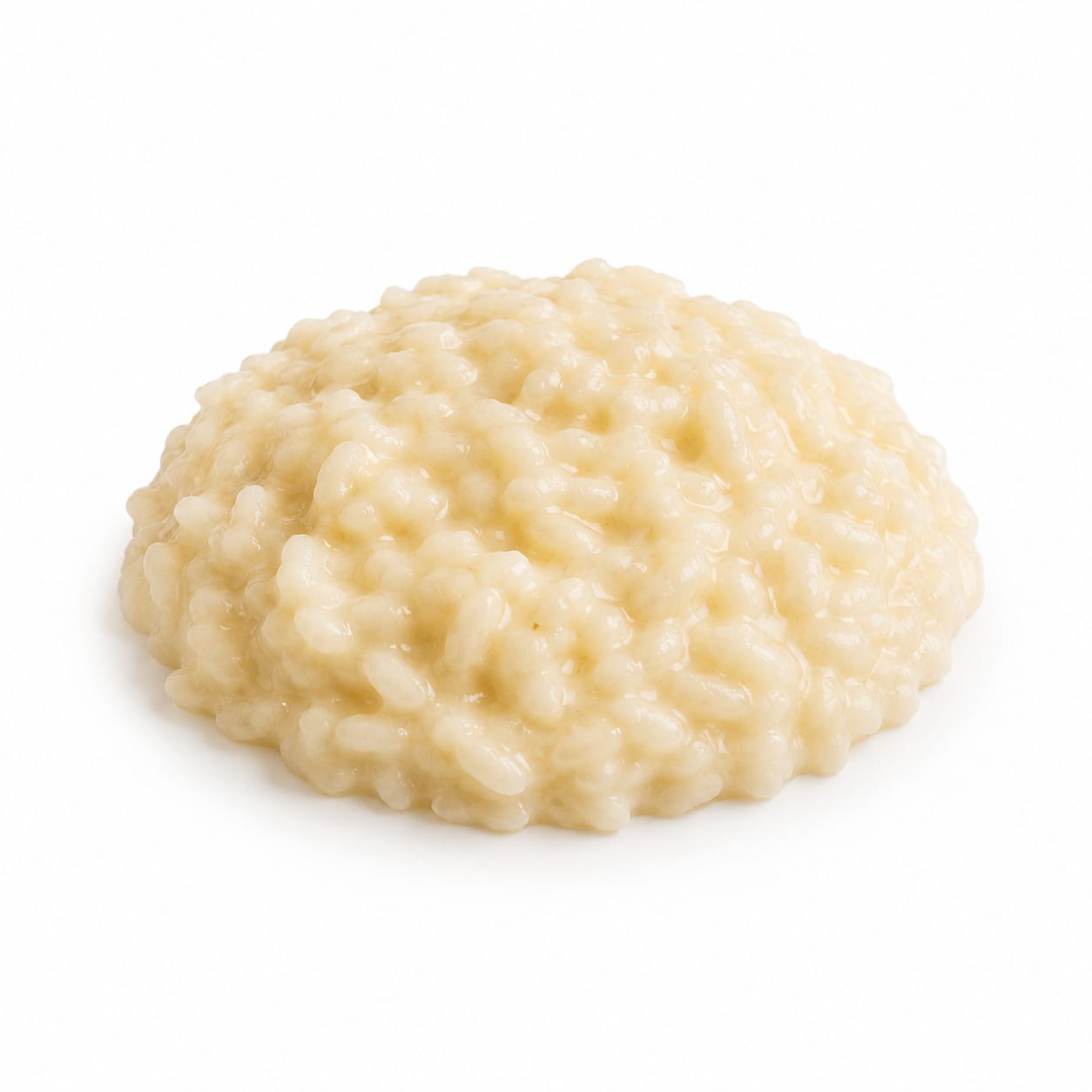
Arborio Rice
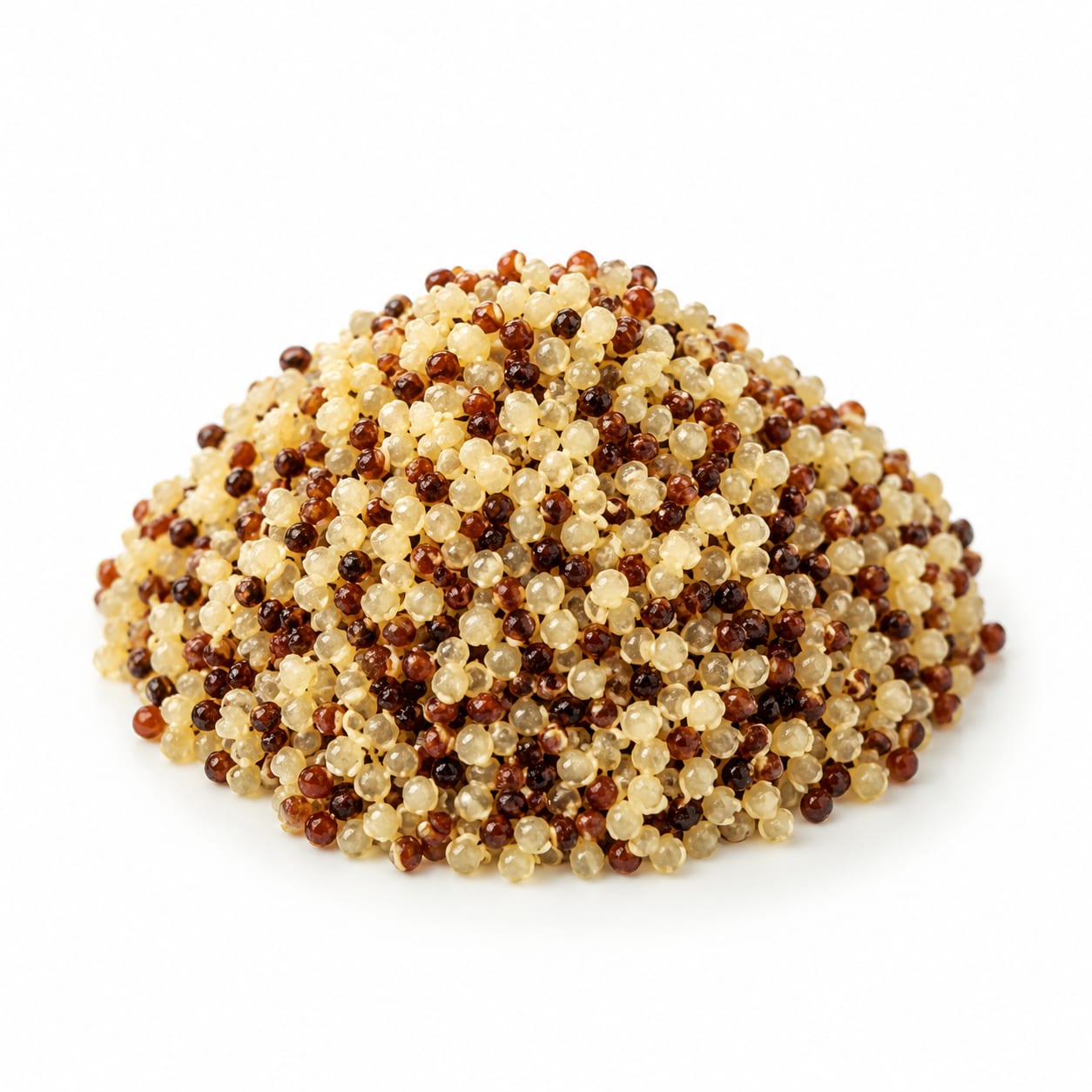
Quinoa
Quinoa wins for everyday health and sustained energy, but Arborio Rice remains the undisputed king of creamy comfort dishes.
Quinoa scores significantly higher due to its complete protein, high fiber, and blood sugar stability. Arborio Rice scores lower because its refined starch content offers quick energy but little lasting nutritional value.
You trade the luxurious, comforting texture of Arborio Rice for the steady energy, high protein, and superior nutrition of Quinoa.
At a glance
Executive summary
Overall
Quinoa
Healthier
Quinoa
More practical
Quinoa
Daily use
Quinoa
Key comparison lenses
blood sugar management
Arborio Rice is a high-glycemic refined grain, while Quinoa provides slow-burning complex carbs.
protein and satiety
Quinoa is a complete protein, whereas Arborio Rice offers minimal protein and less fullness.
culinary experience vs daily nutrition
Arborio Rice excels in comfort food recipes like risotto, while Quinoa is a versatile nutrient-dense staple.
arsenic exposure
Rice products carry a higher heavy metal load compared to pseudo-cereals like Quinoa.
Best choice for
Arborio Rice
- Making authentic risotto or rice pudding
- Those needing easy-to-digest carbs after stomach illness
- Comfort food cravings and emotional eating
Quinoa
- Meal prepping balanced grain bowls
- Plant-based eaters needing complete protein
- Managing blood sugar spikes and afternoon crashes
Least suitable for
Arborio Rice
- People with diabetes or insulin resistance
- Low-carb or keto lifestyles
- Those struggling with portion control and overeating
Quinoa
- People with severe quinoa or saponin sensitivities
- Picky eaters who dislike earthy or bitter flavors
- Traditional Italian recipes requiring specific starch release
Deep comparison
Dimension by dimension
Each lens scores both foods and breaks down who each option suits.
- Dimension 1 · Priority 95Quinoa
blood sugar stability
Arborio Rice · 20Quinoa · 85Quinoa provides steady, slow-burning energy. Arborio Rice digests rapidly, causing sugar spikes followed by crashes.
Tradeoff
You give up the quick energy rush from Arborio Rice to avoid the sleepy, sluggish feeling that follows.
Why it matters
Stable blood sugar means fewer cravings and more consistent focus throughout your day.
Real-world impact
Eating Quinoa at lunch keeps you alert at your 3 PM meeting. Arborio Rice might leave you reaching for coffee.
Arborio Rice
- Quick pre-workout energy if consumed 30 minutes before
Better for
- Sustaining focus during long work sessions
- Avoiding carb cravings an hour after eating
Worse for
Quinoa
- Preventing mid-afternoon energy crashes
- Managing diabetes or prediabetes
Better for
- Rapid replenishment during hypoglycemia
Worse for
- Dimension 2 · Priority 90Quinoa
protein and satiety
Arborio Rice · 15Quinoa · 90Quinoa is a rare plant-based complete protein, keeping you full for hours. Arborio Rice has very little protein, leaving you hungry sooner.
Tradeoff
Arborio Rice feels lighter in the stomach initially, but Quinoa prevents the need for snacking later.
Why it matters
Higher protein and fiber directly control hunger, making it easier to maintain or lose weight without feeling deprived.
Real-world impact
A Quinoa bowl keeps you full until dinner. A risotto portion often has you scavenging the pantry a few hours later.
Arborio Rice
- Eating a light meal before a heavy dinner
Better for
- Recovering after a heavy workout
- Controlling late-night hunger
Worse for
Quinoa
- Staying full between meals without snacking
- Building and maintaining muscle on a plant-based diet
Better for
- Eating a very light, low-fiber meal before a run
Worse for
- Dimension 3 · Priority 85Arborio Rice
culinary experience and comfort
Arborio Rice · 95Quinoa · 65Arborio Rice creates a uniquely creamy, velvety texture that defines comfort food. Quinoa offers a fluffier, slightly crunchy texture.
Tradeoff
You sacrifice the luxurious mouthfeel of a well-made risotto for the nutritional superiority of Quinoa.
Why it matters
Food is not just fuel; emotional satisfaction and enjoyment are crucial for a sustainable diet.
Real-world impact
Arborio Rice turns a rainy day into a cozy, comforting meal. Quinoa feels more like productive, energizing fuel.
Arborio Rice
- Creating a romantic or comforting dinner
- Impressing guests with authentic risotto
Better for
- Quick weeknight side dishes
- Cold leftover meals
Worse for
Quinoa
- Meal-prepping versatile bases for the week
- Adding to cold salads and lunch bowls
Better for
- Achieving a creamy, sauce-bound texture
Worse for
- Dimension 4 · Priority 80Quinoa
nutrient density
Arborio Rice · 25Quinoa · 95Quinoa is loaded with magnesium, iron, zinc, and B-vitamins. Arborio Rice is mostly starch with trace nutrients lost in milling.
Tradeoff
Quinoa delivers a massive vitamin and mineral payload per calorie, while Arborio Rice serves mostly as empty energy.
Why it matters
Nutrient-dense foods reduce the need for supplements and support long-term cellular health.
Real-world impact
Choosing Quinoa helps you hit your daily iron and magnesium goals effortlessly. Arborio Rice uses up calories without giving much back.
Arborio Rice
- Carb-loading for endurance events
Better for
- Meeting daily micronutrient needs
Worse for
Quinoa
- Supporting heart and muscle function
- Preventing nutrient deficiencies on a vegan diet
Better for
- Situations requiring pure, low-fuel energy density
Worse for
Timeline
Health impact over time
Short-term
Hours to days
Arborio Rice
- Quick burst of energy followed by a crash
- Light initial stomach feel but rapid return of hunger
- Promotes cravings for more carbs or sweets
Quinoa
- Sustained, even energy for hours
- Comfortable fullness without feeling heavy
- Stable mood and focus without sugar swings
Long-term
Months to years
Arborio Rice
- Frequent consumption increases risk of insulin resistance
- Higher calorie intake due to poor satiety
- Potential arsenic accumulation from regular rice consumption
Quinoa
- Improved blood sugar regulation and metabolic health
- Better weight management due to high fiber and protein
- Supports cardiovascular health with magnesium and healthy fats
Risk profile
Safety & processing
Both are single-ingredient whole foods in their raw form, but Arborio Rice is milled to remove the bran and germ, stripping away natural nutrients. Quinoa is eaten as a complete seed with minimal alteration.
Arborio Rice
Inorganic arsenic
mediumRice absorbs arsenic from soil and water more readily than other crops. Regular daily consumption can lead to accumulation, posing long-term health risks.
Quinoa
Saponin sensitivity
lowNatural coatings on Quinoa can cause stomach irritation or a bitter taste if not rinsed properly before cooking.
Who wins for whom
Audience fit
Same foods, different winners depending on your goal.
children
QuinoaQuinoa offers essential nutrients for growth, though Arborio Rice may be easier for very picky eaters or sensitive tummies to accept.
daily consumption
QuinoaQuinoa is a safe, nutritious daily staple. Arborio Rice should be an occasional treat due to its high glycemic load and arsenic risk.
diabetes
QuinoaQuinoa has a low glycemic index and high fiber, preventing dangerous blood sugar spikes that Arborio Rice causes.
elderly
QuinoaQuinoa supports bone density with magnesium and prevents constipation with fiber, whereas Arborio Rice can worsen blood sugar issues common in older adults.
muscle gain
QuinoaQuinoa provides complete protein with all essential amino acids, directly supporting muscle repair, unlike Arborio Rice.
weight loss
QuinoaQuinoa's high protein and fiber keep you full on fewer calories, making it far easier to stick to a calorie deficit.
Your move
Decision guide
Choose Arborio Rice
- You are making risotto, rice pudding, or arancini
- You need easily digestible carbs after a stomach bug
- Comfort and culinary tradition are your top priorities tonight
Choose Quinoa
- You want steady energy without the afternoon crash
- You are meal-prepping lunches for the workweek
- You need plant-based protein to support an active lifestyle
Either works if
- You are carb-loading before an endurance event
- You want a neutral base for a heavily flavored sauce
Avoid both if
- You are on a strict ketogenic or very low-carb diet
Final recommendation
Keep Quinoa in your weekly rotation for everyday health, energy, and protein. Save Arborio Rice for those special weekends when you want to cook a comforting, authentic risotto. Let Quinoa be the rule and Arborio Rice the delicious exception.
Practical
Consumer tips
- 1
Always rinse Quinoa under cold water for 30 seconds to remove bitter saponins and prevent stomach upset.
- 2
To lower arsenic in Arborio Rice, rinse it thoroughly before cooking and cook it in excess water like pasta, then drain.
- 3
Toast Quinoa in a dry pan for 2 minutes before adding water to bring out a nuttier, richer flavor.
- 4
Do not stir Arborio Rice constantly if you want distinct grains; stir specifically to release starches for creaminess.