
Nutrition comparison
Arborio Rice vs Brown Rice: Nutrition, Blood Sugar, and Health Comparison
Compare Arborio rice and brown rice to see which is healthier. Learn about the differences in fiber, blood sugar impact, arsenic levels, and the best uses for each grain.
Overall winner · Brown Rice
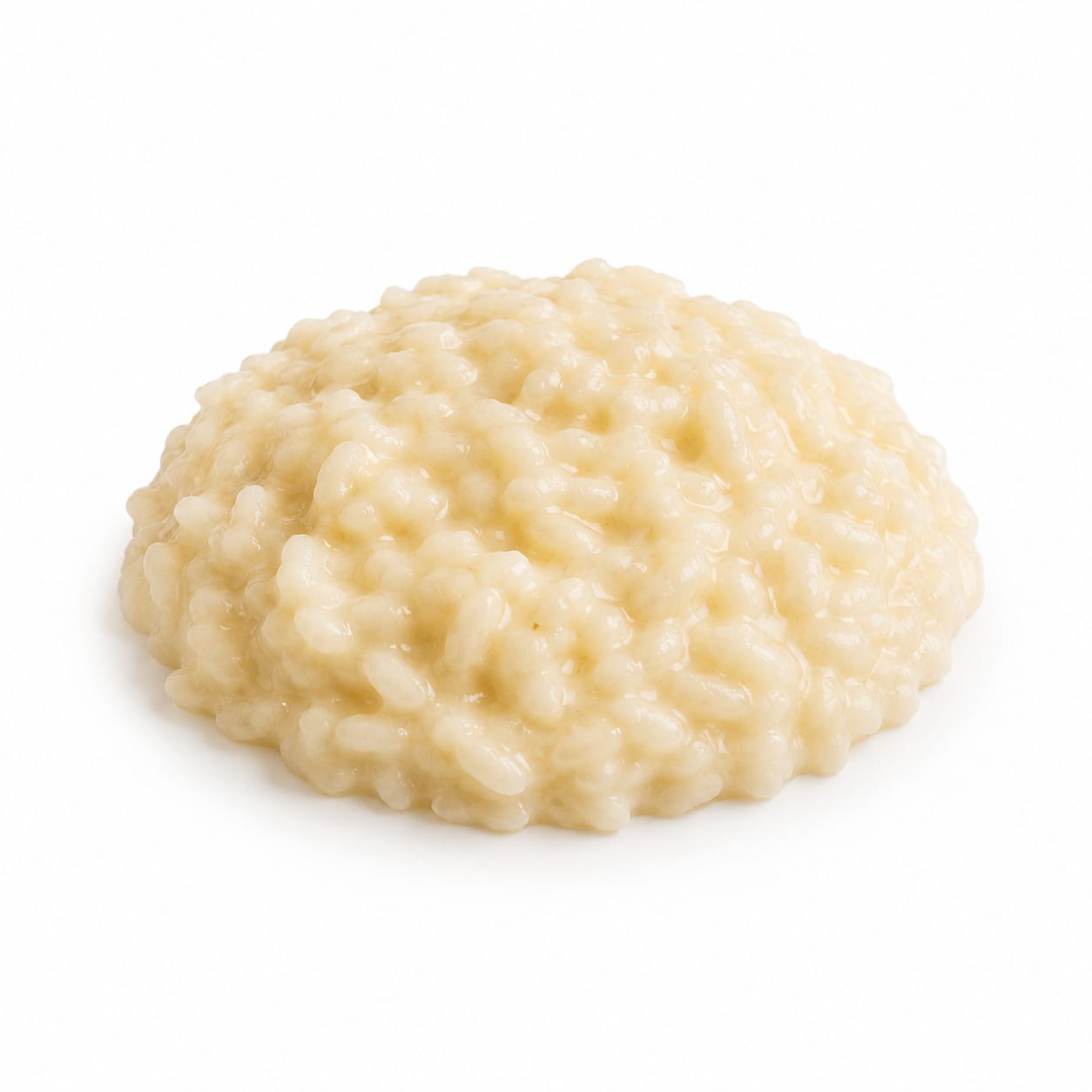
Arborio Rice
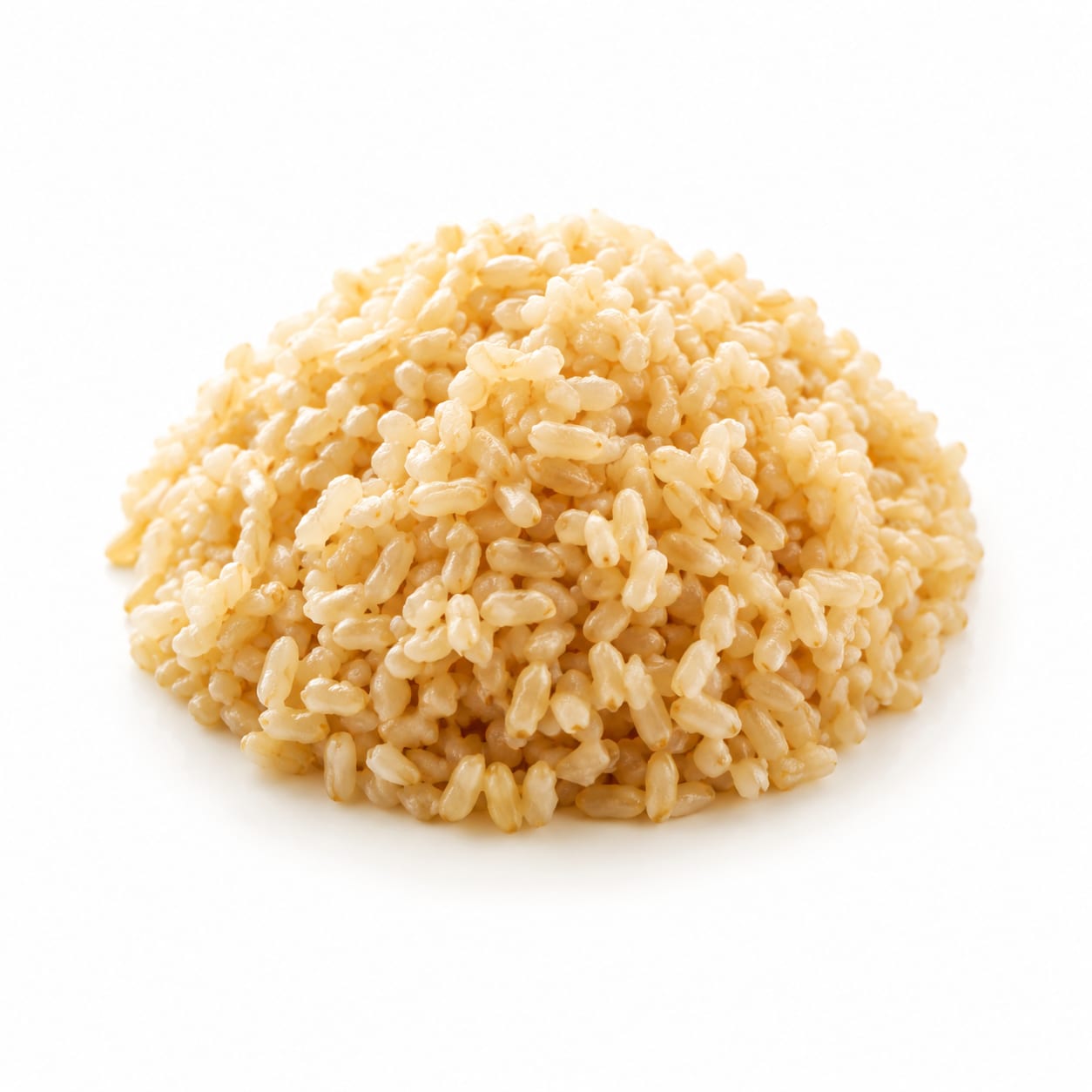
Brown Rice
Brown rice is the clear winner for everyday health and steady energy, while Arborio rice is a specialized culinary treat that spikes blood sugar faster.
Brown rice scores much higher due to its superior fiber, micronutrient profile, and blood sugar stability. Arborio rice falls behind nutritionally because milling removes the most beneficial parts of the grain, leaving mostly fast-digesting starch.
You trade the creamy, comforting texture and quick digestion of Arborio rice for the sustained energy, fiber, and long-term health benefits of brown rice.
At a glance
Executive summary
Overall
Brown Rice
Healthier
Brown Rice
More practical
It depends
Daily use
Brown Rice
Key comparison lenses
blood sugar management
Arborio rice is a refined, high-glycemic grain, while brown rice retains its fiber, leading to vastly different impacts on blood sugar.
nutrient density and whole grain benefits
Milling strips Arborio rice of bran and germ, removing most vitamins and minerals, whereas brown rice delivers the full whole-grain package.
culinary application and texture
Arborio rice is uniquely suited for creamy dishes like risotto, while brown rice offers a chewy, nutty texture for bowls and sides.
arsenic exposure
Rice is a known source of inorganic arsenic, which concentrates differently in the bran of brown rice versus the endosperm of white Arborio rice.
Best choice for
Arborio Rice
- Making authentic risotto or rice pudding
- Those needing easy-to-digest, low-fiber calories during stomach upset
- Quick post-workout carb replenishment for athletes
Brown Rice
- Daily meal prep and grain bowls
- Managing blood sugar and preventing energy crashes
- Improving digestion and staying full longer
Least suitable for
Arborio Rice
- People with diabetes or insulin resistance
- Anyone trying to increase daily fiber intake
- Low-carb or slow-carb diet followers
Brown Rice
- Creamy, delicate dishes like risotto
- Those with acute digestive issues who need a low-fiber diet
- Cooks in a rush, as it takes significantly longer to cook
Deep comparison
Dimension by dimension
Each lens scores both foods and breaks down who each option suits.
- Dimension 1 · Priority 95Brown Rice
Blood Sugar Stability
Arborio Rice · 25Brown Rice · 75Arborio rice digests rapidly, causing sharp blood sugar spikes and crashes. Brown rice digests slowly, providing a steady release of energy.
Tradeoff
You get quick, short-lived energy from Arborio rice, but you avoid the afternoon crash with brown rice.
Why it matters
Frequent blood sugar spikes from refined grains like Arborio rice can lead to increased cravings, fatigue, and long-term metabolic issues.
Real-world impact
Eating Arborio rice for lunch can leave you starving by 3 PM, whereas brown rice keeps you satisfied until dinner.
Arborio Rice
- Immediate energy replenishment after intense exercise
Better for
- Sustaining focus during long workdays
- Controlling cravings
Worse for
Brown Rice
- Preventing mid-afternoon energy slumps
- Managing diabetes or prediabetes
Better for
- Rapid recovery from hypoglycemia
Worse for
- Dimension 2 · Priority 90Brown Rice
Nutrient Density
Arborio Rice · 20Brown Rice · 85Brown rice retains its bran and germ, packing magnesium, B vitamins, and antioxidants. Arborio rice is stripped of these during milling, leaving mostly empty carbs.
Tradeoff
Arborio rice offers a cleaner, milder flavor profile, but you sacrifice the essential minerals and vitamins found in brown rice.
Why it matters
Eating nutrient-dense carbs means your body gets the cofactors it needs to actually process and use that energy effectively.
Real-world impact
Relying on Arborio rice as a staple means you are missing out on an easy daily opportunity to boost your magnesium and B-vitamin intake.
Arborio Rice
- Very low-fiber diets prescribed for digestive rest
Better for
- Preventing nutrient gaps in a grain-heavy diet
Worse for
Brown Rice
- Meeting daily magnesium needs for muscle recovery
- Supporting nervous system function with B vitamins
Better for
- Situations requiring extremely low residue intake
Worse for
- Dimension 3 · Priority 85Brown Rice
Satiety and Fullness
Arborio Rice · 35Brown Rice · 80The high fiber content in brown rice physically fills your stomach and slows digestion. Arborio rice digests quickly, making it easy to overeat.
Tradeoff
Arborio rice is incredibly easy to eat in large quantities, while brown rice naturally forces you to slow down and feel full on less.
Why it matters
Foods that keep you full on fewer calories make weight management effortless, while fast-digesting carbs often require willpower to stop eating.
Real-world impact
A bowl of brown rice will keep hunger at bay for hours; a creamy bowl of Arborio risotto might have you reaching for a snack an hour later.
Arborio Rice
- Carb-loading before endurance events where volume is needed
Better for
- Controlling overall daily calorie intake
Worse for
Brown Rice
- Portion control without feeling deprived
- Weight loss and maintenance
Better for
- Pre-workout meals where you want a light stomach
Worse for
- Dimension 4 · Priority 80It depends
Culinary Texture and Versatility
Arborio Rice · 90Brown Rice · 65Arborio rice is the undisputed king of creamy, luxurious textures. Brown rice is chewy, nutty, and better suited for sturdy, rustic dishes.
Tradeoff
You cannot make a proper risotto with brown rice, but brown rice holds up beautifully in grain bowls and stir-fries without turning mushy.
Why it matters
Enjoying your food is critical for a sustainable diet. Sometimes the right texture for a specific recipe matters more than marginal nutritional differences.
Real-world impact
If you try to substitute brown rice in a risotto, you will end up with a chewy, watery disappointment. Use the right rice for the right dish.
Arborio Rice
- Creating rich, comforting risottos and rice puddings
Better for
- Dishes where distinct, separate grains are desired
Worse for
Brown Rice
- Hearty grain bowls, stir-fries, and meal prep
- Cold rice salads that need a firm, distinct grain
Better for
- Smooth, creamy, comforting texture profiles
Worse for
- Dimension 5 · Priority 70Arborio Rice
Arsenic Exposure
Arborio Rice · 55Brown Rice · 35Inorganic arsenic concentrates in the bran layer of rice. Because brown rice keeps its bran and Arborio rice has it milled off, brown rice typically contains more arsenic.
Tradeoff
While brown rice is more nutritious, it also carries a higher load of a toxic heavy metal compared to Arborio rice.
Why it matters
Long-term exposure to inorganic arsenic is linked to certain cancers and heart disease. This is a real concern for people who eat rice daily.
Real-world impact
If rice is your everyday staple, choosing Arborio or other white rice, and varying your grains, can lower your heavy metal burden.
Arborio Rice
- Minimizing arsenic intake when rice is consumed frequently
Better for
- Maximizing nutritional value per bite
Worse for
Brown Rice
- Situations where rice is eaten only occasionally, making arsenic risk negligible
Better for
- Daily consumption in areas with known high-arsenic soil
Worse for
Timeline
Health impact over time
Short-term
Hours to days
Arborio Rice
- Quick surge in blood sugar and energy
- Light feeling in the stomach due to lack of fiber
- Potential for hunger returning rapidly after eating
Brown Rice
- Steady, sustained energy without a sugar crash
- Comfortable fullness that lasts for hours
- Promotes regular bowel movements due to high fiber
Long-term
Months to years
Arborio Rice
- Increased risk of type 2 diabetes if consumed frequently as a staple
- Potential for nutrient shortfalls if replacing whole grains in the diet
- Higher likelihood of weight gain due to low satiety
Brown Rice
- Improved insulin sensitivity and metabolic health
- Better cardiovascular outcomes from whole grain fiber
- Support for healthy gut microbiome diversity
Risk profile
Safety & processing
Arborio rice is a processed food because the bran and germ are mechanically removed, leaving just the starchy endosperm. Brown rice is a whole food, eaten exactly as it comes off the plant with only the inedible hull removed.
Arborio Rice
Inorganic Arsenic
mediumContains less arsenic than brown rice because the arsenic-concentrating bran is removed, but still poses a risk if consumed in large quantities daily.
Brown Rice
Inorganic Arsenic
highThe bran layer, which is retained in brown rice, holds the highest concentration of inorganic arsenic. Frequent consumption can significantly increase heavy metal exposure.
Phytic Acid
lowThe bran contains phytic acid, which can bind to minerals like iron and zinc, slightly reducing their absorption. This is rarely an issue in balanced diets.
Who wins for whom
Audience fit
Same foods, different winners depending on your goal.
children
It dependsBrown rice provides essential nutrients for growth, but Arborio rice is easier for very young children or picky eaters with sensitive stomachs to digest.
daily consumption
Brown RiceWith better satiety, steady energy, and a superior micronutrient profile, brown rice is the healthier staple, provided arsenic exposure is managed through variety.
diabetes
Brown RiceThe fiber in brown rice slows sugar absorption, preventing the dangerous blood sugar spikes caused by Arborio rice.
elderly
It dependsBrown rice supports heart and metabolic health, but Arborio rice is much easier to chew and digest for those with dental issues or fragile digestion.
muscle gain
It dependsArborio rice provides quick, easily digestible carbs perfect for post-workout glycogen replenishment, while brown rice offers better sustained energy and micronutrient support for overall recovery.
weight loss
Brown RiceBrown rice is much more filling per calorie due to its fiber, making it easier to eat less and stay satisfied throughout the day.
Your move
Decision guide
Choose Arborio Rice
- You are making a specific recipe like risotto or rice pudding where creaminess is essential
- You need a low-fiber, easy-to-digest carb after a stomach illness
- You are an athlete carb-loading and need quick, low-bulk energy
Choose Brown Rice
- You want a healthy, everyday side dish for meal prep
- You are trying to manage your weight, blood sugar, or energy levels
- You want to increase your daily fiber and whole grain intake
Either works if
- You are mixing rice with plenty of protein, healthy fats, and veggies, which will blunt the blood sugar spike of Arborio rice
- You are eating rice only occasionally, making the nutritional differences less critical
Avoid both if
- You are on a strict low-carb or ketogenic diet
- You have a severe rice allergy or sensitivity
- You are highly concerned about arsenic and prefer lower-arsenic grains like quinoa, millet, or oats
Final recommendation
Make brown rice your daily staple for the fiber, vitamins, and steady energy it provides. Save Arborio rice for special occasions when you want to enjoy a luxurious, creamy risotto. To get the best of both worlds, cook brown rice in extra water and drain it to reduce its arsenic content.
Practical
Consumer tips
- 1
Rinse both Arborio rice and brown rice thoroughly before cooking to reduce surface arsenic and excess starch.
- 2
To significantly lower the arsenic in brown rice, cook it in a large pot with plenty of extra water, similar to pasta, and drain the excess water when done.
- 3
If you struggle with the texture of brown rice, try mixing it 50/50 with Arborio or white rice while you transition your palate.
- 4
Never stir Arborio rice if you want a creamy risotto, but always stir brown rice to keep the grains separate and fluffy.
- 5
Swap brown rice into stuffed peppers or burritos where its chewy texture and nutty flavor add satisfying bulk.