
Nutrition comparison
Arborio Rice vs Orzo Pasta: Which Is Healthier?
Compare Arborio Rice and Orzo Pasta on nutrition, gluten, blood sugar impact, and cooking convenience. Find out which refined grain fits your diet better.
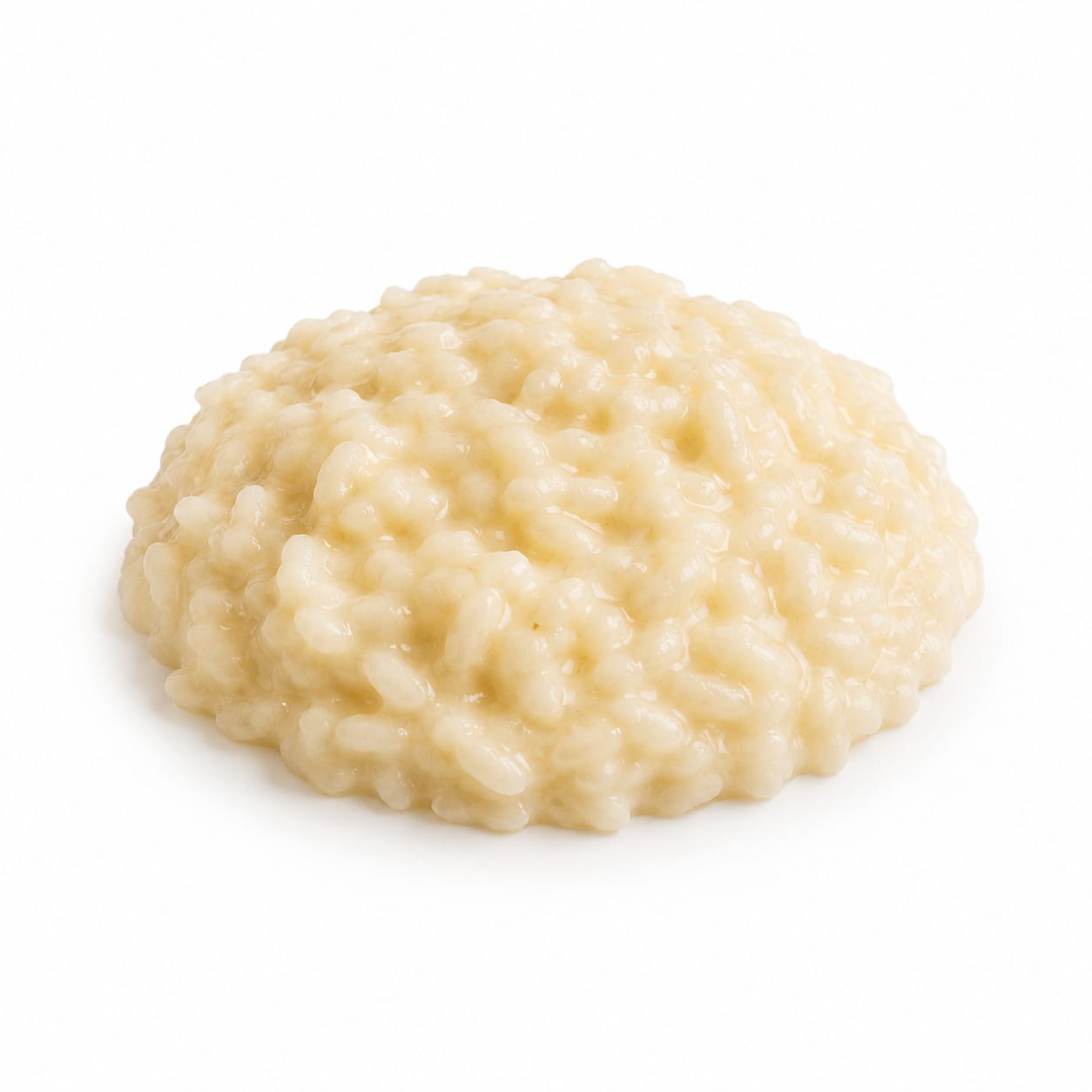
Arborio Rice
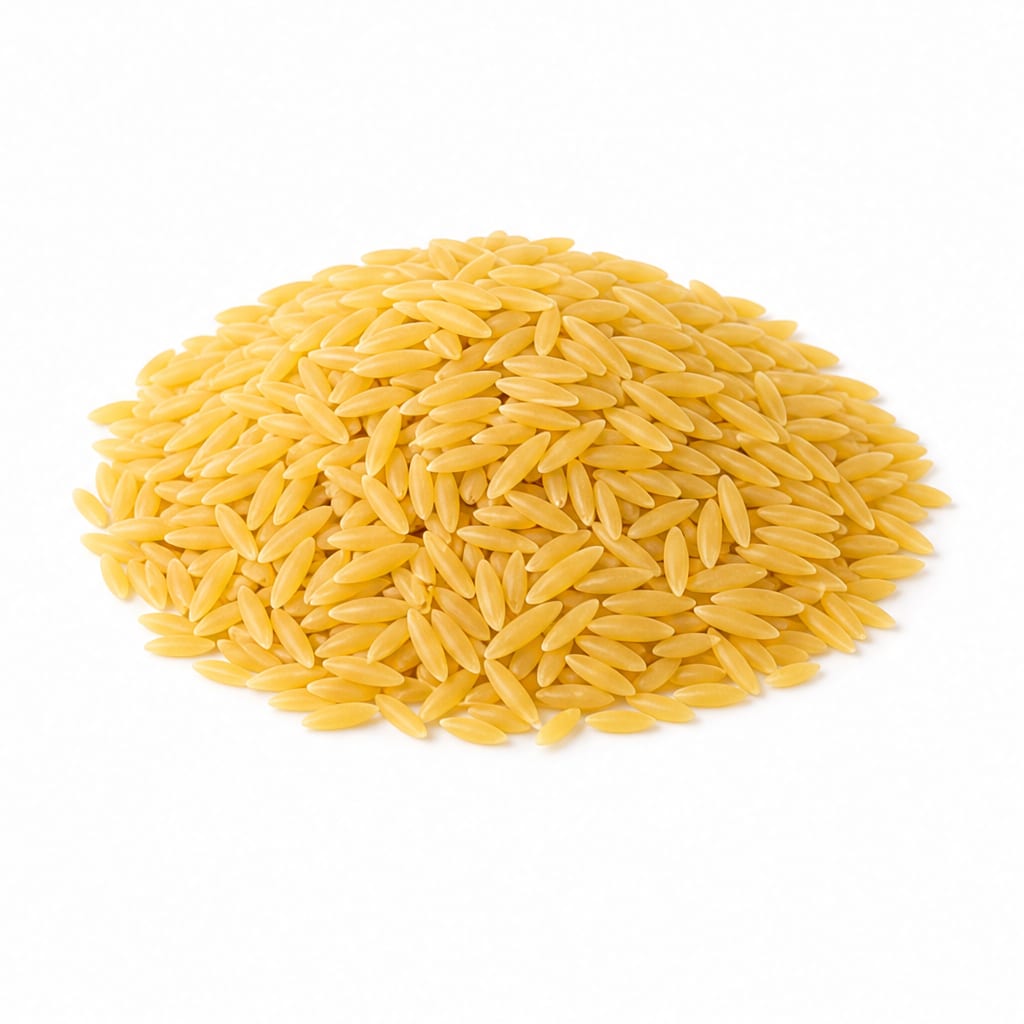
Orzo Pasta
Arborio Rice wins on naturalness and gluten-free needs; Orzo edges ahead on protein and satiety. Neither is a nutritional standout.
Both are refined grain products with limited nutritional density. Orzo scores slightly higher due to more protein and marginally better satiety, but Arborio Rice's lower processing level and gluten-free status keep it competitive. The small gap reflects that neither food is a clear winner for health.
Less processing and gluten-free versus slightly more protein and steadier energy
At a glance
Executive summary
Overall
It depends
Healthier
It depends
More practical
Orzo Pasta
Daily use
Orzo Pasta
Key comparison lenses
blood sugar and glycemic impact
Both are refined carbohydrates with significant glycemic consequences, making this the primary health concern for most users
gluten sensitivity and digestive tolerance
Arborio Rice is naturally gluten-free while Orzo contains wheat, a critical differentiator for many consumers
processing and naturalness
Users comparing grains often care about how processed their staples are
meal versatility and cooking practicality
Both serve as base carbohydrates but have very different culinary roles
satiety and portion control
Refined carbs differ in how filling they feel, affecting overeating risk
Best choice for
Arborio Rice
- Gluten-free or celiac diets
- Those avoiding wheat entirely
- Creamy, comforting dishes like risotto
- People wanting fewer processing steps in their grains
Orzo Pasta
- Higher protein needs on a budget
- Meal prep and batch cooking
- Soups, salads, and pilafs where texture matters
- People who find pasta more satisfying and filling
Least suitable for
Arborio Rice
- Blood sugar management without pairing with protein and fat
- High-protein dietary goals
- Quick-cooking weeknight meals unless using pressure cooker
Orzo Pasta
- Anyone with celiac disease or gluten sensitivity
- Those minimizing wheat consumption
- Anti-inflammatory eating patterns
Deep comparison
Dimension by dimension
Each lens scores both foods and breaks down who each option suits.
- Dimension 1 · Priority 92Orzo Pasta
blood sugar stability
Arborio Rice · 28Orzo Pasta · 35Both spike blood sugar significantly, but Arborio Rice's high amylopectin starch causes a faster, sharper rise than Orzo's durum wheat.
Tradeoff
Arborio Rice delivers that beloved creamy texture precisely because of its high-glycemic starch, which releases glucose quickly
Why it matters
A faster blood sugar spike means a harder crash later, leaving you hungry again sooner
Real-world impact
A bowl of risotto at dinner may leave you reaching for a snack by 9pm, while orzo in soup keeps you steadier slightly longer
Arborio Rice
- Quick energy before intense activity
- Post-workout recovery when fast carbs help
Better for
- Diabetes or insulin resistance
- Managing cravings and energy crashes
Worse for
Orzo Pasta
- Longer-lasting energy between meals
- More stable afternoon focus
Better for
- Anyone assuming pasta is a slow carb — it is not
Worse for
- Dimension 2 · Priority 88Arborio Rice
gluten and digestive tolerance
Arborio Rice · 90Orzo Pasta · 25Arborio Rice is naturally gluten-free and gentle on most digestive systems. Orzo contains wheat gluten, which is problematic for a significant minority.
Tradeoff
If you need gluten-free, Arborio Rice is one of the safest carb bases available; Orzo is completely off the table
Why it matters
Roughly 6-7% of people have non-celiac gluten sensitivity, and 1% have celiac disease — for them, this difference is non-negotiable
Real-world impact
Even mild gluten sensitivity can cause bloating, brain fog, or fatigue after a wheat-based orzo dish
Arborio Rice
- Celiac disease or gluten intolerance
- IBS management under dietary guidance
- Elimination diets testing wheat sensitivity
Better for
- Rare rice allergies, though extremely uncommon
Worse for
Orzo Pasta
- No specific digestive advantage over rice
Better for
- Celiac disease
- Non-celiac gluten sensitivity
- Wheat allergy
Worse for
- Dimension 3 · Priority 75Orzo Pasta
protein and satiety
Arborio Rice · 30Orzo Pasta · 45Orzo provides roughly 50% more protein per serving than Arborio Rice, making it slightly more filling and nutritionally useful.
Tradeoff
Neither is a protein powerhouse, but Orzo's durum wheat semolina delivers about 7g protein per cup versus Arborio's 4-5g
Why it matters
More protein per bite means you stay full longer and are less likely to overeat
Real-world impact
An orzo-based lunch might carry you to dinner; a risotto lunch often needs a protein side to prevent the 3pm slump
Arborio Rice
- No real satiety advantage
Better for
- Anyone relying on their grain for meaningful protein
Worse for
Orzo Pasta
- Light meals where you want more staying power
- Vegetarian plates needing every gram of protein
Better for
- Still not enough protein to be a primary source
Worse for
- Dimension 4 · Priority 75Arborio Rice
processing and naturalness
Arborio Rice · 65Orzo Pasta · 45Arborio Rice undergoes minimal processing — just milling and polishing. Orzo requires grinding wheat into semolina, mixing, and extrusion shaping.
Tradeoff
Less processing means fewer steps where nutrients are lost or additives introduced, though both are still refined grain products
Why it matters
Fewer processing steps generally mean a simpler, more recognizable food your body handles predictably
Real-world impact
Arborio Rice looks like what it is: a grain. Orzo's shape is manufactured, which signals more industrial intervention
Arborio Rice
- Clean-label eating priorities
- Whole-food-preferred diets
Better for
- Still a refined grain, not a whole grain
Worse for
Orzo Pasta
- No naturalness advantage
Better for
- Those avoiding extruded or heavily shaped grain products
Worse for
- Dimension 5 · Priority 70Orzo Pasta
cooking convenience and versatility
Arborio Rice · 40Orzo Pasta · 70Orzo cooks in 8-10 minutes and works in soups, salads, and casseroles. Arborio Rice takes 18-20 minutes and demands stirring attention for risotto.
Tradeoff
Arborio Rice's magic requires patience and technique; Orzo is a dump-and-boil convenience grain
Why it matters
The carb you actually cook on Tuesday night matters more than the one you save for dinner parties
Real-world impact
Orzo in chicken soup is a 15-minute meal. Proper risotto is a 30-minute commitment with constant attention
Arborio Rice
- Special occasion cooking where the process is part of the experience
- Dishes where creamy texture is the entire point
Better for
- Busy households needing quick sides
- Cooking for large groups where stovetop attention is scarce
Worse for
Orzo Pasta
- Weeknight dinners under 20 minutes
- Meal prep that reheats well
- One-pot soups and casseroles
Better for
- Recipes specifically requiring risotto's creamy consistency
Worse for
- Dimension 6 · Priority 60It depends
nutritional density
Arborio Rice · 30Orzo Pasta · 35Both are refined grains with modest micronutrient content. Orzo is often enriched with iron and B vitamins; Arborio Rice loses nutrients through milling and is less commonly enriched.
Tradeoff
Enriched Orzo may deliver more added vitamins, but these are synthetic fortifications rather than naturally occurring nutrients
Why it matters
If your grain is a dietary staple, every small nutritional advantage compounds over time
Real-world impact
A regular Orzo eater may get slightly more folate and iron from fortification, but should not rely on it as a significant source
Arborio Rice
- No meaningful density advantage
Better for
- Reliance on refined rice as a primary nutrient source
Worse for
Orzo Pasta
- Diets where iron and B-vitamin fortification matters
- Those not taking a multivitamin
Better for
- Those who prefer naturally occurring nutrients over fortification
Worse for
Timeline
Health impact over time
Short-term
Hours to days
Arborio Rice
- Quick blood sugar rise within 30-60 minutes of eating
- Comforting, satisfying mouthfeel that encourages slower eating
- May cause energy crash 2-3 hours later if eaten without protein or fat
Orzo Pasta
- Moderate blood sugar rise, slightly slower than Arborio Rice
- More filling per serving due to higher protein content
- Can cause bloating in gluten-sensitive individuals within hours
Long-term
Months to years
Arborio Rice
- Regular consumption without whole grain alternatives may increase type 2 diabetes risk
- Gluten-free advantage reduces chronic inflammation risk for sensitive individuals
- Low arsenic risk compared to some other rice varieties when consumed moderately
Orzo Pasta
- Daily refined wheat consumption linked to higher inflammatory markers in some studies
- Fortification provides consistent B-vitamin and iron intake over time
- Gluten exposure accumulates for sensitive individuals, potentially worsening symptoms
Risk profile
Safety & processing
Both are refined grain products, but Arborio Rice undergoes fewer transformational steps. Orzo's extrusion process is more industrial, though neither contains concerning additives on its own. The real issue is that both are stripped of their bran and germ, removing most natural nutrition.
Arborio Rice
Arsenic contamination
mediumRice accumulates more arsenic than other grains. Arborio Rice from reputable sources and varied diets minimize this, but daily heavy consumption is not advisable.
Cross-contamination in gluten-free contexts
lowIf processed in facilities handling wheat, trace gluten may appear. Certified gluten-free labels address this for celiac patients.
Orzo Pasta
Wheat allergen exposure
highContains gluten and wheat proteins that trigger reactions in celiac, sensitive, and allergic individuals. Not negotiable for these groups.
Glyphosate residue
mediumConventional wheat is often treated with glyphosate as a desiccant. Choosing organic Orzo significantly reduces this concern.
Who wins for whom
Audience fit
Same foods, different winners depending on your goal.
children
Orzo PastaOrzo's fun shape, faster cooking, and iron fortification make it more practical for kids' meals. However, watch for gluten sensitivity symptoms.
daily consumption
Orzo PastaOrzo's convenience, slightly better protein, and versatility make it more sustainable for everyday meals. But rotating both with whole grains is smarter than daily reliance on either.
diabetes
It dependsNeither is great for blood sugar. Arborio Rice spikes faster but is gluten-free; Orzo has a marginally lower glycemic impact. The real answer is to choose whole grain alternatives instead.
elderly
Arborio RiceArborio Rice's soft, creamy texture when cooked is easier to chew and swallow. Its gluten-free nature also suits aging digestive systems that may become more sensitive to wheat.
muscle gain
Orzo PastaOrzo's higher protein content, while modest, gives it a slight edge. Both need significant protein additions to support muscle building.
weight loss
Orzo PastaSlightly more protein and fiber per calorie makes Orzo marginally more satiating, helping with portion control — though neither is ideal for weight loss without careful pairing.
Your move
Decision guide
Choose Arborio Rice
- You need gluten-free carbs for celiac or sensitivity
- You're making risotto and want that signature creaminess
- You prefer fewer processing steps in your staple grains
- You find rice easier to digest than wheat products
Choose Orzo Pasta
- You want a quick-cooking carb for weeknight meals
- You're meal prepping soups, salads, or casseroles
- You benefit from slightly more protein per serving
- You have no gluten concerns and want maximum versatility
Either works if
- You're pairing with generous protein and vegetables anyway
- Neither is your primary daily grain — just an occasional choice
- You're cooking for a group with mixed dietary needs and will offer both
Avoid both if
- You're managing blood sugar and need low-glycemic carbs
- You're following a whole-food, high-fiber eating pattern
- You eat refined grains at every meal and need to diversify
- You're trying to reduce inflammatory foods in your diet
Final recommendation
Let your dietary needs decide: Arborio Rice if gluten-free matters, Orzo if convenience and protein matter more. Both are refined carbs best enjoyed as occasional sides rather than daily staples. Pair either with vegetables, healthy fats, and protein to blunt blood sugar impact and make the meal actually satisfying.
Practical
Consumer tips
- 1
Rinse Arborio Rice before cooking to reduce surface starch and any potential arsenic residue
- 2
Choose organic Orzo to minimize glyphosate exposure from conventional wheat processing
- 3
Add olive oil, nuts, or cheese to either grain to slow digestion and reduce glycemic impact
- 4
Rotate between rice, pasta, quinoa, and whole grains weekly rather than relying on one staple
- 5
Cook Arborio Rice in broth instead of water for added flavor without extra effort
- 6
If using Orzo in soup, slightly undercook it — it continues absorbing liquid and won't turn mushy
- 7
For blood sugar management, never eat either grain plain; always combine with protein and fiber