
Nutrition comparison
Arborio Rice vs Sushi Rice: Healthier Choice & Nutritional Comparison
Compare Arborio Rice vs Sushi Rice to see which is better for blood sugar, arsenic risk, and daily eating. Learn the nutritional tradeoffs and which rice fits your health goals.
Overall winner · Sushi Rice
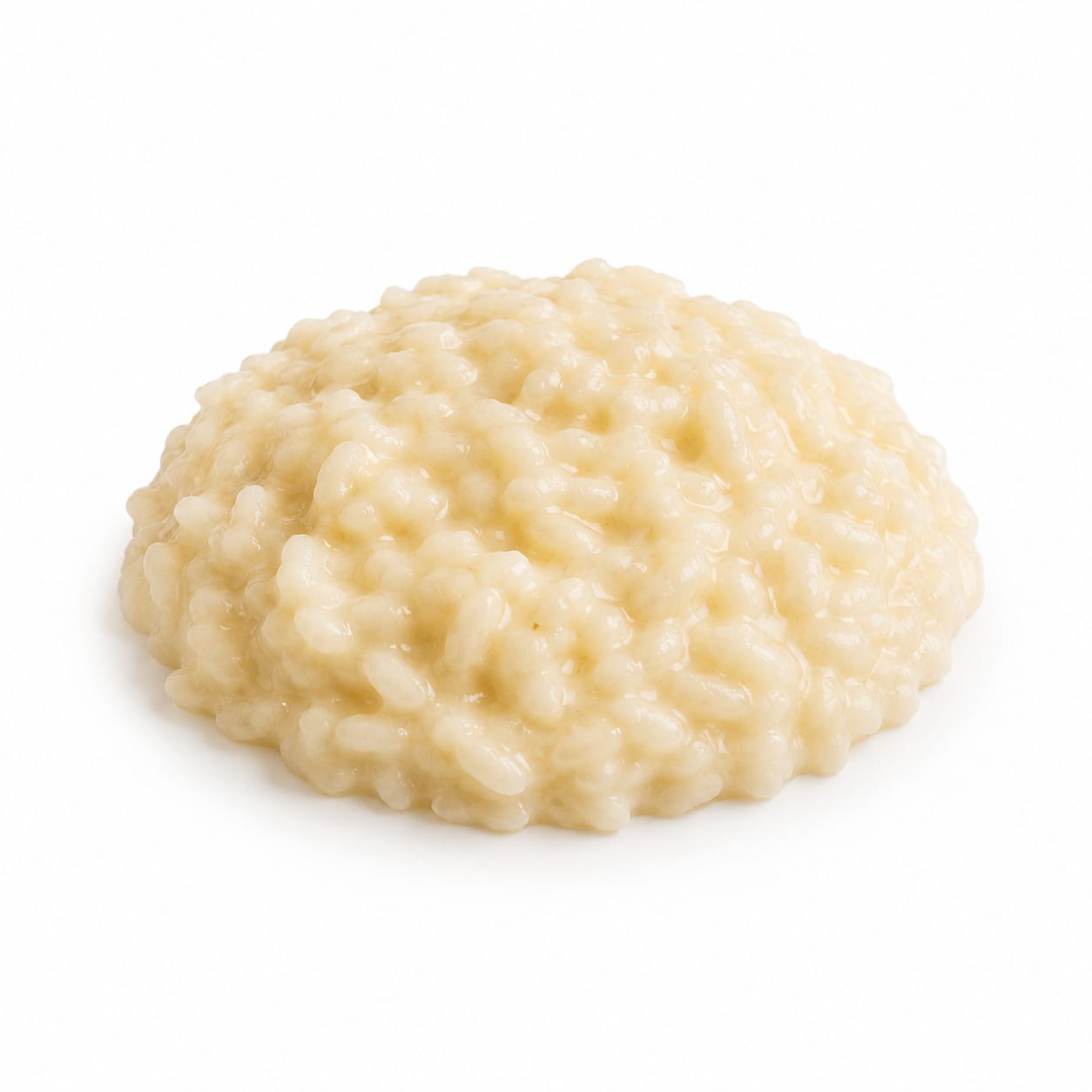
Arborio Rice
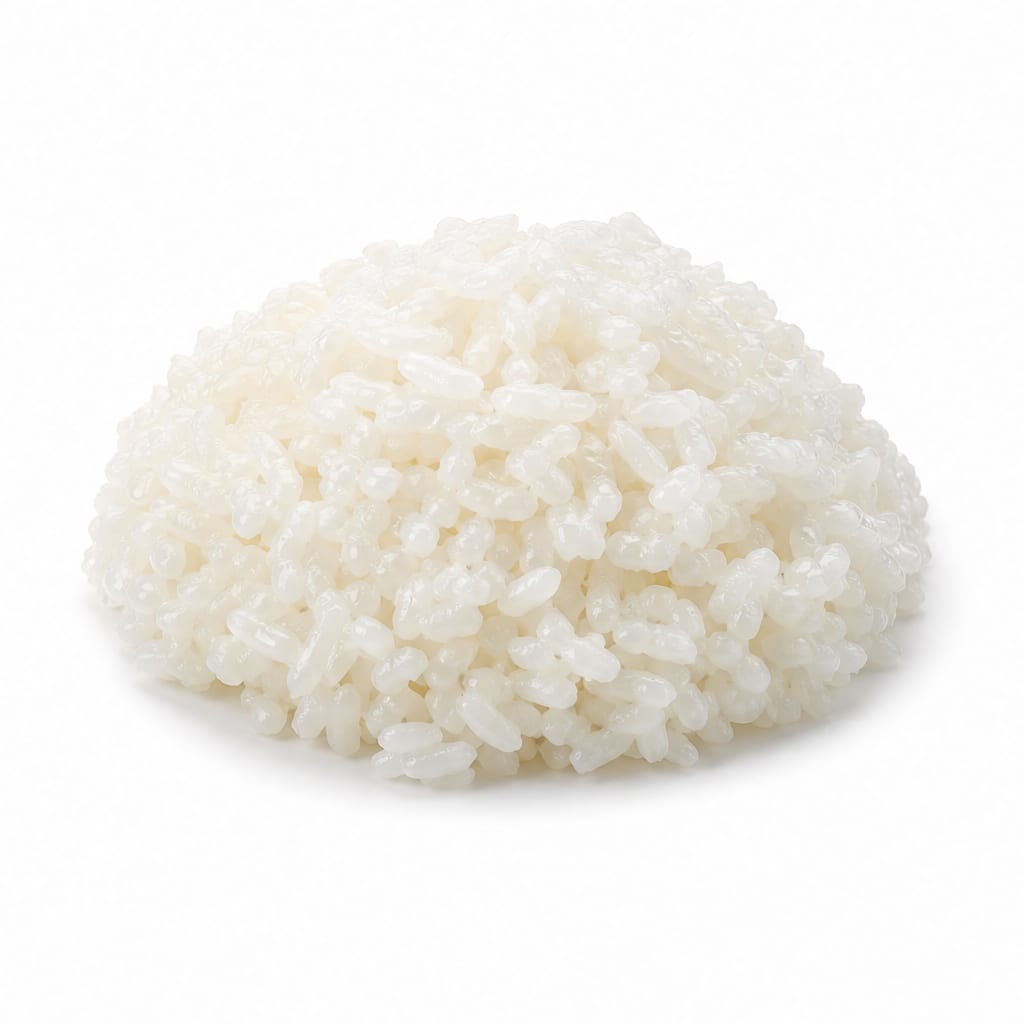
Sushi Rice
Sushi Rice edges out Arborio Rice mainly due to its vinegared preparation slowing blood sugar spikes and the standard practice of rinsing it before cooking, which reduces arsenic exposure.
Sushi Rice scores higher because its standard preparation includes arsenic-reducing rinsing and blood-sugar-stabilizing vinegar. Arborio Rice is rarely rinsed and typically cooked with calorie-dense additions, making it less ideal for everyday health.
Arborio Rice delivers a richer, more comforting eating experience when made into risotto, but Sushi Rice is lighter and metabolically safer for regular consumption.
At a glance
Executive summary
Overall
Sushi Rice
Healthier
Sushi Rice
More practical
It depends
Daily use
Sushi Rice
Key comparison lenses
blood sugar impact
Both are sticky white rices with high glycemic indexes, but preparation differences significantly alter blood sugar responses
arsenic exposure
Short- and medium-grain white rices tend to accumulate more inorganic arsenic, and washing practices differ drastically between these two
culinary role and satiety
Arborio is typically cooked with fats and proteins in risotto, while sushi rice is eaten with vinegar and lean proteins, changing how filling they are
digestive tolerance
Sticky rices can behave differently in the gut depending on starch structure and accompanying ingredients
Best choice for
Arborio Rice
- Comforting, hearty meals on cold days
- High-calorie bulking phases where rich carbs are welcome
- Those prioritizing creamy texture and indulgent dining
Sushi Rice
- Lighter meals with lean protein like fish
- People managing blood sugar who want a white rice option
- Frequent rice eaters concerned about heavy metal accumulation
Least suitable for
Arborio Rice
- Blood sugar management or insulin resistance
- Those watching calorie density from added fats
- People who eat rice daily and need to minimize arsenic intake
Sushi Rice
- Creamy, comforting dishes like puddings or risottos
- Those seeking very high calorie density without adding extra toppings
- People who dislike the tang of rice vinegar
Deep comparison
Dimension by dimension
Each lens scores both foods and breaks down who each option suits.
- Dimension 1 · Priority 90Sushi Rice
Blood Sugar Stability
Arborio Rice · 35Sushi Rice · 55Sushi Rice wins because the vinegar seasoning slows down how fast your body absorbs the carbs.
Tradeoff
Both are refined white grains that spike blood sugar faster than brown rice, but Sushi Rice mitigates this slightly.
Why it matters
Avoiding energy crashes and managing insulin is crucial for long-term metabolic health.
Real-world impact
Eating Sushi Rice with fish and vinegar will give you steadier energy than a bowl of plain Arborio Rice, which can lead to an afternoon slump.
Arborio Rice
- Quick energy before intense, short-duration exercise
Better for
- Sustained focus during long work sessions
- Managing diabetes or prediabetes
Worse for
Sushi Rice
- Preventing the post-meal energy crash
- Those with mild insulin resistance who still want white rice
Better for
- Situations requiring extremely rapid carbohydrate absorption
Worse for
- Dimension 2 · Priority 85Sushi Rice
Arsenic and Safety
Arborio Rice · 30Sushi Rice · 50Rinsing Sushi Rice before cooking washes away surface arsenic, while rinsing Arborio Rice ruins its signature creaminess.
Tradeoff
You sacrifice a bit of food safety for culinary texture when cooking Arborio Rice.
Why it matters
Inorganic arsenic in rice is a known long-term health risk, especially for frequent consumers.
Real-world impact
If you eat rice several times a week, choosing unrinsed Arborio Rice increases your heavy metal exposure compared to thoroughly washed Sushi Rice.
Arborio Rice
- Minimal preparation time since no washing is needed
Better for
- Daily consumption habits
- Children who are more vulnerable to arsenic exposure
Worse for
Sushi Rice
- Long-term safety for daily rice eaters
- Reducing heavy metal accumulation in the body
Better for
- None significant from a safety standpoint
Worse for
- Dimension 3 · Priority 75Arborio Rice
Satiety and Fullness
Arborio Rice · 75Sushi Rice · 60Arborio Rice is usually cooked with butter, oil, and cheese, making it far more filling than lightly dressed Sushi Rice.
Tradeoff
The fullness from Arborio Rice comes with a much higher calorie and fat price tag.
Why it matters
Feeling satisfied after a meal prevents overeating later, but the source of that satiety matters for your waistline.
Real-world impact
A bowl of risotto will keep you full for hours, while a sushi roll might leave you reaching for a snack sooner unless you load up on protein sides.
Arborio Rice
- A single-dish meal that feels deeply satisfying
- Cold weather comfort eating
Better for
- Hot summer days when heavy meals feel oppressive
- Calorie-controlled diets
Worse for
Sushi Rice
- Lighter meals where you want to leave room for vegetables or lean protein
- Avoiding that overly stuffed, sluggish feeling
Better for
- Post-workout recovery when immediate refueling is needed
Worse for
- Dimension 4 · Priority 65It depends
Digestive Tolerance
Arborio Rice · 60Sushi Rice · 65Sushi Rice is easier on the stomach for most people due to its lighter preparation, but Arborio Rice's soft creaminess can be soothing if you tolerate dairy.
Tradeoff
Arborio Rice dishes often contain heavy cream and cheese, which can trigger digestive issues for lactose-sensitive individuals.
Why it matters
Comfort food should actually feel comfortable after you eat it, not just while you're eating it.
Real-world impact
Sushi Rice with lean fish sits lightly and digests smoothly, whereas a rich risotto might cause bloating if your stomach is sensitive to high fat or dairy.
Arborio Rice
- Soothing a sore throat or upset stomach if made plain or with broth
Better for
- People with dairy or high-fat intolerances
- Eating right before physical activity
Worse for
Sushi Rice
- Those with lactose intolerance or fat sensitivity
- Pre-workout meals that need to digest quickly
Better for
- Those who find vinegar irritating for acid reflux
Worse for
Timeline
Health impact over time
Short-term
Hours to days
Arborio Rice
- Rapid blood sugar spike if eaten plain
- Heavy, comforting fullness from typical fat-heavy preparations
- Potential sluggishness after large portions
Sushi Rice
- Steadier energy release due to vinegar content
- Light feeling in the stomach post-meal
- Quick satisfaction of carb cravings without heavy bloating
Long-term
Months to years
Arborio Rice
- Higher risk of arsenic accumulation if eaten frequently without rinsing
- Potential weight gain from calorie-dense risotto preparations
- Increased metabolic strain if used as a daily staple
Sushi Rice
- Better long-term metabolic profile due to blood sugar mitigation
- Lower heavy metal burden thanks to washing practices
- Easier weight maintenance when paired with lean proteins
Risk profile
Safety & processing
Both are refined white grains with their bran and germ removed. Neither contains artificial additives in its dry form, but Sushi Rice is routinely seasoned with sugar and salt during preparation, while Arborio Rice relies on added fats and cheeses.
Arborio Rice
Inorganic Arsenic
mediumShort-grain rice tends to accumulate more arsenic. Because rinsing Arborio Rice washes away the surface starch needed for risotto's creamy texture, consumers typically skip this safety step.
Sushi Rice
Added Sugars in Seasoning
lowSushi vinegar often contains added sugar, which slightly increases the carbohydrate load and can feed unhealthy gut bacteria if consumed in large amounts.
Who wins for whom
Audience fit
Same foods, different winners depending on your goal.
children
Sushi RiceThorough rinsing of Sushi Rice significantly lowers arsenic exposure, which is especially important for a child's developing system.
daily consumption
Sushi RiceBetter blood sugar control and lower heavy metal exposure make Sushi Rice a safer everyday staple than unrinsed Arborio Rice.
diabetes
Sushi RiceThe acetic acid in sushi vinegar slows gastric emptying, softening the blood sugar spike compared to unacidified Arborio Rice.
elderly
Sushi RiceSushi Rice is easier to chew and digest, and the lower arsenic risk and steadier blood sugar are crucial for older metabolisms.
muscle gain
Arborio RiceThe high carb density and added fats in Arborio Rice dishes make it easier to hit surplus calorie goals needed for bulking.
weight loss
Sushi RiceSushi Rice is typically paired with low-calorie proteins like fish and seasoned lightly, whereas Arborio Rice is a calorie-dense vehicle for butter and cheese.
Your move
Decision guide
Choose Arborio Rice
- You are making risotto, rice pudding, or a comforting creamy dish
- You need a high-calorie, deeply satisfying carb for a bulking diet
- It is a cold day and you want a meal that feels like a warm hug
Choose Sushi Rice
- You are making sushi, poke bowls, or Asian-inspired dishes
- You eat rice multiple times a week and want the safer daily option
- You want a lighter meal that will not leave you feeling sluggish
- You are monitoring your blood sugar or managing your weight
Either works if
- You are simply looking for a white rice side dish and plan to add your own healthy fats and proteins
- You only eat rice occasionally, making the arsenic difference negligible
Avoid both if
- You have severe blood sugar instability and need high-fiber, low-GI carbs like quinoa or legumes
- You are on a strict low-carb or ketogenic diet
- You are highly sensitive to arsenic and need to avoid all rice products
Final recommendation
Choose Sushi Rice for your everyday meals to benefit from the blood-sugar-stabilizing effects of vinegar and the arsenic-reducing rinse. Save Arborio Rice for occasional, intentional comfort meals where its unique creamy texture truly shines.
Practical
Consumer tips
- 1
If you want to make Arborio Rice safer, rinse it lightly and add a bit of extra broth at the end to compensate for the lost creaminess.
- 2
Add a splash of rice vinegar to any white rice, including Arborio Rice, to help blunt the blood sugar spike.
- 3
Always wash Sushi Rice thoroughly until the water runs clear to maximize arsenic reduction.
- 4
Balance either rice with plenty of fiber-rich vegetables and lean protein to slow down carbohydrate absorption.