
Nutrition comparison
Arborio Rice vs Cauliflower Rice: Nutrition, Carbs, and Taste Compared
Comparing Arborio Rice and Cauliflower Rice? Discover which is better for weight loss, blood sugar, and cooking. Learn the real tradeoffs between carbs and comfort.
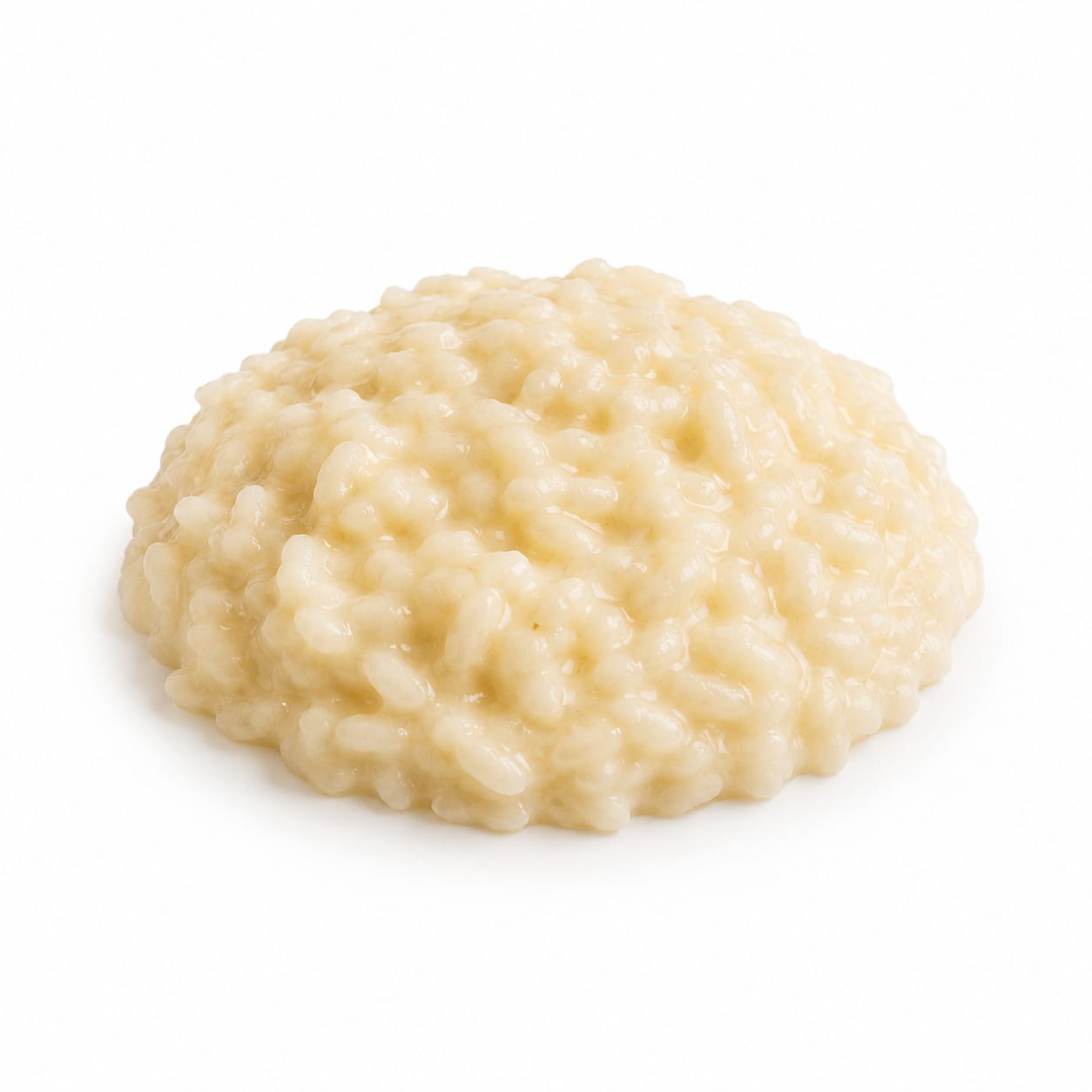
Arborio Rice
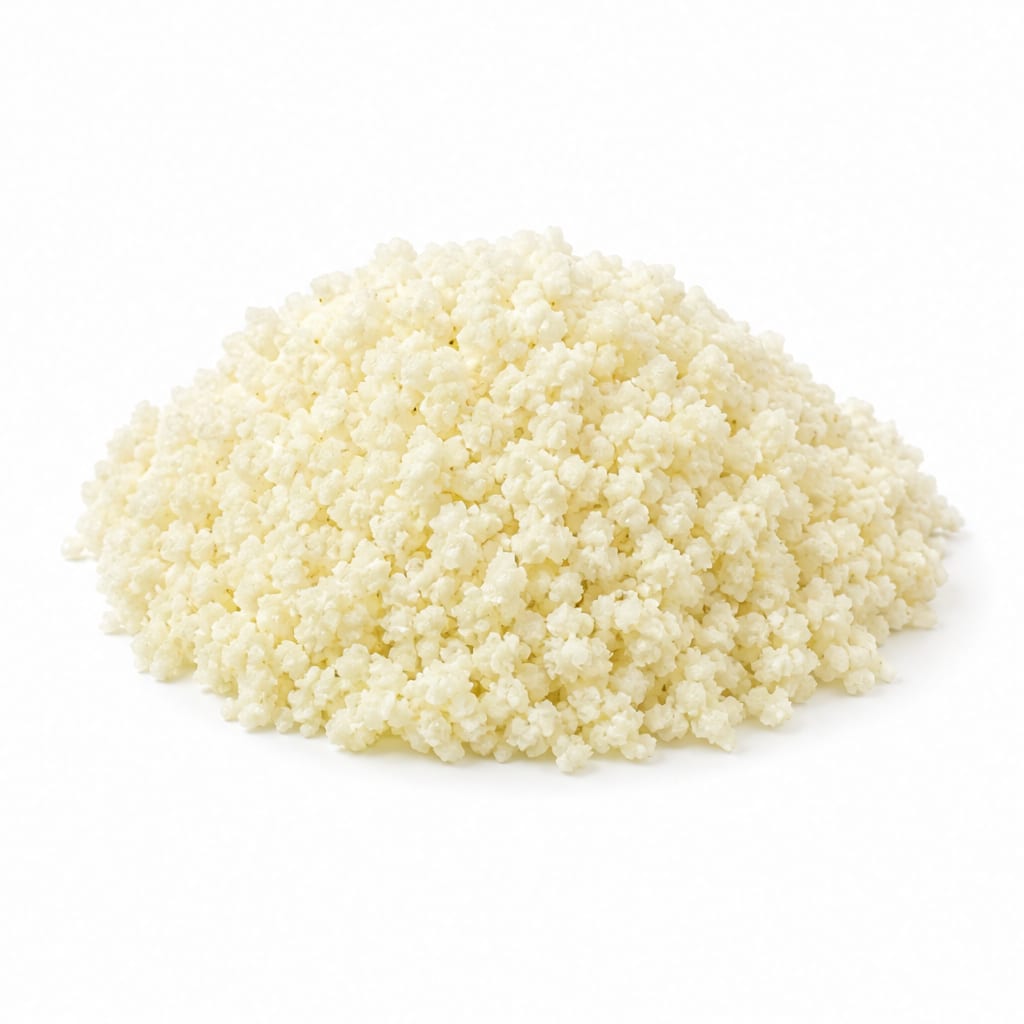
Cauliflower Rice
Cauliflower Rice wins for metabolic health and waistline management, while Arborio Rice wins for authentic culinary comfort and sustained energy.
Cauliflower Rice scores significantly higher due to its nutrient density, fiber, and blood sugar stability. Arborio Rice scores lower because it acts as a refined starch with minimal nutritional value beyond quick energy.
You are trading creamy, satisfying carbohydrates for a low-calorie, blood-sugar-friendly vegetable alternative.
At a glance
Executive summary
Overall
It depends
Healthier
Cauliflower Rice
More practical
It depends
Daily use
Cauliflower Rice
Key comparison lenses
Low-carb diet compatibility
The primary reason users compare these two is to find a carbohydrate substitute for keto or low-carb lifestyles.
Blood sugar management
Arborio rice causes sharp glucose spikes, while cauliflower rice has minimal impact, making this crucial for diabetics.
Weight loss and calorie reduction
Swapping starchy grains for vegetables is a common weight loss strategy to lower calorie density.
Culinary satisfaction and texture
Arborio rice is prized for its creamy, comforting texture, which cauliflower rice struggles to replicate.
Best choice for
Arborio Rice
- Athletes needing carb-loading before endurance events
- People wanting authentic, creamy risotto
- Anyone needing to gain weight or increase caloric intake
- Individuals with digestive issues who struggle with cruciferous vegetables
Cauliflower Rice
- People managing type 2 diabetes or insulin resistance
- Anyone following a keto or low-carb diet
- Individuals aiming to lose weight without shrinking portion sizes
- Those looking to increase daily vegetable intake
Least suitable for
Arborio Rice
- People with severe insulin resistance or diabetes
- Those on strict low-carb or keto diets
- Anyone trying to reduce calorie-dense meals
Cauliflower Rice
- Athletes needing quick, dense energy for performance
- People with IBS or bloating triggered by cruciferous vegetables
- Traditionalists craving the exact texture of authentic risotto
Deep comparison
Dimension by dimension
Each lens scores both foods and breaks down who each option suits.
- Dimension 1 · Priority 95Cauliflower Rice
Blood Sugar Stability
Arborio Rice · 20Cauliflower Rice · 95Cauliflower Rice keeps your blood sugar steady, while Arborio Rice causes a rapid spike and crash.
Tradeoff
You lose the quick energy burst from Arborio Rice but avoid the sluggish feeling that follows a sugar crash.
Why it matters
Frequent blood sugar spikes lead to cravings, fatigue, and long-term metabolic issues.
Real-world impact
Eating Arborio Rice for lunch might leave you reaching for a coffee at 3 PM, whereas Cauliflower Rice keeps your energy humming along.
Arborio Rice
- Quick pre-workout fuel
Better for
- Post-meal energy crashes
- Intense sugar cravings
Worse for
Cauliflower Rice
- Steady afternoon energy
- Managing diabetes
Better for
- Immediate fuel for high-intensity activity
Worse for
- Dimension 2 · Priority 90Cauliflower Rice
Calorie Density and Weight Management
Arborio Rice · 25Cauliflower Rice · 95Cauliflower Rice allows you to eat a large volume of food for very few calories, making it a powerful tool for weight loss.
Tradeoff
Arborio Rice is calorie-dense and easy to overeat, but it provides the satisfying fullness that comes from dense carbs.
Why it matters
Satiety isn't just about calories; volume matters. Cauliflower Rice lets you keep the plate size without the caloric penalty.
Real-world impact
A massive bowl of Cauliflower Rice costs you about 50 calories. The same bowl of Arborio Rice is easily 400+ calories before adding butter or oil.
Arborio Rice
- Building mass for underweight individuals
Better for
- Easy accidental overconsumption of calories
Worse for
Cauliflower Rice
- Cutting calories without eating tiny portions
- Reducing waistline circumference
Better for
- Struggling to meet high caloric needs
Worse for
- Dimension 3 · Priority 80Arborio Rice
Culinary Texture and Satisfaction
Arborio Rice · 95Cauliflower Rice · 35Arborio Rice delivers a luxurious, creamy bite that defines comfort food. Cauliflower Rice is watery and crumbly by comparison.
Tradeoff
Choosing Cauliflower Rice means sacrificing the velvety mouthfeel of a true risotto for a lighter, more watery texture.
Why it matters
Food isn't just fuel; satisfaction matters. If a substitute feels like a punishment, you won't stick with it.
Real-world impact
Arborio Rice absorbs broth to create a rich, comforting sauce. Cauliflower Rice releases water, which can dilute your sauce and make dishes soggy if not cooked carefully.
Arborio Rice
- Authentic risotto and rice pudding
- Comforting, warming winter meals
Better for
- Feeling overly heavy or sluggish after eating
Worse for
Cauliflower Rice
- Light, refreshing summer bowls
Better for
- Diluting sauces and stews
- Feeling like you are eating a compromise
Worse for
- Dimension 4 · Priority 85Cauliflower Rice
Nutrient Density
Arborio Rice · 15Cauliflower Rice · 90Cauliflower Rice brings vitamins, antioxidants, and fiber to the table. Arborio Rice is mostly stripped-down starch.
Tradeoff
You trade empty calories for a powerhouse of vitamin C, K, and cancer-fighting glucosinolates.
Why it matters
Nutrient-dense foods support your immune system and long-term health beyond just providing energy.
Real-world impact
Choosing Cauliflower Rice helps you hit your daily vegetable targets and boosts your antioxidant intake without taking a supplement.
Arborio Rice
- Pure carbohydrate replenishment
Better for
- Contributing empty calories to the diet
Worse for
Cauliflower Rice
- Boosting immune function
- Increasing dietary fiber
Better for
- Over-consuming fiber if transitioning too quickly
Worse for
Timeline
Health impact over time
Short-term
Hours to days
Arborio Rice
- Rapid rise in blood sugar and insulin
- Quick burst of physical energy
- Heavy, full feeling in the stomach
Cauliflower Rice
- Stable blood sugar with no crash
- Feeling light after eating
- Potential for bloating or gas if you are not used to cruciferous veggies
Long-term
Months to years
Arborio Rice
- Increased risk of insulin resistance if consumed frequently
- Potential contribution to weight gain due to high calorie density
- Minimal protection against chronic disease
Cauliflower Rice
- Improved insulin sensitivity
- Lower risk of obesity and metabolic syndrome
- Support for cellular detoxification due to glucosinolates
Risk profile
Safety & processing
Arborio Rice is a refined grain with the bran and germ removed, stripping away natural nutrients. Fresh Cauliflower Rice is simply a whole vegetable chopped into small pieces, retaining all its natural integrity.
Arborio Rice
Arsenic exposure
mediumRice naturally absorbs more arsenic from soil and water than other crops. Frequent consumption can increase heavy metal burden.
Cauliflower Rice
Pesticide residue
mediumCauliflower is a cruciferous vegetable that can retain pesticide residues. Buying organic or washing thoroughly mitigates this.
Who wins for whom
Audience fit
Same foods, different winners depending on your goal.
children
Arborio RiceGrowing children often need calorie-dense foods and can be put off by the bitter or watery notes of cauliflower. Arborio Rice is an easy, safe energy source.
daily consumption
Cauliflower RiceDaily consumption of Cauliflower Rice boosts veggie intake and supports metabolic health, whereas daily Arborio Rice could crowd out more nutritious foods.
diabetes
Cauliflower RiceWith virtually zero digestible carbs, Cauliflower Rice has a negligible impact on blood glucose, making it incredibly safe for diabetics.
elderly
Cauliflower RiceOlder adults often need lower-calorie, nutrient-dense foods to combat slowing metabolisms and reduce chronic disease risk, making Cauliflower Rice ideal.
muscle gain
Arborio RiceArborio Rice provides the dense, easily digestible carbohydrates needed to fuel heavy training and replenish glycogen stores.
weight loss
Cauliflower RiceCauliflower Rice allows for massive portion sizes with minimal calories, making it far easier to sustain a calorie deficit.
Your move
Decision guide
Choose Arborio Rice
- You are cooking an authentic Italian risotto and refuse to compromise on creaminess
- You are an endurance athlete carb-loading before a marathon or long event
- You struggle to keep weight on and need easily consumible calories
- Cruciferous vegetables cause you severe digestive distress or IBS flare-ups
Choose Cauliflower Rice
- You want to lose weight without feeling like you are eating tiny portions
- You are managing type 2 diabetes, prediabetes, or insulin resistance
- You follow a keto, paleo, or low-carb lifestyle
- You want to sneak more vegetables into your family's weeknight dinners
Either works if
- You are building a grain bowl and want a base, understanding the nutritional tradeoffs
- You mix them 50/50 to get some creamy texture while cutting calories in half
Avoid both if
- You have severe gastrointestinal sensitivities to both heavy starches and cruciferous vegetables
Final recommendation
For everyday meals, Cauliflower Rice is the clear winner for your health and waistline. However, when culinary tradition and comfort call for a true risotto, enjoy Arborio Rice mindfully on occasion rather than trying to force a substitute that leaves you unsatisfied.
Practical
Consumer tips
- 1
If Cauliflower Rice tastes too watery, try roasting it instead of steaming to caramelize the edges and cook off excess moisture.
- 2
Mix half Arborio Rice and half Cauliflower Rice in your next risotto. You get the creamy starch release from the rice while cutting calories and adding nutrients.
- 3
To reduce arsenic in Arborio Rice, rinse it thoroughly before cooking and cook it in excess water like pasta, then drain.
- 4
If store-bought Cauliflower Rice smells like sulfur, it is past its prime. Fresh is always best for mild flavor.