
Nutrition comparison
Arborio Rice vs Barley: Nutrition, Fiber, and Blood Sugar Comparison
Compare Arborio Rice vs Barley to see which grain is better for blood sugar, weight loss, and daily energy. Discover the nutritional tradeoffs and best uses.
Overall winner · Barley

Arborio Rice
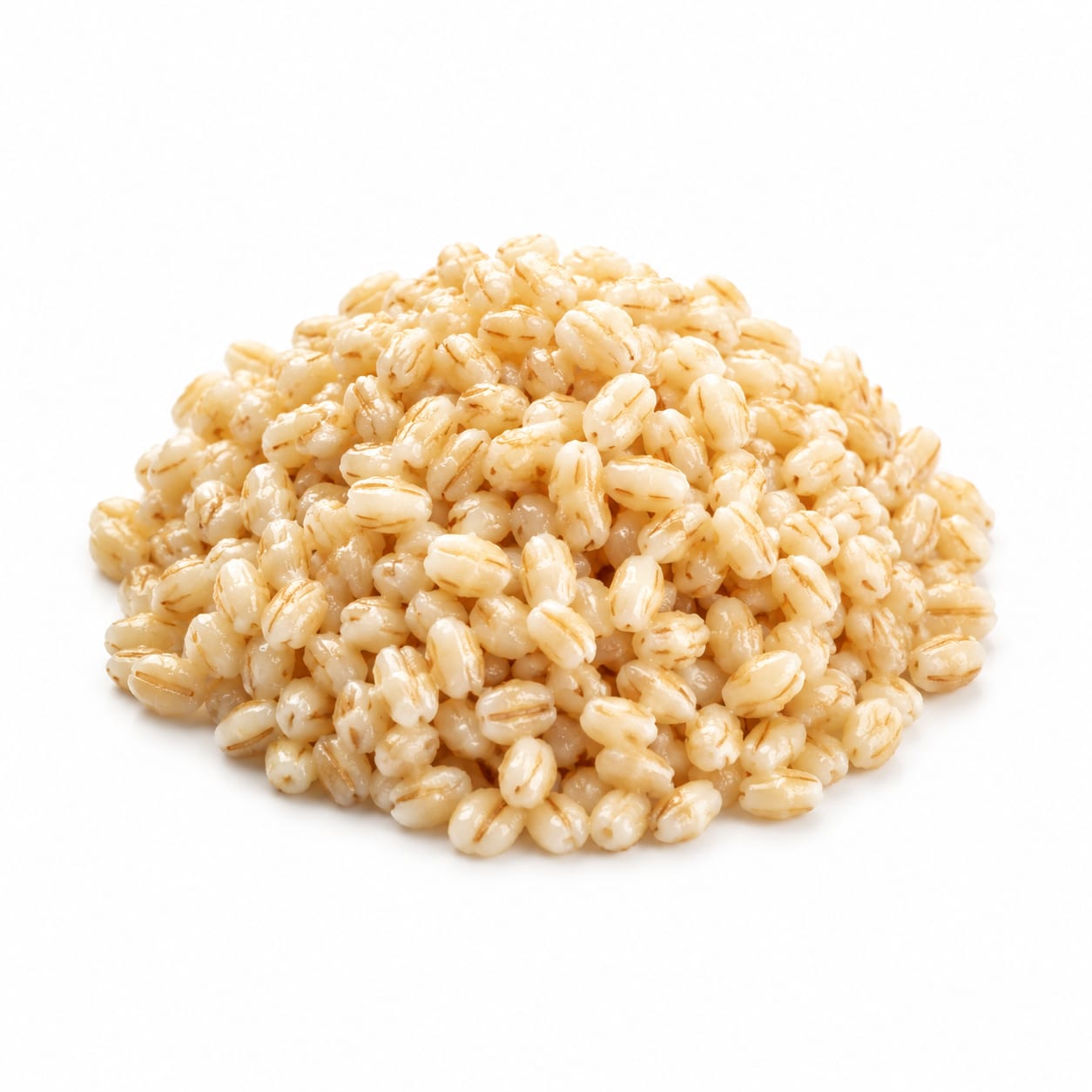
Barley
Barley is the nutritional powerhouse for daily health, but Arborio Rice holds its ground for specific culinary needs and gluten-free diets.
Barley scores significantly higher due to its superior fiber content, blood sugar stability, and long-term health benefits. Arborio Rice scores lower because it acts as a refined carbohydrate with minimal fiber, though it remains a safe choice for gluten-free diets.
You are trading the creamy, quick-digesting comfort of Arborio Rice for the filling, blood-sugar-stabilizing fiber of Barley.
At a glance
Executive summary
Overall
Barley
Healthier
Barley
More practical
It depends
Daily use
Barley
Key comparison lenses
Blood sugar management
Arborio Rice is high-glycemic, while Barley is renowned for its blood sugar-stabilizing beta-glucan fiber.
Satiety and weight control
Fiber content drastically differs, making Barley far more filling than Arborio Rice.
Gluten-free dietary needs
Arborio Rice is naturally gluten-free, whereas Barley contains gluten, making it a critical deciding factor for those with celiac disease.
Culinary application
Arborio Rice's starch creates a unique creamy texture for risotto, while Barley offers a chewy, hearty bite for soups and bowls.
Best choice for
Arborio Rice
- Those needing gluten-free grains like Arborio Rice
- Home cooks making risotto or rice pudding
- Athletes needing quick-digesting Arborio Rice post-workout
Barley
- People managing diabetes with Barley
- Anyone looking to lower cholesterol with Barley
- Those wanting a grain like Barley that keeps them full for hours
Least suitable for
Arborio Rice
- People trying to avoid Arborio Rice blood sugar spikes
- Those on a low-carb or keto diet
- Individuals seeking high-fiber meals
Barley
- People with celiac disease avoiding Barley
- Those needing a quick-cooking weeknight grain
- Anyone wanting a light, easily digestible meal
Deep comparison
Dimension by dimension
Each lens scores both foods and breaks down who each option suits.
- Dimension 1 · Priority 95Barley
Blood Sugar & Energy Stability
Arborio Rice · 25Barley · 90Barley provides slow-releasing energy, while Arborio Rice causes rapid blood sugar spikes followed by crashes.
Tradeoff
Arborio Rice gives you quick energy but leaves you hungry sooner, whereas Barley offers sustained fuel but takes longer to digest.
Why it matters
Steady blood sugar means fewer cravings, better focus, and more consistent energy throughout the day.
Real-world impact
Eating Arborio Rice for lunch might leave you reaching for a coffee at 3 PM, while Barley keeps you powered through the afternoon.
Arborio Rice
- Quick carb replenishment from Arborio Rice after heavy lifting
- Pre-workout energy loading with Arborio Rice
Better for
- Sitting at a desk all day after eating Arborio Rice
- Trying to cut down on sugar cravings triggered by Arborio Rice
Worse for
Barley
- Avoiding the afternoon energy crash by eating Barley
- Managing prediabetes or insulin resistance with Barley
Better for
- Eating Barley right before an intense cardio session
- Needing a light meal before bed; Barley is too heavy
Worse for
- Dimension 2 · Priority 90Barley
Satiety & Weight Management
Arborio Rice · 30Barley · 88Barley is incredibly filling due to its high fiber content, while Arborio Rice is easy to overeat because it lacks satiety triggers.
Tradeoff
Arborio Rice is less filling, which can lead to larger portion sizes, whereas Barley naturally restricts portions by making you feel full faster.
Why it matters
Foods that keep you full help prevent overeating and make weight management feel effortless.
Real-world impact
A bowl of Barley soup will keep you satisfied for hours, while a similar portion of Arborio Rice might have you snacking an hour later.
Arborio Rice
- Eating Arborio Rice before an event where you don't want to feel bloated
- Carb-loading for endurance sports with Arborio Rice
Better for
- Emotional eating tendencies with Arborio Rice
- Trying to lose weight without feeling hungry on Arborio Rice
Worse for
Barley
- Staying full between meals without snacking on Barley
- Reducing overall daily calorie intake naturally with Barley
Better for
- Needing to eat a large volume of food to meet high calorie needs; Barley is too filling
- Those with poor appetites who need calorie-dense foods instead of Barley
Worse for
- Dimension 3 · Priority 88Barley
Digestive Health & Fiber
Arborio Rice · 15Barley · 95Barley is loaded with gut-friendly fiber, while Arborio Rice is essentially fiber-free after milling.
Tradeoff
Arborio Rice is gentle on an upset stomach but does nothing for long-term gut health, whereas Barley actively feeds your gut microbiome but can cause bloating if you aren't used to it.
Why it matters
Fiber is essential for regular digestion, healthy cholesterol levels, and feeding beneficial gut bacteria.
Real-world impact
Regularly choosing Barley can improve digestion and lower cholesterol over time, while relying on Arborio Rice may contribute to sluggish digestion.
Arborio Rice
- Recovering from a stomach bug when you need bland Arborio Rice
- A low-residue diet requirement using Arborio Rice
Better for
- Chronic constipation issues from eating Arborio Rice
- Trying to lower high cholesterol while relying on Arborio Rice
Worse for
Barley
- Improving daily bowel regularity with Barley
- Feeding beneficial gut bacteria with Barley
Better for
- Irritable bowel syndrome (IBS) flare-ups triggered by Barley fiber
- Sudden dietary shifts to Barley without gradual adjustment
Worse for
- Dimension 4 · Priority 85Arborio Rice
Dietary Restrictions (Gluten-Free)
Arborio Rice · 95Barley · 5Arborio Rice is naturally gluten-free, making it safe for celiacs, while Barley contains gluten and must be strictly avoided by those with celiac disease.
Tradeoff
You gain a safe carbohydrate source with Arborio Rice if you are gluten-free, but you sacrifice the massive fiber and blood sugar benefits of Barley.
Why it matters
For those with celiac disease or gluten sensitivity, consuming Barley can cause severe autoimmune reactions and gut damage.
Real-world impact
If you have celiac disease, Arborio Rice is a comforting, safe staple, whereas Barley is entirely off the table.
Arborio Rice
- Celiac disease management with Arborio Rice
- Gluten-free meal planning using Arborio Rice
Better for
- No specific dietary restriction disadvantage here; Arborio Rice is widely tolerated
Worse for
Barley
- No specific dietary advantage here; Barley is only suitable for those who tolerate gluten
Better for
- Anyone with celiac disease or non-celiac gluten sensitivity must avoid Barley
- Shared kitchens with high cross-contamination risk for Barley
Worse for
- Dimension 5 · Priority 75It depends
Culinary Texture & Versatility
Arborio Rice · 80Barley · 75Arborio Rice creates a signature creamy texture, while Barley offers a hearty, chewy bite.
Tradeoff
Arborio Rice excels in specific dishes like risotto but fails in soups where it turns mushy, whereas Barley holds its shape perfectly in soups and stews but cannot replicate risotto's creaminess.
Why it matters
The right texture can make or break a meal, and these grains serve entirely different culinary purposes.
Real-world impact
Use Arborio Rice when you want a comforting, creamy bowl, and use Barley when you want a satisfying chew in a hearty winter soup.
Arborio Rice
- Making authentic risotto or rice pudding with Arborio Rice
- Dishes where Arborio Rice provides a creamy, melt-in-the-mouth texture
Better for
- Meal-prepping soups with Arborio Rice that will be stored for days
- Dishes requiring a distinct, firm grain texture instead of Arborio Rice
Worse for
Barley
- Hearty soups and stews where Barley needs to hold up
- Grain bowls and salads requiring a firm, chewy texture from Barley
Better for
- Recipes requiring a smooth, creamy consistency instead of Barley
- Quick-cooking weeknight meals; Barley takes up to 50 minutes to cook
Worse for
Timeline
Health impact over time
Short-term
Hours to days
Arborio Rice
- Quick burst of energy from Arborio Rice that fades rapidly
- Light feeling in the stomach initially after Arborio Rice
- Potential hunger returning within 1-2 hours of eating Arborio Rice
Barley
- Feeling comfortably full for hours after eating Barley
- Slower, more stable digestion of Barley
- Stable energy from Barley without a sugar rush or crash
Long-term
Months to years
Arborio Rice
- Increased risk of blood sugar dysregulation if Arborio Rice is eaten frequently
- Lower fiber intake from Arborio Rice potentially leading to sluggish digestion
- Higher likelihood of weight gain from Arborio Rice due to low satiety
Barley
- Improved cholesterol levels due to beta-glucan fiber in Barley
- Better weight management from the high satiety of Barley
- Support for a healthy and diverse gut microbiome from Barley
Risk profile
Safety & processing
Arborio Rice is processed to remove the bran and germ, leaving mostly starch. Barley is often sold as pearled barley, which also removes the bran, though hulled barley is a less processed alternative that retains more nutrients. Neither typically contains artificial additives.
Arborio Rice
Arsenic contamination
mediumRice can accumulate arsenic from soil and water. Rinsing Arborio Rice and cooking it in excess water can reduce levels, though this also removes the starch needed for risotto.
Barley
Gluten exposure
highBarley contains gluten. For individuals with celiac disease, even trace amounts can cause severe intestinal damage and systemic inflammation.
Who wins for whom
Audience fit
Same foods, different winners depending on your goal.
children
Arborio RiceArborio Rice is easier to chew, milder in flavor, and safer for children with gluten sensitivities, making it a more kid-friendly option.
daily consumption
BarleyBarley offers superior daily nutritional value, supporting long-term heart health, stable energy, and healthy digestion.
diabetes
BarleyBarley's beta-glucan fiber dramatically slows sugar absorption, preventing the dangerous blood sugar spikes caused by Arborio Rice.
elderly
BarleyBarley supports heart health by lowering cholesterol and promotes regular digestion, both of which are critical health concerns for older adults.
muscle gain
Arborio RiceArborio Rice provides fast-digesting carbohydrates that are ideal for post-workout glycogen replenishment when quick nutrient absorption is needed.
weight loss
BarleyBarley's high fiber content keeps you full for hours, naturally reducing overall calorie intake without feeling deprived.
Your move
Decision guide
Choose Arborio Rice
- You are making risotto or rice pudding and need Arborio Rice's signature creamy texture
- You have celiac disease or gluten sensitivity and need Arborio Rice as a safe carb
- You need quick-digesting Arborio Rice carbs after an intense workout
- You are cooking for a picky eater who dislikes chewy grains like Barley
Choose Barley
- You want steady energy from Barley without afternoon crashes
- You are trying to lower cholesterol or manage blood sugar with Barley
- You need a grain like Barley that keeps you full for hours
- You are making soups, stews, or grain bowls where Barley shines
Either works if
- You just need a hearty carbohydrate base for a meal
- You are meal-prepping for the week and want variety
Avoid both if
- You are on a strict ketogenic or very low-carb diet
Final recommendation
Make Barley your everyday grain for its massive health and satiety benefits, but keep Arborio Rice on hand for special culinary moments and gluten-free needs.
Practical
Consumer tips
- 1
Rinse Arborio Rice lightly before cooking; over-rinsing washes away the starch needed for risotto's creaminess.
- 2
If buying Barley, choose hulled over pearled; it takes longer to cook but retains significantly more fiber and nutrients.
- 3
Cook Barley in broth instead of water to add rich flavor without extra sodium or artificial seasonings.
- 4
If you are new to Barley, start with small portions to let your digestive system adjust to the high fiber content.