
Nutrition comparison
Jasmine Rice vs Arborio Rice: Which Is Healthier and When to Use Each
Compare Jasmine Rice and Arborio Rice on nutrition, blood sugar impact, arsenic risk, and culinary use. Learn which rice fits your cooking style and health goals.
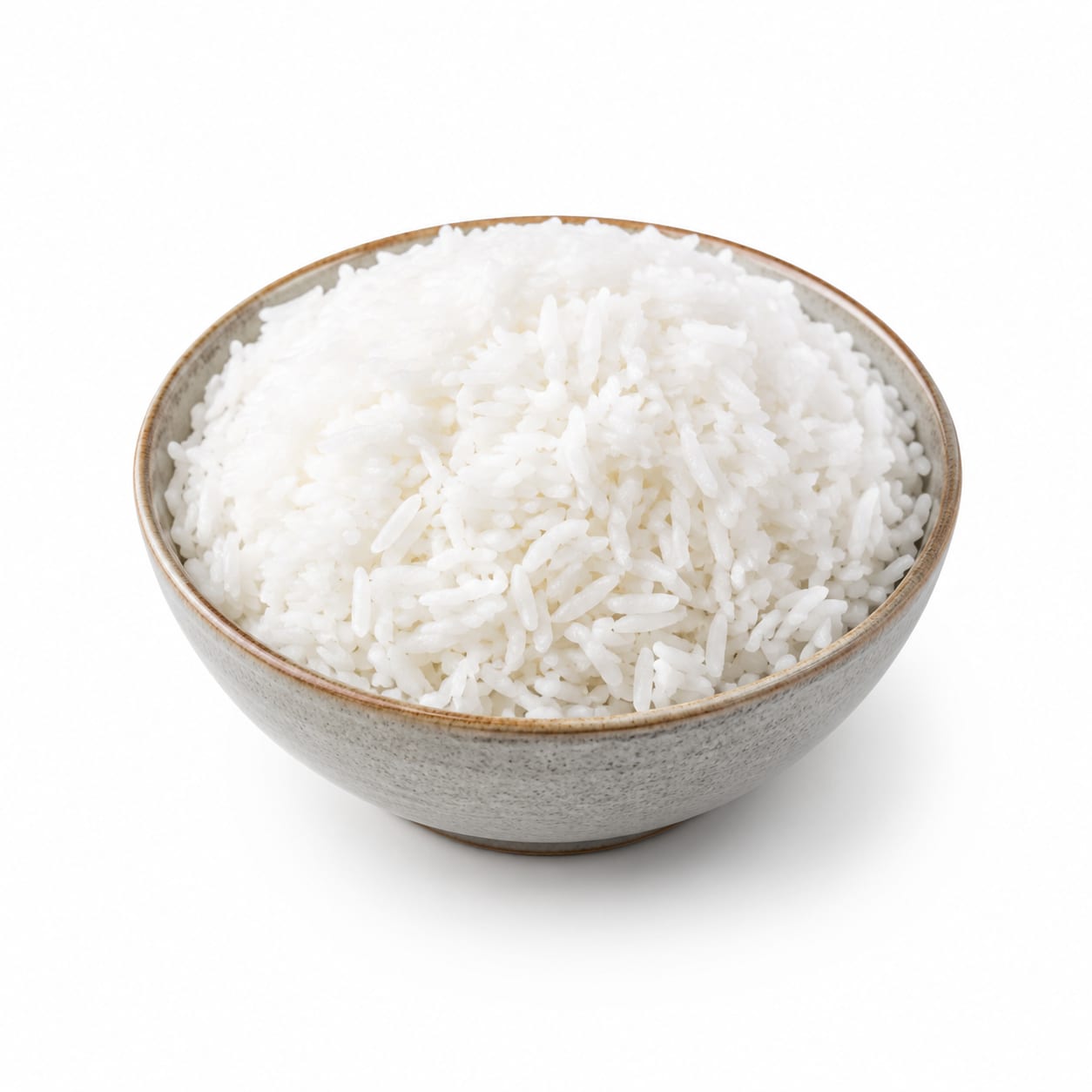
Jasmine Rice
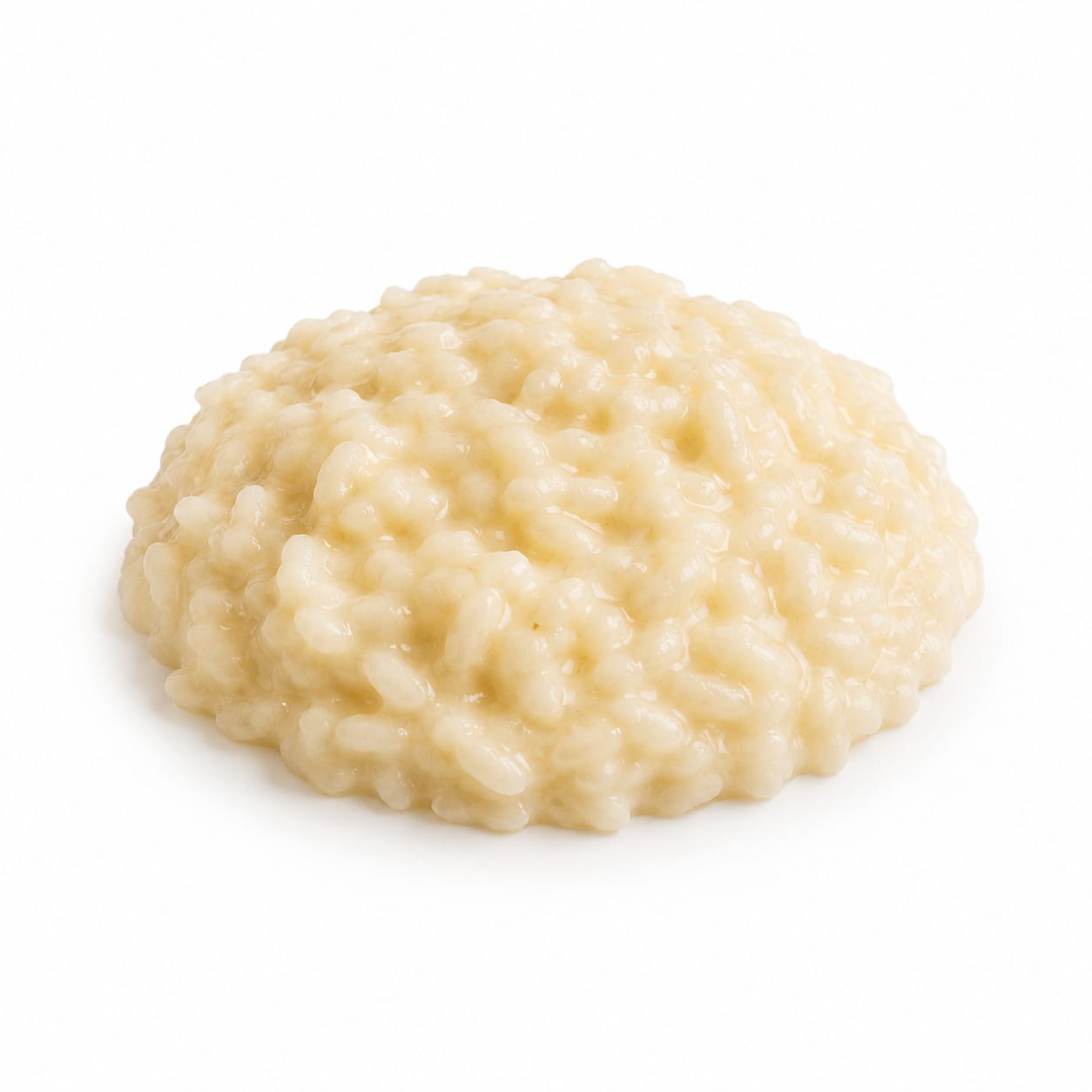
Arborio Rice
Jasmine Rice and Arborio Rice are nutritionally similar refined carbs, but they serve completely different culinary roles — the choice comes down to what you're cooking, not which is healthier.
Scores are nearly identical because both are refined white rice with similar nutritional profiles. Jasmine Rice edges ahead slightly for daily practicality and versatility, while Arborio Rice offers marginally better satiety. Neither scores well overall because both are low in fiber, protein, and micronutrients compared to whole grain alternatives.
Jasmine Rice offers lighter, fluffier texture and faster cooking for everyday meals, while Arborio Rice delivers creamier, more filling dishes but requires more time and attention.
At a glance
Executive summary
Overall
It depends
Healthier
It depends
More practical
Jasmine Rice
Daily use
Jasmine Rice
Key comparison lenses
blood sugar and glycemic impact
Both are refined white rice varieties with high glycemic impact, making blood sugar the primary health concern for most users
culinary role and meal pairing
These rices serve fundamentally different cooking purposes — stir-fries and curries versus creamy risottos — which drives real-world choice more than nutrition
satiety and portion control
Arborio's starch content creates creaminess that may affect fullness differently than Jasmine's fluffier texture
arsenic and contamination exposure
Both are rice varieties, so arsenic exposure is a relevant safety consideration that differs by origin and grain type
digestive tolerance
Starch composition differences affect how each rice feels in the stomach, especially for sensitive digestions
Best choice for
Jasmine Rice
- Quick weeknight dinners with stir-fries or curries
- People who want a light, fluffy side dish
- Meal preppers who need fast-cooking grains
- Those who prefer milder flavor that lets other ingredients shine
Arborio Rice
- Comforting, creamy dishes like risotto or rice pudding
- People who want a more filling, satisfying carb base
- Home cooks willing to invest time for richer texture
- Anyone seeking a dish that feels like a full meal rather than a side
Least suitable for
Jasmine Rice
- People managing diabetes who need lower glycemic carbs
- Those seeking maximum fullness from smaller portions
- Creamy, indulgent comfort food recipes
Arborio Rice
- Quick weeknight cooking when time is limited
- Light, refreshing meals in hot weather
- Anyone watching calorie density who wants a fluffier, less concentrated carb
Deep comparison
Dimension by dimension
Each lens scores both foods and breaks down who each option suits.
- Dimension 1 · Priority 92Arborio Rice
blood sugar stability
Jasmine Rice · 25Arborio Rice · 32Both spike blood sugar significantly, but Arborio Rice has a slightly lower glycemic index due to its higher amylopectin starch structure, which digests a bit more slowly.
Tradeoff
The difference is modest — neither is a good choice for steady blood sugar. Arborio is slightly less spiky, but both require pairing with protein, fat, and fiber to blunt the glycemic response.
Why it matters
If you're prediabetic, insulin resistant, or experience energy crashes after carb-heavy meals, both varieties will challenge your blood sugar control without thoughtful meal pairing.
Real-world impact
Eating Jasmine Rice on its own may leave you hungry again within 90 minutes. Arborio's creaminess might buy you an extra 20-30 minutes of fullness, but the crash still comes for both.
Jasmine Rice
- Post-workout meals where faster glycogen replenishment is actually desired
Better for
- Anyone monitoring blood sugar closely
- Meals without protein or fat to buffer the spike
Worse for
Arborio Rice
- Sedentary meals where slower glucose release is preferable
- Pairing with rich sauces that already add fat and protein to slow digestion
Better for
- Large portions of risotto where calorie density amplifies the glycemic load
Worse for
- Dimension 2 · Priority 80Arborio Rice
satiety and fullness
Jasmine Rice · 35Arborio Rice · 45Arborio Rice feels more filling per bite thanks to its creamy, dense texture and higher starch gelatinization during cooking. Jasmine Rice is fluffier and less satisfying portion-for-portion.
Tradeoff
Arborio's satiety advantage comes with higher calorie density per serving since the creamy texture encourages richer preparations with butter, cheese, and oil.
Why it matters
If you struggle with overeating or need meals that hold you over, Arborio-based dishes may keep you fuller longer — but only if you control the added fats that typically accompany risotto.
Real-world impact
A bowl of Jasmine Rice with a stir-fry might leave you snacking in two hours. A properly made risotto portion can feel like a complete, satisfying meal that holds you for three to four hours.
Jasmine Rice
- Hot climates or occasions where you want a light meal
- Smaller appetites that find creamy dishes too heavy
Better for
- Anyone prone to late-night snacking after dinner
- People who need one meal to sustain them through a long afternoon
Worse for
Arborio Rice
- Active people who need sustained energy from a single meal
- Evening meals where you want to stay full until morning
Better for
- Those who find heavy, creamy meals cause sluggishness
- Anyone tracking calories carefully since risotto additions add up fast
Worse for
- Dimension 3 · Priority 88Jasmine Rice
culinary versatility
Jasmine Rice · 78Arborio Rice · 42Jasmine Rice pairs effortlessly with dozens of cuisines and cooking styles. Arborio Rice is a specialist — it makes exceptional risotto and rice pudding but struggles outside those roles.
Tradeoff
Jasmine Rice is the everyday workhorse that works with almost anything. Arborio Rice is the artisan choice that does one thing spectacularly but feels wrong for most other applications.
Why it matters
If you keep only one rice in your pantry, versatility matters. Jasmine Rice covers stir-fries, curries, grilled proteins, and bowls. Arborio Rice sitting in your pantry waits for risotto night.
Real-world impact
Jasmine Rice can be a three-times-a-week staple without feeling repetitive. Arborio Rice more than once a week starts to feel heavy and monotonous unless you're a dedicated risotto enthusiast.
Jasmine Rice
- Weeknight cooking with rotating cuisines
- Meal prep where one grain pairs with multiple dishes
- Families needing one rice that works for everyone
Better for
- Recipes specifically requiring creamy, starchy rice texture
- Italian cuisine authenticity
Worse for
Arborio Rice
- Dinner parties where risotto is the star
- Cold-weather comfort cooking
- Dessert applications like rice pudding
Better for
- Asian stir-fries where fluffiness is expected
- Quick side dishes — Arborio demands attention and stirring
- Light summer meals
Worse for
- Dimension 4 · Priority 72Jasmine Rice
cooking convenience
Jasmine Rice · 82Arborio Rice · 35Jasmine Rice cooks in 15-20 minutes with minimal attention. Arborio Rice requires 25-35 minutes of gradual broth addition and constant stirring to develop its signature creaminess.
Tradeoff
Jasmine Rice is set-and-forget. Arborio Rice demands your presence at the stove, which can be meditative or annoying depending on your mood and schedule.
Why it matters
On a Tuesday night after work, the 15-minute hands-off cooking of Jasmine Rice wins easily. Arborio Rice is a weekend project or a meal you plan around.
Real-world impact
You can cook Jasmine Rice while helping kids with homework. Arborio Rice means you're standing at the stove, stirring, for the better part of half an hour.
Jasmine Rice
- Busy weeknights with limited cooking time
- Beginner cooks who want reliable, easy results
- Bulk meal prep sessions
Better for
- Occasions where the cooking ritual itself is the point
Worse for
Arborio Rice
- Leisurely weekend cooking when process is part of the enjoyment
- Cooking as a social activity with a partner or friends
Better for
- Any night where you have less than 40 minutes for dinner
- Multi-dish meals where you can't babysit one component
Worse for
- Dimension 5 · Priority 75Jasmine Rice
arsenic and contamination risk
Jasmine Rice · 48Arborio Rice · 40Both rices carry arsenic risk inherent to all rice, but Jasmine Rice from Thailand typically shows lower inorganic arsenic levels than Italian-grown Arborio Rice, which is cultivated in regions with historically higher soil arsenic.
Tradeoff
The difference is not dramatic enough to drive choice alone, but it tips the safety scale slightly toward Jasmine Rice for daily consumption. Rinsing and cooking in excess water reduces risk for both.
Why it matters
If rice is a daily staple, cumulative arsenic exposure becomes a real concern, especially for children and pregnant women. Variety in grain choices matters more than switching between these two.
Real-world impact
Eating either rice a few times a week poses minimal risk. Eating either daily for years without variation is where arsenic accumulation becomes worth addressing through rinsing, diverse grains, and moderation.
Jasmine Rice
- Daily rice eaters looking to minimize long-term arsenic exposure
- Families with children who eat rice frequently
Better for
- Unrinsed, daily consumption still carries meaningful arsenic load
Worse for
Arborio Rice
- Occasional risotto diners where arsenic risk is negligible
Better for
- Italian-sourced Arborio may carry higher arsenic than Southeast Asian Jasmine
- Daily risotto consumption would be a significant arsenic exposure concern
Worse for
- Dimension 6 · Priority 60It depends
nutritional density
Jasmine Rice · 22Arborio Rice · 24Neither rice offers meaningful nutrition beyond carbohydrates. Arborio Rice retains marginally more starch and trace minerals due to its shorter grain and less polishing, but the difference is negligible in practice.
Tradeoff
Both are essentially empty carbs. The tiny nutritional edge Arborio has disappears when you consider that risotto preparations often add more butter and cheese than any micronutrients justify.
Why it matters
If you're looking for nutrition from your grains, you're choosing the wrong category entirely. Brown rice, quinoa, or farro would serve you dramatically better than either option here.
Real-world impact
Your body processes both as energy fuel with minimal nutritional return. What you pair them with — vegetables, proteins, healthy fats — determines the nutritional quality of your meal, not the rice itself.
Jasmine Rice
- Slightly fewer calories per cooked cup due to fluffier texture and less starch concentration
Better for
- Virtually no fiber, protein, or micronutrients to speak of
Worse for
Arborio Rice
- Marginally more trace minerals retained from less aggressive milling
Better for
- Typical preparations add significant saturated fat and calories that negate any minor nutritional advantage
Worse for
Timeline
Health impact over time
Short-term
Hours to days
Jasmine Rice
- Quick energy spike followed by potential crash within 1-2 hours
- Light feeling in the stomach — unlikely to cause bloating
- Easy to overeat because fluffy texture doesn't register fullness quickly
Arborio Rice
- More sustained energy release over 2-3 hours due to starch gelatinization
- Heavier, creamier feeling that may cause fullness or mild sluggishness
- Rich preparations with butter and cheese can trigger heartburn in sensitive people
Long-term
Months to years
Jasmine Rice
- Regular consumption without portion control may contribute to insulin resistance over time
- Arsenic exposure from daily intake warrants attention, especially for children
- Easy to rely on as a dietary staple at the expense of more nutritious whole grains
Arborio Rice
- Less frequent consumption pattern typically means lower cumulative arsenic risk
- Risotto's typical additions of butter, cheese, and wine create a calorie-dense habit if eaten often
- Same insulin resistance concerns as Jasmine Rice if consumed regularly without adequate fiber and protein pairing
Risk profile
Safety & processing
Both Jasmine Rice and Arborio Rice are polished white rice with bran and germ removed. Neither contains artificial additives, but both have undergone significant processing that strips away fiber, vitamins, and minerals. They are equally natural in the sense of containing no added chemicals, yet equally processed in the sense of being far from their whole grain form.
Jasmine Rice
Inorganic arsenic exposure
mediumThai Jasmine Rice generally tests lower in arsenic than US-grown rice, but still contains measurable levels. Rinsing before cooking and using excess water reduces exposure by 30-50%.
Bacillus cereus from improper storage
lowLeftover rice left at room temperature can harbor this toxin-producing bacteria. Refrigerate cooked rice within 2 hours and reheat thoroughly.
Arborio Rice
Inorganic arsenic exposure
mediumItalian-grown Arborio Rice may carry higher arsenic levels than Southeast Asian Jasmine Rice due to regional soil conditions and European agricultural practices. Same rinsing and cooking mitigation applies.
Bacillus cereus from improper storage
lowSame risk as all cooked rice. Risotto leftovers should be refrigerated promptly and consumed within 24 hours for best safety.
Who wins for whom
Audience fit
Same foods, different winners depending on your goal.
children
Jasmine RiceJasmine Rice has lower arsenic risk, which matters more for children's developing systems. Its milder flavor and fluffier texture are also more kid-friendly than dense, creamy Arborio preparations.
daily consumption
Jasmine RiceJasmine Rice's lighter texture, faster cooking, lower arsenic profile, and culinary versatility make it more sustainable as a daily staple. Arborio Rice is better reserved for occasional meals due to heaviness and richer typical preparations.
diabetes
It dependsNeither is good for diabetes management. Arborio Rice has a marginally lower glycemic index, but the difference is too small to matter clinically. Both require careful portioning and pairing with protein, fat, and fiber.
elderly
Arborio RiceArborio Rice's soft, creamy texture is easier to chew and swallow for those with dental issues or swallowing difficulties. Risotto's comforting warmth and smooth consistency suit smaller, gentler appetites.
muscle gain
Jasmine RicePost-workout, Jasmine Rice's faster digestion and higher glycemic impact actually helps shuttle glucose into muscles for glycogen replenishment. Arborio works too, but the slower release is less ideal for immediate recovery.
weight loss
Jasmine RiceJasmine Rice's fluffier texture means more volume per calorie, making it easier to feel like you're eating a full portion while consuming slightly fewer calories than dense, creamy Arborio dishes.
Your move
Decision guide
Choose Jasmine Rice
- You cook Asian-inspired meals regularly — curries, stir-fries, grilled proteins
- Weeknight speed and convenience matter more than culinary artistry
- You want a lighter carb that doesn't dominate the plate
- You eat rice multiple times per week and need a reliable everyday option
- Arsenic exposure is a concern, especially for children in the household
Choose Arborio Rice
- You love making risotto and accept the time commitment it requires
- Comfort food and creamy textures are what you crave on cold evenings
- You want a carb that feels like a complete, indulgent meal rather than a side
- You cook less frequently and want rice for special-occasion dishes
- You're making rice pudding or other desserts where starch creaminess is essential
Either works if
- You're pairing rice with a protein and vegetable dish where the rice plays a supporting role
- Nutritional differences are your primary concern — there essentially are none
- You're willing to rinse and cook in excess water to reduce arsenic regardless of variety
Avoid both if
- You have diabetes or insulin resistance and need low-glycemic carb sources
- You're seeking nutrient-dense grains — switch to brown rice, quinoa, or farro
- Arsenic exposure is a critical concern and you eat rice daily — diversify your grains entirely
- You're following a low-carb or ketogenic eating approach
Final recommendation
Keep Jasmine Rice as your everyday pantry staple for its versatility, speed, and lighter eating experience. Buy Arborio Rice specifically when risotto or rice pudding is on the menu. Neither will nourish you the way whole grains can, so treat both as occasional indulgences rather than dietary foundations — and always pair them with protein, vegetables, and healthy fats to blunt the blood sugar impact.
Practical
Consumer tips
- 1
Rinse both rice varieties thoroughly before cooking — this reduces surface arsenic by up to 30% and improves texture
- 2
Cook Jasmine Rice in a 1:1.5 rice-to-water ratio for perfect fluffiness; Arborio needs gradual broth addition, not a fixed ratio
- 3
Refrigerate leftover rice within 2 hours to prevent Bacillus cereus growth — food poisoning from leftover rice is more common than most people think
- 4
If you eat rice more than three times per week, consider alternating with quinoa, millet, or cauliflower rice to reduce arsenic accumulation
- 5
Pair either rice with vinegar-based dressings, lemon juice, or fermented sides like kimchi — acidity slows starch digestion and reduces glycemic impact
- 6
For Arborio Rice, use homemade stock instead of water — the flavor difference is enormous and reduces the need for added butter or cheese
- 7
Brown Jasmine Rice and brown Arborio Rice exist and offer significantly more fiber and nutrients if you're willing to accept chewier texture and longer cooking times