
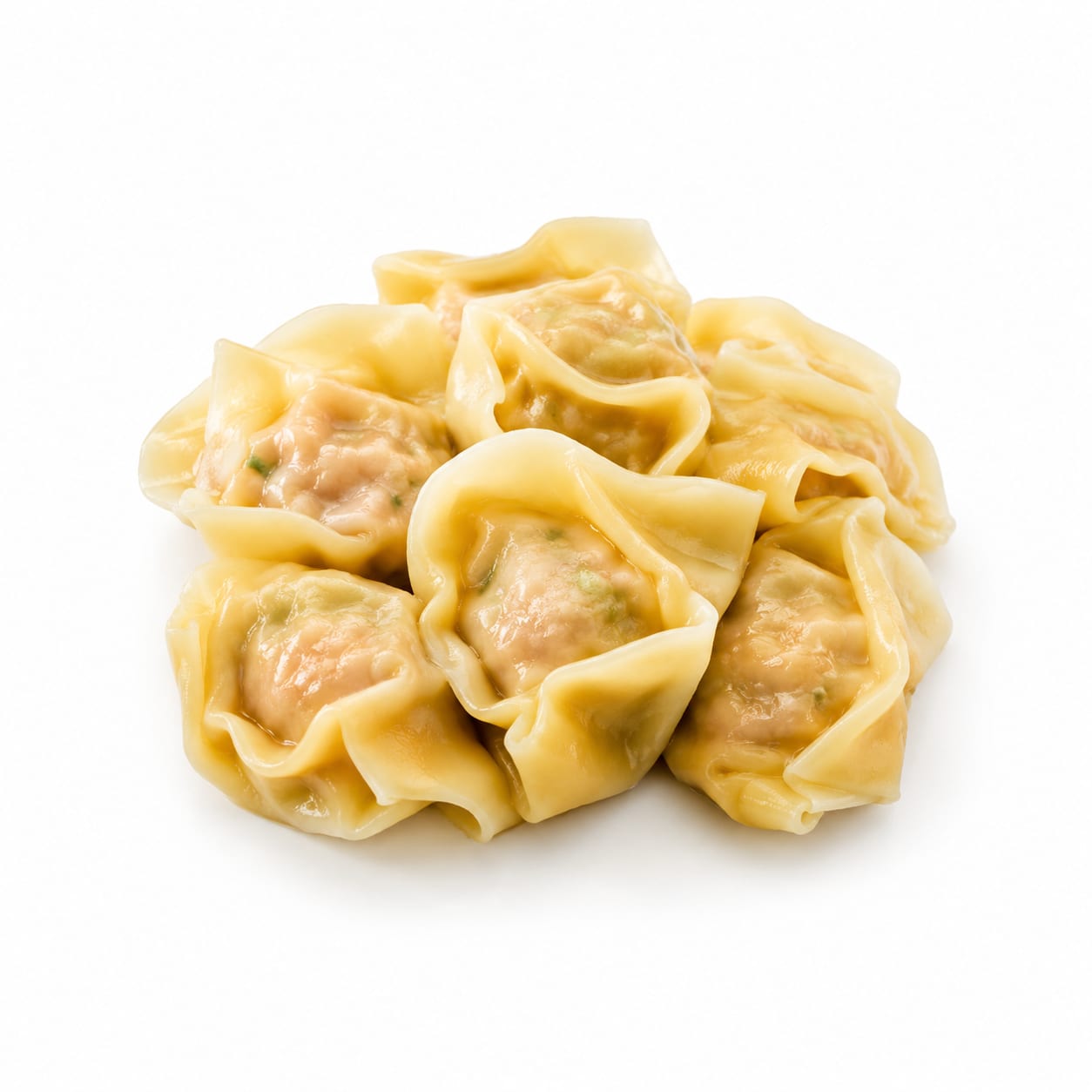
Dumpling
Wonton
A Chinese dumpling made of a thin wheat dough wrapper filled with seasoned meat or seafood.
A traditional Chinese dumpling consisting of a thin wheat flour wrapper filled with seasoned ground meat or seafood, typically boiled, steamed, or deep-fried, and often served in soup.
moderate-calorie refined carbohydrate and protein combination
Typical serving · 120g
Common varieties · pork wonton, shrimp wonton, fried wonton, wonton soup, vegetarian wonton
Overall context score across nutrition, safety, and diet fit
The story
What makes it unique
Wontons provide a mix of refined carbohydrates from the wheat wrapper and protein and fat from the pork or shrimp filling. Digestion speed is moderate due to the protein and fat content slowing gastric emptying, but the refined wheat wrapper can cause a relatively rapid blood sugar rise. Satiety is moderate but lower than whole-grain alternatives due to low fiber content.
Varieties: pork wonton · shrimp wonton · fried wonton · wonton soup · vegetarian wonton
Per 100g
Nutrition breakdown
Macro balance and key metrics at a glance.
Energy
Density 1.75 kcal/g
Protein
Carbs
Fat
Fiber
Sugar
0.5 g
Sodium
500 mg
Potassium
110 mg
Glycemic index
55
Glycemic load
12
Water content
60%
Standout compounds
Nutrient highlights
Sodium
highElectrolyte balance, but excessive intake raises blood pressure
Protein
moderateMuscle repair and satiety
Carbohydrates
moderateQuick energy source
Selenium
moderateAntioxidant protection and thyroid function
Wellness map
Health scores & processing
NOVA processing scale
moderate · Whole food
Typically made with refined wheat flour and processed meat fillings containing added sodium and flavor enhancers, though homemade versions can be less processed.
Diet compatibility
- Weight loss
- Muscle gain
- Diabetes
- Gut health
- Low carb
- High protein
- Heart health
Relative standing
Food rankings
Qualitative ranks compared to similar whole foods.
- Satietymoderate
- Blood sugarpoor
- Nutrient densitymoderate
- Fitness fuelgood
- Processing qualitypoor
Eat with confidence
Food safety profile
Raw pork and shrimp fillings require strict hygiene and thorough cooking to prevent foodborne illness. Commercial and restaurant versions are often very high in sodium.
Evidence confidence 85%
- Pesticideslow
- Antibioticsmoderate
- Heavy metalslow
- Contaminationmoderate
Watch for
- Salmonella
- Trichinella
- Vibrio
Safer choices
Making wontons at home with lean meats and low-sodium seasonings, or choosing steamed over fried.
Prep tips
Cook to an internal temperature of 74°C (165°F). Avoid cross-contamination with raw filling.
Sodium content in restaurant and frozen varieties often exceeds daily recommended limits.
Deep dive
Health analysis
How this food may fit different goals and preparation choices.
Weight loss
Moderate calorie density and low fiber make wontons easy to overeat; fried versions are highly energy-dense and unsuitable for weight loss.
Blood sugar
Refined wheat wrappers digest quickly, causing moderate blood sugar spikes, especially when eaten without high-fiber vegetables.
Fitness & energy
Provides a mix of carbs for energy and protein for muscle repair, making it a decent post-workout option if sodium is managed.
Gut health
Low fiber content offers minimal prebiotic benefits, and high sodium can disrupt gut microbiome balance.
Processing quality
Commercially prepared wontons often contain refined flours, MSG, and high-sodium preservatives.
Food safety
Raw meat fillings require careful handling and thorough cooking to mitigate bacterial contamination risks.
Common mistakes
Assuming wonton soup is a low-calorie choice; the broth and wontons together can pack over 1000mg of sodium per bowl.
Best preparation
Steaming or boiling retains lower fat content compared to deep-frying.
Practical guide
Best use cases
When and how this food fits real eating patterns.
Post-workout carb and protein replenishment
The mix of refined carbs and protein helps restore glycogen and repair muscles after exercise.
Cold weather comfort meal
Wonton soup provides warmth and hydration along with filling macronutrients.
Cultural cuisine experience
A staple in Chinese cuisine, best enjoyed as part of a balanced meal with vegetable sides.
Balance sheet
Pros & cons
Upsides
- Provides a balanced mix of carbohydrates and protein
- Versatile preparation methods including boiling and steaming
- Contains micronutrients like selenium and B vitamins from meat fillings
- Steamed or boiled versions are relatively low in fat
Trade-offs
- Very high in sodium from fillings and dipping sauces
- Made with refined wheat flour which spikes blood sugar
- Low in dietary fiber leading to poor satiety
- Fried versions are high in unhealthy fats and calories
- Restaurant versions often contain MSG and preservatives
Fit check
Who is it for?
Great match
- post-workout glycogen replenishment
- quick energy needs
- cultural food enjoyment
Consider alternatives
- strict low-carb or ketogenic diets
- sodium-restricted diets
- blood sugar management
- high-volume low-calorie eating
Side by side
How it compares
Open the full head-to-head analysis for nutrition, safety, and practical tradeoffs.
This food
Wonton
VS90% alike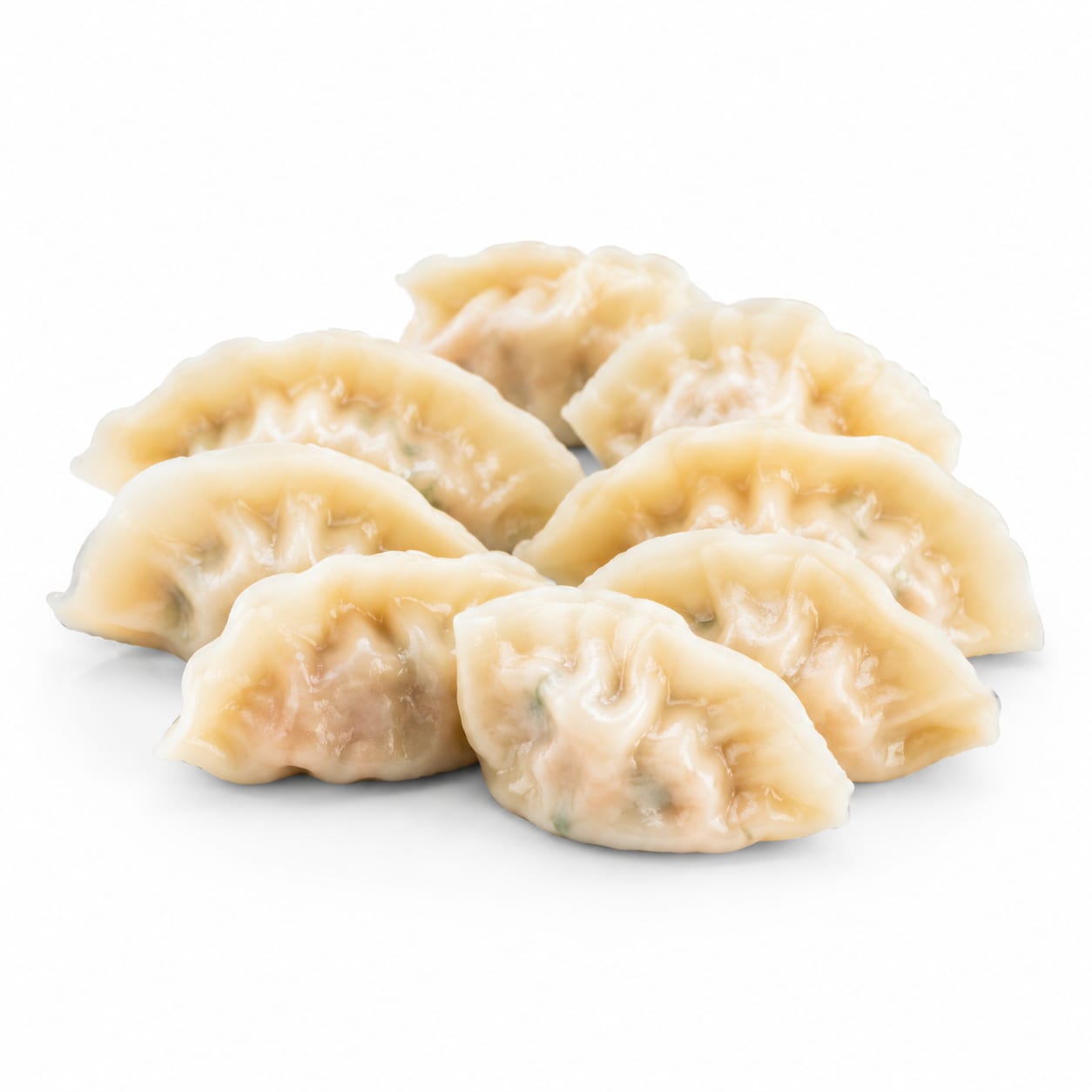
Compare with
Dumpling
Wontons have thinner wrappers and are frequently boiled in broth, while dumplings have thicker wrappers and are often pan-fried.
Wontons are lower in calories and carbs than dumplings due to their thinner wrappers, making them better for weight loss and blood sugar control.
This food
Wonton
VS85% alike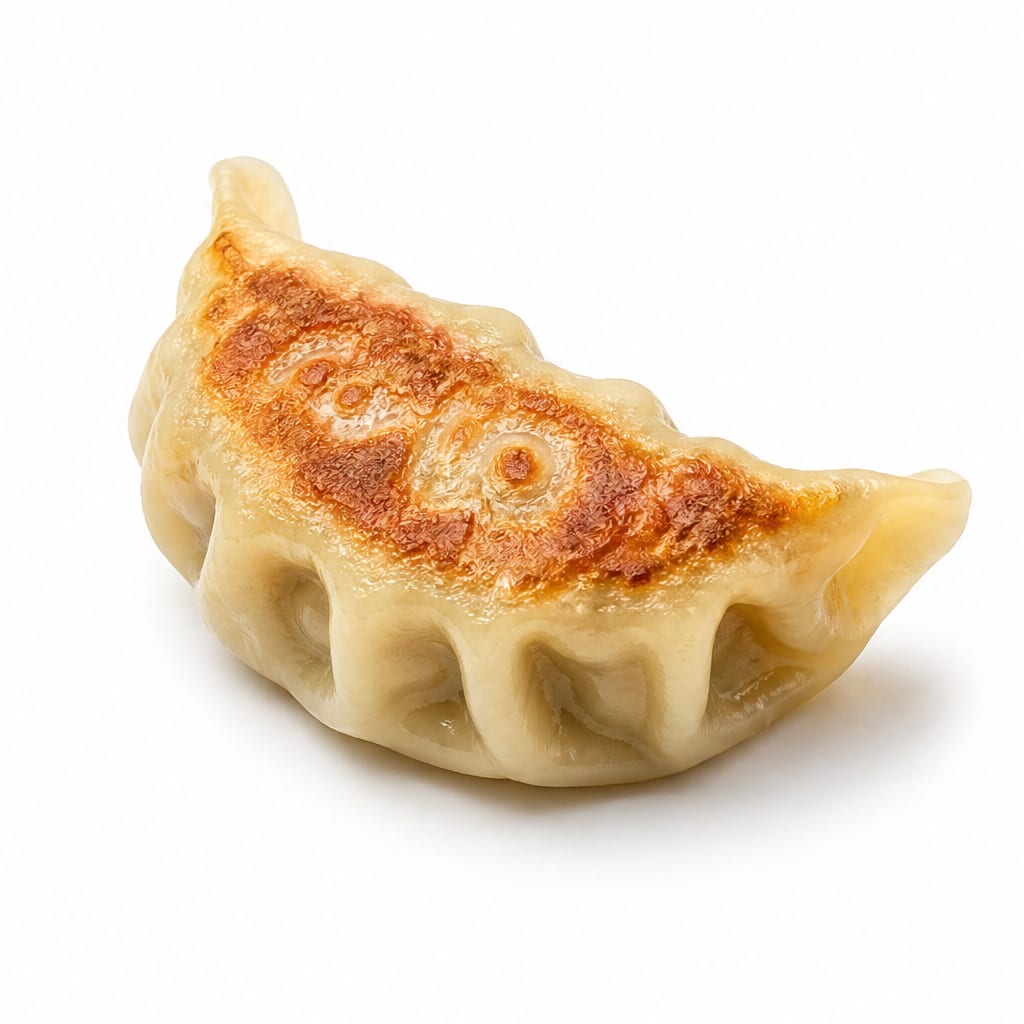
Compare with
Gyoza
Gyoza are pan-fried and have a thicker dough, while wontons are usually boiled or deep-fried with a thinner skin.
Boiled wontons contain less fat and fewer carbs than pan-fried gyoza, making them a leaner choice for weight management.
This food
Wonton
VS80% alike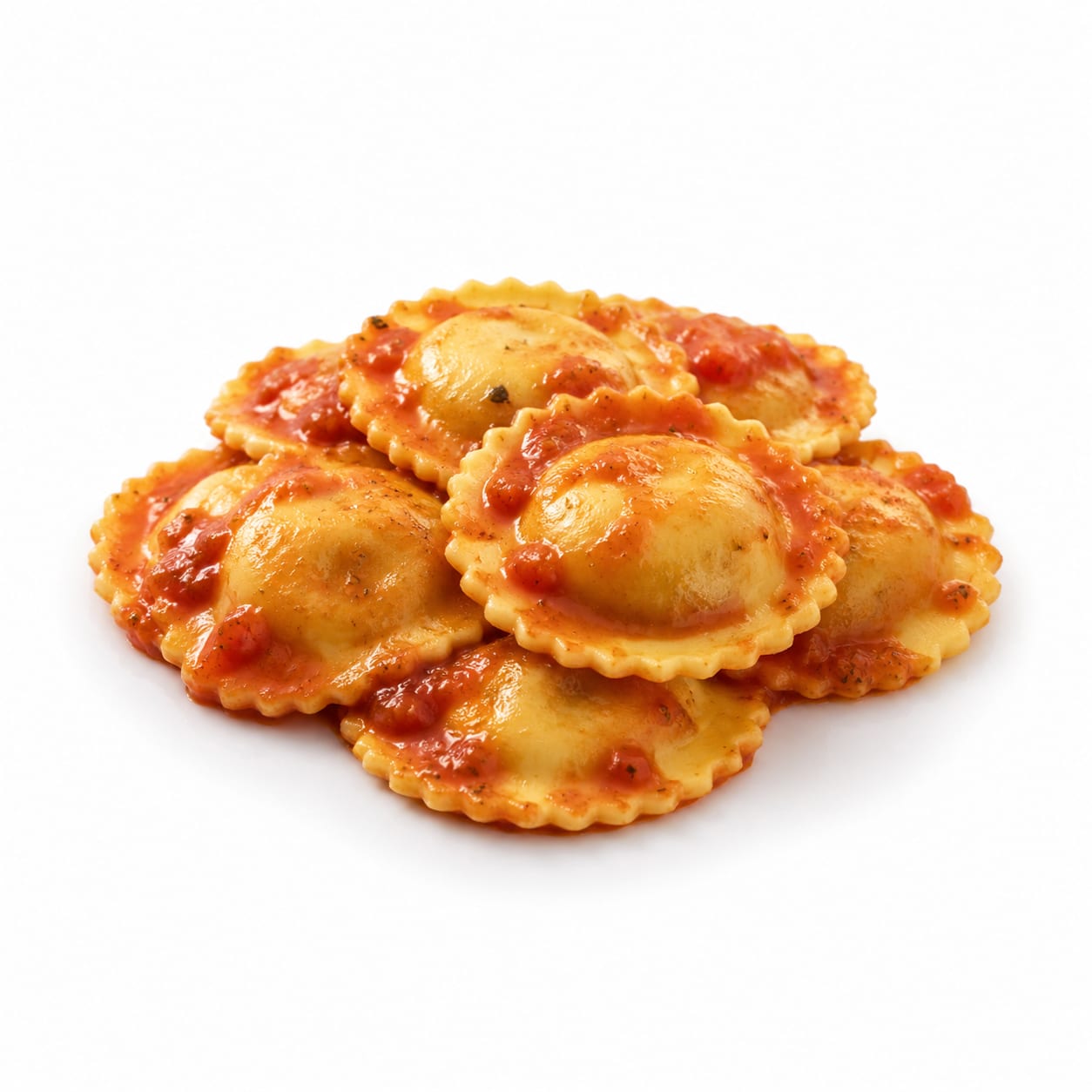
Compare with
Ravioli
Ravioli is typically filled with cheese and served with sauce, while wontons are filled with meat and served in broth.
Wontons provide more protein and fewer calories than cheese-filled ravioli, making them better for blood sugar and weight loss.
This food
Wonton
VS70% alike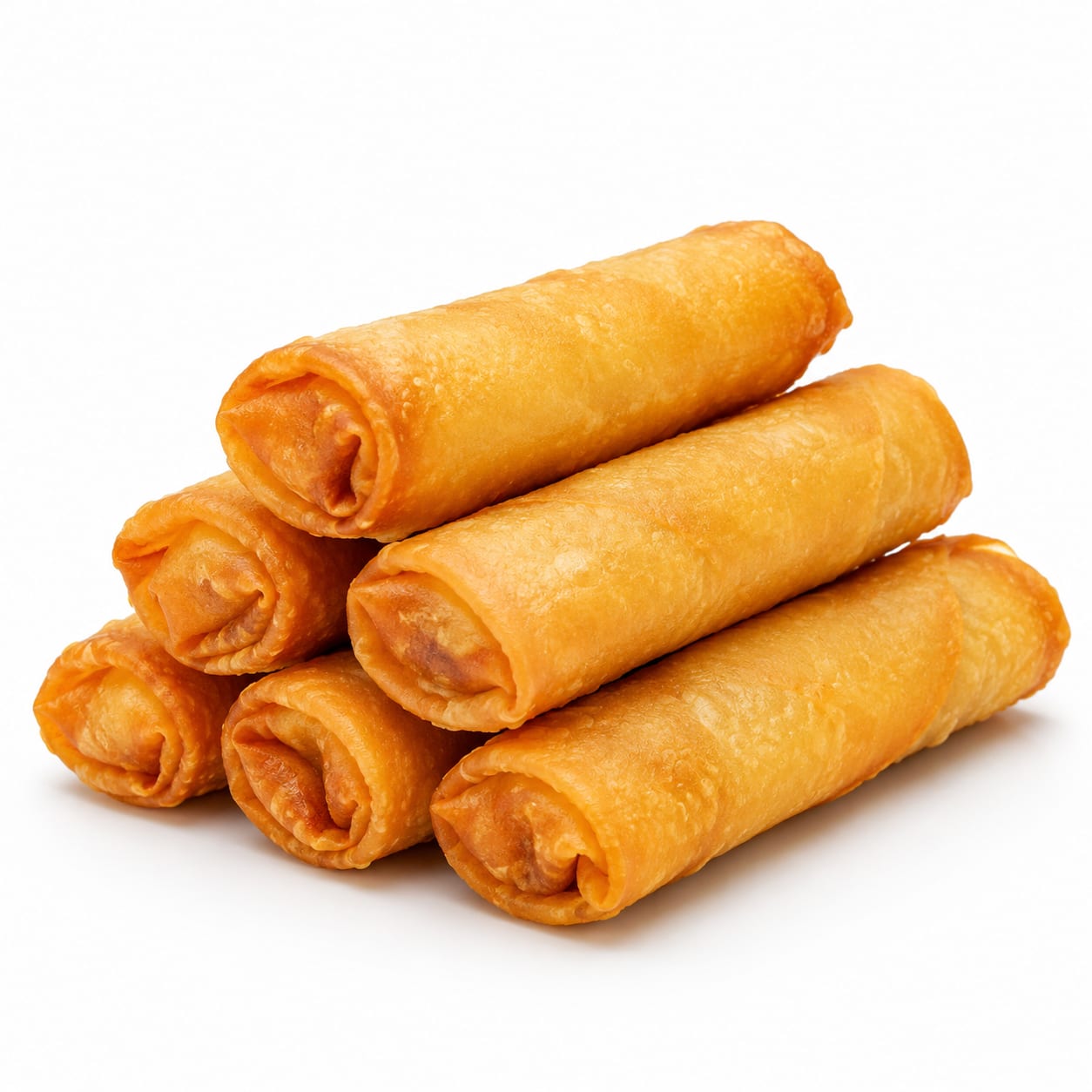
Compare with
Spring Roll
Spring rolls are often larger and deep-fried, while wontons are smaller and can be boiled.
Boiled wontons are significantly lower in fat and calories compared to deep-fried spring rolls.
This food
Wonton
VS88% alike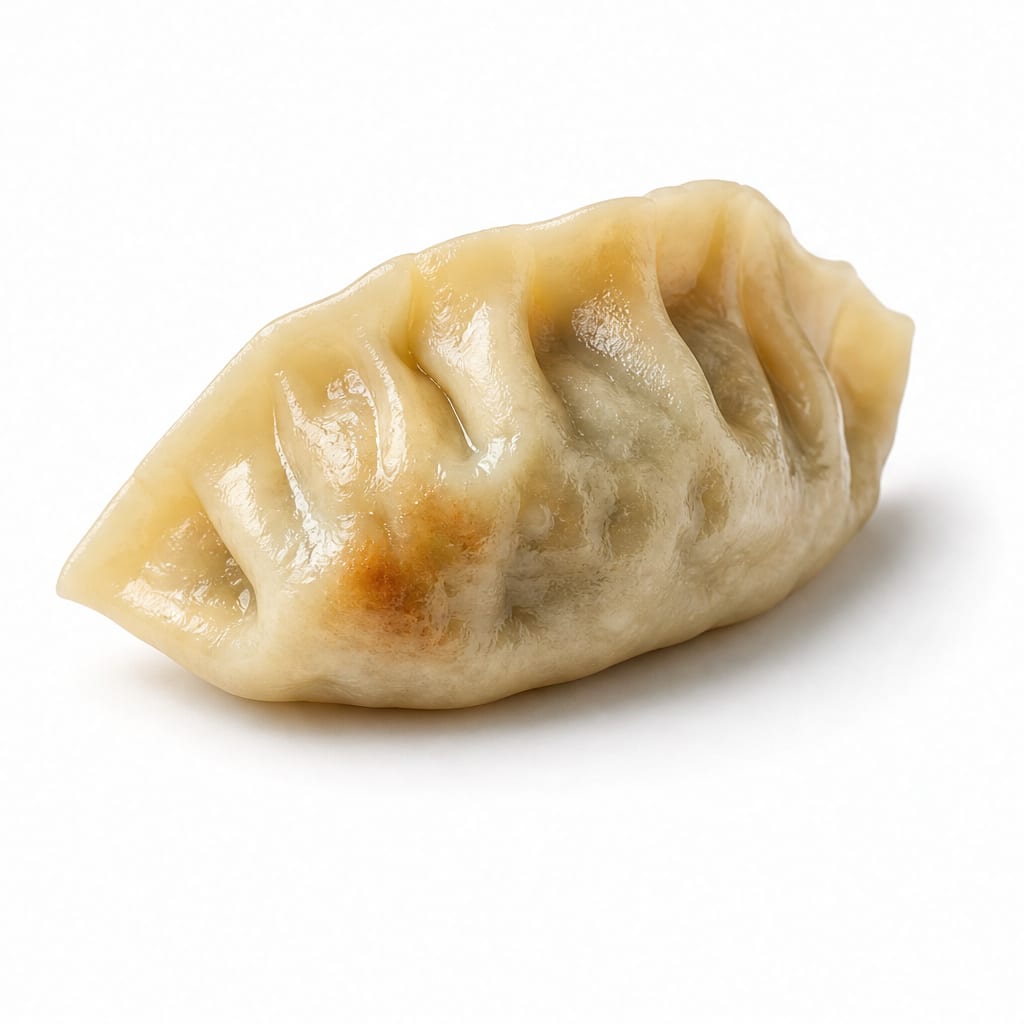
Compare with
Potsticker
Potstickers have a thicker wrapper and are pan-fried, whereas wontons have a thin wrapper and are usually boiled.
Wontons beat potstickers for weight loss and blood sugar control due to less dough and being boiled rather than fried.
This food
Wonton
VS75% alike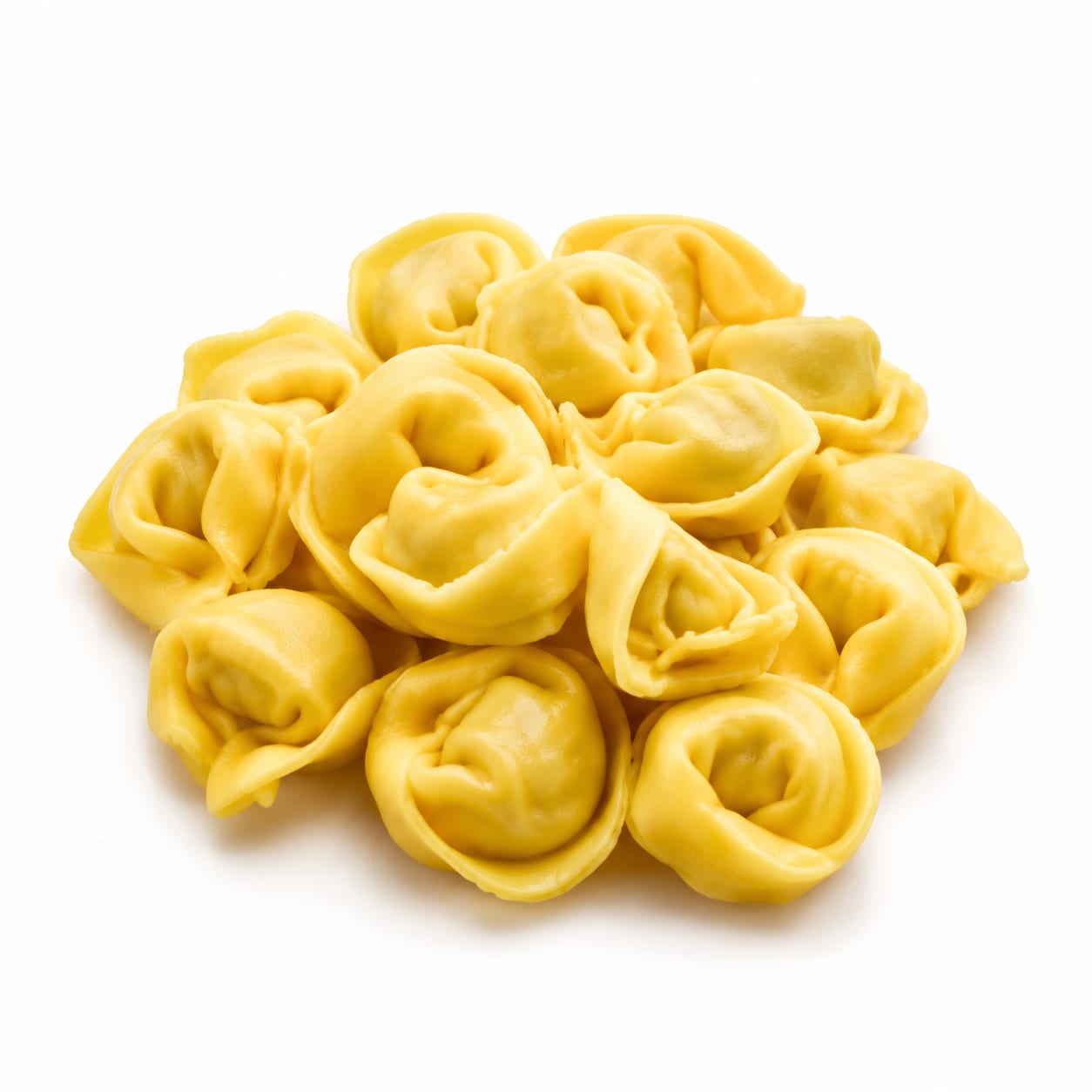
Compare with
Tortellini
Tortellini is larger, cheese-heavy, and served with sauce, while wontons are meat-focused and served in soup.
Wontons offer a leaner protein source with fewer calories than cheese-stuffed tortellini.
This food
Wonton
VS65% alike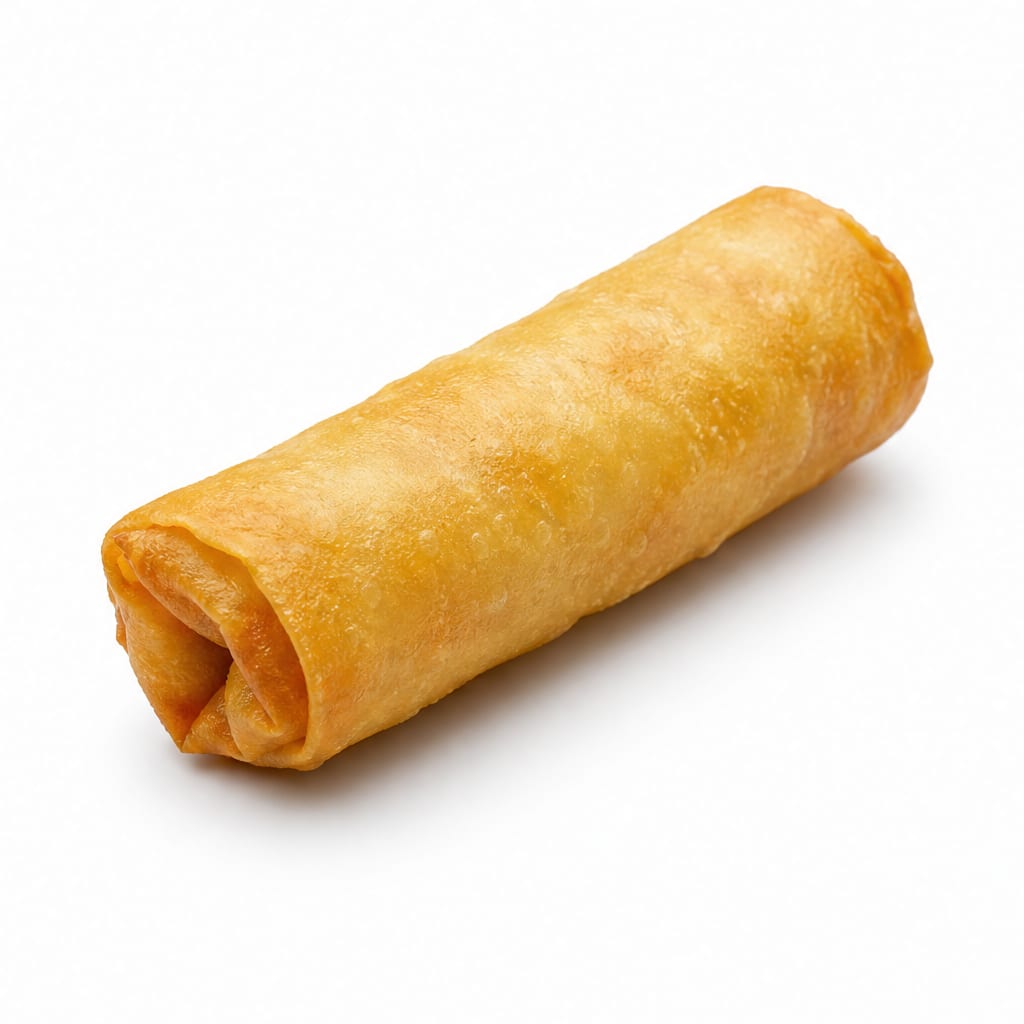
Compare with
Egg Roll
Egg rolls are large, deep-fried, and cabbage-heavy, while wontons are small, thin-skinned, and meat-heavy.
Wontons are far lower in fat and calories than deep-fried egg rolls, making them the healthier appetizer choice.
This food
Wonton
VS82% alike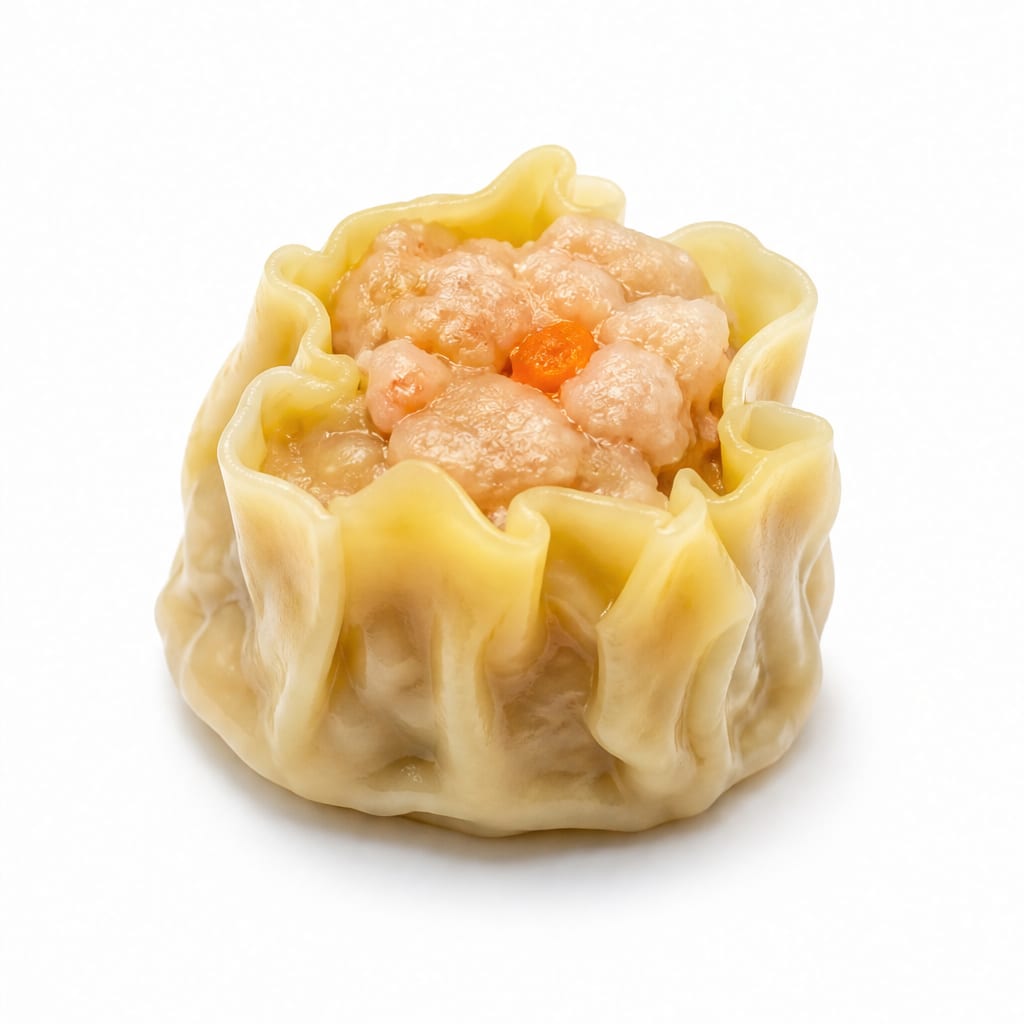
Compare with
Shumai
Shumai leaves the top of the filling exposed, while wontons completely encase the filling in dough.
Shumai has fewer carbs than wontons because it uses less wrapper, making it better for blood sugar control.
This food
Wonton
VS60% alike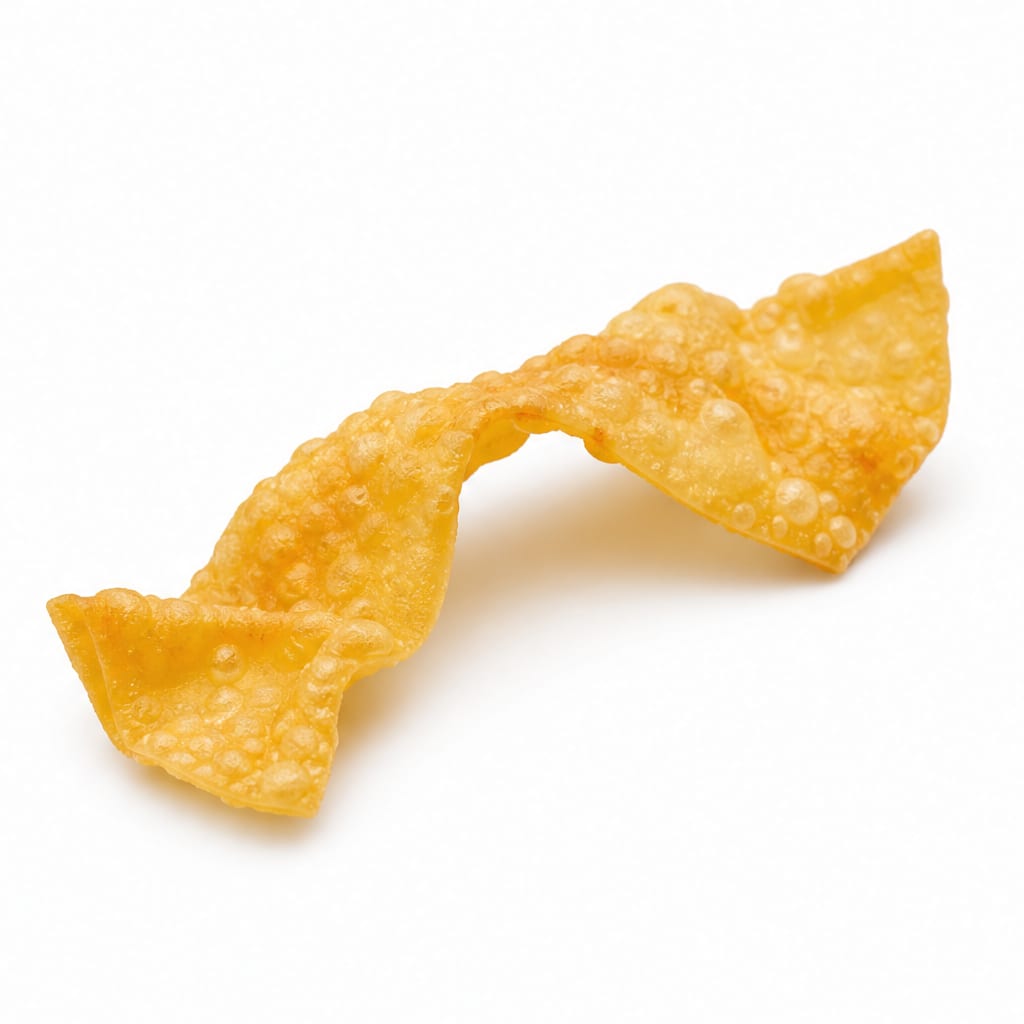
Compare with
Wonton Strip
Wonton strips are purely fried refined carbs, while regular wontons contain protein-rich fillings.
Regular wontons provide protein and satiety, whereas fried wonton strips are empty calories and fat.
This food
Wonton
VS50% alike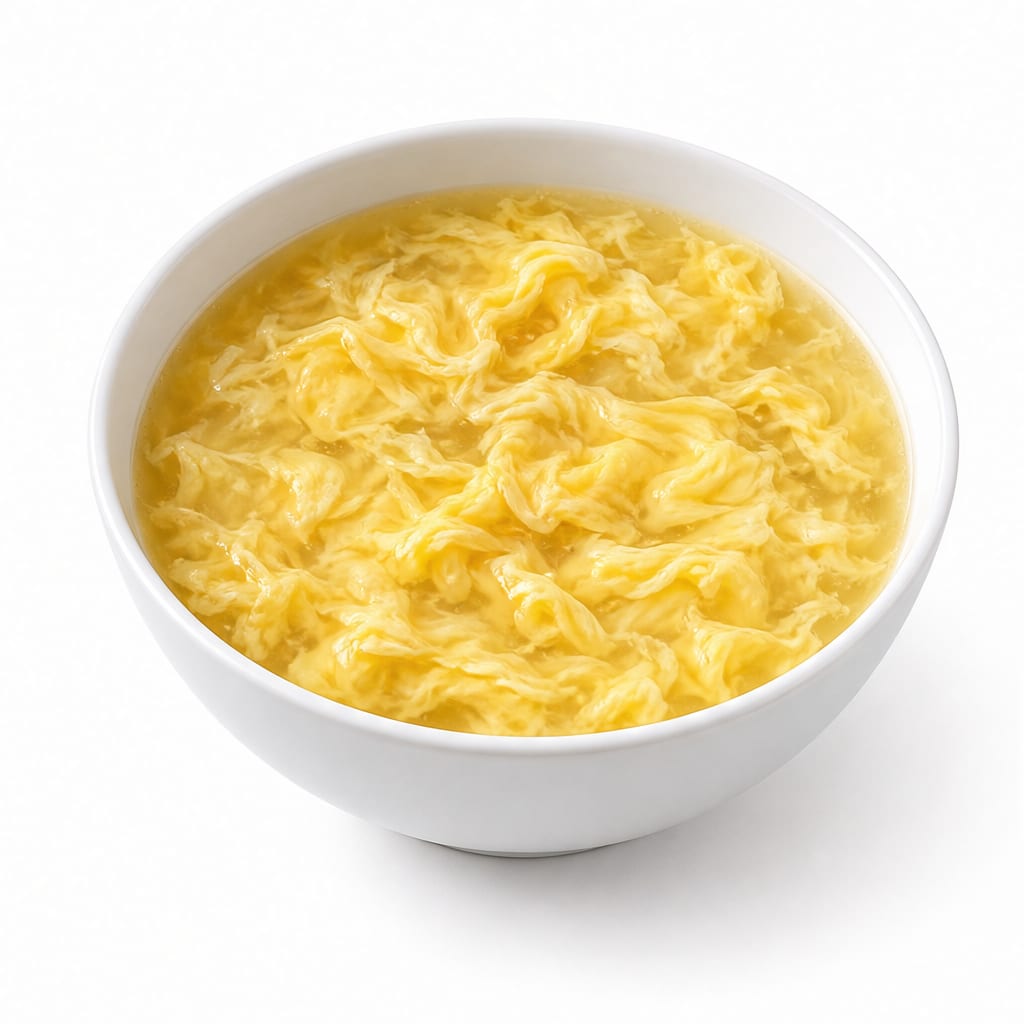
Compare with
Egg Drop Soup
Egg drop soup is a simple broth with egg ribbons, while wonton soup contains meat-filled dumplings.
Egg drop soup is much lower in calories and carbs than wonton soup, making it better for weight loss, but wontons offer more protein and satiety.
Common questions
FAQ
Answers aligned with how people search for this food.
Are wontons healthy?
Wontons provide protein and carbs but are often high in sodium and made with refined flour, making them a moderate choice best enjoyed in moderation.
How many calories are in a wonton?
A single boiled pork wonton contains about 40-50 calories, while a fried wonton can have 60-80 calories due to the added oil.
Are wontons good for weight loss?
Wontons are not ideal for weight loss because they are relatively low in fiber and high in sodium, which can lead to water retention and low satiety.
Are wontons high in carbs?
Yes, the wheat flour wrapper makes wontons a moderate-to-high carbohydrate food, containing about 20g of carbs per 100g.
Is wonton soup healthy?
Wonton soup can be a lighter option than fried wontons, but restaurant versions often contain extremely high levels of sodium in both the broth and the filling.
Can diabetics eat wontons?
Diabetics should eat wontons cautiously as the refined flour wrapper can spike blood sugar; pairing them with protein and vegetables helps slow digestion.
Are wontons keto-friendly?
No, wontons are not keto-friendly due to the wheat flour wrappers which are high in carbohydrates.
What is the difference between a wonton and a dumpling?
Wontons are a specific type of dumpling with a thinner, square wrapper typically made with egg, often served in soup, while dumplings usually have thicker, round wrappers.
Transparency
Data confidence
Estimated confidence for nutrition data, interpretation, safety notes, and comparisons.
Nutrition data
Health analysis
Food safety
Comparisons