
Nutrition comparison
Wonton vs Shumai: Which Chinese Dumpling Is Healthier?
Compare wonton and shumai on calories, sodium, protein, and satiety. Find out which dumpling is better for weight loss, daily eating, and your health goals.
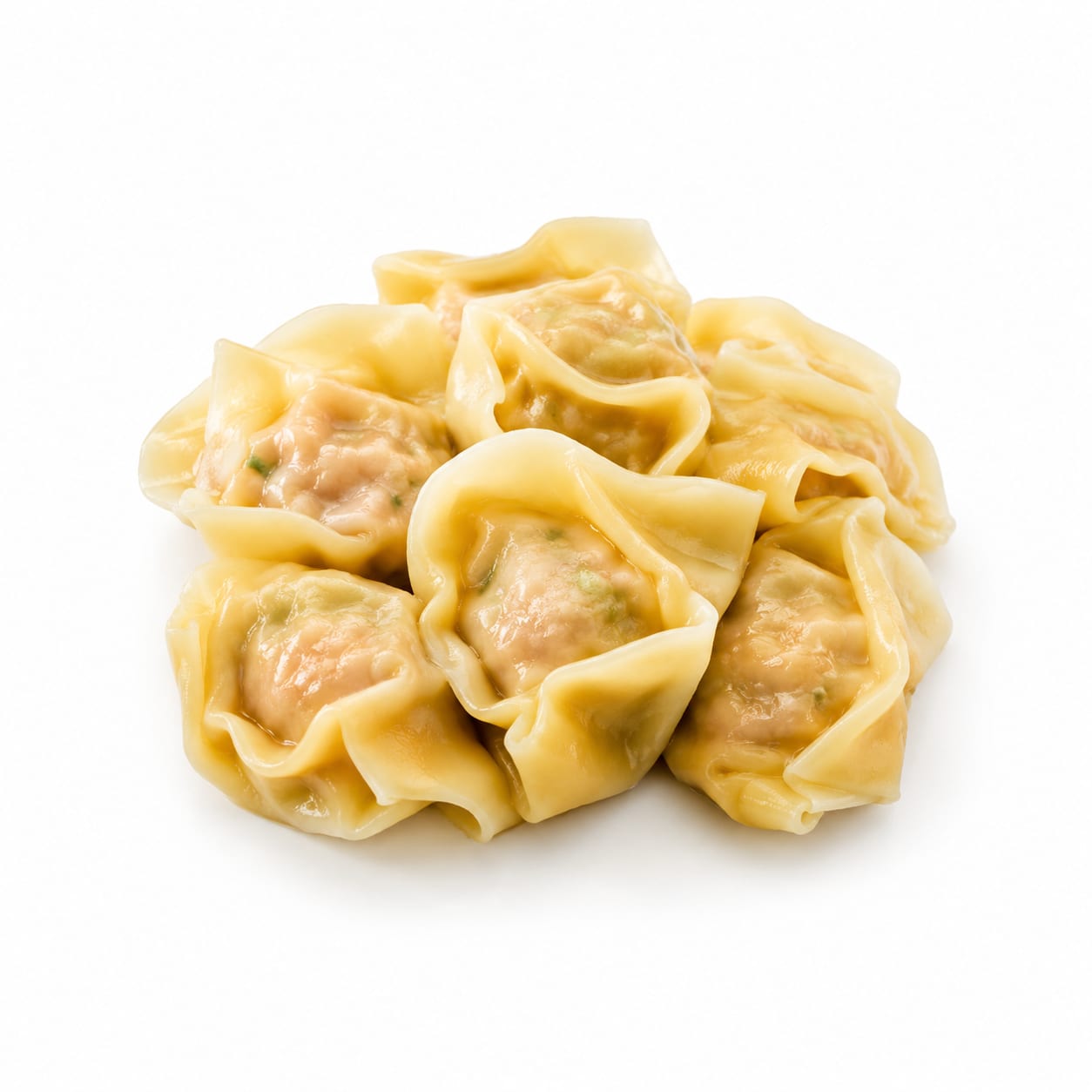
Wonton
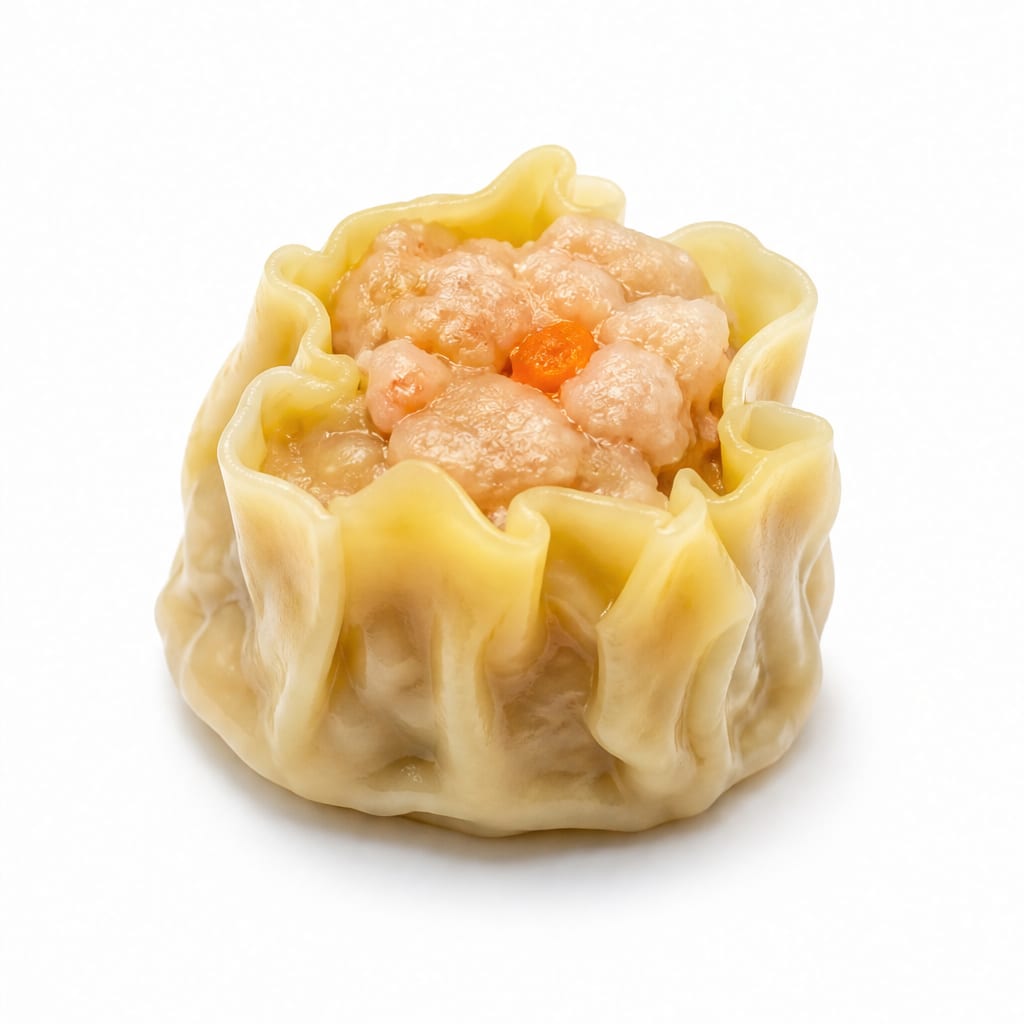
Shumai
Boiled wontons in soup edge out shumai for lighter eating and hydration, but steamed shumai wins if you skip the heavy broth and want more filling per bite.
Scores are close because both foods share similar ingredients and nutritional profiles. Wontons score slightly higher due to the boiled-in-soup option being lighter and more hydrating, but fried wontons would flip the comparison. Context and preparation method matter enormously.
Wonton soup fills you up with broth but loads you with sodium; shumai delivers more concentrated flavor and filling but is easier to overeat as part of a dim sum spread.
At a glance
Executive summary
Overall
It depends
Healthier
It depends
More practical
Shumai
Daily use
Wonton
Key comparison lenses
healthier dim sum or dumpling choice
Both are popular Chinese dumplings often ordered together, and diners frequently choose between them at restaurants
calorie and fat comparison by cooking method
Wontons can be boiled, fried, or served in soup while shumai is always steamed, creating very different calorie outcomes
sodium awareness for frequent consumers
Both are high-sodium items, but wonton soup broth dramatically increases sodium intake compared to shumai's dipping sauce
satiety and meal satisfaction
Wonton soup provides broth-based fullness while shumai offers denser bites, affecting how much you eat
protein quality and filling nutrition
Both use pork and shrimp fillings but the ratio and wrapper coverage differ, changing protein density per bite
Best choice for
Wonton
- People wanting a hydrating, warming meal
- Those counting calories who choose boiled wontons in clear broth
- Anyone needing a light lunch that feels complete
- Home cooks who want a versatile dumpling for soup or frying
Shumai
- Dim sum lovers who want steamed over fried
- People who prefer higher filling-to-wrapper ratio
- Those watching sodium who skip heavy dipping sauces
- Anyone wanting a protein-dense appetizer without broth
Least suitable for
Wonton
- People avoiding wheat or gluten
- Those sensitive to high-sodium broths
- Anyone trying to limit fried foods if ordering crispy wontons
- People who find soup too heavy in warm weather
Shumai
- Those prone to overeating at dim sum
- People avoiding pork or shellfish
- Anyone on a strict low-sodium diet
- People who find steamed dumplings too rich without vegetables
Deep comparison
Dimension by dimension
Each lens scores both foods and breaks down who each option suits.
- Dimension 1 · Priority 95Wonton
Calorie Density and Cooking Method Impact
Wonton · 68Shumai · 60Boiled wontons in clear broth are the lowest-calorie option between both foods. Fried wontons are the highest. Shumai sits in the middle since it is always steamed.
Tradeoff
Wontons give you a healthy range of options but also the unhealthiest one. Shumai is consistently moderate because steaming is the only traditional method.
Why it matters
A bowl of wonton soup runs roughly 250-350 calories. An equivalent portion of shumai hits 300-400 calories. But six fried wontons can exceed 500 calories easily.
Real-world impact
Ordering wonton soup instead of shumai at a restaurant saves you 50-100 calories per serving, and the broth helps you feel full faster.
Wonton
- Calorie-conscious diners who choose boiled wontons
- People who want a complete meal in one bowl
- Anyone trying to eat less by starting with broth
Better for
- Anyone ordering fried wontons or crispy wonton chips
- People who add chili oil to their soup liberally
Worse for
Shumai
- Those who always eat fried wontons and should switch to shumai instead
- People who find broth too filling and waste food
Better for
- Those who eat shumai as one of many dim sum dishes, stacking calories across the table
Worse for
- Dimension 2 · Priority 90Shumai
Sodium Load
Wonton · 42Shumai · 55Wonton soup broth is a sodium bomb, often delivering 800-1500mg per bowl. Shumai with light dipping sauce is lower, around 400-700mg per serving.
Tradeoff
The broth that makes wonton soup satisfying and hydrating also makes it a sodium liability. Shumai lets you control sodium through how much sauce you use.
Why it matters
A single bowl of wonton soup can deliver half your daily sodium limit. Shumai with a quick dip stays more reasonable.
Real-world impact
If you have blood pressure concerns, wonton soup is the stealthier threat because the sodium is hidden in broth you sip casually.
Wonton
- Active people who sweat heavily and need sodium replenishment
- Those who make homemade wonton soup with low-sodium broth
Better for
- People with hypertension eating restaurant wonton soup
- Anyone already consuming high-sodium foods that day
Worse for
Shumai
- Anyone watching blood pressure
- People who want to control sodium by adjusting dipping sauce
- Those eating multiple dim sum items who need to pace sodium across dishes
Better for
- Those who drown shumai in soy sauce, negating the advantage
Worse for
- Dimension 3 · Priority 82Wonton
Satiety and Fullness
Wonton · 75Shumai · 62Wonton soup wins on satiety because the broth fills your stomach before the dumplings even arrive. Shumai is denser per bite but less filling overall.
Tradeoff
Wonton soup's fullness comes partly from liquid volume, which fades faster. Shumai's density keeps you satisfied longer but makes it easy to overeat before feeling full.
Why it matters
Starting a meal with broth slows eating speed and reduces total intake. Shumai's concentrated bites can disappear quickly on a dim sum table.
Real-world impact
A bowl of wonton soup as lunch keeps most people full for 3-4 hours. Four pieces of shumai as a snack leaves you reaching for more within an hour.
Wonton
- People using soup as a meal replacement
- Anyone trying to eat less by starting with liquid volume
- Those who want one dish to feel like a complete meal
Better for
- Anyone who finds the fullness from broth fades quickly and leads to snacking later
Worse for
Shumai
- People who prefer dense, satisfying bites over volume eating
- Those eating shumai as part of a larger balanced dim sum spread
Better for
- People who struggle to stop eating shumai once they start
Worse for
- Dimension 4 · Priority 75Shumai
Protein Quality and Filling Ratio
Wonton · 58Shumai · 70Shumai's open-top design means more visible filling per piece, giving you more pork and shrimp per bite. Wontons wrap filling in more dough, diluting protein density.
Tradeoff
Shumai delivers protein more efficiently per piece, but wontons wrapped tightly hold a more balanced carb-to-protein ratio that some people prefer for steady energy.
Why it matters
Each shumai piece is roughly 60-70% filling by weight. Wontons run closer to 40-50% filling, with more wrapper.
Real-world impact
If you are tracking protein, four shumai give you more usable protein than four wontons of similar size.
Wonton
- People who want a more balanced macronutrient ratio per bite
- Those who prefer the texture of wrapper-dominant dumplings
Better for
- Those seeking maximum protein density from their dumplings
Worse for
Shumai
- Anyone prioritizing protein intake per calorie
- People who want more shrimp and pork flavor in each bite
Better for
- People who find shumai too rich or meat-heavy without enough wrapper to balance it
Worse for
- Dimension 5 · Priority 70Wonton
Versatility and Meal Flexibility
Wonton · 82Shumai · 55Wontons work in soup, fried as appetizers, in chili oil, or in dry noodle dishes. Shumai is almost exclusively a steamed dim sum item.
Tradeoff
Wontons adapt to more meals and moods but that flexibility includes less healthy preparations. Shumai's consistency means fewer bad choices but fewer options overall.
Why it matters
Wontons can be a warming winter soup, a crispy party snack, or a quick lunch. Shumai is really only one thing: a steamed dim sum dumpling.
Real-world impact
Home cooks can use wontons a dozen ways from freezer to table in 10 minutes. Shumai requires steaming setup and is less of a standalone meal.
Wonton
- Home cooks wanting one frozen dumpling for multiple recipes
- People who want soup on cold days and fried snacks on others
- Anyone building a meal around a single versatile ingredient
Better for
- People who always default to the fried preparation and lose the health advantage
Worse for
Shumai
- Those who always eat shumai the same way and value consistency
- People who specifically want a dim sum experience
Better for
- Anyone wanting a dumpling that works as a full meal on its own
Worse for
- Dimension 6 · Priority 65Wonton
Digestive Tolerance
Wonton · 72Shumai · 58Wonton soup is gentler on the stomach because the broth aids digestion and the boiled wrapper is softer. Shumai's denser filling and firmer texture can feel heavier.
Tradeoff
The lightness that makes wonton soup easy on digestion also means less sustained energy. Shumai's density is harder to digest but keeps you fueled longer.
Why it matters
After a heavy meal or when feeling unwell, wonton soup is a common comfort food across Asian cultures for good reason.
Real-world impact
Wonton soup is a go-to recovery meal when your stomach is off. Shumai is not something most people crave when feeling delicate.
Wonton
- People with sensitive digestion
- Anyone recovering from illness needing gentle nourishment
- Those who feel heavy after dense meals
Better for
- People who find wheat wrappers bloating even when boiled
Worse for
Shumai
- People with strong digestion who want something substantial
- Those who find soup unsatisfying and need solid food
Better for
- Anyone prone to indigestion from dense pork fillings
Worse for
Timeline
Health impact over time
Short-term
Hours to days
Wonton
- Wonton soup provides quick hydration and warmth, making it comforting in cold weather
- Boiled wontons give steady energy without a heavy feeling, but fried versions cause sluggishness
- High sodium from restaurant broth can cause thirst and mild bloating within hours
Shumai
- Shumai delivers a concentrated protein hit that satisfies hunger quickly
- Steamed preparation avoids the heavy greasy feeling of fried alternatives
- Rich pork filling can feel heavy in the stomach if eaten in large quantities
Long-term
Months to years
Wonton
- Regular wonton soup consumption can contribute to high sodium intake if eating restaurant versions frequently
- Choosing boiled wontons over fried supports healthier weight maintenance long-term
- The broth habit encourages slower eating, which supports better digestion and portion control
Shumai
- Frequent shumai as part of dim sum culture often means eating alongside other high-calorie dishes, adding up over time
- Steamed preparation is consistently gentler on cardiovascular health than fried options
- The higher filling ratio provides more sustained protein intake per serving when eaten regularly
Risk profile
Safety & processing
Both wontons and shumai are traditionally made with simple ingredients like wheat flour, pork, shrimp, and seasonings. Restaurant and frozen versions often add preservatives, MSG, and sodium phosphates. Homemade versions of both are far cleaner. Neither is ultra-processed in the traditional sense, but mass-produced frozen versions push into that territory with added stabilizers and flavor enhancers.
Wonton
Undercooked pork filling
mediumWontons boiled briefly may have undercooked centers if too large. Ensure filling reaches 165°F internally.
Broth contamination in buffet settings
mediumWonton soup kept warm for extended periods can breed bacteria if not held above 140°F.
Frozen wonton quality degradation
lowFreezer burn or thaw-refreeze cycles can compromise wrapper integrity and filling safety.
Shumai
Shellfish allergen exposure
highShumai almost always contains shrimp alongside pork, making it a hidden shellfish allergen for unsuspecting diners.
Steamer cross-contamination
mediumIn dim sum restaurants, shumai bamboo steamers are often reused between batches without full cleaning.
Pork sourcing concerns
lowMass-produced shumai may use lower-quality pork with antibiotic residue. Reputable restaurants are generally safer.
Who wins for whom
Audience fit
Same foods, different winners depending on your goal.
children
WontonWonton soup is softer, easier to chew, and the broth makes it a more complete kid-friendly meal.
daily consumption
WontonWonton soup works as a light daily meal without feeling heavy or repetitive, while shumai is more of an occasional dim sum treat.
diabetes
WontonWonton soup's broth slows down consumption and the boiled wrapper has a gentler blood sugar impact than denser shumai portions.
elderly
WontonWonton soup is a traditional comfort food for older adults across Asian cultures because it is gentle, hydrating, and easy to digest.
muscle gain
ShumaiShumai's higher filling-to-wrapper ratio delivers more protein per bite, supporting muscle-building goals more efficiently.
weight loss
WontonBoiled wonton soup provides more volume and satiety per calorie than shumai, helping you eat less overall.
Your move
Decision guide
Choose Wonton
- You want a warming, hydrating meal that feels complete in one bowl
- You are watching calories and will choose boiled wontons in clear broth
- You need something gentle on the stomach or are recovering from illness
- You want a versatile dumpling you can use in soup, frying, or noodle dishes
- You are cooking at home and want more recipe flexibility
Choose Shumai
- You want maximum protein and filling per bite
- You are eating dim sum and prefer steamed over fried options
- You want to control sodium by managing your own dipping sauce amount
- You find soup too filling or impractical for your eating situation
- You prefer a denser, more satisfying appetizer without the broth
Either works if
- You are eating at a restaurant that makes both well and want to split the difference
- You have no specific health concerns and just want a satisfying dumpling
- You are sharing with a group and can enjoy a few of each
Avoid both if
- You have celiac disease or wheat intolerance since both use wheat flour wrappers
- You are on a strict low-sodium diet and cannot control restaurant preparation
- You avoid pork and shellfish and cannot confirm alternative fillings
- You are trying to eliminate all processed foods from your diet
Final recommendation
For everyday eating, wonton soup is the smarter default because the broth fills you up with fewer calories and keeps eating speed in check. But if you are at dim sum and choosing between shumai and fried wontons, shumai is clearly the better pick. The real decision is not between the dumplings themselves but between the preparation methods and eating contexts. Choose boiled wontons for a light meal, shumai for a protein-dense appetizer, and avoid fried wontons unless it is a rare treat.
Practical
Consumer tips
- 1
Ask for wonton soup with less broth or on the side to cut sodium by 30-40%
- 2
Order shumai with sauce on the side and dip lightly instead of pouring it over
- 3
If buying frozen, check sodium on the label — some brands pack 600mg+ per serving
- 4
Make wontons at home with ground chicken or turkey to reduce fat while keeping the soup experience
- 5
Four to six shumai or one bowl of wonton soup is a reasonable portion — not the whole steamer
- 6
Pair either with a side of steamed vegetables to balance the meal and add fiber
- 7
At dim sum, alternate shumai with vegetable dishes like gai lan to avoid a meat-heavy plate
- 8
If you have shellfish allergies, always confirm shumai ingredients before ordering — shrimp is nearly always present