
Nutrition comparison
Wonton vs Ravioli: Which Is Healthier?
Comparing wonton and ravioli? Learn the key differences in calories, carbs, and protein to decide which dumpling fits your health goals.
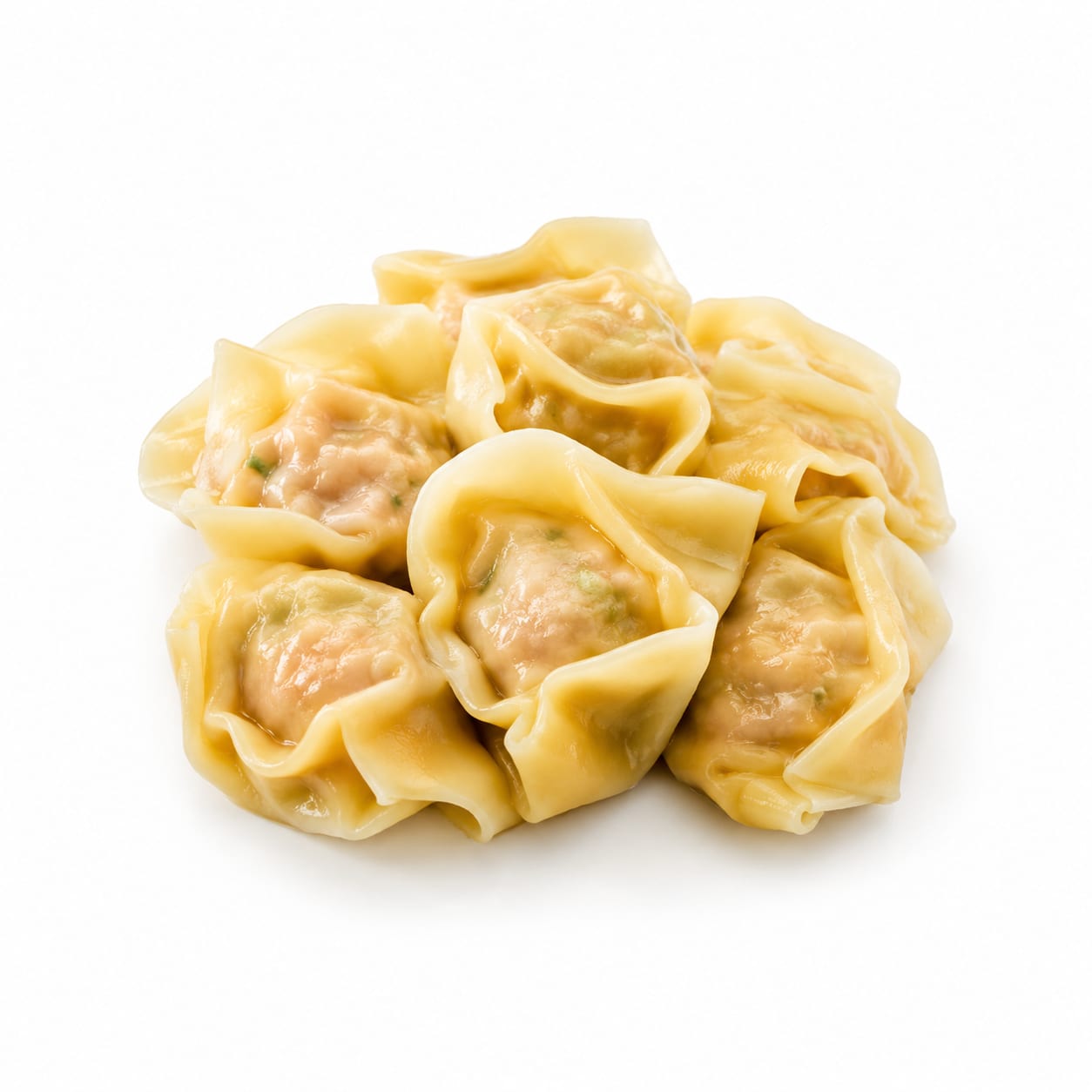
Wonton
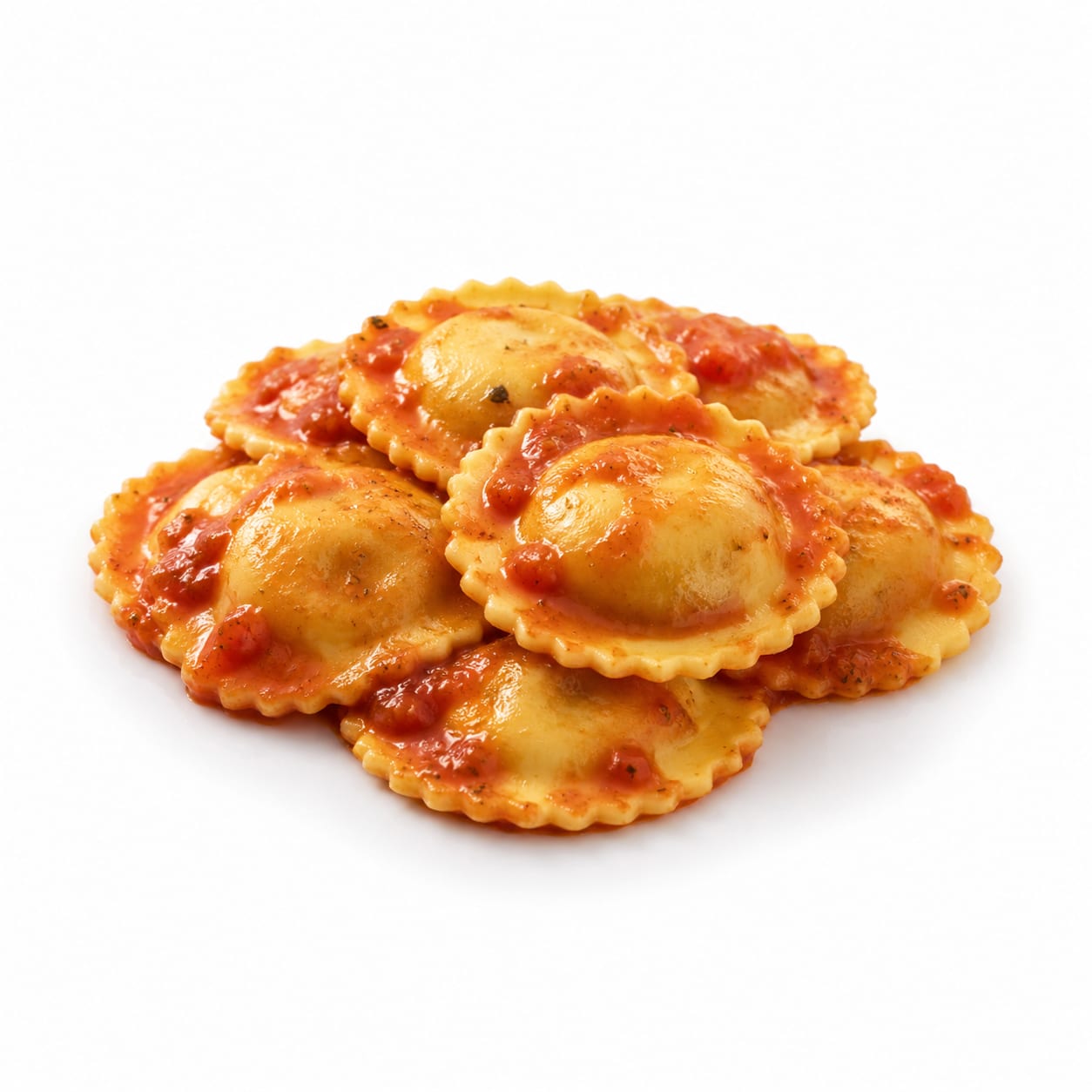
Ravioli
Wontons offer a lighter, broth-friendly bite, while ravioli delivers a denser, cheese-heavy comfort meal.
Wontons score slightly higher due to lower calorie density and gentler blood sugar impact, though ravioli wins on pure satiety and protein.
Lighter wrapper and lower calorie count versus richer, more satiating filling.
At a glance
Executive summary
Overall
It depends
Healthier
Wonton
More practical
Ravioli
Daily use
Wonton
Key comparison lenses
Calorie density and weight management
Wonton wrappers are significantly thinner than ravioli pasta, drastically changing the calorie-to-volume ratio.
Carbohydrate load and blood sugar impact
The difference in wrapper thickness directly affects the refined carbohydrate content and glycemic response.
Satiety and meal satisfaction
Ravioli's dense cheese and meat fillings offer heavier fullness, while wontons provide a lighter eating experience.
Sodium levels and heart health
Wonton soup broth and ravioli sauce both contribute hidden sodium, but in different ways that impact blood pressure.
Best choice for
Wonton
- Light lunch
- Soup lovers
- Lower carb diets
- Post-workout light refueling
Ravioli
- Comfort food cravings
- High-protein vegetarian options
- Family dinners
- Busy weeknights
Least suitable for
Wonton
- High sodium diets if eating takeout broth
- Those wanting a heavy, filling meal
Ravioli
- Low-carb diets
- Calorie restriction
- Dairy intolerance
Deep comparison
Dimension by dimension
Each lens scores both foods and breaks down who each option suits.
- Dimension 1 · Priority 90Wonton
Calorie Density & Weight Management
Wonton · 85Ravioli · 65Wontons have thinner wrappers and less dense fillings, making them significantly lower in calories per serving than ravioli.
Tradeoff
You get fewer calories with wontons, but might need to eat more to feel full compared to a heavy ravioli dish.
Why it matters
Lower calorie density makes it easier to manage portions without feeling deprived.
Real-world impact
You can eat a large bowl of wonton soup without the heavy food coma that follows a plate of cheese ravioli.
Wonton
- light lunch
- calorie counting
- warm comforting meals without the heaviness
Better for
- people needing high calorie intake
- those who find broth-based meals unsatisfying
Worse for
Ravioli
- bulking
- high-calorie needs
- satisfying a big appetite
Better for
- strict calorie tracking
- late-night eating
- avoiding food comas
Worse for
- Dimension 2 · Priority 80Ravioli
Satiety & Fullness
Wonton · 60Ravioli · 82Ravioli's thicker pasta walls and dense cheese or meat fillings make it much more filling.
Tradeoff
You stay full longer with ravioli, but at the cost of consuming more calories and carbs.
Why it matters
Satiety prevents snacking later, but only if the calorie cost fits your daily budget.
Real-world impact
A ravioli dinner will likely keep you full until morning, while wontons might have you reaching for a snack by 9 PM.
Wonton
- smaller appetites
- eating every few hours
- preventing that overly stuffed feeling
Better for
- long gaps between meals
- active individuals needing sustained energy
Worse for
Ravioli
- one-meal-a-day patterns
- heavy training days
- preventing late-night cravings
Better for
- people who get sluggish after heavy meals
- those prone to overeating
Worse for
- Dimension 3 · Priority 85Wonton
Carbohydrate Load & Blood Sugar
Wonton · 75Ravioli · 50Wonton wrappers are paper-thin, meaning less refined flour and a gentler impact on blood sugar.
Tradeoff
Ravioli delivers more carbs for energy, but risks a blood sugar spike and crash.
Why it matters
Steadier blood sugar means steadier energy and fewer cravings.
Real-world impact
Wontons give you a gentle, sustained energy lift, while ravioli might cause an afternoon slump if eaten for lunch.
Wonton
- managing diabetes
- low-carb diets
- avoiding afternoon energy crashes
Better for
- athletes needing serious carb replenishment
Worse for
Ravioli
- carb-loading before endurance events
- quick energy recovery
Better for
- insulin resistance
- sitting at a desk all day
- prediabetes
Worse for
- Dimension 4 · Priority 75Wonton
Sodium & Heart Health
Wonton · 55Ravioli · 45Both can be sodium bombs, but canned or restaurant ravioli in sauce often packs more sodium than wonton soup.
Tradeoff
Wonton soup broth is salty, but you can leave some broth behind; ravioli sauce clings to every bite.
Why it matters
High sodium drives up blood pressure and causes bloating.
Real-world impact
After a ravioli dinner, you might wake up with puffy fingers and a dry mouth, whereas with wontons you can control the broth intake.
Wonton
- blood pressure management
- controlling sodium by adjusting broth intake
Better for
- those who drink all the soup broth
- takeout versions with MSG
Worse for
Ravioli
- people who naturally drink lots of water to flush out sodium
Better for
- heart patients
- people sensitive to salt
- canned pasta varieties
Worse for
- Dimension 5 · Priority 70Ravioli
Protein Quality & Muscle Support
Wonton · 65Ravioli · 78Ravioli fillings often combine cheese with meat, offering a robust amino acid profile and higher total protein.
Tradeoff
The protein in ravioli comes alongside more saturated fat from cheese, whereas wonton protein is leaner.
Why it matters
Higher protein supports muscle repair and keeps you feeling satisfied.
Real-world impact
A plate of meat ravioli feels like a proper muscle-feeding meal, while wontons feel more like a light appetizer.
Wonton
- lean diets
- heart-healthy eating plans
- lighter protein needs
Better for
- bodybuilders
- those needing high protein per meal
Worse for
Ravioli
- muscle gain
- growing teenagers
- recovering after heavy workouts
Better for
- low saturated fat diets
- lactose intolerant individuals
Worse for
Timeline
Health impact over time
Short-term
Hours to days
Wonton
- Quick warmth and hydration from broth
- Light and easy on the stomach
- Less post-meal fatigue
Ravioli
- Deep satisfaction and fullness
- Potential bloating from heavy carbs and dairy
- Strong comfort food feeling
Long-term
Months to years
Wonton
- Easier weight maintenance due to lower calorie density
- Better blood sugar control
- Potential sodium issues if eating takeout frequently
Ravioli
- Higher risk of weight gain if portions aren't controlled
- Increased saturated fat intake from cheese fillings
- Robust muscle maintenance from higher protein
Risk profile
Safety & processing
Both are traditionally handmade, but store-bought frozen wontons and canned ravioli are highly processed. Canned ravioli tends to have more preservatives and emulsifiers to survive shelf life, while frozen wontons usually have simpler ingredient lists.
Wonton
Pork contamination
mediumUndercooked pork fillings in wontons can pose a risk for bacterial infection.
Shellfish allergies
highShrimp wontons are common and can trigger severe allergic reactions.
Ravioli
Dairy spoilage
mediumCheese fillings can harbor listeria if left unrefrigerated or undercooked.
BPA exposure
mediumCanned ravioli in tomato sauce can leach BPA from the can lining into the acidic sauce.
Who wins for whom
Audience fit
Same foods, different winners depending on your goal.
children
RavioliRavioli is universally loved by kids, easy to eat, and the cheese provides growing bones with calcium.
daily consumption
WontonWontons are lighter and less likely to cause dietary fatigue or heavy calorie accumulation day after day.
diabetes
WontonThe thinner wonton wrappers mean fewer refined carbs, leading to a gentler blood sugar rise.
elderly
WontonWontons are softer, easier to chew, and the broth helps with hydration, which is often an issue for older adults.
muscle gain
RavioliRavioli offers more protein per serving, especially when packed with cheese and meat, supporting muscle repair.
weight loss
WontonWontons have a much lower calorie density and thinner wrappers, making it easier to stay in a calorie deficit.
Your move
Decision guide
Choose Wonton
- You want a lighter meal
- You are watching your carb intake
- You prefer soup-based comfort
- You need something gentle on the stomach
Choose Ravioli
- You need a hearty, filling dinner
- You want higher protein from cheese
- You are cooking for kids
- You crave classic Italian comfort
Either works if
- You are making them from scratch at home
- You want a warm, comforting dumpling dish
Avoid both if
- You are on a strict gluten-free diet
- You have severe wheat allergies
Final recommendation
Choose wontons for a lighter, lower-carb comfort meal that won't weigh you down, and ravioli when you need a hearty, protein-rich dinner that satisfies deep hunger.
Practical
Consumer tips
- 1
When ordering wonton soup, drink less of the broth to cut your sodium intake in half.
- 2
Opt for steamed or boiled wontons instead of fried to save hundreds of calories.
- 3
Choose whole wheat or spinach ravioli for added fiber and nutrients.
- 4
Making either from scratch at home lets you swap in lean ground turkey or tofu for a much healthier filling.