
Nutrition comparison
Wonton vs Potsticker: Nutrition, Calories, and Health Comparison
Wonton vs Potsticker - which is healthier? Compare calories, fat, and carbs to see which dumpling fits your diet best.
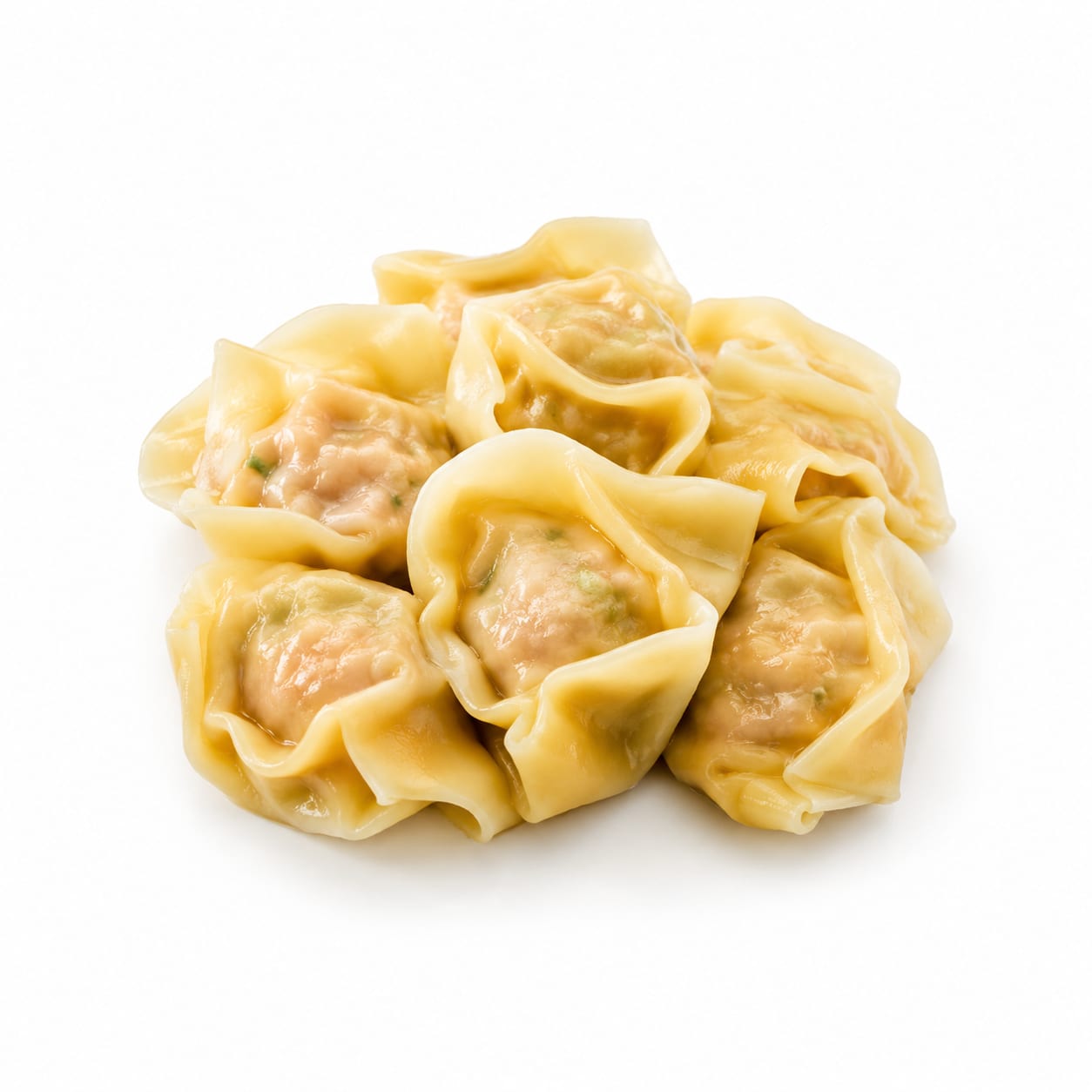
Wonton
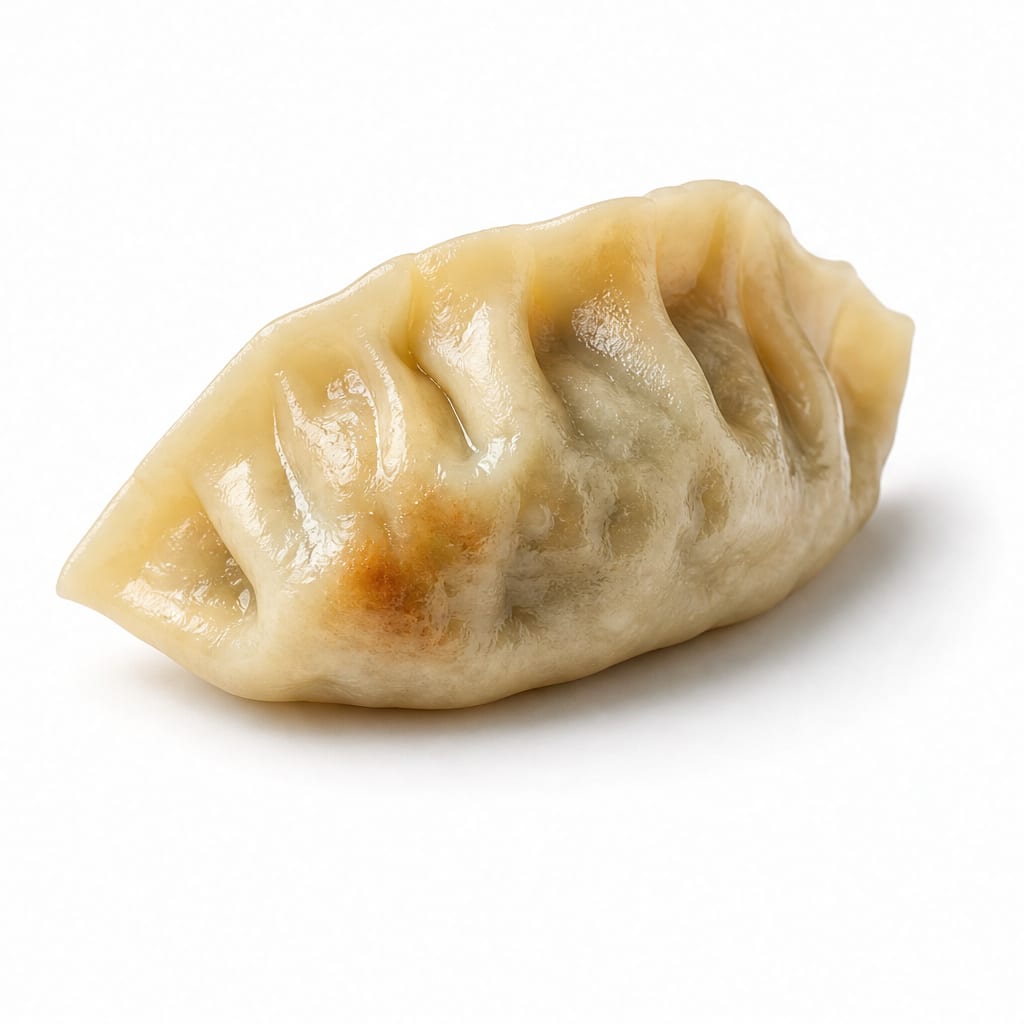
Potsticker
Wontons are the lighter, lower-calorie choice thanks to being boiled in broth, while potstickers deliver a crispy, richer bite at the cost of more fat and carbs.
Wontons score higher due to lower calorie density and lighter cooking methods, but potstickers remain a valid choice when satisfaction and flavor are the top priorities.
Light, hydrating comfort versus crispy, fat-driven satisfaction.
At a glance
Executive summary
Overall
It depends
Healthier
Wonton
More practical
Potsticker
Daily use
Wonton
Key comparison lenses
Cooking method and fat content
Wontons are typically boiled or steamed in soup, while potstickers are pan-fried, drastically changing their fat and calorie profiles.
Calorie density and weight management
The oil used for frying potstickers makes them significantly more calorie-dense than broth-based wontons.
Satiety and comfort
Wontons offer soupy, hydrating comfort, whereas potstickers provide a heavier, crispy satisfaction.
Carbohydrate load from wrappers
Potsticker wrappers are thicker and denser, leading to a higher refined carbohydrate load per piece.
Best choice for
Wonton
- Calorie-conscious diners
- Those wanting a warming, hydrating meal
- People seeking a lighter lunch
- Low-fat diet followers
Potsticker
- Those craving crispy textures
- People needing a more filling, fat-rich snack
- Fans of bold, pan-fried flavors
- Anyone eating dumplings as a standalone hearty meal
Least suitable for
Wonton
- People on strict low-sodium diets (due to broth)
- Those who dislike soft textures
- Anyone looking for a high-calorie, energy-dense meal
Potsticker
- Those avoiding greasy or fried foods
- Calorie counters
- People on low-carb or low-fat diets
Deep comparison
Dimension by dimension
Each lens scores both foods and breaks down who each option suits.
- Dimension 1 · Priority 95Wonton
Calorie Density and Fat Content
Wonton · 85Potsticker · 50Wontons are boiled, keeping fat minimal. Potstickers are pan-fried in oil, significantly boosting their calorie and fat content.
Tradeoff
You trade crispy texture for fewer calories and less grease.
Why it matters
Easier to stay in a calorie deficit without feeling heavy or sluggish afterward.
Real-world impact
You can eat a large bowl of wonton soup for the same calories as a small side of potstickers.
Wonton
- Weight loss
- Lighter digestion
- Low-fat diets
Better for
- Those needing dense energy intake
Worse for
Potsticker
- Keto or low-carb high-fat diets
- High-calorie needs
Better for
- Calorie counting
- Grease sensitivity
Worse for
- Dimension 2 · Priority 75Wonton
Carbohydrate Load
Wonton · 70Potsticker · 55Wonton wrappers are thin and delicate, while potsticker wrappers are thick and doughy to withstand frying.
Tradeoff
Thinner wrappers mean fewer carbs but less chewy substance to bite into.
Why it matters
Lower carb loads help prevent blood sugar spikes and the afternoon energy crash.
Real-world impact
A plate of potstickers can feel heavy in your stomach, while wontons feel lighter.
Wonton
- Blood sugar management
- Lighter meals
Better for
- Those wanting a substantial carb bite
Worse for
Potsticker
- Post-workout carb refueling
Better for
- Low-carb diets
- Carb sensitivity
Worse for
- Dimension 3 · Priority 80Potsticker
Satiety and Satisfaction
Wonton · 65Potsticker · 85The fat in potstickers and the thicker dough make them more satiating and rich. Wontons are filling mostly due to broth volume.
Tradeoff
Longer-lasting fullness from fat comes with a heavier digestive load.
Why it matters
A few potstickers might keep you full longer, whereas wontons might leave you hungry again soon.
Real-world impact
Potstickers are better for holding you over between meals without reaching for a snack.
Wonton
- Comfort eating without heaviness
- Hydrating meals
Better for
- Long gaps between meals
Worse for
Potsticker
- Sustained energy
- Crispy texture cravings
Better for
- Feeling overly stuffed
Worse for
- Dimension 4 · Priority 70It depends
Sodium Load
Wonton · 55Potsticker · 60Wonton soup broth is notoriously high in sodium, but potsticker dipping sauces add up fast too.
Tradeoff
Soupy comfort versus salty crunch—both can easily spike your sodium intake.
Why it matters
Crucial for blood pressure management and avoiding bloating.
Real-world impact
You might feel puffy the next day from either choice if you aren't careful with broth or sauce.
Wonton
- Those who skip drinking the broth
Better for
- Salt-sensitive individuals who drink all the broth
Worse for
Potsticker
- Those who control dipping sauce portions
Better for
- Heavy sauce users
Worse for
Timeline
Health impact over time
Short-term
Hours to days
Wonton
- Hydrating due to broth
- Light feeling in the stomach
- Warming comfort on cold days
Potsticker
- Quick satiation from fat content
- Potential greasy aftertaste
- Heavier digestion
Long-term
Months to years
Wonton
- Easier weight maintenance due to lower calorie density
- Risk of high blood pressure if broth is consumed regularly
Potsticker
- Potential weight gain from frequent high-fat intake
- Higher risk of lipid profile issues if fried in low-quality oils
Risk profile
Safety & processing
Both are processed foods relying on refined flour wrappers and seasoned meat fillings. Frozen versions of both often contain sodium phosphates and preservatives to maintain texture and color.
Wonton
Undercooked pork filling
mediumIf not boiled long enough, the inner meat may not reach safe temperatures.
Broth contamination
lowSoup bases can sometimes harbor bacteria if left at room temperature too long.
Potsticker
Undercooked pork filling
mediumSteaming then frying must be done correctly to ensure the dense meat cooks through.
Rancid frying oil
mediumRestaurant potstickers may be fried in reused oil, increasing inflammatory compounds.
Who wins for whom
Audience fit
Same foods, different winners depending on your goal.
children
PotstickerKids generally prefer the crispy texture and pan-fried flavor over soft, soupy dumplings.
daily consumption
WontonLighter digestion and lower fat make wontons a more sustainable everyday option.
diabetes
WontonThinner wrappers mean fewer refined carbs, leading to a gentler blood sugar impact.
elderly
WontonSoft texture and hydrating broth are much easier to chew and digest.
muscle gain
PotstickerSlightly higher calorie and fat content supports a caloric surplus, though both need extra protein on the side.
weight loss
WontonBoiling keeps calories low, and broth adds volume to help you feel full on fewer calories.
Your move
Decision guide
Choose Wonton
- You want a warming, comforting meal without the grease
- You are watching your calorie or fat intake
- You prefer softer foods that are easy to digest
Choose Potsticker
- You are craving something crispy and savory
- You need a more filling, energy-dense meal
- You are eating dumplings as a main treat rather than a daily staple
Either works if
- You are sharing a variety of appetizers
- You plan to balance the meal with a large serving of vegetables
Avoid both if
- You are on a strict low-sodium diet
- You have a severe gluten intolerance or celiac disease
Final recommendation
Go for wontons if you want a lighter, comforting meal that will not weigh you down. Save potstickers for when you really want that crispy, satisfying bite and do not mind the extra calories.
Practical
Consumer tips
- 1
Ask for wonton soup on the side to control how much sodium-rich broth you consume.
- 2
If making potstickers at home, use a minimal amount of high-quality oil to pan-fry them and reduce the fat content.
- 3
Load up on vegetable-filled versions of either dumpling to increase fiber and satiety.
- 4
Skip the heavy soy sauce dipping bowl; opt for a light splash of vinegar instead to cut sodium.