
Nutrition comparison
Wonton vs Gyoza: Which Dumpling Is Healthier?
Wontons are boiled and lighter while gyoza are pan-fried and crispier. Compare calories, sodium, fat, and digestion impact to pick the right dumpling for your goals.
Overall winner · Wonton
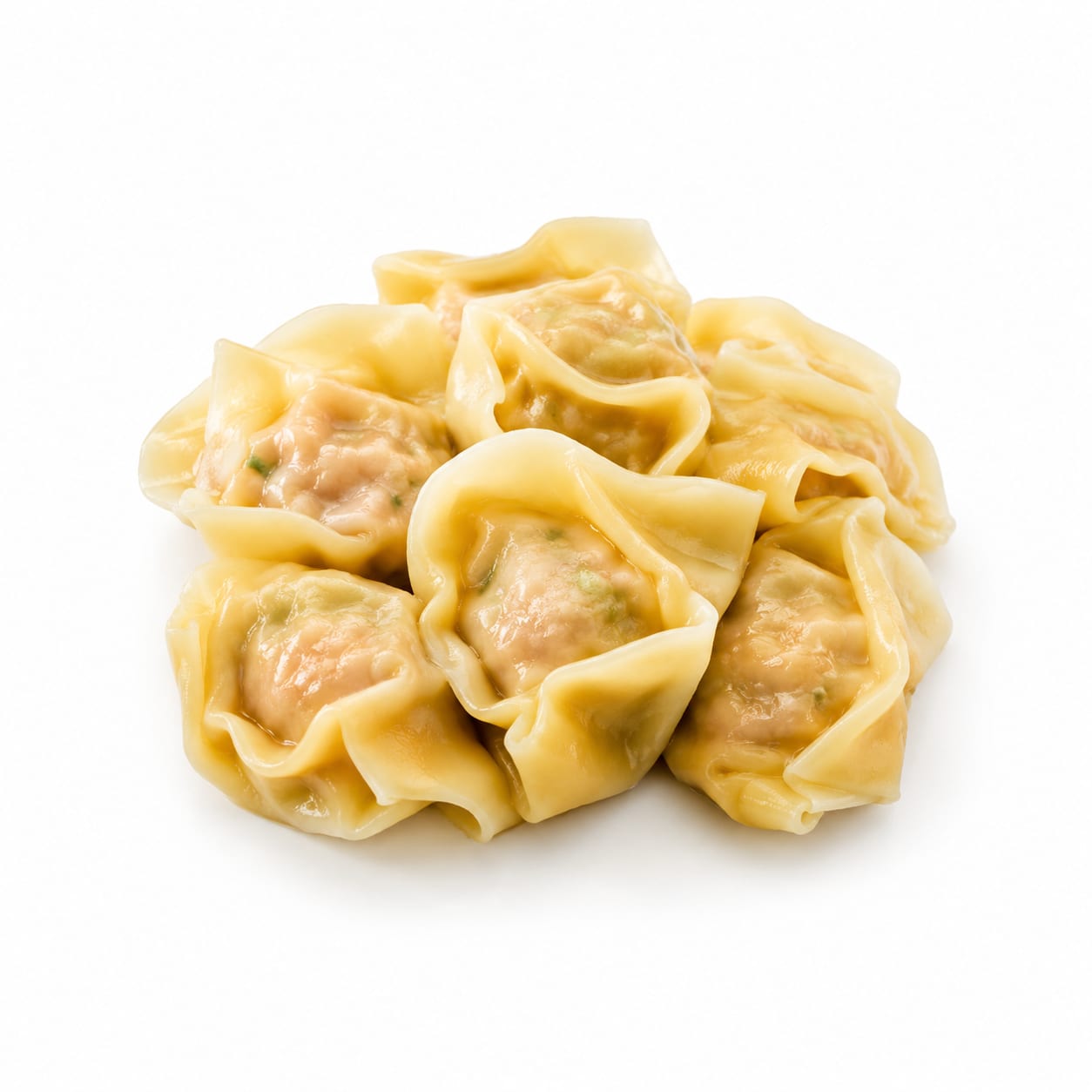
Wonton
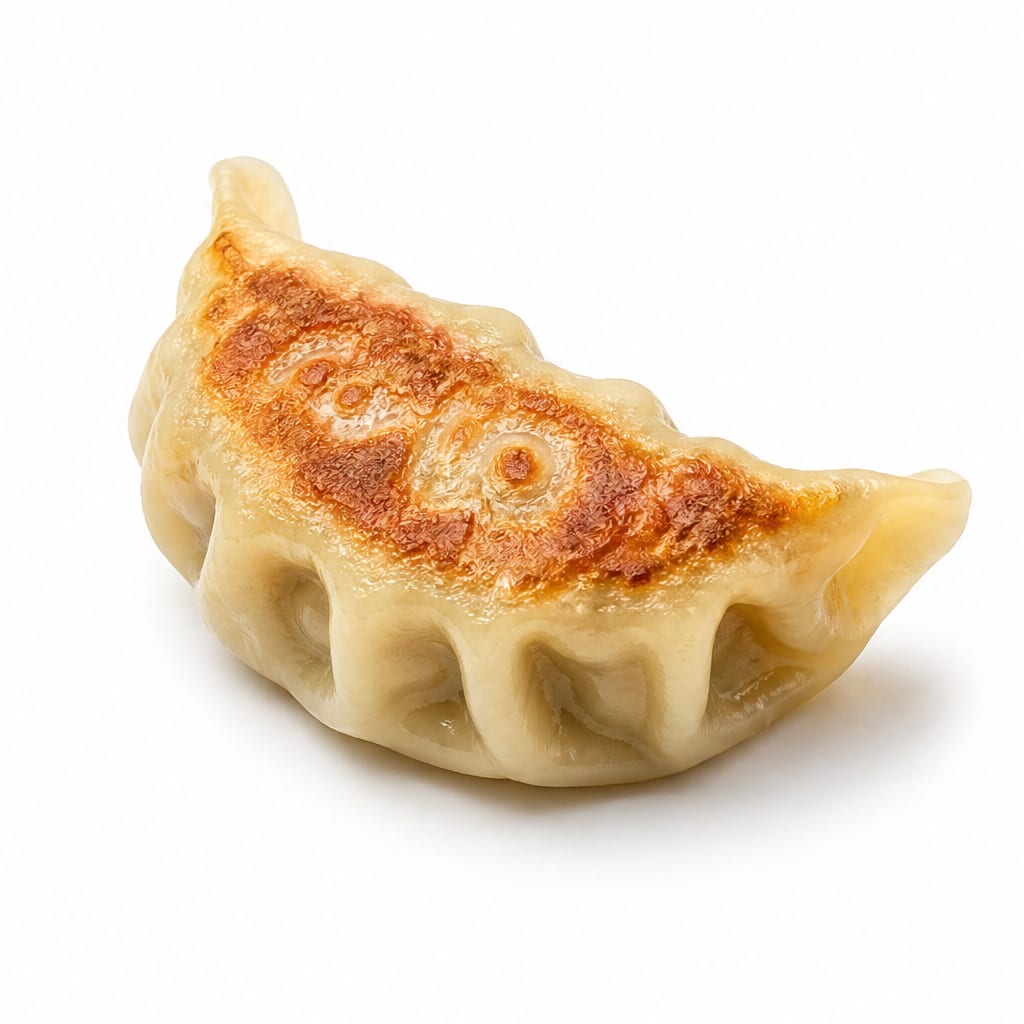
Gyoza
Wontons win for everyday eating thanks to their boiled-in-broth preparation, which keeps calories and fat significantly lower than pan-fried gyoza.
Wontons score notably higher because their default preparation method (boiled in broth) is inherently leaner. Gyoza are not unhealthy in isolation, but their pan-fried cooking and heavy dipping sauce routine make them a more calorie-dense, sodium-heavy choice that adds up quickly.
Gyoza deliver a crispy, savory satisfaction that wontons cannot match, but you pay for it with noticeably more oil and sodium per bite.
At a glance
Executive summary
Overall
Wonton
Healthier
Wonton
More practical
It depends
Daily use
Wonton
Key comparison lenses
cooking method impact on health
Wontons are typically boiled in soup while gyoza are pan-fried, creating a major calorie and fat divergence
sodium and sauce consumption
Gyoza dipping sauces and seasoning add significant sodium compared to wonton soup broth
everyday meal vs appetizer choice
Wontons are often a complete light meal in soup form, gyoza are typically eaten as sides or snacks leading to different eating patterns
weight management practicality
The oil from pan-frying gyoza adds stealth calories that catch people off guard
digestive comfort
Boiled wontons in broth are gentler on the stomach than oil-rich pan-fried gyoza
Best choice for
Wonton
- Weight-conscious diners wanting a filling but lighter meal
- People watching sodium who can control broth seasoning
- Anyone wanting a warm, comforting meal that is easy on digestion
- Those eating dumplings as a main dish rather than a side
Gyoza
- People craving a crispy, savory treat and willing to spend more calories
- Social eating and sharing plates where texture matters more than nutrition
- Those who find pan-fried foods more satisfying and eat fewer total pieces
Least suitable for
Wonton
- People seeking a crispy, indulgent texture experience
- Diners who find boiled dumplings bland or unexciting
Gyoza
- Anyone strictly managing calorie or fat intake
- People with sensitive digestion who struggle with greasy foods
- Those monitoring sodium closely due to the dipping sauce habit
Deep comparison
Dimension by dimension
Each lens scores both foods and breaks down who each option suits.
- Dimension 1 · Priority 95Wonton
Calorie Density and Fat Content
Wonton · 78Gyoza · 45Boiled wontons carry far less fat than pan-fried gyoza, making them easier to fit into a calorie-aware diet.
Tradeoff
You sacrifice the crispy texture and rich mouthfeel that makes gyoza so craveable.
Why it matters
A typical serving of gyoza can pack 50-80% more calories than an equivalent amount of wontons, mostly from the oil used in pan-frying.
Real-world impact
Six gyoza can easily hit 350-400 calories. Six wontons in broth typically land around 200-250. That difference compounds over a week.
Wonton
- Staying within a calorie budget without feeling deprived
- Eating a larger volume of food for fewer calories
Better for
- Those who find low-fat meals less satisfying and end up snacking later
Worse for
Gyoza
- Feeling more satisfied with fewer pieces due to higher fat content
Better for
- Stealth calorie accumulation from cooking oil that is easy to overlook
Worse for
- Dimension 2 · Priority 88Wonton
Sodium Load
Wonton · 60Gyoza · 42Wonton soup broth contributes sodium, but gyoza dipping sauces push sodium intake significantly higher.
Tradeoff
Gyoza without dipping sauce lose much of their flavor appeal, making low-sodium eating harder in practice.
Why it matters
The soy sauce and chili oil commonly paired with gyoza can add 400-800mg of sodium per sitting on top of what is already in the filling.
Real-world impact
A gyoza meal with sauce can easily exceed 1500mg sodium. Wonton soup is salty too, but you can control it more by adjusting broth or eating fewer pieces.
Wonton
- People with hypertension who need to cap sodium
- Anyone who can request low-sodium broth at restaurants
Better for
- Restaurant wonton soup broth can still be very high in sodium
Worse for
Gyoza
- Not applicable — gyoza are consistently higher in sodium in real-world eating
Better for
- The dipping sauce habit makes portion control of sodium nearly automatic rather than intentional
Worse for
- Dimension 3 · Priority 75It depends
Protein Quality and Satiety
Wonton · 65Gyoza · 65Both deliver similar protein from pork or shrimp fillings, but wontons in broth feel more filling as a complete meal.
Tradeoff
Gyoza have slightly denser fillings, but wontons win on overall satiety because the broth adds volume.
Why it matters
Feeling full matters more for weight management than raw protein numbers. Broth-based meals stretch satiety signals effectively.
Real-world impact
A bowl of wonton soup feels like a meal. A plate of gyoza often feels like a starter, leaving you reaching for more food.
Wonton
- Using dumplings as a standalone meal that actually satisfies
- Getting fuller on fewer total calories thanks to broth volume
Better for
- Those who find broth-heavy meals insufficient and eat again soon after
Worse for
Gyoza
- Post-workout eating where you want dense calories and protein without liquid fill
Better for
- Tendency to overeat because each piece feels small and snack-like
Worse for
- Dimension 4 · Priority 72Wonton
Digestive Comfort
Wonton · 80Gyoza · 50Boiled wontons in warm broth are gentle and soothing. Pan-fried gyoza are heavier and greasier on the stomach.
Tradeoff
The oil in gyoza slows digestion, which can be good for satiety but uncomfortable for sensitive stomachs.
Why it matters
If you have GERD, IBS, or simply a delicate stomach, the difference between boiled and pan-fried dumplings is immediately noticeable.
Real-world impact
Wonton soup is a classic comfort food when you feel unwell for a reason. Gyoza are more likely to cause bloating or heartburn in susceptible people.
Wonton
- People with acid reflux or sensitive digestion
- Recovery meals when your stomach needs something gentle
Better for
- Not applicable — wontons are almost universally easier to digest
Worse for
Gyoza
- Those who prefer richer foods and have no digestive issues
Better for
- Late-night eating where greasy food disrupts sleep quality
Worse for
- Dimension 5 · Priority 68Wonton
Versatility and Meal Integration
Wonton · 75Gyoza · 60Wontons work as soup, as a noodle topping, or deep-fried as a snack. Gyoza are more locked into their pan-fried appetizer role.
Tradeoff
Gyoza do one thing extremely well — crispy savory bite — while wontons adapt to more meal contexts.
Why it matters
A food that fits into more meals makes it easier to include consistently without getting bored.
Real-world impact
You can have wontons for breakfast in soup, as a light lunch, or as a snack. Gyoza are almost always a side dish or appetizer.
Wonton
- Meal planning flexibility across different times of day
- Adapting to both light and indulgent moods
Better for
- When you specifically want a crispy texture experience
Worse for
Gyoza
- Party and sharing situations where a crispy finger food shines
Better for
- Building a complete meal around them without adding many other dishes
Worse for
- Dimension 6 · Priority 70Wonton
Craving and Overeating Potential
Wonton · 70Gyoza · 48Gyoza are engineered for craveability — crispy, salty, and perfect with sauce. That makes portion control harder.
Tradeoff
Wontons are satisfying but less moreish, which helps you stop eating naturally.
Why it matters
Foods that trigger continued eating without awareness are a hidden driver of weight gain over time.
Real-world impact
It is easy to accidentally eat 10-12 gyoza. Most people stop at 6-8 wontons in soup because the broth creates natural fullness.
Wonton
- People who struggle with stopping at reasonable portions
- Mindful eating practices where broth slows you down
Better for
- Those who find boiled food boring and seek excitement in meals
Worse for
Gyoza
- Not applicable — gyoza consistently trigger more overeating
Better for
- Anyone prone to eating past fullness when food is crispy and salty
Worse for
Timeline
Health impact over time
Short-term
Hours to days
Wonton
- Warm broth provides immediate comfort and hydration
- Light enough to avoid post-meal energy crashes
- Unlikely to cause bloating or heaviness
Gyoza
- Higher fat content provides longer-lasting satiety but can feel heavy
- Sodium spike from dipping sauce may cause thirst and mild bloating
- Oil can trigger heartburn in susceptible individuals
Long-term
Months to years
Wonton
- Lower cumulative calorie intake supports weight maintenance
- Less dietary fat from cooking oil benefits cardiovascular markers
- Sodium from broth remains a concern if eaten frequently at restaurants
Gyoza
- Regular consumption of pan-fried foods increases overall fat intake meaningfully
- High sodium from sauces contributes to blood pressure concerns over time
- Occasional enjoyment poses minimal risk; frequent gyoza meals add up
Risk profile
Safety & processing
Both wontons and gyoza are made from simple ingredients — wrappers, meat, vegetables, and seasonings. Neither is ultra-processed. The main concern is restaurant versions that may include MSG, preservatives in pre-made wrappers, or excessive sodium in fillings. Homemade versions of both are clean and straightforward.
Wonton
Undercooked pork filling
mediumIf wontons are not boiled long enough, pork fillings may not reach safe internal temperature. Ensure thorough cooking.
Broth contamination in buffet settings
lowWonton soup kept warm for extended periods can harbor bacteria if temperature is not maintained properly.
Gyoza
Undercooked pork filling
mediumPan-frying creates a crispy exterior quickly, but the interior filling may need steaming time to cook through safely.
Oil reuse in restaurants
mediumSome restaurants reuse frying oil multiple times, increasing oxidized fat and potentially harmful compounds.
Who wins for whom
Audience fit
Same foods, different winners depending on your goal.
children
WontonWonton soup is gentler, easier to chew, and less greasy — making it more suitable for younger digestive systems.
daily consumption
WontonLower calorie density, less oil, and better digestive tolerance make wontons more sustainable as a regular meal choice.
diabetes
WontonWontons have a lower fat-to-carb ratio and the broth slows eating speed, leading to steadier blood sugar response.
elderly
WontonSoft boiled wontons in warm broth are easier to digest and gentler on aging digestive systems than oily pan-fried foods.
muscle gain
It dependsBoth offer similar protein from fillings. Gyoza provide more calories which can help bulking, while wontons fit better into lean bulk approaches.
weight loss
WontonBoiled wontons in broth provide more volume and satiety per calorie than oil-rich pan-fried gyoza.
Your move
Decision guide
Choose Wonton
- You want a filling meal without the heaviness of fried food
- You are watching calories, fat, or sodium intake
- You need something comforting and easy to digest
- You are eating dumplings as a main dish rather than a side
- You have a sensitive stomach or are eating late at night
Choose Gyoza
- The crispy texture is the whole point of your craving
- You are sharing plates socially and want something exciting
- You are less concerned about calories and want maximum flavor impact
- You are eating a lighter main dish and gyoza are the indulgent side
- You only eat dumplings occasionally and want the full experience
Either works if
- You are eating homemade versions where you control the cooking method and sodium
- Neither is a staple in your diet, so occasional enjoyment of either is fine
Avoid both if
- You have a pork or shellfish allergy and cannot verify the filling
- You are on a strict low-sodium diet and cannot control preparation
- You are avoiding refined carbohydrates including wheat wrappers
Final recommendation
Make wontons your default dumpling choice for regular meals. Their boiled preparation keeps them lighter, lower in calories, and easier to digest. Save gyoza for when the crispy craving hits — they are a treat, not a staple. If you love gyoza but want a healthier version, try steaming them instead of pan-frying, or pan-fry with minimal oil and skip the heavy dipping sauce.
Practical
Consumer tips
- 1
Ask for wonton soup with less broth or on the side to reduce sodium intake at restaurants
- 2
If making gyoza at home, use a thin layer of oil and add water for steam-frying to cut fat significantly
- 3
Choose shrimp-filled wontons over pork for lower fat and slightly higher protein
- 4
Skip or lighten the gyoza dipping sauce — a small splash of soy sauce with vinegar instead of full immersion cuts sodium by half
- 5
Freeze homemade wontons in bulk for quick, healthy weeknight meals that beat takeout on nutrition
- 6
If ordering gyoza, ask if they can steam them instead of pan-fry — many restaurants will accommodate this