
Nutrition comparison
Wonton vs Spring Roll: Which Is Healthier? Nutrition & Calorie Comparison
Wontons vs spring rolls compared on calories, protein, fat, and sodium. Find out which Chinese appetizer is better for weight loss, muscle gain, and daily eating.
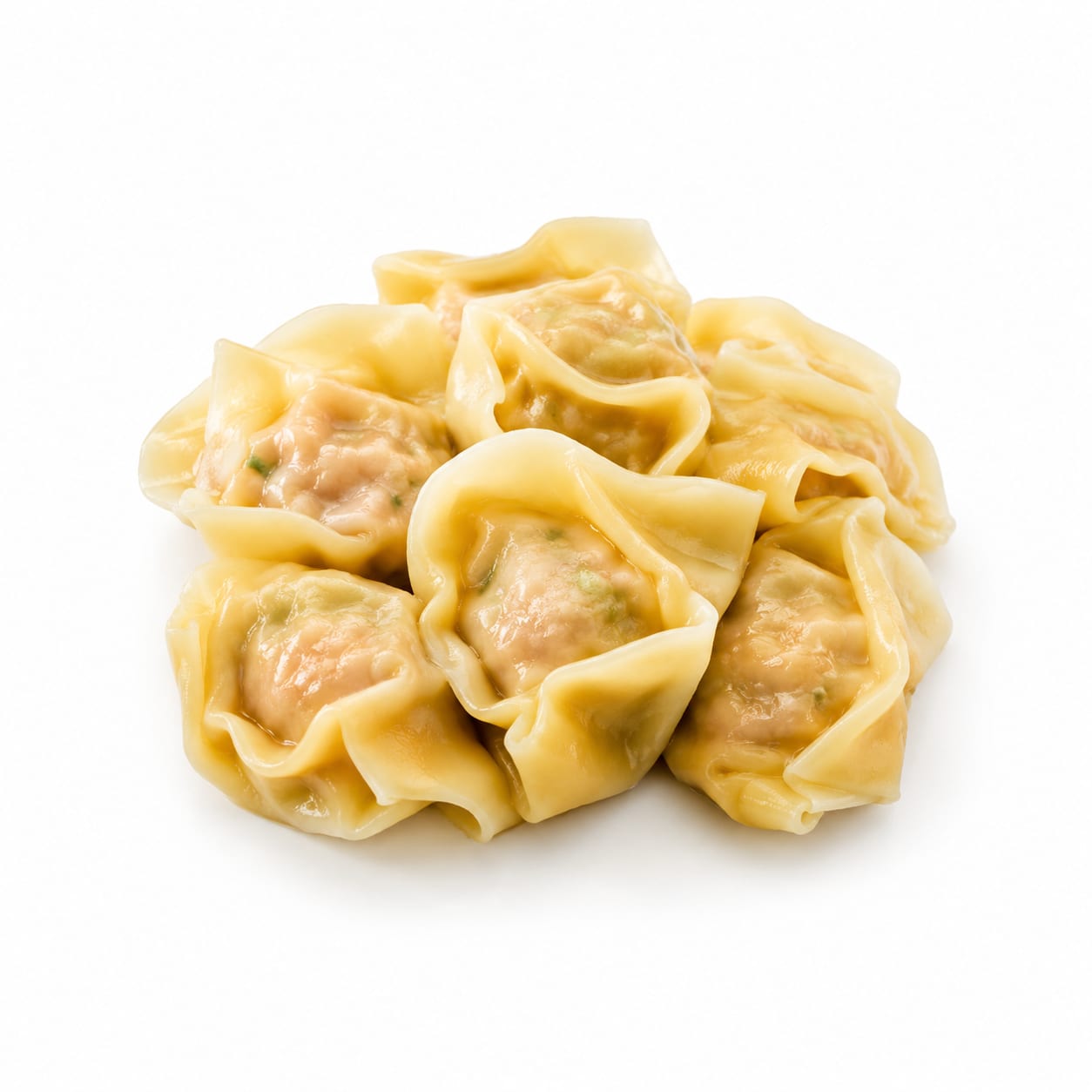
Wonton
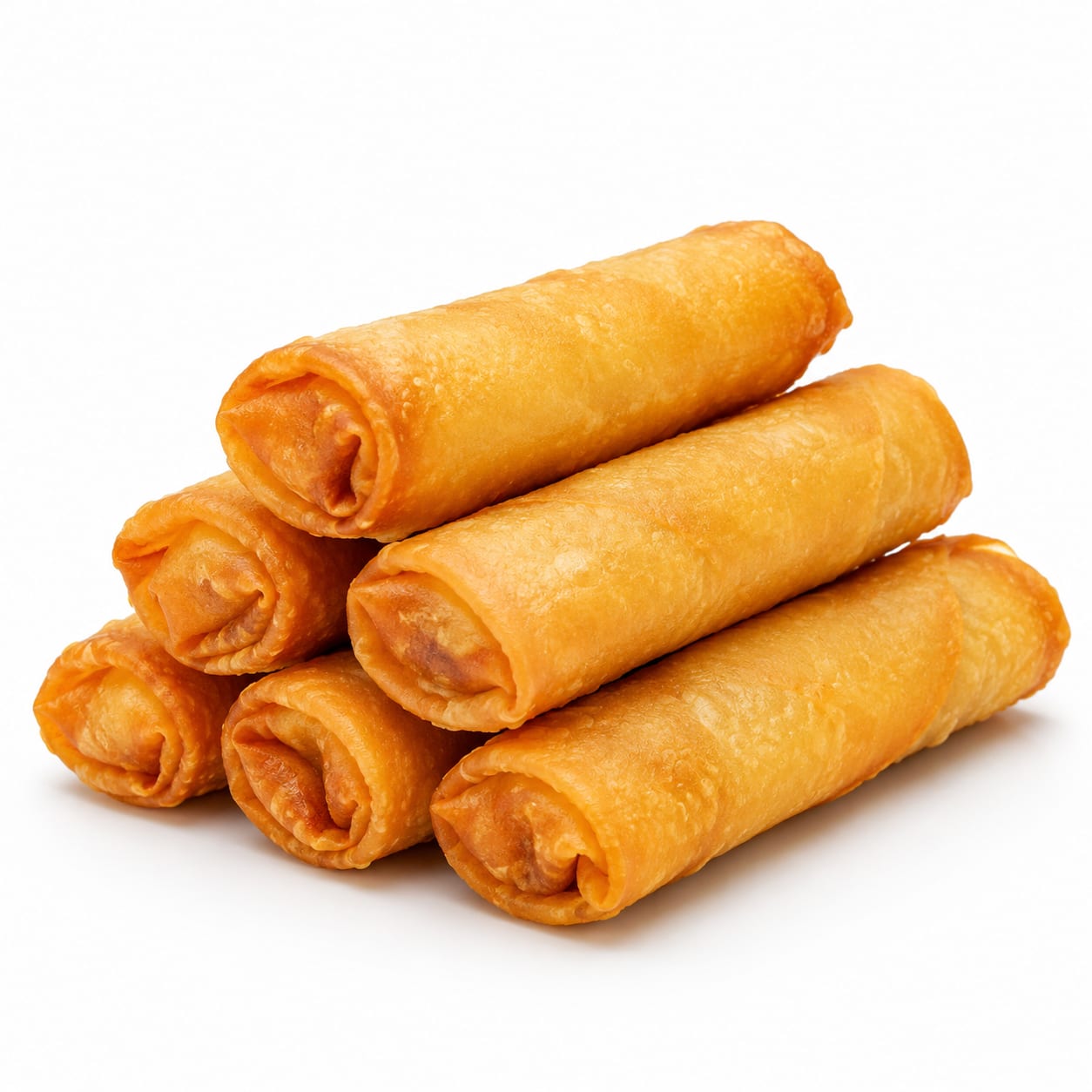
Spring Roll
Wontons win on protein and satiety; spring rolls win on vegetables and lighter per-piece calories when fresh. Fried spring rolls flip the script with much higher fat.
Wontons score higher due to better protein content and lower fat when boiled. Spring rolls lose ground because the most common restaurant version is deep-fried, dramatically increasing calories and inflammatory oils. Fresh spring rolls would narrow the gap significantly.
Protein-dense comfort vs vegetable-rich crunch — but the cooking method changes everything. A boiled wonton and a fresh spring roll are both reasonable; a fried spring roll is a different animal entirely.
At a glance
Executive summary
Overall
It depends
Healthier
Wonton
More practical
Spring Roll
Daily use
Wonton
Key comparison lenses
appetizer vs light meal selection
Both are popular Chinese appetizers but serve different hunger levels and occasions
fried vs boiled cooking method impact
Spring rolls are typically deep-fried while wontons are usually boiled or steamed, creating a massive calorie and fat divergence
protein intake from appetizers
Wontons deliver substantially more protein from their meat-filled core, making them more satiating per piece
sodium awareness for asian food
Both carry significant sodium loads from soy sauce and seasoning, a concern for blood pressure management
vegetable intake tradeoff
Spring rolls typically contain more vegetables, offering fiber and micronutrients that wontons lack
Best choice for
Wonton
- People wanting more protein from their appetizer
- Those seeking something warm and filling
- Anyone avoiding deep-fried foods
- Post-workout eaters needing protein with carbs
Spring Roll
- Those prioritizing vegetable variety and fiber
- People wanting a lighter starter before a main course
- Anyone craving crunch without heavy fullness
- Raw fresh spring roll seekers wanting a low-fat option
Least suitable for
Wonton
- People strictly limiting sodium intake
- Those wanting a light pre-meal appetizer without feeling full
- Anyone avoiding wheat or gluten
Spring Roll
- People monitoring deep-fried food consumption (fried version)
- Those needing substantial protein from their snack
- Anyone watching oil intake or with gallbladder issues (fried version)
Deep comparison
Dimension by dimension
Each lens scores both foods and breaks down who each option suits.
- Dimension 1 · Priority 90Wonton
Protein & Satiety
Wonton · 75Spring Roll · 40Wontons deliver roughly 8-12g protein per serving thanks to their meat-heavy filling. Spring rolls typically offer 3-6g unless shrimp-heavy.
Tradeoff
You feel fuller longer after wontons, but spring rolls leave more room for your main course.
Why it matters
Protein from appetizers reduces overeating during the main meal and stabilizes blood sugar.
Real-world impact
Four wontons in soup can hold you for two hours. Four spring rolls leave you hungry again within an hour.
Wonton
- Sustained energy between meals
- Post-workout recovery snacking
- Preventing the appetizer-then-binge pattern
Better for
- Very small appetites who find wontons too heavy as a starter
Worse for
Spring Roll
- Light snacking before a heavy main
- When you want variety without getting full
Better for
- Anyone relying on their appetizer for meaningful protein intake
Worse for
- Dimension 2 · Priority 88Wonton
Fat & Calorie Density
Wonton · 70Spring Roll · 35Boiled wontons average 150-200 calories per serving. Fried spring rolls can hit 250-400 calories with 15-25g fat from deep frying.
Tradeoff
Wontons keep fat low but feel less indulgent. Fried spring rolls taste richer but cost you half a meal's worth of calories before the entrée arrives.
Why it matters
Fat from deep frying adds calories without adding nutrients or satiety — the worst combination.
Real-world impact
Three fried spring rolls can match the calories of a small entree, while three boiled wontons stay comfortably in appetizer territory.
Wonton
- Calorie-conscious diners
- Anyone tracking fat intake
- People who want to save appetite for the main dish
Better for
- People who find boiled dumplings less satisfying than crispy foods
Worse for
Spring Roll
- Fresh spring roll eaters (rice paper version is low-fat)
- Those specifically wanting calorie density for weight gain
Better for
- Weight management when eating the fried version
- Anyone with fat digestion issues or gallbladder concerns
Worse for
- Dimension 3 · Priority 78Spring Roll
Vegetable & Fiber Content
Wonton · 35Spring Roll · 70Spring rolls typically pack cabbage, carrots, mushrooms, and bean sprouts. Wontons are mostly meat with a token bit of scallion.
Tradeoff
Spring rolls give you real vegetable diversity and fiber. Wontons sacrifice that for protein density.
Why it matters
Fiber slows digestion, feeds gut bacteria, and helps prevent the blood sugar spike that comes from refined carbs alone.
Real-world impact
A spring roll order contributes meaningfully toward your daily vegetable intake. Wontons contribute almost nothing on that front.
Wonton
- Situations where protein matters more than fiber
Better for
- Anyone relying on appetizers to sneak in vegetable servings
Worse for
Spring Roll
- Improving digestive regularity
- Adding vegetable variety to an otherwise meat-heavy meal
- Feeding beneficial gut bacteria
Better for
- People sensitive to cruciferous vegetables or high-fiber intake
Worse for
- Dimension 4 · Priority 82It depends
Sodium Load
Wonton · 40Spring Roll · 45Both are sodium-heavy. Wontons get salt from the meat filling and dipping sauce. Spring rolls absorb salt through the wrapper seasoning and dipping sauce.
Tradeoff
Neither is a low-sodium winner. Wontons edge slightly worse because the filling is pre-seasoned more aggressively, but the difference is marginal.
Why it matters
A single serving of either can deliver 400-800mg sodium — a quarter to half your daily ideal limit.
Real-world impact
After eating either as a starter, you may feel thirsty and bloated. Ordering both guarantees sodium overload.
Wonton
- Slightly less sodium when served in clear broth instead of with soy-based dip
Better for
- Wonton soup where the broth adds another 500-1000mg sodium
Worse for
Spring Roll
- Fresh spring rolls with minimal dipping sauce can be lower sodium
Better for
- Fried spring rolls paired with sweet-sour or soy-based dipping sauces
Worse for
- Dimension 5 · Priority 70Wonton
Digestive Comfort
Wonton · 68Spring Roll · 50Boiled wontons are gentle on the stomach — warm, soft, and easy to digest. Fried spring rolls bring heavy oil and crispy shells that can irritate sensitive digestion.
Tradeoff
Wontons feel like comfort food for your gut. Fried spring rolls can sit heavy and cause bloating or heartburn.
Why it matters
Greasy fried foods slow gastric emptying and can trigger reflux, especially when eaten quickly as appetizers.
Real-world impact
After wonton soup, you feel warmed and settled. After fried spring rolls, you may reach for antacids before the main course.
Wonton
- People with acid reflux or GERD
- Anyone recovering from stomach illness
- Gentle eating before or after physical activity
Better for
- People with wheat sensitivity reacting to the wrapper
Worse for
Spring Roll
- Fresh spring rolls are actually very easy to digest
- Those who tolerate fried food well and want something satisfying
Better for
- Anyone prone to heartburn or indigestion from fried foods
- People with IBS triggered by high-fat foods
Worse for
Timeline
Health impact over time
Short-term
Hours to days
Wonton
- Warm broth from wonton soup is hydrating and soothing
- Protein provides steady energy without a crash
- Moderate sodium may cause mild bloating or thirst
Spring Roll
- Fried version causes sluggishness from heavy oil intake
- Quick crunch satisfaction but rapid return of hunger
- High sodium and fat can trigger thirst and bloating
Long-term
Months to years
Wonton
- Regular boiled wonton consumption fits reasonably into a balanced diet
- Consistent sodium intake from restaurant versions raises blood pressure risk over time
- Protein contribution supports muscle maintenance when eaten regularly
Spring Roll
- Frequent fried spring roll consumption adds significant unnecessary dietary fat and calories
- Vegetable content provides some long-term fiber and micronutrient benefit
- Repeated deep-fried food intake increases inflammatory and cardiovascular risk
Risk profile
Safety & processing
Both use processed wrappers, but wontons are closer to homemade simplicity — meat, seasoning, wrapper. Fried spring rolls often contain preservatives in the frozen wrapper and degraded oils from deep frying. Fresh spring rolls are the least processed of all four options.
Wonton
Undercooked pork filling
mediumIf wontons are not boiled long enough, pork can harbor parasites or bacteria. Reputable restaurants cook thoroughly, but it is a real risk with homemade or street versions.
High sodium from broth and filling
mediumRestaurant wonton soup broth can exceed 1000mg sodium per bowl, contributing to hypertension risk over time.
Spring Roll
Oxidized frying oil
highRepeatedly reused deep-frying oil generates aldehydes and trans fats. Restaurants that do not change oil frequently serve spring rolls cooked in degraded, inflammatory fat.
Foodborne illness from pre-made fillings
mediumSpring roll fillings prepared in bulk and left at improper temperatures before frying can grow harmful bacteria, even if frying kills surface pathogens.
Who wins for whom
Audience fit
Same foods, different winners depending on your goal.
children
Spring RollKids love the crunch of spring rolls and the vegetable content is a win, though the fried version should be an occasional treat, not a regular choice.
daily consumption
WontonBoiled wontons are gentler on the body as a regular choice. Fried spring rolls introduce too much inflammatory oil for daily eating.
diabetes
WontonHigher protein and lower fat in boiled wontons create a gentler blood sugar response. Fried spring rolls combine refined carbs with heavy oil, a challenging mix for insulin resistance.
elderly
WontonSoft boiled wontons are easier to chew and digest. The warm broth is comforting and hydrating for older adults with reduced appetite.
muscle gain
WontonWontons deliver substantially more protein per piece, which matters more for muscle support than the vegetable content in spring rolls.
weight loss
WontonBoiled wontons provide more protein and fewer calories per serving than fried spring rolls, keeping you fuller on less energy intake.
Your move
Decision guide
Choose Wonton
- You want protein and lasting fullness from your appetizer
- You are watching your fat and calorie intake
- You have a sensitive stomach or want something warm and comforting
- You are eating Chinese food and want a traditional, non-fried starter
Choose Spring Roll
- You are ordering fresh Vietnamese-style spring rolls with rice paper
- You want crunch and vegetable variety as a lighter starter
- You are sharing appetizers and want something everyone picks at casually
- You are not worried about oil and want the indulgent crispy experience
Either works if
- You are at a restaurant and both are available as part of a shared spread
- You plan to limit yourself to two pieces regardless of choice
Avoid both if
- You are on a strict low-sodium diet — both are salt bombs
- You have celiac disease or wheat sensitivity — both wrappers contain gluten
- You are trying to eliminate refined carbohydrates entirely
Final recommendation
Default to wontons when you want something satisfying and reasonably nutritious. Choose fresh spring rolls when you want vegetables and lightness. Treat fried spring rolls as an occasional indulgence, not a regular appetizer. The biggest factor is not wonton vs spring roll — it is boiled vs fried.
Practical
Consumer tips
- 1
Ask for wontons in soup rather than fried — same flavor, fraction of the fat
- 2
If ordering spring rolls, ask if fresh (rice paper) versions are available — they skip the deep fryer entirely
- 3
Request dipping sauce on the side and use sparingly — this cuts 200-400mg sodium per serving
- 4
Share a fried spring roll order with the table instead of getting your own — two pieces hit the craving without the calorie damage
- 5
Make wontons at home with lean ground turkey and reduced-sodium soy sauce to control both fat and salt