
Nutrition comparison
Wonton vs Egg Roll: Which Is Healthier?
Compare wontons and egg rolls on calories, fat, sodium, and health impact. Find out which Chinese appetizer is the smarter choice for your goals.
Overall winner · Wonton
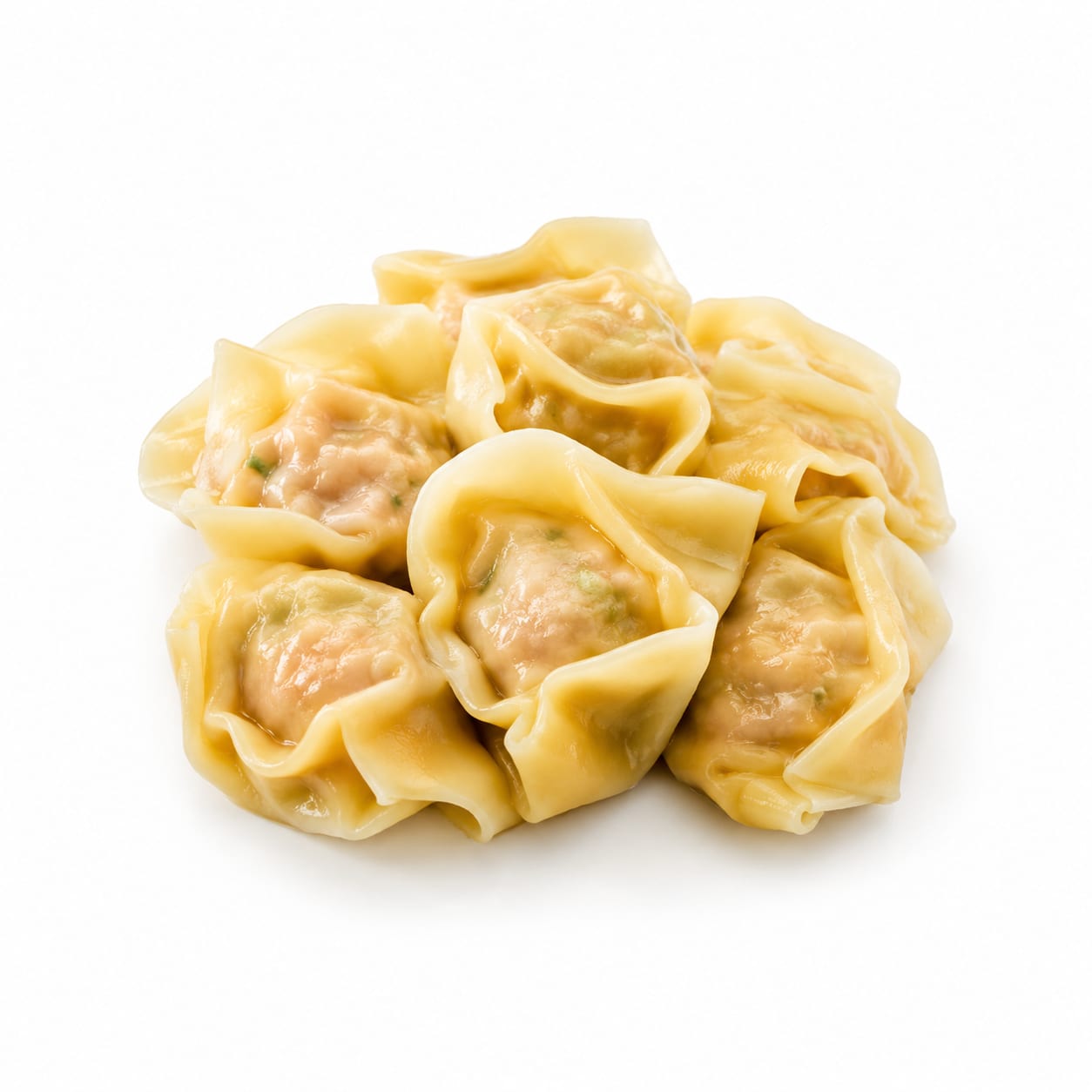
Wonton
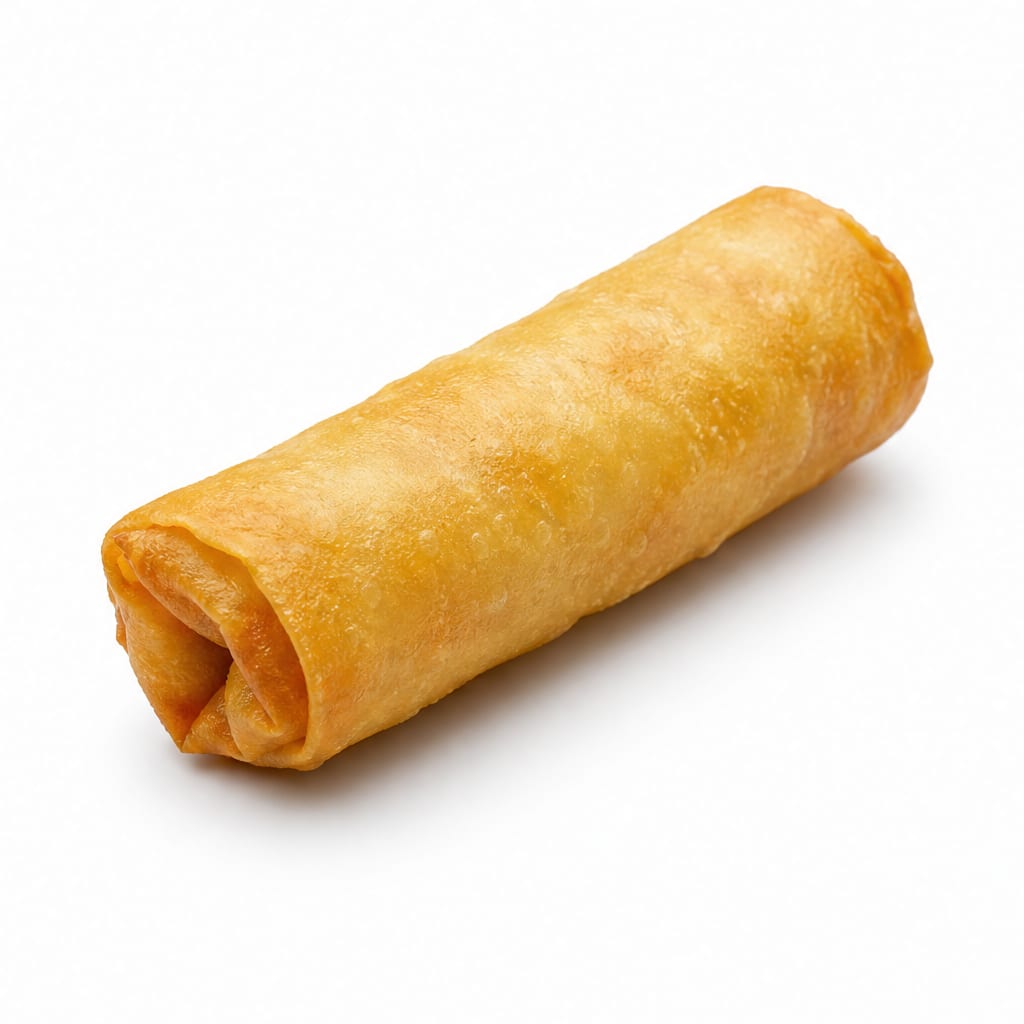
Egg Roll
Wontons are the lighter, lower-fat choice. Egg rolls are a crispy indulgence best enjoyed occasionally.
Wontons score notably higher due to lower calorie density, less fat from frying, and better suitability for regular consumption. Egg rolls lose significant ground on heart health and calorie control.
You trade crunch and satisfaction for significantly fewer calories and less fat by choosing wontons over egg rolls.
At a glance
Executive summary
Overall
Wonton
Healthier
Wonton
More practical
It depends
Daily use
Wonton
Key comparison lenses
calorie and fat comparison
Egg rolls are deep-fried and significantly higher in calories and fat than wontons, which are often boiled or lightly fried
everyday vs occasional choice
Users commonly decide between these as a side or appetizer and want to know which fits regular eating patterns
heart health impact
Deep-frying makes egg rolls much higher in inflammatory oils, a key concern for cardiovascular health
sodium load
Both are Chinese takeout staples with notable sodium, but preparation differences affect the total load
satiety and portion control
Egg rolls are larger and more filling per piece, but wontons are easier to portion-manage
Best choice for
Wonton
- Weight-conscious diners
- People watching heart health
- Those who prefer soup-based meals
- Anyone eating Chinese food regularly
Egg Roll
- People craving something crispy and indulgent
- Those wanting a more filling appetizer
- Occasional treat-seekers
Least suitable for
Wonton
- People wanting a crunchy, satisfying appetizer experience
Egg Roll
- Anyone managing weight or heart disease
- People avoiding fried foods
- Those on low-sodium diets
Deep comparison
Dimension by dimension
Each lens scores both foods and breaks down who each option suits.
- Dimension 1 · Priority 93Wonton
Calorie Density
Wonton · 72Egg Roll · 32A single wonton runs 50-80 calories, while one egg roll can hit 200-250 calories thanks to the thick fried wrapper.
Tradeoff
Egg rolls are more filling per piece, but you'd need 3-4 wontons to match one egg roll's calorie load, giving you more portion flexibility.
Why it matters
If you're ordering takeout weekly, this calorie gap compounds fast. Two egg rolls can cost you nearly 500 calories before your main dish arrives.
Real-world impact
Choosing wonton soup instead of an egg roll appetizer can save you 150-200 calories per meal without feeling deprived.
Wonton
- Calorie counters
- People who want to save room for their entrée
Better for
- Very active people needing calorie-dense fuel
Worse for
Egg Roll
- Those who want a substantial appetizer that feels like a mini-meal
Better for
- Anyone trying to stay under a daily calorie target
Worse for
- Dimension 2 · Priority 90Wonton
Fat and Oil Exposure
Wonton · 70Egg Roll · 25Egg rolls are deep-fried, absorbing significant oil into the wrapper. Wontons are typically boiled or steamed, especially in soup.
Tradeoff
That crispy egg roll shell comes from oil-soaked dough. Boiled wontons avoid this almost entirely, though pan-fried wontons land somewhere in between.
Why it matters
Repeated consumption of deep-fried foods raises inflammatory markers and heart disease risk. The oil quality at restaurants is often questionable too.
Real-world impact
One egg roll can contain 10-15g of fat, mostly from reused frying oil. A bowl of wonton soup might have 2-4g total.
Wonton
- People with heart concerns
- Anyone reducing inflammatory fats
Better for
- People who find low-fat meals unsatisfying
Worse for
Egg Roll
- Those unconcerned about fat intake who prioritize texture
Better for
- Anyone with high cholesterol or triglycerides
Worse for
- Dimension 3 · Priority 80Wonton
Sodium Load
Wonton · 48Egg Roll · 38Both are salty, but egg rolls pack more sodium from the seasoned filling plus the fried wrapper. Wonton soup adds broth sodium, but you can control intake by eating fewer wontons.
Tradeoff
Wonton soup broth is very high in sodium, but you can leave some broth behind. Egg roll sodium is locked into every bite.
Why it matters
A single egg roll can deliver 400-600mg sodium. Two or three as an appetizer pushes you toward half your daily limit before the main course.
Real-world impact
If you're salt-sensitive, neither is ideal, but wontons in soup let you pace yourself. Egg rolls make portion control harder.
Wonton
- People who can moderate broth intake
- Those who eat fewer pieces
Better for
- People who drink all the soup broth
Worse for
Egg Roll
- Diners who only eat one and stop
Better for
- Anyone on a strict low-sodium plan
Worse for
- Dimension 4 · Priority 76Egg Roll
Satiety and Satisfaction
Wonton · 52Egg Roll · 74Egg rolls are bigger, crunchier, and more filling per piece. Wontons are delicate and less satisfying on their own.
Tradeoff
The crunch of an egg roll triggers more sensory satisfaction, but it comes with a heavy calorie price. Wontons feel lighter and less indulgent.
Why it matters
If you're genuinely hungry before a meal, an egg roll might actually prevent overeating later. But if you're just snacking, it's easy to overconsume.
Real-world impact
One egg roll can tide you over before dinner. A few wontons in soup can do the same with fewer calories, but the experience feels less indulgent.
Wonton
- People who prefer lighter starters
- Those who find soup filling
Better for
- Very hungry people needing quick satiety
Worse for
Egg Roll
- Diners who want a satisfying crunch
- Those who find small bites unsatisfying
Better for
- Grazers who struggle to stop at one
Worse for
- Dimension 5 · Priority 72Wonton
Blood Sugar Impact
Wonton · 60Egg Roll · 40Egg roll wrappers are thicker and fried, creating a denser refined-carb hit. Wonton wrappers are thinner and often served in protein-rich broth.
Tradeoff
The fat in egg rolls slows sugar absorption slightly, but the larger carb load still creates a bigger glycemic response overall.
Why it matters
If you're prediabetic or managing energy crashes, the thinner wonton wrapper and soup context creates a gentler blood sugar curve.
Real-world impact
After egg rolls, you might feel a brief energy spike then dip. Wonton soup provides steadier, more even energy.
Wonton
- People managing blood sugar
- Those prone to afternoon energy crashes
Better for
- Those needing quick pre-workout energy
Worse for
Egg Roll
- Active people who burn through carbs quickly
Better for
- Insulin-resistant individuals
Worse for
- Dimension 6 · Priority 65Wonton
Processing and Additives
Wonton · 55Egg Roll · 40Both are restaurant-prepared with added preservatives and fillers, but egg rolls involve more processing through deep-frying and thicker commercial wrappers.
Tradeoff
Frozen egg rolls often contain more stabilizers and preservatives to survive the frying process. Wontons are closer to a homemade dumpling in composition.
Why it matters
More processing steps mean more opportunities for additives, lower-quality oils, and hidden ingredients you wouldn't use at home.
Real-world impact
Restaurant egg rolls are one of the most ultra-processed items on a Chinese menu. Wontons, especially handmade ones, are simpler.
Wonton
- People avoiding ultra-processed foods
- Those who value simpler ingredient lists
Better for
- Those eating highly processed frozen wontons
Worse for
Egg Roll
- Diners who prioritize taste over ingredient purity
Better for
- Anyone concerned about food additives
Worse for
Timeline
Health impact over time
Short-term
Hours to days
Wonton
- Gentler on digestion, especially in soup form
- Less likely to cause bloating or heaviness
- Moderate sodium may cause mild thirst
Egg Roll
- Heavy, greasy feeling after eating
- Can trigger heartburn in sensitive people
- High sodium causes noticeable thirst
Long-term
Months to years
Wonton
- More sustainable for regular takeout ordering
- Lower cumulative fat and calorie intake
- Still carries sodium concerns if eaten frequently in soup
Egg Roll
- Regular consumption raises cardiovascular risk from fried food intake
- Contributes to weight gain if ordered habitually
- Inflammatory oil exposure compounds over time
Risk profile
Safety & processing
Wontons are closer to a traditional handmade food with simple wrappers and filling. Egg rolls undergo deep-frying and often contain more commercial additives to maintain texture and shelf stability.
Wonton
Undercooked pork filling
mediumIf wontons are not cooked thoroughly, pork fillings can harbor parasites or bacteria. Boiling eliminates this risk more reliably than pan-frying.
Brood-soup cross-contamination
lowSoup broth at buffets may be held at improper temperatures, but this is a minor risk at reputable restaurants.
Egg Roll
Reused frying oil
highRestaurants often reuse oil for deep-frying, which degrades it and creates inflammatory compounds and potential carcinogens.
Undercooked cabbage filling
lowDense cabbage filling may not fully cook during frying, though this is uncommon and low-risk.
Who wins for whom
Audience fit
Same foods, different winners depending on your goal.
children
WontonWontons are easier to chew, less greasy, and smaller for little hands. Egg rolls are heavy and can be too crunchy or oily for young kids.
daily consumption
WontonLower fat, fewer calories, and lighter processing make wontons a more sustainable everyday choice. Egg rolls are best reserved for occasional treats.
diabetes
WontonThinner wrappers and soup-based serving create a gentler blood sugar response than the dense fried carb shell of an egg roll.
elderly
WontonSofter texture in soup form is gentler on aging digestion. Egg rolls are harder to chew and heavier on the stomach.
muscle gain
It dependsNeither is a protein powerhouse. Egg rolls offer slightly more calories for bulking, but wontons in soup provide protein with less fat. Choose based on your calorie needs.
weight loss
WontonWontons provide more portion control and far fewer calories per piece, making them easier to fit into a deficit.
Your move
Decision guide
Choose Wonton
- You're watching your weight or heart health
- You want a lighter appetizer that won't fill you up before the main course
- You prefer soup-based comfort over fried crunch
- You eat Chinese takeout more than once a week
Choose Egg Roll
- You're craving something crispy and indulgent
- It's a rare treat and you want maximum satisfaction
- You need a more filling starter to prevent overeating later
- You're sharing appetizers and want something everyone enjoys
Either works if
- You're ordering takeout and both sound good
- You plan to balance the rest of your meal accordingly
Avoid both if
- You're on a strict low-sodium diet
- You have severe MSG sensitivity
- You're avoiding all refined carbohydrates
Final recommendation
Make wontons your default choice for regular ordering. They're lighter, less greasy, and easier on your body long-term. Save egg rolls for when the craving genuinely hits, and enjoy one instead of two. The calorie and fat gap between these two is too large to ignore if you eat Chinese food often.
Practical
Consumer tips
- 1
Ask for wonton soup with the broth on the side to cut sodium intake by up to 40%
- 2
If you must have egg rolls, limit yourself to one and pair it with a vegetable-heavy entrée
- 3
Steamed or boiled wontons are far healthier than fried wontons, so ask how they're prepared
- 4
Restaurant egg rolls often sit under heat lamps, degrading the oil further. Freshly made ones are slightly less concerning
- 5
Frozen egg rolls from the store are typically worse than restaurant versions due to preservatives and lower-quality oil