
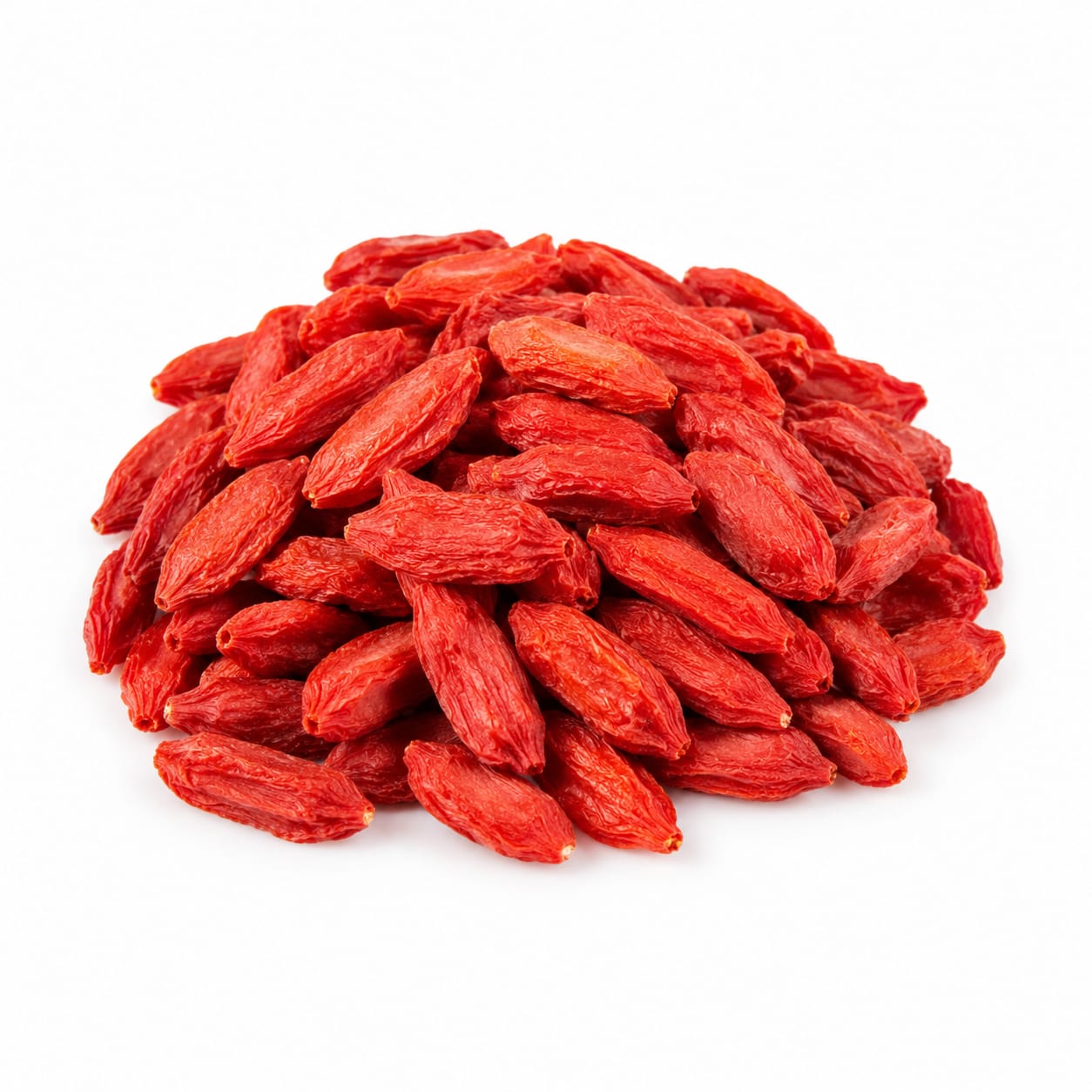
Fruit
Wolfberry
A nutrient-dense, brightly colored berry usually consumed dried, known for its high antioxidant and vitamin A content.
Bright orange-red berries from the Lycium barbarum plant, traditionally used in Chinese medicine and widely consumed dried as a nutrient-dense superfood, commonly known as goji berries.
antioxidant-rich dried fruit
Typical serving · 28g
Common varieties · ningxia goji, tibetan goji, lycium barbarum, lycium chinense, organic goji +1 more
Overall context score across nutrition, safety, and diet fit
At a glance
Quick facts
Simple indicators based on nutrition, processing, and diet fit.
The story
What makes it unique
Dried wolfberries have a concentrated macronutrient profile high in carbohydrates and unique phytochemicals like lycium barbarum polysaccharides (LBP). Digestion is moderately slow due to fiber content, providing sustained energy release and moderate satiety. Processing is limited to dehydration, preserving heat-stable compounds.
Varieties: ningxia goji · tibetan goji · lycium barbarum · lycium chinense · organic goji · wolfberry powder
Per 100g
Nutrition breakdown
Macro balance and key metrics at a glance.
Energy
Density 3.49 kcal/g
Protein
Carbs
Fat
Fiber
Sugar
45 g
Sodium
250 mg
Potassium
1132 mg
Glycemic index
29
Glycemic load
21
Water content
10%
Standout compounds
Nutrient highlights
Vitamin A
highSupports eye health, immune function, and skin integrity.
Iron
moderateEssential for oxygen transport in the blood and energy production.
Vitamin C
moderatePromotes collagen synthesis and enhances immune defense.
Fiber
highSupports digestive regularity and feeds beneficial gut bacteria.
Lycium barbarum polysaccharides
highUnique antioxidant compounds that support immune function and eye health.
Wellness map
Health scores & processing
NOVA processing scale
minimally processed · Whole food
Commercial wolfberries are typically dehydrated to extend shelf life, which concentrates their natural sugars and nutrients without adding artificial ingredients.
Diet compatibility
- Weight loss
- Muscle gain
- Diabetes
- Gut health
- Low carb
- High protein
- Heart health
Relative standing
Food rankings
Qualitative ranks compared to similar whole foods.
- Satietygood
- Blood sugargood
- Nutrient densityexcellent
- Fitness fuelmoderate
- Processing qualityexcellent
Eat with confidence
Food safety profile
Wolfberries are generally safe, but conventional farming practices in some regions rely heavily on pesticides. Sulfite-sensitive individuals should seek unsulfured organic varieties.
Evidence confidence 85%
- Pesticidesmoderate
- Antibioticslow
- Heavy metalsmoderate
- Contaminationlow
Watch for
- pesticide residues
- atropine
- sulfur dioxide
Safer choices
Certified organic wolfberries from reputable suppliers with transparent third-party testing.
Prep tips
Rinse dried berries thoroughly under warm water to remove surface dust, potential pesticide residue, and excess sulfur before consuming or soaking.
Some imported batches have tested positive for pesticide residues exceeding domestic standards; sulfites are sometimes used as preservatives undeclared.
Deep dive
Health analysis
How this food may fit different goals and preparation choices.
Weight loss
High energy density makes overconsumption easy; portion control is essential as calories add up quickly compared to fresh fruits.
Blood sugar
Low glycemic index slows glucose absorption, but the high concentrated sugar content per serving requires moderation for diabetics.
Fitness & energy
Provides a mix of quick-digesting sugars and sustained energy from fiber, suitable for light endurance activities.
Gut health
Contains soluble fiber and unique polysaccharides that act as prebiotics, supporting beneficial gut bacteria growth.
Processing quality
Simple dehydration retains most micronutrients and antioxidants, making it a high-quality whole food snack.
Food safety
Pesticide exposure risk is the primary concern; choosing organic mitigates most safety issues associated with conventional crops.
Common mistakes
Treating them as a zero-calorie superfood and eating large handfuls, which leads to excessive sugar and calorie intake.
Best preparation
Soaking in warm water to rehydrate, blending into smoothies, or steeping in tea to extract antioxidants without added sugar.
Practical guide
Best use cases
When and how this food fits real eating patterns.
Oatmeal topping
Adds natural sweetness, texture, and a boost of vitamin A and antioxidants to morning oatmeal.
Smoothie booster
Blending a small handful increases the nutrient density and adds prebiotic fiber to support gut health.
Trail mix ingredient
Combines well with nuts and seeds for a calorie-dense, energy-providing snack for hiking or endurance activities.
Herbal tea infusion
Steeping berries in hot water extracts water-soluble polysaccharides and creates a hydrating, antioxidant-rich beverage.
Balance sheet
Pros & cons
Upsides
- Exceptional source of vitamin A and antioxidants
- Contains unique immune-supporting polysaccharides
- High in fiber compared to other dried fruits
- Surprisingly high protein content for a fruit
- Low glycemic index helps stabilize blood sugar
Trade-offs
- High in calories and sugar when dried
- Pesticide residue risk with non-organic varieties
- Can interact with blood thinning medications
- Easy to overconsume due to small size and sweet taste
- Often more expensive than common dried fruits
Fit check
Who is it for?
Great match
- antioxidant boosting
- eye health support
- trail mix snacking
- oatmeal enhancement
Consider alternatives
- strict low-carb diets
- weight loss calorie restriction
- blood thinner users
- fructose malabsorption
Side by side
How it compares
Open the full head-to-head analysis for nutrition, safety, and practical tradeoffs.
This food
Wolfberry
VS85% alike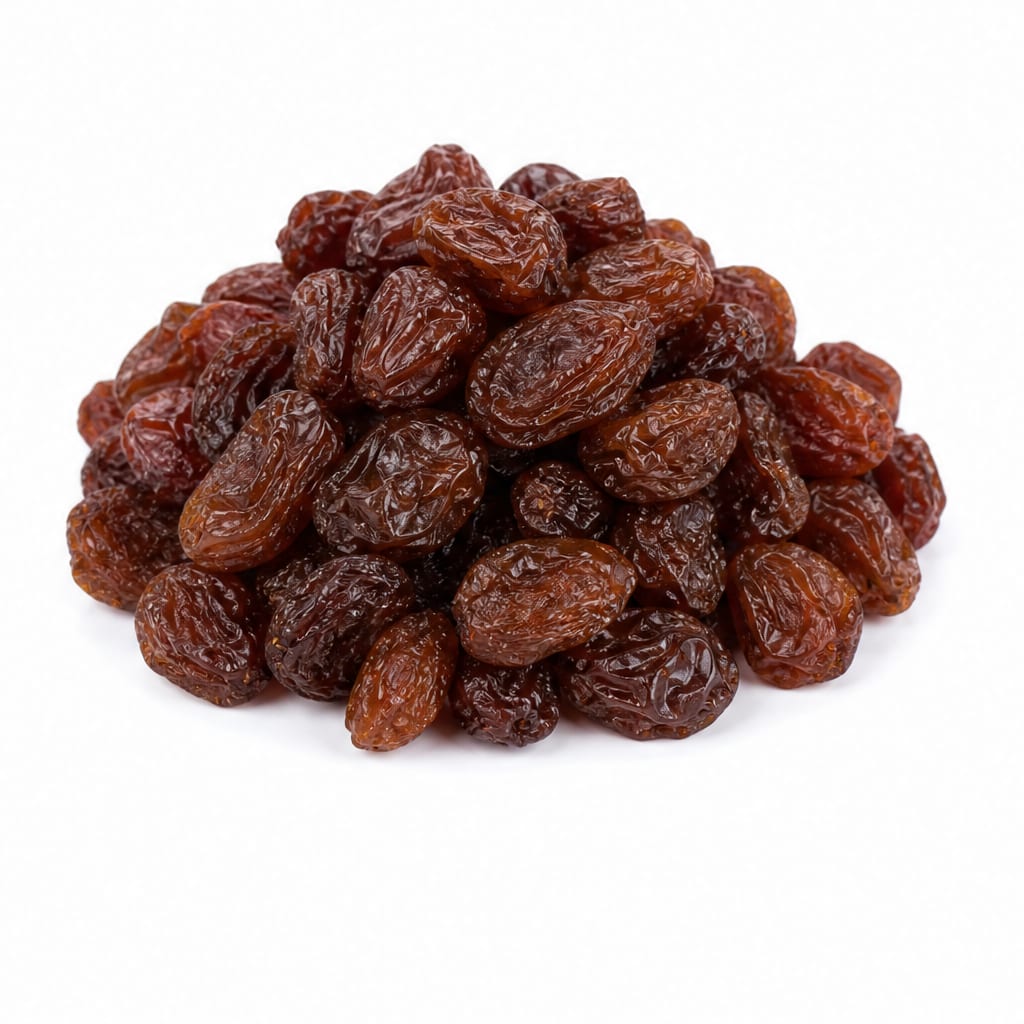
Compare with
Raisins
Wolfberries offer significantly more vitamin A, protein, and unique antioxidants, while raisins are cheaper and provide faster digesting energy.
Wolfberries provide more protein and vitamin A than raisins, while raisins offer cheaper, faster energy for athletes.
This food
Wolfberry
VS80% alike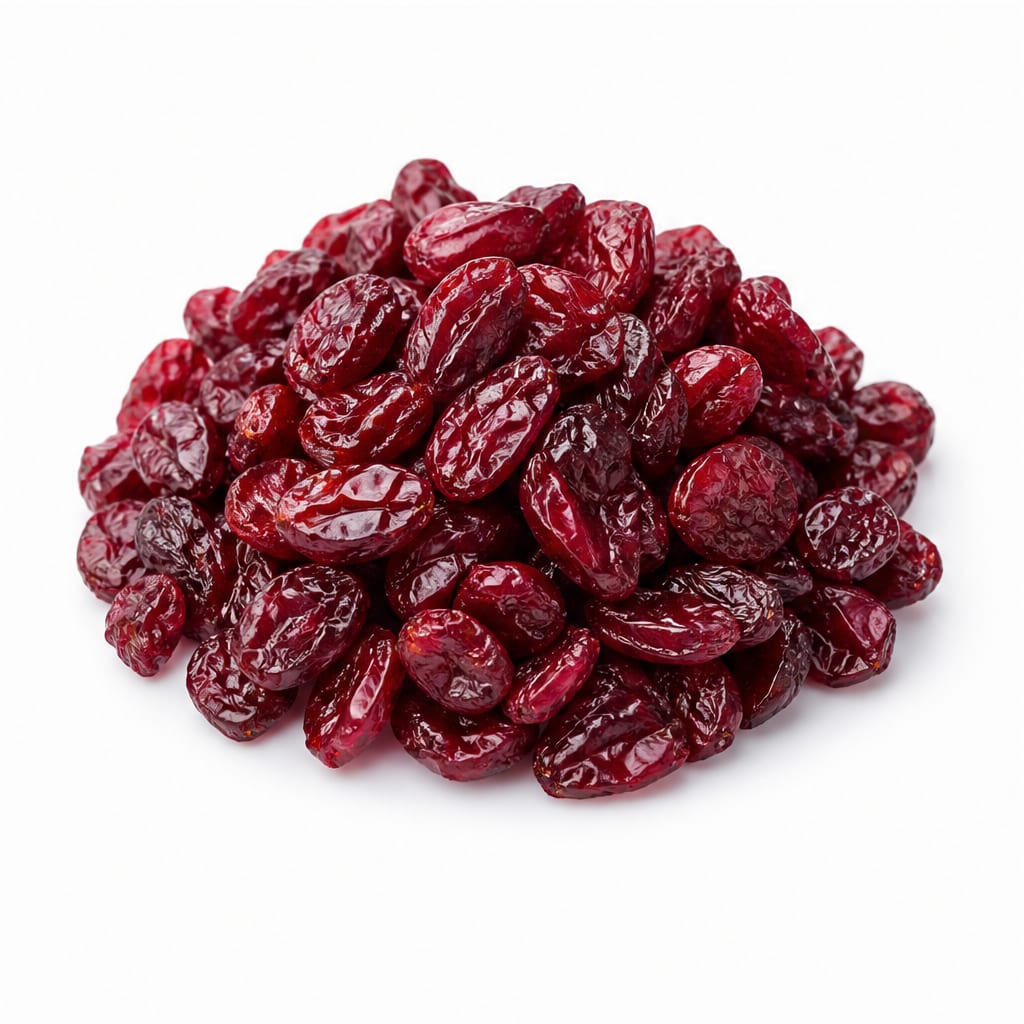
Compare with
Dried Cranberries
Dried cranberries are typically sweetened with added sugar, whereas wolfberries are naturally sweet and much higher in micronutrients.
Wolfberries are naturally sweet and nutrient-dense, whereas most dried cranberries contain large amounts of added sugar.
This food
Wolfberry
VS75% alike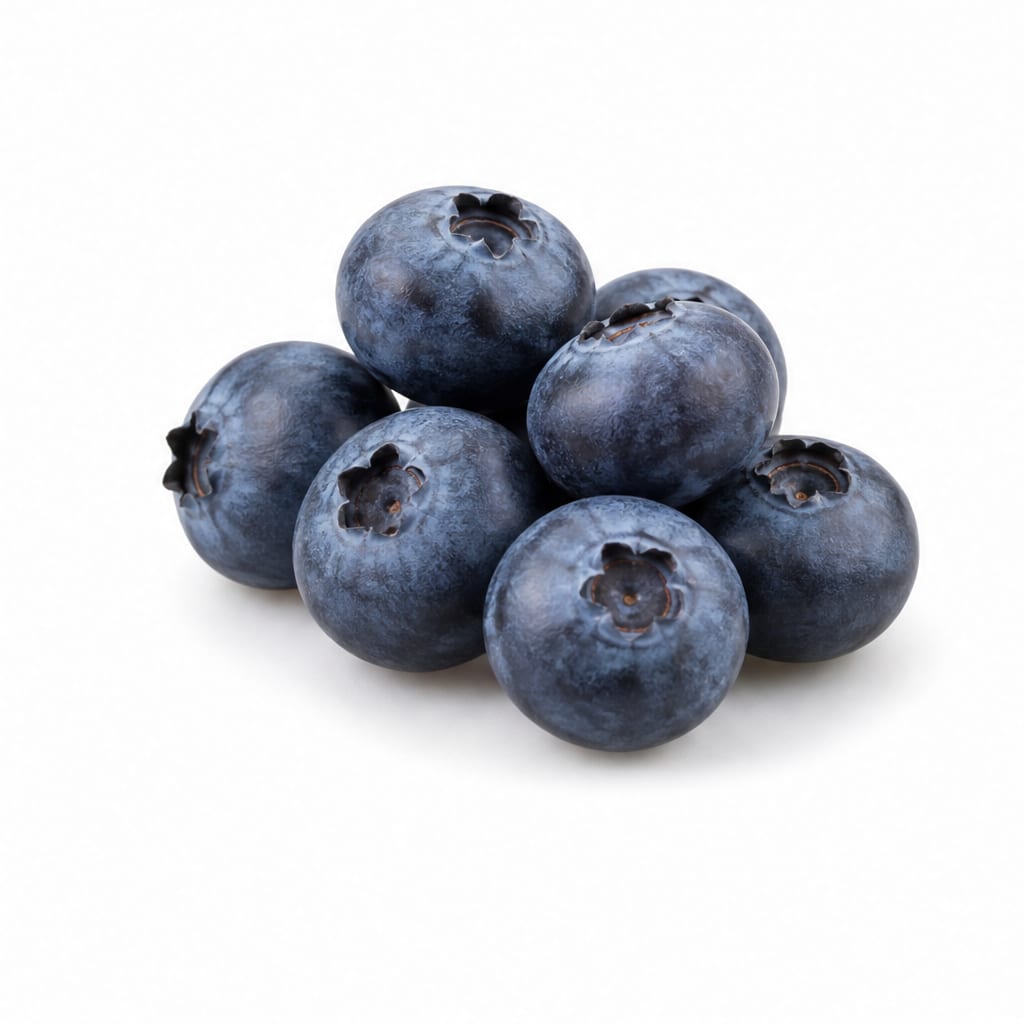
Compare with
Fresh Blueberries
Fresh blueberries are superior for weight loss due to high water volume and low calories, while dried wolfberries offer concentrated nutrients per gram.
Fresh blueberries are better for low-calorie snacking, while dried wolfberries provide concentrated vitamin A and iron.
This food
Wolfberry
VS70% alike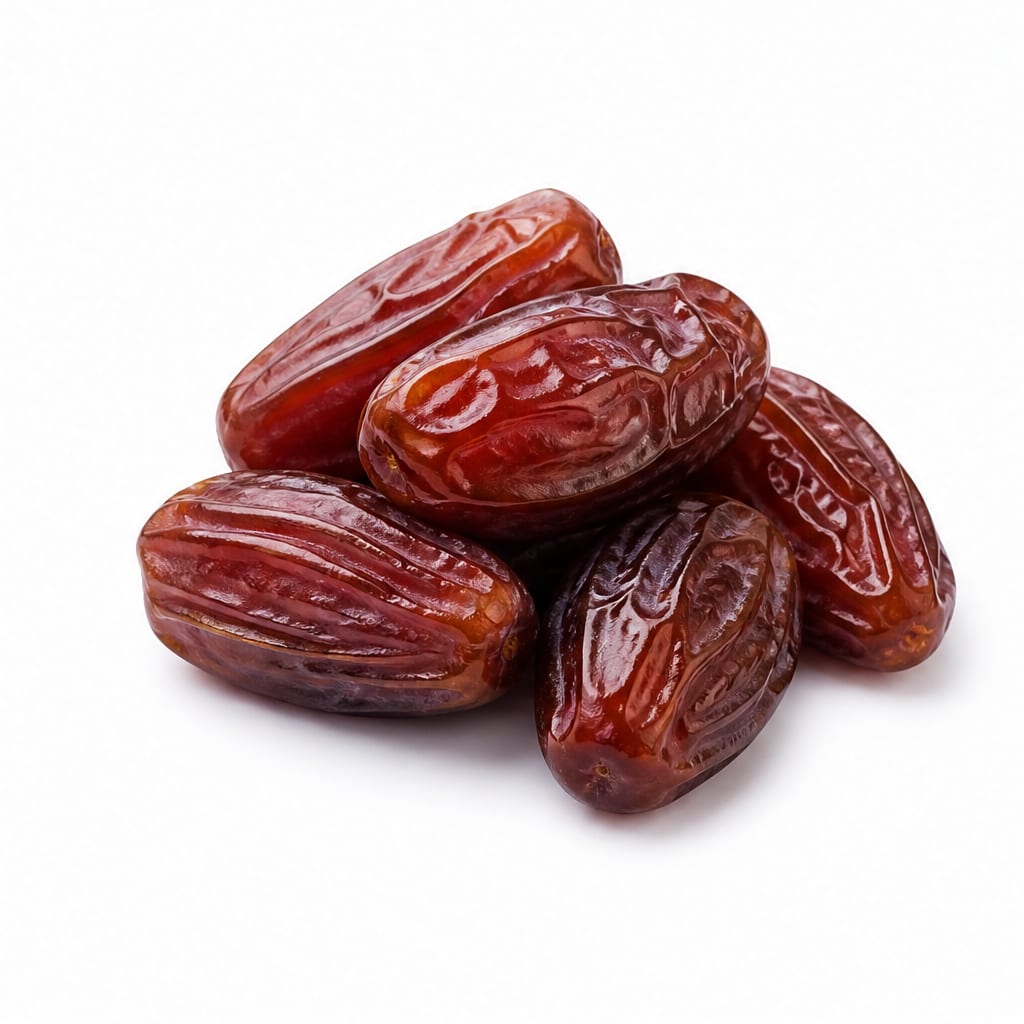
Compare with
Dates
Dates are much higher in calories and natural sugars, providing quick energy, whereas wolfberries offer a broader micronutrient profile and more protein.
Dates are better for quick pre-workout energy, but wolfberries are lower in sugar and higher in protein and antioxidants.
This food
Wolfberry
VS70% alike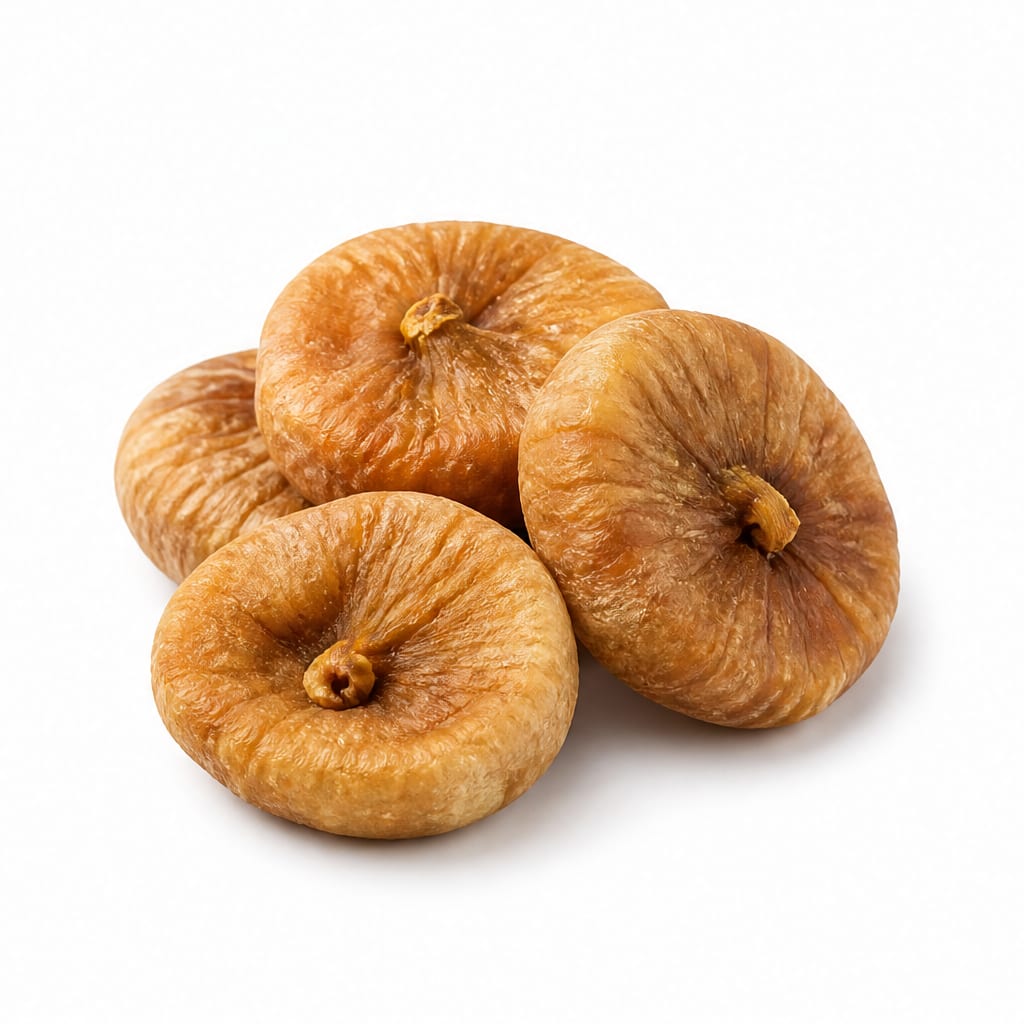
Compare with
Dried Figs
Dried figs are higher in calcium and fiber, while wolfberries provide vastly more vitamin A and unique immune-supporting polysaccharides.
Dried figs offer more calcium and fiber, while wolfberries excel in vitamin A and antioxidant polysaccharides.
This food
Wolfberry
VS65% alike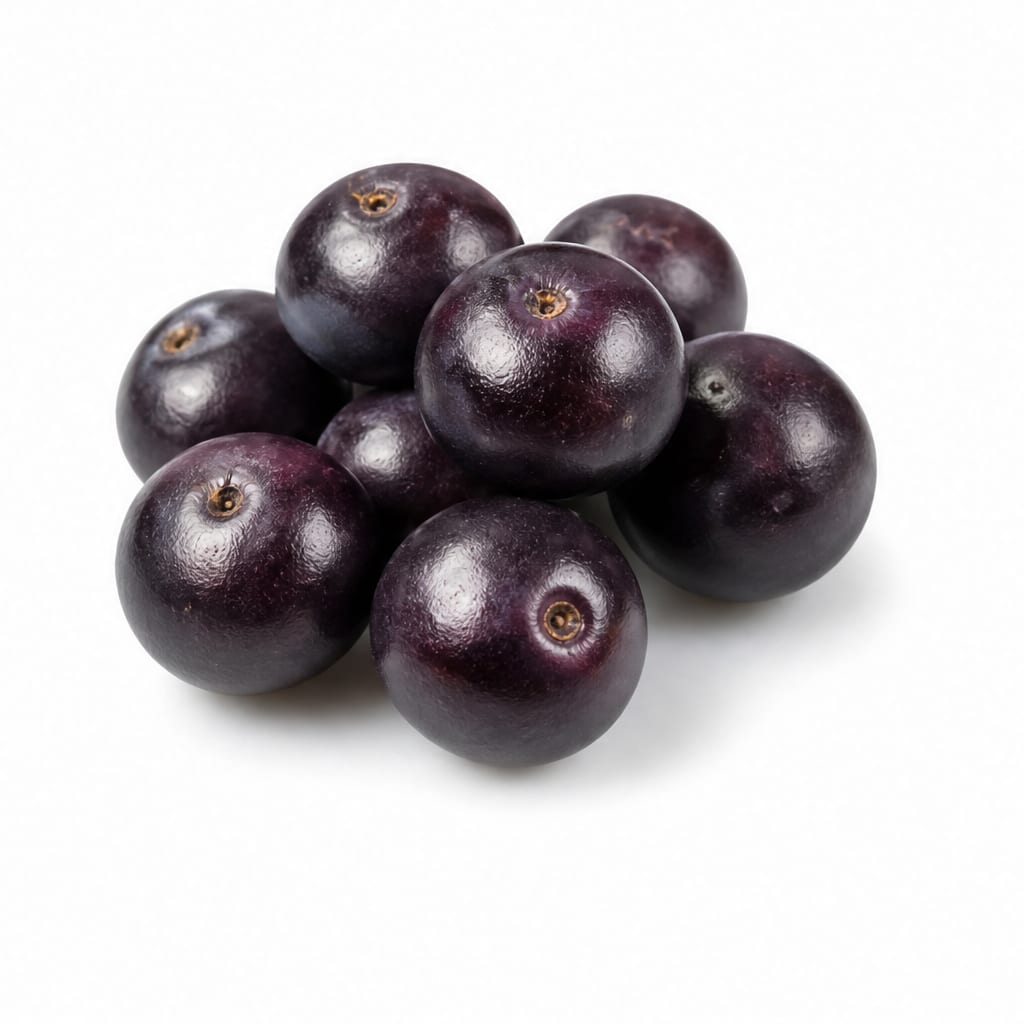
Compare with
Acai Berries
Acai is higher in healthy fats and typically consumed as a frozen puree, while dried wolfberries are higher in carbohydrates, protein, and vitamin A.
Acai berries provide more healthy fats and fewer carbs, while wolfberries deliver more protein and vitamin A in a shelf-stable form.
This food
Wolfberry
VS85% alike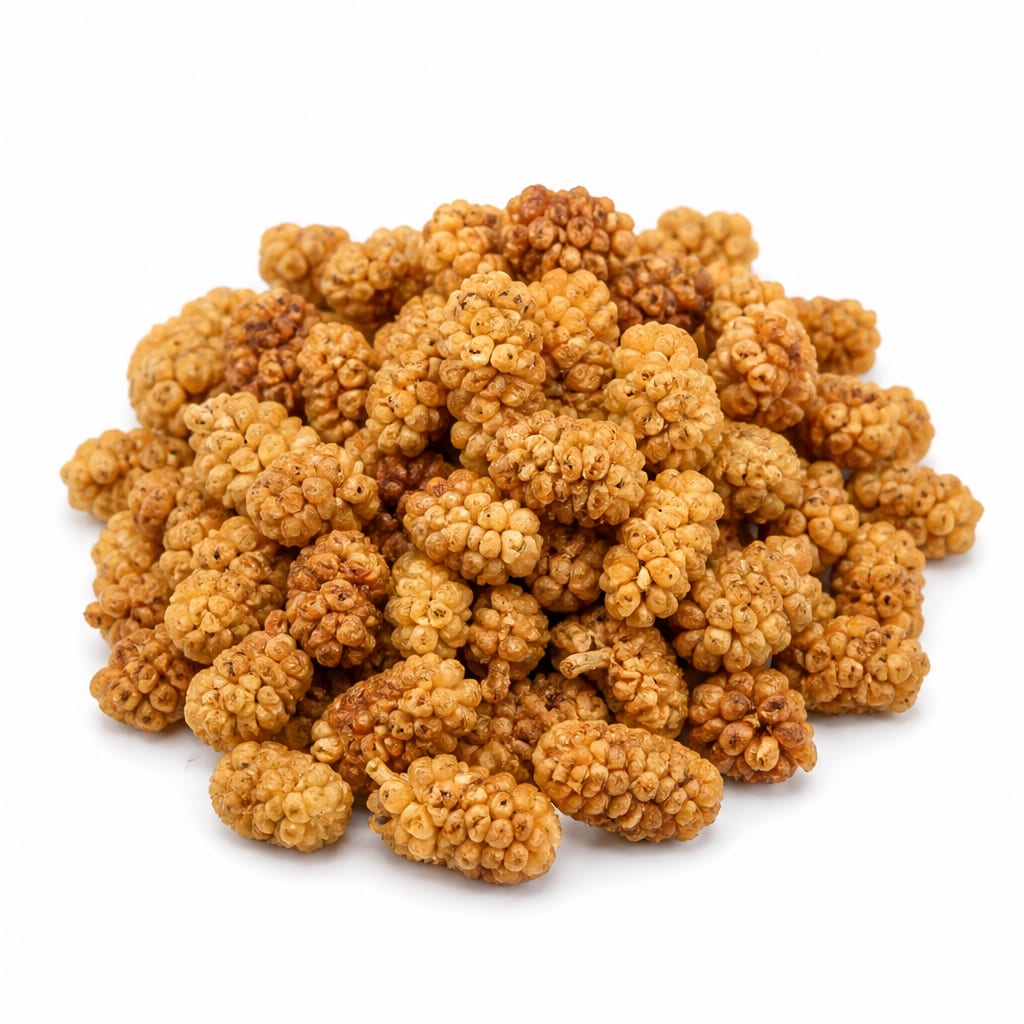
Compare with
Dried Mulberries
Mulberries are higher in iron and vitamin C, while wolfberries are significantly higher in vitamin A and protein.
Mulberries offer more iron and vitamin C, whereas wolfberries are superior for vitamin A and protein content.
This food
Wolfberry
VS75% alike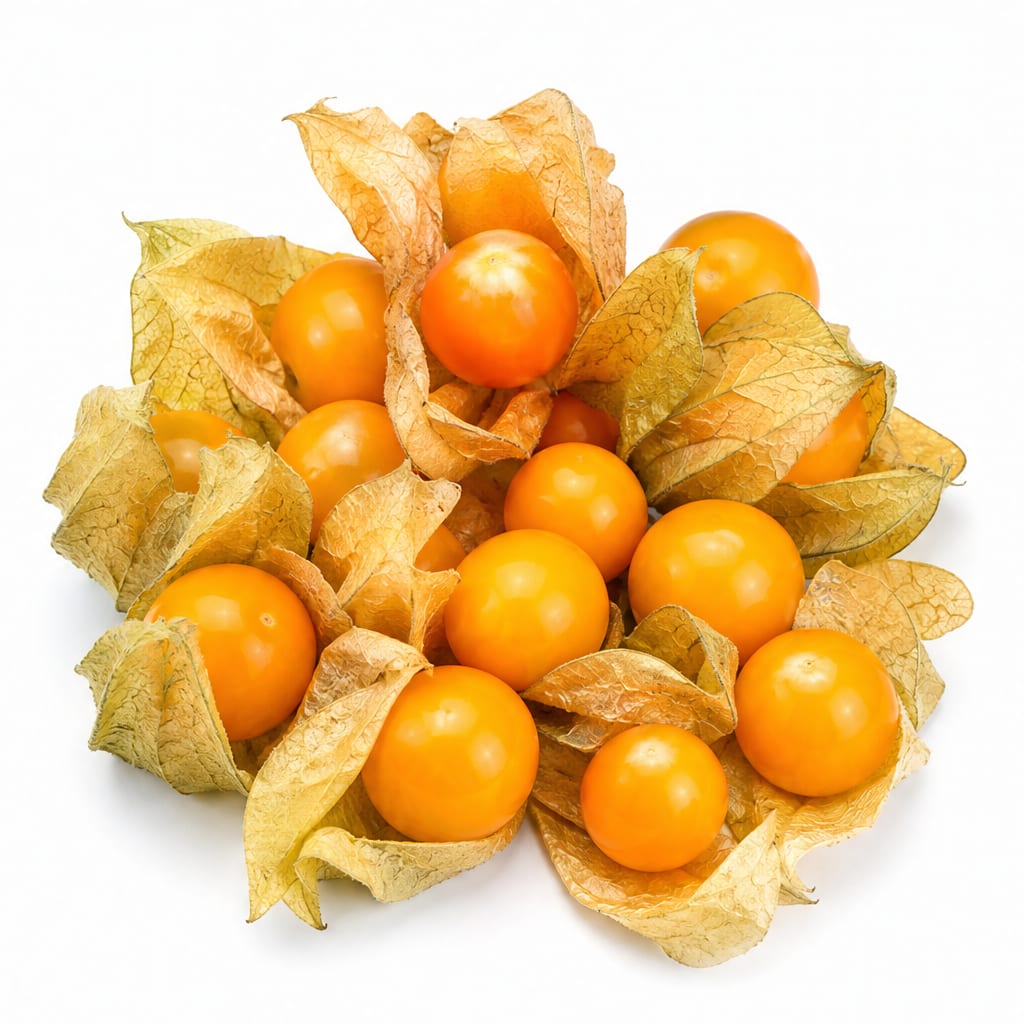
Compare with
Goldenberries
Goldenberries are lower in sugar and calories, making them better for weight loss, while wolfberries provide more vitamin A and antioxidants.
Goldenberries are lower in sugar and better for strict diets, while wolfberries offer more concentrated vitamin A and carbs for energy.
This food
Wolfberry
VS70% alike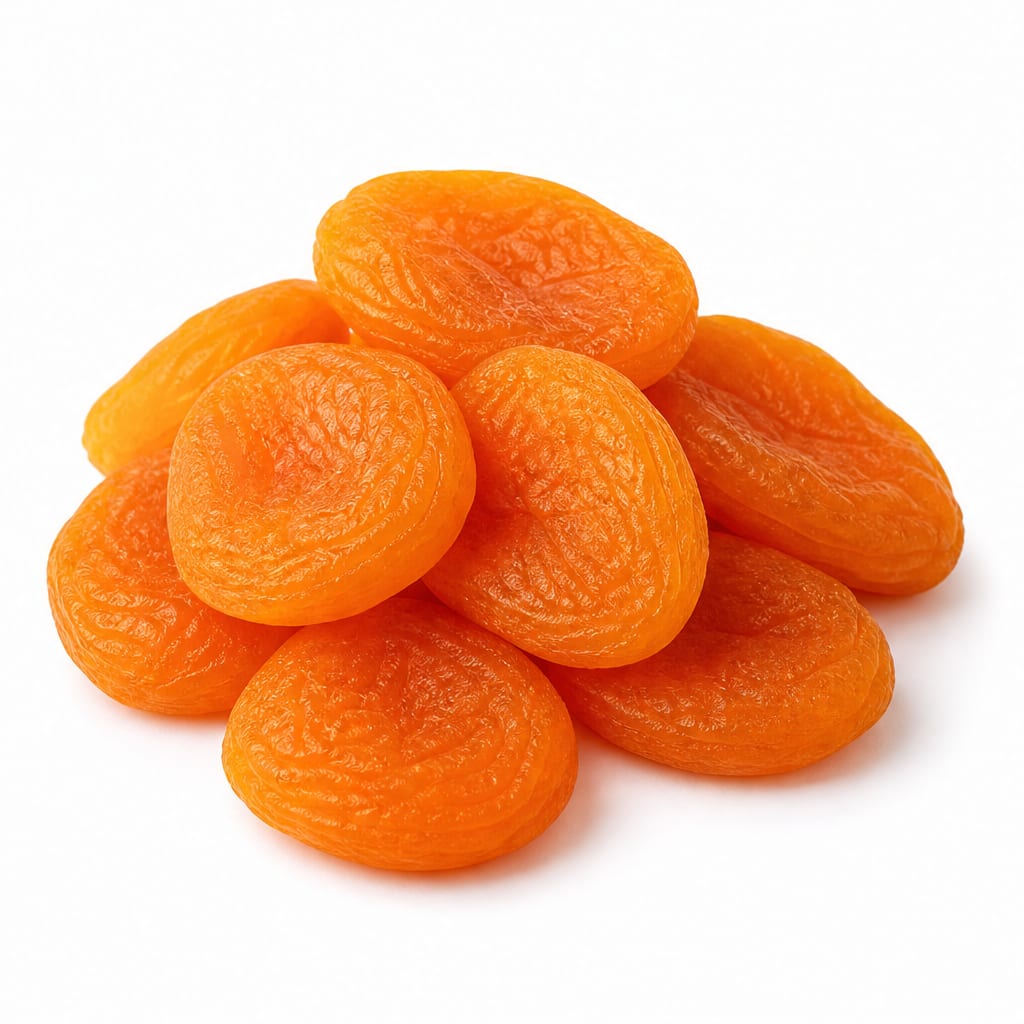
Compare with
Dried Apricots
Dried apricots are higher in potassium, while wolfberries contain more protein and unique polysaccharides per serving.
Dried apricots provide more potassium, while wolfberries offer more protein and unique immune-supporting compounds.
This food
Wolfberry
VS60% alike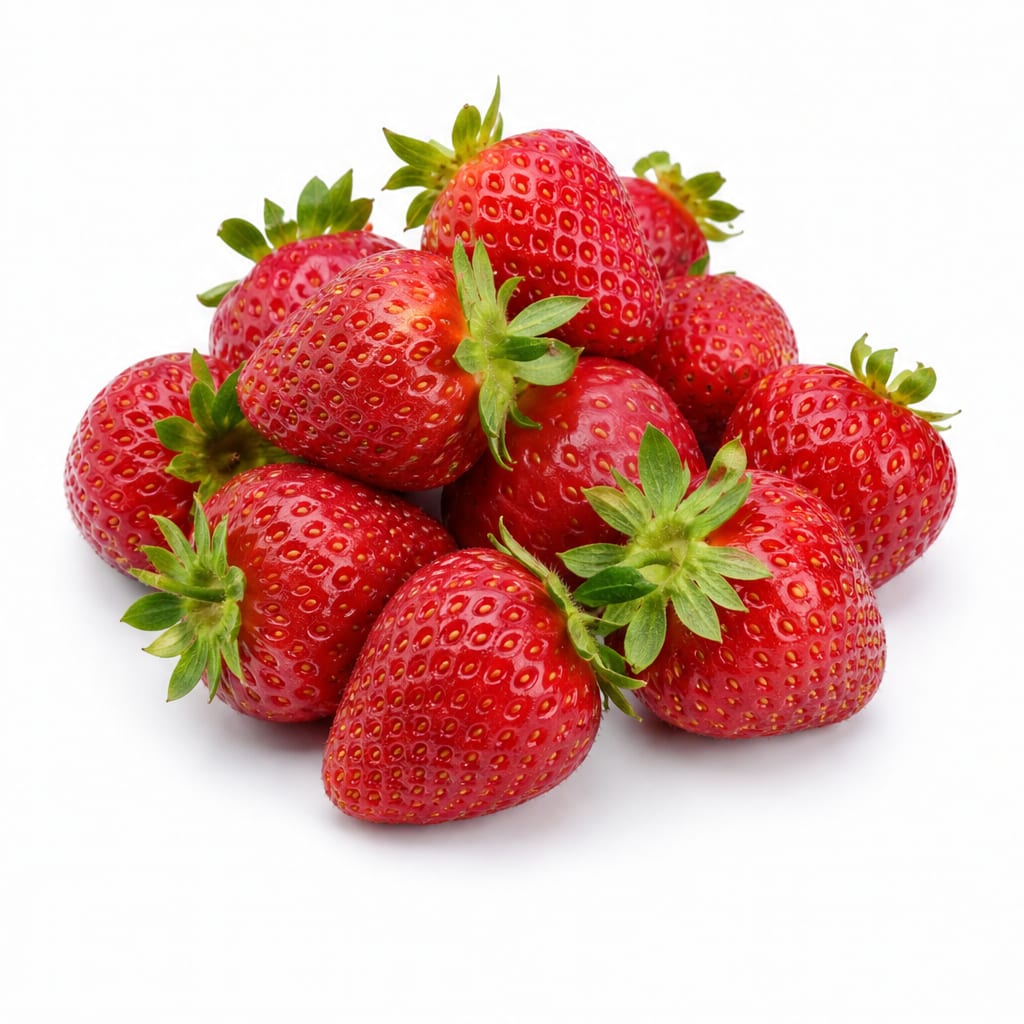
Compare with
Fresh Strawberries
Fresh strawberries are vastly lower in calories and higher in vitamin C per 100g, while dried wolfberries provide concentrated energy and vitamin A.
Fresh strawberries are much lower in calories and better for weight loss, while dried wolfberries provide portable, concentrated energy and vitamin A.
Common questions
FAQ
Answers aligned with how people search for this food.
Are wolfberries the same as goji berries?
Yes, wolfberries and goji berries refer to the fruit of the Lycium barbarum plant. The term wolfberry is more common in traditional Chinese contexts, while goji berry is the Western commercial term.
Can diabetics eat wolfberries?
Yes, in moderation. Wolfberries have a low glycemic index of 29, meaning they cause a slow rise in blood sugar. However, dried berries are concentrated in natural sugars, so portion control is important.
Are goji berries good for weight loss?
Not particularly. While nutrient-dense, dried goji berries are high in calories and sugar per 100g. They can be part of a healthy diet in small amounts, but fresh berries are a better choice for weight loss.
How many goji berries should I eat daily?
A standard serving is about 1 ounce (28 grams), which is roughly a small handful. This provides beneficial nutrients without excessive calorie or sugar intake.
Do goji berries interact with medications?
Yes, goji berries can interact with blood thinners like warfarin, potentially increasing bleeding risk. Consult a doctor if you take anticoagulant medications.
Are goji berries high in protein?
Relative to other fruits, yes. Dried goji berries contain about 14g of protein per 100g, which is significantly higher than most dried fruits, though they should not be relied upon as a primary protein source.
Do you need to wash dried goji berries?
Yes, it is recommended to rinse dried goji berries under warm water before eating to remove potential pesticide residue, dust, and any sulfur dioxide used in processing.
Are goji berries safe during pregnancy?
In food amounts, goji berries are generally considered safe during pregnancy, but high-dose supplements should be avoided due to a lack of safety data. Always consult an obstetrician.
Transparency
Data confidence
Estimated confidence for nutrition data, interpretation, safety notes, and comparisons.
Nutrition data
Health analysis
Food safety
Comparisons