
Nutrition comparison
Wolfberry vs Raisins: Which Dried Fruit Is Healthier?
Wolfberry delivers more antioxidants and eye-protecting nutrients with less sugar, but raisins are cheaper and more practical. Compare nutrition, benefits, and tradeoffs.
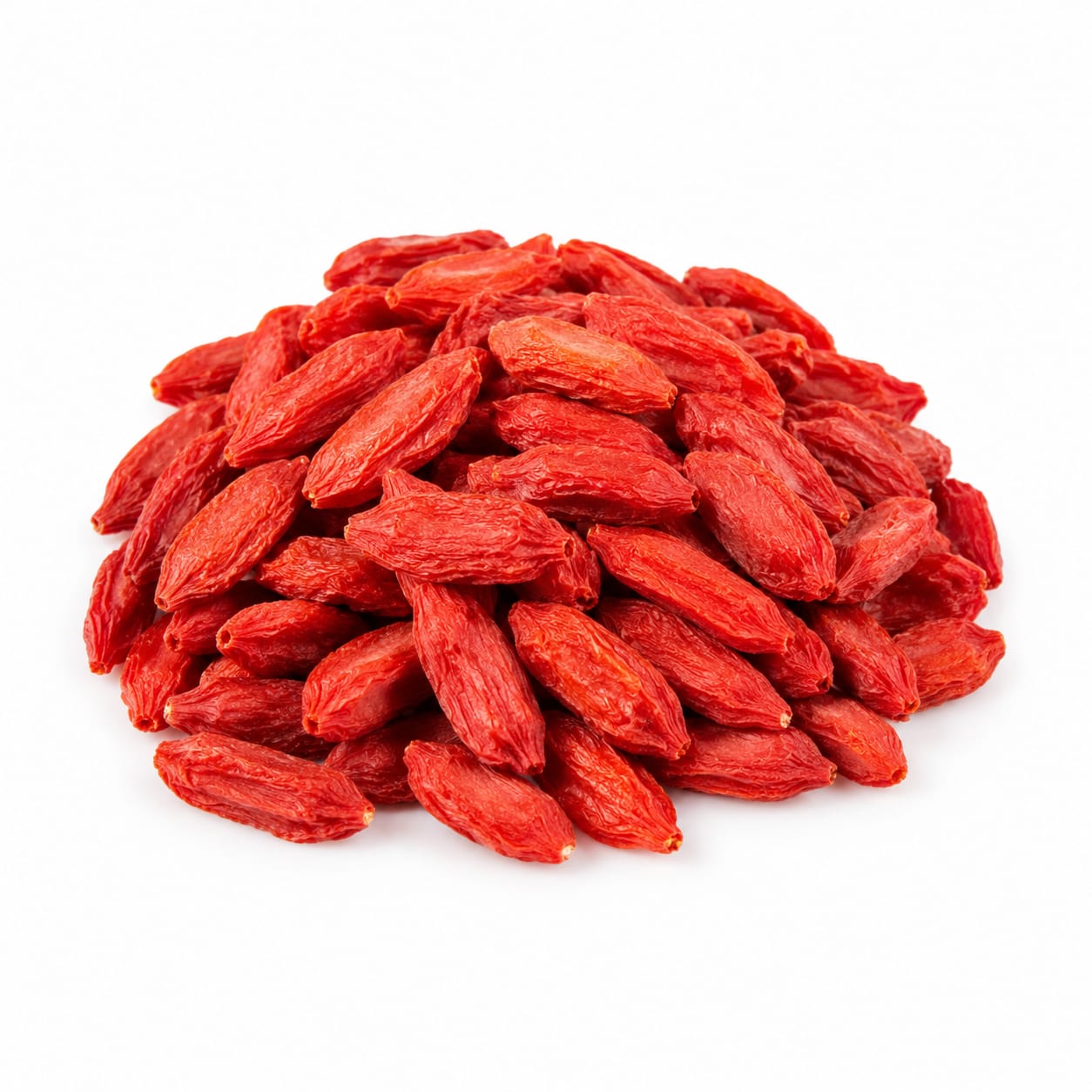
Wolfberry
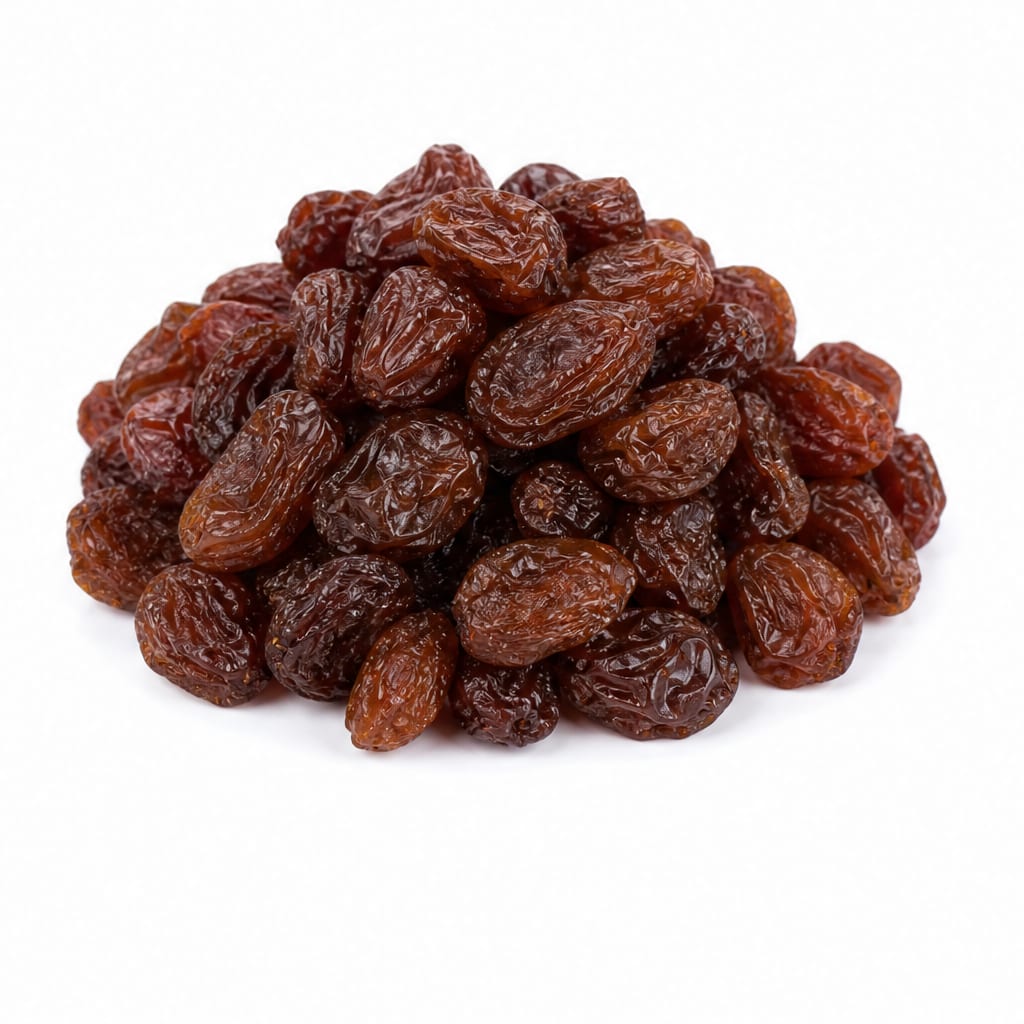
Raisins
Wolfberry delivers far more micronutrients and eye-protective compounds per calorie, but raisins win on price, availability, and quick energy.
Wolfberry scores higher on nutritional density and lower sugar, but loses significant ground on affordability, accessibility, and sourcing transparency. Raisins are practical and reliable but sugar-heavy, limiting their health edge.
Premium nutrition versus everyday practicality — wolfberry is the supplement-like superfood, raisins are the reliable staple.
At a glance
Executive summary
Overall
It depends
Healthier
Wolfberry
More practical
Raisins
Daily use
Raisins
Key comparison lenses
antioxidant and eye health superiority
Wolfberry is renowned for zeaxanthin and lutein content, making eye health the most distinctive differentiator
sugar load and blood spike comparison
Raisins are significantly higher in sugar, making glycemic impact a critical decision factor
everyday affordability and accessibility
Raisins are cheap and ubiquitous while wolfberry is premium and harder to find
micronutrient density per calorie
Both are dried fruits but offer vastly different vitamin and mineral profiles
sourcing safety and contamination risk
Wolfberry is predominantly sourced from China, raising pesticide and heavy metal concerns
Best choice for
Wolfberry
- People focused on eye health and macular protection
- Those wanting low-sugar dried fruit options
- Anyone seeking dense antioxidant supplementation from food
- Low-carb or keto-adjacent eaters wanting a dried fruit treat
Raisins
- Athletes needing quick natural energy
- Families wanting affordable healthy snacks
- Anyone with iron deficiency concerns
- People who need a readily available pantry staple
Least suitable for
Wolfberry
- Budget-conscious shoppers who need large quantities regularly
- People concerned about Chinese agricultural sourcing and pesticide residues
- Those who need immediate accessible energy from a snack
- Anyone unfamiliar with the taste who dislikes tart-herbal flavors
Raisins
- People managing diabetes or insulin resistance
- Those on low-sugar or low-carb diets
- Anyone prone to overeating dried fruit
- People avoiding calorie-dense foods for weight loss
Deep comparison
Dimension by dimension
Each lens scores both foods and breaks down who each option suits.
- Dimension 1 · Priority 93Wolfberry
antioxidant_and_phytonutrient_density
Wolfberry · 94Raisins · 52Wolfberry is in a different league — loaded with zeaxanthin, lutein, and unique polysaccharides that raisins simply do not offer.
Tradeoff
You pay a premium price for wolfberry's antioxidant complexity, while raisins provide simpler but still decent polyphenols at a fraction of the cost.
Why it matters
Zeaxanthin and lutein directly protect the macula of your eye. This is not theoretical — it is one of the most well-supported nutrition-vision links.
Real-world impact
Regular wolfberry consumption may help preserve night vision and reduce age-related macular degeneration risk over decades. Raisins offer general antioxidant support but nothing vision-specific.
Wolfberry
- Eye health and macular protection
- Long-term cellular defense against oxidative stress
- Immune modulation from unique polysaccharides
Better for
- Cost per serving is significantly higher for the antioxidant benefit
Worse for
Raisins
- General polyphenol intake on a budget
- Antioxidant support without needing specialty stores
Better for
- No meaningful zeaxanthin or lutein content
- Less diverse phytonutrient profile overall
Worse for
- Dimension 2 · Priority 90Wolfberry
sugar_content_and_glycemic_impact
Wolfberry · 78Raisins · 38Wolfberry contains roughly half the sugar of raisins per serving, making it far gentler on blood sugar.
Tradeoff
Raisins provide fast energy that athletes may want, but that same sugar load is problematic for sedentary snacking or metabolic conditions.
Why it matters
A quarter cup of raisins packs about 25 grams of sugar. That is a blood sugar spike followed by a crash if eaten alone on the couch.
Real-world impact
Wolfberry lets you enjoy a dried fruit snack without the afternoon energy dip. Raisins eaten solo often leave you hungry again within an hour.
Wolfberry
- Steadier energy without the crash
- Safer for prediabetics and insulin-resistant individuals
- Easier to incorporate into low-sugar eating patterns
Better for
- Less effective as immediate pre- or post-workout fuel
Worse for
Raisins
- Rapid glycogen replenishment after intense exercise
- Quick fuel before endurance activity
Better for
- Easy to overconsume sugar without realizing it
- Spikes insulin more sharply, especially eaten alone
Worse for
- Dimension 3 · Priority 82Wolfberry
vitamin_and_mineral_profile
Wolfberry · 85Raisins · 68Wolfberry delivers dramatically more vitamin A, vitamin C, and zinc. Raisins counter with more potassium and iron.
Tradeoff
Wolfberry covers more micronutrient bases per calorie, but raisins excel at the specific minerals many people are actually deficient in.
Why it matters
Iron deficiency is the most common nutrient deficiency worldwide. Potassium shortfall affects most adults. Raisins help where many people actually struggle.
Real-world impact
A handful of raisins with your oatmeal meaningfully boosts iron and potassium intake. Wolfberry is more like taking a targeted vitamin A and C supplement in food form.
Wolfberry
- Vitamin A needs — wolfberry is exceptionally rich in beta-carotene
- Vitamin C intake from a dried fruit source
- Zinc and selenium for immune support
Better for
- Lower in potassium than raisins
- Less iron per serving
Worse for
Raisins
- Iron supplementation through food, especially for vegetarians
- Potassium for blood pressure regulation
- Boron for bone health, which raisins contain notably
Better for
- Almost no vitamin A content
- Minimal vitamin C after drying
Worse for
- Dimension 4 · Priority 87Raisins
affordability_and_accessibility
Wolfberry · 30Raisins · 92Raisins are one of the cheapest dried fruits available at any grocery store. Wolfberry is a premium product often requiring specialty or online purchase.
Tradeoff
You can eat raisins daily without financial strain. Wolfberry at the same frequency becomes a significant grocery expense.
Why it matters
The healthiest food only works if you can actually buy and eat it consistently. Affordability drives long-term adherence.
Real-world impact
A family of four can snack on raisins daily for a few dollars a week. The same habit with wolfberry could cost five to ten times more.
Wolfberry
- Available online with growing mainstream presence
Better for
- Often 5-10x more expensive per ounce than raisins
- May require online ordering or specialty store visits
- Quality varies wildly between brands and sources
Worse for
Raisins
- Available at every grocery store, gas station, and convenience shop
- Costs a fraction per serving compared to wolfberry
- Comes in bulk packaging for even more savings
Better for
- No meaningful downside on accessibility
Worse for
- Dimension 5 · Priority 76Wolfberry
satiety_and_overeating_risk
Wolfberry · 72Raisins · 48Wolfberry's tart flavor and lower sugar make it naturally self-limiting. Raisins are dangerously easy to overeat.
Tradeoff
Raisins are more palatable and comforting, which is both their strength and their trap.
Why it matters
A standard raisin box is 1.5 ounces and disappears in seconds. That is over 100 calories of pure sugar before your brain registers fullness.
Real-world impact
You can mindlessly eat three servings of raisins during a movie. Wolfberry's stronger, slightly herbal taste naturally slows you down.
Wolfberry
- Tart flavor profile acts as a natural portion brake
- Lower sugar means less blood sugar-driven hunger rebound
- More satisfying in small amounts due to intense taste
Better for
- Taste may feel medicinal to people expecting sweet fruit
Worse for
Raisins
- Sweeter taste is more comforting and emotionally satisfying
- Better for children who reject tart flavors
Better for
- Very high hedonic eating potential — hard to stop at one serving
- Blood sugar spike can trigger more cravings shortly after
Worse for
- Dimension 6 · Priority 78Raisins
sourcing_safety_and_contamination
Wolfberry · 45Raisins · 75Most wolfberry comes from China with variable pesticide oversight. Raisins are primarily domestic with stricter regulation.
Tradeoff
Wolfberry's nutritional advantages assume a clean product. Contaminated wolfberry could undermine all benefits.
Why it matters
Multiple studies have found pesticide residues on imported goji berries exceeding safety standards. This is not theoretical — it is a recurring issue.
Real-world impact
Choosing organic wolfberry from reputable brands mitigates most risk but adds even more cost. Raisins generally have lower contamination concerns regardless of organic status.
Wolfberry
- Organic certified options exist and reduce risk substantially
Better for
- Predominant Chinese sourcing with inconsistent oversight
- Documented pesticide residue issues in multiple studies
- Sulfur dioxide sometimes used as preservative in dried wolfberry
Worse for
Raisins
- Domestically grown with tighter pesticide regulation
- Shorter supply chain means less contamination opportunity
- Lower risk of heavy metal exposure
Better for
- Conventionally grown raisins can have pesticide residues
- Sulfites added to golden raisins can trigger sensitivity
Worse for
Timeline
Health impact over time
Short-term
Hours to days
Wolfberry
- Mild energy boost without the sugar crash
- Tart flavor may stimulate digestion
- Quick vitamin A and C contribution to daily intake
Raisins
- Rapid blood sugar rise providing quick energy
- Immediate iron and potassium replenishment
- Can trigger sugar cravings within an hour if eaten alone
Long-term
Months to years
Wolfberry
- Meaningful protection against age-related macular degeneration from consistent zeaxanthin intake
- Enhanced immune resilience from polysaccharides and vitamin A
- Lower cumulative sugar exposure compared to other dried fruits
Raisins
- Improved iron status reducing fatigue and anemia risk over time
- Better blood pressure regulation from consistent potassium intake
- Risk of excess calorie and sugar intake if portions are not controlled
Risk profile
Safety & processing
Both are simply dried fruits with minimal processing. However, golden raisins are treated with sulfur dioxide, and some wolfberry products use sulfites as preservatives. Standard dark raisins and plain dried wolfberry are the cleanest choices.
Wolfberry
Pesticide residues from Chinese agriculture
highMultiple regulatory inspections have found goji berries from China with pesticide levels exceeding safety limits. Organic certification significantly reduces this risk.
Heavy metal contamination
mediumSoil contamination in some Chinese agricultural regions can lead to lead and cadmium presence in wolfberry products.
Sulfur dioxide preservative
lowSome dried wolfberry is treated with sulfites to preserve color. This is typically disclosed on labeling and avoidable by choosing untreated versions.
Raisins
Sulfite sensitivity from golden raisins
mediumGolden raisins contain sulfur dioxide which can trigger asthma or headaches in sensitive individuals. Dark raisins are sulfite-free.
Pesticide residues on conventional crops
lowGrapes are on the EWG Dirty Dozen list, but the drying process and domestic regulation keep raisin risk relatively low.
Mold and mycotoxin risk from storage
lowImproperly stored raisins can develop mold. This is easily avoided by keeping them sealed and dry.
Who wins for whom
Audience fit
Same foods, different winners depending on your goal.
children
RaisinsSweeter taste kids actually enjoy, plus iron and potassium support growing bodies. Wolfberry's tart flavor often gets rejected.
daily consumption
RaisinsAffordable and accessible enough to actually eat every day without financial strain or sourcing hassle.
diabetes
WolfberrySignificantly less sugar per serving and a gentler effect on blood glucose levels.
elderly
WolfberryZeaxanthin and lutein directly address age-related macular degeneration, the leading vision concern in older adults.
muscle gain
RaisinsMore carbohydrate fuel for training and better post-workout glycogen replenishment.
weight loss
WolfberryLower sugar and calorie density per serving, plus the tart flavor naturally limits overconsumption.
Your move
Decision guide
Choose Wolfberry
- You want maximum micronutrient density per calorie
- Eye health and macular protection are a priority, especially if you have family history of vision problems
- You are managing blood sugar and need a low-sugar dried fruit option
- You are willing to pay premium prices for targeted nutritional benefits
- You can source organic wolfberry from reputable brands
Choose Raisins
- You need affordable, accessible healthy snacks the whole family will eat
- You are an athlete or active person who needs quick natural carbohydrate fuel
- Iron or potassium deficiency is a specific concern for you
- You want something available at any grocery store without research or ordering
- You prefer sweet, comforting flavors over tart and herbal ones
Either works if
- You just want a dried fruit to add to oatmeal, trail mix, or baking
- You are looking for a natural whole-food snack without ultra-processing
- You want fiber and some micronutrients without reaching for candy
Avoid both if
- You are strictly limiting all dried fruit due to sugar or calorie concerns
- You have a sulfite sensitivity and cannot verify preservative-free options
- You are prone to mindless snacking on calorie-dense foods
Final recommendation
Keep both in your pantry for different purposes. Use wolfberry as a targeted eye-health supplement — a small daily handful in tea, smoothies, or yogurt. Use raisins as your affordable everyday dried fruit for trail mix, baking, and post-workout fuel. If budget forces one choice, raisins win on sustainability and practicality. If you have specific eye health concerns, wolfberry is worth the investment — just buy organic from trusted sources.
Practical
Consumer tips
- 1
Always choose organic wolfberry to minimize pesticide exposure — the price difference is worth the safety margin
- 2
Dark raisins are sulfite-free; golden raisins contain sulfur dioxide — choose based on your sensitivity
- 3
Soak wolfberry in warm water or tea for 10 minutes to soften and release more lycopene and zeaxanthin
- 4
Pair raisins with a protein or fat source like nuts to blunt the blood sugar spike
- 5
Store both in airtight containers away from light and heat to preserve nutrients and prevent mold
- 6
Start with small portions of wolfberry if you have never tried it — the tart-herbal flavor surprises some people
- 7
Freeze raisins for a refreshing snack that slows down eating speed