
Nutrition comparison
Wolfberry vs Fresh Blueberries: Which Superfruit Is Actually Better for You?
Compare wolfberry and fresh blueberries on antioxidants, sugar, eye health benefits, safety, and daily practicality. Find out which berry fits your health goals and how to use both effectively.
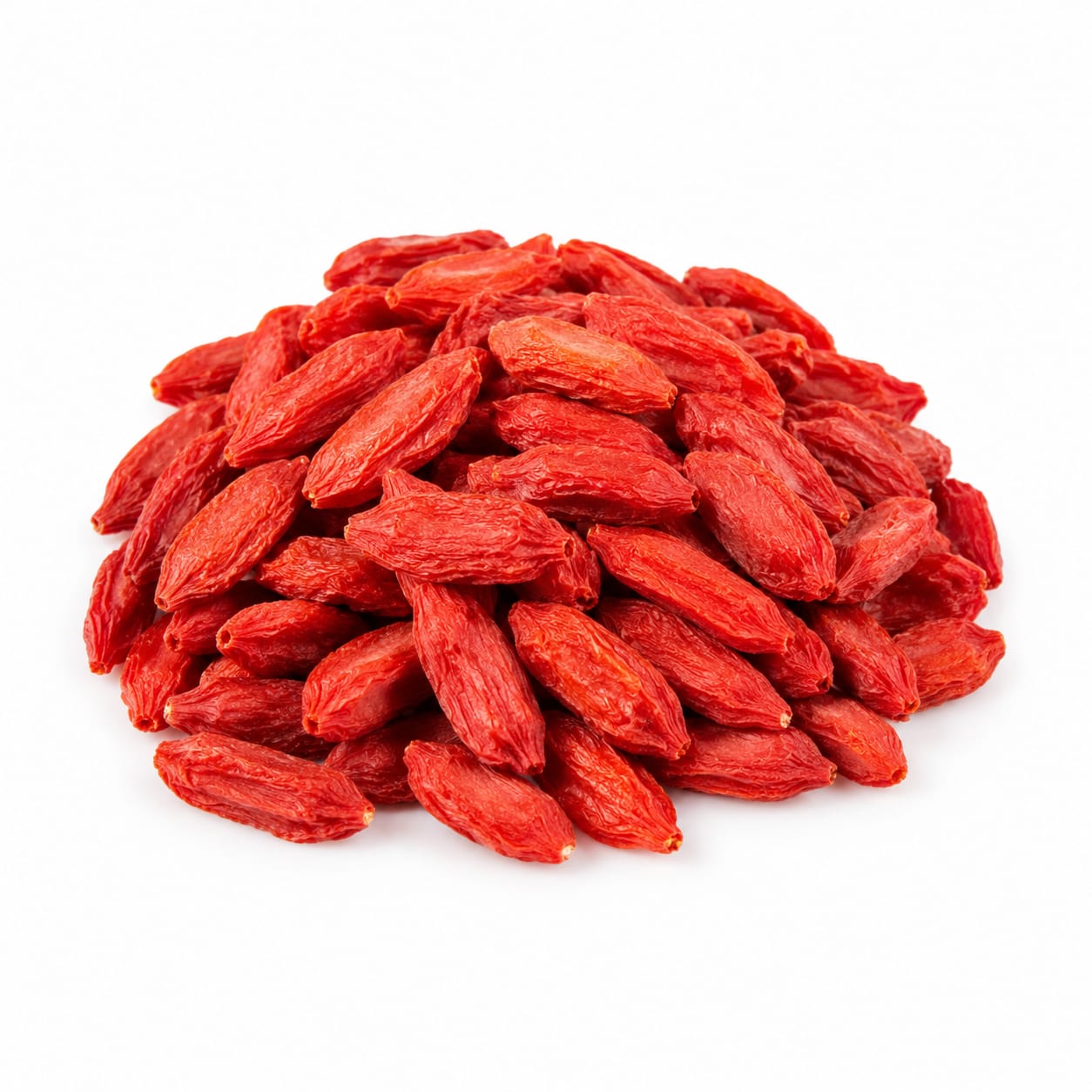
Wolfberry
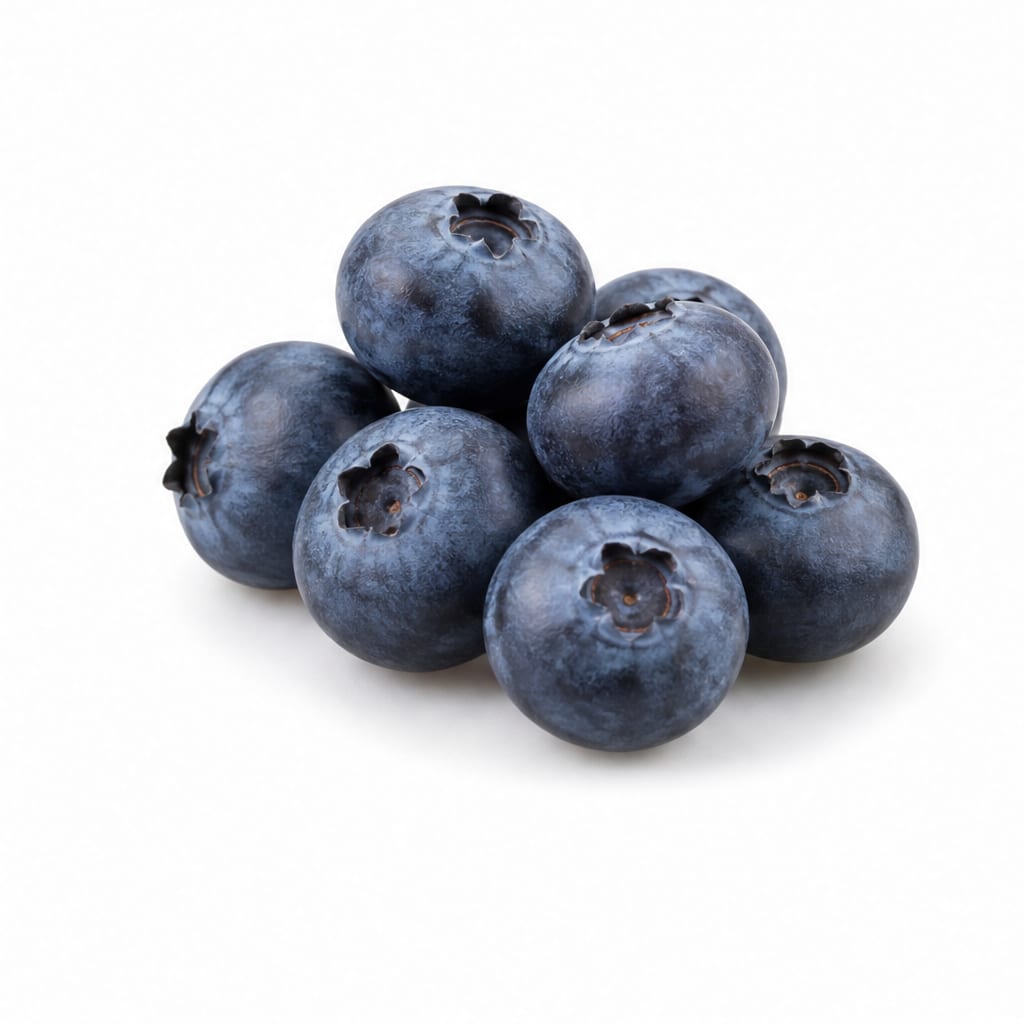
Fresh Blueberries
Wolfberry wins for eye health nutrients and concentrated antioxidants, but fresh blueberries win for daily eating — lower sugar, fewer calories, and easier portion control make them the safer everyday choice.
Fresh blueberries score higher primarily due to lower sugar, superior satiety per calorie, better safety profile, and everyday practicality. Wolfberry earns strong marks for unique eye-health nutrients and concentrated antioxidant content but loses ground on portion control risk and sourcing concerns.
Conventional nutrient density versus practical eatability — wolfberries pack more per gram but blueberries pack more per bite you actually want to keep taking.
At a glance
Executive summary
Overall
It depends
Healthier
Fresh Blueberries
More practical
Fresh Blueberries
Daily use
Fresh Blueberries
Key comparison lenses
antioxidant type comparison
Wolfberry delivers zeaxanthin and lutein for eye health while blueberries specialize in anthocyanins for brain and vascular benefits — the core tradeoff is which antioxidant family matters more to you
sugar and glycemic impact
Dried wolfberries concentrate sugars significantly versus the low-glycemic freshness of blueberries, making blood sugar response a major decision factor
calorie density and portion control
Wolfberries are calorie-dense and easy to overeat while blueberries offer high volume for fewer calories, directly impacting weight management
safety and sourcing concerns
Wolfberries are predominantly imported from China with documented pesticide residue issues, whereas blueberries have domestic sourcing options and more regulated oversight
everyday practicality
Fresh blueberries are widely available and versatile while wolfberries require specialty shopping and rehydration planning for most recipes
Best choice for
Wolfberry
- People prioritizing eye health and macular protection
- Those wanting concentrated zeaxanthin and vitamin A intake
- Traditional medicine practitioners seeking adaptogenic benefits
- Anyone needing shelf-stable antioxidant boost while traveling
Fresh Blueberries
- Weight-conscious eaters who want volume without calories
- People managing blood sugar or following low-glycemic diets
- Families wanting an easy everyday fruit for kids and adults
- Anyone concerned about pesticide exposure and sourcing transparency
Least suitable for
Wolfberry
- People with blood sugar concerns due to concentrated sugar content
- Those prone to overeating dried fruits
- Anyone on blood thinners like warfarin due to potential interactions
- Budget-conscious shoppers seeking everyday fruit
Fresh Blueberries
- Those specifically targeting high zeaxanthin intake for eye health
- People needing shelf-stable foods without refrigeration
- Anyone looking for concentrated vitamin A from a fruit source
Deep comparison
Dimension by dimension
Each lens scores both foods and breaks down who each option suits.
- Dimension 1 · Priority 94Wolfberry
eye_health_nutrients
Wolfberry · 93Fresh Blueberries · 52Wolfberries are one of the richest natural sources of zeaxanthin, a carotenoid critical for macular health. Blueberries support eye circulation through anthocyanins but lack the direct retinal protection wolfberries provide.
Tradeoff
You get targeted retinal defense from wolfberries versus broader vascular eye support from blueberries.
Why it matters
Zeaxanthin accumulates in the macula and filters damaging blue light — something anthocyanins cannot replicate.
Real-world impact
If eye health is your top priority, a small daily portion of wolfberries delivers nutrients that blueberries simply cannot match in quantity.
Wolfberry
- Age-related macular degeneration prevention
- Blue light exposure protection for screen-heavy lifestyles
- Targeted retinal nutrient density
Better for
- Not a substitute for leafy greens as a complete eye-health strategy
Worse for
Fresh Blueberries
- General ocular circulation support
- Night vision improvement through vascular pathways
Better for
- Negligible zeaxanthin content limits direct macular protection
Worse for
- Dimension 2 · Priority 88Fresh Blueberries
blood_sugar_impact
Wolfberry · 48Fresh Blueberries · 85Fresh blueberries have a glycemic index around 53 with high water content slowing absorption. Dried wolfberries concentrate sugars into a small, easy-to-overeat package with a significantly higher glycemic load per serving.
Tradeoff
Blueberries offer steady, gentle energy while wolfberries can spike blood sugar faster if you eat them like a snack rather than a supplement.
Why it matters
Dried fruit portions are notoriously hard to control — a handful of wolfberries can contain as much sugar as a candy bar equivalent.
Real-world impact
That afternoon wolfberry handful hits your bloodstream much harder than a bowl of fresh blueberries, leaving you hungrier sooner.
Wolfberry
- Quick energy before intense physical activity when sugar is useful
Better for
- Concentrated sugars can trigger cravings and overconsumption
- Higher glycemic load per typical serving
Worse for
Fresh Blueberries
- Steady energy without crashes
- Diabetes-friendly fruit choice
- Better for intermittent fasting windows
Better for
- Lower calorie density means less immediate fuel for endurance activities
Worse for
- Dimension 3 · Priority 85Fresh Blueberries
calorie_density_and_satiety
Wolfberry · 38Fresh Blueberries · 88A cup of fresh blueberries fills your stomach for roughly 85 calories. The same visual volume of wolfberries delivers over 300 calories — and dried fruit does not trigger fullness the way fresh fruit does.
Tradeoff
Wolfberries give you more nutrients per gram but blueberries give you more eating satisfaction per calorie.
Why it matters
Volume eating with fresh berries helps you feel full naturally. Dried fruit bypasses satiety signals because the water content that triggers stretch receptors is gone.
Real-world impact
You can mindlessly eat 200 calories of wolfberries without feeling full. A cup of blueberries physically fills you up first.
Wolfberry
- Backpacking or hiking where calorie density is an advantage
- Situations requiring lightweight nutrient-dense food
Better for
- Very easy to overconsume calories without realizing it
- Does not trigger physical fullness signals effectively
Worse for
Fresh Blueberries
- Weight management and portion control
- Emotional eaters who benefit from volume
- Large satisfying snacks without calorie overload
Better for
- Perishable and heavier to carry
- Lower total nutrient density per unit weight
Worse for
- Dimension 4 · Priority 82It depends
antioxidant_diversity
Wolfberry · 84Fresh Blueberries · 86Wolfberries bring zeaxanthin, lutein, and unique Lycium barbarum polysaccharides. Blueberries bring anthocyanins, pterostilbene, and chlorogenic acid. Both are elite antioxidants — just in completely different families.
Tradeoff
It is not about which has more antioxidants but which antioxidant profile aligns with your health priorities.
Why it matters
Anthocyanins support brain function and vascular flexibility. Lycium polysaccharides support immune modulation. Zeaxanthin supports retinal health. They are not interchangeable.
Real-world impact
Eating both is genuinely complementary — they cover different cellular defense systems the way a multivitamin covers different nutrient gaps.
Wolfberry
- Immune system modulation through unique polysaccharides
- Retinal antioxidant protection
- Skin health via concentrated beta-carotene
Better for
- Limited anthocyanin content compared to blueberries
Worse for
Fresh Blueberries
- Cognitive function and memory support
- Vascular flexibility and blood flow
- Anti-inflammatory effects through anthocyanins
Better for
- Minimal zeaxanthin and lutein for direct eye protection
Worse for
- Dimension 5 · Priority 80Fresh Blueberries
safety_and_sourcing
Wolfberry · 45Fresh Blueberries · 78Most commercial wolfberries are grown in China, where agricultural oversight and pesticide testing standards differ from Western regulations. Multiple studies have detected concerning pesticide residues on imported wolfberries. Blueberries grown domestically face stricter oversight.
Tradeoff
Wolfberry offers unique nutrients but carries higher uncertainty about what else you might be consuming alongside them.
Why it matters
Even organic-certified wolfberries from China have faced questions about certification integrity and soil contamination from industrial agriculture nearby.
Real-world impact
If you eat wolfberries daily, you are trusting a longer supply chain with less transparent testing. Blueberries from local farms offer more traceability.
Wolfberry
- Reputable organic brands with third-party testing provide safer options
Better for
- Documented pesticide residue issues in multiple studies
- Longer supply chain reduces traceability
- Organic certification reliability varies by source country
Worse for
Fresh Blueberries
- Domestic growing standards with more transparent regulation
- Easier to find locally sourced options
- Lower risk of heavy metal contamination
Better for
- Still appear on EWG Dirty Dozen list some years for pesticide concerns
- Conventionally grown blueberries carry some residue risk
Worse for
- Dimension 6 · Priority 72Fresh Blueberries
everyday_versatility
Wolfberry · 55Fresh Blueberries · 90Fresh blueberries go into smoothies, oatmeal, salads, baking, and snacks with zero prep. Wolfberries usually need rehydration, soaking, or cooking to reach their best texture and flavor.
Tradeoff
Blueberries are grab-and-go. Wolfberries require intention and planning but reward you with a different flavor dimension.
Why it matters
The best healthy food is the one you actually eat consistently. Friction in preparation reduces how often you use an ingredient.
Real-world impact
Blueberries make it into your breakfast five days a week because they are effortless. Wolfberries sit in the pantry because you forgot to soak them.
Wolfberry
- Teas and broths where dried fruit infuses flavor naturally
- Trail mix and granola where chewy texture is desirable
- Traditional Chinese soup recipes
Better for
- Requires rehydration for most culinary uses
- Tough texture when eaten dry in large quantities
- Limited fresh availability in most markets
Worse for
Fresh Blueberries
- Smoothies and breakfast bowls
- Fresh snacking straight from the container
- Baking where moisture content matters
- Salads where juiciness adds appeal
Better for
- Shorter shelf life requires planning around ripeness
- Can turn mushy in baking if overmixed
Worse for
Timeline
Health impact over time
Short-term
Hours to days
Wolfberry
- Quick energy boost from concentrated natural sugars
- Potential digestive discomfort if eaten in large quantities due to fiber concentration and sugar load
- Slight blood sugar elevation within 30-60 minutes of a typical serving
Fresh Blueberries
- Gentle satiety from water and fiber content without blood sugar spikes
- Refreshing hydration effect from high water content
- Immediate antioxidant absorption supporting circulation
Long-term
Months to years
Wolfberry
- Consistent zeaxanthin intake may reduce macular degeneration risk
- Potential immune system support from Lycium barbarum polysaccharides
- Risk of excess calorie intake if portions are not carefully managed
- Possible drug interactions with anticoagulants with regular high-dose consumption
Fresh Blueberries
- Sustained anthocyanin intake associated with better cognitive aging outcomes
- Consistent low-glycemic fruit intake supports metabolic health over decades
- Improved vascular flexibility and blood pressure markers with regular consumption
- Better weight management outcomes due to natural portion control
Risk profile
Safety & processing
Both foods are minimally processed in their standard forms. Wolfberries are typically sun-dried or dehydrated without additives, though some brands add sulfur dioxide as a preservative. Fresh blueberries are sold as-is. The processing difference is dehydration versus raw, which concentrates nutrients and sugars in wolfberries but does not introduce artificial concerns in most quality products.
Wolfberry
Pesticide residues
highMultiple studies have found pesticide levels on imported wolfberries exceeding standards set by the EU and FDA. Sourcing from reputable organic suppliers with third-party testing significantly reduces this risk.
Heavy metal contamination
mediumSoil contamination in some agricultural regions of China has been documented. Arsenic and lead traces have appeared in testing of some wolfberry products.
Drug interaction with anticoagulants
mediumWolfberries may enhance the effect of warfarin and other blood thinners. People on these medications should consult their doctor before regular consumption.
Fresh Blueberries
Pesticide residues
lowBlueberries occasionally appear on the EWG Dirty Dozen list but generally have lower residue levels than wolfberries. Choosing organic eliminates most concern.
Mold and spoilage
lowFresh blueberries can develop mold quickly if not stored properly. Inspect containers before purchase and refrigerate promptly.
Who wins for whom
Audience fit
Same foods, different winners depending on your goal.
children
Fresh BlueberriesKids love the burst of fresh blueberries, they are easy to pack in lunches, and the lower sugar content supports better behavior and focus. Dried wolfberries present a choking hazard for very young children and are less appealing to most kids.
daily consumption
Fresh BlueberriesFresh blueberries are easier to eat in appropriate portions, widely available, and have a stronger safety profile for daily use. Wolfberries are better treated as a targeted supplement than a daily staple.
diabetes
Fresh BlueberriesFresh blueberries have a lower glycemic index and glycemic load. Their water content slows sugar absorption, while dried wolfberries deliver concentrated sugars that can raise blood glucose more sharply.
elderly
It dependsWolfberries excel for age-related eye health, which matters deeply for older adults. Blueberries support cognitive preservation. The ideal approach for elderly users is both — wolfberries for macular protection and blueberries for brain health.
muscle gain
It dependsNeither fruit is a primary muscle-building food. Wolfberries offer slightly more protein per serving and concentrated carbs useful post-workout, but the difference is negligible for this goal.
weight loss
Fresh BlueberriesFresh blueberries provide high volume and satisfaction for minimal calories. Dried wolfberries are calorie-dense and too easy to overeat, making portion control significantly harder.
Your move
Decision guide
Choose Wolfberry
- You are specifically focused on eye health and macular protection
- You want a shelf-stable antioxidant source for travel or emergency kits
- You enjoy traditional Chinese medicine approaches to nutrition
- You can source from reputable organic suppliers with third-party testing
- You use them as a supplement in teas and soups rather than a snack food
Choose Fresh Blueberries
- You want an everyday fruit that supports weight management effortlessly
- You are managing blood sugar or following a low-glycemic eating approach
- You value convenience and grab-and-go practicality
- You prefer eating large portions without calorie anxiety
- You want to feed your family a fruit everyone actually enjoys
- You are concerned about pesticide exposure and want domestic sourcing options
Either works if
- You want antioxidant diversity and can incorporate both into your routine
- You have no specific health condition driving your choice
- You enjoy variety in your fruit intake across the week
Avoid both if
- You have a severe berry allergy or salicylate sensitivity
- You are on strict low-oxalate protocols for kidney stone prevention
Final recommendation
Make fresh blueberries your daily fruit and treat wolfberries as a targeted eye-health supplement. Eat a cup of blueberries most days for brain, vascular, and metabolic benefits. Add a small measured portion of quality-sourced wolfberries to tea, oatmeal, or soup a few times per week for zeaxanthin and immune polysaccharides. This combination gives you the best of both antioxidant families without the portion control pitfalls of daily dried fruit snacking.
Practical
Consumer tips
- 1
Buy wolfberries from brands that provide third-party pesticide testing results — this is non-negotiable for regular consumption
- 2
Soak wolfberries in warm water for 15 minutes before adding to recipes for better texture and nutrient release
- 3
Freeze fresh blueberries on a sheet pan before bagging to prevent clumping and extend usability by months
- 4
Measure wolfberry portions into small bags ahead of time — never eat directly from the bulk container
- 5
Choose organic blueberries when possible to reduce pesticide exposure, though conventional is still safer than untested wolfberry sources
- 6
Add a tablespoon of wolfberries to herbal tea instead of eating them dry — you get the nutrients without concentrated sugar hitting your bloodstream all at once
- 7
If wolfberries taste unusually sweet or have a chemical aftertaste, discard them — this can indicate sulfur dioxide treatment or contamination