
Nutrition comparison
Wolfberry vs Acai Berries: Which Superfood Is Better for You?
Compare Wolfberry and Acai Berries side by side. Discover which is better for eye health, heart health, weight loss, and daily use with expert nutritional analysis.
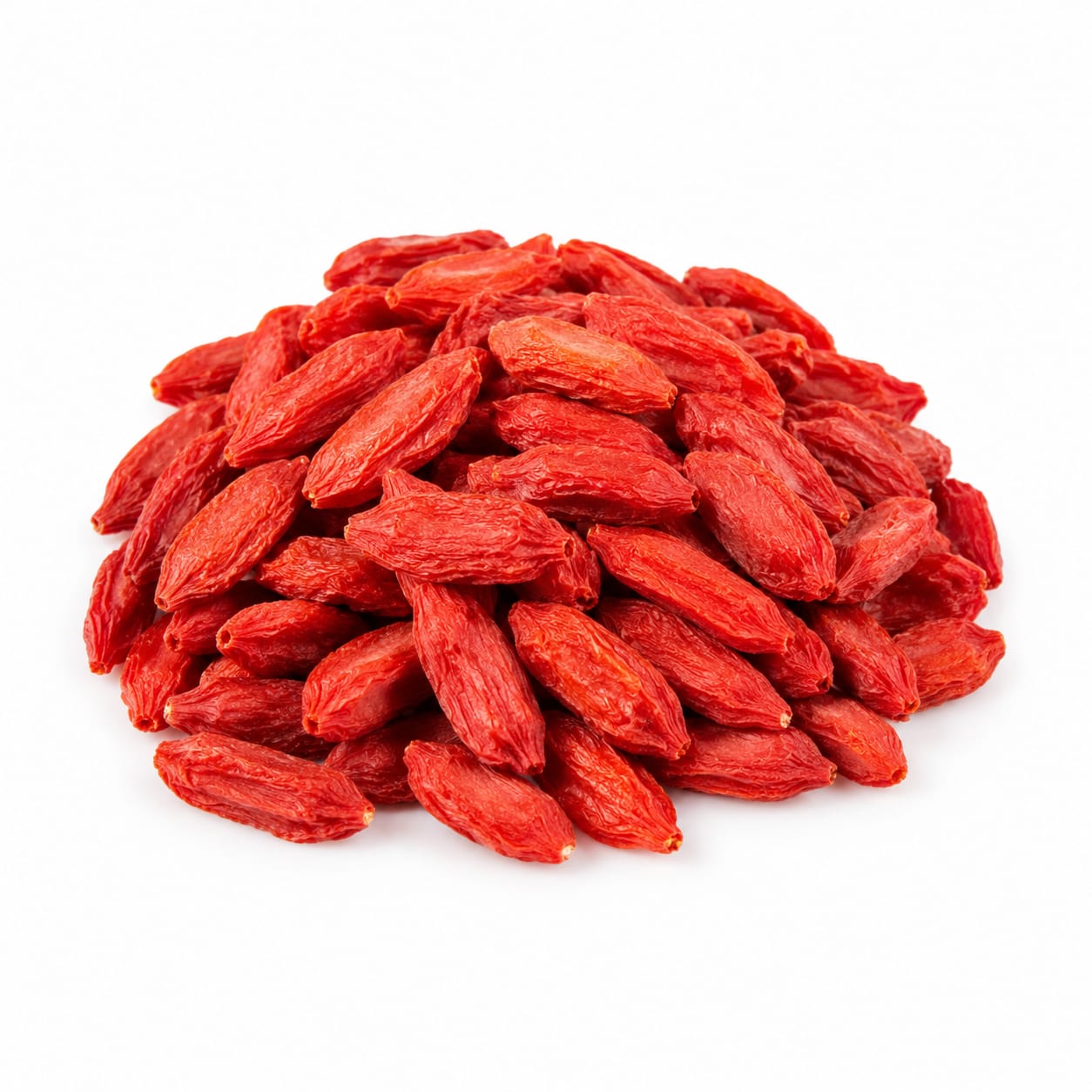
Wolfberry
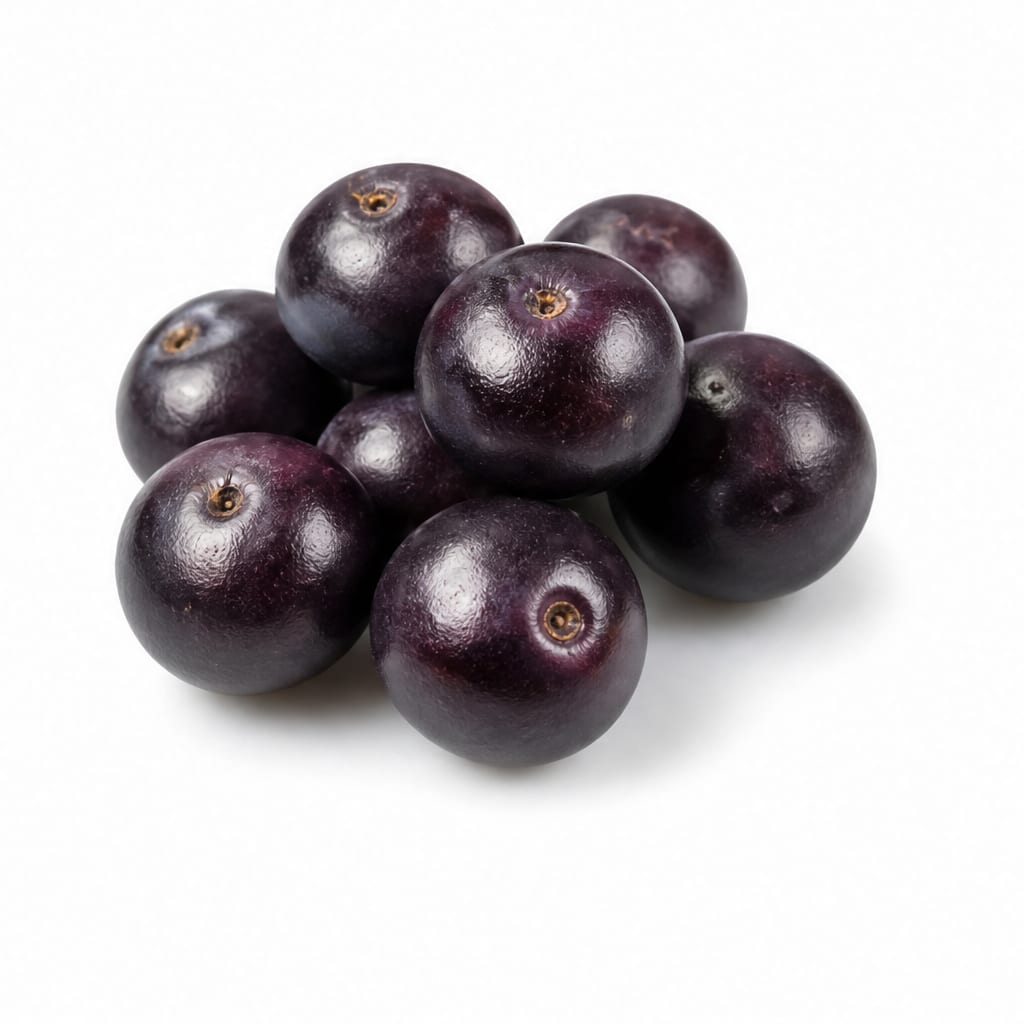
Acai Berries
Wolfberry wins for eye health and immune support; Acai wins for heart health and low-sugar antioxidant power. Your priority determines the winner.
Wolfberry edges ahead slightly due to stronger traditional evidence, better convenience as a snack, and unmatched eye health compounds. Acai is competitive with superior fats and lower sugar but loses points on cost and accessibility.
Wolfberry delivers more targeted vision and immune benefits but comes with higher sugar in dried form, while Acai offers heart-friendly fats and lower sugar but less proven eye health impact.
At a glance
Executive summary
Overall
It depends
Healthier
It depends
More practical
Wolfberry
Daily use
Wolfberry
Key comparison lenses
antioxidant potency and type
Both foods are primarily consumed for their antioxidant benefits, but they deliver completely different antioxidant compounds with different body targets
eye health and vision support
Wolfberry is legendary for eye health due to zeaxanthin and lutein, while Acai offers minimal direct vision support
sugar content and blood sugar impact
Wolfberry is typically consumed dried with concentrated sugars, whereas Acai is naturally low-sugar and often sold unsweetened
healthy fat profile
Acai is unusual among berries for containing significant omega fats, while Wolfberry is virtually fat-free
form and convenience
Wolfberry is most commonly dried, Acai is typically frozen pulp or powder, creating very different usage patterns
anti inflammatory effects
Both are marketed for inflammation but through different pathways, and Acai's anthocyanins have stronger direct anti-inflammatory evidence
Best choice for
Wolfberry
- People focused on eye health and vision protection
- Anyone wanting immune system support from traditional superfoods
- Those who prefer a convenient snack-style superfood
- Older adults concerned about macular degeneration
- People following Traditional Chinese Medicine principles
Acai Berries
- People prioritizing heart health and cardiovascular protection
- Anyone watching sugar intake closely
- Those wanting anti-inflammatory benefits with healthy fats
- People who enjoy smoothie bowls and blended drinks
- Athletes seeking recovery-friendly antioxidants
Least suitable for
Wolfberry
- People strictly limiting sugar who eat large portions
- Those sensitive to nightshade family foods
- Anyone wanting a low-calorie volume food
Acai Berries
- People on tight budgets seeking affordable superfoods
- Those wanting a simple grab-and-go snack
- Anyone avoiding frozen or processed food storage
Deep comparison
Dimension by dimension
Each lens scores both foods and breaks down who each option suits.
- Dimension 1 · Priority 95Acai Berries
antioxidant_profile_and_diversity
Wolfberry · 78Acai Berries · 88Acai delivers a broader and more potent antioxidant spectrum, especially anthocyanins, while Wolfberry offers more targeted carotenoid antioxidants.
Tradeoff
Acai gives you more total antioxidant firepower across more pathways, but Wolfberry's zeaxanthin and lutein target eye tissue far more precisely.
Why it matters
Broad-spectrum antioxidants help reduce general oxidative stress, while targeted antioxidants protect specific organs like your eyes more effectively.
Real-world impact
Regular Acai consumption may show up as better skin and faster recovery after exercise. Wolfberry may show up as less eye fatigue during screen-heavy days.
Wolfberry
- Screen workers wanting targeted eye protection
- Older adults at risk for macular degeneration
- People with family history of vision problems
Better for
- Those wanting maximum total antioxidant capacity per serving
- People who dislike the dried fruit texture
Worse for
Acai Berries
- Athletes wanting exercise recovery support
- People seeking general anti-aging benefits
- Anyone wanting broad cellular protection
Better for
- Those specifically targeting eye health outcomes
- People wanting a simple dry pantry staple
Worse for
- Dimension 2 · Priority 90Wolfberry
eye_health_and_vision_protection
Wolfberry · 95Acai Berries · 40Wolfberry is one of the richest natural sources of zeaxanthin and lutein available, making it a standout for eye health. Acai has minimal direct vision-supporting compounds.
Tradeoff
If protecting your eyes is a top priority, Wolfberry is dramatically superior. Acai cannot replace this benefit despite its other antioxidant strengths.
Why it matters
Zeaxanthin and lutein accumulate specifically in the retina and filter harmful blue light, providing protection that generic antioxidants cannot replicate.
Real-world impact
Eating Wolfberry regularly may reduce eye strain from screens and lower long-term macular degeneration risk. Acai simply does not offer this.
Wolfberry
- Anyone spending 6+ hours daily on screens
- Adults over 50 concerned about vision decline
- People with a family history of eye disease
Better for
- Those who assume all antioxidants equally protect eyes
Worse for
Acai Berries
- Not applicable for this specific dimension
Better for
- Anyone relying on Acai alone for eye health
Worse for
- Dimension 3 · Priority 85Acai Berries
sugar_content_and_blood_sugar_impact
Wolfberry · 50Acai Berries · 85Acai is naturally very low in sugar and often sold unsweetened. Dried Wolfberry concentrates natural sugars significantly, making portion control important.
Tradeoff
Wolfberry's dried form makes it easy to overconsume sugar, while Acai's low sugar makes it safer for blood sugar management. But Wolfberry's sugar comes with valuable nutrients.
Why it matters
For anyone managing diabetes, insulin resistance, or weight, the sugar difference between these two superfoods is meaningful in daily life.
Real-world impact
A small handful of dried Wolfberry can contain 10-15g of sugar. A typical Acai bowl serving has minimal sugar unless sweetened additives are included.
Wolfberry
- Active people who can burn through the natural sugars
- Those using Wolfberry as a pre-workout energy boost
Better for
- Diabetics who do not carefully portion dried fruit
- Anyone prone to blood sugar crashes from dried fruit
Worse for
Acai Berries
- People with diabetes or prediabetes
- Anyone following a low-carb or keto approach
- Those monitoring sugar for weight management
Better for
- Those who add lots of sweet toppings to Acai bowls, negating the benefit
Worse for
- Dimension 4 · Priority 80Acai Berries
healthy_fat_content
Wolfberry · 15Acai Berries · 88Acai is remarkably rich in omega-6 and omega-9 fatty acids for a fruit, supporting heart and skin health. Wolfberry is essentially fat-free.
Tradeoff
Acai's fat content enhances absorption of fat-soluble antioxidants and supports cardiovascular health directly. Wolfberry requires pairing with fats for optimal carotenoid absorption.
Why it matters
Healthy fats improve nutrient absorption, support hormone production, and protect your heart. Most berry-type superfoods lack fats entirely.
Real-world impact
Eating Acai gives you built-in fat for absorbing its own antioxidants. With Wolfberry, you need to add nuts or avocado to get the same benefit.
Wolfberry
- Not applicable for this specific dimension
Better for
- People eating Wolfberry alone without a fat source, missing absorption benefits
Worse for
Acai Berries
- People wanting heart-healthy fats from whole food sources
- Those seeking better absorption of fat-soluble nutrients
- Anyone wanting a more satiating superfood that curbs hunger longer
Better for
- Those on extremely low-fat diets, though this is rarely recommended
Worse for
- Dimension 5 · Priority 75Wolfberry
convenience_and_versatility
Wolfberry · 85Acai Berries · 60Dried Wolfberry is shelf-stable, portable, and easy to add to anything from oatmeal to trail mix. Acai requires frozen storage and blending, limiting spontaneous use.
Tradeoff
Wolfberry fits easily into a busy lifestyle with zero prep. Acai demands more planning, equipment, and freezer space but delivers a richer eating experience.
Why it matters
The best superfood is the one you actually eat consistently. Convenience often determines long-term adherence more than nutritional superiority.
Real-world impact
You can toss Wolfberry into yogurt at your desk in 5 seconds. Acai requires a blender, frozen pulp, and cleanup.
Wolfberry
- Busy professionals wanting zero-prep nutrition
- Travelers who need shelf-stable superfoods
- People who snack throughout the day
Better for
- People who dislike chewy dried fruit textures
Worse for
Acai Berries
- People who enjoy ritualistic meal preparation
- Those who already make daily smoothies
- Anyone wanting a visually appealing, satisfying bowl meal
Better for
- Anyone without reliable freezer access
- People who hate cleaning blenders
Worse for
- Dimension 6 · Priority 70Wolfberry
cost_and_accessibility
Wolfberry · 75Acai Berries · 50Wolfberry is widely available at reasonable prices, especially from online suppliers. Quality Acai is expensive and often harder to find outside specialty stores.
Tradeoff
Wolfberry makes daily superfood consumption financially sustainable for most people. Authentic Acai is a premium investment that may not fit every budget long-term.
Why it matters
Superfoods only work if you can afford them consistently. A product you cannot sustain is worse than a slightly less potent one you use daily.
Real-world impact
A month of daily Wolfberry might cost $15-25. A month of quality Acai bowls or frozen pulp can easily exceed $60-100.
Wolfberry
- Budget-conscious consumers wanting real superfood benefits
- Families looking to add superfoods without breaking the grocery budget
- Students or young professionals watching expenses
Better for
- Those wanting the premium experience factor
Worse for
Acai Berries
- People with larger wellness budgets
- Those who treat Acai bowls as a meal replacement, justifying the cost
Better for
- Anyone needing affordable daily superfood supplementation
- People in areas without access to quality Acai products
Worse for
- Dimension 7 · Priority 70Acai Berries
anti_inflammatory_potential
Wolfberry · 72Acai Berries · 82Acai's anthocyanins have stronger direct anti-inflammatory evidence, particularly for exercise-induced inflammation. Wolfberry's polysaccharides offer immune-modulating effects that reduce inflammation indirectly.
Tradeoff
Acai may work faster for acute inflammation like post-workout soreness. Wolfberry supports the immune system more broadly, which reduces chronic inflammation over time.
Why it matters
Chronic inflammation drives most modern diseases. Different anti-inflammatory pathways matter depending on whether your inflammation is acute or ongoing.
Real-world impact
After a hard workout, Acai may help you feel less sore. Over months, Wolfberry may help you get sick less often, which also reduces inflammation.
Wolfberry
- People wanting immune support that indirectly lowers inflammation
- Those prone to frequent colds and infections
Better for
- People expecting rapid relief from acute inflammation
Worse for
Acai Berries
- Athletes dealing with exercise-induced inflammation
- People with joint pain or acute inflammatory symptoms
- Those wanting faster-acting anti-inflammatory effects
Better for
- Those wanting broader immune system strengthening
Worse for
Timeline
Health impact over time
Short-term
Hours to days
Wolfberry
- Quick energy boost from natural sugars in dried form
- Mild immune-stimulating effect from polysaccharides
- Possible slight blood sugar rise if consumed in large amounts without protein or fat
Acai Berries
- Sustained energy without sugar crash when consumed unsweetened
- Feeling of fullness from healthy fat content
- Quick antioxidant absorption enhanced by built-in dietary fats
Long-term
Months to years
Wolfberry
- Meaningful protection against age-related macular degeneration and vision decline
- Strengthened immune resilience with fewer and shorter illnesses
- Potential blood sugar concerns if portion sizes are not managed consistently
Acai Berries
- Improved cardiovascular markers including cholesterol and arterial health
- Reduced systemic inflammation lowering risk of chronic disease
- Better skin appearance from combined antioxidant and fat intake
Risk profile
Safety & processing
Dried Wolfberry is typically just dehydrated fruit with minimal intervention. Acai is almost always processed into frozen pulp or powder because the fresh fruit degrades within 24 hours of harvest, and some products add sweeteners or fillers.
Wolfberry
Pesticide residue on conventionally grown Wolfberry
mediumWolfberry is predominantly grown in China where pesticide standards may differ. Choosing organic reduces this concern significantly.
Sulfite preservatives in some dried Wolfberry
lowSome producers use sulfur dioxide to preserve color. People with sulfite sensitivity should seek unsulfured varieties.
Atropine contamination in poorly sourced Wolfberry
lowRare cases of atropine contamination have been reported in low-quality imports. Buying from reputable suppliers eliminates this risk.
Acai Berries
Added sugars and fillers in commercial Acai products
mediumMany Acai bowls and packets contain significant added sugar, soy lecithin, or cheaper fruit fillers that dilute the actual Acai content.
Heavy metal exposure from Amazonian soil
lowSome Acai harvested from certain regions may contain elevated cadmium or lead. Reputable brands test for this.
Microbial contamination in frozen pulp
lowImproper cold chain management can allow bacterial growth. Stick to established brands with good freezing practices.
Who wins for whom
Audience fit
Same foods, different winners depending on your goal.
children
WolfberryWolfberry's sweet taste and snack-like form appeal more to kids, and the eye health benefits support developing vision. Just watch portion sizes.
daily consumption
WolfberryWolfberry's shelf stability, lower cost, and easy integration into meals make it more sustainable for consistent daily use over months and years.
diabetes
Acai BerriesAcai's minimal sugar content makes it significantly safer for blood sugar management compared to the concentrated sugars in dried Wolfberry.
elderly
WolfberryWolfberry's zeaxanthin and lutein directly combat age-related macular degeneration, and its immune-supporting polysaccharides help aging immune systems.
muscle gain
Acai BerriesAcai's anti-inflammatory properties support exercise recovery, and its healthy fats aid hormone production important for muscle building.
weight loss
Acai BerriesAcai's low sugar and high fat content promote satiety without calorie-dense dried fruit sugars, making portion control easier.
Your move
Decision guide
Choose Wolfberry
- Eye health and vision protection are top priorities for you
- You want an affordable, convenient superfood you will actually use daily
- You prefer something you can eat straight from the bag or toss into any meal
- You are interested in Traditional Chinese Medicine approaches to wellness
- You want immune support that compounds over time
Choose Acai Berries
- Heart health and cardiovascular protection matter most to you
- You are watching your sugar intake carefully
- You already make smoothies or bowls and want a premium add-in
- You want anti-inflammatory benefits with built-in healthy fats
- You are an athlete focused on recovery and reducing exercise-induced inflammation
Either works if
- You simply want more antioxidant diversity in your diet
- Neither food is a make-or-break health decision for your situation
- You enjoy rotating superfoods to prevent dietary monotony
Avoid both if
- You have berry allergies or sensitivities
- You expect any single superfood to compensate for an otherwise poor diet
- You are on blood thinners and have not consulted your doctor about high-antioxidant foods
Final recommendation
If you spend hours on screens or worry about your eyes, Wolfberry is the clear choice and one of the best natural sources of vision-protecting compounds available. If heart health, low sugar, or anti-inflammatory recovery matters more, Acai delivers better value. For most people, the smartest move is keeping Wolfberry in your pantry for daily snacking and enjoying Acai as a weekly bowl treat. This gives you the eye health benefits of Wolfberry consistently while still getting Acai's heart-healthy fats and anthocyanins regularly.
Practical
Consumer tips
- 1
Always choose organic Wolfberry to avoid pesticide concerns common with conventional imports
- 2
Look for Acai products with no added sugar and a short ingredient list, ideally just Acai
- 3
Pair Wolfberry with a fat source like nuts or yogurt to significantly boost carotenoid absorption
- 4
Avoid Acai bowls loaded with granola, honey, and sweet fruit if you are watching sugar, as toppings can turn a healthy base into a dessert
- 5
Store dried Wolfberry in an airtight container away from light to preserve antioxidants over months
- 6
Freeze Acai packets immediately and use within a few days of opening for best nutrient retention
- 7
Start with small portions of Wolfberry if you have not eaten it before, as the immune-stimulating polysaccharides can cause mild digestive adjustment