
Nutrition comparison
Wolfberry vs Fresh Strawberries: Which Is Healthier for Daily Eating?
Compare wolfberry and fresh strawberries on antioxidants, sugar, eye health benefits, weight management, and safety. Find out which berry fits your goals better.
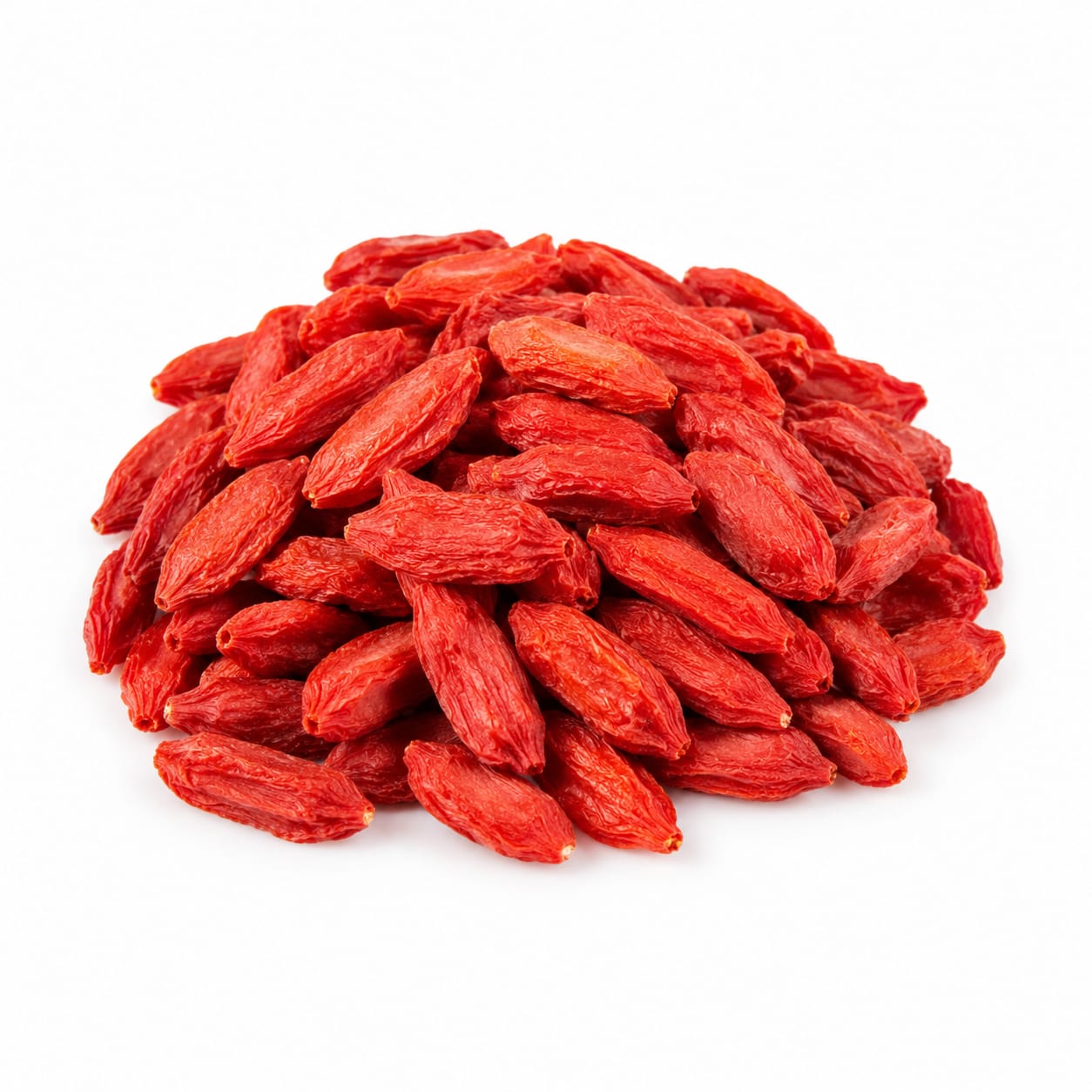
Wolfberry

Fresh Strawberries
Wolfberries win for targeted eye health and antioxidant density; fresh strawberries win for everyday eating, weight management, and hydration.
Fresh strawberries score higher for everyday health due to lower calorie density, better hydration, and broader accessibility. Wolfberries earn strong marks for targeted antioxidant power but lose ground on sugar concentration, cost, and overeating risk.
Concentrated nutrition in a small dried package versus satisfying volume, hydration, and lower sugar in a fresh fruit.
At a glance
Executive summary
Overall
It depends
Healthier
It depends
More practical
Fresh Strawberries
Daily use
Fresh Strawberries
Key comparison lenses
antioxidant and eye health superiority
Wolfberry is legendary for zeaxanthin and lutein content, making eye health the defining contrast with strawberries
calorie density and weight management
Dried wolfberries are calorie-dense and sugar-concentrated versus the water-rich, low-calorie nature of fresh strawberries
fresh vs dried fruit tradeoffs
This comparison fundamentally pits a dried superfood against a fresh whole fruit, shaping satiety, hydration, and overeating risk
food safety and sourcing concerns
Wolfberries are predominantly imported from China with occasional pesticide and contamination issues, while strawberries rank on the EWG Dirty Dozen list
everyday practicality and affordability
Fresh strawberries are widely available and affordable; wolfberries are niche, expensive, and less versatile
Best choice for
Wolfberry
- People focused on eye health and macular protection
- Those wanting concentrated antioxidants in small portions
- Anyone needing portable, non-perishable nutrition
Fresh Strawberries
- Weight-conscious snackers who value volume and fullness
- People managing blood sugar or reducing concentrated sugar
- Anyone prioritizing hydration and fresh whole-food eating
Least suitable for
Wolfberry
- People prone to overeating dried fruit
- Those strictly limiting concentrated sugar intake
- Budget-conscious consumers needing affordable daily fruit
Fresh Strawberries
- People seeking high zeaxanthin or vitamin A intake
- Those needing shelf-stable, travel-friendly fruit options
- Anyone looking for concentrated nutrition in small doses
Deep comparison
Dimension by dimension
Each lens scores both foods and breaks down who each option suits.
- Dimension 1 · Priority 92Wolfberry
antioxidant_and_eye_health_potency
Wolfberry · 94Fresh Strawberries · 65Wolfberries are one of the richest natural sources of zeaxanthin, a carotenoid critical for macular health. Strawberries offer solid vitamin C and anthocyanins but cannot match wolfberry's eye-specific antioxidant profile.
Tradeoff
You get far more targeted eye protection from wolfberries, but strawberries provide a broader, more balanced antioxidant mix that supports overall cellular health.
Why it matters
Zeaxanthin accumulates in the retina and helps filter damaging blue light. If eye health runs in your family, this is a meaningful difference.
Real-world impact
A small handful of wolfberries daily could meaningfully support long-term vision. Strawberries help too, but you would need large amounts to approach the same zeaxanthin intake.
Wolfberry
- Long-term macular degeneration prevention
- People with family history of vision loss
- Targeted antioxidant supplementation from food
Better for
- Not a significant vitamin C source compared to fresh berries
Worse for
Fresh Strawberries
- General cellular antioxidant support
- Vitamin C-driven immune function
- Broader polyphenol diversity
Better for
- Negligible zeaxanthin and lutein content
Worse for
- Dimension 2 · Priority 88Fresh Strawberries
calorie_density_and_weight_management
Wolfberry · 45Fresh Strawberries · 90Fresh strawberries are roughly 85% water and deliver big volume for few calories. Dried wolfberries are calorie-dense and easy to overeat — a small handful packs the calories of a large bowl of strawberries.
Tradeoff
Wolfberries give you concentrated energy in a portable form, but that same concentration makes portion control difficult. Strawberries naturally limit intake through volume and water content.
Why it matters
Calorie density is the single strongest predictor of unintentional overeating. Dried fruit consistently ranks among the easiest foods to accidentally overconsume.
Real-world impact
You can eat an entire pint of strawberries for about 110 calories. The same calories come from just 2 tablespoons of dried wolfberries, which barely register as a snack.
Wolfberry
- Hikers and athletes needing compact calorie sources
- Situations requiring lightweight, non-perishable food
Better for
- Easy to overconsume without realizing it
- Less physically filling per calorie
Worse for
Fresh Strawberries
- Anyone tracking calories or trying to lose weight
- People who find volume and water content more satisfying
- Mindful snackers who want to eat more food for fewer calories
Better for
- Not useful when you need concentrated energy in a small package
Worse for
- Dimension 3 · Priority 85Fresh Strawberries
sugar_content_and_blood_impact
Wolfberry · 42Fresh Strawberries · 82Dried wolfberries concentrate natural sugars dramatically. Per gram, they deliver several times the sugar of fresh strawberries. The glycemic load per typical serving is meaningfully higher.
Tradeoff
Wolfberries provide quick energy in a small dose, but that same sugar density can spike blood sugar more sharply. Strawberries release sugar slowly thanks to water and fiber dilution.
Why it matters
For anyone with insulin resistance, prediabetes, or energy crash issues, the difference between concentrated and diluted fruit sugar is significant.
Real-world impact
A quarter cup of dried wolfberries hits your bloodstream like a small candy bar. A cup of fresh strawberries gives you sweetness with a gentle, steady rise.
Wolfberry
- Endurance athletes needing quick carbohydrate energy
- Pre-workout fuel in compact form
Better for
- Higher glycemic load per serving
- Risk of blood sugar roller coaster if eaten alone
Worse for
Fresh Strawberries
- People with diabetes or insulin resistance
- Anyone avoiding afternoon energy crashes
- Those who want sweetness without the spike
Better for
- Not enough concentrated energy for intense physical activity
Worse for
- Dimension 4 · Priority 78Fresh Strawberries
vitamin_profile_diversity
Wolfberry · 62Fresh Strawberries · 85Strawberries deliver outstanding vitamin C, solid folate, and decent manganese. Wolfberries shine for vitamin A but fall short on vitamin C and most B vitamins compared to fresh berries.
Tradeoff
Wolfberries dominate the vitamin A category, but strawberries provide a more well-rounded vitamin profile that supports immunity, skin, and daily cellular function.
Why it matters
Vitamin C from fresh fruit is absorbed efficiently and supports everything from collagen synthesis to immune defense. Most people benefit more from broad vitamin coverage than a single concentrated nutrient.
Real-world impact
One cup of strawberries covers over 100% of your daily vitamin C needs. Wolfberries are not a meaningful vitamin C source in typical serving sizes.
Wolfberry
- Vitamin A and beta-carotene supplementation from food
- Supporting skin and eye tissue specifically
Better for
- Limited vitamin C and folate contribution
Worse for
Fresh Strawberries
- Daily immune support through vitamin C
- Pregnancy nutrition via folate
- Broad-spectrum vitamin intake from a single food
Better for
- Very low vitamin A content
Worse for
- Dimension 5 · Priority 80Fresh Strawberries
hydration_and_satiety
Wolfberry · 30Fresh Strawberries · 92Fresh strawberries are a hydrating, physically filling food. Dried wolfberries provide almost no water and minimal stomach fill, making them far less satisfying as a standalone snack.
Tradeoff
Wolfberries are shelf-stable and portable but leave you hungry. Strawberries require refrigeration but genuinely fill you up and contribute to daily fluid intake.
Why it matters
Hydration and physical fullness are underrated drivers of food satisfaction. People often eat more calories than needed simply because their food lacks water volume.
Real-world impact
Eating a bowl of fresh strawberries feels like a real snack. Eating a tablespoon of dried wolfberries feels like a garnish — you will likely reach for something else within minutes.
Wolfberry
- Trail mix and dry snack combinations
- Travel and backpacking where water weight matters
Better for
- Almost zero hydration contribution
- Unlikely to satisfy hunger alone
Worse for
Fresh Strawberries
- Afternoon snacking when genuinely hungry
- Hot weather hydration through food
- Replacing higher-calorie desserts with volume
Better for
- Perishable and water-heavy for travel
Worse for
- Dimension 6 · Priority 80Fresh Strawberries
food_safety_and_sourcing
Wolfberry · 48Fresh Strawberries · 68Both foods carry real concerns. Wolfberries are primarily sourced from China, where agricultural oversight has historically been inconsistent. Strawberries rank consistently on the EWG Dirty Dozen list for pesticide residues.
Tradeoff
Wolfberries carry import and contamination uncertainty that is harder to verify. Strawberries have pesticide risk but are domestically regulated and easier to source organically.
Why it matters
Long-term exposure to pesticide residues and heavy metals accumulates. Knowing where your food comes from matters more for foods you eat daily.
Real-world impact
You can buy organic strawberries from a local farm relatively easily. Finding verified organic, contaminant-tested wolfberries requires more effort and expense.
Wolfberry
- Less pesticide residue risk when certified organic
Better for
- Predominant Chinese sourcing with variable oversight
- Occasional heavy metal and sulfite contamination reports
Worse for
Fresh Strawberries
- Easier to verify sourcing and certifications
- Organic options widely available and affordable
Better for
- High surface pesticide residue when conventionally grown
Worse for
- Dimension 7 · Priority 72Fresh Strawberries
cost_and_everyday_accessibility
Wolfberry · 35Fresh Strawberries · 88Fresh strawberries are affordable, widely available, and familiar. Wolfberries are a specialty item with premium pricing and limited retail availability outside health food stores and online shops.
Tradeoff
Wolfberries offer unique nutrients but at a steep per-serving cost. Strawberries deliver excellent nutritional value at a fraction of the price.
Why it matters
The best healthy food is the one you can afford to eat consistently. Superfood premiums only matter if the food actually becomes a regular habit.
Real-world impact
A pound of fresh strawberries costs $3–5 at most grocery stores. The same money buys roughly 2–3 ounces of dried wolfberries, which lasts only a few servings.
Wolfberry
- Small-dose superfood supplementation
- Long shelf life reduces waste
Better for
- Premium pricing limits regular use
- Not stocked in many conventional stores
Worse for
Fresh Strawberries
- Families needing affordable daily fruit
- Bulk eating and recipe versatility
- Consistent grocery store availability
Better for
- Short shelf life can lead to food waste
- Seasonal price fluctuations
Worse for
Timeline
Health impact over time
Short-term
Hours to days
Wolfberry
- Quick energy from concentrated natural sugars
- Possible blood sugar spike if eaten in larger quantities without pairing
- Minimal immediate satiety — likely still hungry after a typical serving
Fresh Strawberries
- Immediate hydration and stomach fill from high water content
- Steady, gentle blood sugar response due to fiber and water dilution
- Vitamin C boost supporting short-term immune function
Long-term
Months to years
Wolfberry
- Meaningful zeaxanthin accumulation supporting macular health over years
- Risk of excess calorie intake if portion control is inconsistent
- Potential heavy metal exposure if sourcing is not verified
Fresh Strawberries
- Consistent vitamin C intake supporting collagen, skin, and immune health
- Lower chronic disease risk from high polyphenol and fiber intake
- Reduced calorie density supports sustainable weight management
Risk profile
Safety & processing
Dried wolfberries undergo dehydration and sometimes sulfite preservation, moving them into processed territory. Fresh strawberries are sold essentially as grown, with no processing beyond washing and packaging.
Wolfberry
Heavy metal contamination
mediumSome wolfberry samples from China have tested positive for elevated lead and cadmium levels due to soil conditions and industrial proximity near farming regions.
Sulfite residues
mediumMany commercially dried wolfberries are treated with sulfur dioxide to preserve color and extend shelf life, which can trigger reactions in sensitive individuals.
Pesticide residues from lax oversight
mediumChinese agricultural regulations differ from Western standards, and enforcement has been inconsistent in regions where most wolfberries are grown.
Fresh Strawberries
Pesticide surface residues
mediumStrawberries consistently rank in the top 3 of the EWG Dirty Dozen list due to their soft skin and growing methods that allow pesticides to penetrate deeply.
Mold and spoilage
lowFresh strawberries spoil quickly and can develop mold within days, which produces allergens and potential mycotoxins if consumed.
Who wins for whom
Audience fit
Same foods, different winners depending on your goal.
children
Fresh StrawberriesKids love fresh strawberries, they are easy to portion, and the sugar load is moderate. Dried wolfberries are a choking risk for very young children and far sweeter per bite.
daily consumption
Fresh StrawberriesFresh strawberries are affordable, widely available, easy to portion, and hard to overeat. Wolfberries work better as a small supplement than a daily staple.
diabetes
Fresh StrawberriesFresh strawberries have a low glycemic index and load. Dried wolfberries concentrate sugars enough to pose a real concern for blood sugar management.
elderly
WolfberryWolfberry's zeaxanthin content is specifically valuable for age-related macular degeneration prevention, which is a leading concern for older adults.
muscle gain
It dependsNeither food is a protein source. Wolfberries offer slightly more carbohydrate energy per gram for training fuel, but strawberries provide better post-workout vitamin C for recovery.
weight loss
Fresh StrawberriesHigh water content and low calorie density make fresh strawberries far more compatible with calorie-controlled eating. Dried wolfberries are too easy to overeat.
Your move
Decision guide
Choose Wolfberry
- You are specifically focused on eye health and macular protection
- You want a portable, shelf-stable antioxidant boost for travel or hiking
- You can source verified organic wolfberries from trusted suppliers
- You are comfortable treating them as a supplement rather than a snack food
Choose Fresh Strawberries
- You want a satisfying, hydrating everyday fruit that supports weight management
- You are monitoring blood sugar or trying to reduce concentrated sugar intake
- You need an affordable, family-friendly fruit for regular consumption
- You value volume and fullness over nutrient density per gram
Either works if
- You want antioxidant support from whole foods rather than supplements
- You are building a diverse fruit rotation and both fit your budget
- You pair fruit with protein or fat to blunt any blood sugar impact
Avoid both if
- You have a severe berry allergy or sensitivity
- You are on a strict very-low-carb or ketogenic diet and cannot accommodate fruit sugar
Final recommendation
Eat fresh strawberries as your daily fruit and treat wolfberries as a targeted supplement. A cup of strawberries with breakfast gives you volume, hydration, and vitamin C. A small pinch of wolfberries added to oatmeal or trail mix gives you zeaxanthin without excess sugar. You do not have to choose — they serve completely different roles.
Practical
Consumer tips
- 1
If buying wolfberries, look for organic certifications and brands that test for heavy metals. Avoid unlabeled bulk bins from unknown origins.
- 2
Always buy organic strawberries when possible. Their soft skin absorbs pesticides more than almost any other fruit.
- 3
Soak strawberries in a baking soda solution for 2 minutes to reduce surface pesticide residues effectively.
- 4
Portion dried wolfberries into small containers ahead of time. It is very easy to eat the entire bag mindlessly.
- 5
Freeze fresh strawberries at peak ripeness to preserve nutrients and reduce waste. Frozen strawberries retain nearly all their vitamin C.
- 6
Pair wolfberries with nuts or seeds to slow sugar absorption and add staying power.
- 7
If wolfberries taste unusually bright orange-red, they may contain sulfites. Unsulfured wolfberries are typically darker and more brownish-red.