
Nutrition comparison
Wolfberry vs Dried Cranberries: Which Is Healthier for Daily Snacking?
Wolfberries deliver more nutrition with far less sugar than dried cranberries. Compare antioxidants, sugar content, processing, and find out which berry fits your health goals.
Overall winner · Wolfberry
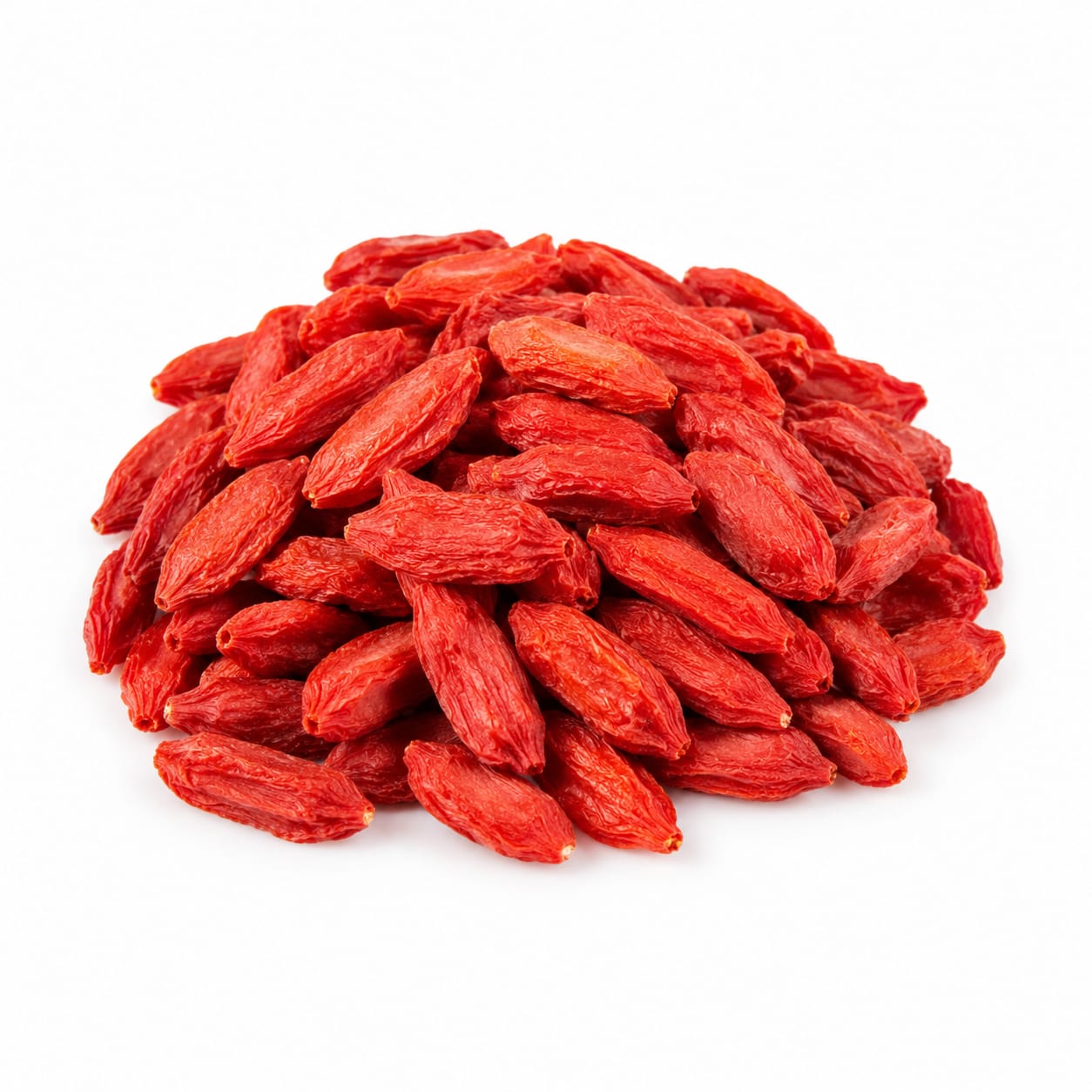
Wolfberry
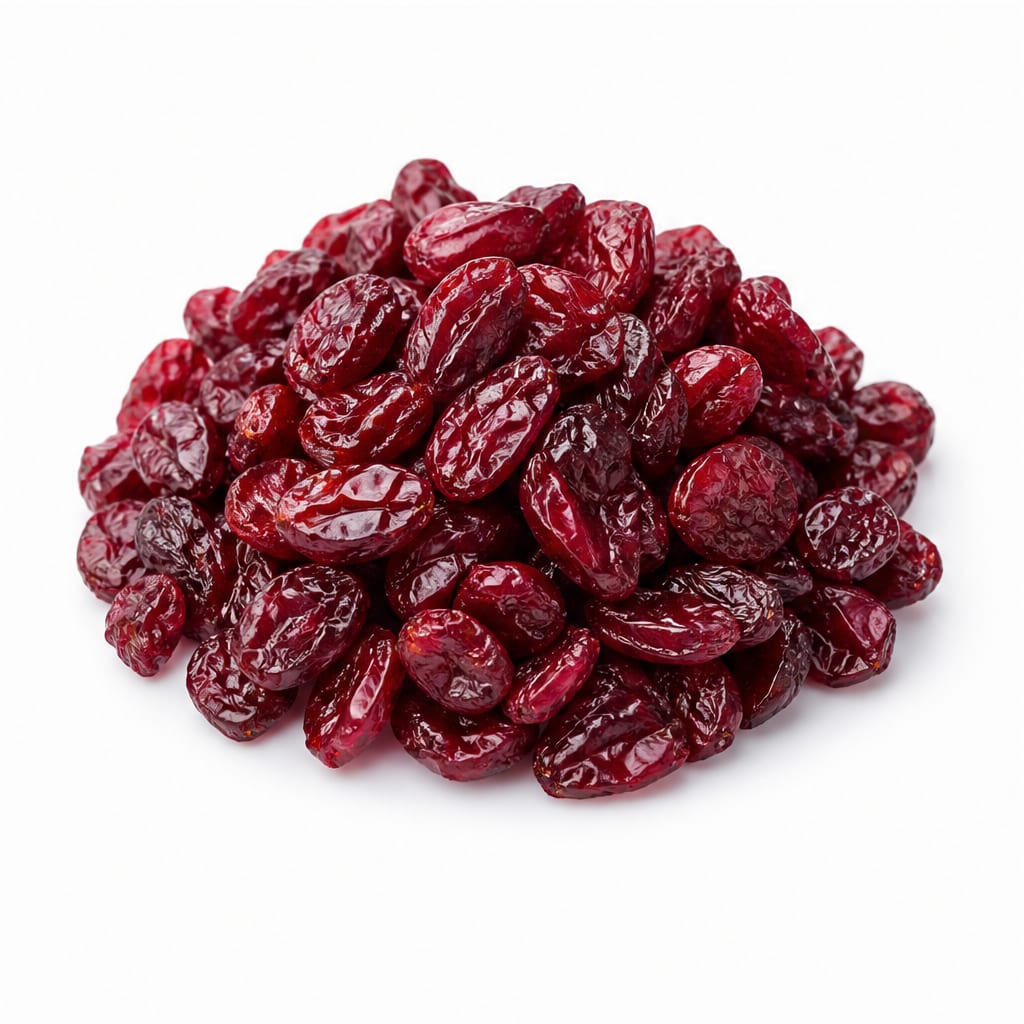
Dried Cranberries
Wolfberries win for daily nutrition thanks to far less sugar and a richer micronutrient profile, but dried cranberries have a specific edge for urinary tract health.
Wolfberries score significantly higher due to minimal added sugar, superior micronutrient density, and less processing. Dried cranberries lose ground mainly because most commercial products are loaded with added sugar and oils, which undermines their natural benefits.
You trade lower sugar and more vitamins with wolfberries for the unique UTI-fighting compounds and familiar tart-sweet taste of dried cranberries.
At a glance
Executive summary
Overall
Wolfberry
Healthier
Wolfberry
More practical
Dried Cranberries
Daily use
Wolfberry
Key comparison lenses
sugar and sweetening comparison
Dried cranberries are almost always sweetened with added sugar, while wolfberries are naturally low in sugar — this is the single biggest differentiator
antioxidant profile diversity
Wolfberries offer unique carotenoids like zeaxanthin; cranberries provide proanthocyanidins — different antioxidants for different benefits
processing and additive concerns
Commercially dried cranberries typically contain added sugar, oils, and preservatives; wolfberries are usually just sun-dried
eye health and vitamin A
Wolfberries are exceptionally rich in vitamin A and zeaxanthin, making eye health a key comparison point
urinary tract health
Cranberries are well-known for UTI prevention due to proanthocyanidins, a benefit wolfberries cannot match
Best choice for
Wolfberry
- People watching their sugar intake
- Anyone prioritizing eye health and vitamin A
- Those seeking a low-glycemic snack
- People avoiding added sweeteners and preservatives
Dried Cranberries
- People prone to urinary tract infections
- Those wanting a familiar, widely available snack
- Baking and trail mix where tart-sweet flavor is desired
- People who find wolfberries' herbal taste unfamiliar
Least suitable for
Wolfberry
- People on blood thinners (warfarin) due to vitamin K content
- Those who dislike herbal or slightly bitter flavors
- Anyone needing a quick sugar boost during intense exercise
Dried Cranberries
- People with diabetes or insulin resistance
- Those strictly limiting added sugar
- Anyone sensitive to sulfites or preservatives commonly used in dried cranberries
Deep comparison
Dimension by dimension
Each lens scores both foods and breaks down who each option suits.
- Dimension 1 · Priority 95Wolfberry
sugar_and_glycemic_impact
Wolfberry · 85Dried Cranberries · 30Wolfberries contain roughly 10-13g of natural sugar per 100g with no added sweeteners. Dried cranberries typically pack 60-70g of sugar per 100g, most of it added during processing.
Tradeoff
Choosing dried cranberries means consuming 5-7 times more sugar per serving for a sweeter taste experience.
Why it matters
That sugar gap is enormous for daily snacking. It affects blood sugar stability, cravings, and long-term metabolic health.
Real-world impact
A quarter-cup of dried cranberries can spike blood sugar similarly to candy, while the same amount of wolfberries provides steadier, longer-lasting energy.
Wolfberry
- Steady energy without the crash
- Diabetics and prediabetics
- Anyone cutting added sugar
Better for
- Those who want a sweet treat experience
Worse for
Dried Cranberries
- Endurance athletes needing quick carbs
- People who find unsweetened snacks unpalatable
Better for
- Anyone monitoring blood sugar
- People prone to sugar cravings and overeating
Worse for
- Dimension 2 · Priority 88It depends
antioxidant_diversity_and_unique_compounds
Wolfberry · 82Dried Cranberries · 78Wolfberries excel in carotenoids like zeaxanthin and lutein for eye health. Cranberries shine with proanthocyanidins that prevent bacteria from adhering to the urinary tract.
Tradeoff
You choose between eye-protective antioxidants and urinary-tract-protective antioxidants — they serve different body systems.
Why it matters
No single food covers all antioxidant needs. The best choice depends on which health concern matters more to you.
Real-world impact
If eye strain from screens is your daily struggle, wolfberries help more. If UTIs are a recurring issue, cranberries are the targeted choice.
Wolfberry
- Eye health and macular protection
- Vitamin A needs
- General immune support
Better for
- No specific UTI-fighting compounds
Worse for
Dried Cranberries
- UTI prevention
- Oral health (reducing bacterial adhesion)
- Gut microbiome support from unique polyphenols
Better for
- Lower vitamin A and zeaxanthin content
Worse for
- Dimension 3 · Priority 85Wolfberry
processing_and_additives
Wolfberry · 88Dried Cranberries · 40Wolfberries are typically sun-dried with no additives. Most dried cranberries contain added sugar, sunflower oil, and sometimes sulfites or preservatives.
Tradeoff
The cranberry's tartness requires sweetening to be palatable, which introduces processing that wolfberries avoid entirely.
Why it matters
More processing means more ingredients your body does not need, and more chances for sensitivity reactions.
Real-world impact
Reading the ingredient label on dried cranberries often reveals 3-5 additives, while wolfberries usually list one ingredient: wolfberries.
Wolfberry
- Clean-label eaters
- People with food chemical sensitivities
- Those avoiding seed oils
Better for
- Limited availability of organic-certified options in some regions
Worse for
Dried Cranberries
- People who prioritize taste over ingredient purity
Better for
- Added oils and preservatives may cause inflammation
- Sulfites can trigger headaches and asthma in sensitive people
Worse for
- Dimension 4 · Priority 80Wolfberry
vitamin_and_mineral_density
Wolfberry · 86Dried Cranberries · 55Wolfberries deliver exceptional vitamin A, vitamin C, iron, zinc, and selenium. Dried cranberries retain some vitamin C and manganese but lose much during processing and offer less overall.
Tradeoff
Wolfberries function more like a concentrated superfood supplement, while dried cranberries are more of a flavored snack with modest nutrition.
Why it matters
If you are snacking anyway, choosing the more nutrient-dense option gives you more health value per calorie.
Real-world impact
A small handful of wolfberries contributes meaningfully to your daily vitamin A and iron needs. Dried cranberries contribute mostly sugar.
Wolfberry
- Boosting vitamin A for skin and vision
- Supplementing iron on plant-based diets
- Getting more nutrition per calorie
Better for
- Vitamin K content requires caution with blood thinners
Worse for
Dried Cranberries
- Manganese intake for bone health
Better for
- Nutritional value diluted by high sugar content
Worse for
- Dimension 5 · Priority 72Dried Cranberries
taste_and_eating_enjoyment
Wolfberry · 55Dried Cranberries · 80Dried cranberries offer a crowd-pleasing tart-sweet flavor that works in salads, baking, and trail mix. Wolfberries have a distinct herbal, slightly bitter taste that is more acquired.
Tradeoff
The more enjoyable taste of dried cranberries comes at the cost of added sugar and lower nutritional value.
Why it matters
Sustainability matters — the food you actually enjoy eating is the one you will keep in your routine.
Real-world impact
Kids and picky eaters will almost always prefer dried cranberries. Wolfberries require more culinary creativity to make appealing.
Wolfberry
- People who enjoy herbal, earthy flavors
- Traditional Chinese medicine cuisine
Better for
- Not a satisfying sweet treat
- Unfamiliar flavor for Western palates
Worse for
Dried Cranberries
- Family-friendly snacking
- Baking and cooking versatility
- Mixing into oatmeal or yogurt where sweetness is desired
Better for
- Easy to overeat due to high palatability and sugar
Worse for
- Dimension 6 · Priority 75Wolfberry
satiety_and_cravings_control
Wolfberry · 72Dried Cranberries · 40Wolfberries' lower sugar and slightly bitter edge naturally limit overeating. Dried cranberries' sweet taste and added sugar can trigger a cycle of wanting more.
Tradeoff
The food that is less moreish is better for portion control but less enjoyable in the moment.
Why it matters
Foods that trigger cravings undermine healthy eating goals more than their calorie count alone suggests.
Real-world impact
It is easy to accidentally eat a full cup of dried cranberries (over 400 calories of mostly sugar). Wolfberries naturally stop you sooner.
Wolfberry
- Mindful snacking without triggering cravings
- Portion control without willpower battles
Better for
- May not feel satisfying as a standalone snack
Worse for
Dried Cranberries
- Satisfying a sweet tooth in a slightly better way than candy
Better for
- High risk of overconsumption
- Sugar spike followed by hunger rebound
Worse for
Timeline
Health impact over time
Short-term
Hours to days
Wolfberry
- Steady energy without a sugar crash
- Mild immune boost from vitamin C and zinc
- Slight herbal taste may feel unfamiliar at first
Dried Cranberries
- Quick energy spike from high sugar content
- Possible cravings 30-60 minutes after eating
- Immediate satisfaction from sweet-tart flavor
Long-term
Months to years
Wolfberry
- Better eye health protection from consistent zeaxanthin intake
- Lower cumulative sugar exposure supports metabolic health
- Potential immune and anti-aging benefits from polysaccharides
Dried Cranberries
- Consistent UTI risk reduction with regular consumption
- High added sugar intake may contribute to insulin resistance over time
- Dental health concerns from sticky, sugary snacking
Risk profile
Safety & processing
Wolfberries are typically just dried fruit with no additions. Dried cranberries almost always contain added sugar to balance their natural tartness, and many brands add sunflower oil to prevent clumping and sulfites for preservation. If you prioritize clean labels, wolfberries are the clear winner.
Wolfberry
Vitamin K interaction with blood thinners
mediumWolfberries contain vitamin K which can interfere with warfarin and other anticoagulants. Consult your doctor if on blood thinners.
Potential pesticide residue
lowAs with any dried fruit, sourcing matters. Choose organic wolfberries when possible, especially from regions with less strict agricultural regulations.
Allergic reactions in sensitive individuals
lowThough rare, some people report mild allergic responses to wolfberries, particularly those with nightshade sensitivities.
Dried Cranberries
Added sugar overload
highA single serving of sweetened dried cranberries can contain 25-30g of added sugar, approaching or exceeding daily limits recommended by health organizations.
Sulfite sensitivity
mediumMany commercial dried cranberries contain sulfur dioxide as a preservative, which can trigger asthma and headaches in sensitive individuals.
Added seed oils
mediumSunflower or safflower oil is commonly added to prevent sticking. These omega-6 rich oils may contribute to inflammation when consumed frequently.
Who wins for whom
Audience fit
Same foods, different winners depending on your goal.
children
Dried CranberriesKids overwhelmingly prefer the sweet-tart taste of dried cranberries. The sugar is a tradeoff, but palatability matters for getting children to eat anything nutritious.
daily consumption
WolfberryThe lower sugar, cleaner ingredient list, and broader micronutrient profile make wolfberries a better daily habit without cumulative downsides.
diabetes
WolfberryWolfberries have significantly less sugar and a lower glycemic impact, making them far safer for blood sugar management.
elderly
WolfberryWolfberries' zeaxanthin supports aging eyes, their iron helps prevent anemia, and lower sugar protects against age-related metabolic issues.
muscle gain
It dependsNeither is a protein source. Dried cranberries offer faster carbs post-workout, while wolfberries provide micronutrients that support recovery. Choose based on timing needs.
weight loss
WolfberryLower sugar, fewer calories per satisfying portion, and less craving-triggering potential make wolfberries more weight-loss friendly.
Your move
Decision guide
Choose Wolfberry
- You want a low-sugar, nutrient-dense daily snack
- Eye health is a priority, especially with heavy screen time
- You are managing blood sugar, insulin resistance, or diabetes
- You prefer clean-label foods with minimal additives
- You are looking for iron and vitamin A on a plant-based diet
Choose Dried Cranberries
- You struggle with recurrent urinary tract infections
- You need a crowd-pleasing ingredient for recipes or baking
- You find unsweetened snacks unappealing and need enjoyment to stay consistent
- You want a quick carb source for endurance activities
- You are making trail mix and want a tart-sweet element
Either works if
- You want an antioxidant boost beyond fresh fruit
- You are looking for a portable, shelf-stable snack
- You enjoy adding dried fruit to oatmeal or yogurt bowls
Avoid both if
- You are strictly limiting all dried fruit due to calorie density
- You have a severe allergy to either berry family
- You need a high-protein snack — neither delivers meaningful protein
Final recommendation
For most people seeking a daily healthy snack, wolfberries are the smarter choice due to dramatically lower sugar and richer nutrition. Keep dried cranberries as an occasional treat or targeted UTI-support food, but read labels carefully and choose unsweetened varieties when possible. If you do buy dried cranberries regularly, portion them into small servings to avoid the sugar creep that makes them easy to overeat.
Practical
Consumer tips
- 1
Look for unsweetened dried cranberries — brands like Pat's and Trader Joe's offer them. They are tart but eliminate the sugar problem entirely.
- 2
Soak wolfberries in warm water for 10 minutes before eating to soften them and mellow the herbal flavor — this makes them much more enjoyable as a snack.
- 3
If you buy dried cranberries, check the ingredient list for added oils and sulfites. The shorter the list, the better.
- 4
Mix both together in small quantities: wolfberries for nutrition, a few dried cranberries for sweetness. This balances taste and health.
- 5
Store both in airtight containers away from heat and light. Dried fruits lose nutrients and texture when exposed to air over time.
- 6
Add wolfberries to soups and teas — a traditional Chinese approach that extracts their nutrients beautifully and softens their texture.