
Nutrition comparison
Wolfberry vs Dried Apricots: Nutrition, Sugar, Eye Health & Which to Choose
Compare wolfberry and dried apricots on sugar content, eye health benefits, mineral density, sulfite exposure, and cost. Find which dried fruit fits your health goals.
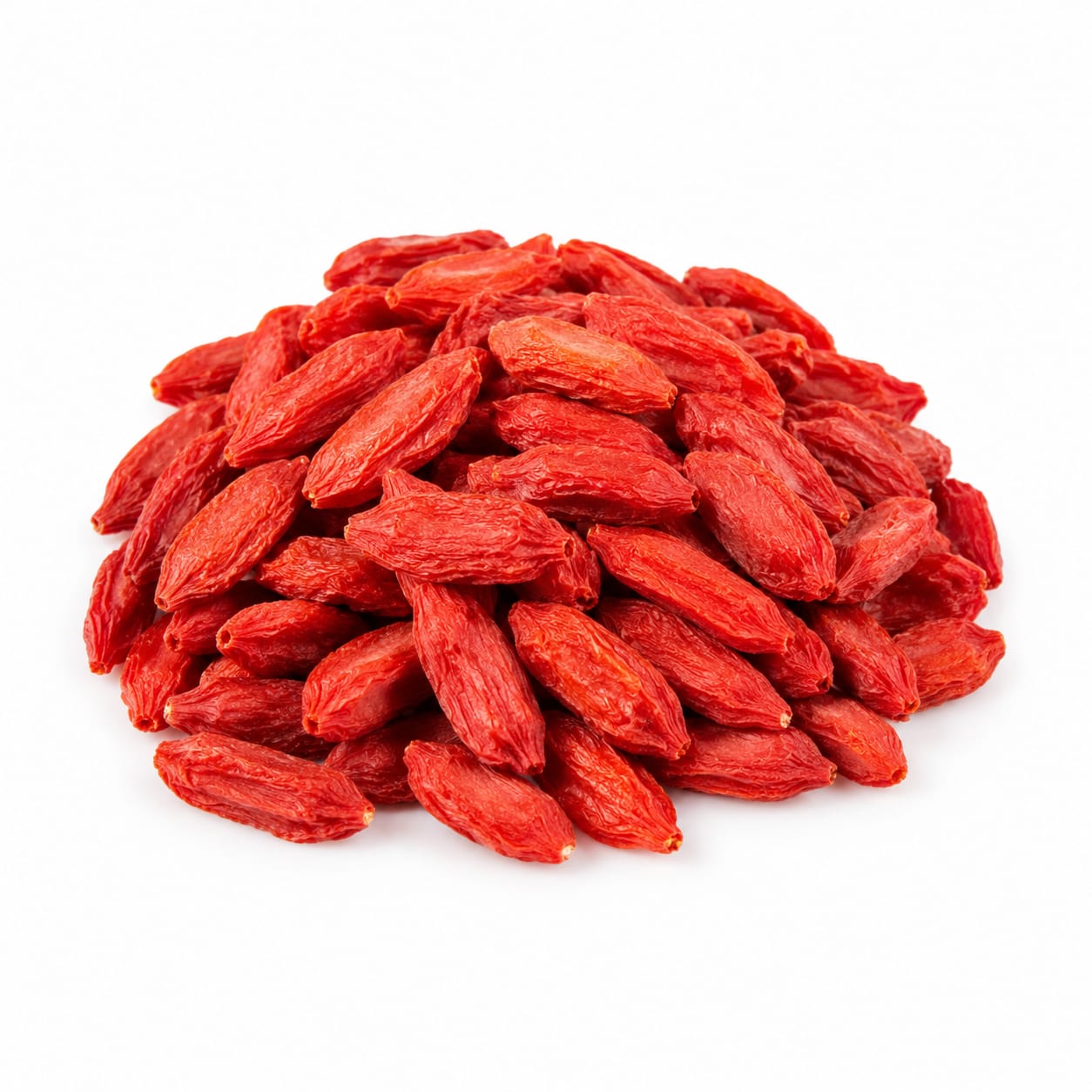
Wolfberry

Dried Apricots
Wolfberry wins for antioxidants and eye health with less sugar; dried apricots win for minerals, fiber, and everyday affordability.
Wolfberry edges ahead on antioxidant density and lower sugar, but dried apricots close the gap with superior mineral content, fiber, and real-world practicality. The close scores reflect that neither dominates universally.
Wolfberry offers unique eye-protective compounds and lower sugar, but dried apricots deliver more potassium, iron, and fiber at a fraction of the cost.
At a glance
Executive summary
Overall
It depends
Healthier
It depends
More practical
Dried Apricots
Daily use
Dried Apricots
Key comparison lenses
antioxidant and eye health superiority
Wolfberry is renowned for zeaxanthin and lutein content, making eye health a central comparison point
blood sugar and sugar load
Both are dried fruits with concentrated sugars, but dried apricots carry significantly more sugar per serving
mineral density and anemia support
Dried apricots are notably rich in potassium and iron, key for hydration and anemia prevention
preservative and sulfite exposure
Commercially dried apricots often contain sulfites, while wolfberries are typically sun-dried without preservatives
cost and accessibility
Wolfberry is a specialty superfood with premium pricing, while dried apricots are widely available and affordable
Best choice for
Wolfberry
- Eye health and macular degeneration prevention
- Low-sugar nutrient-dense snacking
- Antioxidant-focused anti-aging routines
- People avoiding sulfites and preservatives
Dried Apricots
- Potassium replenishment after exercise or illness
- Iron-deficiency anemia dietary support
- Budget-conscious daily fruit intake
- Digestive regularity and constipation relief
Least suitable for
Wolfberry
- People on blood thinners like warfarin due to potential interactions
- Budget-limited households needing bulk nutrition
- Those wanting large satisfying portions without high calorie density
Dried Apricots
- People with sulfite sensitivity or asthma
- Those strictly monitoring sugar intake
- Anyone seeking low-calorie snack options
Deep comparison
Dimension by dimension
Each lens scores both foods and breaks down who each option suits.
- Dimension 1 · Priority 92Wolfberry
antioxidant_and_eye_health
Wolfberry · 95Dried Apricots · 62Wolfberry is one of the richest natural sources of zeaxanthin, directly protecting the retina from blue light and oxidative damage.
Tradeoff
Dried apricots provide beta-carotene but lack the targeted eye-protective carotenoids that make wolfberry unique.
Why it matters
Zeaxanthin accumulates in the macula and shields it from degeneration — something beta-carotene alone cannot replicate.
Real-world impact
Regular wolfberry consumption may help preserve night vision and reduce long-term macular degeneration risk, especially for heavy screen users.
Wolfberry
- Long-term eye health and macular protection
- Screen-heavy lifestyles needing retinal support
- Anti-aging antioxidant protocols
Better for
- Not a significant source of broad-spectrum carotenoids beyond zeaxanthin and lutein
Worse for
Dried Apricots
- General vitamin A support for skin and immunity
Better for
- Lacks targeted macular pigments, offering only indirect eye support
Worse for
- Dimension 2 · Priority 88Wolfberry
blood_sugar_impact
Wolfberry · 72Dried Apricots · 48Wolfberry has roughly half the sugar content per serving compared to dried apricots, making it gentler on blood glucose.
Tradeoff
Neither is truly low-sugar, but dried apricots pack a much heavier glycemic load that can spike blood sugar faster.
Why it matters
Frequent blood sugar spikes from concentrated dried fruit sugars contribute to insulin resistance and afternoon energy crashes.
Real-world impact
A handful of dried apricots can hit you like candy energy-wise — quick rise, quick fall. Wolfberry gives a steadier, lighter energy curve.
Wolfberry
- Pre-diabetic or insulin-resistant individuals
- People wanting nutrient density without the sugar crash
- Low-carb dieters needing fruit in moderation
Better for
- Still a concentrated dried fruit — not sugar-free by any means
Worse for
Dried Apricots
- Athletes needing quick glycogen replenishment post-workout
Better for
- High sugar density makes portion control critical and easy to overshoot
Worse for
- Dimension 3 · Priority 85Dried Apricots
mineral_density
Wolfberry · 55Dried Apricots · 88Dried apricots are significantly richer in potassium and iron, two minerals most people under-consume.
Tradeoff
Wolfberry contains some iron and trace minerals but cannot compete with the sheer mineral payload of dried apricots.
Why it matters
Potassium regulates blood pressure and fluid balance; iron prevents fatigue and anemia — both are widespread deficiencies.
Real-world impact
Eating a few dried apricots daily can meaningfully move the needle on potassium intake, while wolfberry would require much larger servings to match.
Wolfberry
- Trace mineral diversity including selenium and zinc in small amounts
Better for
- Mineral content is modest relative to serving size
Worse for
Dried Apricots
- Potassium for blood pressure and muscle cramp prevention
- Iron for energy and anemia defense
- Post-illness mineral replenishment
Better for
- None significant — this is a clear strength
Worse for
- Dimension 4 · Priority 78Dried Apricots
fiber_and_digestion
Wolfberry · 58Dried Apricots · 82Dried apricots provide notably more fiber per serving, supporting regularity and gut health more effectively.
Tradeoff
Wolfberry contains fiber but in smaller amounts, requiring larger portions to match the digestive benefits of apricots.
Why it matters
Fiber isn't just about digestion — it feeds gut bacteria, slows sugar absorption, and helps you feel full longer.
Real-world impact
A serving of dried apricots can help relieve constipation within hours. Wolfberry is gentler and less predictable for that purpose.
Wolfberry
- Light digestive support without the laxative effect
Better for
- Not enough fiber per typical serving to be a digestive remedy
Worse for
Dried Apricots
- Constipation relief and digestive regularity
- Gut microbiome feeding with soluble fiber
- Satiety enhancement between meals
Better for
- High fiber plus high sugar can cause bloating in sensitive people if overconsumed
Worse for
- Dimension 5 · Priority 80Wolfberry
preservative_and_additive_exposure
Wolfberry · 85Dried Apricots · 45Wolfberries are typically dried without sulfites or preservatives, while most commercial dried apricots contain sulfur dioxide.
Tradeoff
Unsulfured dried apricots exist but are less common, darker in color, and have a shorter shelf life.
Why it matters
Sulfites trigger asthma reactions in sensitive individuals and can cause headaches and digestive discomfort even in people without diagnosed sensitivity.
Real-world impact
If you've ever gotten a headache or weird aftertaste from dried fruit, sulfites are the likely culprit. Wolfberry avoids this entirely.
Wolfberry
- Sulfite-sensitive individuals and asthmatics
- People pursuing clean-label minimal-ingredient diets
- Parents wanting preservative-free snacks for children
Better for
- None significant — naturally sun-dried processing is standard
Worse for
Dried Apricots
- Unsulfured varieties exist for those who seek them out
Better for
- Sulfur dioxide is the industry norm for color preservation and shelf stability
- Even unsulfured versions may have shorter shelf life and mold risk
Worse for
- Dimension 6 · Priority 72Dried Apricots
cost_and_everyday_accessibility
Wolfberry · 35Dried Apricots · 82Dried apricots are affordable and available in any grocery store. Wolfberry is a premium imported superfood with a steep price tag.
Tradeoff
Wolfberry's unique nutrients come at 3-5 times the cost per serving compared to dried apricots.
Why it matters
The best healthy food is the one you can actually afford and sustain eating regularly.
Real-world impact
A bag of dried apricots costs a few dollars and lasts weeks. The same quantity of quality wolfberry can cost significantly more, making daily use unrealistic for many.
Wolfberry
- Worth the premium if eye health is a top priority
- Available online and in Asian markets with growing mainstream presence
Better for
- Premium pricing limits consistent long-term use
- Not always available in standard grocery stores
Worse for
Dried Apricots
- Budget-friendly daily nutrition
- Available everywhere from corner stores to bulk bins
- Easy to stock up without financial strain
Better for
- None significant — this is a clear practical advantage
Worse for
Timeline
Health impact over time
Short-term
Hours to days
Wolfberry
- Light, steady energy without sharp sugar spikes
- Mild immune support from vitamin C and trace antioxidants
- Unlikely to cause digestive discomfort at normal servings
Dried Apricots
- Quick energy boost from concentrated natural sugars
- Noticeable digestive relief if constipated due to fiber and sorbitol
- Possible headache or bloating in sulfite-sensitive individuals
Long-term
Months to years
Wolfberry
- Retinal protection and reduced macular degeneration risk with consistent intake
- Lower cumulative sugar exposure compared to other dried fruits
- Potential immune and anti-aging benefits from polysaccharides, though evidence is emerging
Dried Apricots
- Improved blood pressure regulation from consistent potassium intake
- Better iron status reducing fatigue and anemia risk over time
- Higher cumulative sugar intake if portions are not managed carefully
Risk profile
Safety & processing
Wolfberries are typically sun-dried with no additives, retaining a clean ingredient profile. Most commercial dried apricots are treated with sulfur dioxide for color and shelf stability, adding a preservative concern that requires conscious label-reading to avoid.
Wolfberry
Drug interaction with blood thinners
highWolfberry may enhance the effect of warfarin, increasing bleeding risk. Anyone on anticoagulant therapy should consult their doctor before regular consumption.
Contamination from agricultural practices
mediumSome wolfberry sources, particularly from regions with lax agricultural standards, have shown pesticide residue issues. Choosing organic or tested brands mitigates this.
Allergic reactions
lowRare but possible, especially for people allergic to other nightshade family members.
Dried Apricots
Sulfite sensitivity reactions
highSulfur dioxide in most commercial dried apricots can trigger asthma attacks, headaches, and digestive upset in sensitive individuals. Unsulfured options eliminate this risk.
Sugar overconsumption
mediumThe concentrated sugar content makes it easy to overeat, contributing to weight gain and insulin resistance if portions are not controlled.
Mold and mycotoxin risk in unsulfured varieties
lowWithout sulfite preservation, dried apricots have shorter shelf life and may develop mold if stored improperly or kept too long.
Who wins for whom
Audience fit
Same foods, different winners depending on your goal.
children
Dried ApricotsDried apricots are sweeter, more palatable, and provide iron and potassium crucial for growing bodies — just watch portion sizes and choose unsulfured when possible.
daily consumption
Dried ApricotsAffordability, availability, and broad mineral nutrition make dried apricots more sustainable as a daily habit for most people.
diabetes
WolfberrySignificantly less sugar per serving and a gentler glycemic impact make wolfberry the safer choice for blood glucose management.
elderly
WolfberryWolfberry's zeaxanthin supports aging eyes, its lower sugar suits slower metabolisms, and the absence of sulfites reduces adverse reactions common in older adults.
muscle gain
Dried ApricotsDried apricots provide quicker carbohydrates for post-workout glycogen replenishment plus more potassium for muscle recovery.
weight loss
WolfberryLower sugar and calorie density per serving make wolfberry easier to fit into a calorie-controlled plan without triggering cravings.
Your move
Decision guide
Choose Wolfberry
- You prioritize eye health and screen-related visual fatigue
- You are watching your sugar intake but want nutrient-dense fruit
- You are sensitive to sulfites or avoid preservatives
- You are on a budget for supplements and want food-based antioxidant support
Choose Dried Apricots
- You need affordable, accessible daily mineral nutrition
- You are active and need post-workout carb and potassium replenishment
- You struggle with constipation and want a natural digestive aid
- You have no sulfite sensitivity and want a satisfying, sweet snack
Either works if
- You want dried fruit variety in your diet and can rotate both
- You are generally healthy and just need more fruit diversity
- You pair dried fruit with nuts or protein to blunt sugar spikes
Avoid both if
- You are on a strict very-low-carb or ketogenic diet
- You have severe fructose intolerance
- You struggle with portion control around sweet dried fruits
Final recommendation
Keep both in rotation if budget allows — wolfberry for eye health and antioxidant focus, dried apricots for minerals, fiber, and everyday value. If you must pick one, choose dried apricots for daily practicality and cost, but seek out unsulfured brands. Add wolfberry when eye health is a priority or sugar reduction matters most.
Practical
Consumer tips
- 1
Look for unsulfured dried apricots — they are brownish instead of bright orange but are free from preservative concerns
- 2
Soak dried apricots in water overnight for easier digestion and reduced sugar concentration per bite
- 3
Add wolfberry to oatmeal or tea rather than eating it alone — the compounds absorb better with a little fat
- 4
Store both in airtight containers away from heat and light to preserve nutrients and prevent mold
- 5
If on warfarin or any blood thinner, talk to your doctor before making wolfberry a daily habit
- 6
Blend wolfberry into smoothies with leafy greens — the zeaxanthin pairs well with the lutein in spinach for a combined eye-health boost
- 7
Measure portions for both: a serving of dried apricots is about 4-5 halves, and wolfberry is roughly a tablespoon