
Nutrition comparison
Wolfberry vs Dried Mulberries: Which Superfruit Is Better for You?
Compare Wolfberry and Dried Mulberries on eye health, blood sugar control, iron content, and value. Find out which dried superfruit fits your health goals and budget.
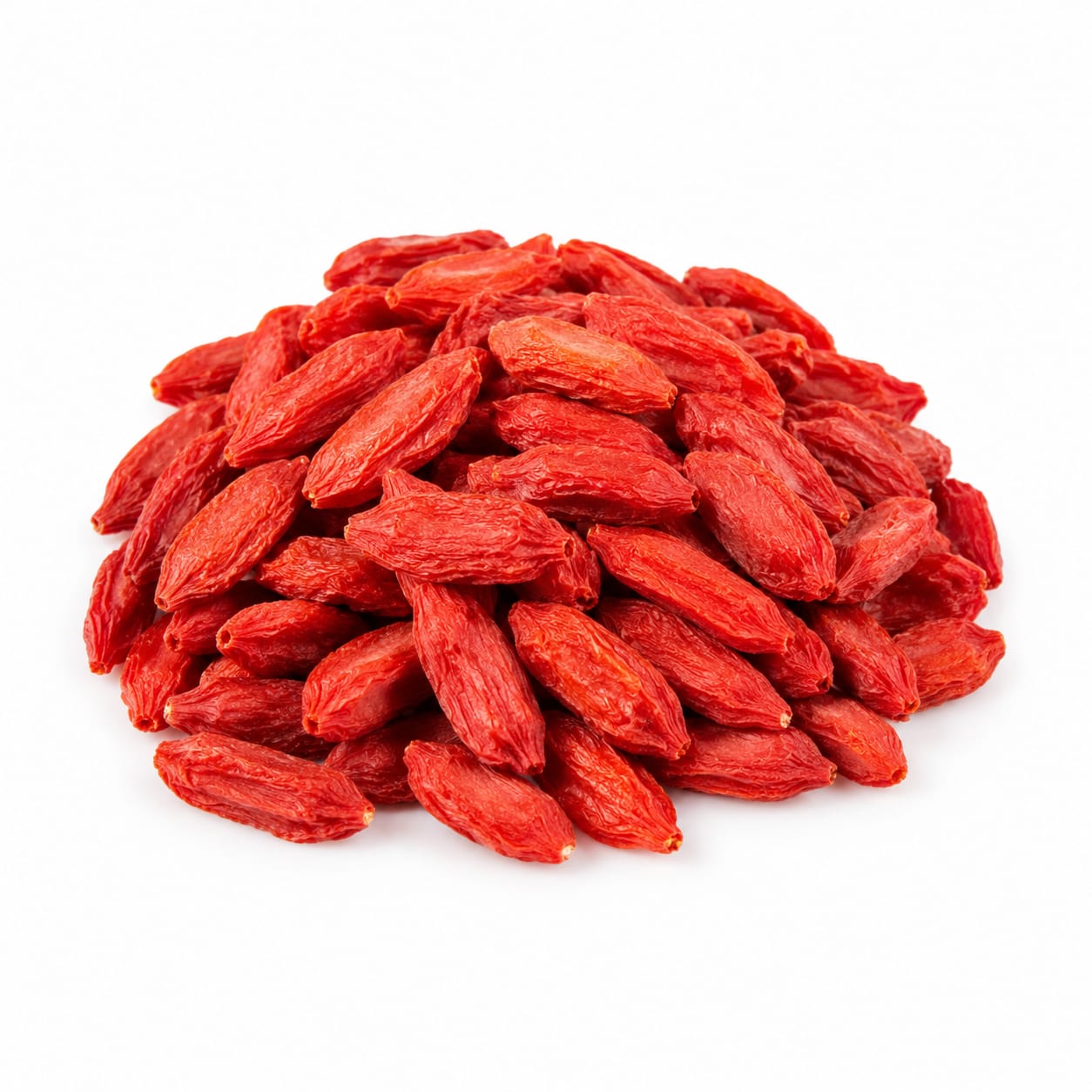
Wolfberry
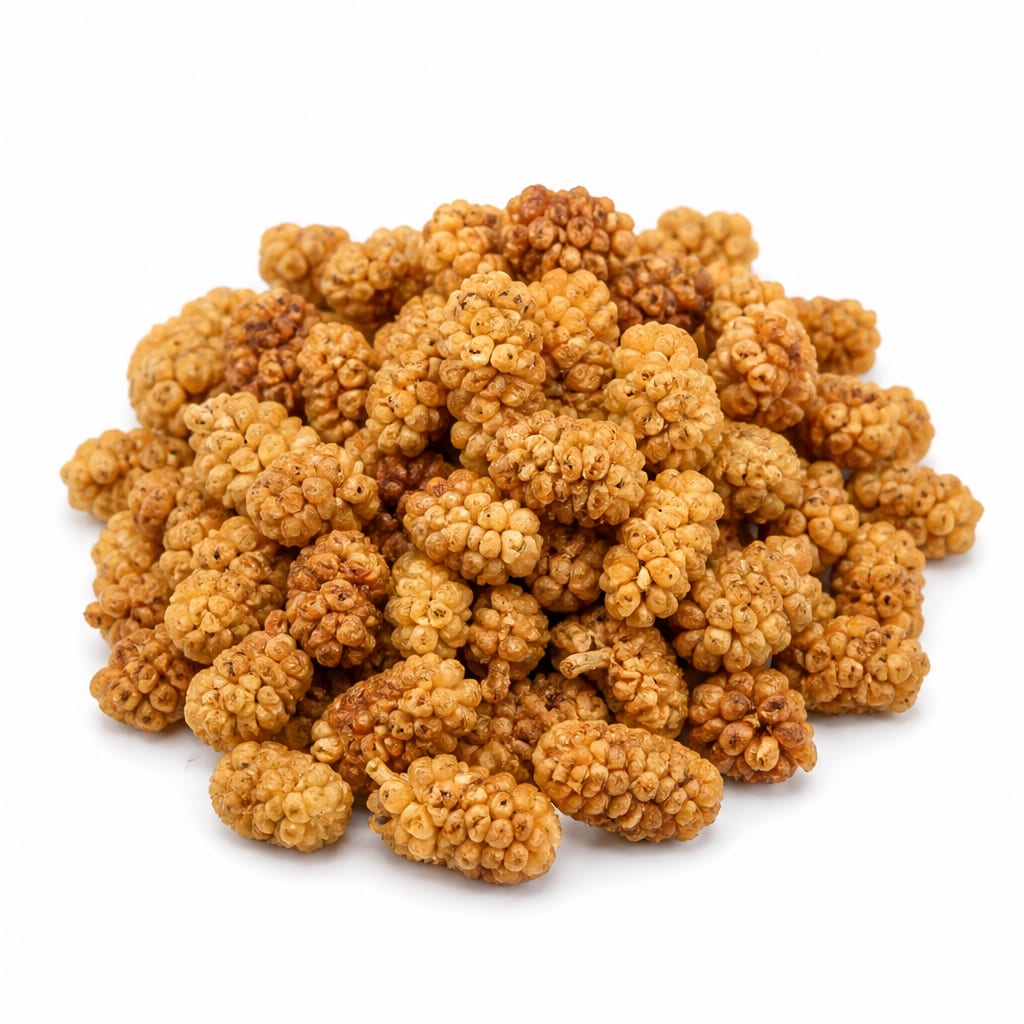
Dried Mulberries
Wolfberry wins for eye health and antioxidant firepower; Dried Mulberries win for blood sugar control and everyday value.
Wolfberry edges ahead on micronutrient uniqueness and antioxidant potency, but Dried Mulberries close the gap with better blood sugar properties, higher fiber, and far better value. The near-tie reflects how context-dependent this choice truly is.
You choose between Wolfberry's unmatched zeaxanthin for vision protection or Dried Mulberries' unique blood sugar–stabilizing compound at half the price.
At a glance
Executive summary
Overall
It depends
Healthier
It depends
More practical
Dried Mulberries
Daily use
Dried Mulberries
Key comparison lenses
antioxidant superiority and eye health
Wolfberry is legendary for zeaxanthin and lutein content, making eye health the most compelling differentiator
blood sugar management
Dried Mulberries contain DNJ, a rare compound that actually slows sugar absorption, a standout feature for glycemic control
nutrient density per calorie
Both are dried superfruits, so users want to know which delivers more micronutrients per serving
value and accessibility
Wolfberry tends to be significantly more expensive, making cost a real decision factor
traditional medicine vs evidence backed benefits
Wolfberry carries heavy traditional Chinese medicine claims while Dried Mulberries have more targeted clinical evidence for blood sugar
Best choice for
Wolfberry
- Eye health and macular protection
- Immune system support
- Anti-aging and skin health routines
- Traditional medicine enthusiasts
- Those wanting the highest antioxidant density per gram
Dried Mulberries
- Blood sugar management and prediabetes
- Budget-conscious superfruit shoppers
- Iron deficiency support
- Daily snacking without guilt
- Those who find Wolfberry too bitter or medicinal
Least suitable for
Wolfberry
- Budget-limited households
- People on blood thinners (vitamin K content)
- Those sensitive to nightshade family foods
- Anyone seeking a sweet snack
Dried Mulberries
- Those specifically targeting eye health
- People avoiding dried fruit sugar entirely
- Individuals needing high vitamin A intake
Deep comparison
Dimension by dimension
Each lens scores both foods and breaks down who each option suits.
- Dimension 1 · Priority 95Wolfberry
Eye Health and Vision Protection
Wolfberry · 96Dried Mulberries · 45Wolfberry is one of the richest natural sources of zeaxanthin, a carotenoid that accumulates in the macula and directly protects retinal cells.
Tradeoff
You give up meaningful eye-specific nutrition if you choose Dried Mulberries, which lack concentrated zeaxanthin entirely.
Why it matters
Age-related macular degeneration is the leading cause of vision loss in older adults, and dietary zeaxanthin is one of the few proven protective nutrients.
Real-world impact
A small daily handful of Wolfberry delivers more zeaxanthin than most people get from their entire weekly diet.
Wolfberry
- Adults over 40 concerned about vision
- People with family history of macular degeneration
- Heavy screen users wanting retinal support
Better for
Dried Mulberries
- Anyone prioritizing long-term eye health
Worse for
- Dimension 2 · Priority 90Dried Mulberries
Blood Sugar Stability
Wolfberry · 52Dried Mulberries · 88Dried Mulberries contain 1-deoxynojirimycin (DNJ), a compound that inhibits carbohydrate-digesting enzymes, slowing glucose absorption after meals.
Tradeoff
Wolfberry, while not terrible for blood sugar, lacks any active glucose-lowering mechanism and contains more natural sugars per serving.
Why it matters
For prediabetics or anyone fighting afternoon energy crashes, a food that actively blunts sugar spikes is rare and valuable.
Real-world impact
Eating Dried Mulberries before a carb-heavy meal can meaningfully reduce the blood sugar spike that follows.
Wolfberry
- Those who need strict glycemic control
Worse for
Dried Mulberries
- Prediabetics and type 2 diabetics
- People fighting energy crashes after lunch
- Anyone monitoring fasting glucose
Better for
- Dimension 3 · Priority 85Wolfberry
Antioxidant Density
Wolfberry · 93Dried Mulberries · 74Wolfberry packs a broader and more concentrated antioxidant profile, including unique Lycium barbarum polysaccharides found in no other food.
Tradeoff
Dried Mulberries offer resveratrol, a valuable antioxidant, but the overall ORAC capacity and diversity of Wolfberry's antioxidant compounds is substantially higher.
Why it matters
Broader antioxidant coverage means more cellular protection pathways are supported simultaneously.
Real-world impact
Wolfberry users may notice faster recovery from oxidative stress, like after intense exercise or poor sleep.
Wolfberry
- Athletes seeking faster recovery
- People under high oxidative stress
- Anti-aging focused consumers
Better for
Dried Mulberries
- Those specifically wanting resveratrol benefits
Better for
- Anyone wanting maximum antioxidant bang per gram
Worse for
- Dimension 4 · Priority 78Dried Mulberries
Fiber and Digestive Health
Wolfberry · 62Dried Mulberries · 82Dried Mulberries deliver noticeably more fiber per serving, supporting gut regularity and feeding beneficial gut bacteria more effectively.
Tradeoff
Wolfberry provides some fiber but is more sugar-dense relative to its fiber content, making it less gut-friendly in larger quantities.
Why it matters
Fiber-to-sugar ratio determines whether a dried fruit supports or harms your gut microbiome and satiety.
Real-world impact
A serving of Dried Mulberries keeps you fuller longer and causes less bloating than the same amount of Wolfberry.
Wolfberry
- Large-quantity snackers who may consume too much sugar
Worse for
Dried Mulberries
- People with sluggish digestion
- Anyone tracking fiber intake
- Those prone to overeating dried fruit
Better for
- Dimension 5 · Priority 72Dried Mulberries
Iron and Blood Building
Wolfberry · 65Dried Mulberries · 84Dried Mulberries are surprisingly rich in iron, providing a meaningful percentage of daily needs per serving, especially valuable for plant-based eaters.
Tradeoff
Wolfberry contains iron too, but less per calorie, and its vitamin C content does not fully compensate for the gap.
Why it matters
Iron deficiency is the world's most common nutrient shortfall, and plant-based iron sources are always worth prioritizing.
Real-world impact
Vegans and vegetarians who snack on Dried Mulberries regularly may find it easier to maintain healthy ferritin levels.
Wolfberry
- Those relying on this as a primary iron source
Worse for
Dried Mulberries
- Vegans and vegetarians
- Women with heavy menstrual cycles
- Anyone diagnosed with low ferritin
Better for
- Dimension 6 · Priority 75Dried Mulberries
Value and Affordability
Wolfberry · 38Dried Mulberries · 78Dried Mulberries typically cost 40-60% less per ounce than Wolfberry, making daily use far more sustainable financially.
Tradeoff
Wolfberry's premium price reflects genuine scarcity and labor-intensive harvesting, but the cost limits how much and how often most people can eat it.
Why it matters
A superfood you can afford to eat daily always outperforms a superior one you can only afford occasionally.
Real-world impact
At current prices, a month of daily Dried Mulberries might cost $15-20, while the same Wolfberry habit could run $35-50.
Wolfberry
- Anyone watching their food budget closely
Worse for
Dried Mulberries
- Families on a grocery budget
- Anyone wanting daily superfruit consumption
- Students and young professionals
Better for
- Dimension 7 · Priority 68Dried Mulberries
Taste and Snackability
Wolfberry · 55Dried Mulberries · 80Dried Mulberries have a naturally sweet, mild, slightly tart flavor with a satisfying crunch that most people enjoy immediately.
Tradeoff
Wolfberry tastes more medicinal and bitter-sweet, which some love but many find acquired; it works better mixed into foods than eaten alone.
Why it matters
A superfood you actually enjoy eating gets consumed consistently; one you force yourself to eat often gets abandoned.
Real-world impact
Kids and picky eaters will usually accept Dried Mulberries as a snack but may reject Wolfberry's herbal flavor.
Wolfberry
- Fans of herbal, complex flavors
- Traditional Chinese medicine palates
Better for
- Those expecting a sweet treat experience
Worse for
Dried Mulberries
- Children and picky eaters
- Anyone wanting a standalone snack
- People new to superfruits
Better for
Timeline
Health impact over time
Short-term
Hours to days
Wolfberry
- Noticeable energy lift from natural sugars and B vitamins
- Mild diuretic effect that may increase urination
- Possible slight stomach discomfort if eaten in large amounts due to concentrated sugars
Dried Mulberries
- More stable energy with less crash due to DNJ slowing sugar absorption
- Improved satiety from higher fiber content
- Gentle digestive regularity support within hours of eating
Long-term
Months to years
Wolfberry
- Stronger retinal protection and reduced macular degeneration risk with consistent use
- Enhanced immune resilience from polysaccharide compounds
- Potential for excessive vitamin A intake if combined with supplements, though rare from food alone
Dried Mulberries
- Better long-term blood sugar regulation and reduced diabetes risk
- Improved iron status, especially valuable for menstruating women and plant-based eaters
- Cardiovascular support from resveratrol and fiber working together
Risk profile
Safety & processing
Both foods are simply dried berries with no added ingredients in their pure forms. The main concern is that some commercial Wolfberry products add sulfur dioxide as a preservative to maintain color, so always check labels. Dried Mulberries are typically sold unsulfured.
Wolfberry
Sulfur dioxide preservative
mediumMany commercial Wolfberry products are sulfured for color preservation, which can trigger asthma and sensitivity reactions in some people. Look for unsulfured organic options.
Pesticide residue
mediumWolfberry from certain regions has tested high for pesticide residues. Choosing organic significantly reduces this concern.
Nightshade sensitivity
lowWolfberry belongs to the nightshade family. People with nightshade sensitivities may experience joint pain or inflammation.
Dried Mulberries
Added sugars in some brands
mediumSome Dried Mulberries are sweetened with added sugar or cane syrup. Read ingredient lists carefully to get the unsweetened version.
Mold and mycotoxins
lowAs with any dried fruit, improper storage can lead to mold. Keep in a cool, dry place and discard if you see any discoloration.
Pesticide residue
lowMulberry trees are relatively hardy and require fewer pesticides than many crops, but organic is still preferable.
Who wins for whom
Audience fit
Same foods, different winners depending on your goal.
children
Dried MulberriesSweeter taste, crunchier texture, and lower cost make Dried Mulberries an easy win for kids' lunchboxes and snacks.
daily consumption
Dried MulberriesBetter taste, lower cost, and gentler blood sugar impact make Dried Mulberries easier to sustain as a daily habit year-round.
diabetes
Dried MulberriesDNJ in Dried Mulberries actively slows carbohydrate digestion, making it one of the few dried fruits with a blood sugar–protective mechanism.
elderly
WolfberryThe zeaxanthin and lutein in Wolfberry directly address age-related macular degeneration, the top vision concern for older adults.
muscle gain
It dependsNeither is a protein source, but Wolfberry's slightly higher amino acid profile and anti-inflammatory polysaccharides marginally support recovery.
weight loss
Dried MulberriesHigher fiber and lower sugar density make Dried Mulberries more filling per calorie, reducing the urge to overeat.
Your move
Decision guide
Choose Wolfberry
- You are over 40 and want to protect your vision proactively
- Immune support during cold and flu season is a priority
- You enjoy herbal, complex flavors and traditional medicine approaches
- Budget is not a constraint and you want maximum antioxidant potency
Choose Dried Mulberries
- You are managing blood sugar, prediabetes, or diabetes risk
- You want a daily superfruit that does not break the bank
- Iron intake matters to you, especially on a plant-based diet
- You prefer a sweeter, more snackable dried fruit
Either works if
- You simply want a nutrient-dense dried fruit to rotate into your diet
- You are looking for an afternoon snack alternative to processed bars
- You want natural sources of antioxidants without supplements
Avoid both if
- You are strictly limiting all dried fruit due to sugar content
- You have a known allergy to berries or mulberry family plants
- You are on blood thinners and need consistent vitamin K intake (consult your doctor)
Final recommendation
If eye health is your top concern, Wolfberry is worth the premium. For almost everything else, especially blood sugar management and daily practicality, Dried Mulberries deliver more consistent value. The smartest move: keep both on hand. Use Wolfberry in morning smoothies and tea for vision support, and snack on Dried Mulberries in the afternoon for steady energy and iron.
Practical
Consumer tips
- 1
Always buy unsulfured Wolfberry to avoid preservative exposure and get the most authentic flavor
- 2
Choose organic for both fruits whenever possible to minimize pesticide residue
- 3
Soak Wolfberry in warm water for 10 minutes before eating to soften texture and improve digestibility
- 4
Pair Dried Mulberries with a handful of nuts to blunt any sugar spike and increase satiety further
- 5
Store both in airtight containers away from sunlight to preserve antioxidants and prevent mold
- 6
Avoid brands with added sugar, oil, or preservatives in the ingredient list
- 7
Start with one tablespoon daily and increase gradually to let your digestive system adjust to the fiber