
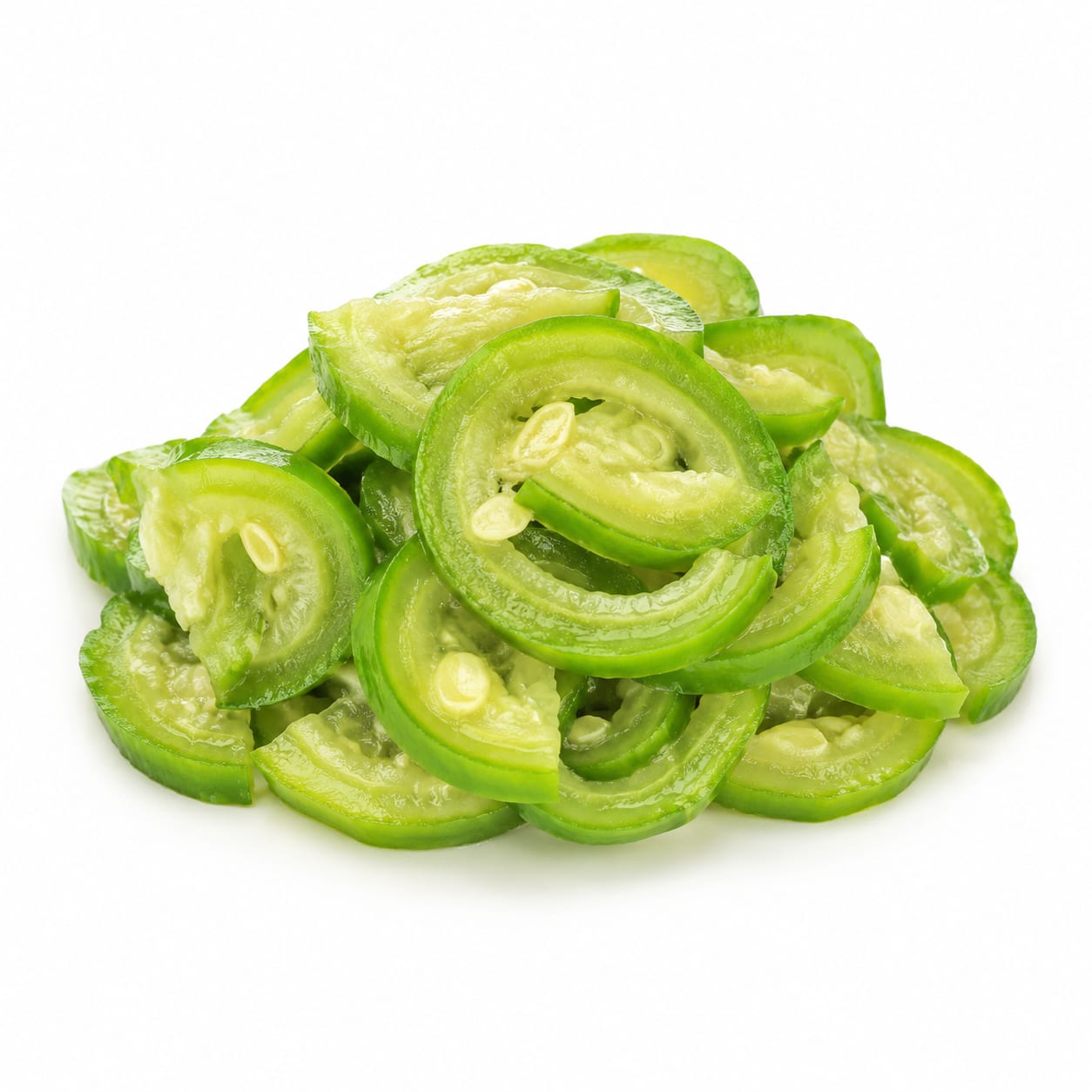
Medicinal Plant / Gourd Vegetable
Trichosanthes Kirilowii
A medicinal gourd plant whose fruit and root are used in traditional medicine and occasionally cooked as a vegetable.
A climbing perennial plant in the Cucurbitaceae family, native to East Asia, whose fruit, seeds, and root are used in Traditional Chinese Medicine and occasionally consumed as a vegetable when young.
low-calorie medicinal gourd
Typical serving · 100g
Common varieties · Tian Hua Fen (root), Gua Lou (fruit), Gua Lou Ren (seeds)
Overall context score across nutrition, safety, and diet fit
At a glance
Quick facts
Simple indicators based on nutrition, processing, and diet fit.
The story
What makes it unique
Trichosanthes kirilowii contains trichosanthin, a ribosome-inactivating protein. The fresh young fruit is high in water and fiber, digested slowly, and provides low energy density. However, raw consumption is hazardous due to toxic proteins that require denaturation through cooking or specific traditional processing.
Varieties: Tian Hua Fen (root) · Gua Lou (fruit) · Gua Lou Ren (seeds)
Per 100g
Nutrition breakdown
Macro balance and key metrics at a glance.
Energy
Density 0.15 kcal/g
Protein
Carbs
Fat
Fiber
Sugar
1.5 g
Sodium
5 mg
Potassium
150 mg
Glycemic index
20
Glycemic load
1
Water content
94%
Standout compounds
Nutrient highlights
Trichosanthin
highBioactive protein with specific pharmacological properties (when extracted)
Dietary Fiber
moderateSupports digestive regularity and slows glucose absorption
Water
highProvides high volume and hydration with minimal calories
Wellness map
Health scores & processing
NOVA processing scale
Minimally processed (when cooked fresh) · Whole food
Fresh fruit is a whole food, but it is more commonly found dried, powdered, or extracted for medicinal use.
Diet compatibility
- Weight loss
- Muscle gain
- Diabetes
- Gut health
- Low carb
- High protein
- Heart health
Relative standing
Food rankings
Qualitative ranks compared to similar whole foods.
- Satietymoderate
- Blood sugarexcellent
- Nutrient densitymoderate
- Fitness fuelpoor
- Processing qualitygood
Eat with confidence
Food safety profile
The raw plant contains trichosanthin, a toxic protein that can cause severe reactions and is a potent abortifacient. It must be thoroughly cooked if consumed as a vegetable, or used only as standardized processed extracts.
Evidence confidence 85%
- Pesticideslow
- Antibioticslow
- Heavy metalsmoderate
- Contaminationhigh
Watch for
- Trichosanthin (toxic protein)
- Soil heavy metals (in roots)
- Microbial contamination (in dried powders)
Safer choices
Well-cooked young fruit, or commercially prepared and tested extracts.
Prep tips
Always peel and cook thoroughly to denature toxic proteins. Never consume raw. Avoid entirely during pregnancy.
Trichosanthin is a known abortifacient and neurotoxin; strict warnings apply for pregnant women.
Deep dive
Health analysis
How this food may fit different goals and preparation choices.
Weight loss
Extremely low energy density makes the cooked fruit a high-volume, low-calorie food that can increase satiety without excess calories.
Blood sugar
Very low carbohydrate and sugar content results in a minimal glycemic impact, making it suitable for blood sugar management when prepared safely.
Fitness & energy
Lacks the carbohydrates and protein needed to support intense physical activity or muscle recovery.
Gut health
Provides dietary fiber that supports bowel regularity, though traditional use focuses more on its purported medicinal effects on the digestive tract.
Processing quality
Fresh or properly dried forms are whole foods, but unregulated herbal powders may vary in quality and safety.
Food safety
Raw consumption is dangerous due to trichosanthin. Must be cooked if eaten as food. Strictly contraindicated in pregnancy.
Common mistakes
Consuming raw parts of the plant or using medicinal doses without professional guidance, especially while pregnant.
Best preparation
Peeling and boiling or stir-frying the young fruit thoroughly to denature toxic proteins.
Practical guide
Best use cases
When and how this food fits real eating patterns.
TCM herbal formulations
Used under professional guidance for respiratory or digestive ailments in traditional practice.
Low-calorie cooked vegetable
Young fruit peeled and thoroughly cooked as a high-volume, low-carb side dish.
Balance sheet
Pros & cons
Upsides
- Very low in calories and carbohydrates
- Minimal impact on blood sugar
- High water content promotes fullness
- Contains bioactive compounds studied for medicinal properties
Trade-offs
- Raw plant contains toxic proteins (trichosanthin)
- Strictly contraindicated during pregnancy
- Not a significant source of macronutrients
- Requires careful and thorough cooking to be safe
Fit check
Who is it for?
Great match
- TCM practitioners' supervised use
- low-carb vegetable dishes (when cooked)
- high-volume low-calorie eating
Consider alternatives
- pregnant women
- raw food diets
- post-workout recovery
Side by side
How it compares
Open the full head-to-head analysis for nutrition, safety, and practical tradeoffs.
This food
Trichosanthes Kirilowii
VS90% alike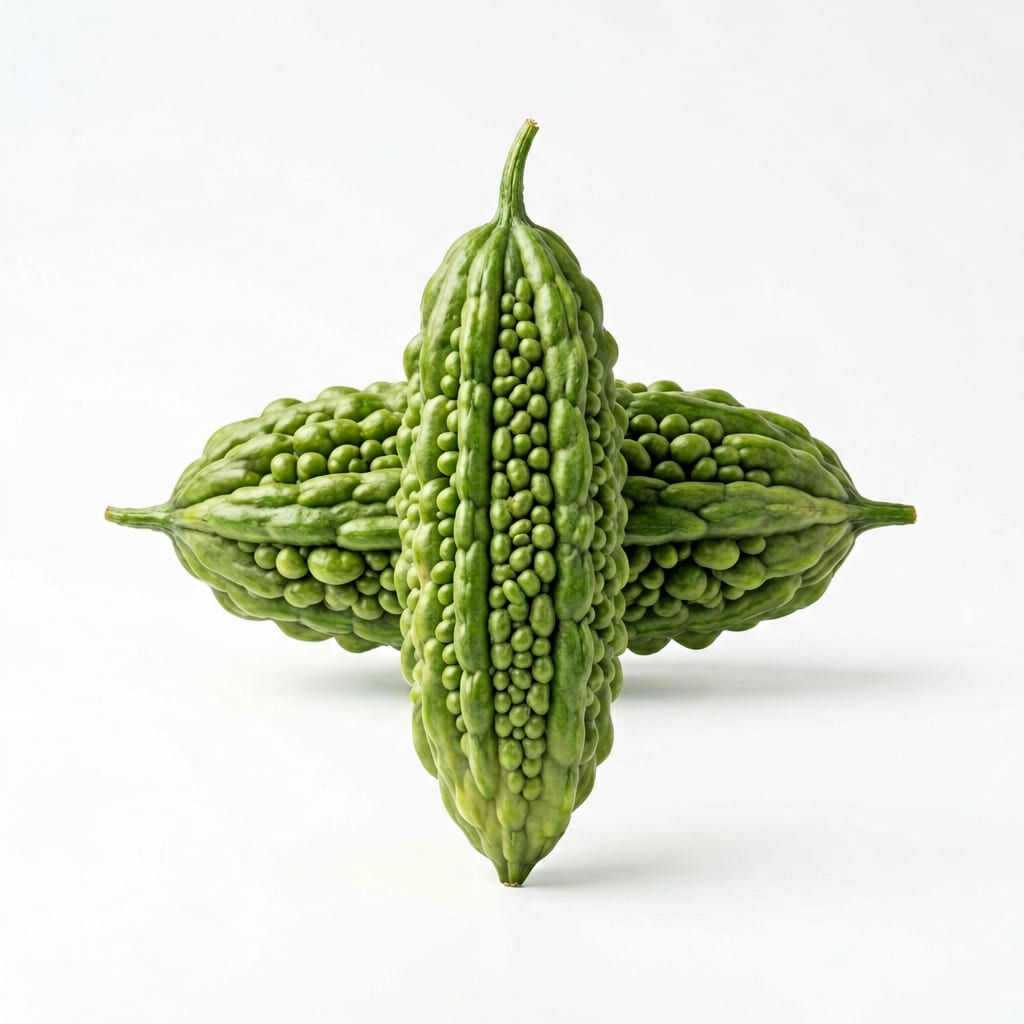
Compare with
Bitter Melon
Both are low-calorie medicinal gourds that support blood sugar control, but both require thorough cooking to mitigate natural toxins.
Bitter melon and Trichosanthes are both low-calorie medicinal gourds, but Trichosanthes carries higher toxicity risks if eaten raw.
This food
Trichosanthes Kirilowii
VS85% alike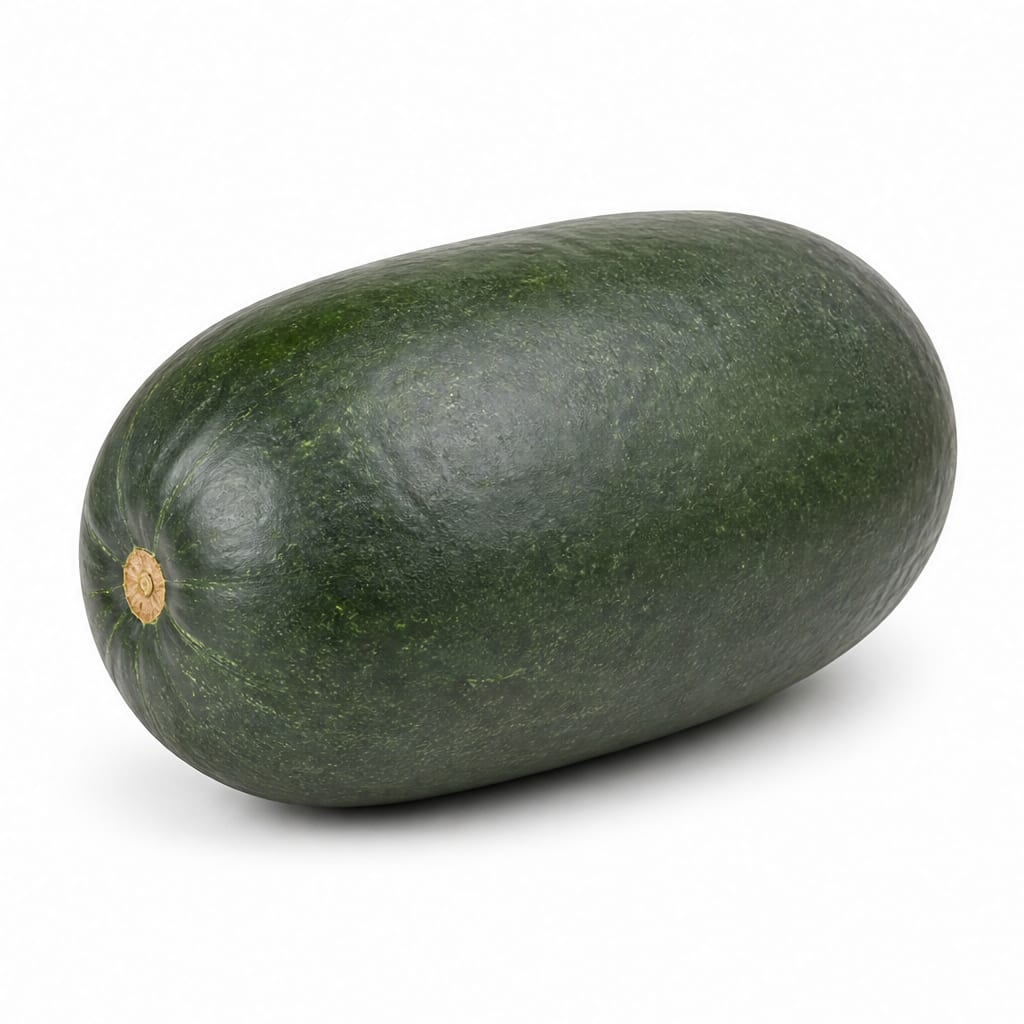
Compare with
Winter Melon
Winter melon is milder and safer raw, while Trichosanthes has stronger medicinal properties and toxicity risks.
Winter melon is a safer, milder alternative to Trichosanthes for everyday cooking, as Trichosanthes requires careful preparation to remove toxins.
This food
Trichosanthes Kirilowii
VS75% alike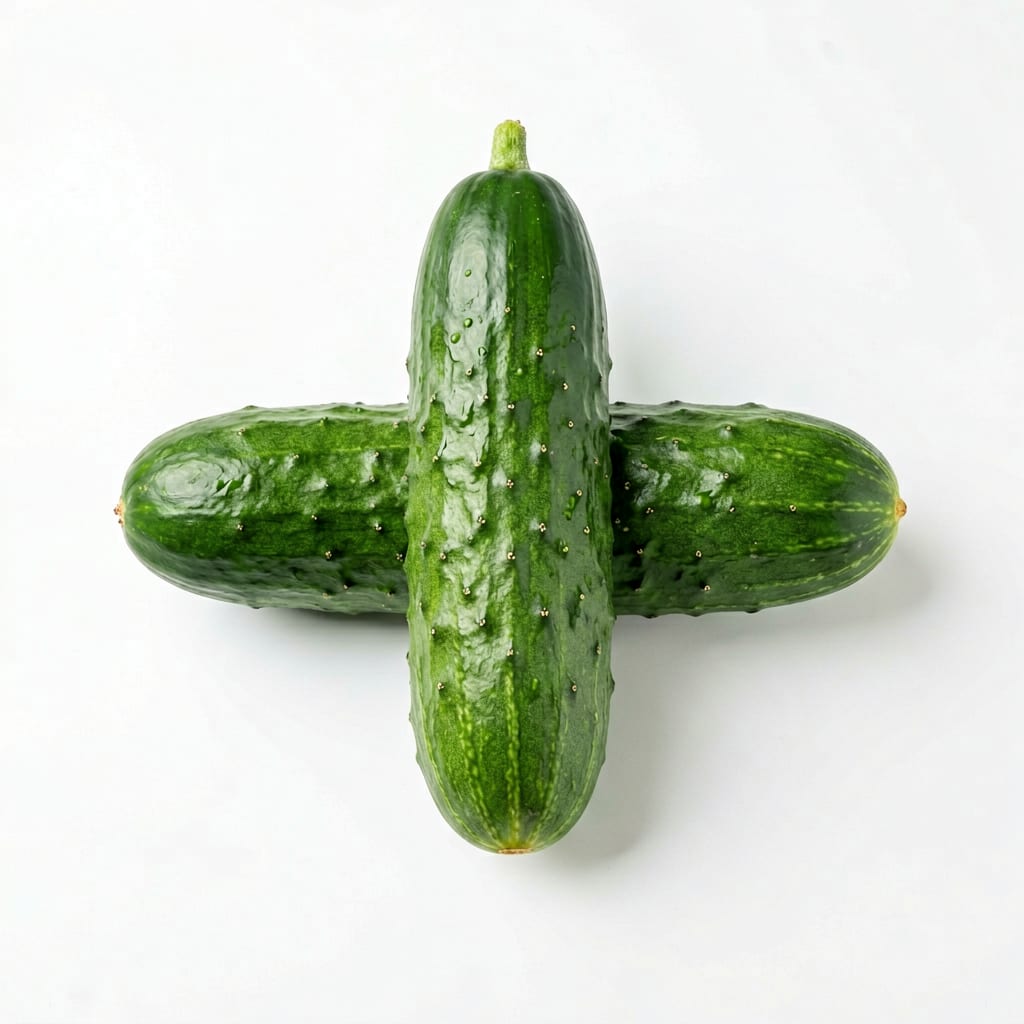
Compare with
Cucumber
Cucumbers are safer to eat raw and more common in salads, while Trichosanthes must be cooked and is primarily used in herbal medicine.
Cucumbers are a safer raw snack, whereas Trichosanthes provides similar low-calorie benefits but must be cooked to be safe.
This food
Trichosanthes Kirilowii
VS70% alike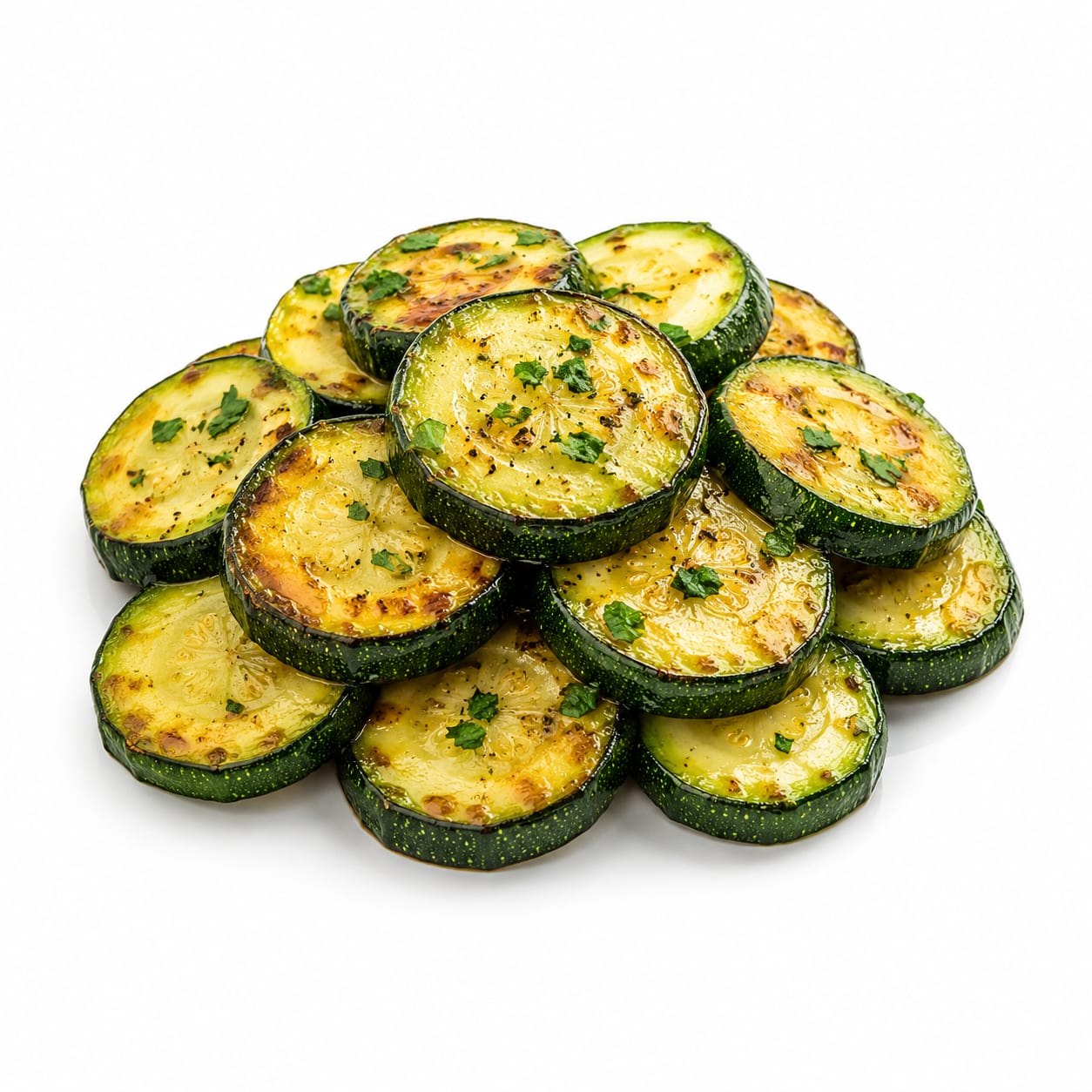
Compare with
Zucchini
Zucchini is a more versatile and safer everyday vegetable, whereas Trichosanthes is a specialty medicinal gourd with strict preparation requirements.
Zucchini is a safer and more versatile low-calorie vegetable, while Trichosanthes requires careful cooking to avoid toxicity.
This food
Trichosanthes Kirilowii
VS80% alike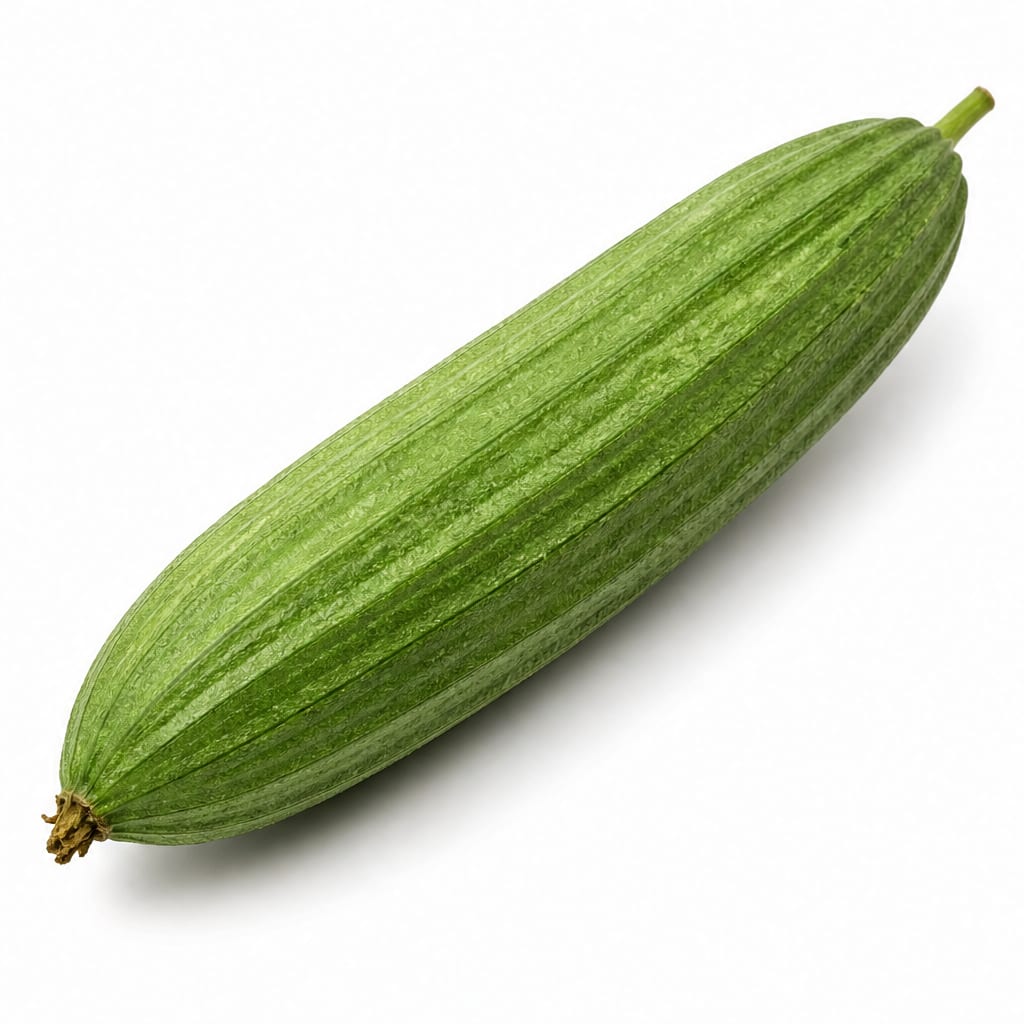
Compare with
Luffa Gourd
Luffa is a common cooked vegetable with fewer toxicity concerns, while Trichosanthes carries higher risks if improperly prepared.
Luffa gourd is a safer everyday cooking ingredient than Trichosanthes, which contains toxic proteins that must be cooked out.
This food
Trichosanthes Kirilowii
VS75% alike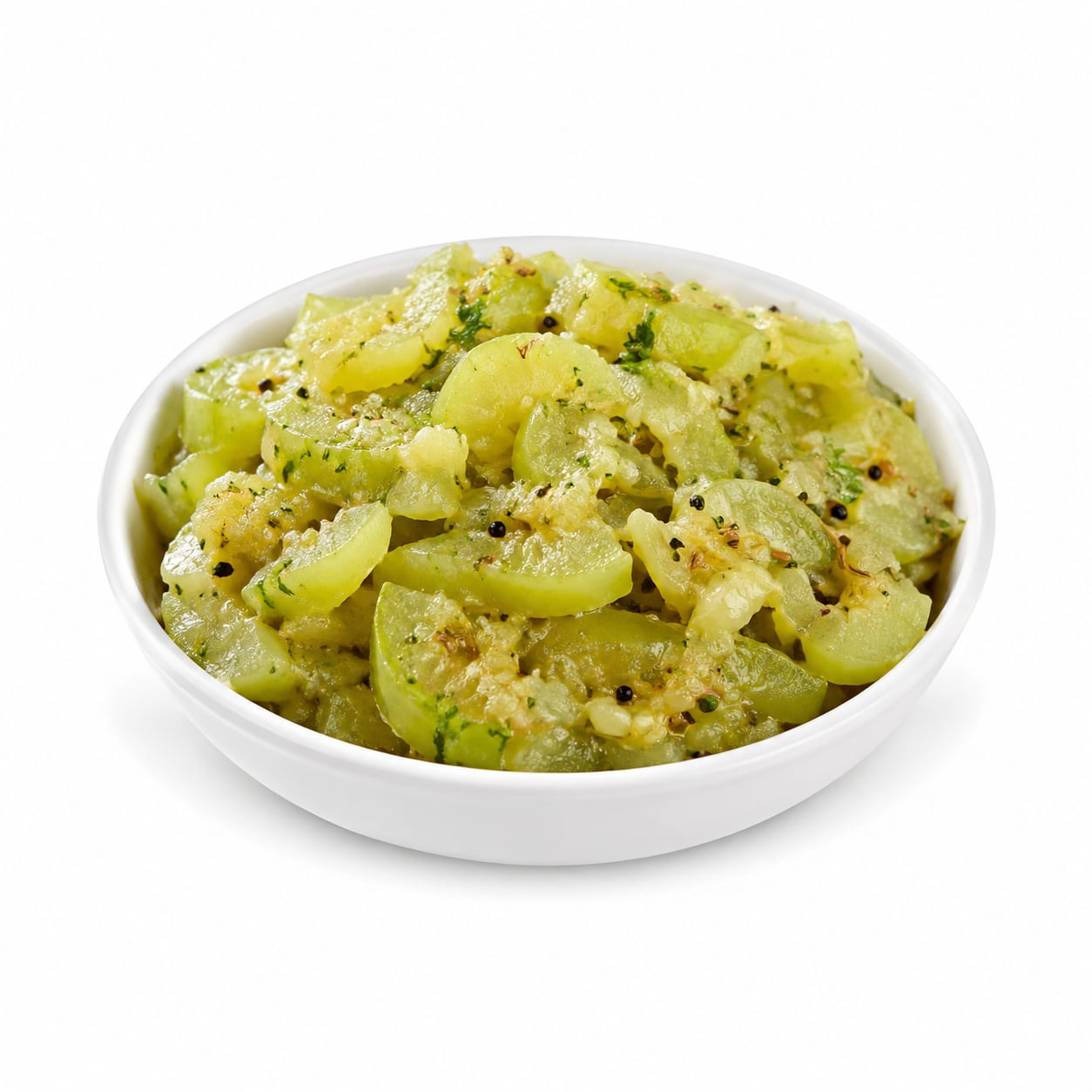
Compare with
Bottle Gourd
Both gourds can be toxic if bitter or raw, but Trichosanthes has more documented medicinal use and stricter pregnancy warnings.
Bottle gourd and Trichosanthes both require careful cooking to avoid toxins, but Trichosanthes is strictly unsafe for pregnant women.
This food
Trichosanthes Kirilowii
VS60% alike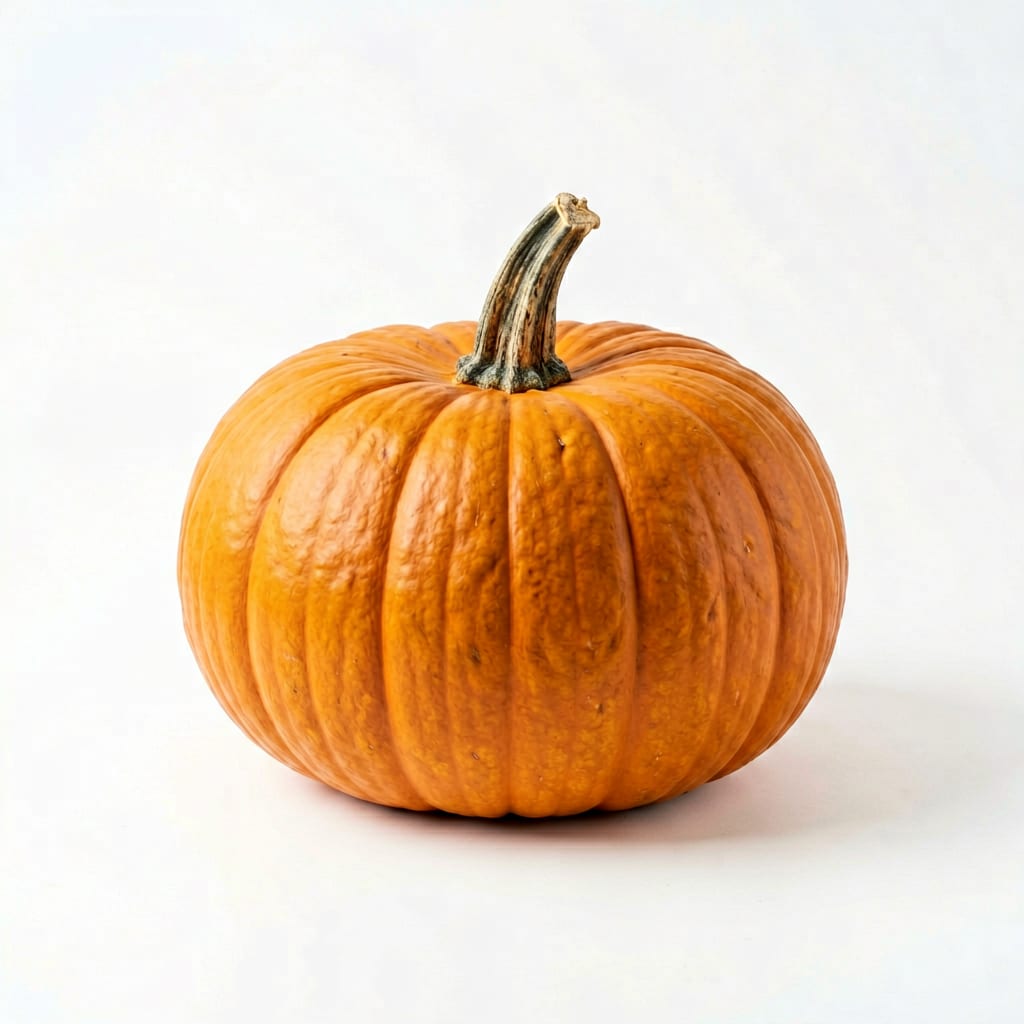
Compare with
Pumpkin
Pumpkin offers more carbs and nutrients for energy, while Trichosanthes is lower in calories and better for strict blood sugar control.
Pumpkin provides more energy and nutrients, while Trichosanthes is a much lower-calorie option better for strict low-carb diets.
This food
Trichosanthes Kirilowii
VS65% alike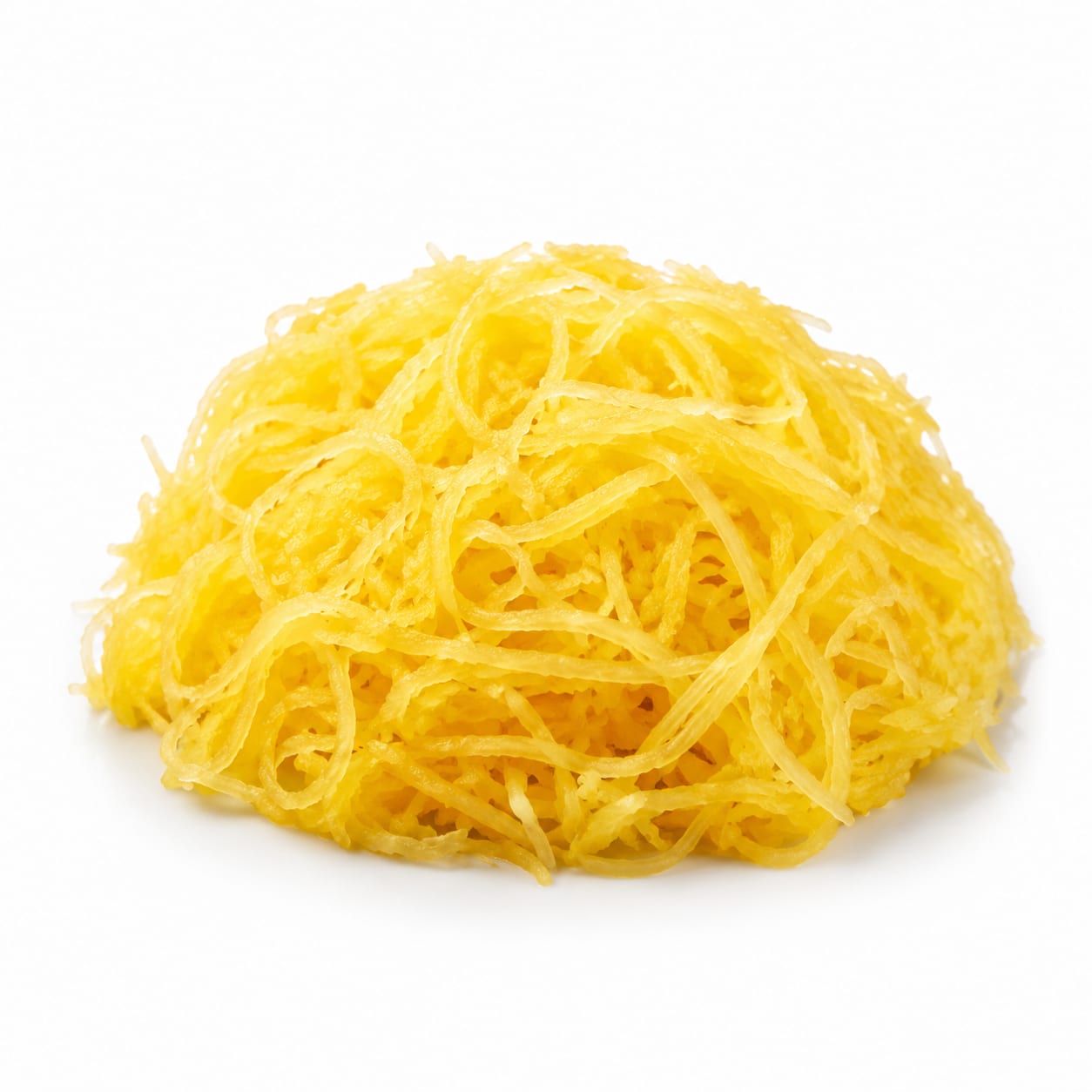
Compare with
Spaghetti Squash
Spaghetti squash provides a fun pasta alternative with more volume, while Trichosanthes is significantly lower in calories but requires careful cooking.
Spaghetti squash is a safer, more filling pasta substitute, whereas Trichosanthes is strictly a low-calorie medicinal food requiring careful prep.
This food
Trichosanthes Kirilowii
VS60% alike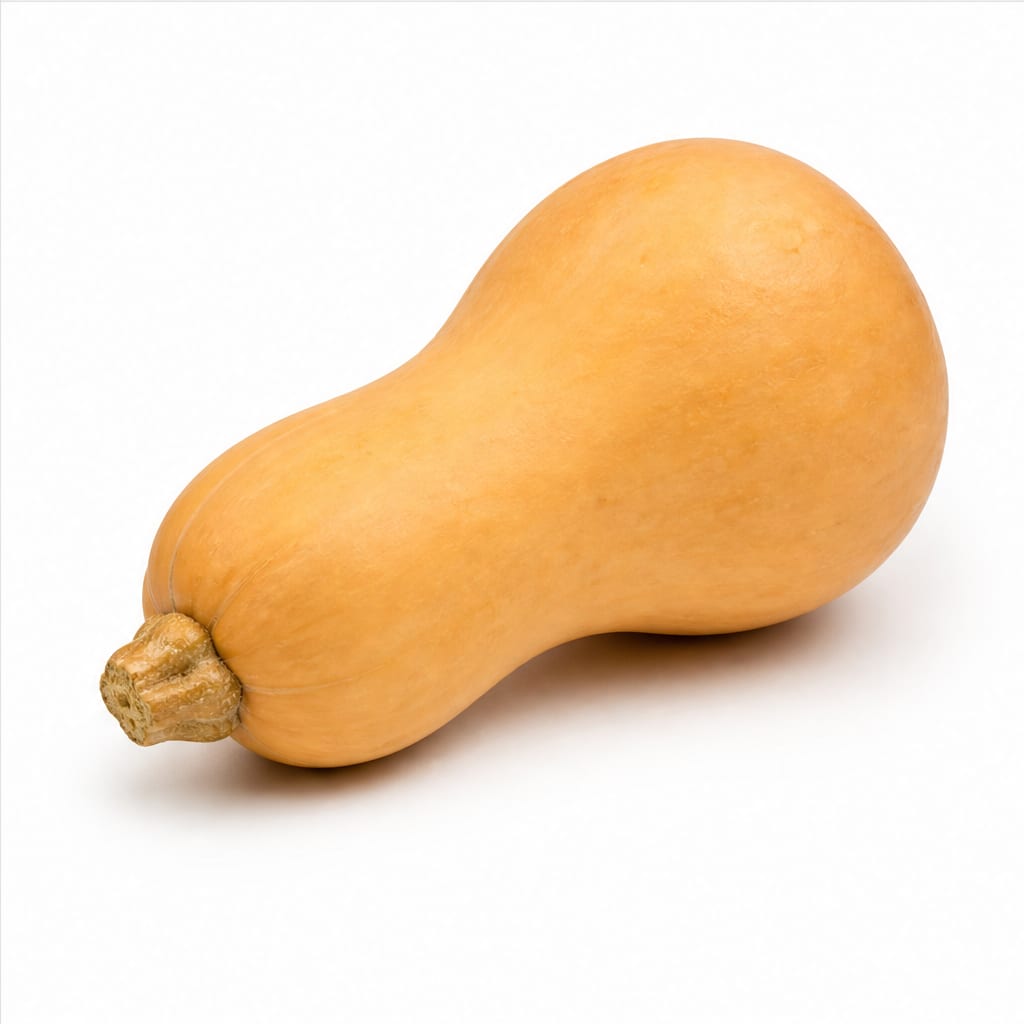
Compare with
Butternut Squash
Butternut squash is sweeter and more nutrient-dense, while Trichosanthes is a near-zero calorie medicinal food.
Butternut squash offers more calories and sweetness for energy, while Trichosanthes is a highly restricted, low-calorie medicinal gourd.
This food
Trichosanthes Kirilowii
VS50% alike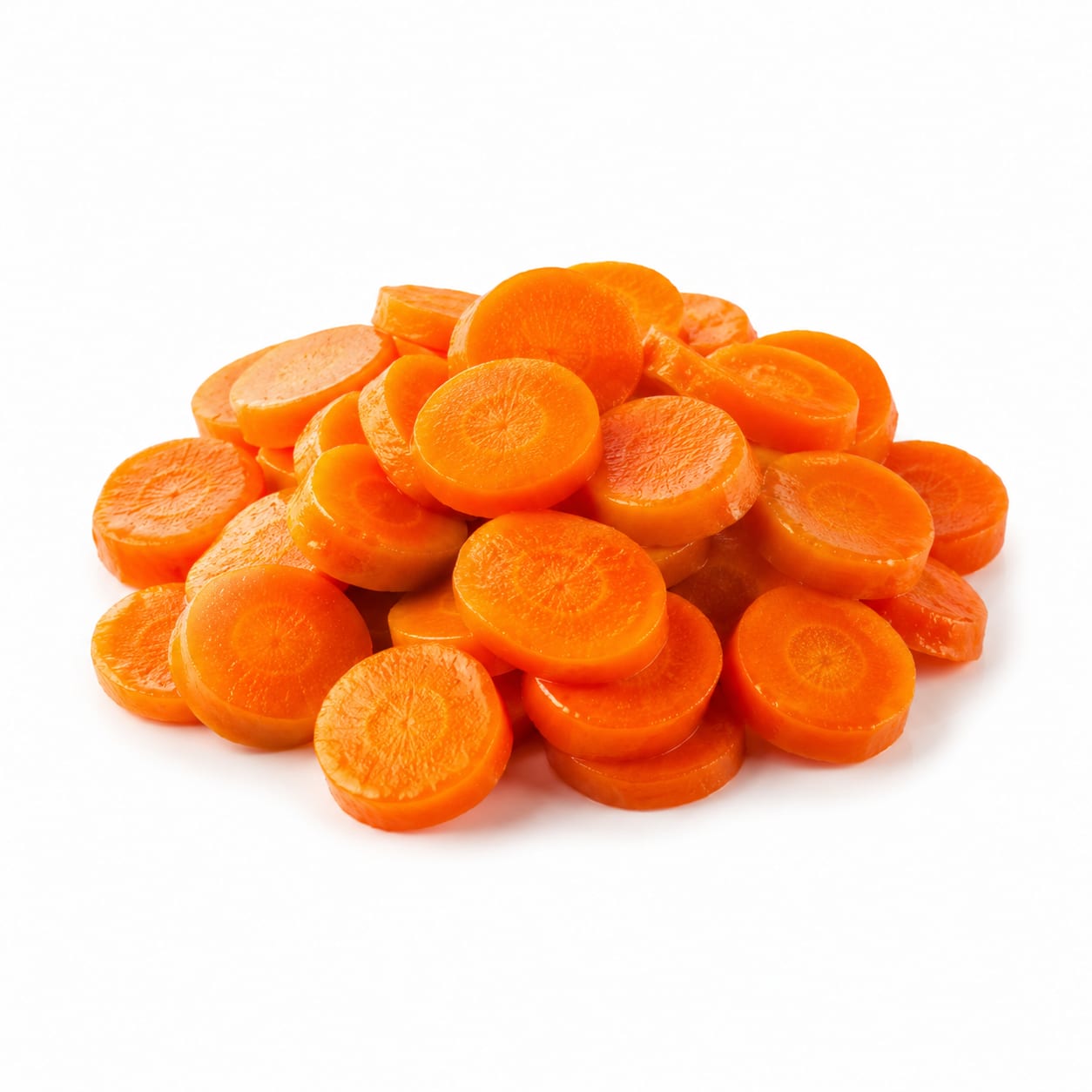
Compare with
Carrots
Carrots are a safe, crunchy snack rich in vitamin A, whereas Trichosanthes is a low-calorie medicinal gourd that must be cooked.
Carrots are a safe, nutritious everyday snack, while Trichosanthes is a specialized, low-calorie herb that must be cooked to remove toxins.
Common questions
FAQ
Answers aligned with how people search for this food.
What is Trichosanthes kirilowii used for?
In Traditional Chinese Medicine, different parts of the plant are used for distinct purposes. The root (Tian Hua Fen) is used to clear heat and promote fluid production, while the fruit (Gua Lou) is used for coughs and chest congestion.
Can you eat Trichosanthes kirilowii raw?
No, the raw plant contains trichosanthin, a toxic protein that can cause severe adverse effects. It must be thoroughly cooked if consumed as a vegetable, or processed into standardized extracts.
Is Trichosanthes kirilowii safe during pregnancy?
It is strictly contraindicated during pregnancy. Trichosanthin is a potent abortifacient that can terminate pregnancies and cause severe complications.
What does Gua Lou taste like?
The young fruit has a mild, slightly sweet, and refreshing taste similar to other gourds like luffa or winter melon, making it suitable for stir-fries and soups when cooked.
Is Trichosanthes kirilowii good for weight loss?
Yes, the cooked young fruit is extremely low in calories and carbohydrates while being high in water and fiber, which promotes satiety without high energy intake.
How do you prepare Trichosanthes kirilowii safely?
Always peel the young fruit and cook it thoroughly by boiling or stir-frying. The heat denatures the toxic proteins, making the flesh safe for consumption.
What is the difference between Tian Hua Fen and Gua Lou?
Tian Hua Fen is the dried root of the plant, primarily used for its heat-clearing properties, while Gua Lou refers to the fruit, used more for respiratory and chest ailments.
Does Trichosanthes kirilowii lower blood sugar?
It has a minimal glycemic impact due to its low carbohydrate content, making it a safe food for blood sugar management. Some traditional uses also suggest mild hypoglycemic properties, though clinical evidence is limited.
Transparency
Data confidence
Estimated confidence for nutrition data, interpretation, safety notes, and comparisons.
Nutrition data
Health analysis
Food safety
Comparisons