
Nutrition comparison
Trichosanthes Kirilowii vs Luffa Gourd: Safety, Nutrition, and Which to Eat Daily
Comparing Trichosanthes Kirilowii and Luffa Gourd? Learn why Luffa Gourd is safer for daily eating while Trichosanthes Kirilowii carries serious toxicity risks and belongs in professional hands.
Overall winner · Luffa Gourd
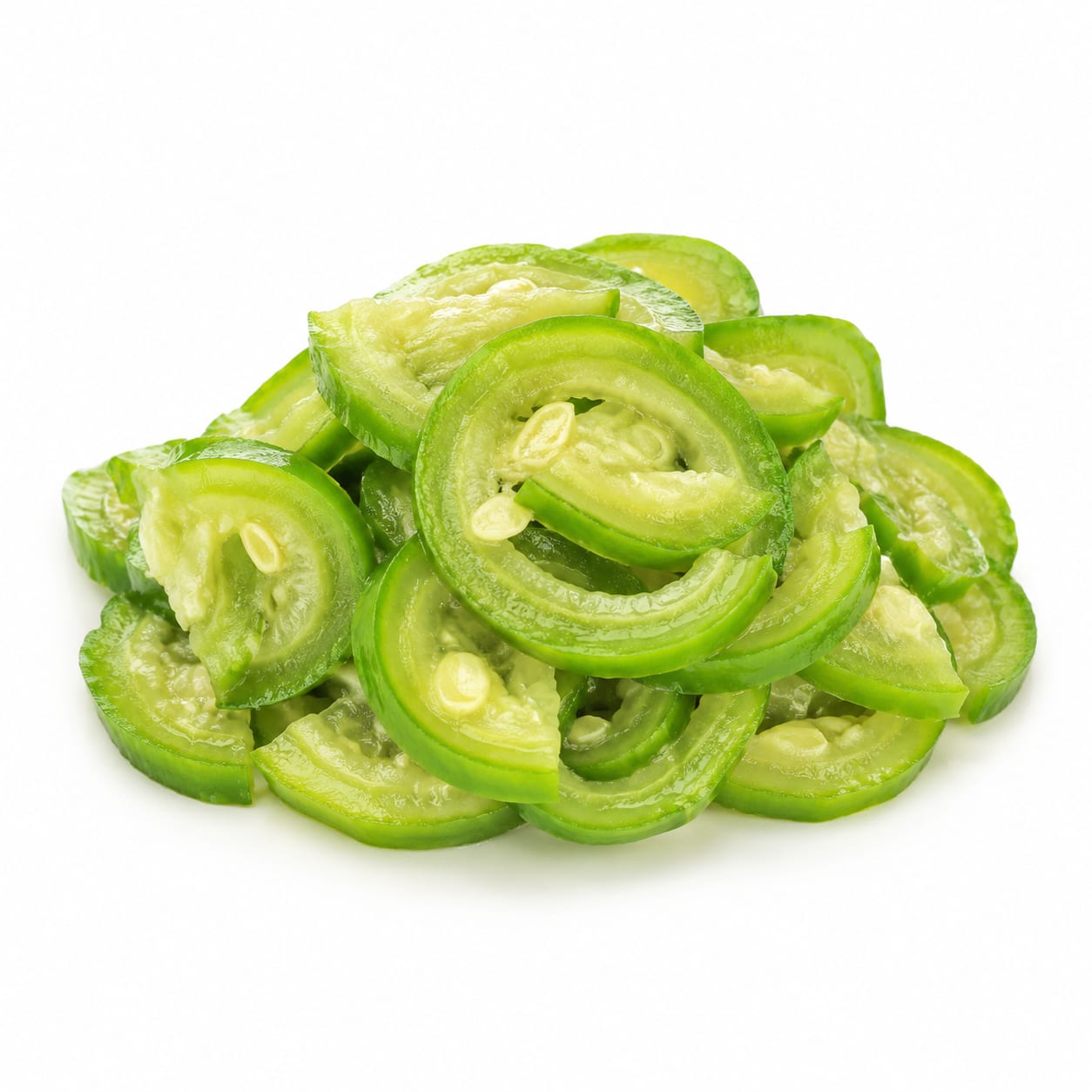
Trichosanthes Kirilowii
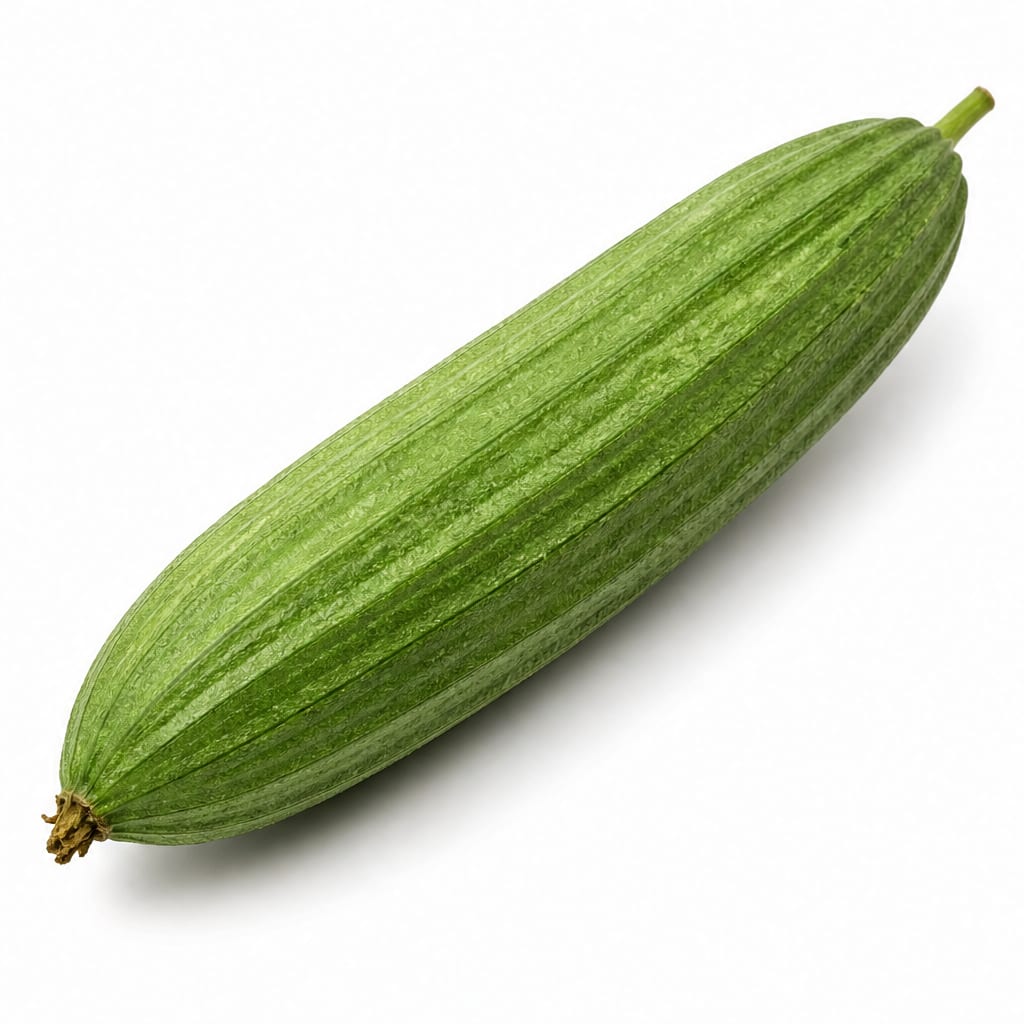
Luffa Gourd
Luffa Gourd is the clear winner for everyday eating — safe, gentle, and versatile. Trichosanthes Kirilowii is a medicinal herb with real toxicity concerns that belongs in a practitioner's hands, not your dinner plate.
Luffa Gourd scores significantly higher due to its safety profile, culinary versatility, and suitability for daily consumption. Trichosanthes Kirilowii's medicinal potency is a double-edged sword — valuable in context, but dangerous for casual use.
Trichosanthes Kirilowii offers stronger therapeutic effects but carries significant safety risks, while Luffa Gourd provides mild nutrition with virtually no downside for daily use.
At a glance
Executive summary
Overall
Luffa Gourd
Healthier
Luffa Gourd
More practical
Luffa Gourd
Daily use
Luffa Gourd
Key comparison lenses
safety and toxicity
Trichosanthes Kirilowii contains trichosanthin, a potent protein with documented toxicity risks including allergic reactions and potential organ damage at higher doses
medicinal vs culinary use
Trichosanthes Kirilowii is primarily a Traditional Chinese Medicine herb, while Luffa Gourd is a common everyday vegetable — fundamentally different use contexts
daily dietary suitability
Users likely want to know which gourd is safe and practical for regular meal incorporation
digestive tolerance
Both are consumed in Asian cuisines but differ significantly in gastrointestinal effects and tolerance
nutritional value
Both are low-calorie gourds but offer different micronutrient profiles and bioactive compounds
Best choice for
Trichosanthes Kirilowii
- People under professional TCM guidance for specific conditions like fevers, swelling, or abscesses
- Those seeking trichosanthin's researched anti-inflammatory or potential antiviral properties under supervision
Luffa Gourd
- Anyone wanting a low-calorie, hydrating vegetable for regular meals
- Families looking for a safe, mild gourd for soups and stir-fries
- People with sensitive digestion who need gentle fiber
Least suitable for
Trichosanthes Kirilowii
- Pregnant women — trichosanthin has documented abortifacient properties
- Children and elderly without medical supervision
- Anyone self-prescribing herbal remedies without TCM expertise
Luffa Gourd
- Those seeking strong therapeutic or medicinal effects from their food
- People wanting a protein-rich or calorie-dense ingredient
Deep comparison
Dimension by dimension
Each lens scores both foods and breaks down who each option suits.
- Dimension 1 · Priority 95Luffa Gourd
safety_and_toxicity
Trichosanthes Kirilowii · 25Luffa Gourd · 88Trichosanthes Kirilowii contains trichosanthin, which can cause severe allergic reactions, nausea, and organ stress. Luffa Gourd is widely recognized as safe for general consumption.
Tradeoff
You gain potent bioactive compounds with Trichosanthes Kirilowii but accept real toxicity risk. Luffa Gourd gives you peace of mind with minimal therapeutic punch.
Why it matters
Self-medicating with Trichosanthes Kirilowii has landed people in emergency rooms. This is not a casual ingredient.
Real-world impact
Eating Luffa Gourd feels like eating any vegetable. Consuming Trichosanthes Kirilowii without proper preparation and dosing can cause vomiting, cramping, or worse.
Trichosanthes Kirilowii
- Targeted therapeutic use under professional supervision
Better for
- Unsupervised self-treatment
- Pregnant women
- People with liver or kidney conditions
Worse for
Luffa Gourd
- Daily meals
- Children's plates
- Pregnancy diets
- Anyone without herbal medicine training
Better for
- Situations requiring strong medicinal intervention
Worse for
- Dimension 2 · Priority 85Luffa Gourd
culinary_practicality
Trichosanthes Kirilowii · 20Luffa Gourd · 82Luffa Gourd is a staple vegetable across Asian cuisines — easy to cook, mild flavor, widely available. Trichosanthes Kirilowii is rarely used as food and is primarily a powdered medicinal root.
Tradeoff
Luffa Gourd integrates seamlessly into soups, stir-fries, and curries. Trichosanthes Kirilowii requires specialized knowledge to prepare and is typically taken as a decoction, not eaten as food.
Why it matters
If you can't easily cook it, you won't regularly eat it. Practicality determines long-term dietary habits.
Real-world impact
Luffa Gourd is something you can toss into a weeknight soup. Trichosanthes Kirilowii is something you measure carefully with a practitioner's guidance.
Trichosanthes Kirilowii
- Prepared medicinal formulations under TCM guidance
Better for
- Quick meals
- Casual cooking
- Recipe experimentation
Worse for
Luffa Gourd
- Home cooking
- Weekly meal prep
- Family dinners
- Restaurant dishes
Better for
- Therapeutic protocols requiring concentrated dosing
Worse for
- Dimension 3 · Priority 70Luffa Gourd
nutritional_value
Trichosanthes Kirilowii · 40Luffa Gourd · 62Both are low-calorie, high-water-content gourds. Luffa Gourd provides more usable everyday nutrition — vitamin C, vitamin A, potassium, and gentle fiber. Trichosanthes Kirilowii's nutritional data is sparse and overshadowed by its medicinal focus.
Tradeoff
Luffa Gourd gives you reliable micronutrients in a food-friendly package. Trichosanthes Kirilowii offers bioactive compounds that may have therapeutic value but isn't a meaningful nutrient source.
Why it matters
For daily nutrition, consistency and bioavailability matter more than exotic compounds.
Real-world impact
A serving of Luffa Gourd in soup actually contributes to your daily vitamin C and fiber intake. Trichosanthes Kirilowii contributes primarily medicinal compounds, not sustenance.
Trichosanthes Kirilowii
- Targeted anti-inflammatory or antiviral support under guidance
Better for
- Reliable macronutrient or micronutrient intake
Worse for
Luffa Gourd
- Meeting daily vitamin needs
- Adding gentle fiber to meals
- Hydration through food
Better for
- Concentrated therapeutic dosing
Worse for
- Dimension 4 · Priority 75Luffa Gourd
digestive_tolerance
Trichosanthes Kirilowii · 30Luffa Gourd · 80Luffa Gourd is famously easy on the stomach — soft, mild, and slightly mucilaginous when cooked. Trichosanthes Kirilowii can irritate the GI tract and cause nausea, especially at higher doses.
Tradeoff
Luffa Gourd soothes and nourishes the digestive tract. Trichosanthes Kirilowii can provoke it, which is sometimes intentional in TCM purgative protocols but unpleasant otherwise.
Why it matters
If a food hurts your stomach, you won't keep eating it regardless of its theoretical benefits.
Real-world impact
Luffa Gourd soup feels comforting after a heavy day. Trichosanthes Kirilowii preparations can leave you reaching for the bathroom.
Trichosanthes Kirilowii
- TCM-guided purgative or detox protocols
Better for
- Sensitive stomachs
- Irritable bowel conditions
- First-time herbal users
Worse for
Luffa Gourd
- Recovery from stomach upset
- Gentle daily fiber intake
- Post-illness bland diets
Better for
- Situations requiring strong purgative action
Worse for
- Dimension 5 · Priority 80Trichosanthes Kirilowii
medicinal_potency
Trichosanthes Kirilowii · 78Luffa Gourd · 25Trichosanthes Kirilowii has documented pharmacological activity — trichosanthin has been studied for antiviral, anti-tumor, and anti-inflammatory effects. Luffa Gourd has mild traditional uses but minimal proven therapeutic impact.
Tradeoff
Potency cuts both ways. Trichosanthes Kirilowii can heal and harm. Luffa Gourd can barely do either — it's food, not medicine.
Why it matters
If you need a therapeutic intervention, potency matters. If you need dinner, it's irrelevant or dangerous.
Real-world impact
Trichosanthes Kirilowii has been investigated in clinical research for serious conditions. Luffa Gourd has not, because it's not pharmacologically active enough to warrant it.
Trichosanthes Kirilowii
- Professional TCM treatment of fevers, coughs, and abscesses
- Research-backed antiviral or anti-tumor applications under medical care
Better for
- Casual wellness use
- Self-prescribed daily supplementation
Worse for
Luffa Gourd
- Maintaining baseline health through gentle nutrition
Better for
- Any situation requiring real therapeutic action
Worse for
Timeline
Health impact over time
Short-term
Hours to days
Trichosanthes Kirilowii
- Can cause nausea, vomiting, or abdominal cramping if consumed improperly
- Potential allergic reactions including urticaria and anaphylaxis in sensitive individuals
- May produce a cooling, fluid-generating sensation when properly dosed in TCM formulas
Luffa Gourd
- Mildly hydrating and refreshing, especially in soup form
- Gentle promotion of bowel regularity without urgency
- Very low risk of adverse reactions in normal culinary amounts
Long-term
Months to years
Trichosanthes Kirilowii
- Chronic unsupervised use may stress liver and kidneys due to trichosanthin accumulation
- Documented abortifacient risk makes it contraindicated in pregnancy
- Possibly beneficial anti-inflammatory effects when properly administered long-term under TCM supervision
Luffa Gourd
- Consistent gentle fiber intake supports healthy digestion over time
- Low calorie density aids weight maintenance without conscious restriction
- Minimal risk profile allows worry-free long-term consumption
Risk profile
Safety & processing
Both are whole, natural plant products with minimal processing concerns. However, Trichosanthes Kirilowii is typically processed into powder or decoction form for medicinal use, which concentrates its active compounds and risk. Luffa Gourd is eaten as-is after simple cooking.
Trichosanthes Kirilowii
Trichosanthin toxicity
highThis ribosome-inactivating protein can cause severe gastrointestinal distress, organ damage, and allergic reactions including anaphylaxis at sufficient doses
Abortifacient effect
highWell-documented in both traditional use and modern research — absolutely contraindicated during pregnancy
Misidentification with toxic Trichosanthes species
mediumSome related species contain higher toxin levels; proper sourcing and identification by qualified suppliers is essential
Luffa Gourd
Pesticide residue on conventionally grown gourds
lowLike most vegetables, luffa can carry pesticide residue; washing and peeling reduces this significantly
Bitter luffa toxicity
mediumOccasionally luffa gourds develop extreme bitterness due to cucurbitacin accumulation, which can cause nausea and digestive distress — discard any unusually bitter specimens
Who wins for whom
Audience fit
Same foods, different winners depending on your goal.
children
Luffa GourdLuffa Gourd is a safe, mild vegetable suitable for kids. Trichosanthes Kirilowii should never be given to children without professional guidance.
daily consumption
Luffa GourdLuffa Gourd is designed for daily eating. Trichosanthes Kirilowii is designed for targeted treatment — daily unsupervised use is inadvisable.
diabetes
Luffa GourdLuffa Gourd has a minimal glycemic impact and adds fiber to meals. Trichosanthes Kirilowii's risk profile makes it inappropriate for casual use in any chronic condition management.
elderly
Luffa GourdOlder adults benefit from Luffa Gourd's gentle fiber and hydration. Trichosanthes Kirilowii poses unnecessary risks for aging livers and kidneys without supervision.
muscle gain
It dependsNeither food contributes meaningful protein or calories for muscle building. Both are essentially neutral in this context.
weight loss
Luffa GourdLuffa Gourd is a low-calorie, high-volume food you can eat freely. Trichosanthes Kirilowii is not a weight loss tool and its risks outweigh any theoretical benefit.
Your move
Decision guide
Choose Trichosanthes Kirilowii
- A licensed TCM practitioner has specifically recommended it for your condition
- You need targeted anti-inflammatory or antiviral support and understand the dosing requirements
- You have verified the source and species identification with a qualified supplier
Choose Luffa Gourd
- You want a safe, everyday vegetable for soups, stir-fries, or curries
- You're feeding a family and need something gentle and universally tolerated
- You're looking for hydration, light fiber, and low calories without any drama
Either works if
- You're exploring Asian gourd varieties and want to understand the landscape
- You have professional guidance for Trichosanthes Kirilowii and want Luffa Gourd as a complementary food
Avoid both if
- You have a known cucurbitacin sensitivity that causes reactions to bitter gourds
- You're seeking a protein-rich or calorie-dense food — neither gourd delivers this
Final recommendation
For 99% of everyday situations, Luffa Gourd is the right choice — it's safe, versatile, and nourishing. Trichosanthes Kirilowii is a medicine, not a meal. Respect the difference. If you're drawn to Trichosanthes Kirilowii for its therapeutic reputation, work with a qualified practitioner rather than self-prescribing. The line between remedy and poison is dose-dependent, and this is not an ingredient to experiment with casually.
Practical
Consumer tips
- 1
If a Luffa Gourd tastes unusually bitter, spit it out and discard — bitterness signals cucurbitacin toxicity
- 2
Peel Luffa Gourd before cooking to reduce any pesticide residue and improve texture
- 3
Never consume Trichosanthes Kirilowii during pregnancy — this is not a maybe, it's a hard rule
- 4
Source Trichosanthes Kirilowii only from reputable TCM pharmacies, not random online vendors
- 5
Young Luffa Gourd is more tender and mild; older ones become fibrous and spongy
- 6
If trying Trichosanthes Kirilowii for the first time, start with a TCM practitioner's lowest recommended dose and monitor for any adverse reaction