
Nutrition comparison
Trichosanthes Kirilowii vs Carrots: Safety, Nutrition, and Which to Choose
Comparing Trichosanthes Kirilowii and carrots? Carrots are a safe, vitamin A-rich daily vegetable. Trichosanthes Kirilowii is a potent TCM herb with serious toxicity risks. Learn which is right for you.
Overall winner · Carrots
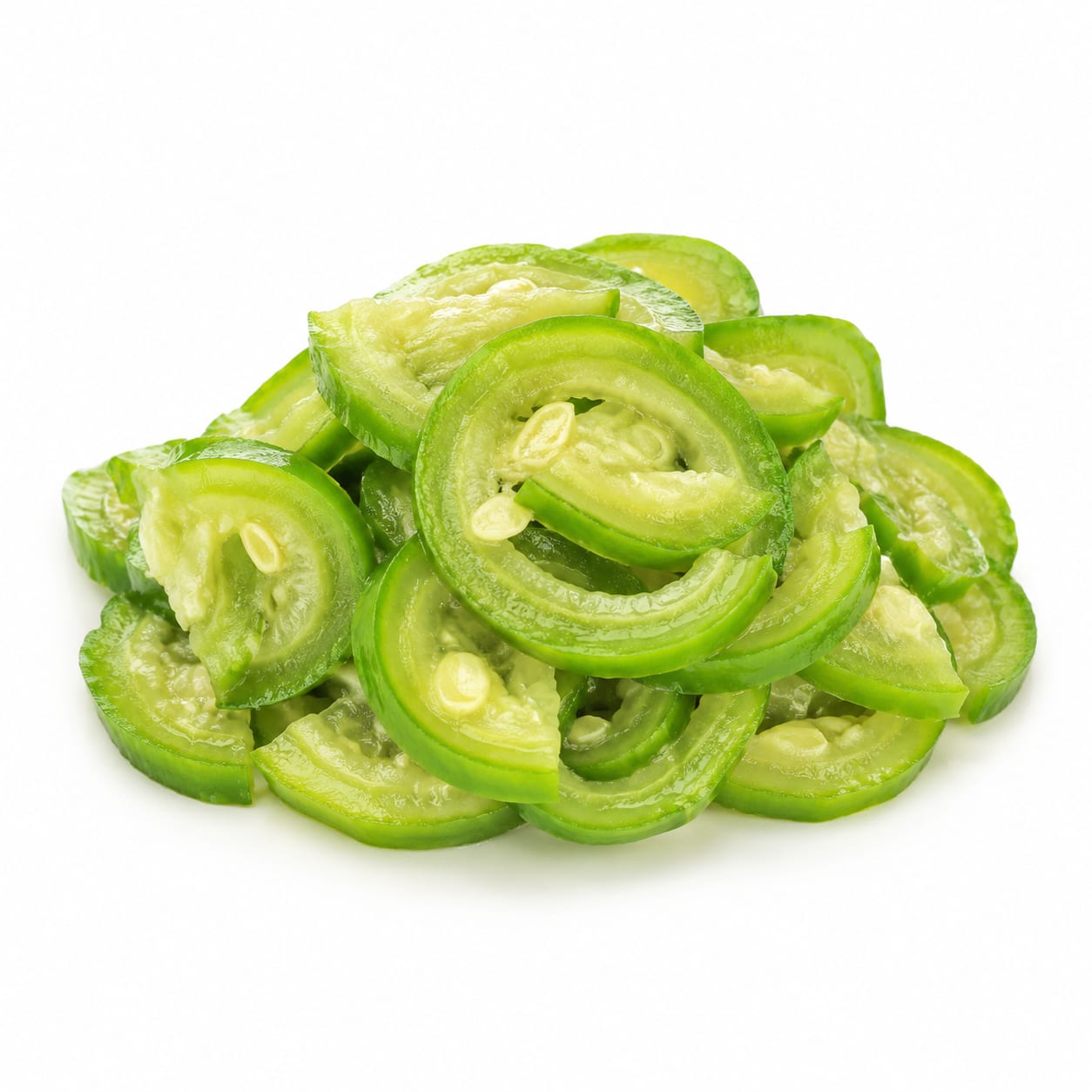
Trichosanthes Kirilowii
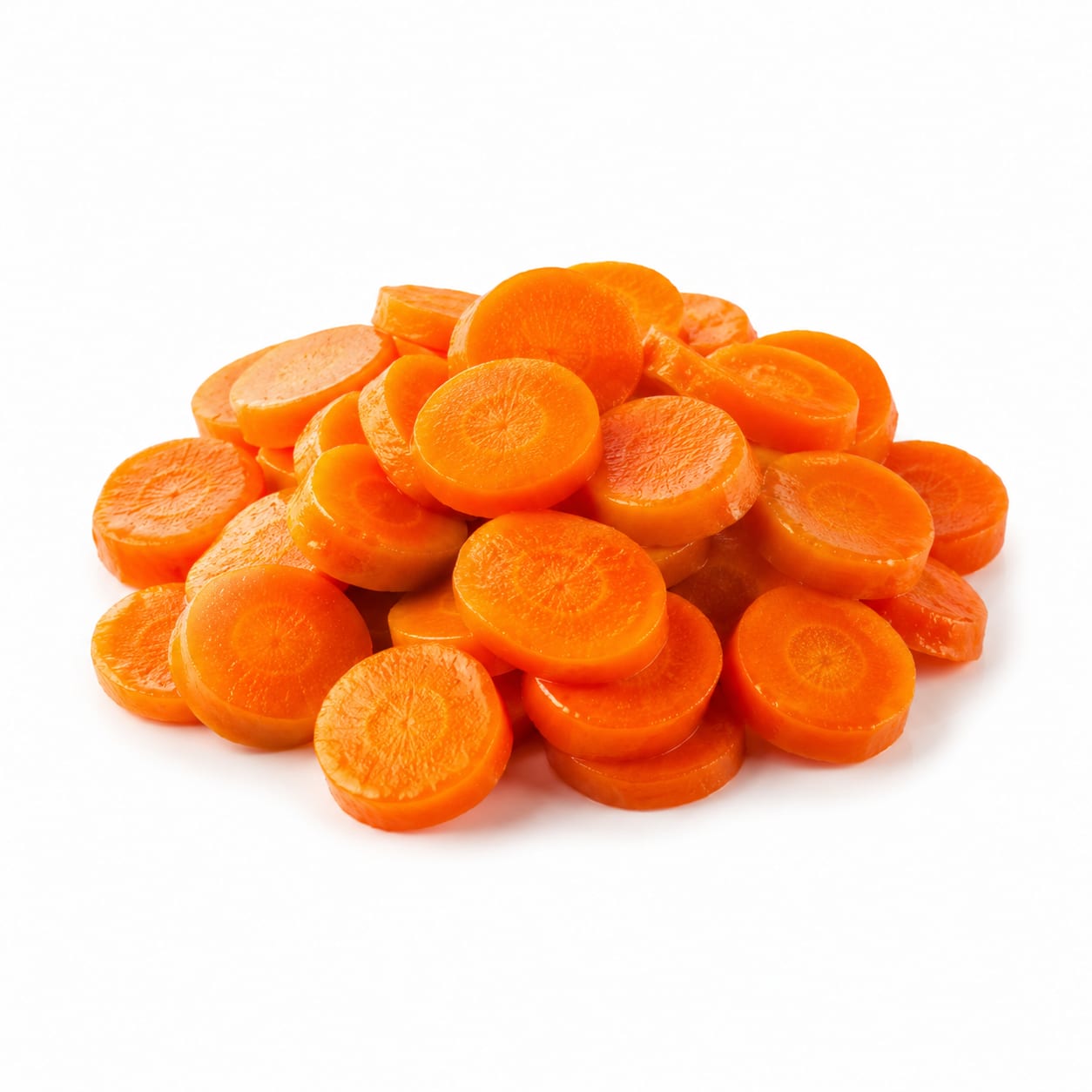
Carrots
Carrots win decisively for everyday nutrition and safety, while Trichosanthes Kirilowii is a potent medicinal herb unsuitable for casual dietary use.
Carrots score dramatically higher because they are safe, nutritious, and practical for daily use. Trichosanthes Kirilowii scores low not because it lacks merit, but because its medicinal nature and toxicity risks make it inappropriate as a regular food. The confidence score reflects well-established safety data on both items.
Trichosanthes Kirilowii offers unique therapeutic compounds but carries real toxicity risks, whereas carrots provide reliable daily nutrition with virtually no downsides.
At a glance
Executive summary
Overall
Carrots
Healthier
Carrots
More practical
Carrots
Daily use
Carrots
Key comparison lenses
medicinal herb vs daily vegetable safety
Trichosanthes Kirilowii is primarily a Traditional Chinese Medicine herb with notable toxicity risks, while carrots are a staple everyday vegetable — the safety gap dominates this comparison
pregnancy and vulnerable population safety
Trichosanthes Kirilowii contains trichosanthin which has documented abortifacient properties — this is a critical safety concern
nutritional value for daily consumption
Users likely want to know if Trichosanthes Kirilowii can replace or complement common root vegetables like carrots in their diet
vitamin A and antioxidant comparison
Carrots are famous for beta-carotene; understanding how Trichosanthes Kirilowii compares in antioxidant profile matters for immune and eye health decisions
traditional medicine vs food as medicine
This comparison naturally raises the question of when medicinal herbs are worth their risks compared to nutrient-dense everyday foods
Best choice for
Trichosanthes Kirilowii
- People seeking Traditional Chinese Medicine remedies under professional guidance
- Targeted therapeutic use for heat-clearing or fluid-producing TCM indications
- Patients whose TCM practitioner has specifically recommended Tian Hua Fen
Carrots
- Daily vegetable intake and general nutrition
- Families wanting a safe, kid-friendly source of vitamin A
- Anyone seeking reliable antioxidants without safety concerns
Least suitable for
Trichosanthes Kirilowii
- Pregnant women due to documented abortifacient properties
- Children and anyone without professional TCM supervision
- People looking for a casual vegetable to add to meals
Carrots
- People with rare carrot allergies or birch pollen cross-reactivity
- Those on strict very-low-carb diets who count every gram of sugar
Deep comparison
Dimension by dimension
Each lens scores both foods and breaks down who each option suits.
- Dimension 1 · Priority 98Carrots
safety_and_toxicity
Trichosanthes Kirilowii · 20Carrots · 95Trichosanthes Kirilowii contains trichosanthin, a protein with documented abortifacient and potential cytotoxic effects. Carrots are among the safest foods available.
Tradeoff
Trichosanthes Kirilowii's therapeutic potency comes directly from compounds that can harm you if misused. Carrots offer no such risk but also no such potency.
Why it matters
Safety is the single most important factor here. A food that can cause miscarriage or allergic reactions cannot be treated casually.
Real-world impact
Eating carrots daily is universally encouraged. Consuming Trichosanthes Kirilowii without professional guidance could lead to serious health consequences, especially during pregnancy.
Trichosanthes Kirilowii
- Targeted therapeutic applications under medical supervision
Better for
- Unsupervised self-medication
- Pregnancy
- Breastfeeding
- Pediatric use
Worse for
Carrots
- Everyone eating at home
- Pregnant women
- Children
- Elderly individuals
- Anyone without specialized TCM knowledge
Better for
- Dimension 2 · Priority 85Carrots
vitamin_A_and_eye_health
Trichosanthes Kirilowii · 25Carrots · 92Carrots are one of the richest common sources of beta-carotene, which your body converts to vitamin A. Trichosanthes Kirilowii is not a meaningful vitamin A source.
Tradeoff
If eye health and immune support through vitamin A are your goals, carrots deliver reliably. Trichosanthes Kirilowii does not compete in this area.
Why it matters
Vitamin A deficiency affects vision, immune function, and skin health. Carrots are one of the easiest ways to prevent this.
Real-world impact
A single medium carrot provides over 200% of your daily vitamin A needs. You would get negligible vitamin A from Trichosanthes Kirilowii.
Trichosanthes Kirilowii
- Anyone specifically seeking vitamin A benefits
Worse for
Carrots
- Eye health support
- Immune system maintenance
- Skin health
- Night vision
Better for
- Dimension 3 · Priority 72Carrots
fiber_and_digestive_health
Trichosanthes Kirilowii · 35Carrots · 80Carrots provide solid soluble and insoluble fiber that supports gut health and regular digestion. Trichosanthes Kirilowii's fiber profile is less documented and less accessible.
Tradeoff
Carrots are a dependable daily fiber source. Trichosanthes Kirilowii may have some traditional use for digestive heat patterns, but it is not a fiber supplement.
Why it matters
Consistent fiber intake keeps digestion smooth, feeds beneficial gut bacteria, and helps stabilize blood sugar.
Real-world impact
Snacking on carrot sticks gives you roughly 2 grams of fiber per medium carrot. Trichosanthes Kirilowii is not eaten this way and cannot serve as a daily fiber contributor.
Trichosanthes Kirilowii
- TCM-pattern digestive heat conditions under professional guidance
Better for
- Anyone seeking practical daily fiber intake
Worse for
Carrots
- Daily gut health maintenance
- Blood sugar stabilization through fiber
- Promoting regular bowel movements
Better for
- Dimension 4 · Priority 78It depends
antioxidant_and_therapeutic_compounds
Trichosanthes Kirilowii · 75Carrots · 70Trichosanthes Kirilowii contains unique therapeutic proteins like trichosanthin with studied anti-tumor and antiviral properties. Carrots offer broad-spectrum carotenoids with proven long-term health benefits.
Tradeoff
Trichosanthes Kirilowii has more pharmacologically active compounds, but they come with risks. Carotenoids from carrots are safe, well-studied, and beneficial over a lifetime.
Why it matters
This is the one dimension where Trichosanthes Kirilowii has genuine distinction — but its therapeutic compounds are a reason for medical supervision, not casual consumption.
Real-world impact
Trichosanthin has been investigated in cancer and HIV research. Carotenoids from carrots consistently show reduced chronic disease risk in population studies. Different tools for different purposes.
Trichosanthes Kirilowii
- Targeted therapeutic applications
- Research contexts under medical supervision
Better for
- Self-directed antioxidant supplementation
Worse for
Carrots
- Lifelong disease risk reduction
- Safe daily antioxidant intake
- Whole-family nutrition
Better for
- Intensive pharmacological intervention needs
Worse for
- Dimension 5 · Priority 82Carrots
practicality_and_accessibility
Trichosanthes Kirilowii · 15Carrots · 95Carrots are available in every grocery store, easy to prepare, and universally understood. Trichosanthes Kirilowii requires specialty TCM shops and professional knowledge to use safely.
Tradeoff
Convenience heavily favors carrots. Trichosanthes Kirilowii demands effort, expertise, and caution that most people cannot reasonably invest.
Why it matters
The best food for you is one you can actually obtain, prepare correctly, and eat consistently without worry.
Real-world impact
You can grab carrots anywhere, eat them raw, cook them in dozens of ways, and feed them to your kids. Trichosanthes Kirilowii requires finding a TCM practitioner, sourcing quality product, and dosing carefully.
Trichosanthes Kirilowii
- People already working with a TCM practitioner and familiar with herbal preparation
Better for
- Casual home cooks
- People without TCM knowledge
- Anyone seeking convenience
Worse for
Carrots
- Busy families
- Meal preppers
- Anyone shopping at regular grocery stores
- People who want simple, no-worry nutrition
Better for
- Dimension 6 · Priority 68Carrots
blood_sugar_impact
Trichosanthes Kirilowii · 45Carrots · 72Carrots have a low glycemic index and their fiber slows sugar absorption. Trichosanthes Kirilowii has some traditional use for diabetes-related heat patterns, but evidence is limited and risky for self-treatment.
Tradeoff
Carrots are a proven safe choice for blood sugar management. Trichosanthes Kirilowii should never be self-prescribed for diabetes despite any traditional associations.
Why it matters
Blood sugar management requires consistency and safety. Experimental approaches with toxic herbs can destabilize rather than help.
Real-world impact
A serving of carrots has minimal impact on blood sugar and can be eaten confidently by most people with diabetes. Using Trichosanthes Kirilowii for blood sugar without supervision is dangerous.
Trichosanthes Kirilowii
- Diabetics self-treating without medical supervision
Worse for
Carrots
- People with diabetes seeking safe vegetable options
- Anyone monitoring glycemic load
- Steady energy throughout the day
Better for
Timeline
Health impact over time
Short-term
Hours to days
Trichosanthes Kirilowii
- Potential allergic reactions including itching, swelling, or hives
- Nausea or gastrointestinal discomfort if improperly prepared
- Risk of uterine contractions in pregnant women — this is a serious acute danger
Carrots
- Mild carotenemia (orange-tinted skin) if consumed in very large amounts — harmless
- Gentle digestive support from fiber content
- Quick satiation from crunch and water content
Long-term
Months to years
Trichosanthes Kirilowii
- Potential organ toxicity with chronic unsupervised use
- Unknown long-term effects of regular trichosanthin exposure
- Possible immune system modulation — effects depend heavily on dose and context
Carrots
- Consistently reduced risk of age-related eye degeneration
- Lower chronic disease risk from sustained carotenoid intake
- Improved gut microbiome diversity from regular fiber consumption
Risk profile
Safety & processing
Both are whole, minimally processed plant products. The concern with Trichosanthes Kirilowii is not processing but inherent toxicity. Carrots are naturally safe in their whole form.
Trichosanthes Kirilowii
Abortifacient effect from trichosanthin
highTrichosanthin has documented ability to induce uterine contractions and has been studied as an abortifacient agent. Absolutely contraindicated in pregnancy.
Allergic and anaphylactic reactions
mediumProteins in Trichosanthes Kirilowii can trigger allergic responses ranging from skin reactions to potential anaphylaxis in sensitive individuals.
Cytotoxicity with improper dosing
highThe same compounds that give Trichosanthes Kirilowii therapeutic potential can damage healthy cells at wrong doses. Professional guidance is essential.
Drug interactions
mediumTrichosanthes Kirilowii may interact with immunosuppressants, anticoagulants, and other medications. Limited formal interaction studies exist.
Carrots
Pesticide residue on conventionally grown carrots
lowCarrots grow underground and can retain pesticide residue. Washing and peeling reduces this significantly. Choosing organic further minimizes risk.
Choking hazard for very young children
lowWhole raw carrots can be a choking risk for toddlers. Grating or cooking eliminates this concern.
Carotenemia from excessive consumption
lowEating extremely large amounts of carrots can turn skin orange. This is cosmetically noticeable but medically harmless and reversible.
Who wins for whom
Audience fit
Same foods, different winners depending on your goal.
children
CarrotsCarrots are a classic kid-friendly vegetable. Trichosanthes Kirilowii is categorically inappropriate for children due to toxicity risks.
daily consumption
CarrotsCarrots are one of the safest and most beneficial vegetables for daily eating. Trichosanthes Kirilowii is a medicinal herb, not a daily food.
diabetes
CarrotsCarrots have a low glycemic load and fiber that supports stable blood sugar. Trichosanthes Kirilowii should never be self-prescribed for diabetes management.
elderly
CarrotsCarrots support eye health and digestion in aging populations. Trichosanthes Kirilowii's risks outweigh any potential benefit for unsupervised elderly use.
muscle gain
CarrotsNeither food is a protein powerhouse, but carrots can complement muscle-building meals as a safe, nutritious side. Trichosanthes Kirilowii adds risk without protein benefit.
weight loss
CarrotsCarrots are low-calorie, high-fiber, and satisfying to crunch on — perfect for weight management. Trichosanthes Kirilowii is not appropriate as a diet food.
Your move
Decision guide
Choose Trichosanthes Kirilowii
- A licensed TCM practitioner has specifically recommended Trichosanthes Kirilowii for your condition
- You are treating a specific TCM-diagnosed pattern like heat with fluid deficiency
- You understand the risks and are under professional supervision
Choose Carrots
- You want a safe, nutritious vegetable for daily meals
- You are seeking vitamin A, fiber, and antioxidants without risk
- You are feeding a family including children or pregnant women
- You want something you can grab at any grocery store and eat raw or cooked
Either works if
- Neither — these serve completely different purposes and are not interchangeable
Avoid both if
- You have a specific carrot allergy or birch pollen syndrome — in that case, avoid carrots and find other vitamin A sources
Final recommendation
For virtually everyone reading this, carrots are the clear and obvious choice. Trichosanthes Kirilowii is not a food in the conventional sense — it is a medicinal herb with real toxicity that demands professional oversight. If you are curious about Trichosanthes Kirilowii for a specific health condition, consult a qualified TCM practitioner. Otherwise, enjoy your carrots confidently.
Practical
Consumer tips
- 1
If you buy carrots, choose firm ones with vibrant orange color — deeper color means more beta-carotene
- 2
Lightly cooking carrots actually increases beta-carotene bioavailability compared to eating them raw
- 3
If you have been prescribed Trichosanthes Kirilowii, verify the source and quality with your practitioner — herb contamination is a known TCM safety issue
- 4
Never forage or self-source Trichosanthes Kirilowii — misidentification and improper preparation add dangerous unknowns
- 5
Carrots pair well with a small amount of healthy fat like olive oil, which helps your body absorb fat-soluble beta-carotene
- 6
If your skin turns slightly orange from eating many carrots, simply reduce intake — it will reverse on its own