
Nutrition comparison
Trichosanthes Kirilowii vs Cucumber: Safety, Nutrition, and Which to Choose
Comparing Trichosanthes Kirilowii and cucumber? Learn why cucumber is the safer daily choice and when Trichosanthes Kirilowii's medicinal properties might be appropriate under professional guidance.
Overall winner · Cucumber
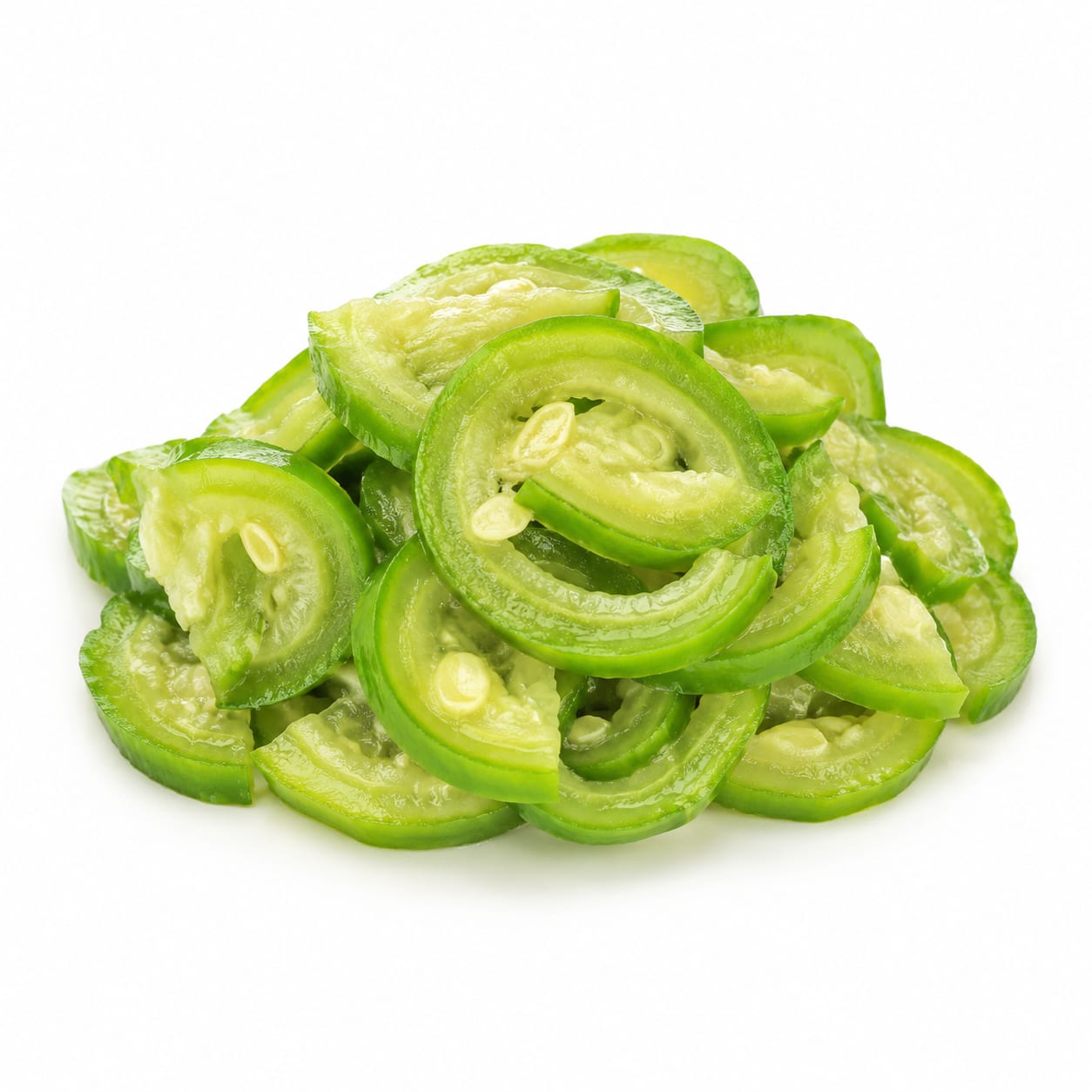
Trichosanthes Kirilowii
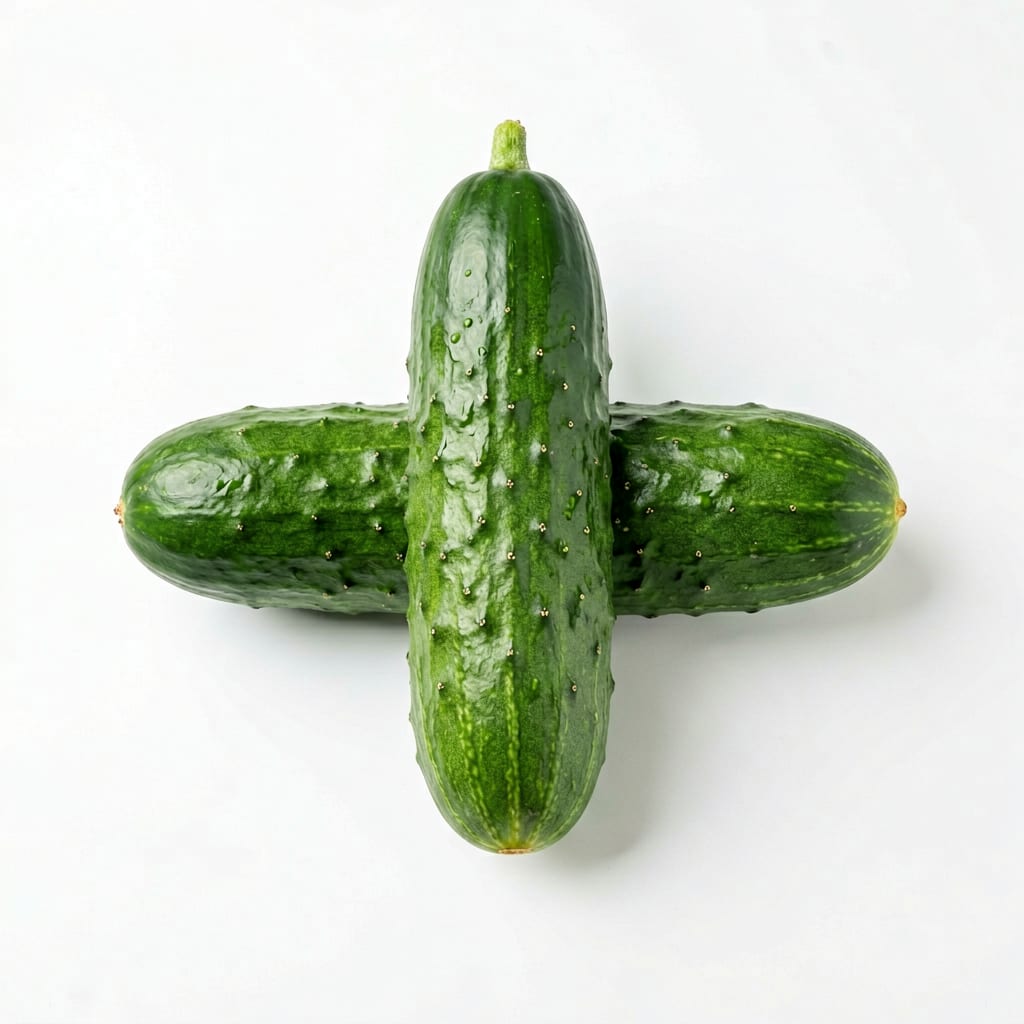
Cucumber
Cucumber is the safer, more practical choice for daily eating, while Trichosanthes Kirilowii is a medicinal herb with significant toxicity risks that should not be used casually as food.
Trichosanthes Kirilowii scores low primarily due to significant safety concerns and unsuitability as a regular food. Cucumber scores well as a safe, accessible everyday vegetable, though it lacks nutritional density.
Trichosanthes Kirilowii offers unique therapeutic compounds but carries real safety concerns, whereas cucumber provides safe, reliable hydration with virtually no risk.
At a glance
Executive summary
Overall
Cucumber
Healthier
Cucumber
More practical
Cucumber
Daily use
Cucumber
Key comparison lenses
safety and toxicity risk
Trichosanthes Kirilowii contains trichosanthin, a potent protein with documented toxicity risks including potential for severe allergic reactions and adverse effects during pregnancy, making safety the dominant concern in this comparison
medicinal vs everyday food use
Trichosanthes Kirilowii is primarily a Traditional Chinese Medicine herb, not a common food, while cucumber is an everyday vegetable — this fundamentally different usage context shapes the entire comparison
hydration and low calorie eating
Both are high-water, low-calorie options, so users may be comparing them for weight management or refreshing snacks
therapeutic potential
Trichosanthes Kirilowii has been studied for anti-cancer and anti-HIV properties, which may attract users seeking functional benefits beyond basic nutrition
Best choice for
Trichosanthes Kirilowii
- Those under professional TCM guidance seeking specific therapeutic effects
- Research contexts investigating trichosanthin's anti-cancer or antiviral properties
- People looking for traditional herbal remedies for heat-clearing and fluid-generation in TCM framework
Cucumber
- Anyone wanting a safe, hydrating everyday snack
- Weight-conscious eaters needing low-calorie volume
- People seeking gentle, risk-free vegetable options for daily meals
Least suitable for
Trichosanthes Kirilowii
- Pregnant women — trichosanthin can induce uterine contractions and cause miscarriage
- Children and elderly without medical supervision
- Anyone self-prescribing herbal remedies without professional guidance
Cucumber
- Those needing calorie-dense or protein-rich nutrition
- People looking for strong therapeutic or medicinal effects from their food
Deep comparison
Dimension by dimension
Each lens scores both foods and breaks down who each option suits.
- Dimension 1 · Priority 95Cucumber
safety_and_toxicity
Trichosanthes Kirilowii · 20Cucumber · 95Trichosanthes Kirilowii contains trichosanthin, which can cause severe reactions and is contraindicated in pregnancy. Cucumber is one of the safest vegetables available.
Tradeoff
You gain potential therapeutic compounds with Trichosanthes Kirilowii but accept real toxicity risk; cucumber trades away medicinal potency for near-zero safety concerns.
Why it matters
Self-medicating with Trichosanthes Kirilowii without professional guidance can lead to serious health consequences, especially for pregnant women.
Real-world impact
A pregnant woman consuming Trichosanthes Kirilowii could face miscarriage risk, while cucumber can be eaten freely by nearly anyone without concern.
Trichosanthes Kirilowii
- Targeted therapeutic use under professional supervision
Better for
- Unsupervised self-medication
- Use during pregnancy
- Long-term daily consumption
Worse for
Cucumber
- Casual snacking
- Pregnancy-safe eating
- Daily consumption without medical oversight
Better for
- Situations requiring active medicinal intervention
Worse for
- Dimension 2 · Priority 75Cucumber
hydration_and_refreshment
Trichosanthes Kirilowii · 60Cucumber · 90Both are high-water foods, but cucumber is more accessible, palatable, and enjoyable as a refreshing snack. Trichosanthes Kirilowii root is not typically consumed for refreshment.
Tradeoff
Cucumber delivers instant, pleasurable hydration. Trichosanthes Kirilowii may support fluid balance through TCM mechanisms but is not a refreshing eating experience.
Why it matters
For most people comparing these two, a hydrating snack means something crisp and enjoyable, not a medicinal root preparation.
Real-world impact
On a hot day, sliced cucumber satisfies immediately; Trichosanthes Kirilowii would need preparation as a decoction and tastes bitter.
Trichosanthes Kirilowii
- TCM-guided fluid regeneration after illness
Better for
- Casual thirst-quenching
Worse for
Cucumber
- Hot weather refreshment
- Post-workout hydration snack
- Light side dish with meals
Better for
- Deep therapeutic rehydration in TCM context
Worse for
- Dimension 3 · Priority 60Trichosanthes Kirilowii
nutritional_density
Trichosanthes Kirilowii · 55Cucumber · 35Neither is a nutritional powerhouse, but Trichosanthes Kirilowii contains active proteins, polysaccharides, and amino acids with documented biological activity. Cucumber offers minimal vitamins and minerals.
Tradeoff
Trichosanthes Kirilowii has more bioactive compounds, but they come with risk. Cucumber's mild nutrition is safe but unremarkable.
Why it matters
If you are seeking functional benefits beyond basic nutrition, Trichosanthes Kirilowii has more to offer — but only under guidance.
Real-world impact
Cucumber mostly provides water and trace nutrients. Trichosanthes Kirilowii root preparations deliver measurable pharmacological effects, which is a double-edged sword.
Trichosanthes Kirilowii
- Obtaining bioactive compounds with therapeutic potential
Better for
- Safe, casual nutrient supplementation
Worse for
Cucumber
- Getting small amounts of vitamin K and potassium safely
- Mild nutritional support without risk
Better for
- Any scenario requiring meaningful therapeutic action
Worse for
- Dimension 4 · Priority 80Cucumber
daily_practicality
Trichosanthes Kirilowii · 15Cucumber · 92Cucumber is available in every grocery store, requires no preparation beyond washing and slicing, and fits seamlessly into meals. Trichosanthes Kirilowii is a specialty herb requiring TCM knowledge, specific preparation, and sourcing from herbal shops.
Tradeoff
Cucumber wins on convenience by an enormous margin. Trichosanthes Kirilowii requires effort, knowledge, and caution to use properly.
Why it matters
A food you can easily access and prepare is one you will actually eat. Barriers to use matter for real-world health outcomes.
Real-world impact
You can grab a cucumber from the fridge in seconds. Trichosanthes Kirilowii requires finding a reputable herbal source, proper dosing knowledge, and careful preparation as a decoction.
Trichosanthes Kirilowii
- Structured therapeutic protocols under TCM supervision
Better for
- Spontaneous snacking
- Convenience-oriented lifestyles
Worse for
Cucumber
- Quick snacks
- Meal prep and salads
- Everyday healthy eating habits
Better for
- Dimension 5 · Priority 65Cucumber
digestive_tolerance
Trichosanthes Kirilowii · 40Cucumber · 85Cucumber is gentle on most digestive systems, though some people experience bloating from cucurbitacins. Trichosanthes Kirilowii can cause gastrointestinal distress, nausea, and diarrhea, especially at higher doses.
Tradeoff
Cucumber is reliably well-tolerated. Trichosanthes Kirilowii's digestive side effects are common enough to be a real concern.
Why it matters
If a food causes regular discomfort, you won't stick with it regardless of its theoretical benefits.
Real-world impact
Most people can eat cucumber daily without issue. Trichosanthes Kirilowii commonly causes nausea and stomach upset, particularly in unaccustomed users.
Trichosanthes Kirilowii
- TCM-guided treatment of specific digestive heat patterns
Better for
- People prone to nausea or GI sensitivity
- Those with delicate digestion
Worse for
Cucumber
- Sensitive stomachs
- Daily consumption without GI side effects
- Gentle fiber intake
Better for
- Individuals sensitive to cucurbitacins who experience bloating
Worse for
Timeline
Health impact over time
Short-term
Hours to days
Trichosanthes Kirilowii
- Can cause nausea, vomiting, and diarrhea shortly after consumption
- Potential allergic reactions including rash and itching in sensitive individuals
- May produce a cooling sensation in the body per TCM framework
Cucumber
- Immediate hydration boost from high water content
- Mild satiety from water and fiber volume
- Very low risk of any adverse short-term effects
Long-term
Months to years
Trichosanthes Kirilowii
- Trichosanthin has been studied for anti-tumor and antiviral effects, but human evidence remains limited
- Chronic unsupervised use risks cumulative toxicity, particularly liver and kidney strain
- Contraindicated in pregnancy due to abortifacient properties — this is not a theoretical risk
Cucumber
- Consistent hydration supports skin health and kidney function
- Very low calorie intake supports weight maintenance when replacing higher-calorie snacks
- Minimal nutritional contribution long-term if relied upon as a primary vegetable
Risk profile
Safety & processing
Both are natural, whole plant products. Trichosanthes Kirilowii is typically sold as dried root slices or powder in herbal shops, which involves minimal processing. Cucumber is consumed fresh and raw. Neither raises ultra-processing concerns.
Trichosanthes Kirilowii
Trichosanthin toxicity
highThe active protein trichosanthin can cause severe allergic reactions, neurotoxicity at high doses, and is a known abortifacient. This is not a food to consume casually.
Pregnancy contraindication
highWell-documented risk of inducing uterine contractions and miscarriage. Absolutely contraindicated during pregnancy at any dose.
Misidentification with toxic species
mediumTrichosanthes species can be confused with other gourds, and improper identification has led to poisoning incidents in regions where foraging occurs.
Drug interactions
mediumMay interact with immunosuppressants, anticoagulants, and chemotherapy drugs due to its pharmacological activity.
Cucumber
Pesticide residue on conventionally grown cucumber
mediumCucumber peel can carry significant pesticide residues; buying organic or peeling reduces this risk substantially.
Cucurbitacin bitterness toxicity
lowVery rarely, cucumbers produce high cucurbitacin levels causing bitterness and potential GI distress. Discard unusually bitter cucumbers.
Foodborne illness from unwashed cucumber
lowSurface contamination is possible; thorough washing eliminates most risk.
Who wins for whom
Audience fit
Same foods, different winners depending on your goal.
children
CucumberCucumber is a safe, kid-friendly snack. Trichosanthes Kirilowii should never be given to children without professional medical guidance due to toxicity concerns.
daily consumption
CucumberCucumber is one of the safest daily vegetables. Trichosanthes Kirilowii is a medicinal herb not intended for regular unsupervised consumption.
diabetes
CucumberCucumber has minimal impact on blood sugar and is safe for daily use. Trichosanthes Kirilowii may affect blood sugar but carries risks that outweigh potential benefits without medical supervision.
elderly
CucumberCucumber provides gentle hydration and is easy to consume. Trichosanthes Kirilowii's potential for GI distress and drug interactions makes it risky for older adults without supervision.
muscle gain
It dependsNeither food supports muscle gain meaningfully. Both are low-protein, low-calorie options irrelevant for this goal.
weight loss
CucumberCucumber provides safe, low-calorie volume that helps with fullness. Trichosanthes Kirilowii is inappropriate as a weight loss tool due to safety concerns.
Your move
Decision guide
Choose Trichosanthes Kirilowii
- You are working with a qualified TCM practitioner who has prescribed Trichosanthes Kirilowii for a specific condition
- You understand the dosing, preparation, and contraindications and are not pregnant
- You are seeking its documented heat-clearing and fluid-generating properties in a therapeutic context
Choose Cucumber
- You want a safe, hydrating snack for everyday eating
- You are pregnant, breastfeeding, or could become pregnant
- You value convenience and accessibility in your food choices
- You want something you can eat freely without dose concerns
Either works if
- You are looking for high-water, low-calorie plant options and understand the vastly different safety profiles
Avoid both if
- You need calorie-dense nutrition or significant protein intake
- You are seeking a nutritionally complete food to rely on heavily
Final recommendation
For the vast majority of people, cucumber is the clear and safe choice. Trichosanthes Kirilowii is a medicinal herb with real pharmacological effects and real risks — it should be treated as medicine, not food. If you are drawn to Trichosanthes Kirilowii for its therapeutic properties, consult a qualified practitioner rather than self-prescribing. For daily eating, hydration, and peace of mind, cucumber delivers without the worry.
Practical
Consumer tips
- 1
Never consume Trichosanthes Kirilowii during pregnancy — this is a hard contraindication, not a suggestion
- 2
If you are interested in Trichosanthes Kirilowii's medicinal properties, seek a licensed TCM practitioner rather than self-dosing
- 3
Choose organic cucumbers when possible, or peel conventionally grown ones to reduce pesticide exposure
- 4
Discard any cucumber that tastes unusually bitter — this indicates high cucurbitacin levels
- 5
Trichosanthes Kirilowii purchased from unverified sources may be misidentified; only buy from reputable herbal suppliers
- 6
Cucumber pairs well with hummus or yogurt-based dips for a more satisfying snack that adds protein