
Nutrition comparison
Trichosanthes Kirilowii vs Pumpkin: Safety, Nutrition, and Which to Choose
Comparing Trichosanthes Kirilowii and pumpkin? Learn why pumpkin is the safer daily food choice and why Trichosanthes Kirilowii requires professional guidance due to serious toxicity risks.
Overall winner · Pumpkin
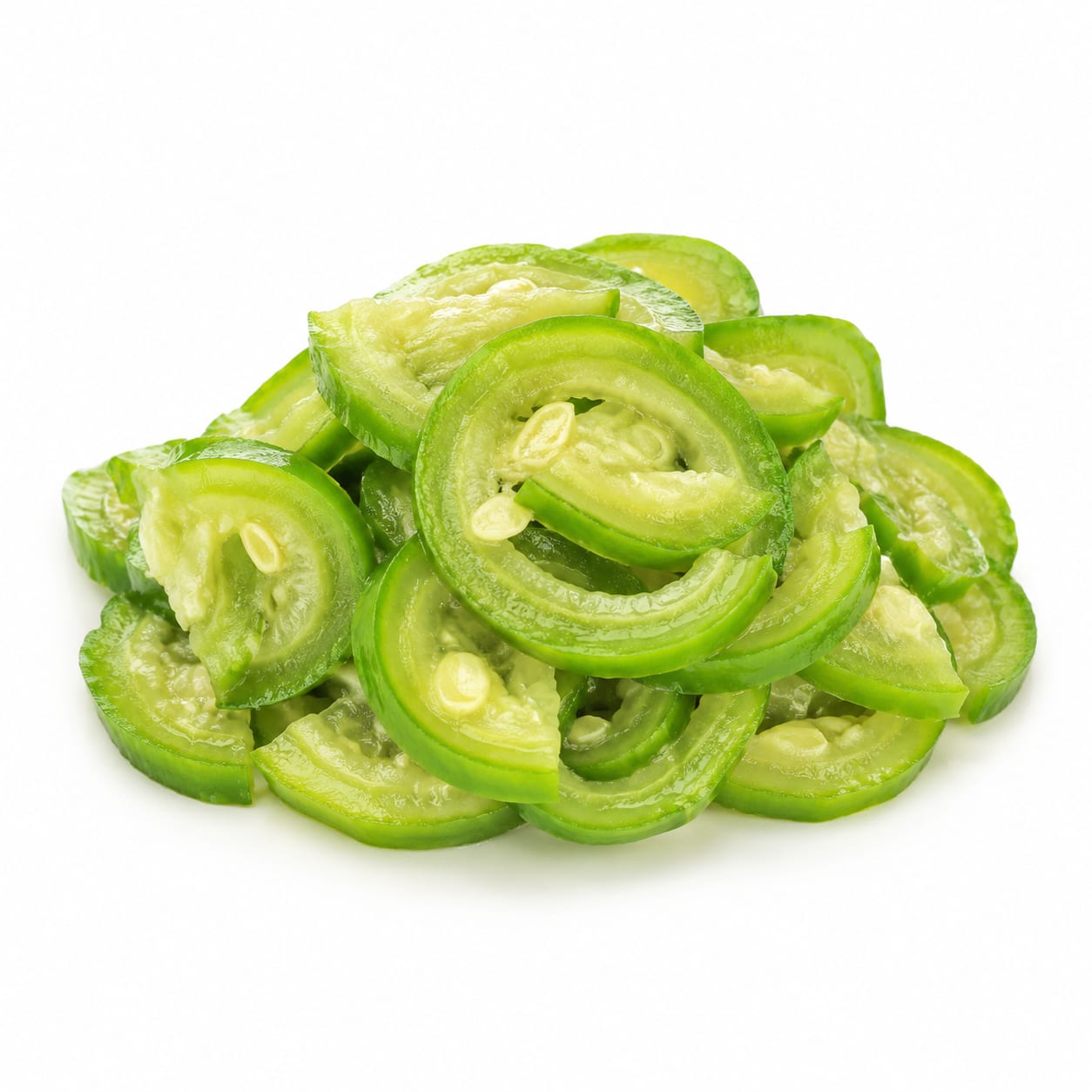
Trichosanthes Kirilowii
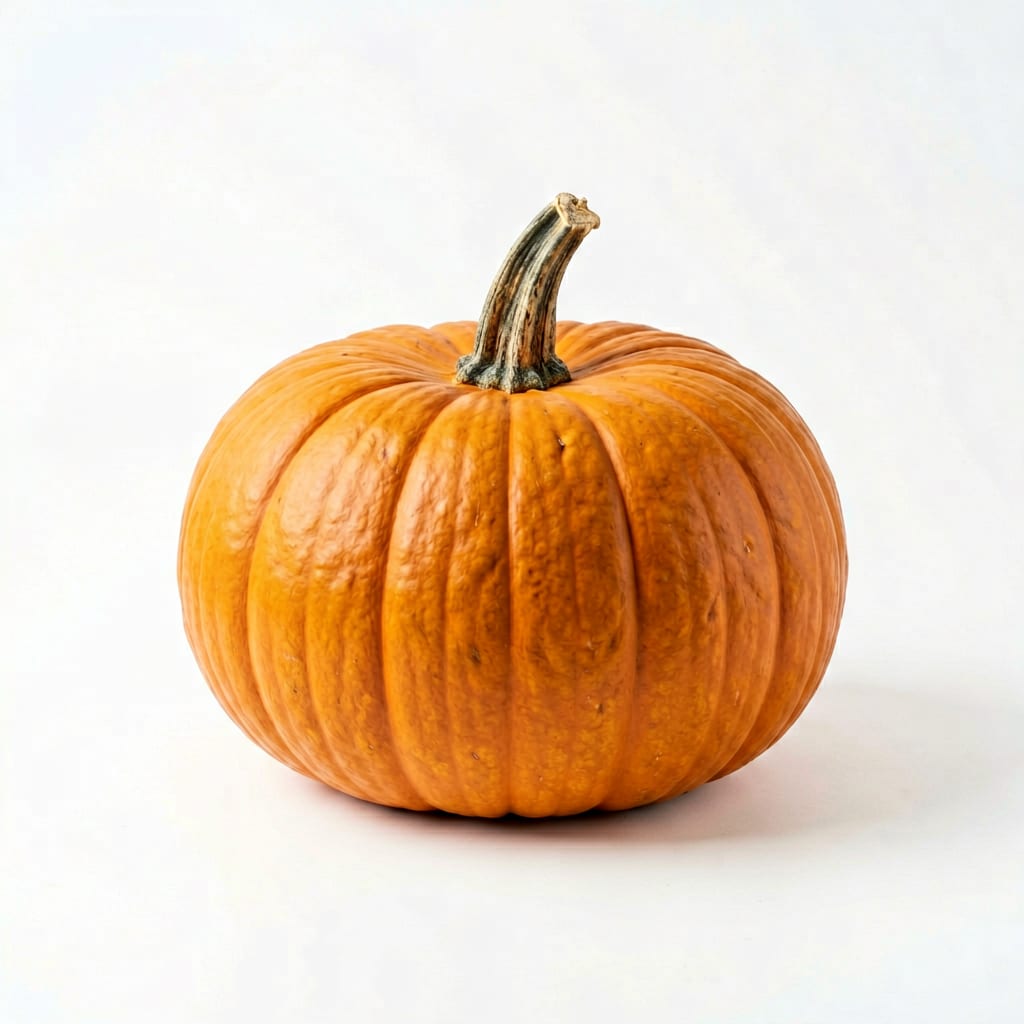
Pumpkin
Pumpkin wins decisively for everyday nutrition and safety. Trichosanthes Kirilowii is a potent medicinal herb, not a dietary food, and carries serious toxicity risks that make it unsuitable for casual consumption.
Pumpkin scores dramatically higher because it is a safe, nutritious, accessible food. Trichosanthes Kirilowii scores low as a daily food choice due to serious safety concerns, limited availability, and the need for professional guidance despite having legitimate medicinal value.
Trichosanthes Kirilowii offers stronger targeted medicinal effects but at significant safety cost; pumpkin provides gentle, reliable nutrition with virtually no risk.
At a glance
Executive summary
Overall
Pumpkin
Healthier
Pumpkin
More practical
Pumpkin
Daily use
Pumpkin
Key comparison lenses
medicinal herb vs everyday food safety
Trichosanthes Kirilowii is primarily a Traditional Chinese Medicine ingredient with documented toxicity risks, while pumpkin is a widely consumed safe food
blood sugar management
Both have historical or nutritional relevance to glucose regulation, but through very different mechanisms and safety profiles
daily practicality and accessibility
Pumpkin is available globally in grocery stores; Trichosanthes Kirilowii requires specialty sourcing and expert guidance
anti inflammatory and immune support
Both offer anti-inflammatory compounds but with vastly different risk-reward ratios
Best choice for
Trichosanthes Kirilowii
- Targeted TCM-guided therapy under professional supervision
- Specific inflammatory conditions where a practitioner has recommended it
- Short-term medicinal use rather than dietary inclusion
Pumpkin
- Everyday nutrition and immune support
- Family meals and children's diets
- Safe, long-term blood sugar-friendly eating
Least suitable for
Trichosanthes Kirilowii
- Pregnant women due to documented abortifacient properties
- Anyone self-prescribing without TCM expertise
- Children and elderly with compromised health
Pumpkin
- Those seeking potent targeted medicinal effects
- Very low-carb or keto dieters tracking every gram
Deep comparison
Dimension by dimension
Each lens scores both foods and breaks down who each option suits.
- Dimension 1 · Priority 98Pumpkin
safety_profile
Trichosanthes Kirilowii · 25Pumpkin · 95Trichosanthes Kirilowii contains trichosanthin, a potent protein that can cause severe reactions including allergic responses, nausea, and dangerously low blood pressure. It is contraindicated in pregnancy.
Tradeoff
Medicinal potency comes with real toxicity risk that demands professional oversight; pumpkin is essentially risk-free for the general population.
Why it matters
Self-medicating with Trichosanthes Kirilowii can lead to hospitalization. This alone disqualifies it as a casual dietary choice.
Real-world impact
One wrong dose of Trichosanthes Kirilowii can mean an ER visit. Pumpkin just means a comforting meal.
Trichosanthes Kirilowii
- Targeted therapeutic applications supervised by qualified practitioners
Better for
- Pregnant women, children, people on multiple medications, anyone without expert guidance
Worse for
Pumpkin
- Everyone else who wants nutrition without danger
Better for
- No meaningful safety downsides for the general population
Worse for
- Dimension 2 · Priority 85Pumpkin
blood_sugar_support
Trichosanthes Kirilowii · 55Pumpkin · 78Trichosanthes Kirilowii has historical TCM use for diabetes-related thirst and dryness, but clinical evidence is limited and risky. Pumpkin offers proven low glycemic load with steady, safe glucose support.
Tradeoff
Trichosanthes Kirilowii may have stronger pharmacological glucose effects but with unpredictable dosing; pumpkin gives reliable, gentle blood sugar stability you can count on daily.
Why it matters
Managing blood sugar is a long game. Consistency and safety beat potency every time for sustainable results.
Real-world impact
Pumpkin as a regular side dish keeps things steady. Trichosanthes Kirilowii as a DIY remedy could swing blood sugar unpredictably.
Trichosanthes Kirilowii
- TCM-guided protocols for specific diabetes patterns
Better for
- Anyone trying to manage glucose without professional monitoring
Worse for
Pumpkin
- Daily dietary management of blood sugar
- Pre-diabetics seeking safe food choices
Better for
- Situations requiring strong pharmacological intervention
Worse for
- Dimension 3 · Priority 80Pumpkin
nutritional_density
Trichosanthes Kirilowii · 35Pumpkin · 82Pumpkin delivers substantial beta-carotene, vitamin C, potassium, and fiber per serving. Trichosanthes Kirilowii is not consumed for its nutritional profile but for specific active compounds.
Tradeoff
Pumpkin nourishes broadly; Trichosanthes Kirilowii acts narrowly on specific pathways without providing meaningful macronutrients or vitamins.
Why it matters
Your body needs daily vitamins and minerals, not just pharmacologically active proteins.
Real-world impact
A bowl of pumpkin soup genuinely feeds your cells. Trichosanthes Kirilowii root does not replace a nutritious meal.
Trichosanthes Kirilowii
- Targeted compound delivery under medical guidance
Better for
- Anyone looking for actual nourishment from their food
Worse for
Pumpkin
- Broad-spectrum daily nutrition
- Vitamin A needs
- Fiber intake goals
Better for
- No real nutritional weakness compared to a medicinal root
Worse for
- Dimension 4 · Priority 72It depends
anti_inflammatory_potential
Trichosanthes Kirilowii · 68Pumpkin · 65Trichosanthes Kirilowii contains compounds with documented anti-inflammatory and even anti-tumor activity in research settings. Pumpkin offers gentler anti-inflammatory support through carotenoids and antioxidants.
Tradeoff
Trichosanthes Kirilowii has stronger pharmacological anti-inflammatory action but cannot be safely used freely; pumpkin provides mild but consistent inflammation support you can eat every day.
Why it matters
Strong anti-inflammatory effects are only useful if you can safely access them regularly.
Real-world impact
Trichosanthes Kirilowii might help more in a targeted protocol, but pumpkin is the anti-inflammatory food you will actually stick with.
Trichosanthes Kirilowii
- Acute inflammatory conditions under professional care
- TCM-pattern-specific inflammation
Better for
- Long-term daily anti-inflammatory use due to toxicity buildup
Worse for
Pumpkin
- Chronic low-grade inflammation managed through diet
- Everyday preventive anti-inflammatory eating
Better for
- Severe inflammatory conditions requiring medicinal intervention
Worse for
- Dimension 5 · Priority 75Pumpkin
accessibility_and_practicality
Trichosanthes Kirilowii · 15Pumpkin · 92Pumpkin is available in every grocery store, easy to cook, and familiar to everyone. Trichosanthes Kirilowii requires specialty herb shops, TCM knowledge, and careful preparation.
Tradeoff
Convenience matters for consistency. The best healthy choice is the one you can actually make regularly.
Why it matters
Nutrition only works if you do it consistently. Accessibility determines whether a food becomes a habit or remains a one-time experiment.
Real-world impact
Pumpkin is a Tuesday dinner. Trichosanthes Kirilowii is a trip to a specialty apothecary with a practitioner's note.
Trichosanthes Kirilowii
- People already embedded in TCM healthcare systems with easy access
Better for
- Most Western consumers without TCM infrastructure
Worse for
Pumpkin
- Everyone with access to a grocery store
- Busy households needing quick meal solutions
- People new to healthy eating
Better for
- No practical downsides worth noting
Worse for
Timeline
Health impact over time
Short-term
Hours to days
Trichosanthes Kirilowii
- Potential nausea, diarrhea, or abdominal discomfort if consumed improperly
- Risk of allergic reactions including itching, swelling, or breathing difficulty
- Possible rapid blood pressure drop at higher doses
- Can induce uterine contractions in pregnant women
Pumpkin
- Gentle digestive support from soluble fiber
- Steady energy without blood sugar spikes
- Comforting and easy on the stomach
- Mild diuretic effect from potassium content
Long-term
Months to years
Trichosanthes Kirilowii
- Organ toxicity concerns with repeated unsupervised use
- Potential immune system modulation that may be beneficial or harmful depending on individual context
- Unknown long-term effects of chronic trichosanthin exposure
- Risk accumulates without professional dose monitoring
Pumpkin
- Consistent beta-carotene intake supports eye health and immune resilience
- Regular fiber intake promotes gut health and regularity
- Potassium supports cardiovascular health over time
- Sustained low glycemic eating pattern benefits metabolic health
Risk profile
Safety & processing
Both are whole, natural plant products. However, Trichosanthes Kirilowii is typically processed into powders or extracts for medicinal use, which concentrates its active compounds and risks. Pumpkin is eaten as-is with minimal processing.
Trichosanthes Kirilowii
Trichosanthin toxicity
highThis ribosome-inactivating protein can cause severe reactions including fever, hypotension, and organ damage at improper doses. Not safe for self-administration.
Pregnancy contraindication
highDocumented abortifacient properties. Trichosanthes Kirilowii must be strictly avoided during pregnancy as it can trigger uterine contractions and pregnancy loss.
Allergic potential
mediumCan trigger allergic reactions ranging from skin irritation to anaphylaxis in sensitive individuals, particularly those with latex-fruit syndrome cross-reactivity.
Drug interactions
mediumMay interact with immunosuppressants, blood pressure medications, and blood sugar drugs. Professional guidance essential.
Pumpkin
Pesticide residue on conventionally grown pumpkin
lowPumpkin is not on the EWG Dirty Dozen list. Thick skin also reduces residue transfer to flesh. Washing and peeling further minimizes exposure.
Excessive beta-carotene intake
lowVery high consumption could cause carotenemia, a harmless yellowing of skin that resolves when intake decreases. Not a real health danger.
Who wins for whom
Audience fit
Same foods, different winners depending on your goal.
children
PumpkinPumpkin is a safe, kid-friendly food rich in growth-supporting vitamin A. Trichosanthes Kirilowii is absolutely inappropriate for children due to toxicity risks.
daily consumption
PumpkinPumpkin can be eaten daily without concern. Trichosanthes Kirilowii is a medicinal substance meant for short-term or pulsed use under guidance, never casual daily consumption.
diabetes
PumpkinPumpkin provides safe, consistent blood sugar support as part of a balanced diet. Trichosanthes Kirilowii has historical diabetes relevance but requires professional oversight and carries interaction risks with diabetes medications.
elderly
PumpkinPumpkin is easy to digest, nutrient-dense, and supports immune and eye health common concerns in aging. Trichosanthes Kirilowii poses too many risks for older bodies without strict supervision.
muscle gain
PumpkinNeither is a protein powerhouse, but pumpkin at least provides usable calories and potassium for recovery. Trichosanthes Kirilowii offers nothing for muscle building.
weight loss
PumpkinPumpkin is low calorie, high fiber, and naturally satisfying. Trichosanthes Kirilowii is not appropriate as a weight loss tool due to safety concerns.
Your move
Decision guide
Choose Trichosanthes Kirilowii
- You are working with a qualified TCM practitioner who has prescribed it for your specific condition
- You understand the dosing, risks, and contraindications and have ruled out pregnancy and drug interactions
- You need targeted medicinal action rather than general nutrition
Choose Pumpkin
- You want safe, reliable daily nutrition
- You are feeding a family including children or pregnant women
- You want blood sugar-friendly, anti-inflammatory food without risk
- You value accessibility and consistency in your healthy eating
Either works if
- You are exploring Traditional Chinese Medicine foods and want to understand both sides before deciding
- You are researching natural approaches to inflammation or blood sugar management
Avoid both if
- You have a known allergy to Cucurbitaceae family plants, which includes both foods
Final recommendation
For 99% of people reading this, pumpkin is the clear and safe choice. Trichosanthes Kirilowii is a medicine, not a meal. It belongs in the hands of trained practitioners, not in your grocery cart. If you are curious about its medicinal benefits, consult a licensed TCM provider. Meanwhile, roast that pumpkin, blend it into soup, or add it to your oatmeal. Your body will thank you consistently and safely.
Practical
Consumer tips
- 1
If you are pregnant or might be pregnant, avoid Trichosanthes Kirilowii entirely. No exceptions.
- 2
Choose sugar pie or kabocha pumpkins for the sweetest flavor and best texture in cooking.
- 3
If a TCM practitioner recommends Trichosanthes Kirilowii, ask about dosing, duration, and monitoring. Get specific.
- 4
Canned pumpkin puree is convenient and nutritious, but check the label to ensure it is 100% pumpkin, not pie filling with added sugar.
- 5
Never forage for wild Trichosanthes species. Proper identification and preparation require expertise.
- 6
Pumpkin seeds are a nutritional bonus. Roast them with the flesh for a complete food experience.
- 7
If you are on blood sugar medications, Trichosanthes Kirilowii could amplify drug effects unpredictably. Always disclose to your doctor.