
Nutrition comparison
Trichosanthes Kirilowii vs Winter Melon: Safety, Uses, and Which to Choose
Comparing Trichosanthes Kirilowii and Winter Melon? Learn why Winter Melon is safe for daily eating while Trichosanthes Kirilowii is a medicinal herb with serious toxicity risks. Full safety analysis and practical guidance.
Overall winner · Winter Melon
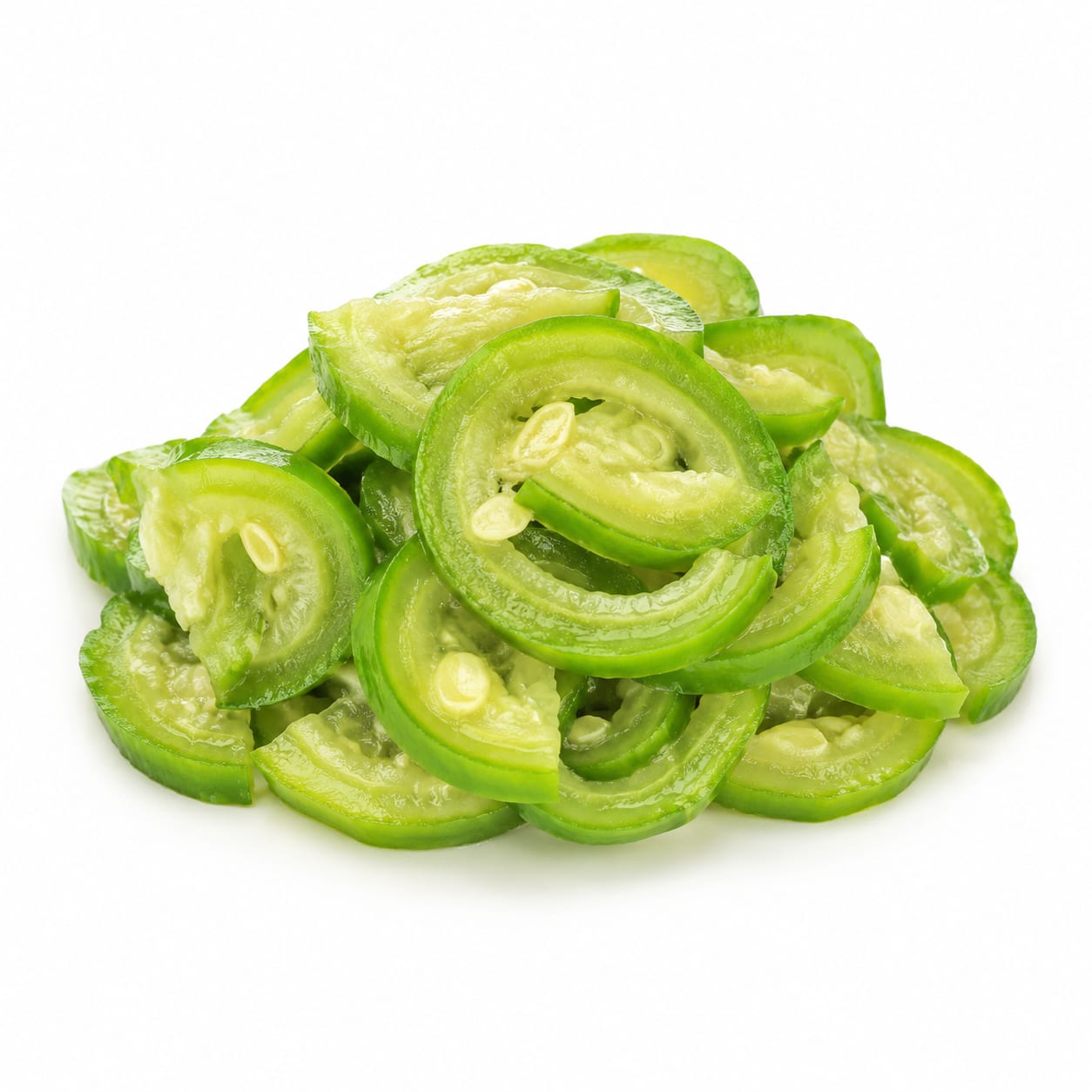
Trichosanthes Kirilowii

Winter Melon
Winter Melon is the clear choice for food use — safe, versatile, and eaten daily across Asia. Trichosanthes Kirilowii is a potent medicinal herb, not a dietary vegetable.
Winter Melon scores significantly higher because it is safe, practical, and designed for regular consumption. Trichosanthes Kirilowii scores low as a food choice due to toxicity concerns and unsuitability for daily eating, despite its legitimate medicinal value in proper contexts.
Trichosanthes Kirilowii offers stronger therapeutic action but carries real toxicity risks, while Winter Melon provides gentle, safe nourishment with minimal medicinal potency
At a glance
Executive summary
Overall
Winter Melon
Healthier
Winter Melon
More practical
Winter Melon
Daily use
Winter Melon
Key comparison lenses
medicinal herb vs culinary vegetable safety
Trichosanthes Kirilowii is primarily a medicinal herb with toxicity concerns, while Winter Melon is a widely consumed food — the safety gap is the most critical distinction
daily consumption viability
Users need to understand that one of these is safe for regular eating and the other is not designed for daily food use
traditional medicine applications
Both have deep roots in Traditional Chinese Medicine but serve very different therapeutic roles
blood sugar and metabolic effects
Both have been traditionally used for diabetes-related concerns, but through very different mechanisms and risk profiles
hydration and weight management
Winter Melon is extremely low-calorie and hydrating, making it relevant for weight-conscious users comparing these options
Best choice for
Trichosanthes Kirilowii
- Targeted therapeutic use under practitioner guidance
- Traditional formulas addressing specific inflammatory conditions
- Short-term medicinal protocols where trichosanthin action is desired
Winter Melon
- Daily vegetable consumption and meal preparation
- Gentle hydration and low-calorie eating
- Safe long-term dietary inclusion for the whole family
Least suitable for
Trichosanthes Kirilowii
- Pregnant women — contains compounds with abortifacient properties
- Children and elderly seeking gentle nutrition
- Anyone self-prescribing without professional guidance
- Daily culinary use as a food ingredient
Winter Melon
- Those seeking strong therapeutic or medicinal effects
- Situations requiring concentrated bioactive compounds
- Very low-sodium diets in restaurant preparations with added salt
Deep comparison
Dimension by dimension
Each lens scores both foods and breaks down who each option suits.
- Dimension 1 · Priority 98Winter Melon
safety_for_regular_consumption
Trichosanthes Kirilowii · 15Winter Melon · 92Winter Melon is one of the safest vegetables you can eat regularly. Trichosanthes Kirilowii contains trichosanthin and other compounds that can cause serious adverse reactions.
Tradeoff
You gain potent bioactivity with Trichosanthes Kirilowii but at the cost of real safety risks including allergic reactions, gastrointestinal distress, and pregnancy complications
Why it matters
This is the deciding factor — one is a food, the other is a medicine. Confusing them could lead to harm.
Real-world impact
Eating Winter Melon soup daily is nourishing and safe. Consuming Trichosanthes Kirilowii root daily without supervision could land you in the emergency room.
Trichosanthes Kirilowii
- Short-term targeted therapy under supervision
- Situations where stronger bioactive action justifies controlled risk
Better for
- Self-directed daily consumption
- Pregnancy and breastfeeding
- Anyone with compromised liver or kidney function
Worse for
Winter Melon
- Families wanting a safe vegetable for the dinner table
- Daily meals without worrying about dosing or side effects
- Pregnant women, children, and elderly individuals
Better for
- Acute therapeutic situations requiring strong intervention
Worse for
- Dimension 2 · Priority 85Winter Melon
culinary_versatility_and_practicality
Trichosanthes Kirilowii · 10Winter Melon · 88Winter Melon stars in soups, stir-fries, stews, and even desserts across Asian cuisines. Trichosanthes Kirilowii is virtually never used as a food ingredient.
Tradeoff
Winter Melon absorbs flavors beautifully and works in dozens of dishes. Trichosanthes Kirilowii has almost no culinary application — it is prepared as a decoction or extract, not a meal component.
Why it matters
If you are choosing something to cook with, this comparison is essentially settled.
Real-world impact
Winter Melon can replace zucchini or squash in most recipes. Trichosanthes Kirilowii would never appear on a grocery list for home cooking.
Trichosanthes Kirilowii
- Practitioners compounding herbal formulas
Better for
- Anyone looking for a vegetable to add to their weekly rotation
- Cooking applications of any kind
Worse for
Winter Melon
- Home cooks wanting a versatile, mild-flavored vegetable
- Meal prep and batch cooking
- Restaurant and food service applications
Better for
- Herbal medicine preparations requiring concentrated active compounds
Worse for
- Dimension 3 · Priority 78It depends
blood_sugar_and_metabolic_support
Trichosanthes Kirilowii · 72Winter Melon · 68Both have traditional use for blood sugar concerns. Trichosanthes Kirilowii shows stronger hypoglycemic effects in research but with higher risk. Winter Melon offers gentle, safe metabolic support.
Tradeoff
Trichosanthes Kirilowii may lower blood sugar more aggressively, but the risk of overshooting or adverse effects is real. Winter Melon provides steadier, safer support you can rely on daily.
Why it matters
For diabetes management, both the strength of effect and the safety of long-term use matter equally.
Real-world impact
A diabetic could eat Winter Melon daily as part of a balanced diet with confidence. Using Trichosanthes Kirilowii for blood sugar requires professional monitoring to avoid hypoglycemia or toxicity.
Trichosanthes Kirilowii
- Short-term therapeutic protocols for blood sugar under practitioner care
- Situations where stronger hypoglycemic action is specifically needed
Better for
- Self-medicating for diabetes without supervision
- Long-term unsupervised use
Worse for
Winter Melon
- Long-term dietary management of blood sugar
- Preventive daily support without medication-like risks
- Combining with other vegetables in balanced meals
Better for
- Acute situations requiring rapid or strong blood sugar intervention
Worse for
- Dimension 4 · Priority 70Winter Melon
hydration_and_caloric_efficiency
Trichosanthes Kirilowii · 40Winter Melon · 90Winter Melon is roughly 96% water with only about 13 calories per 100g — one of the most hydrating, lowest-calorie vegetables available.
Tradeoff
Winter Melon fills you up with water and fiber for almost no caloric cost. Trichosanthes Kirilowii as a root preparation is not consumed in volumes that provide hydration or satiety benefits.
Why it matters
For anyone managing weight or seeking light, satisfying meals, Winter Melon is a practical tool.
Real-world impact
A large bowl of Winter Melon soup feels filling and comforting for under 50 calories. Trichosanthes Kirilowii preparations are consumed in small amounts with no satiety benefit.
Trichosanthes Kirilowii
- Not applicable for this dimension — Trichosanthes Kirilowii is not used as a hydrating food
Better for
- Anyone seeking a filling, low-calorie food option
Worse for
Winter Melon
- Weight management and calorie-controlled eating
- Hot weather hydration through savory soups
- Large-volume eating without caloric consequence
Better for
- Situations where caloric density or concentrated nutrition is desired
Worse for
- Dimension 5 · Priority 72Trichosanthes Kirilowii
anti_inflammatory_and_therapeutic_potency
Trichosanthes Kirilowii · 78Winter Melon · 45Trichosanthes Kirilowii contains trichosanthin and other compounds with documented anti-inflammatory, antiviral, and potential anti-tumor activity. Winter Melon has mild antioxidant properties but limited therapeutic potency.
Tradeoff
Higher therapeutic potency comes with higher risk. Trichosanthes Kirilowii is the stronger medicine; Winter Melon is the safer food.
Why it matters
When actual disease treatment is the goal, potency matters — but so does the framework of supervised use versus self-care.
Real-world impact
Trichosanthes Kirilowii has been studied in clinical contexts including HIV and cancer research. Winter Melon will never replace medication, but it supports overall health gently through diet.
Trichosanthes Kirilowii
- Targeted anti-inflammatory therapy under guidance
- Research-backed medicinal applications
- Practitioner-formulated treatment protocols
Better for
- Self-directed anti-inflammatory use without dosing knowledge
- Long-term unsupervised consumption
Worse for
Winter Melon
- Everyday dietary inflammation support through safe, consistent intake
- Long-term preventive health through food-based antioxidants
Better for
- Acute therapeutic situations requiring strong intervention
Worse for
- Dimension 6 · Priority 75Winter Melon
digestive_tolerance_and_gentleness
Trichosanthes Kirilowii · 25Winter Melon · 88Winter Melon is easy on the stomach, mildly cooling, and traditionally used to soothe digestion. Trichosanthes Kirilowii can cause nausea, diarrhea, and gastrointestinal irritation.
Tradeoff
If you have a sensitive stomach, Winter Melon is comforting while Trichosanthes Kirilowii can be provoking.
Why it matters
Digestive comfort determines whether you can actually sustain eating something regularly.
Real-world impact
Winter Melon soup is often given to people recovering from illness because it is so gentle. Trichosanthes Kirilowii is more likely to cause stomach upset, especially on an empty stomach.
Trichosanthes Kirilowii
- Situations where a stronger purgative or clearing action is specifically desired in TCM protocols
Better for
- People with sensitive stomachs or IBS
- Those prone to nausea or diarrhea
Worse for
Winter Melon
- Sensitive digestion and recovery from illness
- Elderly individuals needing gentle nourishment
- Daily consumption without digestive side effects
Better for
- Situations where stronger digestive clearing is therapeutically intended
Worse for
Timeline
Health impact over time
Short-term
Hours to days
Trichosanthes Kirilowii
- Can cause nausea, vomiting, or diarrhea shortly after consumption
- Potential allergic reactions including skin rashes or breathing difficulty in sensitive individuals
- May rapidly lower blood sugar, risking hypoglycemia if taken alongside diabetes medication
Winter Melon
- Gentle hydration and a feeling of fullness with minimal calories
- Mild diuretic effect that supports reducing water retention
- Soothing on the digestive system, unlikely to cause acute discomfort
Long-term
Months to years
Trichosanthes Kirilowii
- Chronic unsupervised use may stress liver and kidneys due to bioactive compound load
- Documented risks to pregnancy including potential abortifacient effects with repeated exposure
- Possible immune system modulation — beneficial in controlled contexts but unpredictable when self-administered
Winter Melon
- Consistent hydration and low caloric intake supports healthy weight maintenance
- Regular consumption contributes gentle antioxidant support through dietary patterns
- Traditional use suggests long-term cooling and balancing effects with no known toxicity
Risk profile
Safety & processing
Both are whole, natural plant products with minimal processing concerns. The issue with Trichosanthes Kirilowii is not processing — it is inherent plant toxicity. Winter Melon is naturally safe as harvested.
Trichosanthes Kirilowii
Trichosanthin toxicity
highThe ribosome-inactivating protein trichosanthin can cause severe allergic reactions, neurotoxicity, and has been associated with dangerous inflammatory responses in clinical use
Pregnancy termination risk
highTrichosanthes Kirilowii has documented abortifacient properties and must be strictly avoided during pregnancy
Gastrointestinal irritation
mediumCommon side effects include nausea, vomiting, and diarrhea, particularly with improper dosing or low-quality preparations
Drug interaction with diabetes medications
mediumBlood sugar lowering effects may compound with pharmaceutical antidiabetics, creating hypoglycemia risk
Winter Melon
Minimal inherent risk
lowWinter Melon is one of the safest vegetables commonly consumed, with no significant toxicity documented in normal food quantities
Preparation-related sodium in restaurant dishes
lowRestaurant Winter Melon soups may contain high sodium from broth, but this is a preparation issue, not a food issue
Who wins for whom
Audience fit
Same foods, different winners depending on your goal.
children
Winter MelonWinter Melon is gentle, safe, and commonly included in family meals. Trichosanthes Kirilowii is absolutely inappropriate for children due to toxicity risks.
daily consumption
Winter MelonWinter Melon is a daily food. Trichosanthes Kirilowii is a periodic medicine — daily consumption would be dangerous and inappropriate.
diabetes
It dependsWinter Melon is safer for daily dietary diabetes management. Trichosanthes Kirilowii may have stronger hypoglycemic effects but requires professional supervision and is not appropriate for self-directed use.
elderly
Winter MelonWinter Melon is easy to digest, hydrating, and comforting for older adults. Trichosanthes Kirilowii poses unnecessary risk for a population that needs gentle, safe nourishment.
muscle gain
It dependsNeither is relevant for muscle gain — both are extremely low in protein. Winter Melon can accompany high-protein meals as a side, while Trichosanthes Kirilowii has no role in muscle-building nutrition.
weight loss
Winter MelonWinter Melon provides high volume and hydration for minimal calories, making it ideal for weight loss meals. Trichosanthes Kirilowii is not a food and cannot serve this purpose.
Your move
Decision guide
Choose Trichosanthes Kirilowii
- You are working with a qualified TCM practitioner who has prescribed it for a specific condition
- You need short-term therapeutic action and understand the dosing and risks
- You are using it as part of a formulated herbal preparation, not as a standalone food
Choose Winter Melon
- You want a safe, versatile vegetable for regular home cooking
- You are looking for hydration, low calories, and gentle nourishment
- You are feeding a family including children, elderly, or pregnant women
- You want something you can eat daily without worrying about side effects
Either works if
- You are interested in traditional Asian approaches to blood sugar support — but understand the very different risk profiles
- You are exploring TCM dietary therapy and want to understand both ends of the food-medicine spectrum
Avoid both if
- You are looking for a protein-rich or nutrient-dense food — neither fits that need
Final recommendation
For 99% of everyday situations, Winter Melon is the right choice — it is food, and it is safe. Trichosanthes Kirilowii is medicine, and like all medicines, it should be used with respect, knowledge, and professional guidance. If you are standing in a grocery store deciding what to cook for dinner, choose Winter Melon. If a licensed practitioner has recommended Trichosanthes Kirilowii for a specific health concern, follow their guidance precisely and do not self-prescribe.
Practical
Consumer tips
- 1
Winter Melon can be stored for months in a cool, dry place — its thick skin acts as natural preservation
- 2
When buying Winter Melon, choose specimens that feel heavy for their size with firm, unblemished skin
- 3
Never forage or prepare Trichosanthes Kirilowii on your own — source only from reputable herbal suppliers with proper identification and processing
- 4
If you encounter Trichosanthes Kirilowii in a TCM formula, ask your practitioner about expected side effects and warning signs
- 5
Winter Melon soup with ginger and goji berries is a classic combination that balances flavor and traditional health benefits
- 6
Avoid all Trichosanthes Kirilowii products if you are pregnant, trying to conceive, or breastfeeding — this is non-negotiable