
Nutrition comparison
Trichosanthes Kirilowii vs Zucchini: Safety, Nutrition, and Which to Choose
Compare Trichosanthes Kirilowii and zucchini for safety, nutrition, and everyday use. Learn why zucchini is the safer daily vegetable and when Trichosanthes Kirilowii may have therapeutic value under guidance.
Overall winner · Zucchini
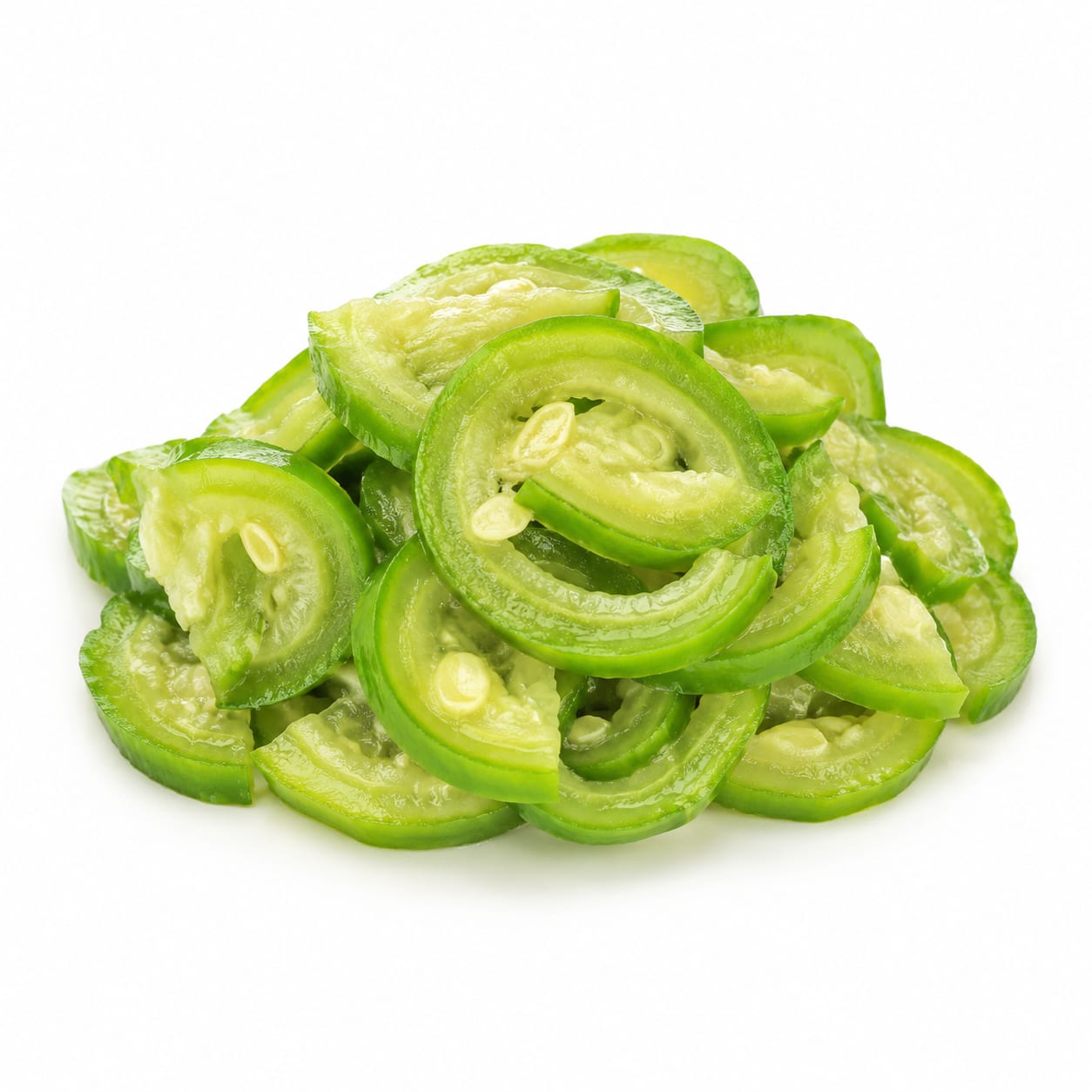
Trichosanthes Kirilowii
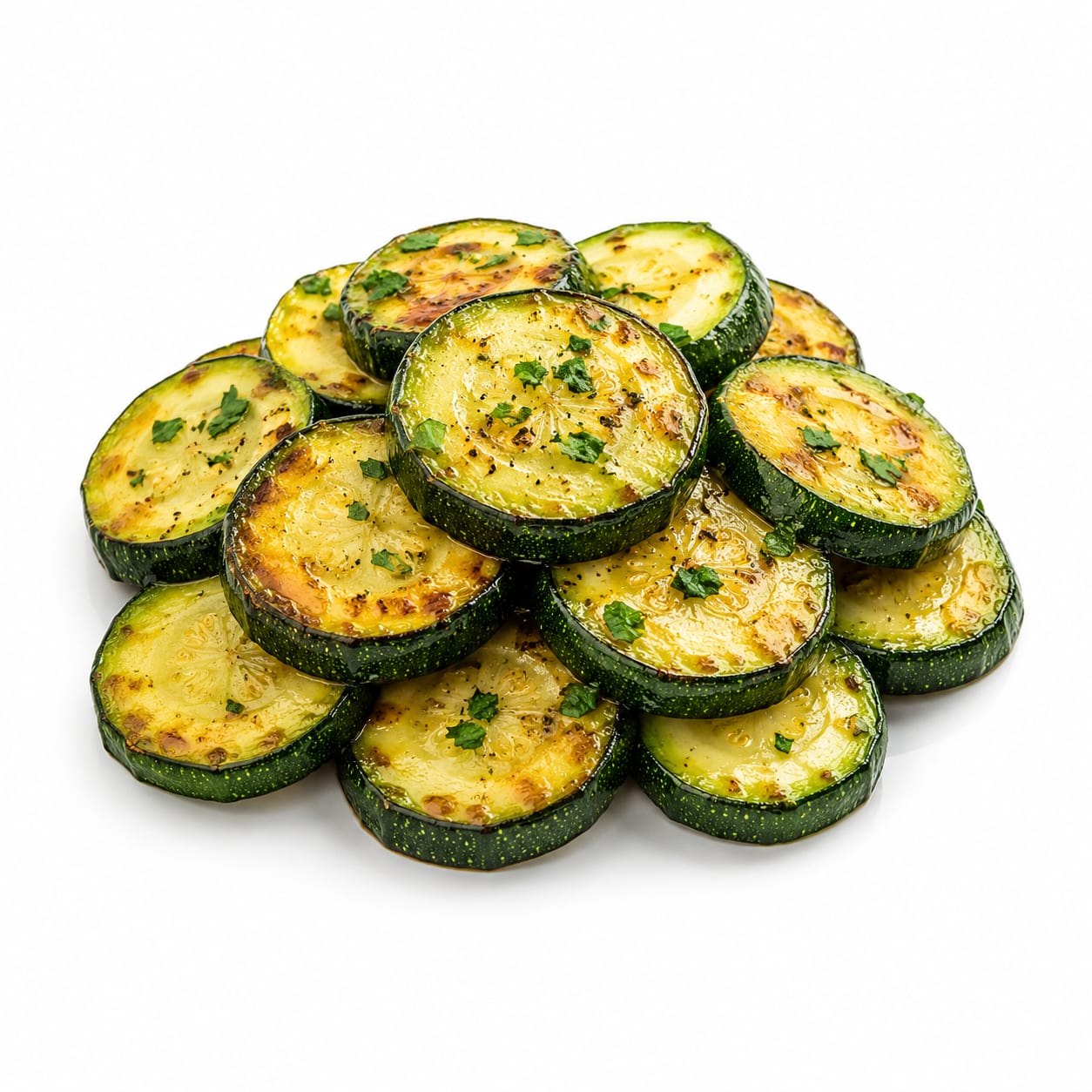
Zucchini
Zucchini is the safer, more practical choice for daily eating. Trichosanthes Kirilowii offers unique medicinal properties but carries real toxicity risks that make it unsuitable as a regular vegetable.
Zucchini scores significantly higher due to universal safety, accessibility, and culinary versatility. Trichosanthes Kirilowii scores lower because its medicinal nature and toxicity risks make it inappropriate as a regular dietary vegetable, despite its interesting bioactive compounds.
Medicinal potency versus everyday safety — Trichosanthes Kirilowii has therapeutic compounds that zucchini lacks, but those same compounds can cause serious adverse effects if misused.
At a glance
Executive summary
Overall
Zucchini
Healthier
Zucchini
More practical
Zucchini
Daily use
Zucchini
Key comparison lenses
medicinal vs culinary vegetable tradeoff
Trichosanthes Kirilowii is primarily a medicinal herb with specific bioactive compounds, while zucchini is an everyday culinary vegetable with broad accessibility
safety and toxicity awareness
Trichosanthes Kirilowii contains trichosanthin and other compounds with documented toxicity risks that zucchini does not carry
everyday practicality and availability
Zucchini is universally available in grocery stores; Trichosanthes Kirilowii requires specialty sourcing and knowledge
nutritional density comparison
Both are low-calorie vegetables but users may want to know if the medicinal heritage of Trichosanthes Kirilowii translates to superior nutrition
digestive and gut compatibility
Both vegetables are used for digestive support in different traditions, making gut tolerance a relevant comparison point
Best choice for
Trichosanthes Kirilowii
- People seeking Traditional Chinese Medicine remedies under professional guidance
- Those exploring anti-inflammatory herbal protocols with practitioner supervision
- Individuals interested in traditional heat-clearing remedies in appropriate doses
Zucchini
- Anyone wanting a safe, versatile everyday vegetable
- Families cooking meals for children and elderly
- People managing weight who need a low-calorie, high-volume food
- Home cooks wanting reliable, mild-flavored ingredients
Least suitable for
Trichosanthes Kirilowii
- Pregnant women due to documented abortifacient properties
- Children due to toxicity concerns with improper dosing
- Anyone self-prescribing medicinal herbs without professional guidance
- People looking for a casual cooking vegetable
Zucchini
- Those seeking potent medicinal or therapeutic effects from their food
- People interested in traditional Chinese herbal medicine approaches
Deep comparison
Dimension by dimension
Each lens scores both foods and breaks down who each option suits.
- Dimension 1 · Priority 96Zucchini
safety_and_toxicity
Trichosanthes Kirilowii · 25Zucchini · 95Trichosanthes Kirilowii contains trichosanthin and other proteins with documented toxicity, including abortifacient effects. Zucchini is one of the safest vegetables available.
Tradeoff
The bioactive compounds that give Trichosanthes Kirilowii its medicinal value are the same ones that create safety risks. Zucchini offers no medicinal potency but also virtually no danger.
Why it matters
A food you cannot safely eat regularly is not a food — it is a medicine. This distinction changes how you should approach Trichosanthes Kirilowii entirely.
Real-world impact
Zucchini can be eaten freely by nearly everyone. Trichosanthes Kirilowii requires dose awareness, professional guidance, and absolute avoidance during pregnancy.
Trichosanthes Kirilowii
- Targeted therapeutic use under supervision
Better for
- Unsupervised daily consumption
- Pregnancy
- People on multiple medications without herb-drug interaction review
Worse for
Zucchini
- Pregnant women
- Children
- Casual home cooks
- Anyone eating without medical supervision
Better for
- Dimension 2 · Priority 90Zucchini
everyday_accessibility_and_convenience
Trichosanthes Kirilowii · 15Zucchini · 95Zucchini is available in virtually every grocery store worldwide. Trichosanthes Kirilowii requires specialty Asian markets, herbal shops, or online ordering with quality verification challenges.
Tradeoff
You can grab zucchini on any weeknight. Sourcing Trichosanthes Kirilowii takes effort, costs more, and carries quality uncertainty.
Why it matters
The best food for your health is the one you can actually obtain and use consistently.
Real-world impact
Zucchini fits into spontaneous meal planning. Trichosanthes Kirilowii requires advance planning, trusted sourcing, and preparation knowledge most people lack.
Trichosanthes Kirilowii
- People already connected to TCM supply chains
Better for
- Impromptu cooking
- Rural areas without specialty stores
- People unfamiliar with herbal product quality assessment
Worse for
Zucchini
- Busy families
- Weeknight cooks
- Anyone without access to specialty Asian markets
- Budget-conscious shoppers
Better for
- Dimension 3 · Priority 72Zucchini
nutritional_value
Trichosanthes Kirilowii · 55Zucchini · 68Both are low-calorie, high-water vegetables. Zucchini provides more vitamin C and is a reliable source of everyday nutrients. Trichosanthes Kirilowii offers some unique polysaccharides and amino acids but limited data on standard nutrition.
Tradeoff
Zucchini delivers consistent, well-documented nutrition. Trichosanthes Kirilowii may have interesting compounds but lacks robust nutritional profiling and cannot be eaten in large enough quantities to leverage them safely.
Why it matters
For daily vegetable intake, reliable micronutrient delivery matters more than theoretical bioactive potential.
Real-world impact
A large portion of zucchini gives you real vitamin C, potassium, and fiber. A large portion of Trichosanthes Kirilowii is not recommended due to safety concerns, limiting its nutritional contribution.
Trichosanthes Kirilowii
- Those specifically seeking polysaccharide compounds studied in TCM research
Better for
- Cannot be eaten in large quantities due to safety limits
Worse for
Zucchini
- Meeting daily vitamin C needs
- Reliable potassium intake
- Consistent fiber consumption through generous portions
Better for
- Dimension 4 · Priority 78Zucchini
culinary_versatility
Trichosanthes Kirilowii · 30Zucchini · 90Zucchini works raw, grilled, roasted, spiralized, baked into breads, and stuffed. Trichosanthes Kirilowii has a narrow culinary window, primarily used in specific Asian soups and stir-fries when young.
Tradeoff
Zucchini adapts to virtually any cuisine or cooking method. Trichosanthes Kirilowii demands specific traditional preparation techniques and pairs best with Asian flavor profiles.
Why it matters
A versatile vegetable gets eaten more often. A niche ingredient sits in the back of the fridge.
Real-world impact
Zucchini can replace pasta, go into muffins, or be a side dish. Trichosanthes Kirilowii really only works in soups and traditional preparations.
Trichosanthes Kirilowii
- Authentic Chinese herbal soup recipes
- Traditional medicinal cuisine preparations
Better for
- Western-style cooking
- Raw preparations
- Casual recipe experimentation
Worse for
Zucchini
- Meal prep variety
- Adapting to different cuisines
- Raw applications like salads and crudités
- Low-carb pasta alternatives
- Baking applications
Better for
- Dimension 5 · Priority 68Zucchini
digestive_tolerance
Trichosanthes Kirilowii · 50Zucchini · 85Zucchini is gentle on digestion and well-tolerated by most people. Trichosanthes Kirilowii can cause gastrointestinal upset, especially at higher doses or with improper preparation.
Tradeoff
Zucchini soothes most stomachs. Trichosanthes Kirilowii may irritate sensitive digestive systems even as it is traditionally used to clear heat and promote fluid production.
Why it matters
If a food causes digestive discomfort, you will stop eating it regardless of its theoretical benefits.
Real-world impact
Zucchini is a go-to for people with sensitive stomachs. Trichosanthes Kirilowii requires caution even for those without digestive issues.
Trichosanthes Kirilowii
- Specific TCM digestive protocols under guidance
Better for
- People prone to nausea or GI upset
- Those unaccustomed to bitter medicinal foods
Worse for
Zucchini
- Sensitive stomachs
- Post-illness recovery eating
- People with IBS looking for safe vegetables
Better for
- Dimension 6 · Priority 75Trichosanthes Kirilowii
medicinal_and_therapeutic_potential
Trichosanthes Kirilowii · 80Zucchini · 20Trichosanthes Kirilowii has centuries of documented medicinal use and modern research into trichosanthin's anti-tumor and anti-inflammatory properties. Zucchini has no meaningful therapeutic application beyond basic nutrition.
Tradeoff
Medicinal power comes with medicinal risks. Zucchini's therapeutic neutrality is both its limitation and its safety guarantee.
Why it matters
If you are specifically seeking therapeutic effects, Trichosanthes Kirilowii offers something real. But this requires treating it as medicine, not food.
Real-world impact
Under professional guidance, Trichosanthes Kirilowii may support specific health protocols. Zucchini will never do that, but it will also never harm you.
Trichosanthes Kirilowii
- Targeted anti-inflammatory protocols
- TCM heat-clearing treatments
- Research-backed therapeutic applications under supervision
Better for
- Self-directed experimentation
- Long-term unsupervised use
Worse for
Zucchini
- People who want their food to just be food
Better for
- Anyone seeking genuine therapeutic effects from dietary choices
Worse for
Timeline
Health impact over time
Short-term
Hours to days
Trichosanthes Kirilowii
- Possible nausea or gastrointestinal discomfort if consumed in larger amounts
- Potential allergic reactions in sensitive individuals
- Diuretic effect may increase urination
- Bitter taste may reduce appetite
Zucchini
- Mild digestive support from fiber and water content
- Comforting and easy on the stomach
- Hydrating due to high water content
- No adverse short-term effects at normal consumption levels
Long-term
Months to years
Trichosanthes Kirilowii
- Risk of cumulative toxicity with regular unsupervised use
- Potential herb-drug interactions not yet fully documented
- Abortifacient risk makes it contraindicated for regular use during childbearing years without guidance
- Possible immune system effects from trichosanthin exposure
Zucchini
- Consistent fiber intake supports healthy digestion
- Regular low-calorie vegetable consumption aids weight management
- Antioxidant contribution from vitamin C and carotenoids
- No known long-term risks at normal dietary amounts
Risk profile
Safety & processing
Both are whole, minimally processed plant foods. However, Trichosanthes Kirilowii is often sold in dried or powdered forms for medicinal use, which introduces quality control and adulteration concerns not present with fresh zucchini.
Trichosanthes Kirilowii
Trichosanthin toxicity
highThe protein trichosanthin can cause serious adverse effects including neurotoxicity and is a known abortifacient. Dose-dependent and not safe for casual consumption.
Abortifacient properties
highWell-documented in both traditional use and modern research. Absolutely contraindicated in pregnancy.
Product quality and adulteration
mediumDried and powdered Trichosanthes Kirilowii products may be adulterated or misidentified, as with many herbal products. Sourcing from reputable suppliers is critical.
Allergic potential
lowSome individuals may experience allergic reactions, particularly those sensitive to Cucurbitaceae family plants.
Zucchini
Bitter zucchini toxicity
lowOccasionally, zucchini can produce cucurbitacins causing extreme bitterness and potential toxicity. If zucchini tastes unusually bitter, discard it immediately.
Pesticide residue
lowConventional zucchini may carry pesticide residues. Washing thoroughly or choosing organic reduces this concern.
Who wins for whom
Audience fit
Same foods, different winners depending on your goal.
children
ZucchiniZucchini is safe, mild, and kid-friendly. Trichosanthes Kirilowii is inappropriate for children due to toxicity risks.
daily consumption
ZucchiniZucchini is one of the safest daily vegetables. Trichosanthes Kirilowii should never be used as a daily food due to cumulative toxicity risk.
diabetes
ZucchiniZucchini has an extremely low glycemic load and can be consumed freely. Trichosanthes Kirilowii may have blood sugar effects that are not well-characterized for unsupervised use.
elderly
ZucchiniZucchini is easy to digest and cook for older adults. Trichosanthes Kirilowii's safety profile makes it unsuitable for elderly individuals without professional guidance.
muscle gain
ZucchiniNeither is a significant protein source, but zucchini can be eaten alongside protein in large portions. Trichosanthes Kirilowii's portion limits make it less useful in muscle-building meals.
weight loss
ZucchiniZucchini can be eaten in large volumes with minimal calories and high water content, making it ideal for weight loss. Trichosanthes Kirilowii cannot be safely consumed in large portions.
Your move
Decision guide
Choose Trichosanthes Kirilowii
- You are working with a qualified TCM practitioner who has recommended it
- You understand the dosing guidelines and safety contraindications
- You are specifically seeking its heat-clearing or anti-inflammatory properties in a therapeutic context
- You have verified the source quality of the product
Choose Zucchini
- You want a safe, everyday vegetable for regular meals
- You are cooking for a family including children or pregnant women
- You value convenience and broad availability
- You want culinary versatility across different recipes and cuisines
- You are managing your weight and need a low-calorie, high-volume food
Either works if
- You are preparing an Asian-style soup and have access to both
- You want variety in your vegetable intake and can source Trichosanthes Kirilowii safely
Avoid both if
- You have a known allergy to Cucurbitaceae family plants
- You are seeking high-protein or calorie-dense foods
Final recommendation
For 99% of everyday eating situations, zucchini is the clear choice. It is safe, accessible, versatile, and can be enjoyed freely. Trichosanthes Kirilowii is a medicinal herb that deserves respect and professional guidance, not a vegetable for casual cooking. If you are curious about Trichosanthes Kirilowii's therapeutic properties, consult a qualified herbalist rather than experimenting on your own.
Practical
Consumer tips
- 1
If zucchini tastes unusually bitter, spit it out and discard — bitterness signals cucurbitacin toxicity
- 2
Choose firm, unblemished zucchini with smooth skin for best quality
- 3
If sourcing Trichosanthes Kirilowii, only buy from reputable TCM suppliers with quality testing
- 4
Never use Trichosanthes Kirilowii during pregnancy or if trying to conceive
- 5
Zucchini noodles are an easy way to increase vegetable volume without feeling deprived
- 6
Store zucchini in the refrigerator crisper and use within a week for best texture
- 7
Dried Trichosanthes Kirilowii root powder should not be treated as a superfood supplement — it is a concentrated herbal medicine