
Nutrition comparison
Trichosanthes Kirilowii vs Butternut Squash: Safety, Nutrition, and Which to Choose
Comparing Trichosanthes Kirilowii and Butternut Squash? Learn why Butternut Squash is the safer daily food choice and when Trichosanthes Kirilowii may have medicinal value under professional guidance.
Overall winner · Butternut Squash
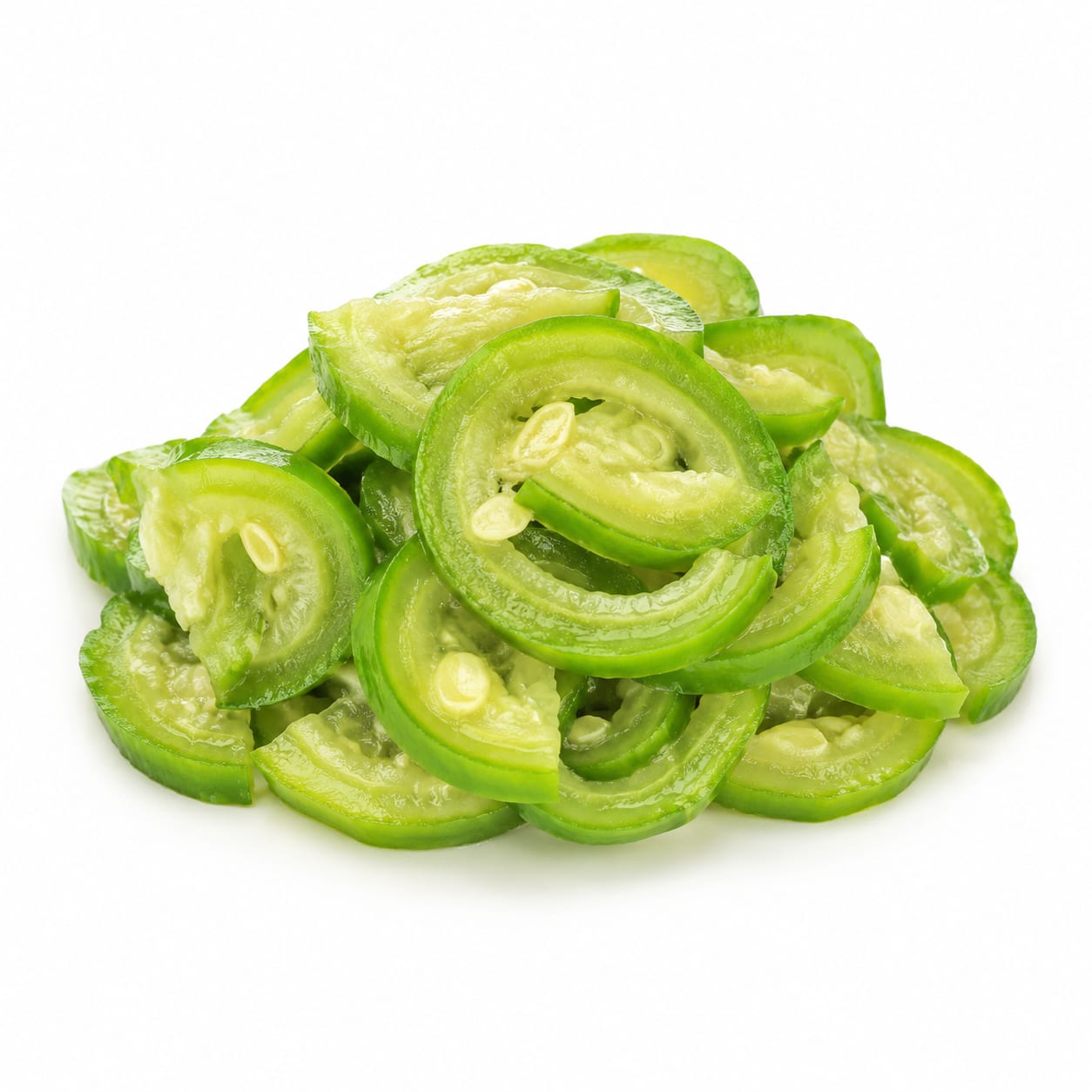
Trichosanthes Kirilowii
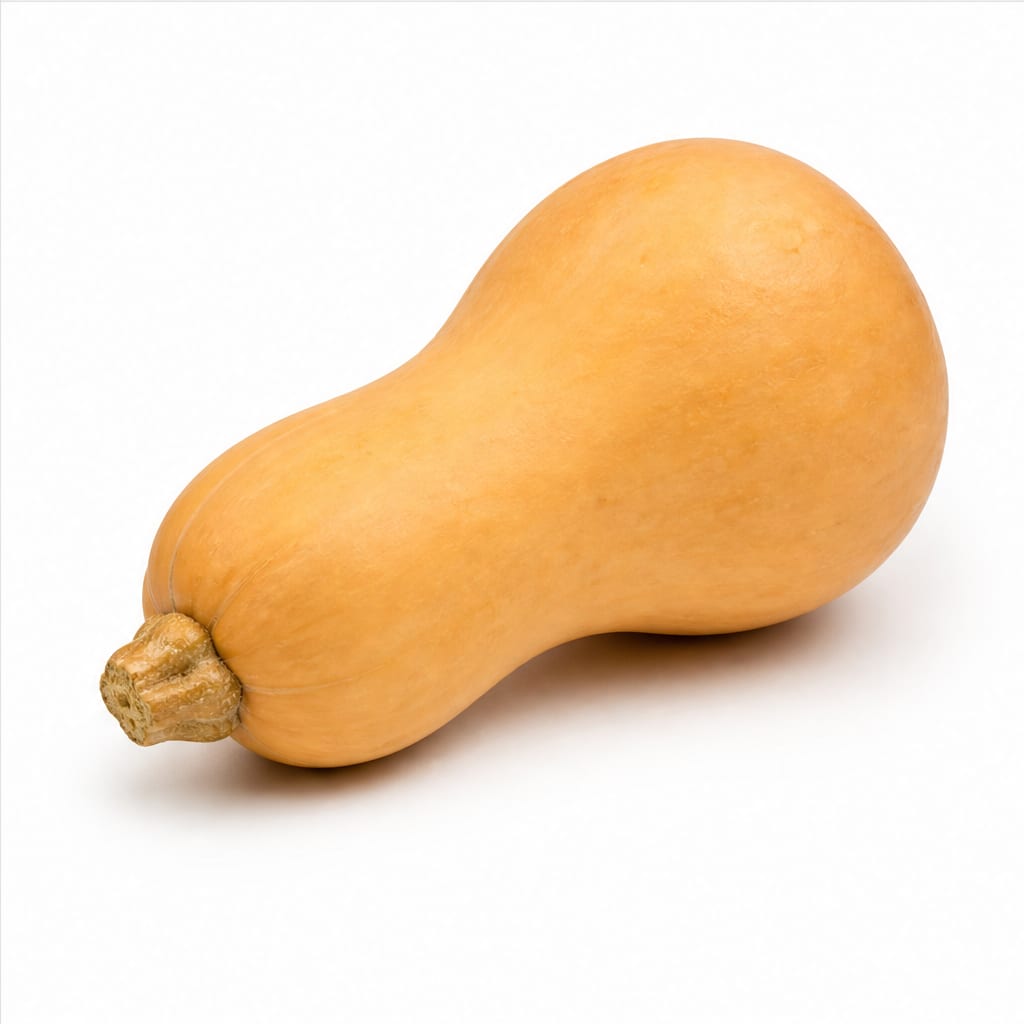
Butternut Squash
Butternut Squash wins as a daily food — it is safe, nutritious, and easy to incorporate into meals. Trichosanthes Kirilowii is a potent medicinal herb, not a dietary staple.
Butternut Squash scores dramatically higher because it is a safe, nutrient-dense food suitable for daily consumption. Trichosanthes Kirilowii scores low as a food choice due to toxicity risks, limited culinary use, and the need for professional supervision — though it has legitimate medicinal value in the right context.
Trichosanthes Kirilowii offers targeted medicinal properties but carries real toxicity risks and is unsuitable for casual eating. Butternut Squash delivers reliable everyday nutrition with virtually no safety concerns.
At a glance
Executive summary
Overall
Butternut Squash
Healthier
Butternut Squash
More practical
Butternut Squash
Daily use
Butternut Squash
Key comparison lenses
medicinal herb vs everyday food
Trichosanthes Kirilowii is primarily a Traditional Chinese Medicine herb, while Butternut Squash is a common culinary vegetable — this fundamentally shapes how each should be used
safety and toxicity awareness
Trichosanthes Kirilowii contains trichosanthin and other compounds with documented toxicity risks, making safety the most critical comparison factor
nutritional value for daily eating
Users likely want to know which is better as a regular dietary choice for vitamins, minerals, and sustained energy
blood sugar and metabolic health
Both are starchy plant foods, but their glycemic and metabolic effects differ significantly
accessibility and practical use
Butternut Squash is widely available in grocery stores; Trichosanthes Kirilowii requires specialty sourcing and preparation knowledge
Best choice for
Trichosanthes Kirilowii
- Targeted herbal therapy under professional guidance
- Traditional Chinese Medicine protocols for heat-clearing or fluid production
- Research-backed medicinal applications supervised by a qualified practitioner
Butternut Squash
- Everyday balanced nutrition
- Family meals and children's diets
- Consistent fiber and vitamin A intake
- Weight management and satiety
Least suitable for
Trichosanthes Kirilowii
- Pregnant women — can stimulate uterine contractions
- Children or anyone self-prescribing herbal remedies
- Daily culinary use as a vegetable side dish
- People seeking simple, safe nutrition
Butternut Squash
- Those strictly limiting carbohydrate intake
- People with severe squash allergies (rare)
Deep comparison
Dimension by dimension
Each lens scores both foods and breaks down who each option suits.
- Dimension 1 · Priority 95Butternut Squash
safety_profile
Trichosanthes Kirilowii · 25Butternut Squash · 95Butternut Squash is safe for nearly everyone. Trichosanthes Kirilowii contains trichosanthin and other compounds that can cause serious adverse effects, especially in pregnant women.
Tradeoff
Medicinal potency comes with real danger — Trichosanthes Kirilowii is not something to casually add to your diet.
Why it matters
Eating something daily that can trigger uterine contractions or allergic reactions is a serious risk most people should not take.
Real-world impact
A pregnant woman unknowingly consuming Trichosanthes Kirilowii could face pregnancy complications. Butternut Squash poses no such risk.
Trichosanthes Kirilowii
- Practitioners who understand proper dosing and preparation
Better for
- Self-medicating without guidance
- Pregnancy
- Long-term unsupervised use
Worse for
Butternut Squash
- Pregnant women
- Children
- Anyone eating without medical supervision
- People who want worry-free meals
Better for
- Dimension 2 · Priority 85Butternut Squash
nutritional_density
Trichosanthes Kirilowii · 35Butternut Squash · 80Butternut Squash delivers substantial vitamin A, vitamin C, potassium, and fiber per serving. Trichosanthes Kirilowii has limited nutritional data and is not consumed for its nutrient profile.
Tradeoff
If you want vitamins and minerals on your plate, Butternut Squash is the clear choice. Trichosanthes Kirilowii serves a different purpose entirely.
Why it matters
Daily nutrition comes from what you eat regularly — Butternut Squash actually contributes to your vitamin A and fiber goals.
Real-world impact
One cup of Butternut Squash covers over 400% of your daily vitamin A needs. Trichosanthes Kirilowii cannot make that claim.
Trichosanthes Kirilowii
- Reliable macronutrient nutrition
- Vitamin and mineral targets
Worse for
Butternut Squash
- Meeting daily vitamin needs
- Supporting immune function through beta-carotene
- Fiber intake for digestive health
Better for
- Dimension 3 · Priority 75Butternut Squash
blood_sugar_stability
Trichosanthes Kirilowii · 40Butternut Squash · 70Butternut Squash has a moderate glycemic load balanced by fiber. Trichosanthes Kirilowii has some traditional use for blood sugar management, but evidence is limited and preparation risks remain.
Tradeoff
Butternut Squash gives you predictable, steady energy. Trichosanthes Kirilowii's blood sugar effects are less documented and harder to dose safely.
Why it matters
Stable blood sugar affects your energy, mood, and cravings throughout the day.
Real-world impact
Roasted Butternut Squash with a protein source makes a satisfying meal that avoids energy crashes. Trichosanthes Kirilowii cannot fill that role.
Trichosanthes Kirilowii
- TCM-guided metabolic support protocols
Better for
- Unpredictable effects without professional dosing
Worse for
Butternut Squash
- Predictable post-meal energy
- Diabetes-friendly meal planning
- Steady afternoon focus
Better for
- Dimension 4 · Priority 80Butternut Squash
culinary_versatility_and_enjoyment
Trichosanthes Kirilowii · 15Butternut Squash · 90Butternut Squash is delicious roasted, blended into soups, mashed, or added to stews. Trichosanthes Kirilowii is bitter, medicinal-tasting, and not used in everyday cooking.
Tradeoff
Food you enjoy eating is food you will actually eat. Butternut Squash is a comfort food; Trichosanthes Kirilowii is a remedy.
Why it matters
Sustainability in diet comes from pleasure and ease. Bitter medicinal roots do not replace satisfying meals.
Real-world impact
A warm bowl of Butternut Squash soup on a cold evening is nourishing and comforting. No one reaches for Trichosanthes Kirilowii root for comfort.
Trichosanthes Kirilowii
- Enjoyable eating experiences
- Recipe adaptability
Worse for
Butternut Squash
- Family dinners
- Meal prep and batch cooking
- Comforting fall and winter meals
- Recipe variety
Better for
- Dimension 5 · Priority 70Butternut Squash
accessibility_and_cost
Trichosanthes Kirilowii · 20Butternut Squash · 88Butternut Squash is available in nearly every grocery store year-round at low cost. Trichosanthes Kirilowii requires specialty herb shops or online ordering with quality verification challenges.
Tradeoff
Convenience matters for consistency. The harder something is to find, the less likely you are to use it regularly.
Why it matters
A nutritious food you can buy anywhere beats a medicinal herb you must specially source.
Real-world impact
You can grab Butternut Squash at any supermarket for a few dollars. Trichosanthes Kirilowii requires research, trusted suppliers, and often higher cost.
Trichosanthes Kirilowii
- Access to TCM practitioners and herbal pharmacies
Better for
- Impulse or convenient purchasing
- Quality consistency
Worse for
Butternut Squash
- Weekly grocery shopping
- Bulk buying and storage
- Rural and urban availability
Better for
- Dimension 6 · Priority 80Trichosanthes Kirilowii
medicinal_and_therapeutic_value
Trichosanthes Kirilowii · 78Butternut Squash · 40Trichosanthes Kirilowii has documented medicinal properties including anti-inflammatory, antitumor, and potential antiviral effects. Butternut Squash offers general health benefits but is not therapeutic.
Tradeoff
When you need targeted herbal medicine, Trichosanthes Kirilowii has real pharmacological activity. But this requires professional guidance — it is not a DIY supplement.
Why it matters
Medicinal herbs can be powerful tools, but power without knowledge is dangerous.
Real-world impact
A TCM practitioner might prescribe Trichosanthes Kirilowii for specific conditions. Butternut Squash will never replace that — nor should it try.
Trichosanthes Kirilowii
- Targeted herbal therapy
- TCM heat-clearing protocols
- Professional-guided treatment plans
Better for
- Self-prescribed supplementation
- Casual health boosting
Worse for
Butternut Squash
- General wellness maintenance
- Preventive nutrition
Better for
- Specific therapeutic interventions
Worse for
Timeline
Health impact over time
Short-term
Hours to days
Trichosanthes Kirilowii
- Possible nausea or digestive upset if improperly prepared
- Risk of allergic reactions, especially in sensitive individuals
- Diuretic effect may increase urination
Butternut Squash
- Comforting satiety from fiber and complex carbs
- Steady energy without spikes or crashes
- Mild digestive adjustment if increasing fiber quickly
Long-term
Months to years
Trichosanthes Kirilowii
- Potential toxicity with chronic unsupervised use
- Possible interference with medications or pregnancy
- No established safe long-term dietary intake level
Butternut Squash
- Consistent vitamin A intake supports eye and immune health
- Fiber supports cardiovascular and digestive health over time
- Safe for daily consumption across life stages
Risk profile
Safety & processing
Both are whole, minimally processed plant products. The concern with Trichosanthes Kirilowii is not processing but inherent natural toxicity — some compounds in the raw root are potent enough to be dangerous regardless of preparation method.
Trichosanthes Kirilowii
Trichosanthin toxicity
highThis protein can cause severe reactions including neurotoxicity and is contraindicated in pregnancy due to uterine-stimulating effects
Misidentification and quality control
mediumHerbal products may be adulterated or mislabeled, making dosing unreliable without verified sourcing
Allergic reactions
mediumSome individuals experience contact dermatitis or systemic allergic responses to Trichosanthes species
Butternut Squash
Pesticide residue on conventionally grown squash
lowButternut Squash has a thick skin that reduces pesticide penetration; peeling further minimizes exposure
Oral allergy syndrome in ragweed-sensitive individuals
lowRare cross-reactivity can cause mild mouth itching in people with ragweed allergies, usually resolved by cooking
Who wins for whom
Audience fit
Same foods, different winners depending on your goal.
children
Butternut SquashButternut Squash is mild, sweet, and safe for kids. Trichosanthes Kirilowii is inappropriate for children due to toxicity risks
daily consumption
Butternut SquashButternut Squash is a safe, enjoyable daily vegetable. Trichosanthes Kirilowii should never be consumed daily without professional oversight
diabetes
Butternut SquashButternut Squash has a moderate glycemic load with fiber that slows absorption; Trichosanthes Kirilowii's blood sugar effects are unpredictable without professional dosing
elderly
Butternut SquashButternut Squash is easy to digest, nutrient-dense, and supports immune and eye health with vitamin A. Trichosanthes Kirilowii requires caution in older adults due to potential drug interactions
muscle gain
Butternut SquashNeither is a protein powerhouse, but Butternut Squash offers usable carbs for training fuel and recovery meals
weight loss
Butternut SquashButternut Squash provides filling fiber and volume with moderate calories, making it easier to stay satisfied while in a deficit
Your move
Decision guide
Choose Trichosanthes Kirilowii
- You are working with a qualified TCM practitioner who has prescribed it
- You need targeted herbal therapy for a specific diagnosed condition
- You have verified the source and quality of the Trichosanthes Kirilowii product
- You are not pregnant, breastfeeding, or taking medications that could interact
Choose Butternut Squash
- You want a nutritious vegetable for regular meals
- You are feeding a family including children
- You need reliable vitamin A and fiber intake
- You want something delicious, safe, and easy to prepare
- You are managing your weight or blood sugar through diet
Either works if
- You are interested in both culinary nutrition and traditional herbal medicine as separate practices
Avoid both if
- You have a specific squash allergy or severe ragweed sensitivity
Final recommendation
For 99% of everyday eating situations, Butternut Squash is the right choice — it is safe, nutritious, delicious, and accessible. Trichosanthes Kirilowii is a medicinal herb with real therapeutic potential but also real risks. Use it only under professional guidance, never as a casual food substitute. Think of them as entirely different categories: dinner versus medicine.
Practical
Consumer tips
- 1
Butternut Squash stores well in a cool, dark place for weeks — buy in bulk when in season
- 2
Peel and cube Butternut Squash on Sunday for easy weeknight roasting or soup-making
- 3
If you are curious about Trichosanthes Kirilowii, consult a licensed TCM practitioner rather than self-prescribing
- 4
Never consume Trichosanthes Kirilowii during pregnancy — this is a hard safety rule
- 5
Roasting Butternut Squash with olive oil and cinnamon enhances both flavor and nutrient absorption
- 6
If buying Trichosanthes Kirilowii products, look for GMP-certified suppliers with third-party testing