
Soup
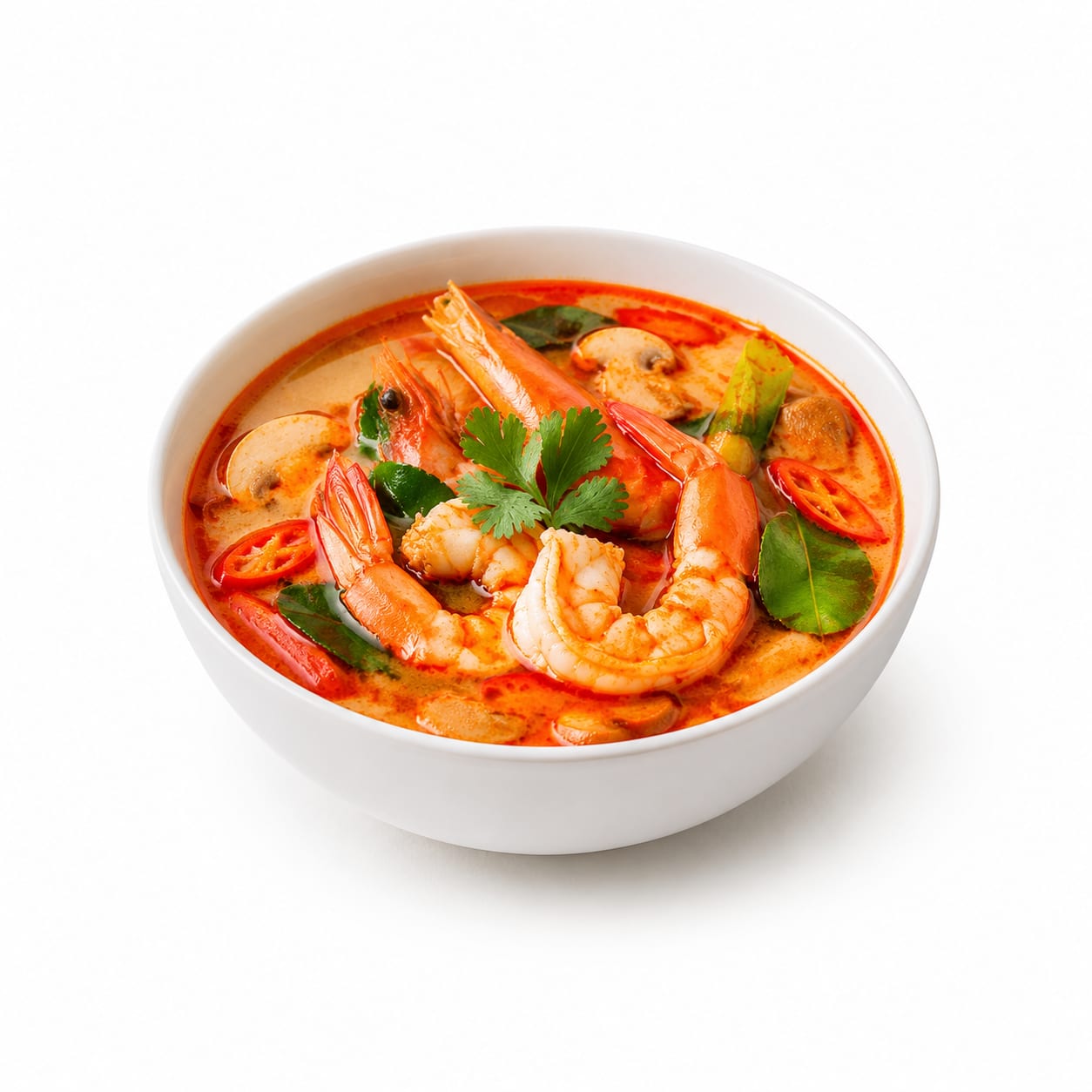
Tom Yum Goong
A low-calorie, high-protein Thai hot and sour soup made with shrimp and aromatic herbs.
A traditional Thai hot and sour soup featuring shrimp, mushrooms, tomatoes, and aromatic herbs like lemongrass, galangal, and kaffir lime leaves, seasoned with fish sauce and chili paste.
low-calorie high-protein liquid meal
Typical serving · 250g
Common varieties · clear tom yum goong (nam sai), creamy tom yum goong (nam khon), tom yum gai (chicken), tom yum pla (fish), tom yum talay (mixed seafood)
Overall context score across nutrition, safety, and diet fit
At a glance
Quick facts
Simple indicators based on nutrition, processing, and diet fit.
The story
What makes it unique
A low-carbohydrate, high-protein liquid meal with rapid gastric emptying due to its broth base. The macronutrient profile is dominated by lean protein from shrimp, while the high water content and capsaicin from chilies promote early satiety. Processing is minimal, relying on fresh aromatics, though added fish sauce contributes significant sodium.
Varieties: clear tom yum goong (nam sai) · creamy tom yum goong (nam khon) · tom yum gai (chicken) · tom yum pla (fish) · tom yum talay (mixed seafood)
Per 100g
Nutrition breakdown
Macro balance and key metrics at a glance.
Energy
Density 0.50 kcal/g
Protein
Carbs
Fat
Fiber
Sugar
1.5 g
Sodium
850 mg
Potassium
160 mg
Glycemic index
15
Glycemic load
1
Water content
89%
Standout compounds
Nutrient highlights
Protein
highSupports muscle repair and satiety
Iodine
highEssential for thyroid hormone production
Sodium
highMaintains fluid balance but easily overconsumed
Vitamin B12
moderateCrucial for nerve function and red blood cell formation
Capsaicin
moderateMay slightly boost metabolism and clear congestion
Wellness map
Health scores & processing
NOVA processing scale
Moderate · Whole food
Primarily composed of whole, unrefined ingredients like shrimp and fresh vegetables, but uses processed condiments such as fish sauce and chili paste for flavoring.
Diet compatibility
- Weight loss
- Muscle gain
- Diabetes
- Gut health
- Low carb
- High protein
- Heart health
Relative standing
Food rankings
Qualitative ranks compared to similar whole foods.
- Satietygood
- Blood sugarexcellent
- Nutrient densitymoderate
- Fitness fuelgood
- Processing qualitygood
Eat with confidence
Food safety profile
Shrimp carries a moderate risk of antibiotic residues and heavy metals depending on farming practices. Proper cooking eliminates most microbial risks from raw seafood.
Evidence confidence 85%
- Pesticideslow
- Antibioticsmoderate
- Heavy metalsmoderate
- Contaminationmoderate
Watch for
- vibrio
- antibiotic residues
- arsenic
Safer choices
Wild-caught shrimp or certified sustainably farmed shrimp from reputable sources.
Prep tips
Ensure shrimp is cooked thoroughly until completely opaque; wash all fresh produce before adding to the broth.
Imported farmed shrimp frequently face scrutiny for antibiotic residues and inconsistent environmental standards.
Deep dive
Health analysis
How this food may fit different goals and preparation choices.
Weight loss
High water volume and lean protein increase satiety per calorie, making it effective for weight loss if sodium-induced water retention is managed.
Blood sugar
Extremely low carbohydrate content prevents glycemic spikes, making it highly suitable for blood sugar control.
Fitness & energy
Provides high-quality lean protein for muscle repair, though the liquid format digests quickly and may not provide long-lasting energy.
Gut health
Galangal and lemongrass have anti-inflammatory properties, but high capsaicin levels can irritate sensitive stomachs or exacerbate GERD.
Processing quality
Built on whole, unrefined ingredients, though the inclusion of fish sauce and chili paste adds processed sodium and sugar.
Food safety
Primary concerns relate to shrimp sourcing, specifically antibiotic use in aquaculture and heavy metal accumulation in seafood.
Common mistakes
Assuming all versions are low-calorie; creamy versions (nam khon) use evaporated milk or coconut milk, significantly increasing fat and calories.
Best preparation
Homemade using low-sodium fish sauce and fresh aromatics to control salt intake and avoid MSG or excess oil.
Practical guide
Best use cases
When and how this food fits real eating patterns.
Low-carb restaurant dining
An excellent choice when eating out at Thai restaurants while maintaining a ketogenic or low-carb diet.
High-volume low-calorie meals
The large water content fills the stomach with minimal calories, aiding portion control.
Post-workout lean protein
Provides fast-digesting protein from shrimp to support muscle repair without heavy fats.
Clearing sinus congestion
The capsaicin and steam from the hot broth help open nasal passages during a cold.
Balance sheet
Pros & cons
Upsides
- Low in calories and carbohydrates
- High in lean protein from shrimp
- Rich in anti-inflammatory herbs and spices
- High water content promotes fullness
- Very low glycemic impact
Trade-offs
- Extremely high in sodium from fish sauce
- Spicy ingredients can trigger acid reflux
- Shrimp farming raises sustainability and antibiotic concerns
- Creamy versions add significant saturated fat and calories
- Low in dietary fiber
Fit check
Who is it for?
Great match
- low-carb and keto dieters
- weight loss meal prep
- high-volume eaters
- post-workout rehydration and protein
Consider alternatives
- low-sodium or hypertension diets
- people with GERD or sensitive stomachs
- those with shellfish allergies
- strict whole-food plant-based diets
Side by side
How it compares
Open the full head-to-head analysis for nutrition, safety, and practical tradeoffs.
This food
Tom Yum Goong
VS85% alike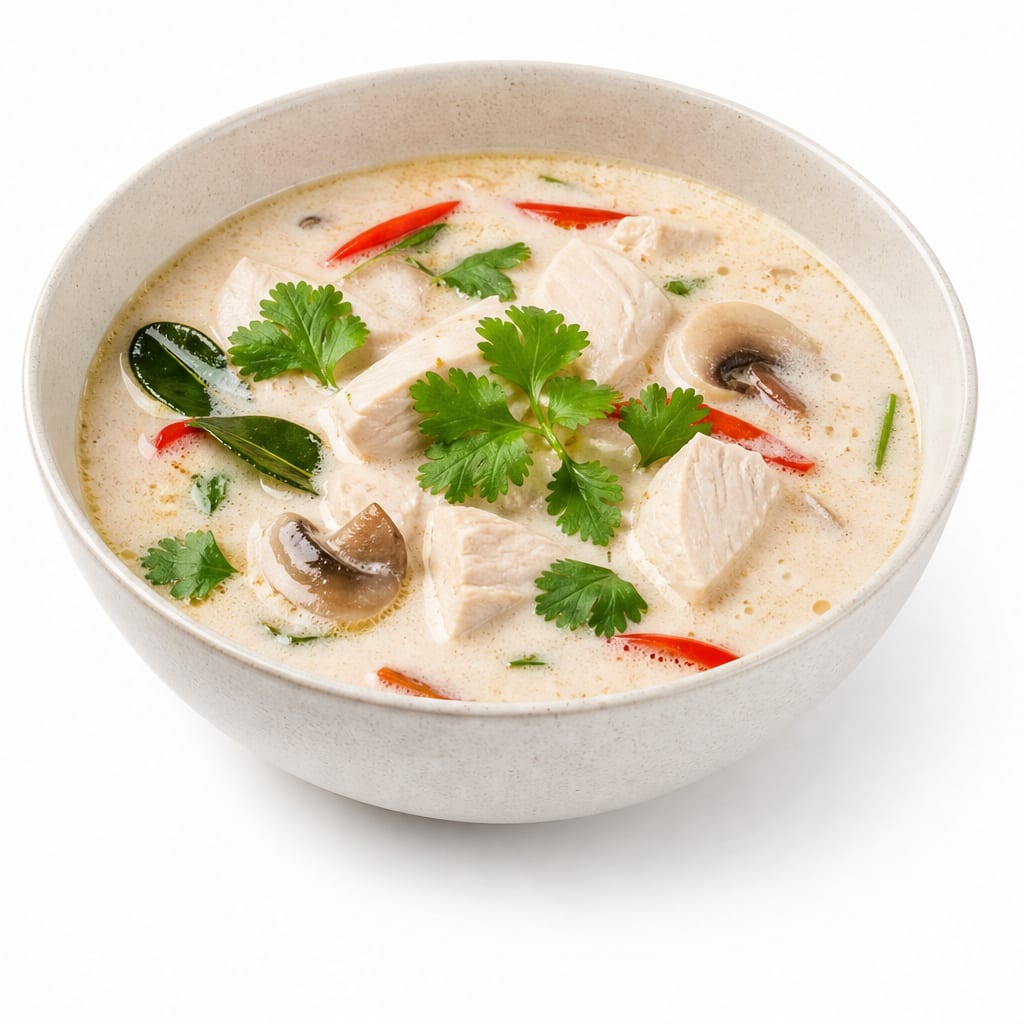
Compare with
Tom Kha Gai
Tom Yum Goong is lower in calories and fat than Tom Kha Gai, which relies on coconut milk for richness.
Tom Yum Goong is lower in calories and fat than Tom Kha Gai, which relies on coconut milk for richness.
This food
Tom Yum Goong
VS80% alike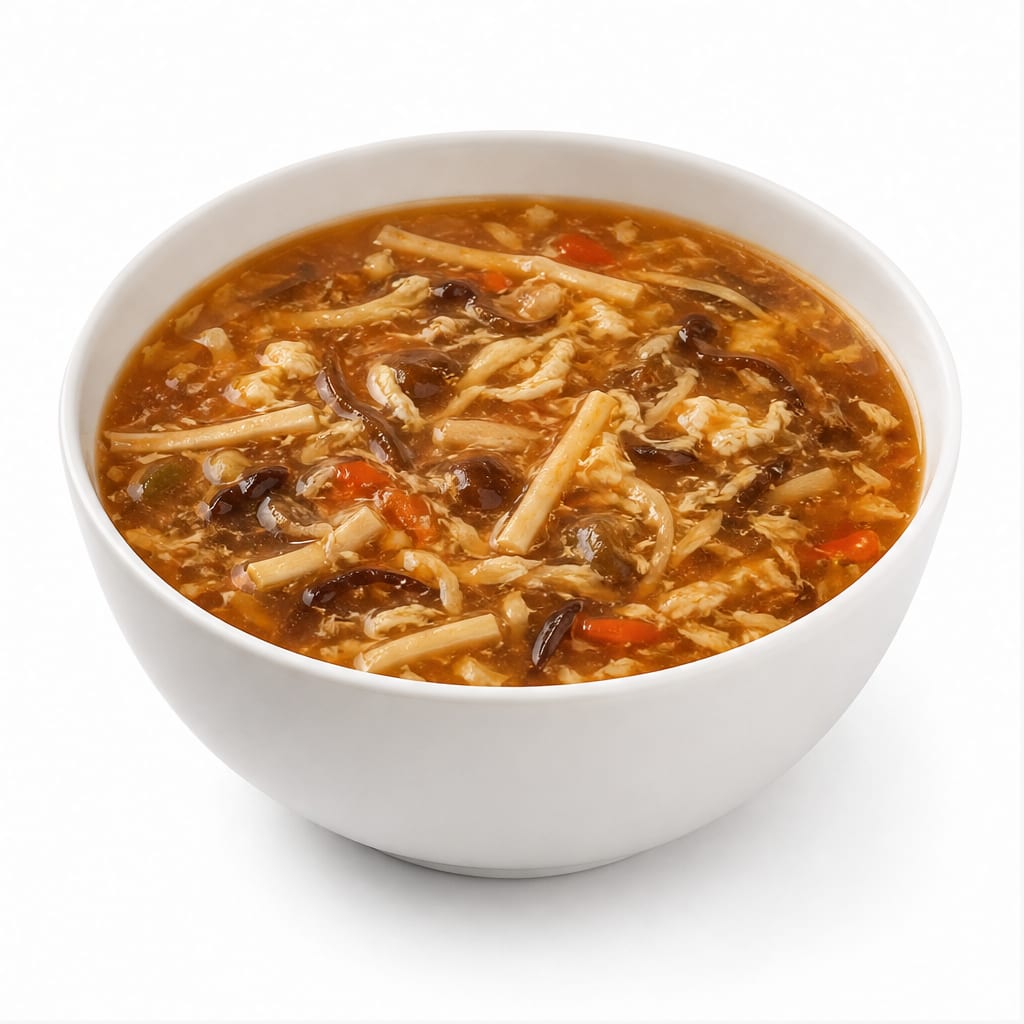
Compare with
Chinese Hot and Sour Soup
Tom Yum Goong offers more lean protein from shrimp and fewer carbs than Chinese hot and sour soup, which is thickened with starch.
Tom Yum Goong provides more lean protein and fewer carbs than Chinese hot and sour soup, which uses cornstarch.
This food
Tom Yum Goong
VS75% alike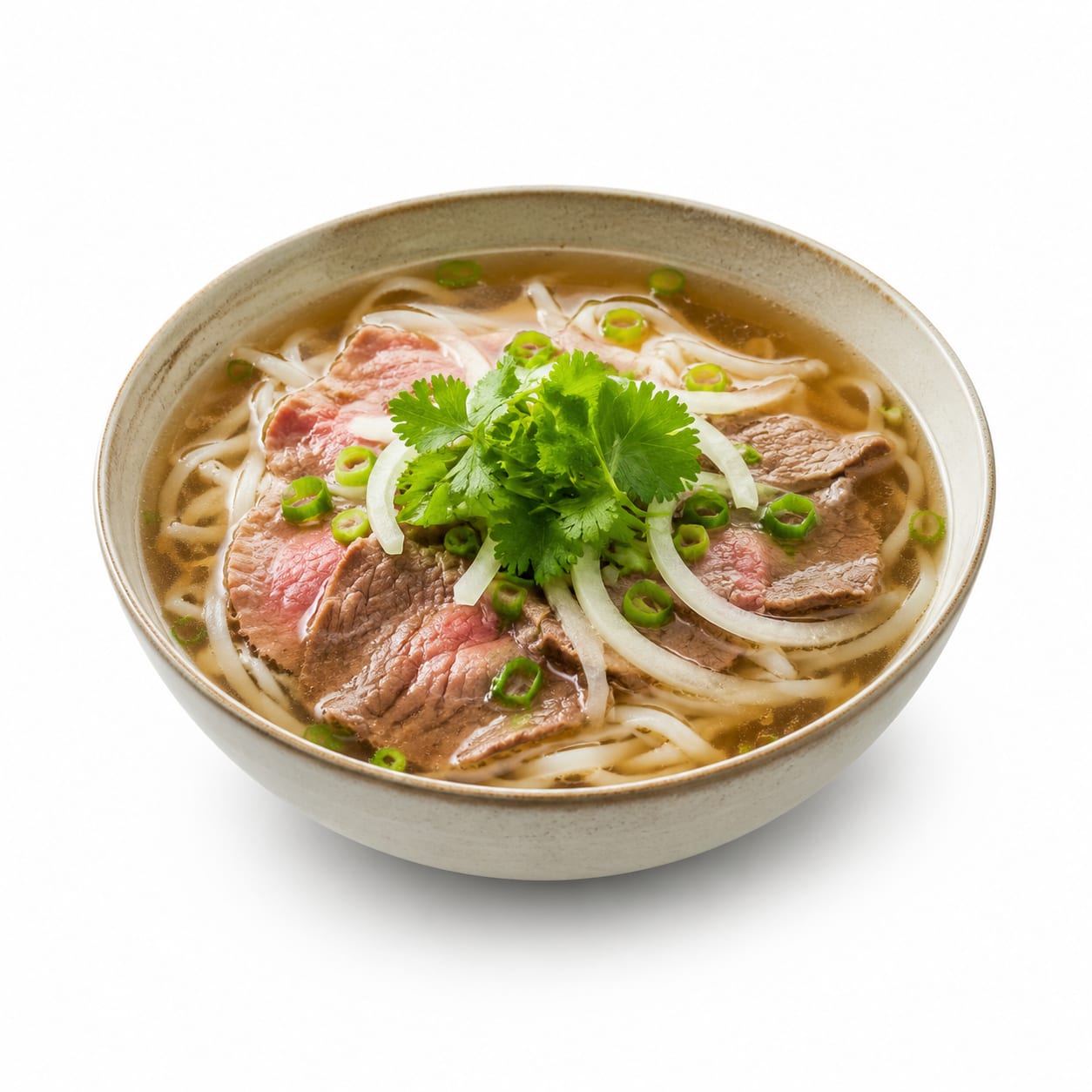
Compare with
Pho
Tom Yum Goong is much lower in carbohydrates and calories than Pho, which contains a large portion of rice noodles.
Tom Yum Goong is much lower in carbs and calories than Pho, which contains a large portion of rice noodles.
This food
Tom Yum Goong
VS70% alike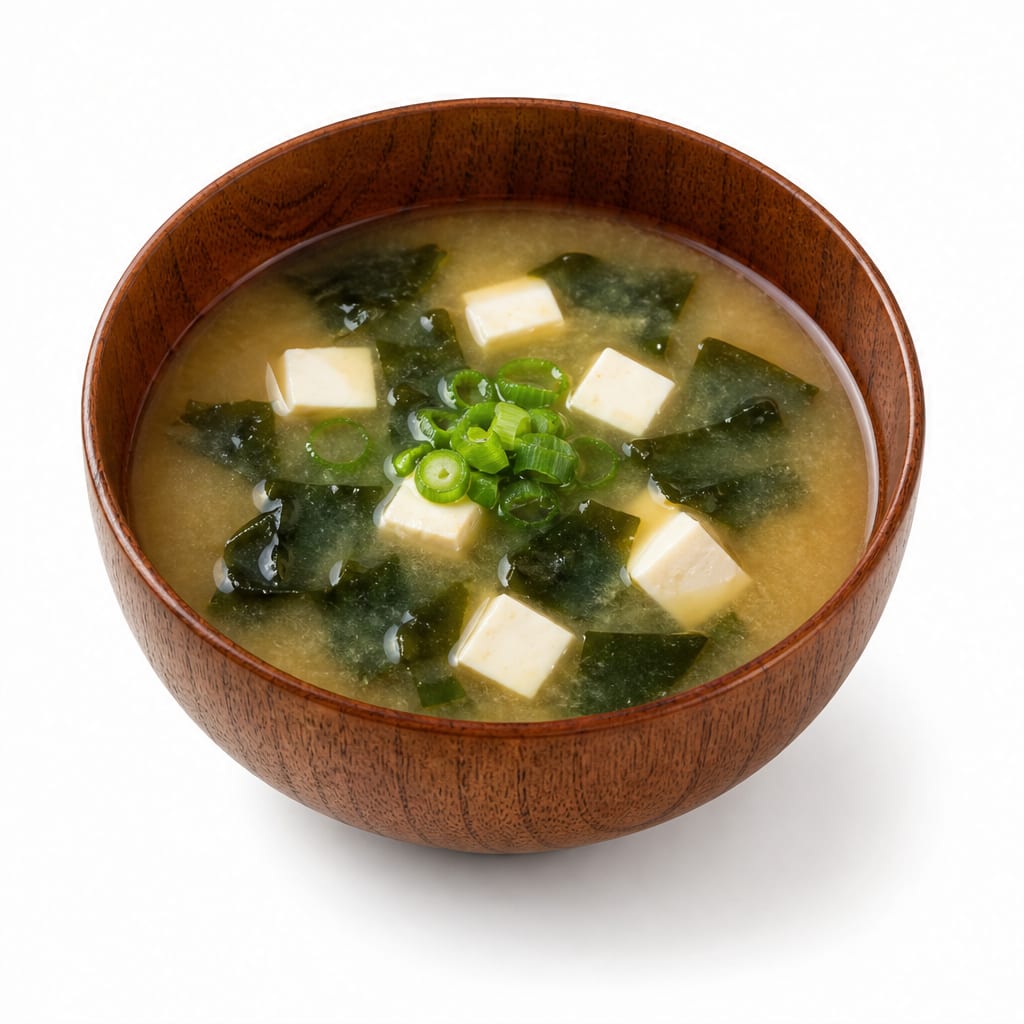
Compare with
Miso Soup
Miso soup is lower in calories but Tom Yum Goong provides significantly more protein and satiety per serving.
Miso soup is lower in calories, but Tom Yum Goong provides significantly more protein and satiety per serving.
This food
Tom Yum Goong
VS70% alike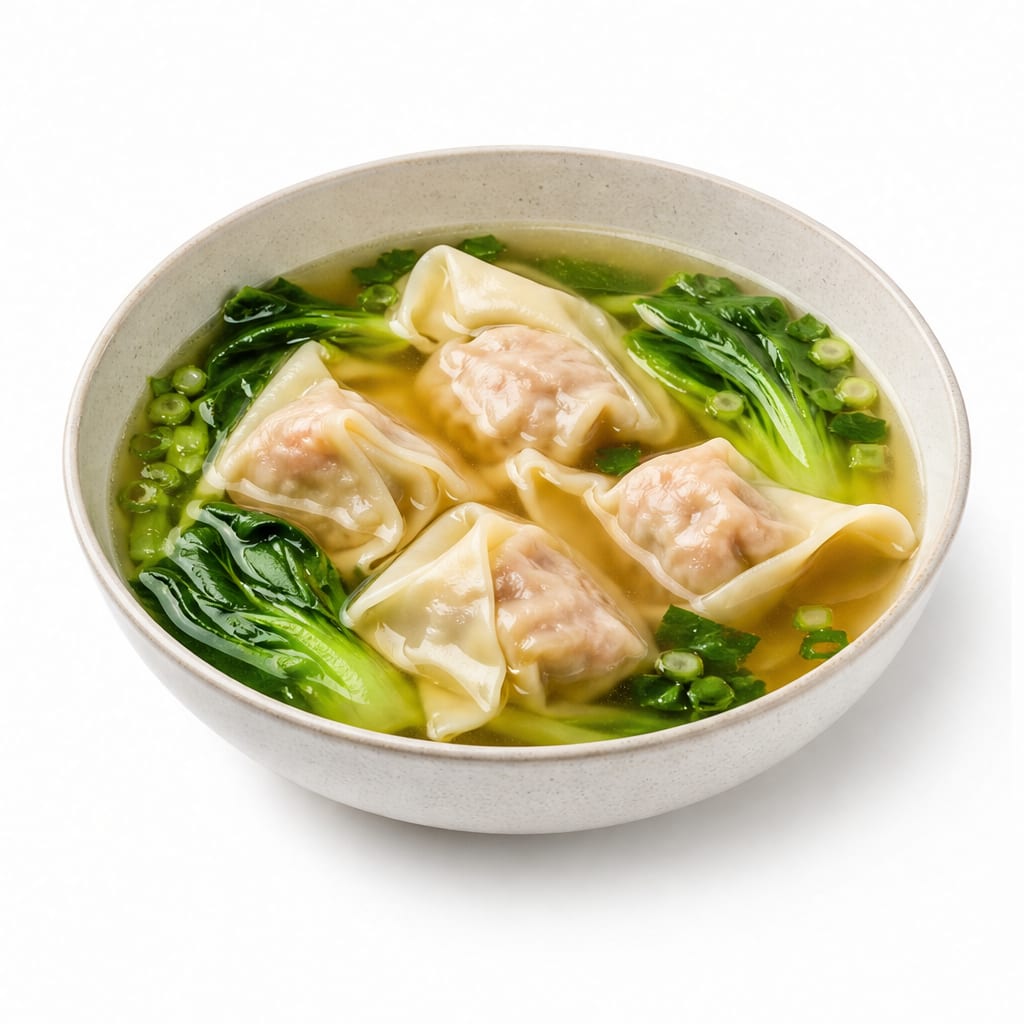
Compare with
Wonton Soup
Tom Yum Goong is lower in carbs and calories compared to wonton soup, which features wheat-based wrappers.
Tom Yum Goong is lower in carbs and calories compared to wonton soup, which features wheat-based wrappers.
This food
Tom Yum Goong
VS65% alike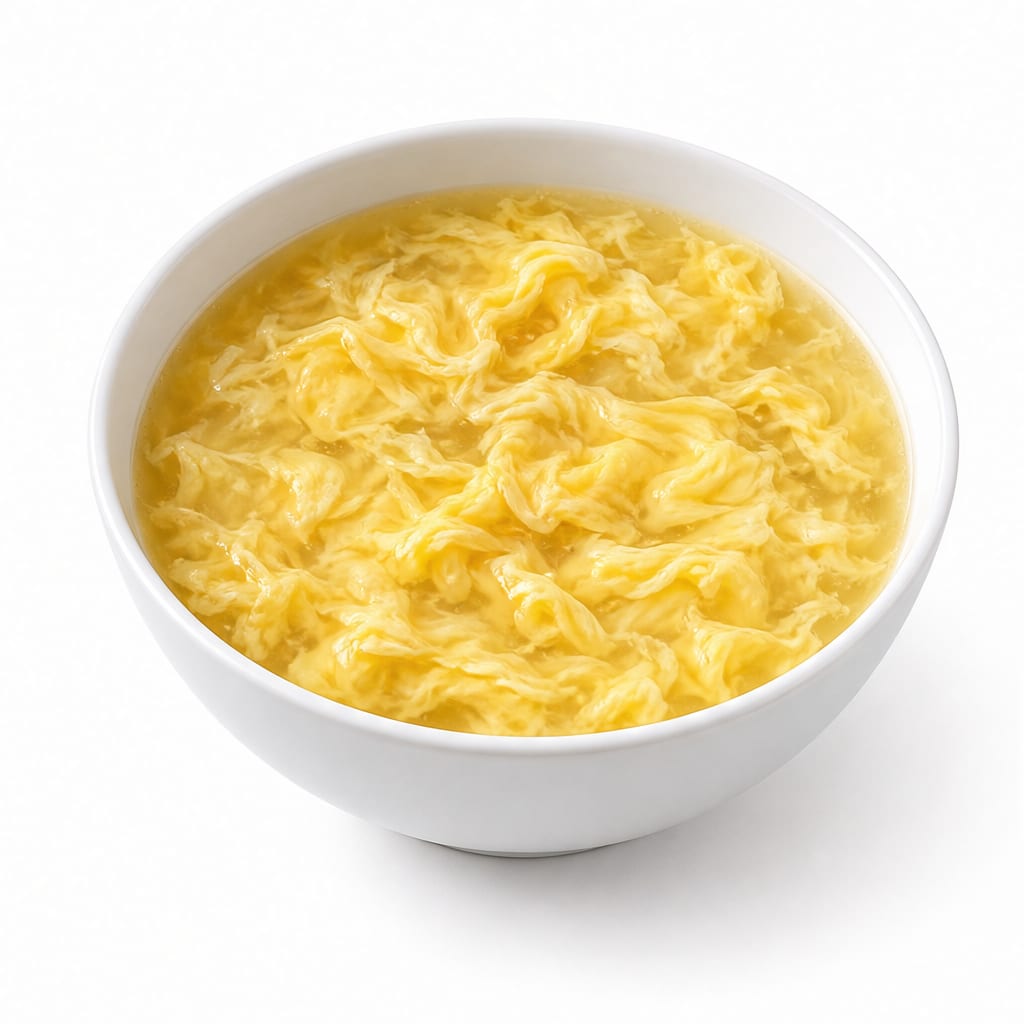
Compare with
Egg Drop Soup
Both are low-carb options, but Tom Yum Goong provides more substantial protein from shrimp and a more complex flavor profile.
Both are low-carb options, but Tom Yum Goong provides more substantial protein from shrimp than Egg Drop Soup.
This food
Tom Yum Goong
VS60% alike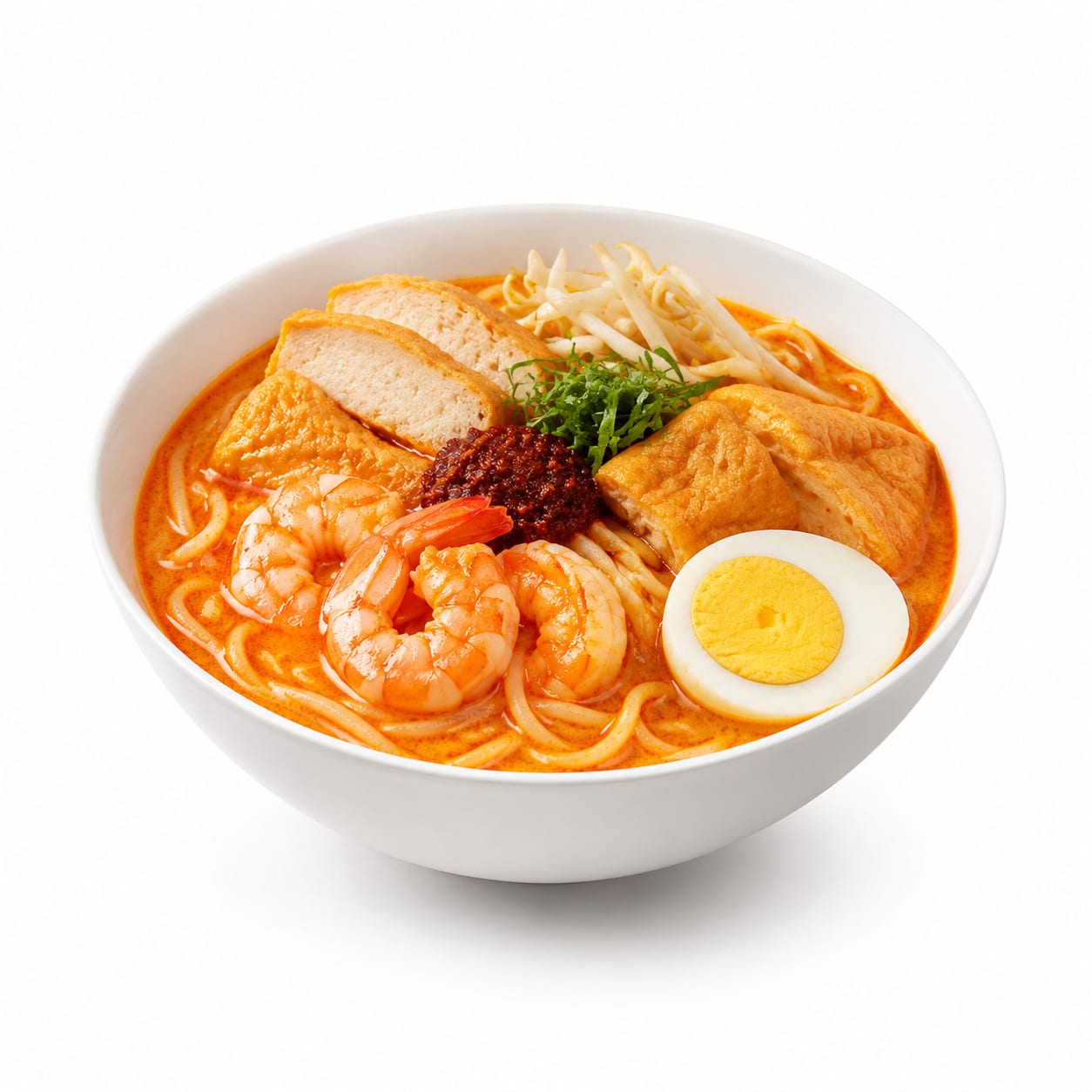
Compare with
Laksa
Tom Yum Goong is vastly lower in calories and fat than Laksa, which uses a rich coconut milk and noodle base.
Tom Yum Goong is vastly lower in calories and fat than Laksa, which uses a rich coconut milk and noodle base.
This food
Tom Yum Goong
VS55% alike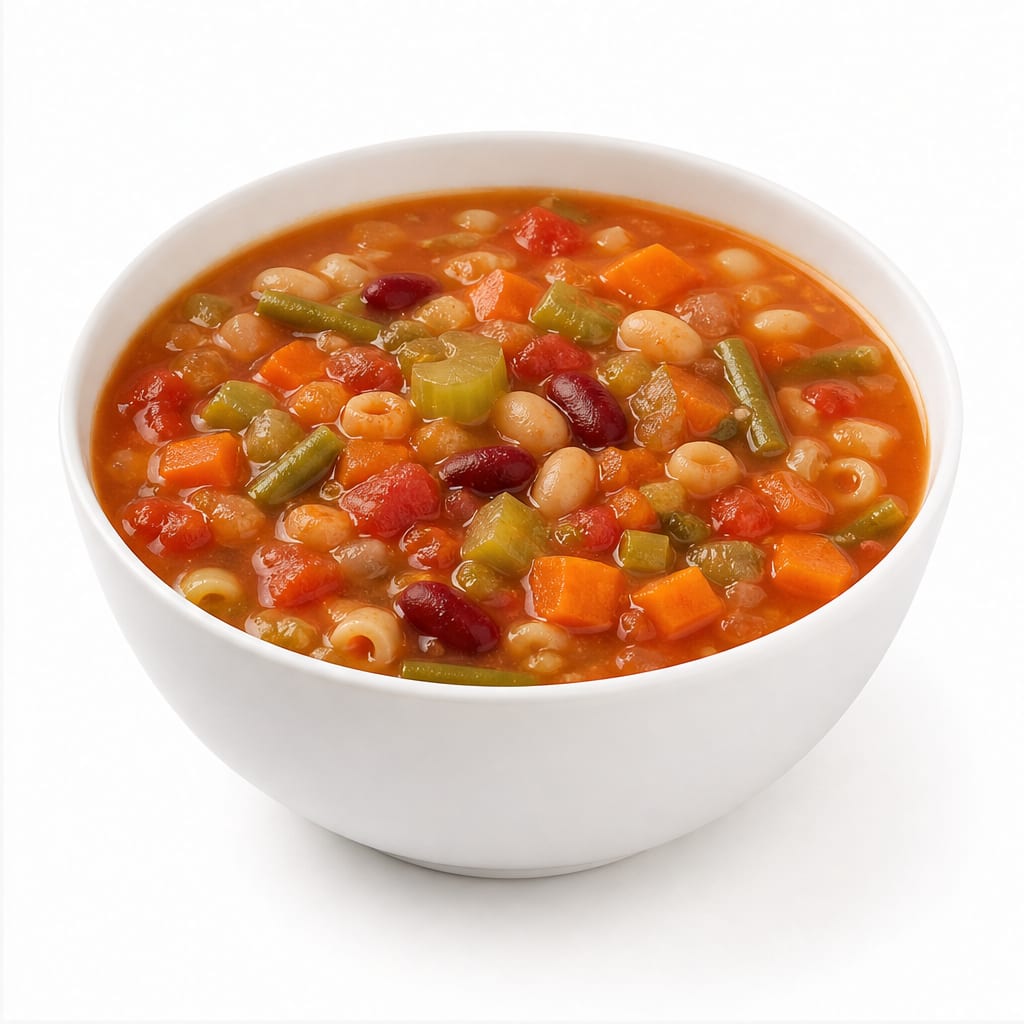
Compare with
Minestrone
Minestrone offers more fiber from vegetables and beans, but Tom Yum Goong is significantly lower in carbohydrates.
Minestrone offers more fiber, but Tom Yum Goong is significantly lower in carbohydrates and calories.
This food
Tom Yum Goong
VS65% alike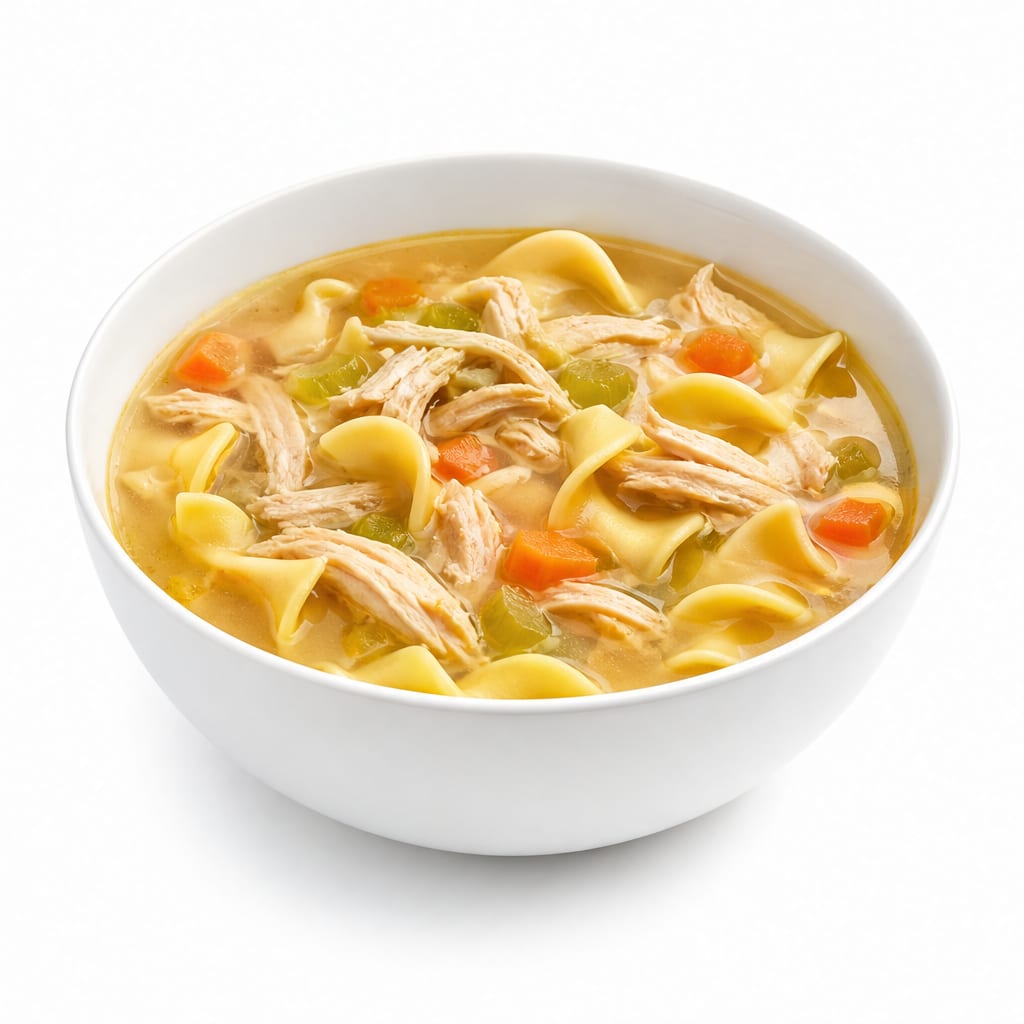
Compare with
Chicken Noodle Soup
Tom Yum Goong is lower in carbohydrates than chicken noodle soup, providing a leaner protein profile without the egg noodles.
Tom Yum Goong is lower in carbohydrates than chicken noodle soup, providing a leaner protein profile.
This food
Tom Yum Goong
VS50% alike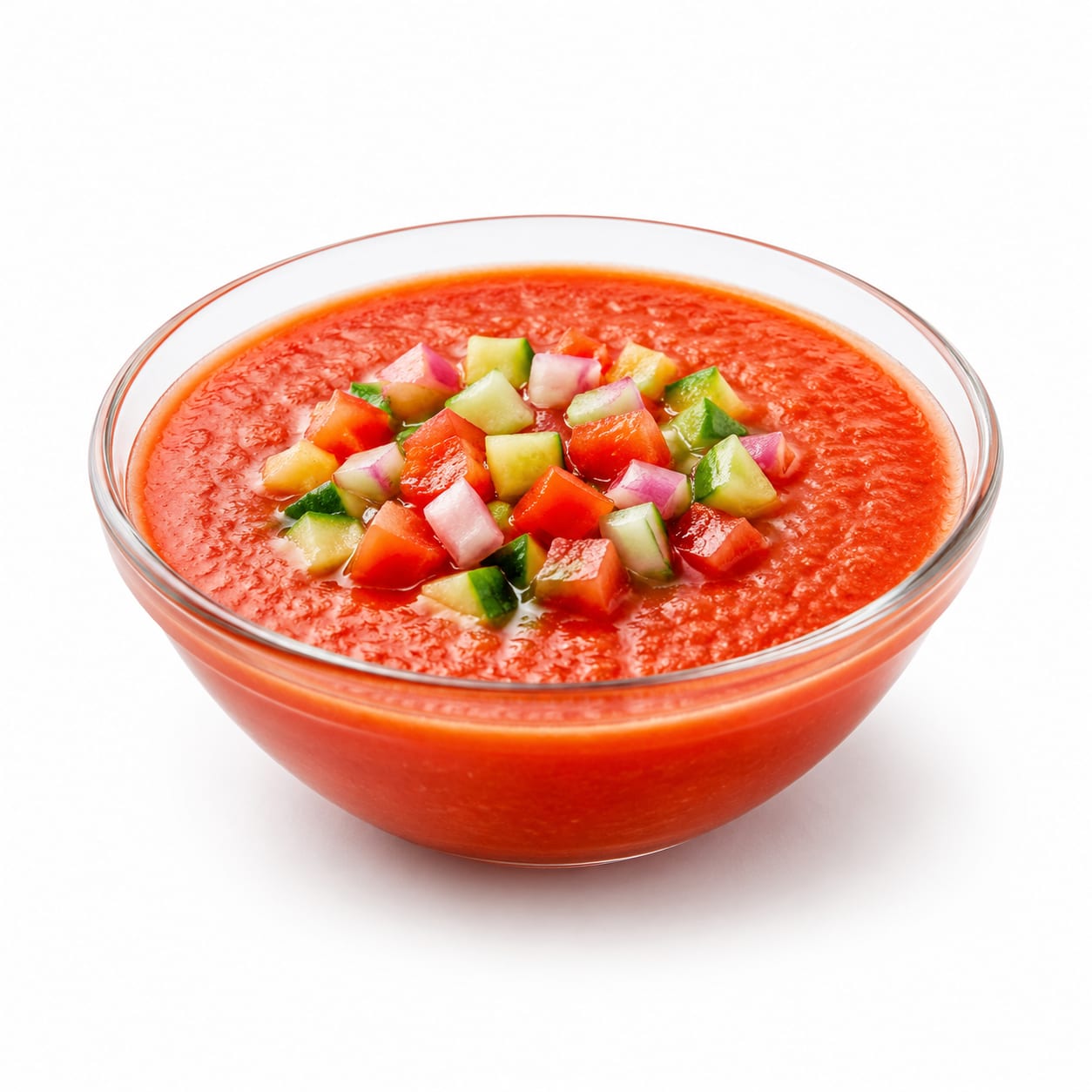
Compare with
Gazpacho
Gazpacho is raw and fiber-rich, but Tom Yum Goong delivers much higher protein content from shrimp for muscle support.
Gazpacho is raw and fiber-rich, but Tom Yum Goong delivers much higher protein content from shrimp.
Common questions
FAQ
Answers aligned with how people search for this food.
Is Tom Yum Goong good for weight loss?
Yes, the clear version is low in calories and high in lean protein from shrimp, which promotes satiety. However, high sodium from fish sauce may cause temporary water retention.
How many carbs are in Tom Yum Goong?
A typical bowl contains very few carbs, usually around 5 to 10 grams, mostly coming from the vegetables and a small amount of sugar in the broth.
Is Tom Yum Goong keto friendly?
Clear Tom Yum Goong is highly keto-friendly due to its low carbohydrate content. Avoid creamy versions which add milk or coconut milk and extra carbs from chili paste.
Why is Tom Yum Goong so high in sodium?
The soup relies heavily on fish sauce for its signature salty and umami flavor, which drives the sodium content up significantly per serving.
Can diabetics eat Tom Yum Goong?
Yes, the low carbohydrate and sugar content means it will not spike blood sugar levels, making it a safe and satisfying choice for diabetics.
What is the difference between clear and creamy Tom Yum?
Clear Tom Yum uses only broth, while creamy Tom Yum adds evaporated milk or coconut milk and roasted chili paste for a richer, higher-calorie texture.
Does Tom Yum Goong have a lot of protein?
Yes, the shrimp provides a solid amount of high-quality lean protein, making it a good option for muscle maintenance and satiety.
Is Tom Yum soup good for a cold?
The hot broth, spicy chilies, and aromatic herbs like lemongrass and galangal can help clear nasal congestion and provide hydration when sick.
Transparency
Data confidence
Estimated confidence for nutrition data, interpretation, safety notes, and comparisons.
Nutrition data
Health analysis
Food safety
Comparisons