
Nutrition comparison
Tom Yum Goong vs Chicken Noodle Soup: Which Soup Is Healthier?
Compare Tom Yum Goong and Chicken Noodle Soup on calories, sodium, digestion, and immune support. Find out which soup fits your health goals and when to choose each one.
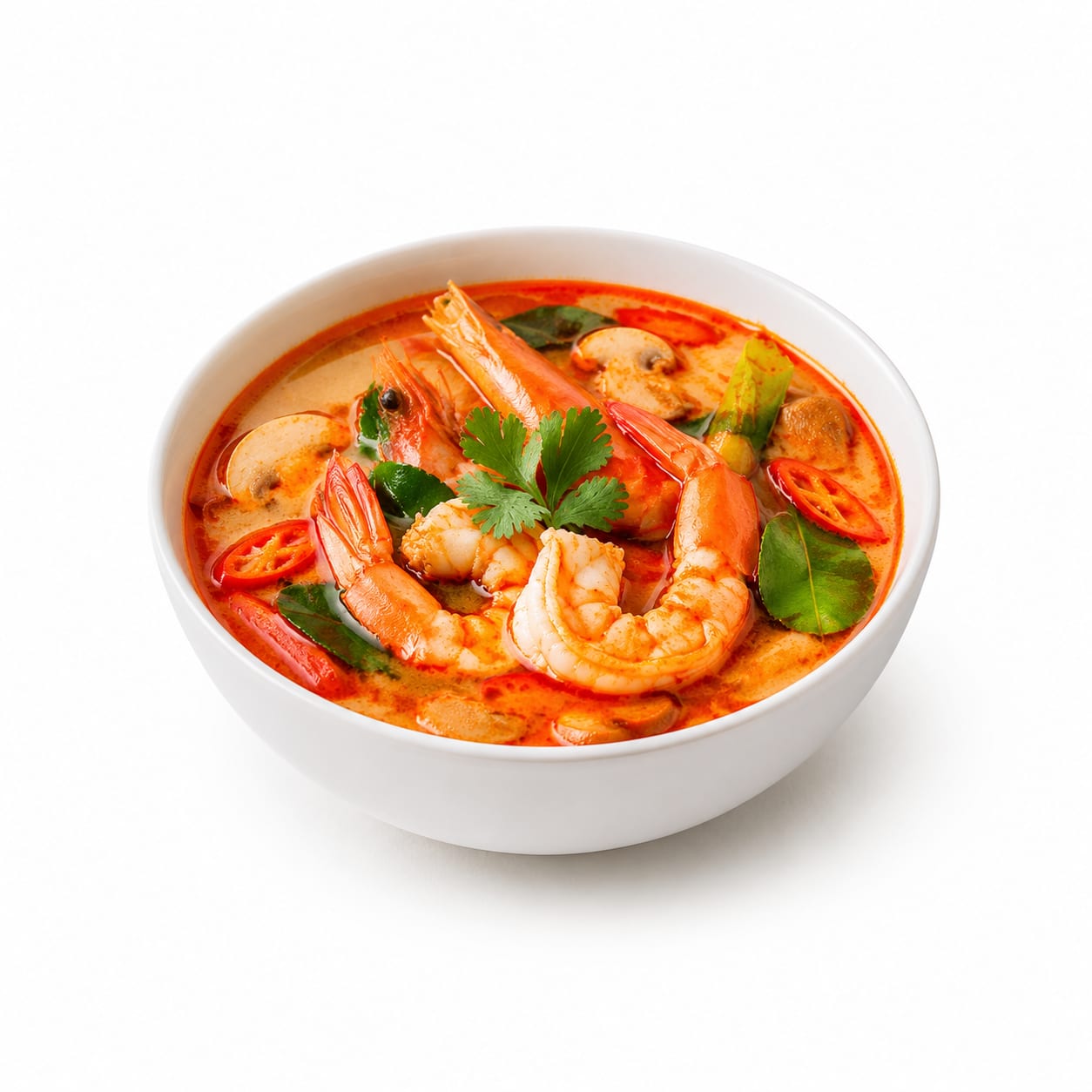
Tom Yum Goong
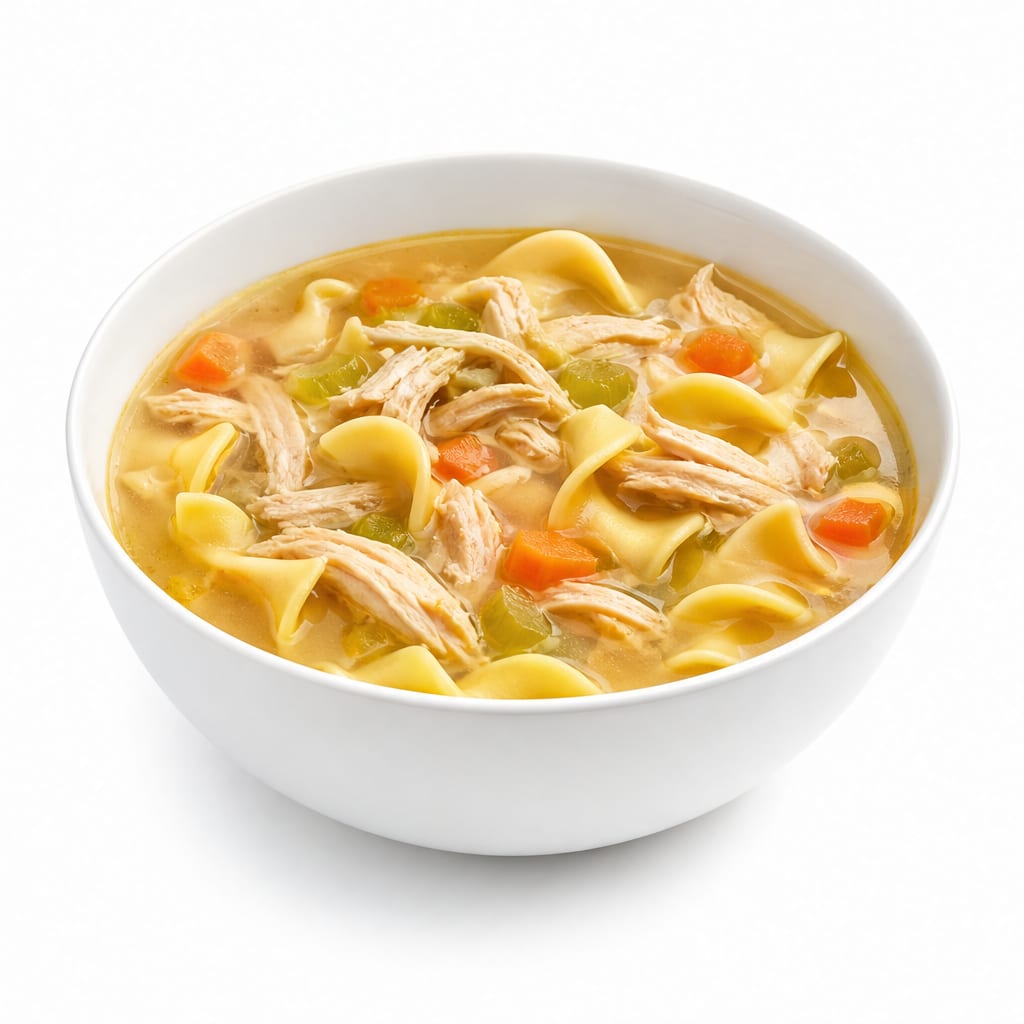
Chicken Noodle Soup
Tom Yum Goong is lighter and more metabolism-boosting, while Chicken Noodle Soup is gentler and more filling — your pick depends on what your body needs right now.
Scores are nearly tied because each soup excels in opposite contexts. Tom Yum Goong wins on calorie efficiency and anti-inflammatory herbs, while Chicken Noodle Soup wins on digestibility, satiety, and everyday reliability. The slight edge goes to Chicken Noodle Soup for broader daily suitability.
Bold anti-inflammatory spice versus soothing comfort; low-calorie intensity versus satisfying fullness.
At a glance
Executive summary
Overall
It depends
Healthier
It depends
More practical
Chicken Noodle Soup
Daily use
Chicken Noodle Soup
Key comparison lenses
comfort and illness recovery
Both soups are iconic comfort foods with reputations for helping during sickness, but they work very differently
sodium and hydration management
Both are broth-based and can be very high in sodium, which matters for daily consumption decisions
digestive tolerance
Tom Yum Goong's spice and acidity versus Chicken Noodle Soup's mildness creates a clear tolerance divide
weight management
Calorie density differs significantly between these two soups, affecting satiety and portion control
anti inflammatory and immune support
Both have immune-supporting properties but through completely different mechanisms
Best choice for
Tom Yum Goong
- People wanting a low-calorie, flavor-packed meal
- Those seeking metabolism and circulation support
- Anyone fighting congestion with heat and spice
- Low-carb eaters looking for satisfying options
Chicken Noodle Soup
- Recovering from illness or stomach upset
- Kids and picky eaters needing gentle nutrition
- People needing a filling, comforting meal
- Anyone wanting reliable daily nourishment
Least suitable for
Tom Yum Goong
- People with shellfish allergies
- Those with acid reflux or sensitive stomachs
- Anyone on a low-sodium diet
- Children unaccustomed to spicy food
Chicken Noodle Soup
- Strict low-carb dieters
- People avoiding wheat or gluten
- Those wanting bold, exciting flavors
- Anyone watching calorie density closely
Deep comparison
Dimension by dimension
Each lens scores both foods and breaks down who each option suits.
- Dimension 1 · Priority 90Chicken Noodle Soup
satiety_and_fullness
Tom Yum Goong · 55Chicken Noodle Soup · 78Chicken Noodle Soup fills you up more reliably thanks to noodles and chicken, while Tom Yum Goong is lighter and less likely to carry you to the next meal.
Tradeoff
You get more staying power from Chicken Noodle Soup, but Tom Yum Goong leaves you lighter if that is the goal.
Why it matters
A soup that does not fill you up often leads to snacking later, which undermines the healthy choice you thought you made.
Real-world impact
After a bowl of Tom Yum Goong, you may feel hungry again within two hours. Chicken Noodle Soup typically keeps you satisfied for three to four hours.
Tom Yum Goong
- Light lunch before an active afternoon
- Appetizer before a larger meal
- Hot-weather eating when heavy food feels wrong
Better for
- Long workdays without snack access
- Growing teenagers needing sustained energy
- Athletes in caloric surplus phases
Worse for
Chicken Noodle Soup
- Main meal replacement
- Post-workout recovery fuel
- Cold winter dinner that sticks to your ribs
Better for
- Right before intense exercise
- Small appetite days
- Anyone closely tracking calories per meal
Worse for
- Dimension 2 · Priority 88It depends
sodium_load
Tom Yum Goong · 42Chicken Noodle Soup · 48Both soups are sodium landmines. Tom Yum Goong gets its salt from fish sauce and shrimp paste, while Chicken Noodle Soup relies on salted broth. Neither is low-sodium without deliberate modification.
Tradeoff
Tom Yum Goong's sodium comes alongside potassium-rich herbs, while Chicken Noodle Soup's sodium is more straightforward but easier to control at home.
Why it matters
A single bowl of either soup can deliver 800-1500mg of sodium, which is half or more of your daily limit. This matters enormously for blood pressure and heart health.
Real-world impact
Eating either soup daily at a restaurant could push you over healthy sodium limits. Homemade versions let you cut sodium by 50% or more.
Tom Yum Goong
- Situations where you sweat heavily and need electrolyte replenishment
- Occasional meals where sodium is less concerning
Better for
- Hypertension management
- Daily restaurant lunch habits
- Kidney disease diets
Worse for
Chicken Noodle Soup
- Home cooking where you control the salt shaker
- Using low-sodium broth as a base
Better for
- Canned versions with extreme sodium levels
- Restaurant bowls with added salt
- Anyone on a strict low-sodium protocol
Worse for
- Dimension 3 · Priority 85Chicken Noodle Soup
digestive_tolerance
Tom Yum Goong · 40Chicken Noodle Soup · 88Chicken Noodle Soup is famously gentle on the stomach. Tom Yum Goong's chili, lime, and lemongrass can irritate sensitive digestive systems even while tasting incredible.
Tradeoff
Tom Yum Goong stimulates digestion and circulation, but that same stimulation is painful for anyone with reflux, IBS, or an upset stomach.
Why it matters
When you are already feeling unwell, the wrong soup can make things worse instead of better. Choosing the right one speeds recovery.
Real-world impact
If you have heartburn, Tom Yum Goong will likely trigger it. Chicken Noodle Soup is one of the few foods most people can keep down during stomach illness.
Tom Yum Goong
- Healthy digestion that benefits from stimulation
- Sluggish appetite that needs a flavor wake-up
- Congestion clearing through heat
Better for
- Active heartburn or GERD
- IBS flare-ups
- Nausea or vomiting recovery
- Ulcer management
Worse for
Chicken Noodle Soup
- Stomach flu recovery
- Acid reflux or GERD management
- Post-surgical gentle eating
- Children with upset stomachs
Better for
- Bland diet fatigue
- Wanting digestive stimulation
Worse for
- Dimension 4 · Priority 78Tom Yum Goong
anti_inflammatory_and_immune_value
Tom Yum Goong · 82Chicken Noodle Soup · 65Tom Yum Goong is packed with lemongrass, galangal, kaffir lime, and chili — all with documented anti-inflammatory and antimicrobial properties. Chicken Noodle Soup has mild immune support from chicken broth but fewer active compounds.
Tradeoff
Tom Yum Goong's herbs are genuinely therapeutic but come with digestive irritation risk. Chicken Noodle Soup's benefits are gentler but safer for compromised systems.
Why it matters
Chronic inflammation drives most modern disease. Regular intake of anti-inflammatory foods compounds over years into meaningful health differences.
Real-world impact
Eating Tom Yum Goong weekly gives you a recurring dose of therapeutic herbs. Chicken Noodle Soup helps when you are already sick but is less preventive.
Tom Yum Goong
- Proactive immune support in healthy people
- Chronic inflammation management
- Cold congestion relief through capsaicin
Better for
- Active GI inflammation
- Ulcerative colitis or Crohn's flares
- Medication interactions with herbs
Worse for
Chicken Noodle Soup
- Already sick and needing gentle support
- Compromised digestion that cannot handle spice
- Elderly immune support without irritation
Better for
- Wanting strong anti-inflammatory effects
- Metabolic syndrome management
Worse for
- Dimension 5 · Priority 82Tom Yum Goong
calorie_efficiency
Tom Yum Goong · 88Chicken Noodle Soup · 58Tom Yum Goong delivers intense flavor and decent protein for roughly 150-250 calories per bowl. Chicken Noodle Soup runs 200-350 calories with less flavor intensity per calorie.
Tradeoff
You get more flavor per calorie from Tom Yum Goong, but fewer calories means less sustained energy. Chicken Noodle Soup costs more calories but fuels you longer.
Why it matters
For weight management, calorie density determines whether a meal helps or hurts your goals. Low-calorie soups are one of the most effective tools for portion control.
Real-world impact
Tom Yum Goong lets you eat a satisfying bowl without calorie stress. Chicken Noodle Soup requires more awareness if you are tracking intake.
Tom Yum Goong
- Calorie-controlled lunch plans
- Intermittent fasting windows
- Weight loss phases needing volume eating
Better for
- Athletes needing caloric surplus
- Growing children
- Anyone recovering from illness with appetite loss
Worse for
Chicken Noodle Soup
- Active people needing more fuel
- Underweight recovery
- Muscle-building phases
Better for
- Strict calorie counting
- Sedentary days with low energy needs
Worse for
- Dimension 6 · Priority 75Chicken Noodle Soup
allergen_and_safety_risk
Tom Yum Goong · 45Chicken Noodle Soup · 72Tom Yum Goong contains shellfish, fish sauce, and sometimes shrimp paste — all major allergens. Chicken Noodle Soup's main risks are wheat and egg in noodles, which are more widely known and easier to substitute.
Tradeoff
Shellfish allergies can be severe and life-threatening, making Tom Yum Goong riskier in shared dining situations. Chicken Noodle Soup allergens are serious but more manageable.
Why it matters
For the roughly 2% of adults with shellfish allergies, Tom Yum Goong is simply off the table. Cross-contamination at restaurants adds further risk.
Real-world impact
Ordering Tom Yum Goong at a Thai restaurant carries hidden shellfish exposure risk even if you ask for modifications. Chicken Noodle Soup is safer for potlucks and shared meals.
Tom Yum Goong
- People without any shellfish or fish allergies
- Controlled home cooking with known ingredients
Better for
- Anyone with shellfish allergy
- Severe fish allergy
- Shared dining with unknown guests
Worse for
Chicken Noodle Soup
- Shellfish-allergic individuals
- School lunches and group dining
- Restaurants where allergen control matters
Better for
- Celiac disease or gluten intolerance
- Egg allergies with traditional noodle recipes
Worse for
Timeline
Health impact over time
Short-term
Hours to days
Tom Yum Goong
- Rapid warming and possible sweating from chili heat
- Clearing of sinus congestion within minutes
- Possible heartburn or stomach warmth in sensitive people
- Appetite stimulation from aromatic herbs
- Mild diuretic effect from sodium and spice
Chicken Noodle Soup
- Immediate soothing comfort in throat and stomach
- Gentle hydration from broth and salt
- Steady energy from noodles without spikes
- Relaxation response from warm comfort food
- Possible bloating if portion is large
Long-term
Months to years
Tom Yum Goong
- Regular anti-inflammatory herb intake may reduce chronic disease risk
- High restaurant sodium could raise blood pressure over time
- Spice tolerance increases with regular consumption
- Possible protective effect against metabolic syndrome from capsaicin
- Shellfish provides selenium and iodine supporting thyroid function
Chicken Noodle Soup
- Consistent gentle nourishment supports recovery and maintenance
- Homemade versions with vegetables improve micronutrient intake
- Regular canned versions increase sodium-related cardiovascular risk
- Comfort food association supports emotional eating patterns
- Chicken collagen may support joint health with regular consumption
Risk profile
Safety & processing
Authentic Tom Yum Goong uses whole herbs, fresh shrimp, and minimal processing — fish sauce is fermented but natural. Chicken Noodle Soup varies wildly: homemade is clean, but canned versions often contain preservatives, flavor enhancers, and highly processed noodles. Restaurant versions of both can hide MSG and excess sodium.
Tom Yum Goong
Shellfish contamination and allergic cross-reactivity
highShrimp is a top-8 allergen. Even trace amounts in shared cooking vessels can trigger severe reactions in sensitive individuals.
Raw or undercooked shrimp in poorly prepared versions
mediumImproperly cooked shrimp can harbor Vibrio bacteria and parasites. Reputable restaurants minimize this, but it remains a concern.
Heavy metal accumulation in shrimp
lowShrimp can contain trace arsenic and other contaminants depending on farming practices. Occasional consumption is low risk; daily consumption compounds exposure.
Chicken Noodle Soup
Sodium nitrite in processed chicken broth
mediumSome commercial broths use sodium nitrite as a preservative. Regular intake of nitrites from processed foods has been linked to increased cancer risk.
BPA exposure from canned versions
mediumCanned Chicken Noodle Soup often contains BPA in can linings. Frequent consumption of canned soup is a documented source of BPA exposure.
Undercooked chicken in homemade versions
lowSalmonella risk exists if chicken is not cooked to 165°F. This is easily managed with proper preparation but worth noting for novice cooks.
Who wins for whom
Audience fit
Same foods, different winners depending on your goal.
children
Chicken Noodle SoupChicken Noodle Soup is mild, familiar, and easy for kids to eat. Tom Yum Goong's spice level and unfamiliar flavors make it a hard sell for most children, and shellfish allergy risk is more dangerous in young kids.
daily consumption
Chicken Noodle SoupChicken Noodle Soup is sustainable as a regular meal without digestive fatigue. Tom Yum Goong's intensity and sodium make it better as an occasional meal rather than a daily staple.
diabetes
Tom Yum GoongTom Yum Goong is naturally low in carbohydrates, causing minimal blood sugar impact. Chicken Noodle Soup's noodles create a more significant glucose response that requires insulin management.
elderly
Chicken Noodle SoupChicken Noodle Soup is easier to chew, gentler on aging digestive systems, and provides comforting nourishment. Tom Yum Goong's spice and acidity can aggravate common elderly GI issues like reflux and gastritis.
muscle gain
Chicken Noodle SoupChicken Noodle Soup provides more total calories and carbohydrates from noodles, which supports training fuel and recovery. Adding extra chicken breast makes it even better for muscle-building goals.
weight loss
Tom Yum GoongTom Yum Goong delivers big flavor and protein at roughly 150-250 calories per bowl, making it one of the most satisfying low-calorie meals available. Chicken Noodle Soup's noodles add calories without the same flavor intensity per calorie.
Your move
Decision guide
Choose Tom Yum Goong
- You want a low-calorie meal that still feels exciting
- You are congested and need the heat to clear your sinuses
- You have no shellfish allergies and want anti-inflammatory benefits
- You are tracking calories and need maximum flavor per calorie
- You are eating in hot weather and want something that makes you sweat comfortably
Choose Chicken Noodle Soup
- You are recovering from illness and need gentle nourishment
- You have a sensitive stomach, acid reflux, or digestive issues
- You are feeding children or elderly family members
- You want a filling meal that carries you to the next one
- You need comfort and familiarity more than excitement
Either works if
- You want a warming soup on a cold day
- You need hydration and electrolytes after sweating
- You are looking for a lighter dinner option
- You want protein from a broth-based meal
Avoid both if
- You are on a strict low-sodium diet without homemade modifications
- You have severe salt-sensitive hypertension
- You are dealing with acute kidney disease requiring sodium restriction
Final recommendation
Keep both in your rotation for different needs. Make Chicken Noodle Soup your reliable weekly comfort meal with homemade low-sodium broth. Save Tom Yum Goong for when you want bold flavor, metabolism support, or sinus-clearing heat. If you must pick one for daily eating, Chicken Noodle Soup is the safer long-term choice — just watch the sodium.
Practical
Consumer tips
- 1
Make either soup at home to cut sodium by 50-70% compared to restaurant versions
- 2
Add extra vegetables to Chicken Noodle Soup for more fiber and micronutrients without many extra calories
- 3
If ordering Tom Yum Goong at a restaurant, ask for less fish sauce to reduce sodium by roughly 30%
- 4
Use low-sodium broth and whole wheat noodles to upgrade Chicken Noodle Soup's nutritional profile significantly
- 5
Freeze individual portions of either soup for quick meals that beat any canned option
- 6
If you have shellfish allergies, Tom Yum Goong is not safe even with substitutions due to shared cooking surfaces at Thai restaurants
- 7
Add a side of steamed vegetables to Tom Yum Goong to increase fullness without many extra calories
- 8
For Chicken Noodle Soup, shred rotisserie chicken instead of boiling chicken breast for better flavor and less cooking effort