
Nutrition comparison
Tom Yum Goong vs Gazpacho: Which Soup Is Healthier?
Compare Tom Yum Goong and Gazpacho on protein, sodium, heart health, and daily suitability. Find out which soup fits your health goals and when to choose each.
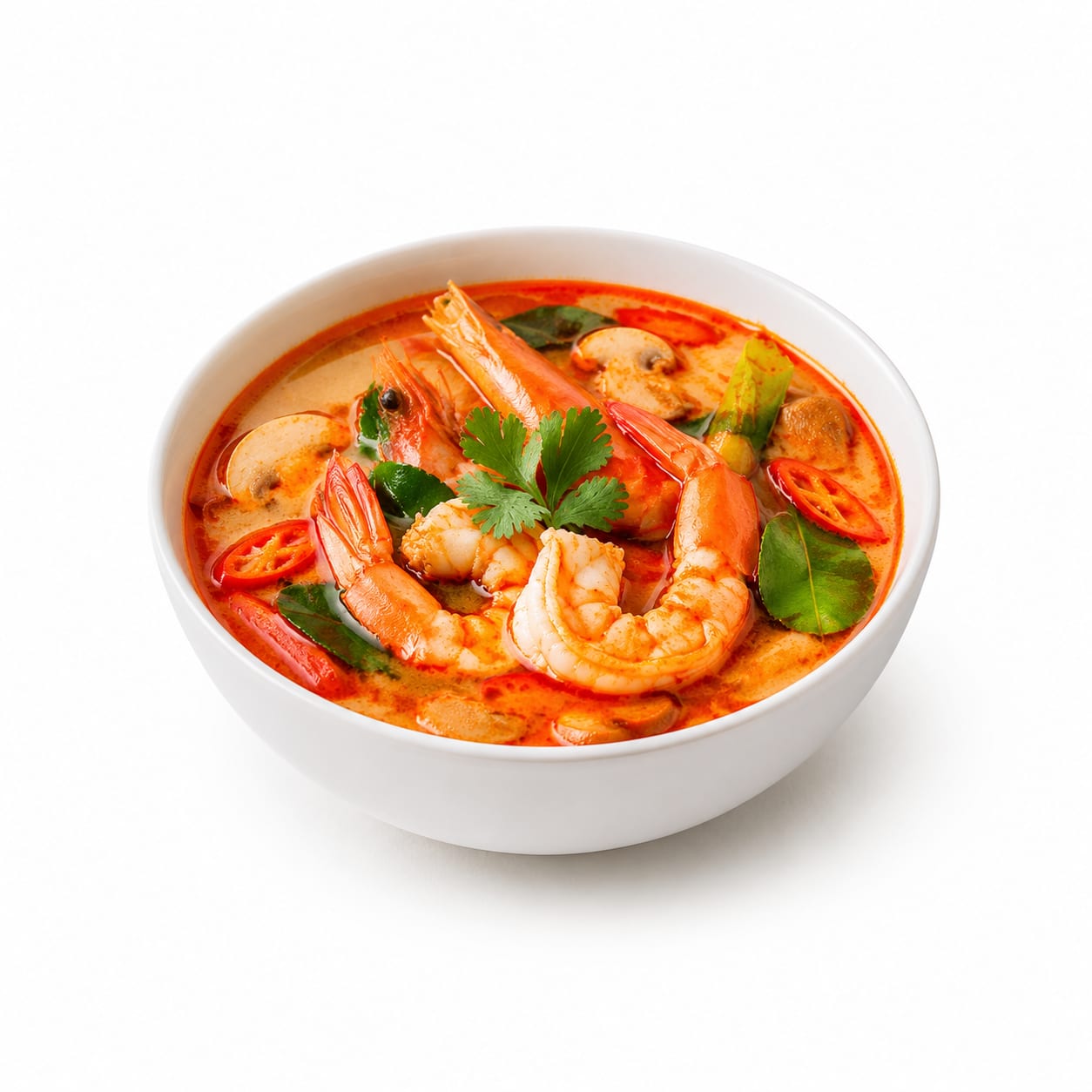
Tom Yum Goong
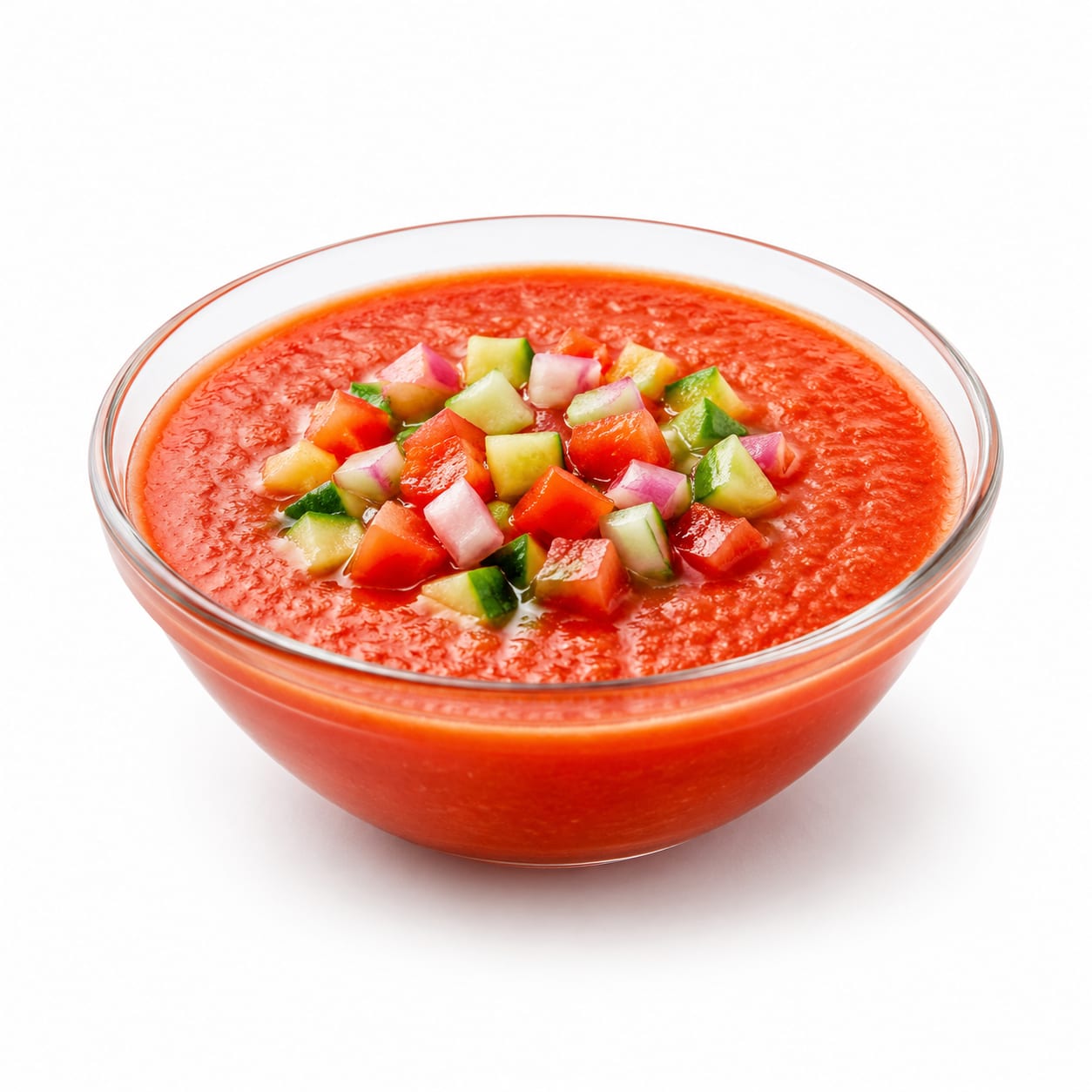
Gazpacho
Tom Yum Goong delivers protein and bold flavor but carries a heavy sodium load. Gazpacho offers raw vegetable nutrients with gentle hydration but lacks staying power.
Gazpacho scores higher overall due to lower sodium, raw nutrient preservation, and better suitability for frequent consumption. Tom Yum Goong earns strong marks for protein and satiety but loses ground on sodium load and digestive intensity.
Satiety and protein versus sodium control and raw nutrient preservation
At a glance
Executive summary
Overall
It depends
Healthier
Gazpacho
More practical
Gazpacho
Daily use
Gazpacho
Key comparison lenses
Sodium awareness and blood pressure concerns
Tom Yum Goong relies heavily on fish sauce, making sodium a critical differentiator for health-conscious users
Weight management and calorie density
Both are soups often chosen as light meals, but their calorie profiles differ significantly due to protein content and added fats
Protein and satiety for meal replacement
Shrimp in Tom Yum Goong provides substantial protein, while Gazpacho is nearly protein-free, affecting how satisfying each feels as a standalone meal
Digestive comfort and temperature preference
Hot spicy soup versus cold raw vegetable soup creates very different digestive experiences depending on individual tolerance
Seasonal and climate appropriateness
These soups sit at opposite ends of the temperature spectrum, making climate a natural decision factor
Best choice for
Tom Yum Goong
- People needing a filling, protein-rich light meal
- Those craving warming food in cold weather
- Individuals with low blood pressure who benefit from higher sodium
- Anyone seeking bold, complex flavors to feel satisfied with less food
Gazpacho
- People managing hypertension or sodium intake
- Anyone eating in hot weather who wants something refreshing
- Those seeking raw vegetable nutrients and lycopene
- Individuals wanting a gentle, easy-to-digest option
Least suitable for
Tom Yum Goong
- People with hypertension or sodium-sensitive conditions
- Those with shellfish allergies
- Individuals with sensitive stomachs who struggle with spicy food
- Anyone eating in sweltering heat
Gazpacho
- People needing protein-rich meals to stay full
- Those who find cold meals unsatisfying
- Anyone with nightshade sensitivities
- Individuals seeking a warming comfort food
Deep comparison
Dimension by dimension
Each lens scores both foods and breaks down who each option suits.
- Dimension 1 · Priority 90Tom Yum Goong
Protein and Satiety
Tom Yum Goong · 82Gazpacho · 25Tom Yum Goong provides meaningful protein from shrimp, making it far more filling as a standalone meal. Gazpacho is almost protein-free.
Tradeoff
You get staying power with Tom Yum Goong but pay for it with higher sodium. Gazpacho keeps things light but you will be hungry again soon.
Why it matters
Protein is the single biggest driver of fullness. A soup without protein is a snack, not a meal.
Real-world impact
Eating Gazpacho for lunch? You will likely reach for something else within two hours. Tom Yum Goong can hold you over for four.
Tom Yum Goong
- Athletes needing post-workout protein
- Anyone trying to eat less by staying full longer
- People replacing a full meal with soup
Better for
- People who want a light starter without feeling heavy
Worse for
Gazpacho
- Those wanting a light appetizer before a main course
- Anyone intentionally eating smaller portions
Better for
- Anyone relying on soup as a complete meal
- Active individuals needing protein throughout the day
Worse for
- Dimension 2 · Priority 92Gazpacho
Sodium Load
Tom Yum Goong · 28Gazpacho · 72Tom Yum Goong is sodium-dense from fish sauce and paste, often exceeding 1000mg per bowl. Gazpacho contains modest sodium from added salt.
Tradeoff
The bold umami flavor of Tom Yum Goong comes directly from high-sodium ingredients. Gazpacho achieves flavor through acidity and fresh vegetables instead.
Why it matters
Consistently high sodium intake is one of the strongest dietary drivers of hypertension and cardiovascular risk.
Real-world impact
One bowl of Tom Yum Goong can deliver half your daily sodium allowance. Gazpacho typically stays under 400mg.
Tom Yum Goong
- People with low blood pressure who need more salt
- Active individuals who sweat heavily and lose sodium
Better for
- Anyone with hypertension
- People who already eat processed foods high in sodium throughout the day
Worse for
Gazpacho
- Anyone monitoring blood pressure
- People with kidney concerns
- Those eating soup frequently who need to manage cumulative sodium
Better for
- Endurance athletes who actually need sodium replacement
Worse for
- Dimension 3 · Priority 80Gazpacho
Vitamin and Antioxidant Profile
Tom Yum Goong · 55Gazpacho · 85Gazpacho preserves raw vegetable nutrients, especially lycopene from tomatoes and vitamin C. Tom Yum Goong loses some nutrients to heat but gains bioavailable compounds from herbs.
Tradeoff
Raw vegetables in Gazpacho retain heat-sensitive vitamins but cooking in Tom Yum Goong makes certain antioxidants like those in galangal more bioavailable.
Why it matters
Lycopene from raw tomatoes is a powerful antioxidant linked to heart and prostate health. Heat destroys vitamin C but can enhance other compounds.
Real-world impact
A bowl of Gazpacho delivers a meaningful dose of lycopene and vitamin C. Tom Yum Goong offers more antimicrobial and anti-inflammatory compounds from its herbs.
Tom Yum Goong
- People interested in traditional medicinal herbs like galangal and lemongrass
- Those wanting anti-inflammatory compounds from hot broth
Better for
- People specifically seeking vitamin C from their soup
Worse for
Gazpacho
- Anyone prioritizing raw vegetable nutrients
- People seeking lycopene for heart and prostate health
- Those wanting vitamin C from food sources
Better for
- Those who want the immune-supporting reputation of hot herbal broth
Worse for
- Dimension 4 · Priority 82Gazpacho
Digestive Tolerance
Tom Yum Goong · 42Gazpacho · 78Gazpacho is gentle on most digestive systems with its raw vegetables and olive oil. Tom Yum Goong combines spice, acidity, and shrimp which can irritate sensitive stomachs.
Tradeoff
The warming broth of Tom Yum Goong feels soothing going down but the chili and acidity can trigger reflux. Gazpacho is mild but cold temperatures bother some people.
Why it matters
Digestive comfort determines whether you actually enjoy eating something regularly, not just whether it is theoretically healthy.
Real-world impact
If you have acid reflux, IBS, or spice sensitivity, Tom Yum Goong may cause discomfort. Gazpacho is usually safe unless cold foods trigger your symptoms.
Tom Yum Goong
- People who find warm broth soothing for cold symptoms
- Those without any digestive sensitivity who enjoy spice
Better for
- People with heartburn or acid reflux
- Those with spice sensitivity
- Individuals with shellfish digestive intolerance
Worse for
Gazpacho
- People with acid reflux or GERD
- Those with IBS who need gentle foods
- Anyone recovering from stomach illness
Better for
- People who experience discomfort from cold foods
- Those with difficulty digesting raw vegetables
Worse for
- Dimension 5 · Priority 85Gazpacho
Heart Health Impact
Tom Yum Goong · 45Gazpacho · 80Gazpacho features olive oil and raw vegetables with clear cardiovascular benefits. Tom Yum Goong has shrimp cholesterol and very high sodium working against heart health.
Tradeoff
Shrimp in Tom Yum Goong provides omega-3s and selenium but the sodium load is a net negative for most hearts. Gazpacho delivers consistent heart-friendly fats and antioxidants.
Why it matters
Cardiovascular disease remains the leading cause of death globally, and sodium is a primary dietary risk factor.
Real-world impact
Regular Gazpacho consumption aligns with Mediterranean dietary patterns linked to lower heart disease risk. Frequent Tom Yum Goong adds sodium that most hearts do not need.
Tom Yum Goong
- People whose doctors have confirmed low sodium is not a concern for them
Better for
- People with existing hypertension
- Anyone on a sodium-restricted diet for heart health
Worse for
Gazpacho
- Anyone with family history of heart disease
- People following Mediterranean diet principles
- Those managing cholesterol through diet
Better for
- Those who need more protein to support cardiovascular exercise recovery
Worse for
- Dimension 6 · Priority 72Gazpacho
Hydration and Lightness
Tom Yum Goong · 58Gazpacho · 82Both are water-based soups, but Gazpacho feels lighter and more hydrating without the heavy sodium and spice. Tom Yum Goong can actually increase thirst due to salt content.
Tradeoff
Tom Yum Goong provides water but the high sodium makes it less effective for true hydration. Gazpacho hydrates without the counterproductive salt load.
Why it matters
Proper hydration affects energy, cognition, and physical performance more than most people realize.
Real-world impact
After Gazpacho you feel refreshed. After Tom Yum Goong you often want another glass of water.
Tom Yum Goong
- Hot weather meals where you want something warming regardless
- Situations where you are also drinking plenty of water
Better for
- People already dehydrated
- Those in hot climates who need net hydration
Worse for
Gazpacho
- Hot summer days when you need cooling hydration
- Post-exercise rehydration with food
- Anyone who feels bloated after heavy meals
Better for
- Situations where cold food feels unappealing
Worse for
Timeline
Health impact over time
Short-term
Hours to days
Tom Yum Goong
- Immediate satiety from protein and hot liquid
- Possible thirst increase from high sodium within an hour
- Warming body sensation that feels comforting in cold weather
- Potential heartburn or stomach warmth from chili and acidity
Gazpacho
- Refreshing and hydrating feeling immediately after eating
- Lightness that may leave you hungry within two hours
- Gentle on the digestive system with minimal discomfort risk
- Mild blood sugar stability from fiber and healthy fats
Long-term
Months to years
Tom Yum Goong
- Regular consumption may contribute to elevated blood pressure if sodium is not managed elsewhere in diet
- Consistent protein intake supports muscle maintenance
- Herbs like lemongrass and galangal have cumulative anti-inflammatory benefits
- Possible increased cardiovascular risk if eaten frequently without sodium awareness
Gazpacho
- Regular consumption supports Mediterranean-style eating patterns linked to longevity
- Consistent lycopene intake may reduce certain cancer risks and support heart health
- Low sodium profile makes it sustainable for daily use without blood pressure concerns
- Olive oil consumption supports healthy cholesterol patterns over time
Risk profile
Safety & processing
Both soups are made from whole, recognizable ingredients. Tom Yum Goong uses fish sauce and sometimes chili paste which are fermented or processed condiments, but the overall dish remains close to its traditional roots. Gazpacho is essentially blended raw vegetables with olive oil, making it one of the least processed soups possible.
Tom Yum Goong
Shellfish contamination
mediumShrimp can carry bacteria like Vibrio and is a common allergen. Proper cooking reduces but does not eliminate all risk.
Sodium-related health effects
mediumNot a foodborne illness risk, but the sodium levels are high enough to cause acute blood pressure spikes in sensitive individuals.
MSG and additive exposure from restaurant versions
lowRestaurant Tom Yum Goong may include MSG or commercial chili paste with preservatives. Homemade versions avoid this entirely.
Gazpacho
Raw vegetable contamination
lowSince Gazpacho uses uncooked vegetables, there is a small risk of bacterial contamination from improperly washed produce.
Nightshade sensitivity
lowTomatoes and peppers are nightshades that can trigger inflammation or joint pain in sensitive individuals.
Who wins for whom
Audience fit
Same foods, different winners depending on your goal.
children
GazpachoGazpacho is mild, easy to eat, and packed with raw vegetable nutrients. Tom Yum Goong is often too spicy and the shrimp poses a higher allergen risk for kids.
daily consumption
GazpachoGazpacho can be eaten daily without sodium concerns and provides consistent raw vegetable nutrition. Tom Yum Goong's sodium load makes daily consumption risky for most people.
diabetes
GazpachoGazpacho has low glycemic impact with fiber from raw vegetables and healthy fats from olive oil. Tom Yum Goong sometimes includes sugar in the broth and the high sodium worsens cardiovascular risk that diabetics already face.
elderly
GazpachoLower sodium, easier digestion, and raw vegetable nutrients make Gazpacho more appropriate for older adults who often need to manage blood pressure and digestive comfort.
muscle gain
Tom Yum GoongShrimp provides high-quality complete protein that directly supports muscle repair and growth. Gazpacho offers negligible protein.
weight loss
It dependsGazpacho is lower in calories but less filling, which may lead to overeating later. Tom Yum Goong is more satiating due to protein but higher in sodium which can cause water retention.
Your move
Decision guide
Choose Tom Yum Goong
- You need a protein-rich meal that keeps you full for hours
- It is cold outside and you want something warming and comforting
- You are an active person who can handle the sodium without blood pressure concerns
- You are eating at a Thai restaurant and want one of the healthier menu options
Choose Gazpacho
- You are watching your sodium intake or blood pressure
- It is hot and you want something refreshing and hydrating
- You want a daily soup that supports long-term heart health
- You are looking for a gentle, easy-to-digest meal
Either works if
- You want a vegetable-forward soup as part of a balanced diet
- You are eating soup as a starter rather than a main meal
- You value whole-food ingredients and want to avoid ultra-processed options
Avoid both if
- You need a calorie-dense meal to meet high energy needs
- You are looking for a high-fiber food to support digestive regularity, as both are relatively low in fiber
Final recommendation
For everyday eating, Gazpacho is the safer and more sustainable choice. Save Tom Yum Goong for when you specifically want its bold flavor and protein boost, and balance the rest of your day with lower-sodium foods.
Practical
Consumer tips
- 1
Ask for Tom Yum Goong with less fish sauce or request it on the side to cut sodium by 30-40%
- 2
Add grilled chicken or white beans to Gazpacho to improve its protein content and make it a complete meal
- 3
Make both soups at home to control sodium levels precisely — restaurant versions of Tom Yum Goong are often the saltiest
- 4
If you have Tom Yum Goong for dinner, keep your other meals low-sodium that day to stay within healthy limits
- 5
Blend Gazpacho smoother if raw vegetable texture bothers your digestion
- 6
Freeze Gazpacho in portions for quick hot-weather meals throughout the week