
Nutrition comparison
Tom Yum Goong vs Laksa: Which Spicy Soup Is Healthier?
Compare Tom Yum Goong and Laksa nutrition — calories, fat, sodium, and health impact. Find out which Southeast Asian soup is better for weight loss, heart health, and everyday eating.
Overall winner · Tom Yum Goong
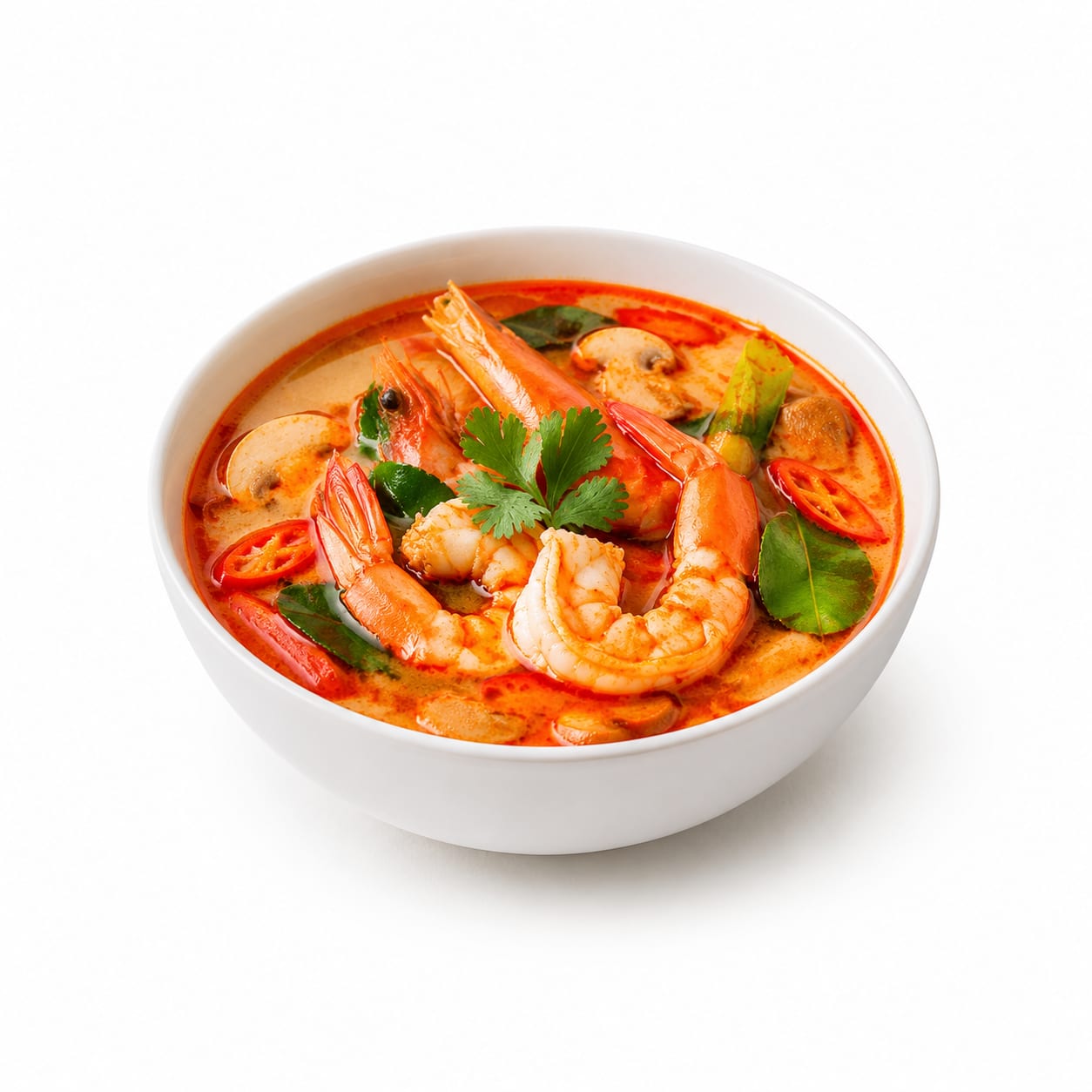
Tom Yum Goong
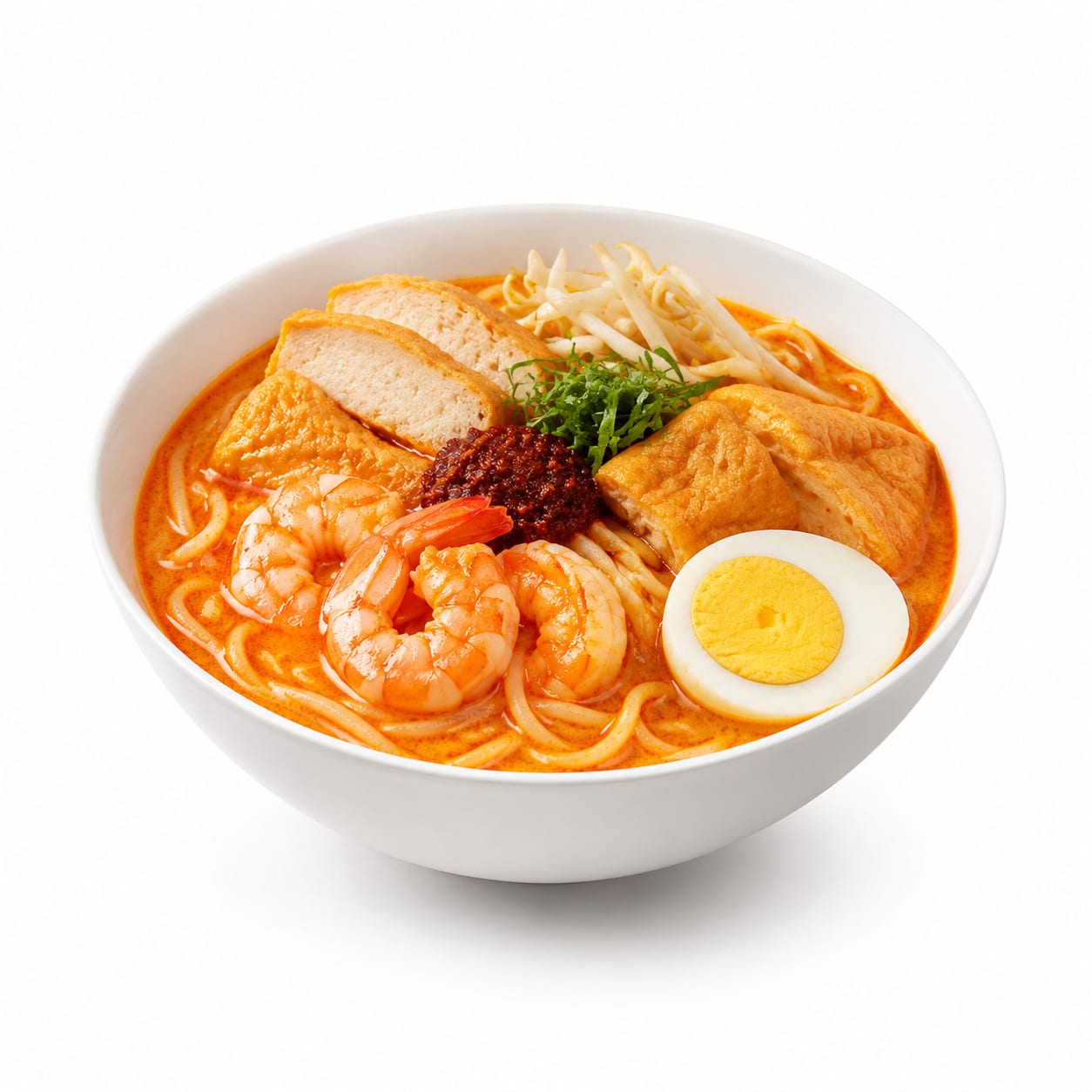
Laksa
Tom Yum Goong is the lighter, lower-calorie choice with strong anti-inflammatory herbs, while Laksa is richer and more filling but packs significantly more saturated fat and calories.
Tom Yum Goong scores notably higher due to its lower calorie density, minimal saturated fat, and beneficial herb content. Laksa loses ground on heart health and calorie control but remains a satisfying occasional meal. The gap reflects that Tom Yum Goong is easier to eat regularly without health tradeoffs.
You trade the comforting richness and meal completeness of Laksa for the cleaner, lighter profile of Tom Yum Goong — one satisfies deeply, the other sits lighter.
At a glance
Executive summary
Overall
Tom Yum Goong
Healthier
Tom Yum Goong
More practical
Laksa
Daily use
Tom Yum Goong
Key comparison lenses
Calorie and fat consciousness
Laksa's coconut milk base makes it dramatically higher in calories and saturated fat compared to the clear-broth Tom Yum Goong
Heart health tradeoffs
Both soups carry cardiovascular concerns but from different sources: saturated fat in Laksa versus sodium in Tom Yum Goong
Meal satisfaction versus lightness
Users often choose between a rich filling bowl and a lighter aromatic one, making satiety versus calorie load a core decision point
Everyday eatability
How often you can realistically eat each soup without negative health consequences matters for long-term dietary planning
Digestive comfort
Coconut milk richness versus sour-spicy broth acidity affects digestion differently depending on individual tolerance
Best choice for
Tom Yum Goong
- Weight-conscious diners wanting big flavor without heavy calories
- People monitoring saturated fat or cholesterol
- Those who prefer lighter meals that will not cause an afternoon slump
- Anyone seeking anti-inflammatory benefits from herbs like lemongrass and galangal
Laksa
- Active individuals needing a calorie-dense satisfying meal
- Those wanting a complete one-bowl meal with carbs, protein, and fat
- People in cold weather craving something rich and warming
- Anyone who finds clear soups unsatisfying and ends up snacking later
Least suitable for
Tom Yum Goong
- People who need a filling meal and feel hungry again quickly after light soups
- Those on low-sodium diets due to high fish sauce content
- Individuals with acid reflux sensitive to sour and spicy foods
Laksa
- Anyone actively losing weight or monitoring calorie intake
- People with high cholesterol or heart conditions needing to limit saturated fat
- Those who find coconut milk heavy or difficult to digest
Deep comparison
Dimension by dimension
Each lens scores both foods and breaks down who each option suits.
- Dimension 1 · Priority 93Tom Yum Goong
Calorie Density and Weight Management
Tom Yum Goong · 85Laksa · 40Tom Yum Goong typically runs 150-250 calories per bowl while Laksa can easily hit 400-600 calories thanks to coconut milk and noodles.
Tradeoff
Laksa fills you up longer but at two to three times the calorie cost. Tom Yum Goong keeps you light but may leave you reaching for a snack sooner.
Why it matters
If you eat Southeast Asian soups regularly, the calorie difference compounds fast. A Laksa habit can quietly add pounds where Tom Yum Goong will not.
Real-world impact
Choosing Tom Yum Goong over Laksa three times a week could save you roughly 750-1000 calories weekly — that is meaningful for weight maintenance.
Tom Yum Goong
- Steady weight management
- Lighter post-meal energy
- Flexible meal pairing with sides
Better for
- May feel incomplete as a standalone meal
- Higher chance of late hunger
Worse for
Laksa
- One-bowl meal satisfaction
- Less need for additional dishes
- Better for physically demanding days
Better for
- Easy to overconsume calories without realizing
- Heavy feeling that can slow you down
Worse for
- Dimension 2 · Priority 88Tom Yum Goong
Heart Health and Fat Profile
Tom Yum Goong · 70Laksa · 42Laksa's coconut milk delivers 15-25 grams of saturated fat per bowl. Tom Yum Goong has virtually no saturated fat in its clear broth form.
Tradeoff
Laksa offers creaminess and mouthfeel from coconut fat, but that same saturated fat raises LDL cholesterol with regular consumption. Tom Yum Goong avoids this entirely but still carries sodium concerns.
Why it matters
Saturated fat from coconut milk is not as harmful as once thought, but regular high intake still poses cardiovascular risk for most people.
Real-world impact
Eating Laksa several times a week can meaningfully impact cholesterol levels over months. Tom Yum Goong is far gentler on your heart long-term.
Tom Yum Goong
- Lower LDL cholesterol impact
- Cleaner blood lipid profile with regular consumption
- Anti-inflammatory herbs support vascular health
Better for
- High sodium from fish sauce can still raise blood pressure
- Minimal healthy fat if body needs dietary fat for hormone production
Worse for
Laksa
- Medium-chain triglycerides from coconut milk may offer modest metabolic benefit
- More satiating fat content reduces overeating elsewhere
Better for
- Saturated fat load is a real concern for heart patients
- Regular consumption raises cardiovascular risk markers
Worse for
- Dimension 3 · Priority 82Laksa
Satiety and Meal Completeness
Tom Yum Goong · 48Laksa · 82Laksa is a complete meal with noodles, protein, and rich broth. Tom Yum Goong is more of a soup course that often needs accompaniment.
Tradeoff
Laksa satisfies on its own but at a caloric price. Tom Yum Goong needs rice or other sides to become a full meal, which adds back some calories but with more control.
Why it matters
A meal that does not satisfy leads to snacking. If Tom Yum Goong leaves you hungry an hour later, the calorie savings vanish.
Real-world impact
Ordering Tom Yum Goong with a side of rice still typically comes in under a Laksa bowl while being more filling than the soup alone.
Tom Yum Goong
- Portion flexibility — you control how much rice or sides to add
- Less food coma after eating
Better for
- Unlikely to satisfy as a standalone meal
- May trigger cravings shortly after eating
Worse for
Laksa
- Complete meal in one bowl
- Noodles provide sustained energy
- Fat and protein combo keeps hunger away for hours
Better for
- High calorie density means eating until full packs a big caloric load
- Heaviness can cause sluggishness
Worse for
- Dimension 4 · Priority 75Tom Yum Goong
Anti-Inflammatory and Herb Benefits
Tom Yum Goong · 88Laksa · 55Tom Yum Goong is loaded with lemongrass, galangal, kaffir lime leaves, and chili — all with documented anti-inflammatory properties. Laksa uses some similar herbs but they are overshadowed by the coconut milk base.
Tradeoff
The therapeutic herb concentration is higher and more bioavailable in the clear sour broth of Tom Yum Goong. Laksa dilutes these benefits in fat and noodles.
Why it matters
Chronic inflammation underlies many diseases. Regularly consuming anti-inflammatory herbs in meals is a practical long-term strategy.
Real-world impact
People who eat Tom Yum Goong regularly are getting a meaningful dose of functional herbs with every bowl, almost like a warming tonic.
Tom Yum Goong
- Higher concentration of therapeutic herbs per calorie
- Lemongrass and galangal have immune-supporting research
- Chili compounds may boost metabolism modestly
Better for
- Benefits are modest and should not be overstated — this is soup, not medicine
Worse for
Laksa
- Still contains some beneficial spices like turmeric in certain regional versions
- Coconut milk has lauric acid with antimicrobial properties
Better for
- Herb benefits are diluted by the volume of coconut milk and noodles
- Higher inflammatory potential from saturated fat offsets some spice benefits
Worse for
- Dimension 5 · Priority 70It depends
Sodium Load
Tom Yum Goong · 45Laksa · 45Both soups are sodium bombs. Tom Yum Goong relies heavily on fish sauce, while Laksa uses fish sauce plus salty paste bases.
Tradeoff
Neither soup wins here. Both can easily exceed 1000mg of sodium per bowl, which is a significant portion of the daily recommended limit.
Why it matters
For anyone with hypertension or sodium sensitivity, both soups are trouble. This is a shared weakness, not a differentiator.
Real-world impact
If you have blood pressure concerns, ask for less fish sauce in either soup. This single adjustment makes a bigger difference than choosing between them.
Tom Yum Goong
- Slightly easier to reduce sodium by requesting less fish sauce since the broth is lighter and more adjustable
Better for
- High sodium can spike blood pressure
- Clear broth makes low-sodium versions taste noticeably different
Worse for
Laksa
- Richness from coconut milk can mask reduced sodium better than a clear broth
Better for
- Equally high sodium with less ability to taste whether it has been reduced
- Combined with saturated fat, creates a tougher cardiovascular profile
Worse for
- Dimension 6 · Priority 68It depends
Digestive Comfort
Tom Yum Goong · 55Laksa · 55Tom Yum Goong's sourness and spice can irritate sensitive stomachs and trigger reflux. Laksa's coconut milk can feel heavy and cause bloating in some people.
Tradeoff
It depends on your specific digestive issue. Acid-sensitive? Tom Yum Goong is rougher. Fat-sensitive? Laksa is heavier.
Why it matters
Digestive comfort determines whether you actually enjoy the meal or regret it within an hour.
Real-world impact
If you have GERD or acid reflux, the lime and chili in Tom Yum Goong can trigger symptoms. If you have gallbladder issues or fat intolerance, Laksa's coconut milk is the bigger problem.
Tom Yum Goong
- Easier on the gallbladder and fat digestion
- Lighter feeling after eating
Better for
- High acidity from lime and tamarind triggers reflux
- Spicy chili irritates sensitive digestive tracts
Worse for
Laksa
- Less acidic, so gentler on acid reflux
- Coconut milk can be soothing for some stomachs
Better for
- High fat content slows gastric emptying and can cause bloating
- Heavy feeling that lingers for hours
Worse for
Timeline
Health impact over time
Short-term
Hours to days
Tom Yum Goong
- Light post-meal energy with minimal food coma
- Possible heartburn from sour and spicy broth
- Warming sensation from chili that may temporarily boost alertness
- May feel hungry again within 1-2 hours if eaten alone
Laksa
- Strong satiety that lasts 3-4 hours
- Possible heaviness or sluggishness after a full bowl
- Warming and comforting feeling from rich coconut broth
- Risk of bloating if you are sensitive to high-fat meals
Long-term
Months to years
Tom Yum Goong
- Better weight maintenance due to lower calorie density
- Anti-inflammatory herb intake may support immune function over time
- High sodium intake could raise blood pressure if consumed frequently
- Low saturated fat intake supports healthier cholesterol levels
Laksa
- Regular consumption may raise LDL cholesterol from coconut milk saturated fat
- Higher calorie intake can contribute to gradual weight gain if not managed
- More complete nutrition per bowl when eaten as a full meal
- Sodium load remains a long-term blood pressure concern
Risk profile
Safety & processing
Tom Yum Goong is typically made from whole ingredients like fresh herbs, shrimp, and fish sauce with minimal processing. Laksa often uses pre-made laksa paste which can contain preservatives, added oils, and flavor enhancers. Restaurant versions of both may include MSG, but Laksa's paste base tends to carry more additives.
Tom Yum Goong
Shellfish allergy and contamination
highShrimp is a top allergen and can cause severe reactions. Improperly stored shrimp also carries foodborne illness risk including Vibrio bacteria.
Sodium-related health effects
mediumConsistently high sodium intake from fish sauce can contribute to hypertension and cardiovascular strain over time.
Laksa
Shellfish allergy and contamination
highLaksa commonly contains shrimp or shrimp paste. Cross-contamination risk is high in establishments that prepare both dishes.
Coconut milk spoilage
mediumCoconut milk-based broths can spoil faster at room temperature than clear broths, increasing foodborne illness risk if not handled properly.
Paste additive exposure
lowCommercial laksa paste may contain preservatives like sodium benzoate or artificial flavor enhancers that some consumers prefer to avoid.
Who wins for whom
Audience fit
Same foods, different winners depending on your goal.
children
LaksaLaksa's milder, creamier, and slightly sweet coconut broth is more kid-friendly than Tom Yum Goong's intense sour-spicy profile, though both need sodium moderation for children.
daily consumption
Tom Yum GoongThe lighter calorie load, lower saturated fat, and anti-inflammatory herbs make Tom Yum Goong more sustainable as a frequent meal without accumulating health costs.
diabetes
Tom Yum GoongTom Yum Goong has minimal carbohydrates and will not spike blood sugar. Laksa's noodles create a significant glycemic load that requires insulin response.
elderly
Tom Yum GoongLower saturated fat and calorie content make Tom Yum Goong gentler on aging cardiovascular systems, though sodium should still be managed.
muscle gain
LaksaLaksa provides more total calories, carbohydrates from noodles, and protein in a single bowl, supporting the higher energy needs of muscle building.
weight loss
Tom Yum GoongTom Yum Goong delivers bold flavor at a fraction of the calories, making it far easier to fit into a calorie deficit without feeling deprived.
Your move
Decision guide
Choose Tom Yum Goong
- You are watching your weight or calorie intake
- You want anti-inflammatory benefits from herbs
- You prefer lighter meals that do not slow you down
- You have heart health concerns and need to limit saturated fat
- You are eating multiple courses and want a soup starter
Choose Laksa
- You need one filling bowl as a complete meal
- You are physically active and need calorie-dense fuel
- You find clear soups unsatisfying and end up snacking later
- You are in cold weather and crave something rich and warming
- You want comfort food that feels like a treat
Either works if
- You are eating out occasionally and both fit your calorie budget
- You have no specific health restrictions and just want a satisfying meal
- You are sharing dishes family-style with a group
Avoid both if
- You have a shellfish allergy since both commonly contain shrimp
- You are on a strict low-sodium diet as both are very high in salt
- You have severe GERD and cannot tolerate spicy or acidic foods
Final recommendation
Make Tom Yum Goong your regular order and save Laksa for when you truly want a rich, comforting meal. The calorie and saturated fat difference is large enough that habit matters. If you love Laksa, consider ordering it with less coconut milk or sharing a bowl — you get the flavor with less of the metabolic cost.
Practical
Consumer tips
- 1
Ask for less fish sauce in either soup to cut sodium by 30-40% without ruining the flavor
- 2
Order Tom Yum Goong with a side of steamed rice to make it a complete meal while still staying under Laksa's calorie count
- 3
Request reduced coconut milk in Laksa — many stalls will accommodate and you save significant calories and fat
- 4
Drink plenty of water after either soup to help your body process the high sodium load
- 5
If you have acid reflux, avoid Tom Yum Goong on an empty stomach — the sourness hits harder without a buffer
- 6
Consider sharing a Laksa and ordering a lighter dish alongside to split the calorie and fat intake