
Nutrition comparison
Tom Yum Goong vs Chinese Hot and Sour Soup: Which Is Healthier?
Compare Tom Yum Goong and Chinese Hot and Sour Soup on protein, sodium, calories, and health benefits. Learn which soup fits your diet and when to choose each.
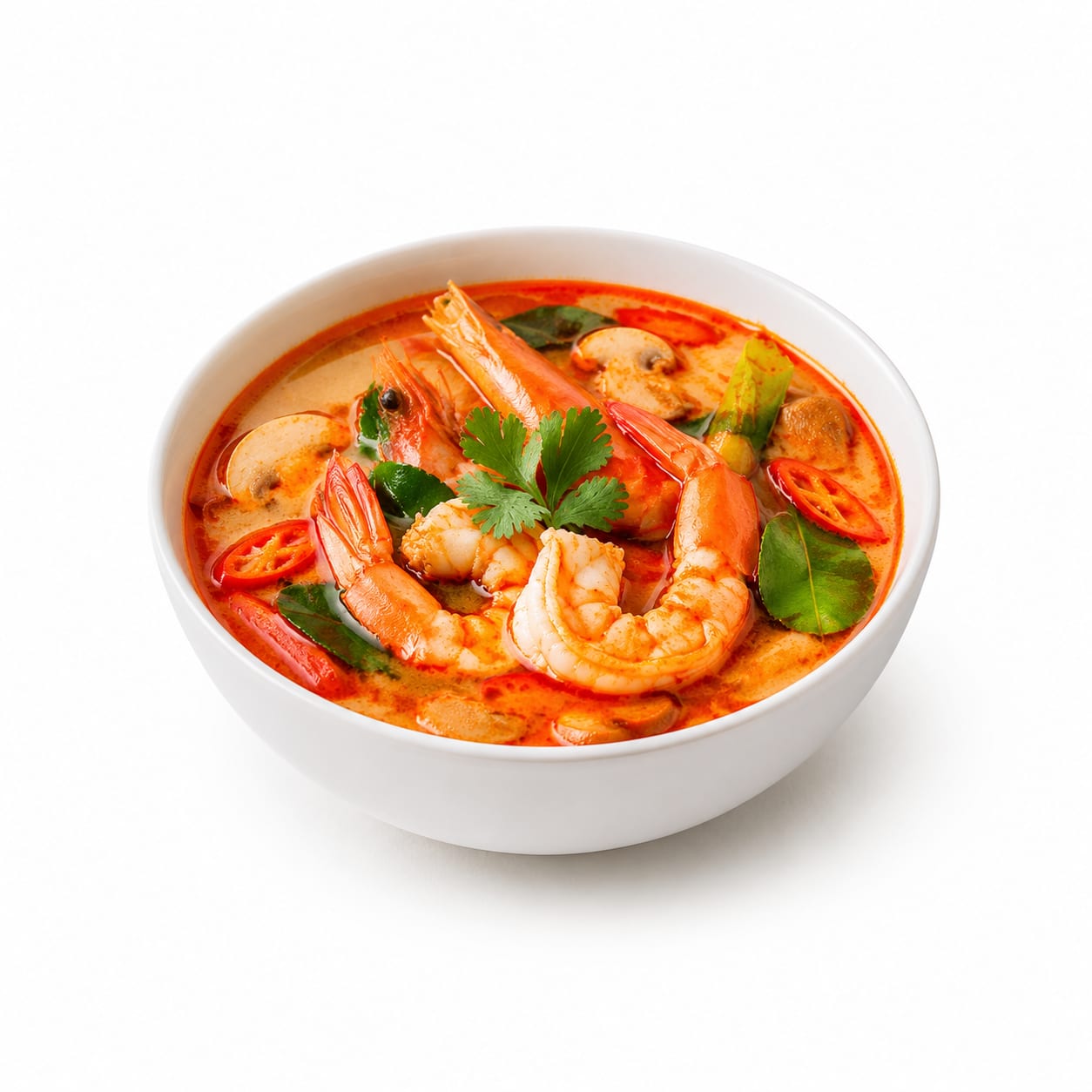
Tom Yum Goong
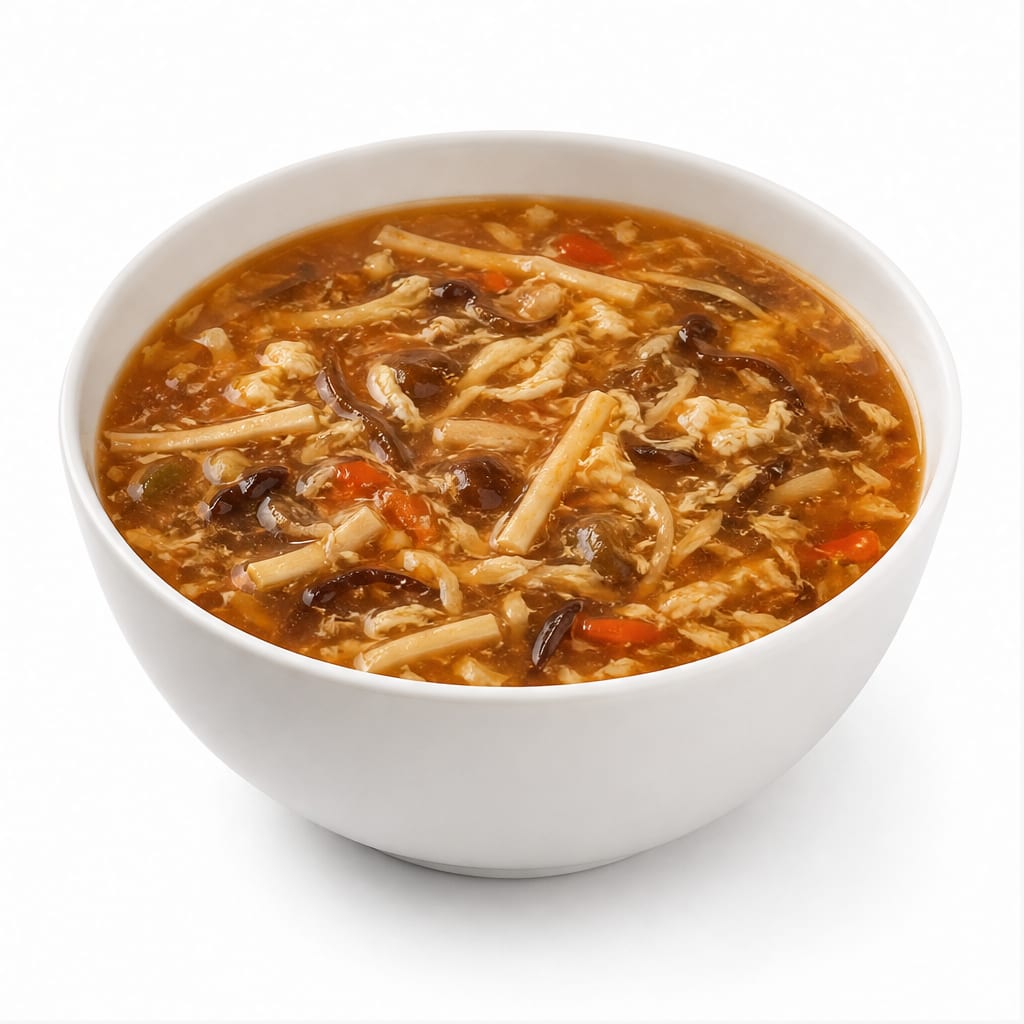
Chinese Hot and Sour Soup
Tom Yum Goong delivers superior protein and anti-inflammatory herbs, while Chinese Hot and Sour Soup offers lighter calories and heart-friendly tofu. Your health goals determine the winner.
Tom Yum Goong edges ahead on protein quality and functional herbs, but Chinese Hot and Sour Soup stays competitive with lighter calories and heart-healthier protein. Both lose points for high sodium in restaurant preparations.
Shrimp-based protein and medicinal herbs versus lower-calorie plant protein and easier daily digestion
At a glance
Executive summary
Overall
It depends
Healthier
It depends
More practical
Chinese Hot and Sour Soup
Daily use
Chinese Hot and Sour Soup
Key comparison lenses
Which soup is healthier for regular consumption?
Both are popular restaurant soups people order frequently, making long-term health impact the top concern
Sodium and blood pressure tradeoffs
Both soups are notoriously high in sodium from fish sauce or soy sauce, a major health consideration
Protein quality and satiety comparison
Shrimp vs tofu/pork offers very different protein profiles affecting fullness and muscle maintenance
Anti-inflammatory and immune benefits
Tom Yum Goong's herbs are traditionally medicinal, while Chinese Hot and Sour Soup has different functional ingredients
Allergen and dietary restriction compatibility
Shellfish, soy, egg, and pork restrictions affect accessibility differently
Best choice for
Tom Yum Goong
- People wanting high-quality complete protein from shrimp
- Those seeking anti-inflammatory and immune-supporting herbs
- Low-carb and keto dieters avoiding starch thickeners
- Anyone needing iron, iodine, and selenium boost
Chinese Hot and Sour Soup
- People watching cholesterol and saturated fat intake
- Those preferring lighter, lower-calorie soup options
- Vegetarians who eat eggs and dairy but not shellfish
- Anyone wanting bone-supporting calcium from tofu
Least suitable for
Tom Yum Goong
- People with shellfish allergies
- Those on strict low-sodium diets unless homemade
- Anyone watching cholesterol closely
- People sensitive to spicy food
Chinese Hot and Sour Soup
- People with soy allergies
- Those avoiding eggs
- Anyone sensitive to MSG often used in restaurant versions
- People on strict low-carb diets due to cornstarch thickener
Deep comparison
Dimension by dimension
Each lens scores both foods and breaks down who each option suits.
- Dimension 1 · Priority 90Tom Yum Goong
Protein Quality and Satiety
Tom Yum Goong · 82Chinese Hot and Sour Soup · 62Shrimp provides complete, high-quality protein that keeps you fuller longer than the tofu-pork-egg combo in Chinese Hot and Sour Soup.
Tradeoff
Tom Yum Goong's shrimp protein is superior but comes with more cholesterol, while Chinese Hot and Sour Soup offers decent protein variety with less dietary cholesterol.
Why it matters
Protein quality directly affects how long you stay satisfied after eating and how well your body maintains muscle.
Real-world impact
A bowl of Tom Yum Goong typically keeps you full for 2-3 hours, while Chinese Hot and Sour Soup may leave you hungry again within 90 minutes.
Tom Yum Goong
- Athletes needing complete amino acid profiles
- Older adults preventing muscle loss
- Anyone wanting longer-lasting fullness from soup
Better for
- People with shellfish allergies must avoid entirely
- Those on cholesterol-restricted diets
Worse for
Chinese Hot and Sour Soup
- People managing high cholesterol
- Those who prefer plant-forward protein sources
- Anyone eating multiple courses who wants a lighter starter
Better for
- Anyone needing sustained energy from their soup course
- People relying on soup as a main protein source
Worse for
- Dimension 2 · Priority 88It depends
Sodium Load and Blood Pressure Impact
Tom Yum Goong · 35Chinese Hot and Sour Soup · 38Both soups are sodium bombs in restaurant form. Tom Yum Goong uses fish sauce while Chinese Hot and Sour Soup relies on soy sauce and often MSG.
Tradeoff
Neither soup wins here. Fish sauce in Tom Yum Goong can pack slightly more sodium per tablespoon than soy sauce, but Chinese Hot and Sour Soup often adds MSG on top of soy sauce.
Why it matters
A single restaurant bowl of either soup can deliver 1500-3000mg sodium, nearly your entire daily limit.
Real-world impact
Eating either soup regularly at restaurants could raise blood pressure over time. Homemade versions with reduced salt are the only way either becomes blood-pressure friendly.
Tom Yum Goong
- Those who control salt at home and use less fish sauce
Better for
- Hypertensive individuals eating restaurant versions
Worse for
Chinese Hot and Sour Soup
- Those who tolerate MSG well and can request low-sodium preparation
Better for
- People sensitive to MSG who eat restaurant versions
Worse for
- Dimension 3 · Priority 82Tom Yum Goong
Anti-Inflammatory and Immune Benefits
Tom Yum Goong · 85Chinese Hot and Sour Soup · 55Tom Yum Goong is essentially a medicinal broth with lemongrass, galangal, kaffir lime, and chili all fighting inflammation. Chinese Hot and Sour Soup's vinegar and pepper offer milder benefits.
Tradeoff
You get significantly more functional herbs in Tom Yum Goong, but the spice level can irritate sensitive stomachs, negating benefits for some people.
Why it matters
Chronic inflammation drives most lifestyle diseases. Food-as-medicine choices compound over years.
Real-world impact
Regularly eating Tom Yum Goong is like taking a mild anti-inflammatory supplement with your meal. Chinese Hot and Sour Soup's vinegar may aid digestion but lacks the same therapeutic punch.
Tom Yum Goong
- People with inflammatory conditions like arthritis
- Anyone wanting immune support during cold season
- Those who tolerate spice well and want functional food benefits
Better for
- Anyone with IBS or spicy food intolerance
Worse for
Chinese Hot and Sour Soup
- People with acid reflux or GERD who cannot tolerate spicy food
- Those wanting gentle digestive support without heat
Better for
- People seeking meaningful anti-inflammatory effects from food
Worse for
- Dimension 4 · Priority 80Chinese Hot and Sour Soup
Calorie Density and Weight Management
Tom Yum Goong · 58Chinese Hot and Sour Soup · 72Chinese Hot and Sour Soup is typically lighter, especially when Tom Yum Goong includes coconut milk or evaporated milk in creamier versions.
Tradeoff
The lower calorie count of Chinese Hot and Sour Soup comes with less satiety, meaning you may eat more overall. Tom Yum Goong's higher calories come with better fullness.
Why it matters
Calorie density determines whether a food supports or sabotages weight management goals.
Real-world impact
A clear Tom Yum Goong runs 150-250 calories per bowl, while creamy versions hit 300-400. Chinese Hot and Sour Soup typically stays around 120-200 calories.
Tom Yum Goong
- Those wanting soup as a satisfying main course
- People doing intermittent fasting who need filling meals
Better for
- People unaware that creamy versions double the calories
Worse for
Chinese Hot and Sour Soup
- Anyone counting calories strictly
- People eating multiple courses who want a light starter
- Those who prefer volume eating with fewer calories
Better for
- Anyone expecting the soup alone to carry them to the next meal
Worse for
- Dimension 5 · Priority 78Chinese Hot and Sour Soup
Heart Health and Cholesterol Impact
Tom Yum Goong · 50Chinese Hot and Sour Soup · 70Chinese Hot and Sour Soup's tofu provides heart-friendly plant protein with zero cholesterol. Shrimp in Tom Yum Goong, while nutritious, raises cholesterol concerns for some.
Tradeoff
Shrimp raises LDL modestly but also raises protective HDL. Tofu actively helps lower cholesterol. The net heart health edge goes to Chinese Hot and Sour Soup.
Why it matters
Cardiovascular disease remains the leading cause of death globally, and dietary cholesterol choices compound over decades.
Real-world impact
Eating tofu-based soup a few times weekly can help lower LDL by 5-10%. Shrimp is not harmful for most people, but those with existing high cholesterol should moderate intake.
Tom Yum Goong
- People with normal cholesterol who benefit from shrimp's omega-3s and selenium
Better for
- People with genetically high cholesterol
- Those already on cholesterol medication
Worse for
Chinese Hot and Sour Soup
- Anyone with elevated LDL cholesterol
- People with family history of heart disease
- Those following plant-forward diets for heart health
Better for
- People who need the selenium and iodine that shrimp uniquely provides
Worse for
- Dimension 6 · Priority 72Chinese Hot and Sour Soup
Digestive Tolerance and Comfort
Tom Yum Goong · 48Chinese Hot and Sour Soup · 70Chinese Hot and Sour Soup's vinegar may actually aid digestion, while Tom Yum Goong's chili and acidity can trigger heartburn or stomach upset in sensitive people.
Tradeoff
Tom Yum Goong's galangal helps with nausea and digestion, but the overall spice level overwhelms that benefit for many. Chinese Hot and Sour Soup is gentler overall.
Why it matters
A food that causes discomfort won't be eaten consistently, no matter how nutritious it is.
Real-world impact
If you get heartburn from spicy food, Tom Yum Goong is a guaranteed discomfort. Chinese Hot and Sour Soup is the safer lunch option before an afternoon of work.
Tom Yum Goong
- People with strong digestive systems who tolerate heat well
- Those whose digestion benefits from galangal and lemongrass
Better for
- GERD sufferers
- People with IBS triggered by spicy food
Worse for
Chinese Hot and Sour Soup
- Anyone prone to heartburn or acid reflux
- People with sensitive stomachs
- Those eating before physical activity or meetings
Better for
- Those sensitive to vinegar's acidity
Worse for
- Dimension 7 · Priority 75Tom Yum Goong
Micronutrient Density
Tom Yum Goong · 78Chinese Hot and Sour Soup · 65Shrimp delivers iodine, selenium, and B12 that tofu cannot match. Tom Yum Goong's herbs also contribute trace minerals and antioxidants.
Tradeoff
Chinese Hot and Sour Soup wins on calcium from tofu, but Tom Yum Goong provides a broader micronutrient spectrum overall, especially for minerals many people lack.
Why it matters
Iodine and selenium deficiencies are surprisingly common and affect thyroid and immune function.
Real-world impact
A bowl of Tom Yum Goong provides over 100% of daily B12 needs and significant iodine. Chinese Hot and Sour Soup gives you about 15-20% of daily calcium from tofu.
Tom Yum Goong
- People with low thyroid function needing iodine
- Anyone low in B12, especially vegetarians who eat seafood
- Those wanting selenium for immune support
Better for
- People in areas with high seafood consumption already getting enough iodine
Worse for
Chinese Hot and Sour Soup
- Post-menopausal women needing calcium
- People avoiding seafood who need plant-based minerals
- Anyone wanting iron from tofu and mushrooms
Better for
- Those at risk for B12 deficiency
Worse for
Timeline
Health impact over time
Short-term
Hours to days
Tom Yum Goong
- Spice can cause immediate sweating and slight metabolism boost
- Shrimp protein provides sustained energy for 2-3 hours
- High sodium causes temporary water retention and thirst
- Chili may trigger heartburn in sensitive individuals
- Aromatic herbs can clear sinuses and improve alertness
Chinese Hot and Sour Soup
- Vinegar may help stabilize post-meal blood sugar
- Lower calorie count means less post-meal sluggishness
- Cornstarch thickener causes faster blood sugar rise than clear broths
- MSG can cause mild headaches in sensitive people
- Warm, gentle flavor is comforting without overwhelming digestion
Long-term
Months to years
Tom Yum Goong
- Regular consumption supports thyroid health through iodine intake
- Anti-inflammatory herbs may reduce chronic disease risk over years
- Frequent high-sodium intake raises hypertension risk if eating restaurant versions
- Shrimp consumption 2-3 times weekly supports cognitive function via B12 and omega-3s
- Cholesterol impact is neutral for most people but concerning for hyper-responders
Chinese Hot and Sour Soup
- Tofu's isoflavones may support bone density in post-menopausal women
- Regular vinegar intake is associated with better blood sugar control long-term
- High sodium from soy sauce contributes to hypertension risk with frequent consumption
- Plant protein from tofu supports cardiovascular health over time
- Egg content provides choline which supports brain health with regular intake
Risk profile
Safety & processing
Traditional Tom Yum Goong uses whole herbs, fresh shrimp, and natural seasonings. Chinese Hot and Sour Soup often relies on cornstarch thickener, MSG, and more processed soy sauce, making it slightly more processed overall.
Tom Yum Goong
Shellfish allergy reaction
highShrimp is a top 8 allergen. Reactions can range from hives to anaphylaxis. Cross-contamination in Thai kitchens is common.
Mercury and heavy metals in shrimp
lowShrimp is generally low in mercury compared to larger fish, but farmed shrimp may contain antibiotic residues depending on sourcing.
Foodborne illness from undercooked shrimp
mediumShrimp must be cooked through to avoid Vibrio and other bacterial infections. Reputable restaurants generally handle this well.
Chinese Hot and Sour Soup
MSG sensitivity reaction
mediumRestaurant Chinese Hot and Sour Soup commonly contains MSG, which causes headaches, flushing, or sweating in sensitive individuals.
Soy allergy exposure
highTofu and soy sauce make this soup completely off-limits for those with soy allergies, which are increasingly common.
Egg cross-contamination for egg-allergic individuals
mediumEgg ribbons are a standard ingredient, making this unsuitable for anyone with egg allergies unless specially prepared.
Who wins for whom
Audience fit
Same foods, different winners depending on your goal.
children
Chinese Hot and Sour SoupMilder flavor and softer ingredients like tofu and egg are more kid-friendly. Tom Yum Goong's intense spice is often rejected by children.
daily consumption
Chinese Hot and Sour SoupLighter, less spicy, and easier on the stomach make Chinese Hot and Sour Soup more sustainable as a daily option, assuming sodium is managed.
diabetes
Chinese Hot and Sour SoupChinese Hot and Sour Soup's vinegar content helps blunt blood sugar spikes, and tofu has minimal impact on glucose. Tom Yum Goong is also low-carb but lacks the vinegar benefit.
elderly
Chinese Hot and Sour SoupGentler on aging digestive systems, easier to chew, and tofu's calcium supports bone health. Tom Yum Goong's spice can aggravate acid reflux common in older adults.
muscle gain
Tom Yum GoongShrimp provides complete protein with all essential amino acids in a more bioavailable form than tofu, supporting muscle repair and growth better.
weight loss
Chinese Hot and Sour SoupChinese Hot and Sour Soup delivers fewer calories per bowl while still feeling satisfying, making it easier to maintain a calorie deficit.
Your move
Decision guide
Choose Tom Yum Goong
- You want maximum protein and staying power from your soup
- Anti-inflammatory benefits from herbs matter to you
- You have no shellfish allergy and tolerate spice well
- You need B12, iodine, or selenium from food sources
- You are eating low-carb and want to avoid cornstarch thickeners
Choose Chinese Hot and Sour Soup
- You are watching calories or cholesterol intake
- You want a gentler soup that will not upset your stomach
- You prefer plant-based protein sources
- You are eating before an event and cannot risk heartburn
- You want a soup you can eat almost daily without fatigue
Either works if
- You are ordering at a restaurant and both sound appealing
- You have no specific dietary restrictions or health concerns
- You are eating soup as a starter, not a main course
Avoid both if
- You are on a strict low-sodium diet for blood pressure or kidney disease
- You have multiple food allergies spanning shellfish, soy, and eggs
- You are sensitive to both MSG and fish sauce
Final recommendation
For most people eating out occasionally, Tom Yum Goong is the more nutrient-dense and satisfying choice. For regular consumption or lighter meals, Chinese Hot and Sour Soup is easier to live with long-term. The best strategy: enjoy Tom Yum Goong when you want a protein-rich, herb-forward meal, and reach for Chinese Hot and Sour Soup when you need something gentle and light. In both cases, ask for reduced sodium when possible.
Practical
Consumer tips
- 1
Ask for Tom Yum Goong without coconut milk to cut 150+ calories per bowl while keeping all the herb benefits
- 2
Request reduced-sodium preparation for either soup at restaurants, most chefs will accommodate
- 3
Make Chinese Hot and Sour Soup at home using low-sodium soy sauce and skip the MSG for a much healthier version
- 4
If ordering Tom Yum Goong, ask if shrimp is wild-caught to avoid antibiotic exposure from farmed shrimp
- 5
Pair either soup with a side of steamed vegetables to make a complete, balanced meal
- 6
Avoid creamy Tom Yum Goong versions if watching calories, the clear broth version is dramatically lighter
- 7
For Chinese Hot and Sour Soup, request less cornstarch to reduce the blood sugar impact of the thickener