
Nutrition comparison
Tom Yum Goong vs Miso Soup: Which Asian Soup Is Healthier for Daily Eating?
Compare Tom Yum Goong and Miso Soup on sodium, protein, gut health, and weight management. Find out which soup fits your health goals and when to choose each.
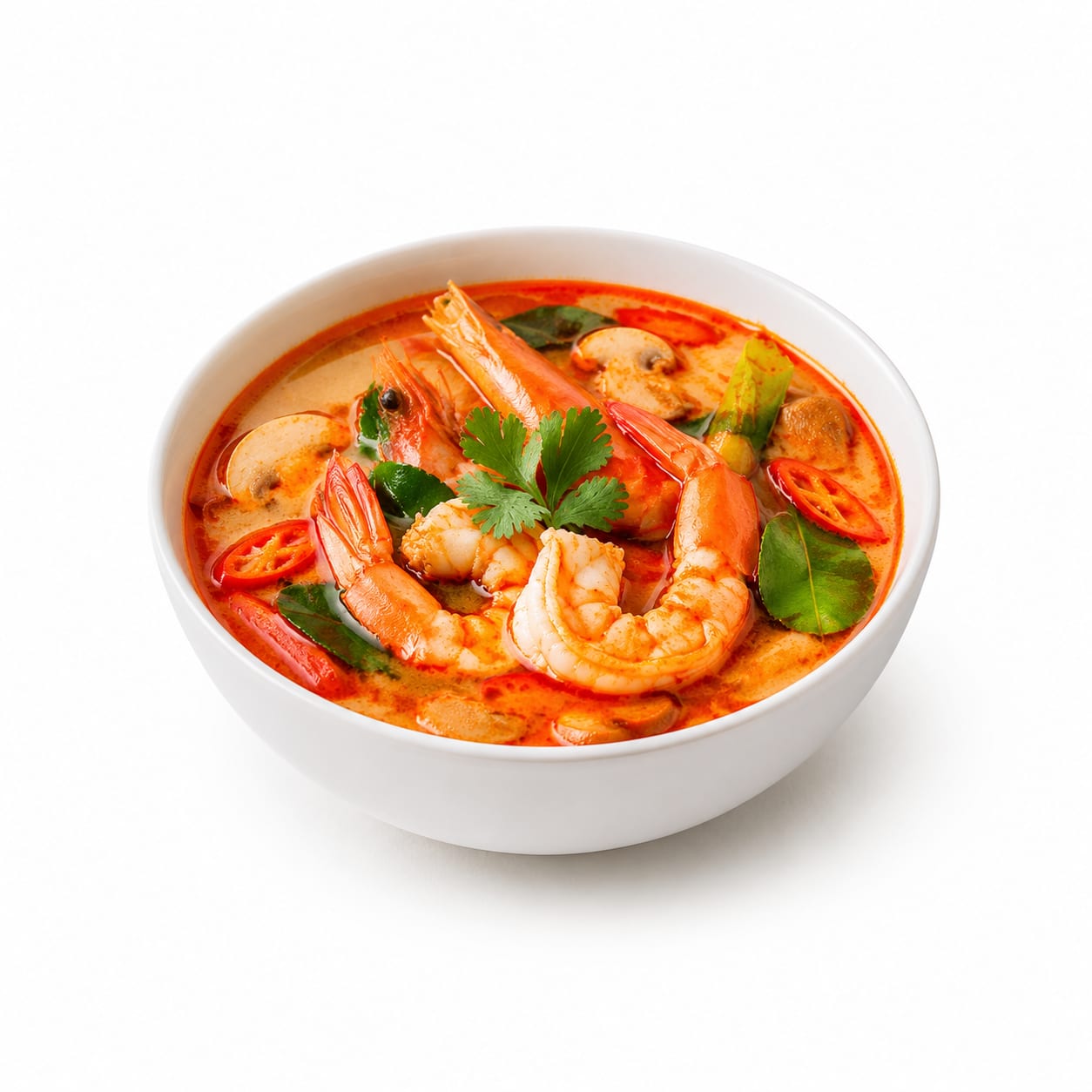
Tom Yum Goong
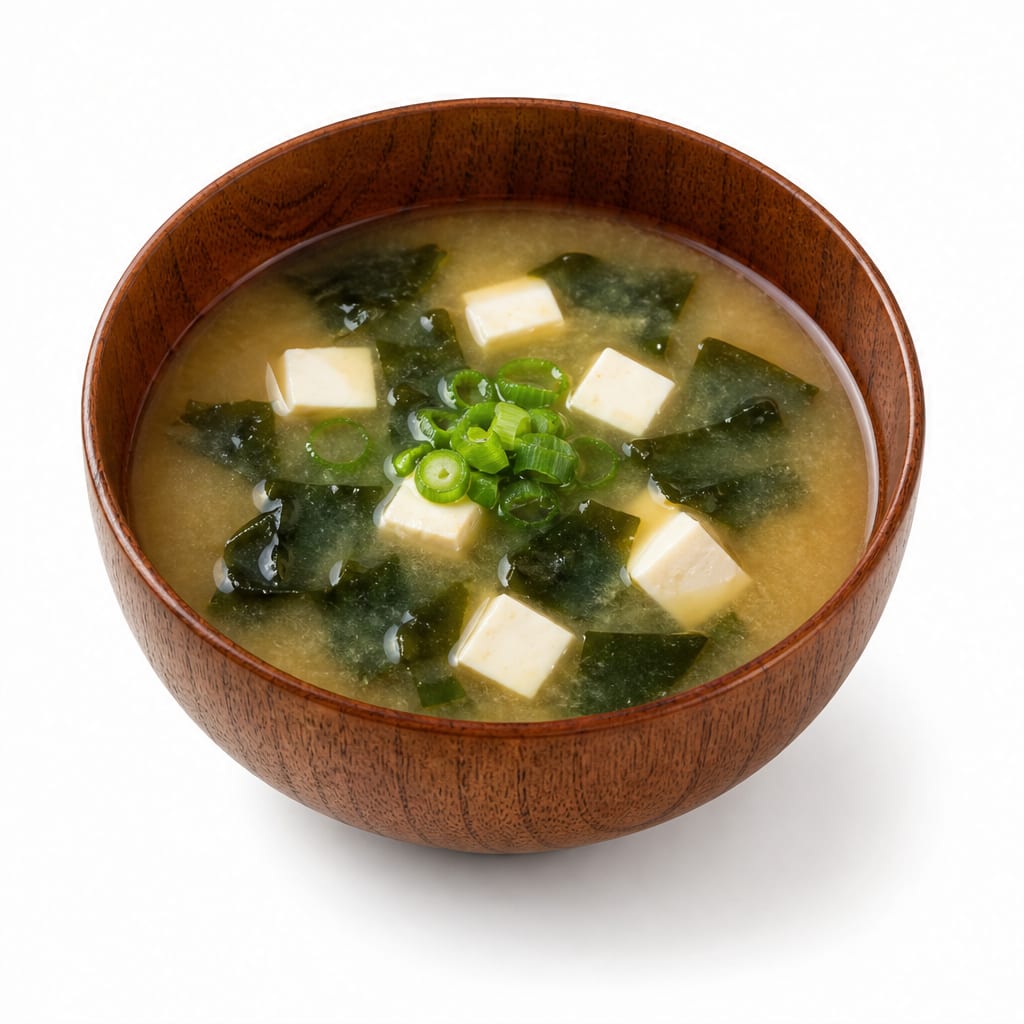
Miso Soup
Miso Soup is the gentle daily ritual; Tom Yum Goong is the bold occasional powerhouse. Your choice depends on what your body needs today.
Miso Soup scores higher for daily health sustainability and gentleness. Tom Yum Goong wins on protein and therapeutic spice content but loses ground on sodium load and digestive harshness for regular use.
Tom Yum Goong delivers more protein and anti-inflammatory spices but hits harder with sodium and spice. Miso Soup offers fermented gut benefits and easy daily comfort with less caloric impact.
At a glance
Executive summary
Overall
It depends
Healthier
Miso Soup
More practical
Miso Soup
Daily use
Miso Soup
Key comparison lenses
Daily soup choice for gut health and comfort
Both are iconic Asian soups people consume regularly, but they sit on opposite ends of the comfort spectrum
Sodium awareness and blood pressure management
Both soups are sodium-heavy through different sources — fish sauce vs fermented soy paste — making this a critical tradeoff
Weight management and calorie control
Miso Soup is dramatically lighter, while Tom Yum Goong delivers more substance and protein per bowl
Digestive tolerance and sensitive stomachs
Spicy acidity versus gentle fermented warmth — these soups affect digestion in completely different ways
Anti-inflammatory and immune support
Tom Yum Goong packs anti-inflammatory herbs, while Miso Soup offers fermented compounds — different pathways, both valuable
Best choice for
Tom Yum Goong
- People wanting a protein-rich, satisfying meal starter
- Those seeking bold anti-inflammatory spice benefits
- Anyone needing a flavorful low-carb option that actually fills them up
- Fans of thermogenic spices for metabolism support
Miso Soup
- Daily soup drinkers wanting a gentle gut-friendly habit
- People managing blood pressure who need lower sodium options
- Anyone with a sensitive stomach or acid reflux
- Those seeking fermented food benefits without heavy meals
Least suitable for
Tom Yum Goong
- People with GERD, ulcers, or spice sensitivity
- Those on strict low-sodium diets
- Anyone wanting a light pre-bedtime snack
- Children unaccustomed to intense heat and sourness
Miso Soup
- Those avoiding soy due to allergy or thyroid concerns
- People wanting a protein-dense, filling soup
- Anyone bored by mild flavors seeking satisfaction
- Those who need sustained energy from a meal
Deep comparison
Dimension by dimension
Each lens scores both foods and breaks down who each option suits.
- Dimension 1 · Priority 92Miso Soup
Sodium Load and Blood Pressure Impact
Tom Yum Goong · 35Miso Soup · 50Both soups are sodium landmines, but Tom Yum Goong typically packs more due to fish sauce and seasoning paste combinations.
Tradeoff
Miso Soup is slightly less punishing on blood pressure, but neither soup is truly low-sodium. A single bowl of either can deliver 700-1500mg sodium.
Why it matters
If you eat soup daily, sodium accumulates fast. Even small differences compound into real blood pressure effects over months.
Real-world impact
Having Tom Yum Goong regularly could push daily sodium past 3000mg easily. Miso Soup is more controllable — you can dilute the paste and still enjoy it.
Tom Yum Goong
- Those who sweat heavily and need sodium replenishment
- Active individuals in hot climates losing electrolytes
Better for
- Hypertensive individuals
- Older adults with cardiovascular risk
Worse for
Miso Soup
- People monitoring blood pressure daily
- Anyone already eating processed foods high in sodium
Better for
- Anyone assuming miso is automatically low-sodium — it is not
Worse for
- Dimension 2 · Priority 90Miso Soup
Gut Health and Digestive Comfort
Tom Yum Goong · 45Miso Soup · 85Miso Soup feeds your gut microbiome with fermented probiotics and is gentle on the stomach lining. Tom Yum Goong stimulates digestion aggressively with spice and acid.
Tradeoff
Tom Yum Goong's capsaicin and lime can irritate sensitive stomachs even while boosting circulation. Miso Soup nurtures gut bacteria without the burn.
Why it matters
Daily gut-friendly choices compound into better digestion, immunity, and mood over time. Harsh spicy foods can erode that progress if overused.
Real-world impact
A bowl of Miso Soup before bed soothes. A bowl of Tom Yum Goong before bed is a gamble with heartburn.
Tom Yum Goong
- People with sluggish digestion needing a kickstart
- Those who tolerate spice well and enjoy the warming sensation
Better for
- Stomach ulcer patients
- Anyone prone to heartburn
Worse for
Miso Soup
- Anyone with IBS, GERD, or acid reflux
- People building a daily fermented food habit
Better for
- Those with soy intolerance or allergy
Worse for
- Dimension 3 · Priority 82Tom Yum Goong
Protein and Satiety
Tom Yum Goong · 78Miso Soup · 35Tom Yum Goong delivers real protein from shrimp — often 15-25g per bowl. Miso Soup offers minimal protein from tofu and soy, typically 3-6g.
Tradeoff
Tom Yum Goong can function as a light meal. Miso Soup is a supplement, not a solution, for hunger.
Why it matters
Protein transforms soup from a side dish into something that actually keeps you full. This matters enormously for weight management and meal satisfaction.
Real-world impact
After Miso Soup, you are hungry again in 45 minutes. After Tom Yum Goong, you might skip the next snack entirely.
Tom Yum Goong
- People using soup as a meal replacement
- Anyone needing protein without heavy calories
Better for
- Shellfish allergy sufferers
Worse for
Miso Soup
- Those eating soup as a small appetizer before a full meal
Better for
- Anyone relying on soup alone to get through an afternoon
Worse for
- Dimension 4 · Priority 75It depends
Anti-Inflammatory and Immune Benefits
Tom Yum Goong · 80Miso Soup · 72Tom Yum Goong leverages lemongrass, galangal, and chili for direct anti-inflammatory action. Miso Soup uses fermented isoflavones and antioxidants for longer-term immune modulation.
Tradeoff
Tom Yum Goong is acute and powerful — like a targeted supplement. Miso Soup is subtle and cumulative — like a daily vitamin.
Why it matters
If you feel a cold coming on, Tom Yum Goong's spice blast might help more immediately. For long-term inflammation reduction, Miso Soup's fermented compounds build quietly.
Real-world impact
Sick? Tom Yum Goong feels like medicine. Healthy and maintaining? Miso Soup is the better daily investment.
Tom Yum Goong
- Early stages of a cold needing symptomatic relief
- Those wanting thermogenic and circulatory benefits
Better for
- Those with inflamed digestive tracts where spice worsens things
Worse for
Miso Soup
- Long-term inflammation management
- People building consistent immune resilience
Better for
- Anyone needing immediate noticeable effects
Worse for
- Dimension 5 · Priority 78Miso Soup
Calorie Density and Weight Management
Tom Yum Goong · 55Miso Soup · 88Miso Soup typically runs 40-70 calories per bowl. Tom Yum Goong ranges from 80-250+ depending on coconut milk and shrimp portion.
Tradeoff
Miso Soup is almost free calorie-wise but leaves you hungry. Tom Yum Goong costs more calories but actually satisfies.
Why it matters
For pure calorie counting, Miso Soup wins easily. But if low calories leave you snacking later, the math shifts.
Real-world impact
Three bowls of Miso Soup cost fewer calories than one Tom Yum Goong — but you would still be hungry after all three.
Tom Yum Goong
- People who want soup to actually fill them
- Low-carb dieters needing satisfying options
Better for
- Those unaware that coconut milk versions can be calorie-dense
Worse for
Miso Soup
- Strict calorie counters
- Intermittent fasters wanting a low-calorie break
Better for
- Emotional eaters who feel deprived by unsatisfying portions
Worse for
- Dimension 6 · Priority 70Miso Soup
Convenience and Daily Practicality
Tom Yum Goong · 40Miso Soup · 90Miso paste dissolves in hot water in 30 seconds. Tom Yum Goong requires multiple fresh herbs, shrimp preparation, and careful balancing of flavors.
Tradeoff
Miso Soup is a 2-minute habit. Tom Yum Goong is a cooking project or a restaurant visit.
Why it matters
The soup you can actually make daily beats the soup you only eat occasionally. Consistency drives health outcomes more than perfection.
Real-world impact
At 7am on a Tuesday, Miso Soup happens. Tom Yum Goong does not.
Tom Yum Goong
- Weekend cooking when you have time
- Restaurant meals where someone else cooks
Better for
- Those without access to fresh lemongrass, galangal, and kaffir lime leaves
Worse for
Miso Soup
- Busy professionals needing a 2-minute warm ritual
- Anyone building a daily soup habit
Better for
- People who find instant preparation unsatisfying as a cooking experience
Worse for
Timeline
Health impact over time
Short-term
Hours to days
Tom Yum Goong
- Warming and circulatory boost from capsaicin within minutes
- Potential heartburn or stomach irritation if sensitive to spice or acid
- Immediate satiety from protein content, reducing snacking urge
- Nasal clearing and sinus relief from aromatic herbs and chili
Miso Soup
- Gentle warming comfort without digestive stress
- Quick light hydration with minimal caloric load
- Mild probiotic activity beginning in the gut
- Soothing effect that can reduce stress eating impulses
Long-term
Months to years
Tom Yum Goong
- Regular high sodium intake may elevate blood pressure over time
- Chili consumption linked to cardiovascular benefits in population studies
- Possible stomach lining irritation with excessive daily consumption
- Herb-driven anti-inflammatory compounds may reduce chronic inflammation markers
Miso Soup
- Consistent fermented food intake associated with improved gut microbiome diversity
- Soy isoflavones may support bone density in postmenopausal women
- Daily sodium from miso still requires monitoring for blood pressure
- Potential mild thyroid interaction from soy in susceptible individuals with high consumption
Risk profile
Safety & processing
Tom Yum Goong uses whole fresh ingredients — shrimp, herbs, lime. Miso paste is a fermented product, which is traditional but still processed. Some commercial miso pastes contain added MSG, preservatives, or excessive sodium. Restaurant versions of both soups may include hidden additives, but homemade Tom Yum Goong is remarkably clean.
Tom Yum Goong
Shellfish allergy and cross-contamination
highShrimp is a top allergen. Restaurant kitchens often have cross-contact. Not an issue for non-allergic individuals but serious for those affected.
Seafood spoilage and foodborne illness
mediumShrimp spoils quickly. Improper storage or reheating creates real food poisoning risk, especially in buffet or street food settings.
Heavy metal exposure from shrimp
lowShrimp can contain trace arsenic and other contaminants, particularly from farm-raised sources. Occasional consumption is fine; daily would be concerning.
Miso Soup
Soy allergy and thyroid interaction
mediumSoy is a common allergen. Goitrogens in soy can affect thyroid function in iodine-deficient individuals consuming large amounts daily.
High sodium contributing to hypertension
mediumA single tablespoon of miso paste contains 600-900mg sodium. Multiple bowls or heavy-handed scooping adds up fast.
MSG sensitivity from commercial dashi
lowSome instant dashi packets contain MSG. While generally recognized as safe, sensitive individuals may experience headaches or flushing.
Who wins for whom
Audience fit
Same foods, different winners depending on your goal.
children
Miso SoupMiso Soup's mild, comforting flavor suits kids. Tom Yum Goong's intense heat and sourness is overwhelming for most children.
daily consumption
Miso SoupMiso Soup is a sustainable daily ritual across Japan for good reason — it is gentle, quick, and cumulative in benefits. Tom Yum Goong is better as a few-times-per-week indulgence.
diabetes
Miso SoupBoth soups are low in carbohydrates, but Miso Soup's gentler impact on digestion and lower calorie density makes it a safer regular choice. Tom Yum Goong's spice can sometimes mask hunger cues.
elderly
Miso SoupGentle on aging digestive systems, easy to prepare, and fermented soy supports bone health. Tom Yum Goong's spice and sodium are harder on older bodies.
muscle gain
Tom Yum GoongShrimp delivers high-quality complete protein directly supporting muscle repair. Miso Soup's minimal protein content does nothing meaningful for muscle building.
weight loss
Miso SoupMiso Soup's ultra-low calorie count makes it easy to fit into any deficit. Tom Yum Goong's higher calories still offer good satiety, but the math is harder to control.
Your move
Decision guide
Choose Tom Yum Goong
- You want a soup that actually fills you up as a light meal
- You are fighting off a cold and need a spicy, warming boost
- You tolerate spice well and want anti-inflammatory herb benefits
- You are eating at a Thai restaurant and want a protein-forward starter
- You need something satisfying on a low-carb eating plan
Choose Miso Soup
- You want a gentle daily soup habit that supports gut health
- You are watching calories closely and need something warm without the cost
- You have a sensitive stomach, acid reflux, or spice intolerance
- You have 2 minutes and need comfort in a bowl right now
- You are building a fermented foods practice for microbiome diversity
Either works if
- You just want a warming savory soup and both are available
- You are not sodium-sensitive and enjoy variety
- You are eating alongside a full meal where the soup is just a starter
Avoid both if
- You are on a strict low-sodium diet prescribed by a doctor
- You have both shellfish allergy and soy allergy
- You are already consuming excessive sodium from other meals today
Final recommendation
Make Miso Soup your daily default and save Tom Yum Goong for when you need something bold and satisfying. The best approach is not choosing one forever — it is knowing when each serves you. Miso Soup builds quiet health momentum. Tom Yum Goong delivers when your body craves intensity and substance.
Practical
Consumer tips
- 1
Use low-sodium miso paste and start with half the recommended amount — you can always add more
- 2
Ask for Tom Yum Goong Nam Sai (clear version) instead of Nam Khon (coconut milk) to save 100+ calories per bowl
- 3
Make miso Soup with extra tofu and wakame to boost its protein and mineral content significantly
- 4
Never boil miso paste — add it off-heat to preserve probiotic benefits
- 5
If making Tom Yum Goong at home, reduce fish sauce by one-third and compensate with extra lime — you will cut sodium without losing flavor
- 6
Freeze individual portions of miso Soup for instant access on busy mornings
- 7
Choose wild shrimp over farm-raised for Tom Yum Goong to reduce antibiotic and contaminant exposure
- 8
Rotate between both soups weekly rather than picking one exclusively — variety maximizes benefits and minimizes risks