
Nutrition comparison
Tom Yum Goong vs Pho: Which Thai-Vietnamese Soup Is Healthier?
Compare Tom Yum Goong and Pho on calories, carbs, sodium, anti-inflammatory benefits, and digestibility. Find out which soup fits your health goals best.
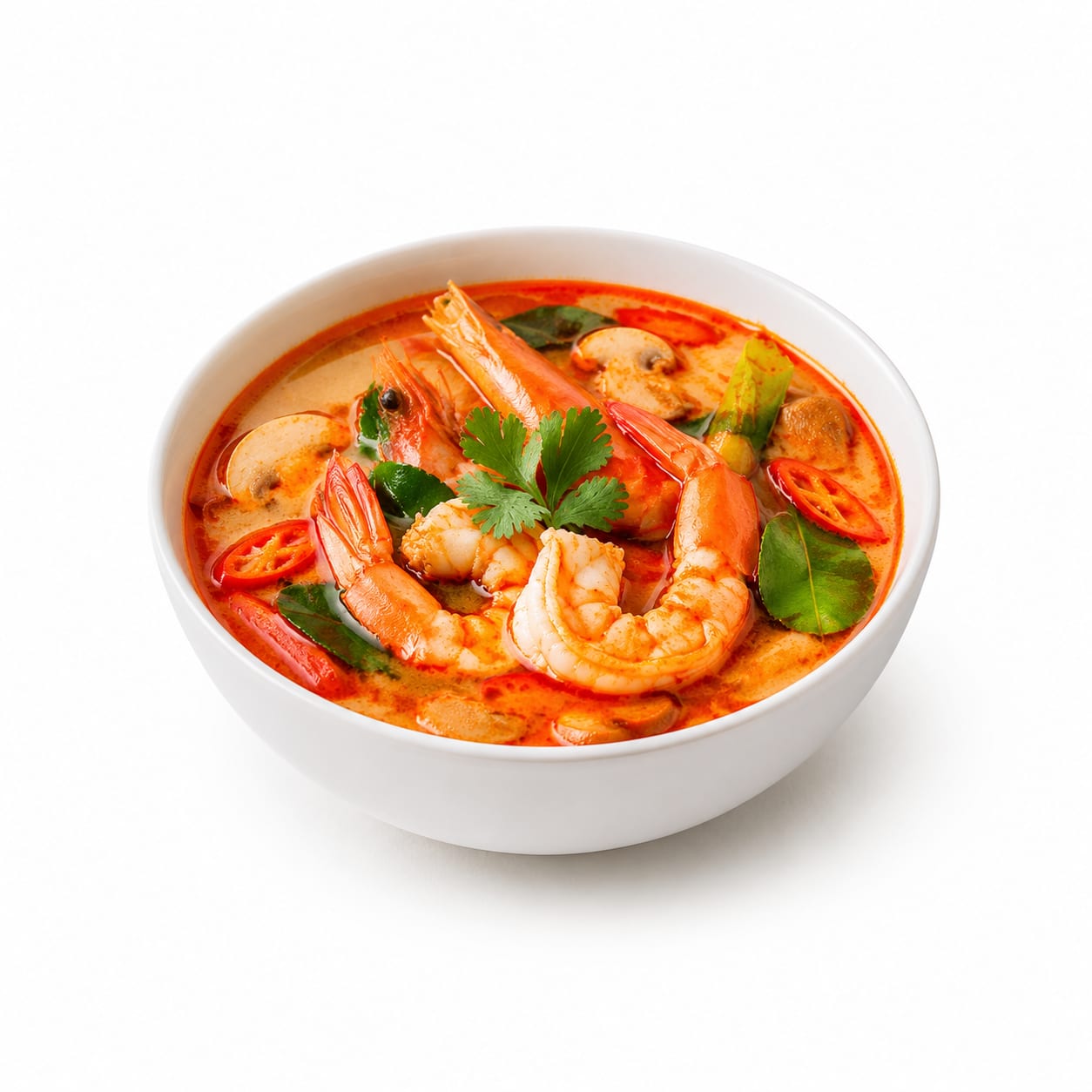
Tom Yum Goong
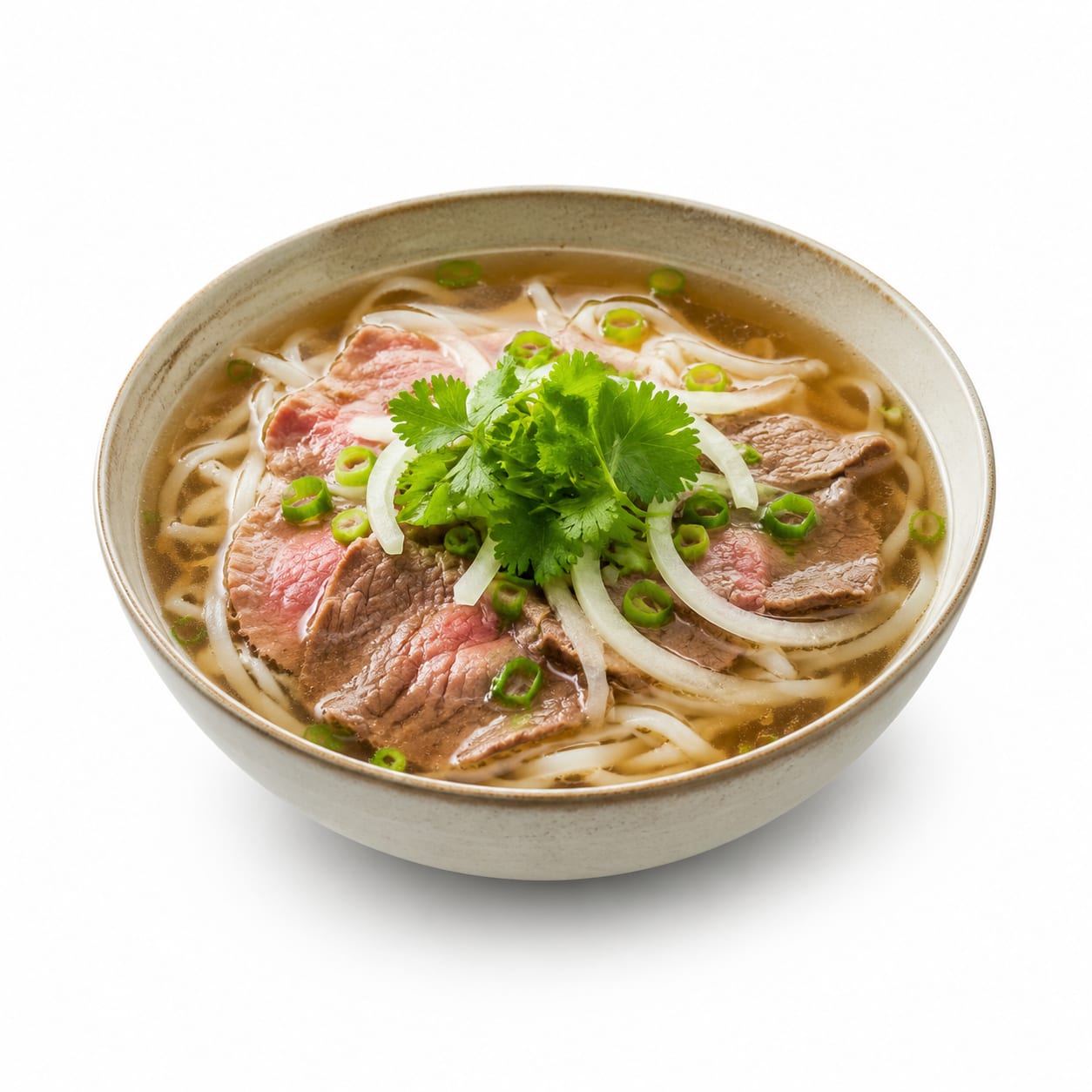
Pho
Tom Yum Goong wins for low-carb and anti-inflammatory benefits; Pho wins for comfort, satiety, and digestive gentleness.
Tom Yum Goong scores slightly higher due to its lower carb load and potent anti-inflammatory spices, but Pho's superior satiety and broader digestibility keep it close. The right choice depends heavily on your dietary priorities.
You trade the filling, soothing carb comfort of Pho for the lighter, spicier, metabolically sharper profile of Tom Yum Goong.
At a glance
Executive summary
Overall
It depends
Healthier
It depends
More practical
Pho
Daily use
Pho
Key comparison lenses
Calorie and carb consciousness
Tom Yum Goong is naturally low-carb while Pho is noodle-heavy, making this the starkest difference between the two
Comfort vs stimulation eating experience
Pho is soothing and mild; Tom Yum Goong is fiery and invigorating — they serve completely different emotional needs
Sodium awareness
Both soups rely heavily on salty seasonings but from different sources, and sodium load is a real concern for daily consumption
Digestive tolerance
Spicy Tom Yum can irritate sensitive stomachs while Pho is famously gentle and restorative
Anti-inflammatory potential
Tom Yum's herbs and spices offer notable anti-inflammatory compounds that Pho's milder broth cannot match
Best choice for
Tom Yum Goong
- Low-carb or keto eaters
- People seeking anti-inflammatory spices
- Those wanting a lighter meal that will not cause a carb crash
- Anyone who enjoys bold, stimulating flavors
Pho
- Comfort food seekers on a cold day
- People with sensitive stomachs or acid reflux
- Anyone needing a filling, satisfying meal
- Post-illness recovery eating
Least suitable for
Tom Yum Goong
- People with acid reflux or GERD
- Those sensitive to spicy food
- Anyone watching shellfish cholesterol closely
- People who need a filling meal on a tight budget
Pho
- Strict low-carb dieters
- People trying to minimize calorie intake
- Those avoiding high-glycemic carbs
- Anyone sensitive to MSG often used in restaurant broths
Deep comparison
Dimension by dimension
Each lens scores both foods and breaks down who each option suits.
- Dimension 1 · Priority 93Tom Yum Goong
Calorie Density & Weight Management
Tom Yum Goong · 85Pho · 55Tom Yum Goong is significantly lower in calories per bowl because it skips the heavy noodle base that defines Pho.
Tradeoff
You feel less full after Tom Yum Goong, which may lead to snacking later if you are not careful.
Why it matters
A typical bowl of Pho packs 350-500 calories mostly from rice noodles, while Tom Yum Goong sits around 150-250 calories with far fewer carbs.
Real-world impact
If you eat soup for lunch daily, choosing Tom Yum Goong could save you 200+ calories per meal without feeling deprived of flavor.
Tom Yum Goong
- Active weight loss phases
- Intermittent fasting windows
- Low-carb meal plans
Better for
- Endurance athletes needing glycogen
- Underweight individuals
- Growing teenagers with high caloric needs
Worse for
Pho
- Maintaining weight after reaching goals
- Active individuals needing carb fuel
- Those who skip meals and need one to really count
Better for
- Sedentary office workers watching waistline
- Pre-dinner meals where you want to stay light
- Anyone tracking daily calories closely
Worse for
- Dimension 2 · Priority 88Pho
Satiety & Fullness
Tom Yum Goong · 50Pho · 82Pho's rice noodles and larger portion size make it far more filling than the lighter, broth-forward Tom Yum Goong.
Tradeoff
That fullness comes from refined carbs that digest quickly, so the satiety fades faster than you might expect.
Why it matters
Feeling satisfied after a meal prevents mindless snacking, but the type of fullness matters — noodle-full is different from protein-full.
Real-world impact
After a bowl of Pho you likely will not think about food for 3-4 hours. Tom Yum Goong may leave you hunting for a snack within 2 hours.
Tom Yum Goong
- Light lunch before a big dinner
- Hot weather eating when heavy food feels wrong
- Appetizer course before a main dish
Better for
- Long work shifts without snack access
- Hiking or outdoor activity days
- Growing kids who burn calories fast
Worse for
Pho
- One-meal days when soup is the entire meal
- Cold winter dinners
- Post-workout refueling
Better for
- Right before a workout
- Hot humid days when heavy food drags you down
- Late-night eating close to bedtime
Worse for
- Dimension 3 · Priority 86Tom Yum Goong
Blood Sugar Stability
Tom Yum Goong · 80Pho · 45Tom Yum Goong barely moves the blood sugar needle. Pho's rice noodles can cause a noticeable spike and subsequent dip.
Tradeoff
Steady blood sugar from Tom Yum Goong means fewer cravings, but you miss out on the quick energy that Pho's carbs can provide.
Why it matters
Rice noodles have a high glycemic index, especially in a clear broth with minimal fat or fiber to slow absorption.
Real-world impact
After Pho, you might feel an energy crash 90 minutes later. After Tom Yum Goong, energy stays flat and steady.
Tom Yum Goong
- Prediabetics and diabetics
- Anyone prone to afternoon energy crashes
- Keto and low-carb followers
Better for
- Endurance athletes in training
- Under-fueled athletes at risk of bonking
- Children who need steady energy from carbs
Worse for
Pho
- Athletes carb-loading before events
- Manual laborers needing quick fuel
- Hypoglycemic individuals needing blood sugar raised
Better for
- Insulin-resistant individuals
- PCOS sufferers managing blood sugar
- Anyone trying to break the sugar-craving cycle
Worse for
- Dimension 4 · Priority 80Tom Yum Goong
Anti-Inflammatory & Immune Benefits
Tom Yum Goong · 88Pho · 55Tom Yum Goong is a powerhouse of anti-inflammatory ingredients — lemongrass, galangal, kaffir lime, and chili all fight inflammation actively.
Tradeoff
Those same spices that heal can irritate a sensitive gut, so the anti-inflammatory benefit depends on your digestive tolerance.
Why it matters
Galangal and lemongrass have documented anti-inflammatory and antimicrobial properties. Pho's star anise and cinnamon help mildly but cannot compete.
Real-world impact
Regularly eating Tom Yum Goong may meaningfully reduce systemic inflammation markers, especially if you are replacing inflammatory foods with it.
Tom Yum Goong
- Chronic inflammation sufferers
- People with joint pain or arthritis
- Anyone fighting off a cold who can tolerate spice
Better for
- Active IBS or colitis flares
- GERD sufferers
- People on blood thinners who must avoid excess spice
Worse for
Pho
- Post-surgical recovery when spice is contraindicated
- Ulcer patients needing gentle nutrition
- Chemotherapy patients with mouth sores
Better for
- Chronic inflammation management
- Immune support during cold season
- Metabolic syndrome intervention
Worse for
- Dimension 5 · Priority 82It depends
Sodium Load
Tom Yum Goong · 40Pho · 42Both soups are sodium bombs. Tom Yum Goong uses fish sauce and shrimp paste; Pho relies on salt-heavy broth and added condiments.
Tradeoff
Neither is a low-sodium winner. Pho gives you slightly more control since you can skip added sauces, while Tom Yum's seasoning is built into the broth.
Why it matters
A single bowl of either can deliver 1500-3000mg of sodium, which is most or all of your daily limit.
Real-world impact
If you have blood pressure concerns, both soups should be occasional treats, not daily staples, unless you make them at home with reduced salt.
Tom Yum Goong
- Home-cooked versions where you control fish sauce
- Sweating after exercise when sodium replenishment helps
Better for
- Hypertension patients eating restaurant versions
- Kidney disease sufferers
- People on sodium-restricted diets
Worse for
Pho
- Restaurant meals where you can ask for broth on the side
- Adding hoisin and sriracha yourself to control portions
Better for
- Same hypertension and kidney concerns
- Heart failure patients
- Anyone already exceeding daily sodium from other meals
Worse for
- Dimension 6 · Priority 75Tom Yum Goong
Protein Quality
Tom Yum Goong · 78Pho · 72Tom Yum Goong's shrimp delivers lean, high-quality protein with iodine and selenium. Pho's beef provides iron and B12 but often in smaller portions per bowl.
Tradeoff
Shrimp brings cholesterol concerns for some, while beef brings saturated fat. Both are solid protein sources with different micronutrient bonuses.
Why it matters
Shrimp protein is extremely lean and efficiently absorbed. Beef in Pho adds heme iron that many people, especially women, genuinely need.
Real-world impact
If you are anemic, Pho's beef helps more. If you are watching fat intake, Tom Yum Goong's shrimp is the leaner protein play.
Tom Yum Goong
- Lean protein seekers
- People needing iodine for thyroid health
- Low-fat diet followers
Better for
- People with shellfish allergies
- Those managing high dietary cholesterol
- Purine-sensitive gout sufferers
Worse for
Pho
- Iron-deficient individuals
- Women with heavy menstrual cycles
- B12-deficient vegetarians transitioning back to meat
Better for
- People avoiding red meat
- Saturated fat-conscious eaters
- Those with gout triggered by beef
Worse for
- Dimension 7 · Priority 77Pho
Digestive Tolerance
Tom Yum Goong · 45Pho · 85Pho is one of the gentlest meals you can eat — mild, warm, and easy on nearly every stomach. Tom Yum Goong's spice and acidity can be punishing for sensitive digestion.
Tradeoff
Gentle on the gut means less metabolic stimulation. Tom Yum's heat may irritate but also activates digestion and metabolism more aggressively.
Why it matters
Chili, lime juice, and shrimp paste in Tom Yum Goong are common triggers for acid reflux, IBS, and heartburn. Pho is practically prescribed for upset stomachs.
Real-world impact
If your stomach is ever finicky, Pho is the safe choice. Tom Yum Goong is a gamble on delicate digestion days.
Tom Yum Goong
- Sluggish digestion needing stimulation
- Cold congestion where spicy heat opens airways
- Robust digestive systems that handle anything
Better for
- Active acid reflux episodes
- IBS flare-ups
- Ulcer recovery periods
Worse for
Pho
- Post-stomach bug recovery
- GERD and acid reflux management
- Hangover food that will not revolt against you
Better for
- Bored eaters wanting bold flavor excitement
- Congestion relief through spicy heat
- Anyone finding mild food unsatisfying
Worse for
Timeline
Health impact over time
Short-term
Hours to days
Tom Yum Goong
- Spicy heat can cause immediate sweating and mild metabolic boost
- Acidity from lime may trigger heartburn in susceptible people
- Low carb content prevents post-meal drowsiness
- Shrimp provides quick-digesting lean protein
Pho
- Rice noodles cause a noticeable blood sugar rise within 30-60 minutes
- Warm broth promotes immediate relaxation and comfort
- High sodium can cause temporary water retention and bloating
- Carb-heavy content may induce a food coma effect
Long-term
Months to years
Tom Yum Goong
- Regular consumption of anti-inflammatory spices may reduce chronic inflammation markers
- Consistent low-carb intake supports insulin sensitivity
- High sodium from fish sauce could contribute to blood pressure elevation over time
- Shrimp consumption supports thyroid function through iodine intake
Pho
- Frequent high-glycemic carb meals may worsen insulin resistance over time
- Beef's heme iron supports prevention of anemia with regular consumption
- Sodium load from restaurant broth is a long-term cardiovascular risk if eaten daily
- Comforting nature supports emotional wellbeing and sustainable eating habits
Risk profile
Safety & processing
Both soups are traditionally made from whole ingredients, but restaurant Pho frequently contains MSG and commercial broth concentrates, while Tom Yum Goong's flavor relies more on fresh herbs and natural fermentation in fish sauce.
Tom Yum Goong
Shellfish contamination and allergens
highShrimp is a top allergen, and cross-contamination in Thai kitchens is common. Also, farmed shrimp may carry antibiotic residues.
Sodium nitrite in shrimp paste
lowTraditional shrimp paste is fermented naturally, but some commercial versions add preservatives.
Heavy metals in shrimp
mediumShrimp can accumulate arsenic and other heavy metals, especially from polluted farming waters. Varies greatly by source.
Pho
MSG sensitivity
mediumMany restaurants add MSG to Pho broth. While generally recognized as safe, some people experience headaches or flushing.
Undercooked beef
mediumPho is often served with rare beef added to hot broth. If broth is not hot enough, beef may not reach safe temperature.
Bone broth lead contamination
lowLong-simmered bone broths can leach small amounts of lead from bones, though the health significance is debated.
Who wins for whom
Audience fit
Same foods, different winners depending on your goal.
children
PhoPho's mild flavor and filling noodles suit kids far better than Tom Yum Goong's intense spice and acidity.
daily consumption
PhoPho's milder profile and greater satiety make it more sustainable as a daily meal, though sodium should be managed in both.
diabetes
Tom Yum GoongMinimal carbs in Tom Yum Goong mean minimal blood sugar disruption, making it far safer for glycemic management.
elderly
PhoGentle on aging digestive systems, easy to chew, and comforting — Pho is practically designed for sensitive older appetites.
muscle gain
PhoPho provides more total calories and carbs needed for training fuel, plus beef's complete protein supports muscle repair.
weight loss
Tom Yum GoongTom Yum Goong's lower calorie and carb count make it easier to fit into a calorie deficit without feeling like you are eating diet food.
Your move
Decision guide
Choose Tom Yum Goong
- You are watching carbs or following a keto-ish eating style
- You want bold, exciting flavors without the calorie penalty
- You are fighting inflammation or want immune-supporting spices
- You need a light meal that will not make you sluggish afterward
Choose Pho
- You want a deeply satisfying, comforting meal that feels like a hug
- Your stomach is sensitive or you are recovering from illness
- You need lasting fullness to carry you through a long afternoon
- You are an active person who needs carb fuel for energy
Either works if
- You want a warming soup and both are available
- You are eating out and sodium is not an immediate concern
- You are sharing with someone who prefers the other option
Avoid both if
- You are on a strict low-sodium diet for blood pressure or kidney disease
- You have severe seafood allergies that make cross-contamination risky in Asian restaurants
- You are already heavily over your daily sodium budget from earlier meals
Final recommendation
Let your body and goals decide. If you want light, sharp, and metabolically clean — Tom Yum Goong is your bowl. If you need comfort, fullness, and gentleness — Pho wins. The best daily choice is whichever one you can eat without overdoing sodium, and that depends more on the kitchen than the cuisine.
Practical
Consumer tips
- 1
Ask for Pho broth on the side so you can control how much sodium-rich liquid you consume
- 2
Order Tom Yum Goong with less fish sauce or make it at home to cut sodium by 40-50%
- 3
Add extra vegetables to either soup to increase fiber and slow carb absorption in Pho
- 4
If eating Pho for blood sugar reasons, skip the hoisin sauce and eat the protein and herbs first before noodles
- 5
Choose wild-caught shrimp for Tom Yum Goong when possible to reduce antibiotic and heavy metal exposure
- 6
Request no MSG at Pho restaurants — most will accommodate if asked directly
- 7
For the best of both worlds, eat Tom Yum Goong on light days and Pho on active or recovery days