
Poultry
Tandoori Chicken
A high-protein, low-carb Indian dish featuring yogurt-marinated chicken cooked in a clay oven.
A popular South Asian dish where chicken is marinated in yogurt and aromatic spices, then cooked at high temperatures in a traditional clay oven called a tandoor.
protein-dense spiced poultry
Typical serving · 150g
Common varieties · tandoori chicken breast, tandoori chicken thigh, tandoori whole leg, tandoori wings, boneless tandoori tikka
Overall context score across nutrition, safety, and diet fit
At a glance
Quick facts
Simple indicators based on nutrition, processing, and diet fit.
The story
What makes it unique
High protein content promotes prolonged satiety and muscle protein synthesis. The yogurt marinade mildly tenderizes meat via lactic acid while adding minimal fat. Spices like turmeric provide bioactive compounds with anti-inflammatory properties. Digestion is moderate-speed due to high protein and low carbohydrate content.
Varieties: tandoori chicken breast · tandoori chicken thigh · tandoori whole leg · tandoori wings · boneless tandoori tikka
Per 100g
Nutrition breakdown
Macro balance and key metrics at a glance.
Energy
Density 1.65 kcal/g
Protein
Carbs
Fat
Fiber
Sugar
2 g
Sodium
400 mg
Potassium
300 mg
Glycemic index
0
Glycemic load
0
Water content
65%
Standout compounds
Nutrient highlights
Protein
highSupports muscle growth, repair, and prolonged satiety
Niacin (Vitamin B3)
highEssential for energy metabolism and nervous system function
Vitamin B6
moderateAids in protein metabolism and cognitive development
Curcumin
moderateProvides anti-inflammatory and antioxidant benefits from turmeric
Wellness map
Health scores & processing
NOVA processing scale
moderately processed · Whole food
Made from whole chicken combined with culinary ingredients like yogurt and spice blends. Commercial or restaurant versions may include artificial food colorings, but the dish is generally not ultra-processed.
Diet compatibility
- Weight loss
- Muscle gain
- Diabetes
- Gut health
- Low carb
- High protein
- Heart health
Relative standing
Food rankings
Qualitative ranks compared to similar whole foods.
- Satietyexcellent
- Blood sugarexcellent
- Nutrient densitygood
- Fitness fuelexcellent
- Processing qualitygood
Eat with confidence
Food safety profile
Primary risks stem from standard raw poultry handling and potential antibiotic residues in conventionally raised chicken. Proper cooking eliminates microbial risks.
Evidence confidence 90%
- Pesticideslow
- Antibioticsmoderate
- Heavy metalslow
- Contaminationmoderate
Watch for
- salmonella
- campylobacter
Safer choices
Organic or antibiotic-free chicken, and restaurants that use natural coloring like paprika or saffron instead of synthetic dyes.
Prep tips
Ensure internal temperature reaches 165F (74C). Avoid cross-contamination with raw marinade. Discard used marinade rather than reusing it as a sauce unless boiled thoroughly.
Antibiotic use in conventional poultry farming and potential use of unauthorized artificial dyes in restaurant preparations.
Deep dive
Health analysis
How this food may fit different goals and preparation choices.
Weight loss
High protein and low carbohydrate content promote satiety and preserve lean muscle mass during a calorie deficit.
Blood sugar
Negligible impact on blood sugar due to extremely low carbohydrate content, making it highly suitable for glucose management.
Fitness & energy
Excellent source of complete protein for muscle repair and growth, though it lacks fast-acting carbohydrates for pre-workout fuel.
Gut health
Yogurt marinade provides some probiotic cultures, though high heat destroys them. Spices like cumin may aid digestion, but capsaicin can irritate sensitive stomachs.
Processing quality
Whole food base with natural culinary ingredients. Restaurant versions may contain artificial dyes, so homemade is optimal.
Food safety
Safe when cooked to proper internal temperature. Sourcing antibiotic-free chicken reduces exposure to resistant bacteria.
Common mistakes
Assuming all restaurant tandoori is healthy; some use heavy oils or artificial red food coloring. Eating the skin significantly increases fat and calorie intake.
Best preparation
Marinate in plain yogurt and pure spices, use skinless chicken, and grill or bake at high heat to replicate tandoor conditions.
Practical guide
Best use cases
When and how this food fits real eating patterns.
post-workout recovery
High leucine content from the chicken protein triggers muscle protein synthesis after exercise.
high-protein low-carb dinner
Fits perfectly into macronutrient goals for individuals restricting carbohydrates while needing adequate protein.
weight loss meal prep
Maintains moisture and flavor when reheated better than plain baked chicken, making it ideal for weekly meal preparation.
Balance sheet
Pros & cons
Upsides
- high protein content promotes fullness
- very low carbohydrate content
- rich in anti-inflammatory spices
- versatile for meal prep
- naturally gluten-free
Trade-offs
- can be high in sodium depending on preparation
- restaurant versions may use artificial food dyes
- spicy versions may irritate sensitive stomachs
- dark meat cuts can be higher in fat and calories
Fit check
Who is it for?
Great match
- high-protein diets
- weight loss phases
- low-carb eating
- post-workout meals
Consider alternatives
- low-sodium diets
- people with severe spice intolerance
- strict whole-food plant-based diets
- those avoiding artificial dyes in restaurants
Side by side
How it compares
Open the full head-to-head analysis for nutrition, safety, and practical tradeoffs.
This food
Tandoori Chicken
VS95% alike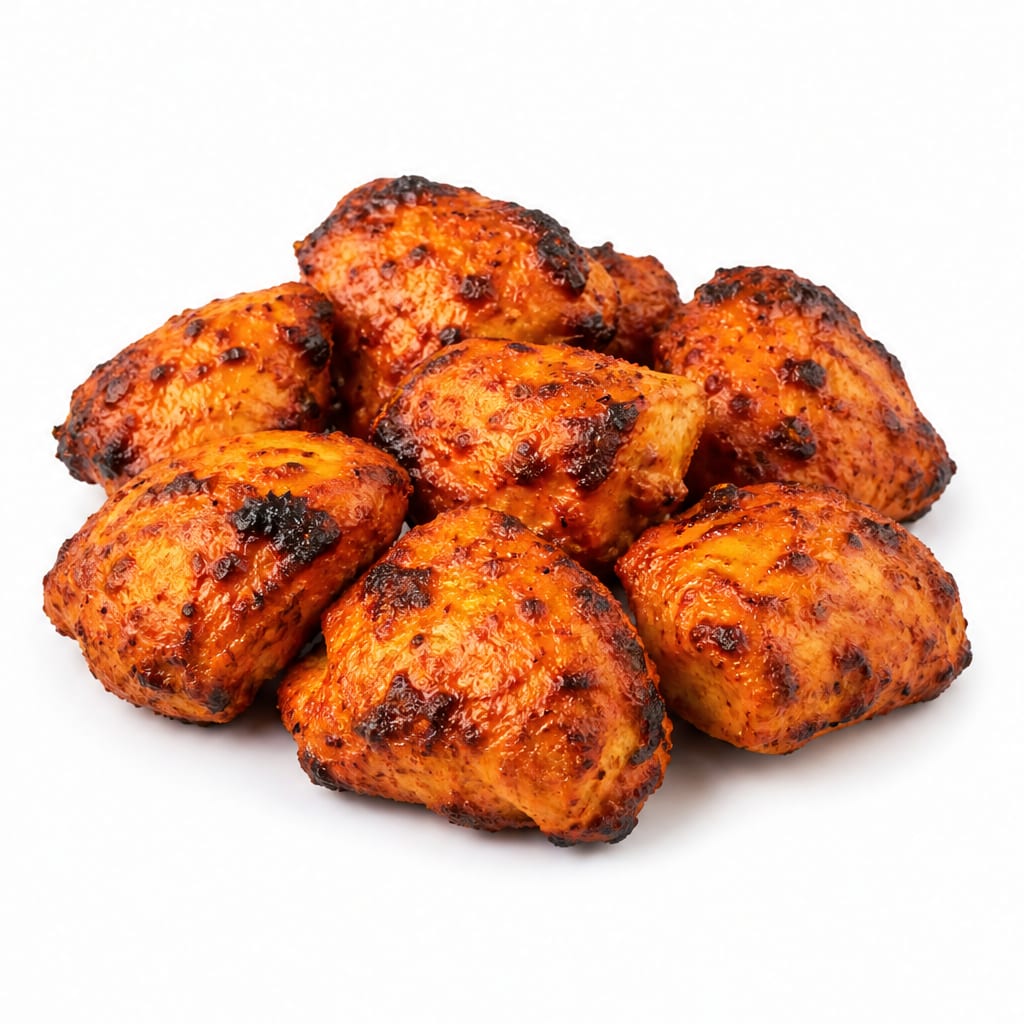
Compare with
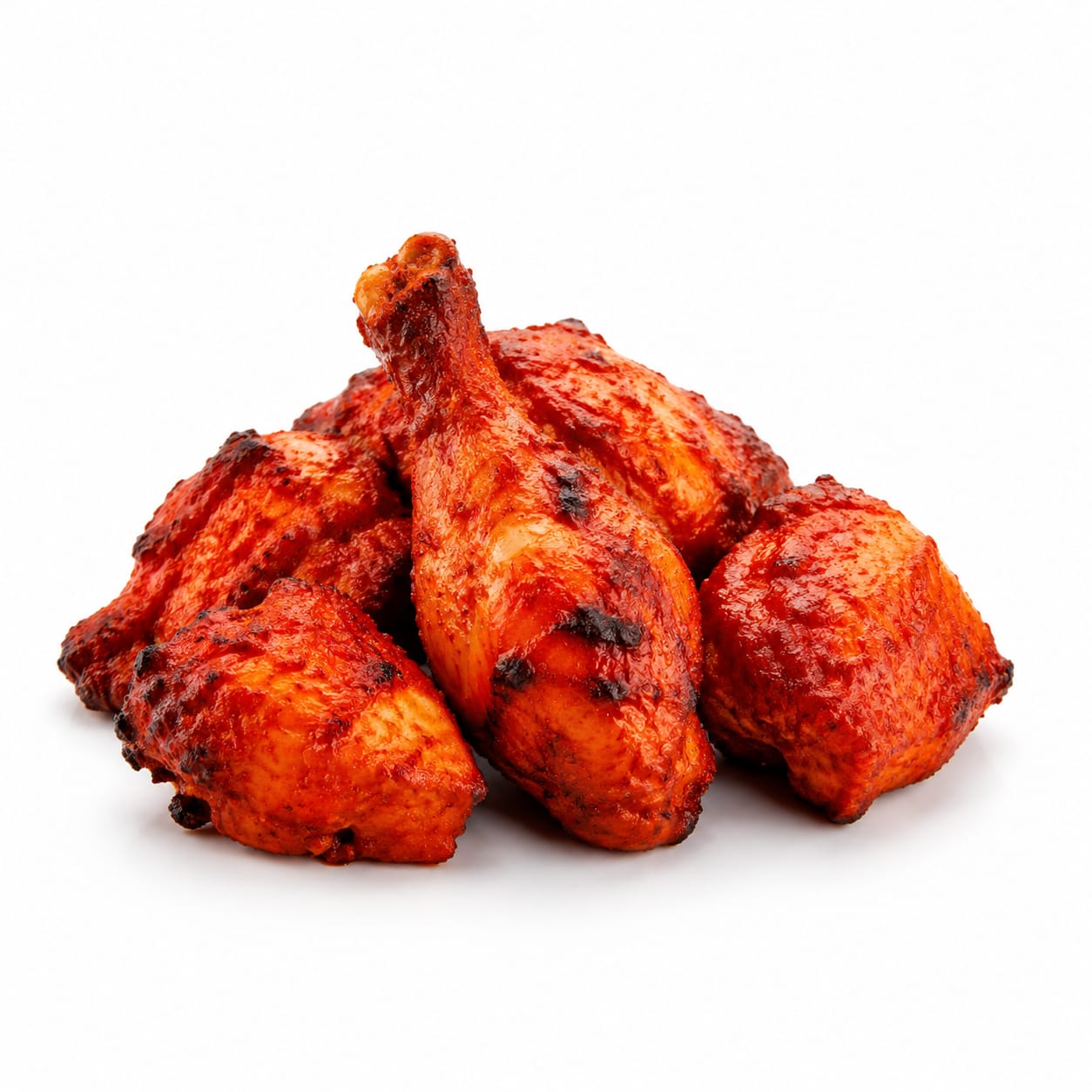
Chicken Tikka
Both are high-protein Indian dishes. Chicken tikka is boneless and slightly easier to eat, while tandoori chicken is traditionally bone-in, which can retain slightly more moisture during cooking.
Tandoori chicken and chicken tikka are nutritionally similar, but tandoori is bone-in and slightly higher in satiety, while tikka is boneless and easier to portion.
This food
Tandoori Chicken
VS90% alike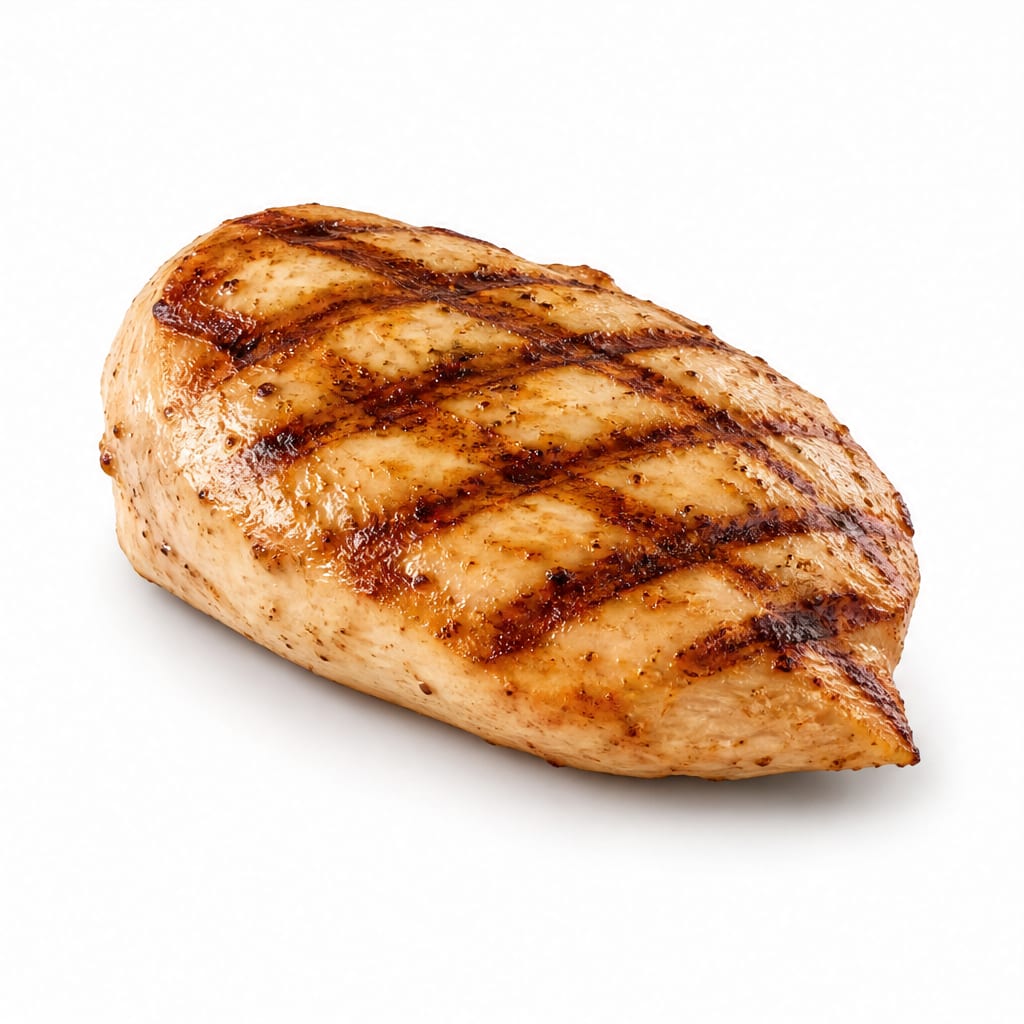
Compare with
Grilled Chicken Breast
Grilled chicken breast is leaner and lower in calories, but tandoori chicken offers superior flavor from the spice marinade and may retain more moisture due to the yogurt.
Grilled chicken breast is lower in fat and calories for strict dieting, while tandoori chicken provides more flavor and anti-inflammatory spices.
This food
Tandoori Chicken
VS60% alike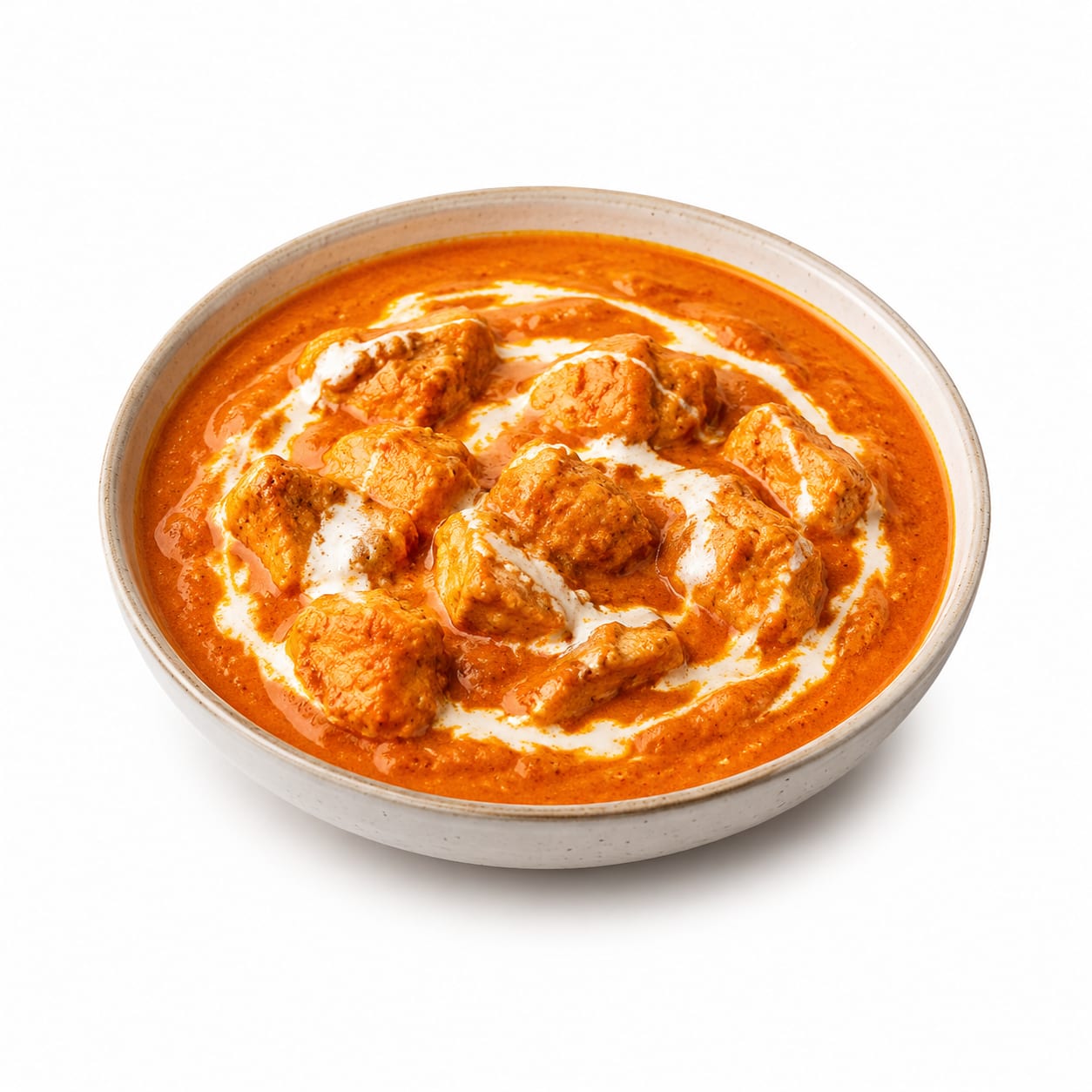
Compare with
Butter Chicken
Tandoori chicken is often the base for butter chicken, but the heavy cream and butter sauce in butter chicken drastically increase calories and fat.
Tandoori chicken is far lower in calories and fat than butter chicken, making it the clear winner for weight loss and fitness goals.
This food
Tandoori Chicken
VS40% alike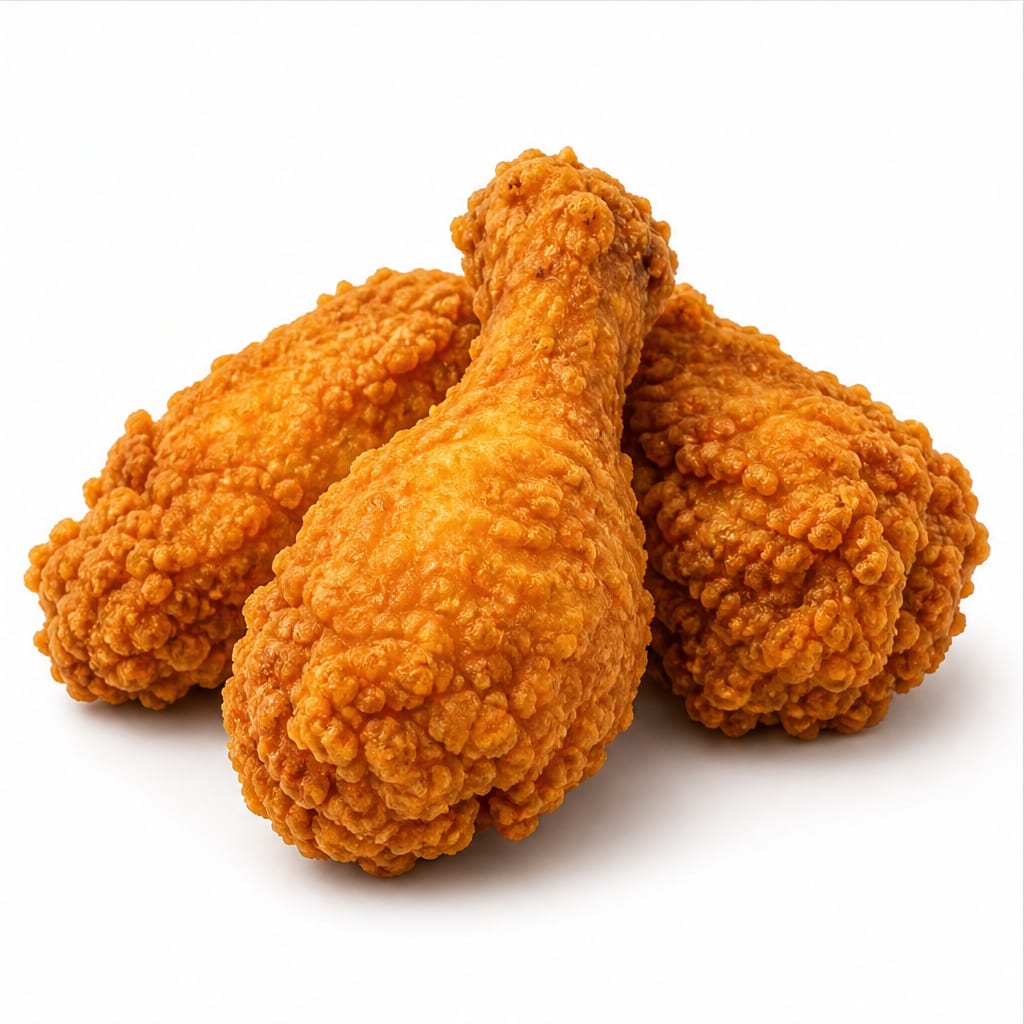
Compare with
Fried Chicken
Fried chicken is breaded and deep-fried, adding significant calories, unhealthy fats, and carbohydrates. Tandoori is skinless and roasted, making it far leaner.
Tandoori chicken is a much healthier choice than fried chicken, offering higher protein with far fewer calories and unhealthy fats.
This food
Tandoori Chicken
VS88% alike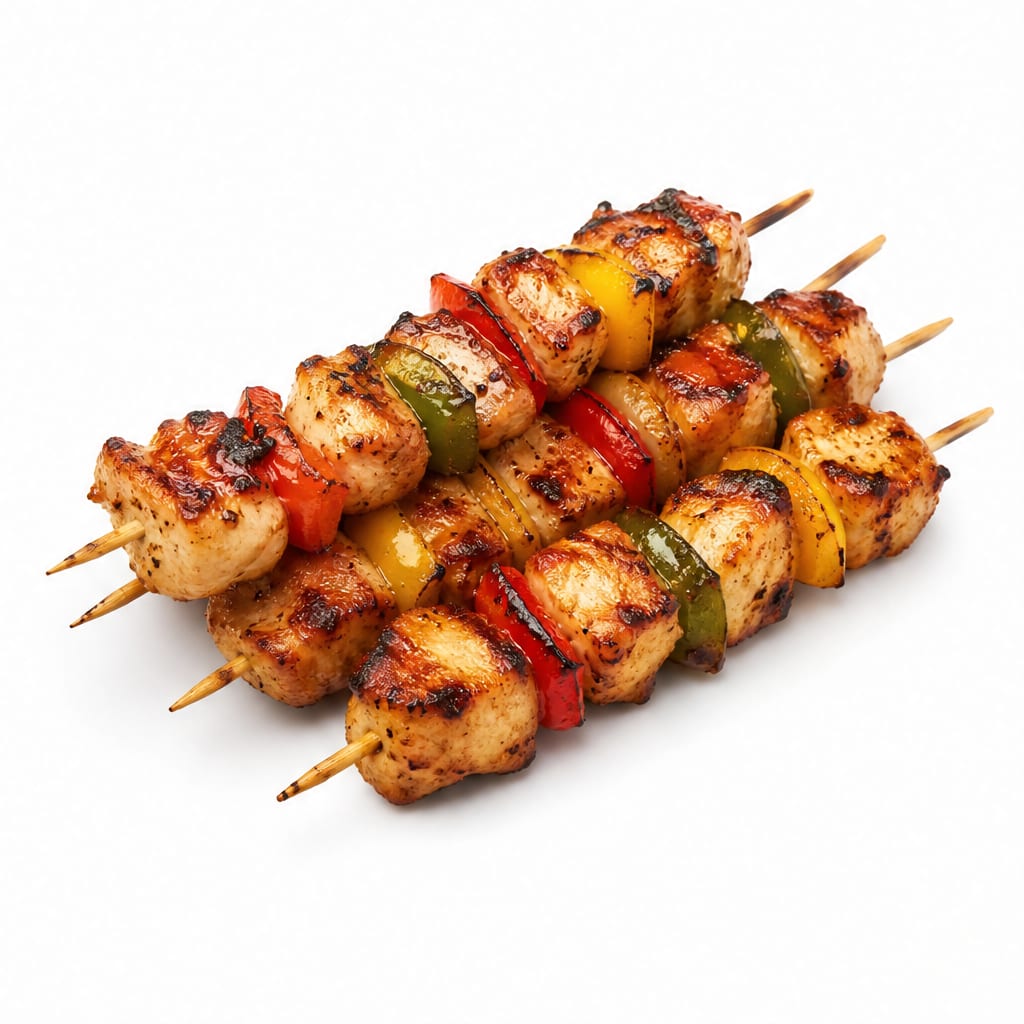
Compare with
Chicken Kebab
Both are excellent lean protein sources. Chicken kebabs are typically made with smaller pieces of boneless meat, while tandoori uses larger bone-in cuts.
Tandoori chicken and chicken kebabs are both excellent low-carb, high-protein options with similar nutritional profiles.
This food
Tandoori Chicken
VS85% alike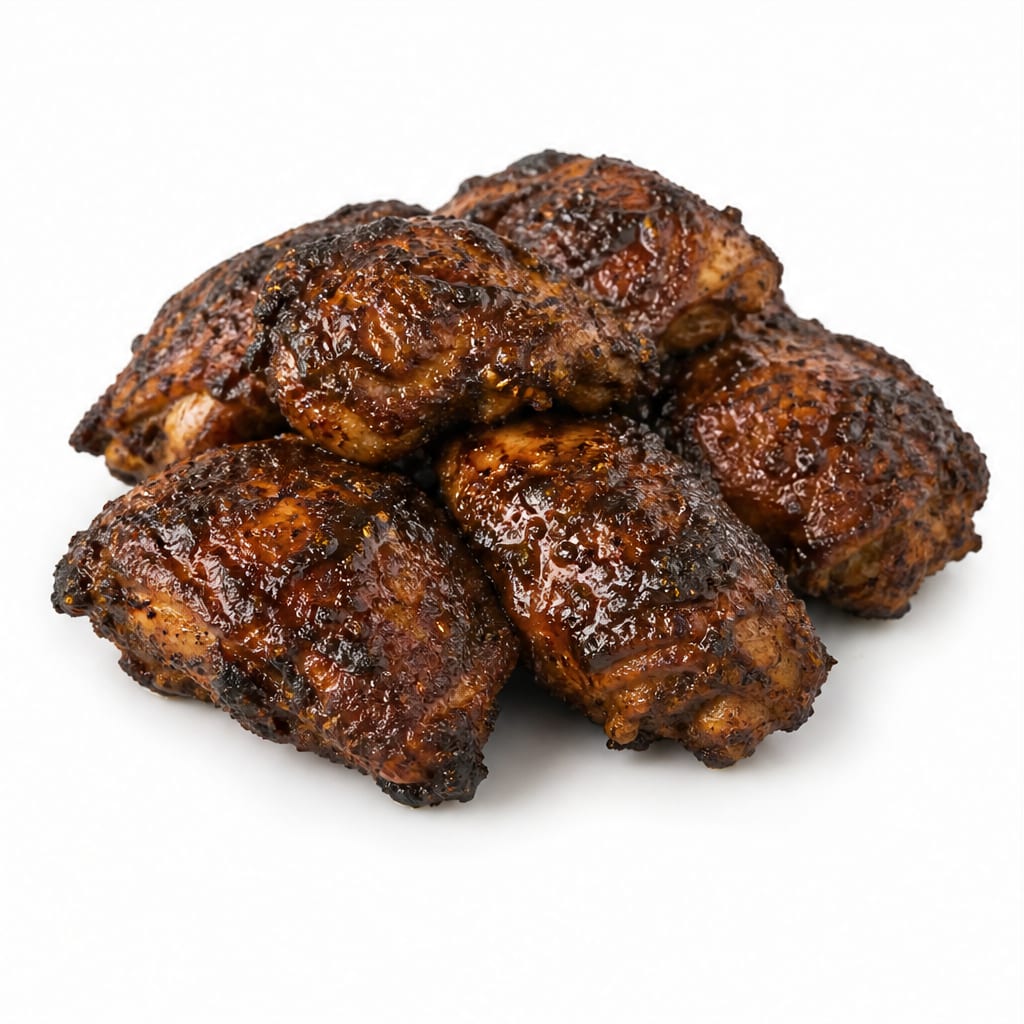
Compare with
Jerk Chicken
Both use bold spice marinades. Jerk chicken relies on a dry rub and is often sweeter, while tandoori uses a yogurt base, making tandoori slightly lower in sugar and carbohydrates.
Tandoori chicken is lower in sugar than jerk chicken due to its yogurt marinade, making it slightly better for blood sugar control.
This food
Tandoori Chicken
VS85% alike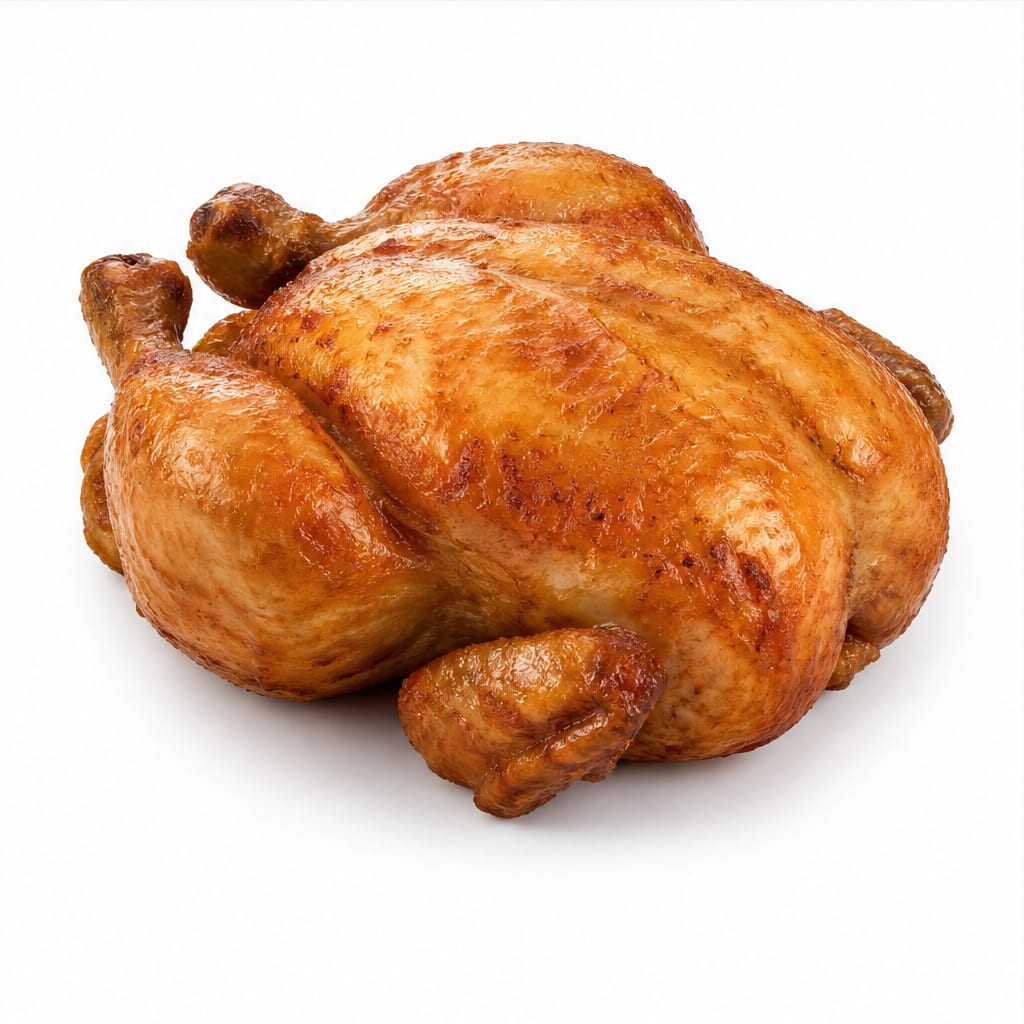
Compare with
Roast Chicken
Roast chicken is plain, offering versatile flavoring control. Tandoori chicken provides built-in bold flavor and anti-inflammatory spices but can be higher in sodium.
Roast chicken is lower in sodium, while tandoori chicken offers more robust flavor and added antioxidants from its spice blend.
This food
Tandoori Chicken
VS70% alike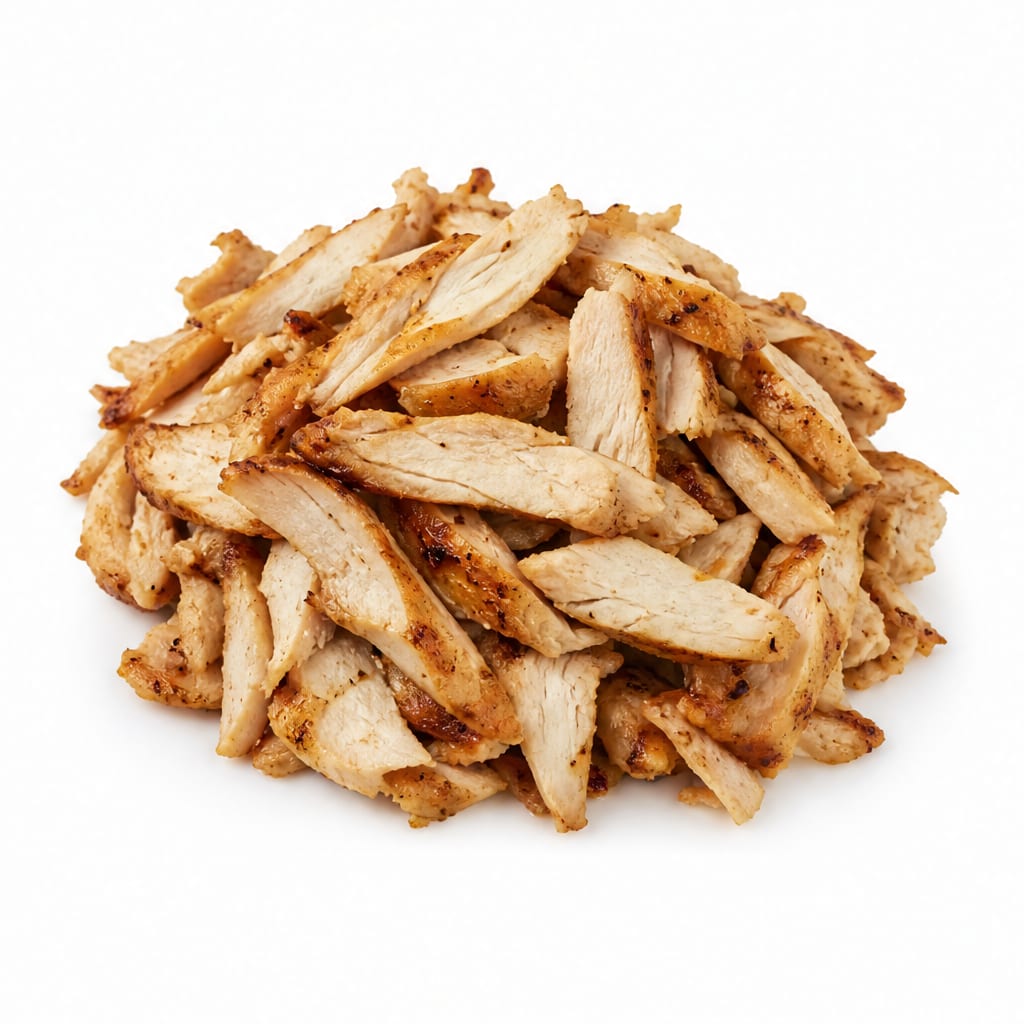
Compare with
Chicken Shawarma
Shawarma marinades often include tahini or oils, and it is frequently served with high-carb wraps and sauces. Tandoori is typically served plain or with a light side, making it lower in calories and carbs.
Tandoori chicken is leaner and lower in carbohydrates than chicken shawarma, which is often paired with heavy sauces and bread.
This food
Tandoori Chicken
VS75% alike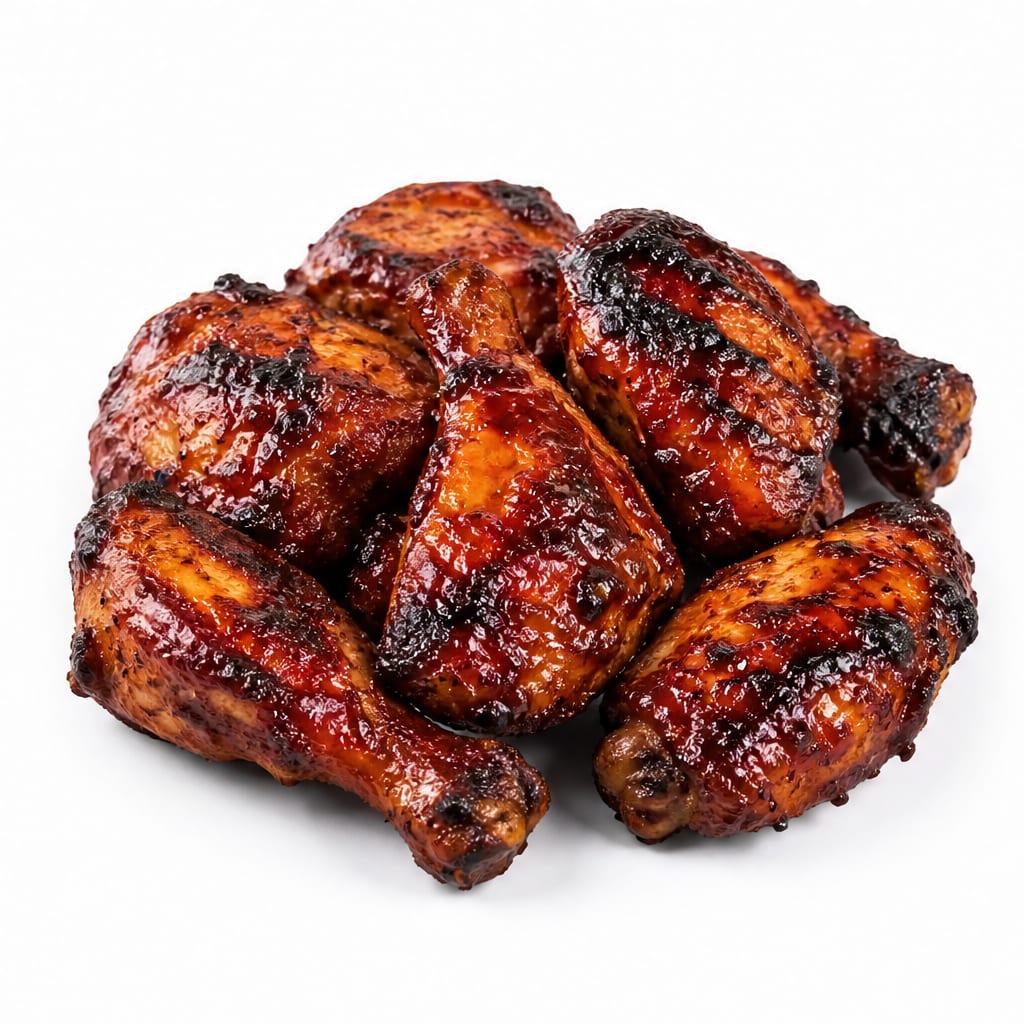
Compare with
BBQ Chicken
BBQ chicken is coated in a sweet, sugar-heavy sauce, increasing its glycemic load. Tandoori marinade is yogurt-based with minimal sugar, making it far better for blood sugar control.
Tandoori chicken beats BBQ chicken for blood sugar control and weight loss because it lacks the high-sugar sauce found in BBQ preparations.
This food
Tandoori Chicken
VS65% alike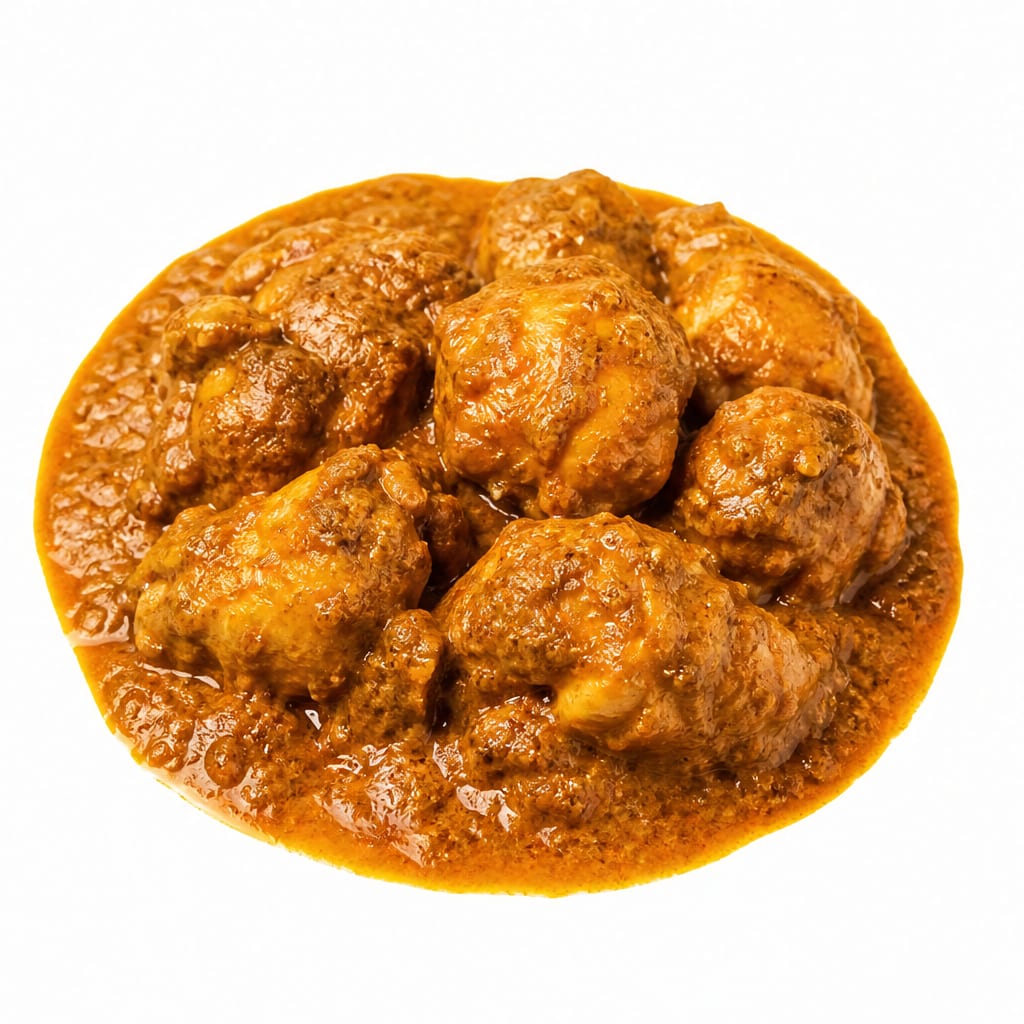
Compare with
Chicken Curry
Chicken curry involves a sauce base often thickened with cream, coconut milk, or flour, significantly increasing its calorie and fat content compared to dry-roasted tandoori.
Tandoori chicken is much lower in calories and fat than chicken curry, which relies on heavy, calorie-dense sauces.
Common questions
FAQ
Answers aligned with how people search for this food.
Is tandoori chicken good for weight loss?
Yes, tandoori chicken is excellent for weight loss because it is high in protein which boosts satiety, and low in carbohydrates, while being relatively low in calories if skinless.
How many calories are in tandoori chicken?
A 100g serving of skinless tandoori chicken contains approximately 165 calories, though this can vary based on the cut of meat and the amount of oil used in the marinade.
Can I eat tandoori chicken on a keto diet?
Yes, tandoori chicken is keto-friendly as it contains very few carbohydrates. Just ensure the marinade does not include added sugars or high-carb thickeners.
Is tandoori chicken high in protein?
Yes, tandoori chicken provides about 26 grams of protein per 100g serving, making it a great option for muscle maintenance and growth.
Is tandoori chicken safe for diabetics?
Yes, it is very safe for diabetics because it has virtually zero carbohydrates and will not spike blood sugar levels.
Why is tandoori chicken red?
Traditional tandoori chicken gets its color from spices like Kashmiri red chili. However, many restaurants use artificial food dyes to achieve a brighter red hue.
Is the yogurt marinade in tandoori chicken healthy?
Yes, the yogurt marinade is healthy. It adds moisture, beneficial probiotics (before cooking), and lactic acid which helps tenderize the meat without adding excess fat.
Does tandoori chicken have a lot of sodium?
It can be moderately high in sodium due to the salt used in the marinade. Restaurant versions often contain more sodium than homemade preparations.
Transparency
Data confidence
Estimated confidence for nutrition data, interpretation, safety notes, and comparisons.
Nutrition data
Health analysis
Food safety
Comparisons